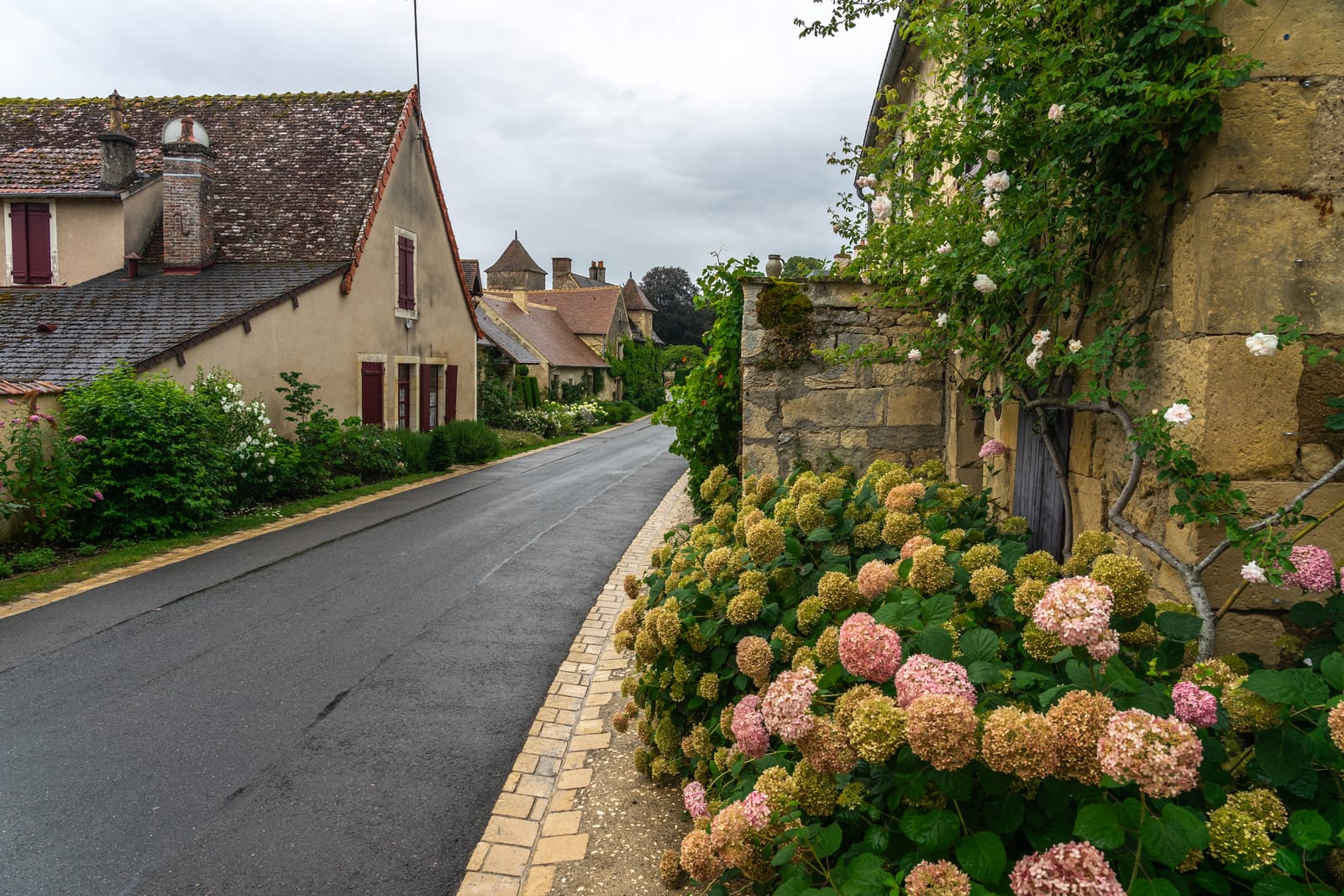
France’s real magic often lives far from the cities — in quiet villages where life still moves at a gentler pace. These places retain their original character, with stone houses, narrow lanes, and markets that have been in operation for centuries. Each one reflects its landscape: limestone in Provence, timber in Alsace, granite in Brittany.
What makes them special isn’t just their beauty, but their authenticity. These communities still follow rhythms shaped by the land, the harvest, and the seasons. Here, tradition isn’t curated — it’s lived.
Exploring France’s villages offers a deeper look at the country’s true diversity. Every region tells its own story through food, architecture, and daily life. This guide highlights the most remarkable of these places — not the overly polished or touristy, but the ones that still feel real.
Why France’s Tiny Villages Deserve a Place on Your Itinerary
Travelers often plan a French trip around major cities, yet a more profound sense of culture emerges in the French countryside. These communities preserve older traditions, quieter rhythms, and landscapes that reflect the true character of rural France. The experience feels more grounded than what most busy urban centers offer.
Big Cities vs Small Villages and What Most Travelers Get Wrong
Large cities show rapid development and modern influence. Small communities preserve older forms without significant alteration. The street networks follow natural contours rather than planned grids. Homes and civic buildings use stone, timber, or clay that reflect the region’s geology.
Many visitors understand regional identity more clearly when they study picturesque villages in France, because details remain visible and accessible at a smaller scale.
What Makes a French Village Beautiful Beyond Instagram
Beauty in rural France results from structural consistency. Historic villages in France use materials that match the surrounding landscape. Markets reveal long-standing agricultural practices through specific products and production methods.
Religious buildings, civic halls, and farm structures show how communities organized space and labor. These features carry more weight than curated viewpoints and provide a reliable context for evaluating scenic French towns.
Storybook Hilltop Villages of Provence and the Luberon
The Luberon contains elevated settlements that developed around farming terraces, defensive ridges, and access to spring water. These sites show clear evidence of how geography shaped community structure.
Travelers who study Provence villages to visit gain insight into the region’s stonework, microclimates, and agricultural patterns that continue to influence daily life.
Gordes and Its Classic Stone Setting Above the Valley
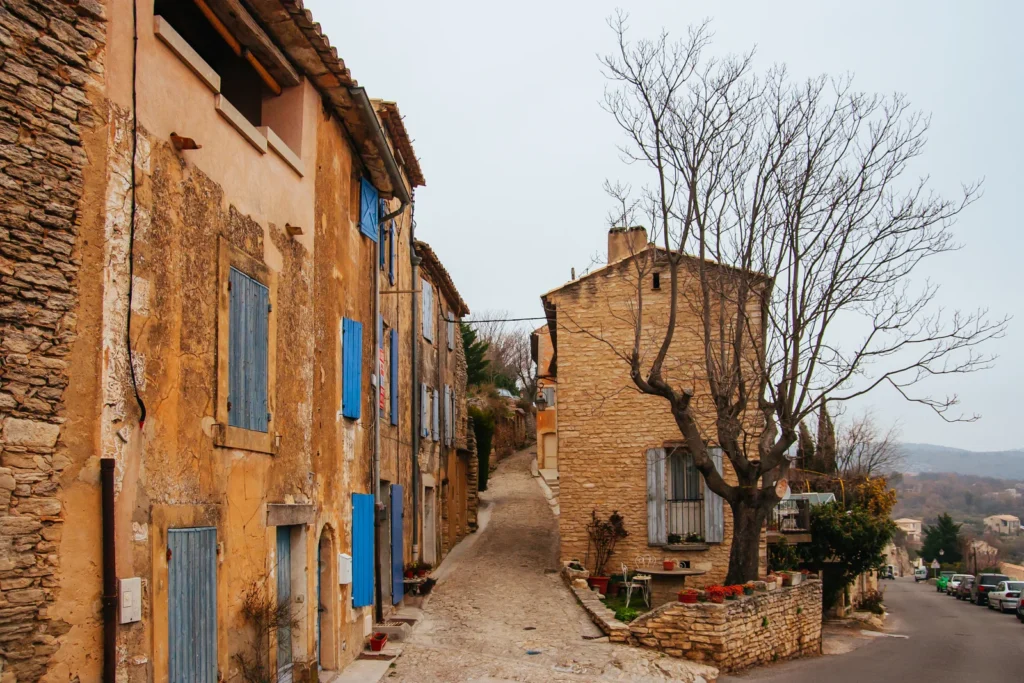
Gordes sits on a limestone ridge that gives the village a commanding view of the Calavon Valley. The architecture uses locally quarried stone, producing a pale, unified appearance. The viewpoint at the west entrance provides the clearest perspective of the village form.
Visitors often follow the path behind the Sénanque Abbey during lavender season to observe the fields from higher ground. These features make Gordes a consistent reference point for anyone studying Provence villages to visit in relation to their surrounding terrain.
Roussillon and Its Ochre Cliffs with Distinct Color
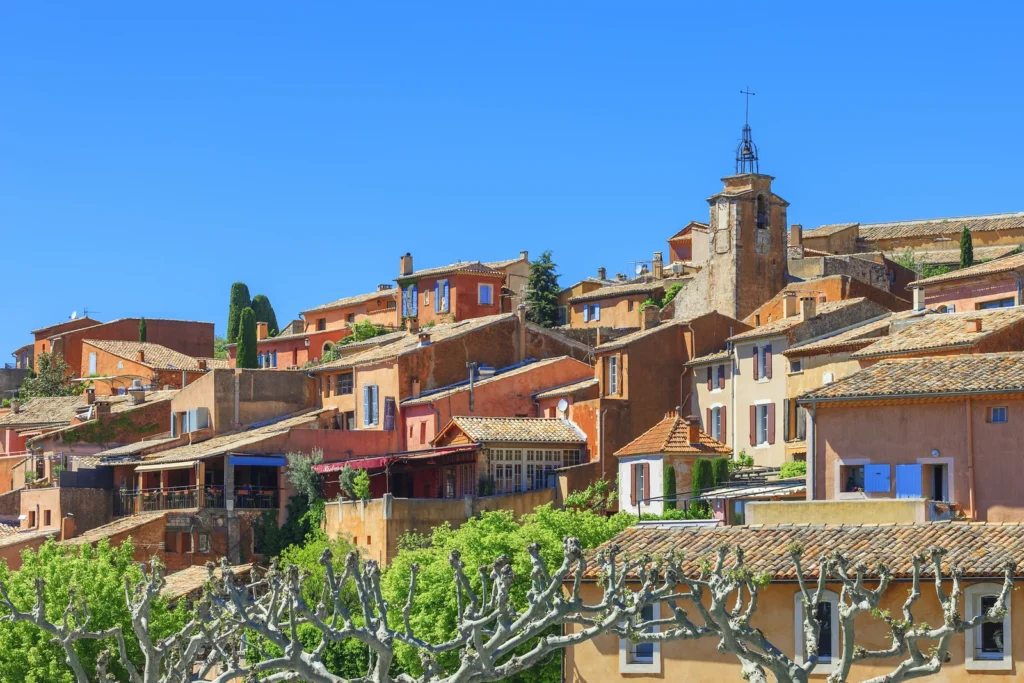
Roussillon rests on one of the most significant ochre deposits in Europe. The pigment appears in the cliffs, pathways, and building facades. The Sentier des Ocres trail allows travelers to see the geological layers up close.
The village lanes reveal how builders integrated natural ochre into plaster and mortar. Light in the late afternoon heightens the red and orange tones, creating ideal conditions for precise photography of picturesque villages in France with distinct geological character.
Ménerbes and Bonnieux for Quieter Overnight Stays
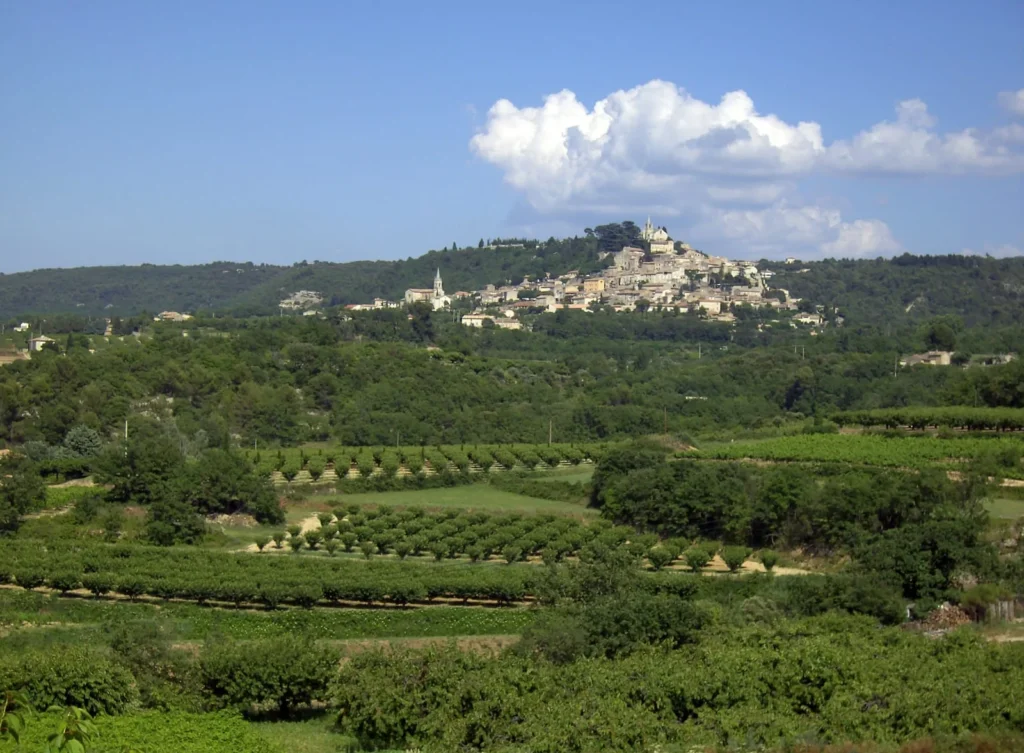
Ménerbes and Bonnieux receive steady interest from travelers who prefer calm evenings and a balanced pace. These communities offer clear views, consistent building style, and access to countryside paths. Their quieter setting attracts visitors seeking environments similar to those of many charming French villages in the region.
Practical Tips for Visiting Provence Villages
Market days create higher activity in central squares, so early arrival improves access. Parking availability decreases during peak hours, particularly in summer. Shoulder months offer milder temperatures and fewer crowds. Many must-see villages in this region feel more accessible during the first hours of the day, when the light remains soft, and movement stays moderate.
Fairy Tale Villages on the Alsace Wine Route
The Alsace Wine Route follows a narrow band between the Vosges foothills and the Rhine plain. The villages in this corridor developed around viticulture, fortified layouts, and access to fresh water from nearby springs.
Their half-timbered houses and regular street patterns give travelers clear examples of regional building techniques. Visitors who study picturesque villages in France gain precise insight into how geography and wine production shaped daily life.
Eguisheim and Its Distinct Circular Layout
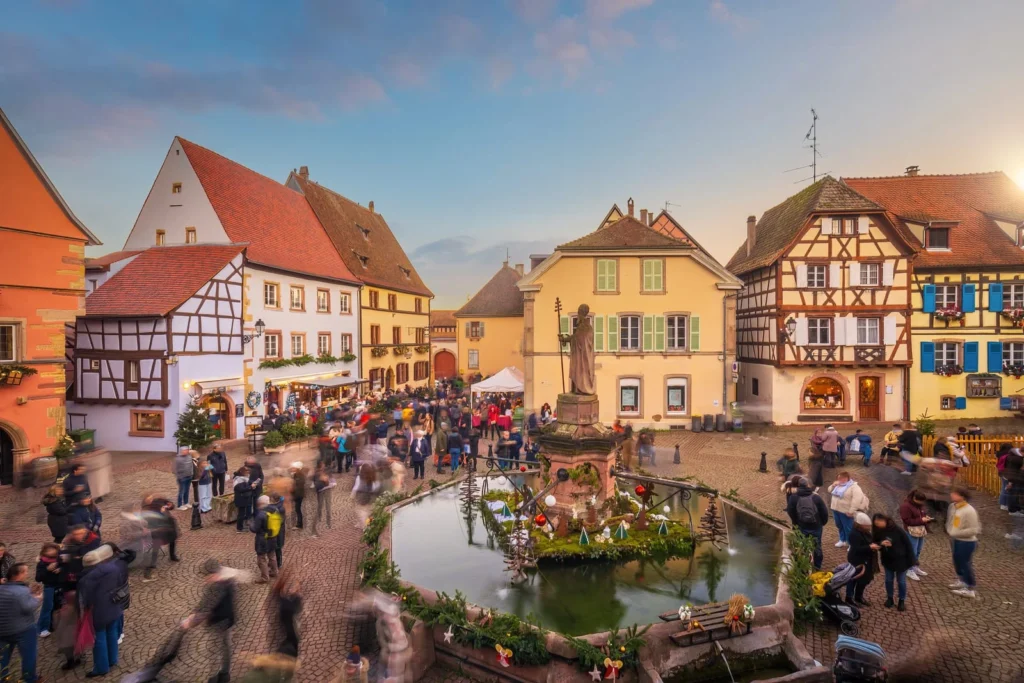
Eguisheim’s layout follows two concentric rings that reflect the footprint of its original fortification. The houses display exposed beams, carved lintels, and plaster colored with natural pigments.
Wine producers operate throughout the village and focus on Riesling, Pinot Gris, and Gewurztraminer. These features make Eguisheim a clear example of structural and agricultural continuity along the route.
Riquewihr and Ribeauvillé with Strong Architectural Continuity
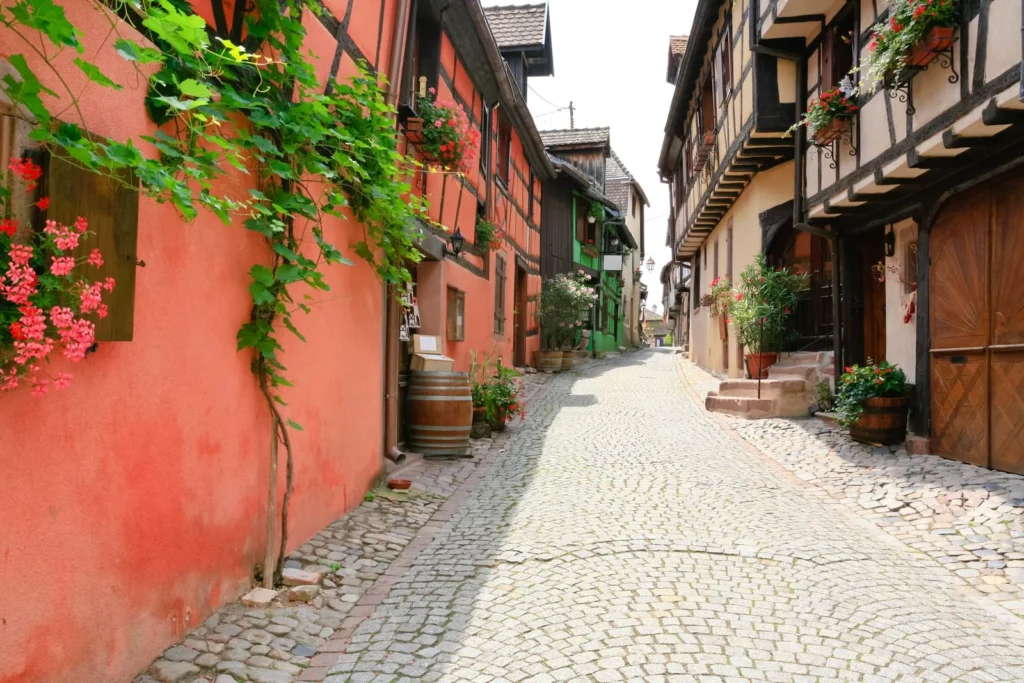
Riquewihr contains a central street that extends between two gates. The Dolder Tower marks the structure’s upper end and highlights its defensive role. Timbered facades, stone bases, and carved details appear throughout the village.
Ribeauvillé stretches along a valley floor and contains three hilltop castles that illustrate changes in defensive architecture over several centuries. Clear paths lead to each site and provide elevated views of the valley.
Seasonal Appeal Along the Alsace Wine Route
Autumn brings harvest activity, increasing movement through vineyards and lanes. Winter introduces Christmas markets that focus on regional crafts and food. Spring offers clear visibility and mild temperatures, supporting extended walks. These conditions influence access and pacing across scenic French towns in the region.
Practical Planning for Alsace Villages
Walking remains the primary method of movement because the lanes are narrow. Parking fills quickly in peak months, so early arrival improves access. Travelers who stay in the villages have easier access to tasting rooms and local producers. This choice supports efficient exploration of must-see villages along the route in France.
Cliffside and Riverside Villages of Occitanie and the Dordogne
The Dordogne and the Lot valleys contain villages built in locations chosen for defensive advantage, access to water routes, and proximity to fertile terraces. Many settlements follow the contours of cliffs and river bends, which gives them distinct structural forms.
Rocamadour with Its Vertical Position on the Cliff
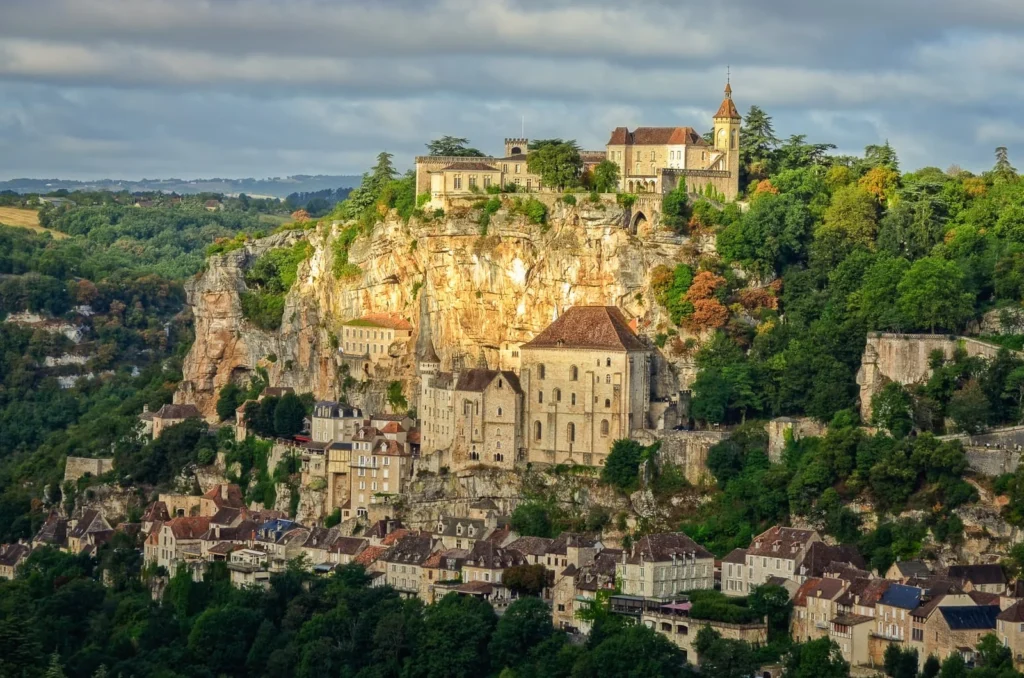
Rocamadour rises in three levels that reflect its defensive and religious functions. The lower street contains arcaded houses that supported commerce during the pilgrimage period.
The Grand Escalier staircase leads to the Sanctuary complex, which includes the Notre Dame Chapel, the Saint Amadour crypt, and several chapels built directly against the rock.
The path above the complex gives a complete view of the vertical layout and the canyon below. This structural clarity makes Rocamadour a primary example of historic villages in France with tiered construction.
Saint Cirq Lapopie and Its Bend in the River
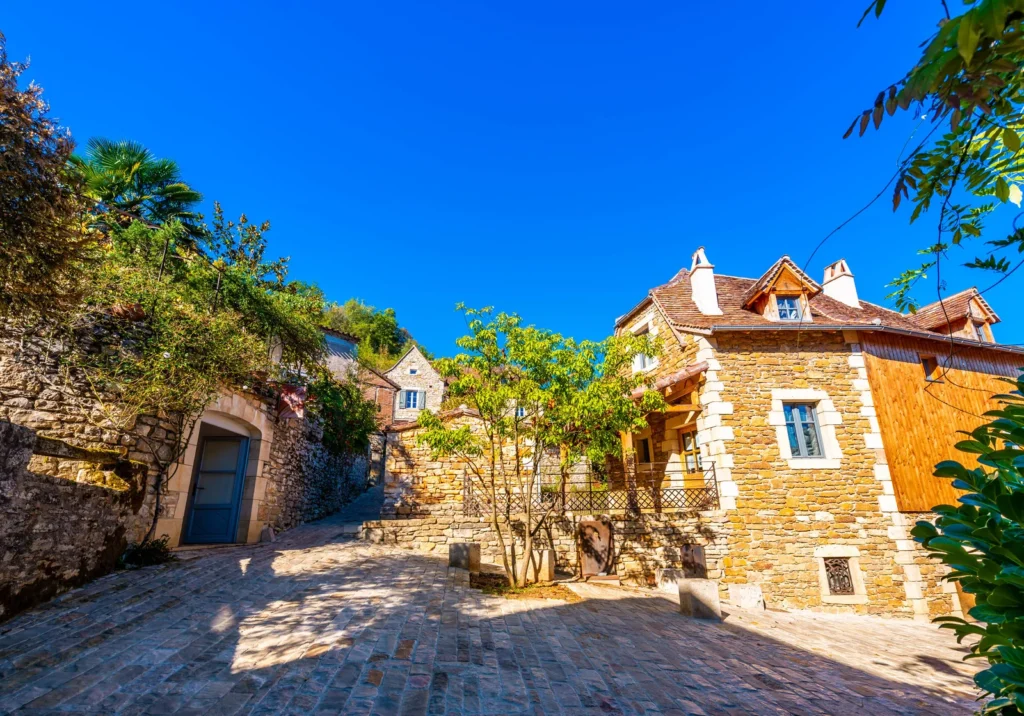
Saint Cirq-Lapopie overlooks a curve in the Lot River and features a cohesive collection of stone buildings that reflect the region’s medieval heritage. The lanes lead to viewpoints that reveal the full landscape in clear detail. Many travelers describe the experience as immersive because the village and river create a unified scene.
La Roque Gageac and Beynac with Their Riverside Setting
La Roque Gageac extends along the base of a cliff beside the Dordogne River. The troglodyte fort above the village shows how earlier inhabitants used the cliff for protection. The riverside houses reveal the settlement’s dependence on transport routes.
Beynac rises from the river toward its hilltop château. The stone paths that lead to the fortress follow the original medieval circulation pattern. The château served as a strategic position during major regional conflicts, and its elevated site provides an uninterrupted view of the valley.
Planning Tips for the Region
Early arrival improves access to parking and viewpoints in both seasons. The river areas attract higher activity in warm months, so travelers benefit from structured timing for boat trips and walks. Cooler months present calmer conditions that suit photographers and visitors who want extended time in must-see villages in France without crowd pressure.
A Natural Base for Exploring the Dordogne
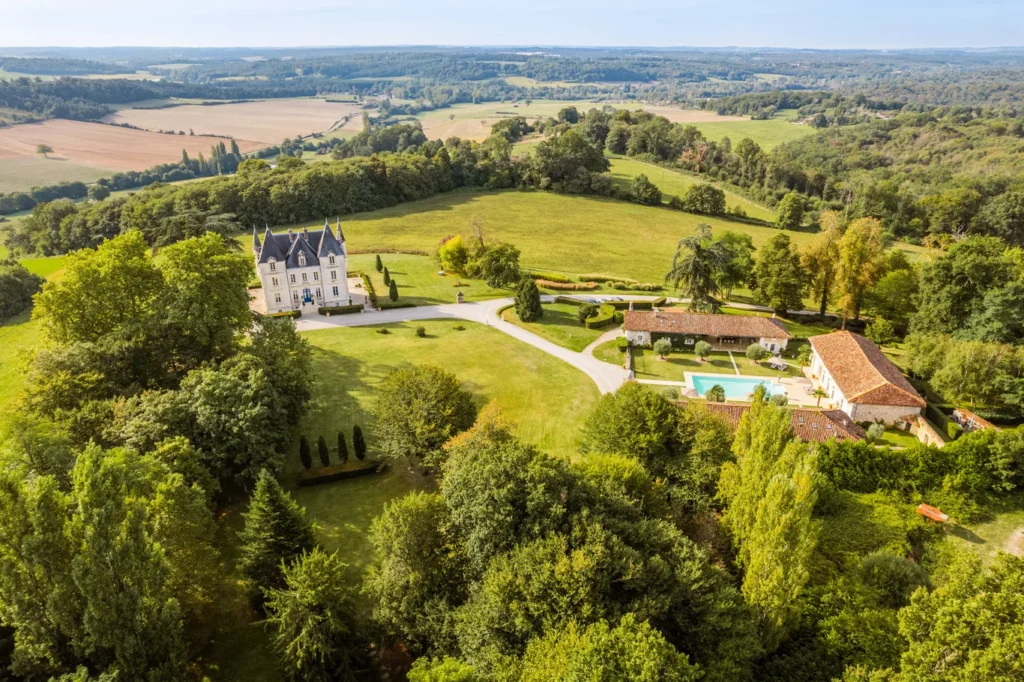
Many travelers look for lodging that matches the rhythm and landscape of the region. Château de Lasfonds stands on a small rise in the Dordogne countryside and provides more than six hectares of gardens and woodland.
The nineteenth-century estate includes a four-story main house with four bedrooms, as well as additional guest houses for larger groups. The property features a heated pool, open terraces, and views across the surrounding land. Its location offers practical access to nearby villages and river settings throughout the region.
Coastal and Harbor Villages from Normandy to Brittany
Travelers who explore the north coast of France encounter maritime landscapes that shape the identities of many coastal villages. The region presents harbors, slate roofs, pebble beaches, and granite settings that reflect long-standing ties between local life and the sea. These communities attract visitors who want an intense atmosphere, clear architectural character, and access to open shoreline.
Honfleur and Its Artist Harbor with Slate-Fronted Houses
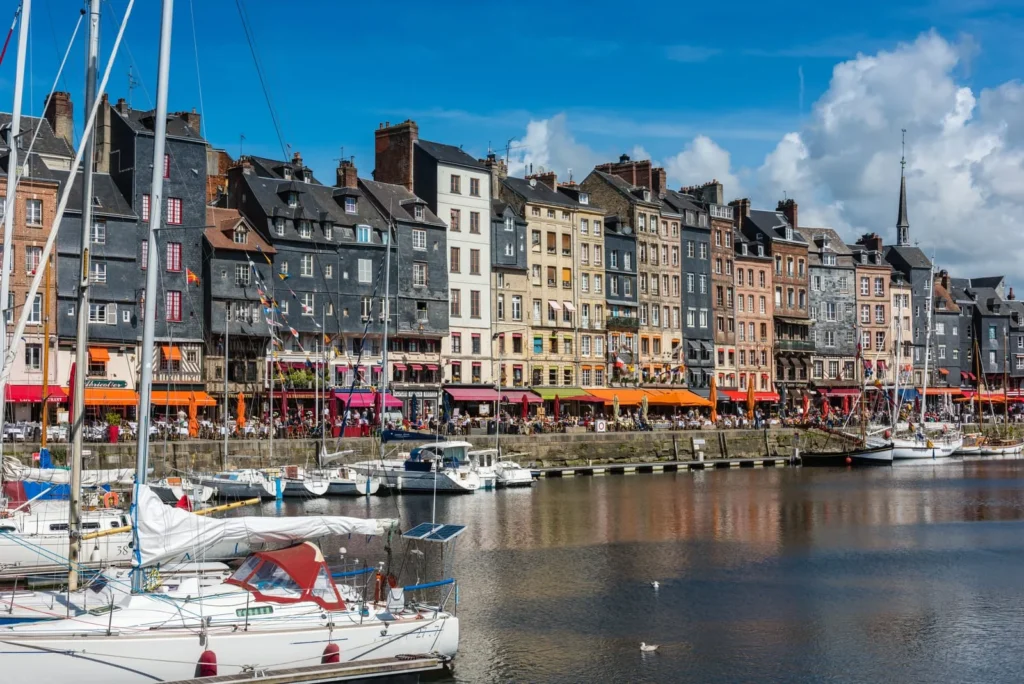
Honfleur holds a central place among Normandy villages to visit because the Vieux Bassin creates a distinct visual anchor. The harbor reflects the surrounding slate-fronted houses with precision, offering an open view that appeals to painters and photographers.
The lanes near the water offer galleries that reference the town’s artistic history. Many travelers extend their route to Étretat for cliff views and further exposure to the region’s coastal scenery. Honfleur remains one of the most admired scenic French towns in northern France.
Veules les Roses and Barfleur for Quieter Normandy Charm
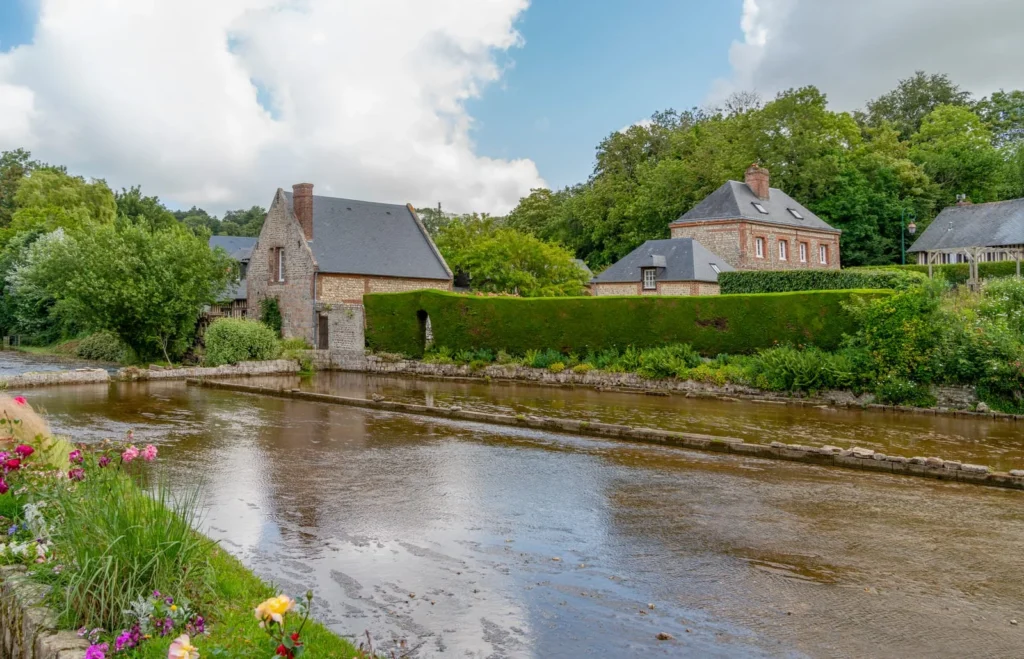
Veules les Roses attracts visitors with its pebble beach, small river, and half-timbered cottages, which create a calm setting. Barfleur presents a different scene with granite houses, fishing activity, and expansive views across the shoreline.
Both locations attract steady interest from travelers seeking the character of charming French villages without heavy crowd pressure. Each village provides dependable seafood and access to quiet walks along the coast.
Brittany’s Granite Harbors and Pink Rock Coast
Brittany presents a distinct environment, with granite harbors and pink rock formations that frame many settlements. Locronan maintains a strong architectural unity, with stone buildings that reflect Celtic influence.
Saint Suliac sits along the Rance estuary and presents narrow lanes, fishing activity, and consistent color tones. These locations remain respected travel destinations in France because they preserve cultural details that feel deeply rooted in the region’s maritime history.
Weather, Tides, and Packing for the North Coast
The north coast experiences strong winds and rapid shifts in light. Layers improve comfort during long walks and extended time near the water.
Tide times shape access to beaches and photography opportunities, so travelers benefit from checking schedules in advance. The region features several must-see villages in France that feel more approachable on calm days and in the early morning.
Alpine and Mountain Villages for Summer and Snow
The French Alps contain villages that express the balance between human settlement and mountain terrain. Their architecture reflects a history of endurance shaped by long winters, steep slopes, and limited resources. These communities combine natural beauty with a sense of quiet resilience.
Yvoire and Its Lakeside Setting with Floral Detail
Yvoire sits on the shore of Lake Geneva and presents stone houses, narrow lanes, and floral decoration that define its appearance. The position along the water offers calm views and easy access to boat routes.
Visitors often remark on the clarity of the village’s layout, as the streets naturally lead toward the lake. The combination of structure and setting places Yvoire among recognized scenic French towns with steady seasonal appeal.
Bonneval-sur-Arc and Saint-Véran for High Altitude Life
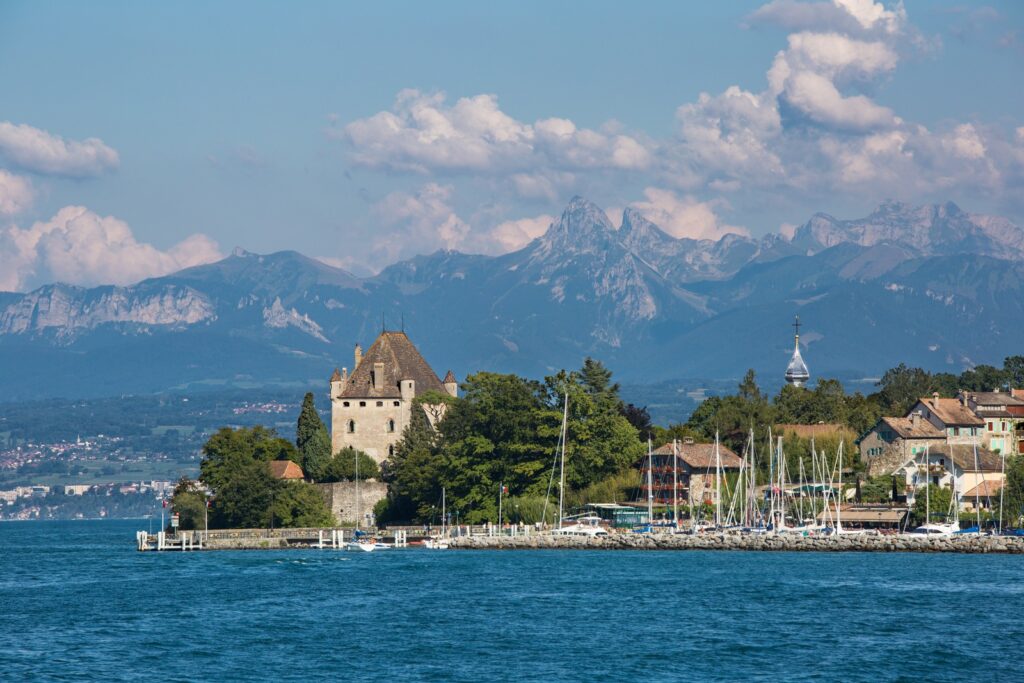
Bonneval-sur-Arc preserves stone buildings, slate roofs, and a layout that reflects the lifestyle of a mountain community. Saint Véran sits at a high elevation and offers expansive views across the surrounding peaks.
Both locations attract travelers who want close contact with alpine terrain and traditional architecture. These villages appeal to visitors seeking immersion in historic villages in France that have preserved their original form.
Activity and Access in Alpine Regions
The Alps support seasonal activities, including hiking, cycling, and winter sports. Cable routes provide access to higher viewpoints and extend the range of possible walks. Travelers benefit from precise planning because weather conditions can shift with little notice. Many visitors choose this region for an outdoor experience combined with the cultural depth of the must-see villages in France.
Wine, Limestone, and Riverlight in Central France and the Loire
Central France presents a landscape shaped by rivers, vineyards, and pale limestone that reflects light with unusual clarity. The Loire region, in particular, combines open scenery with a deep architectural heritage. The villages here embody calmness and precision, each one built in close relationship with the land that supports it.
Montsoreau and Candes Saint Martin Where the Rivers Meet
Montsoreau sits along the Loire and features stone houses that follow the river’s curve. Candes Saint Martin stands at the meeting point of the Loire and the Vienne and offers narrow streets, a prominent collegiate church, and elevated viewpoints.
These villages offer consistent access to riverside walks and remain respected travel destinations in France for travelers seeking calm settings.
Sancerre and Pouilly-sur-Loire for Vineyard Horizons
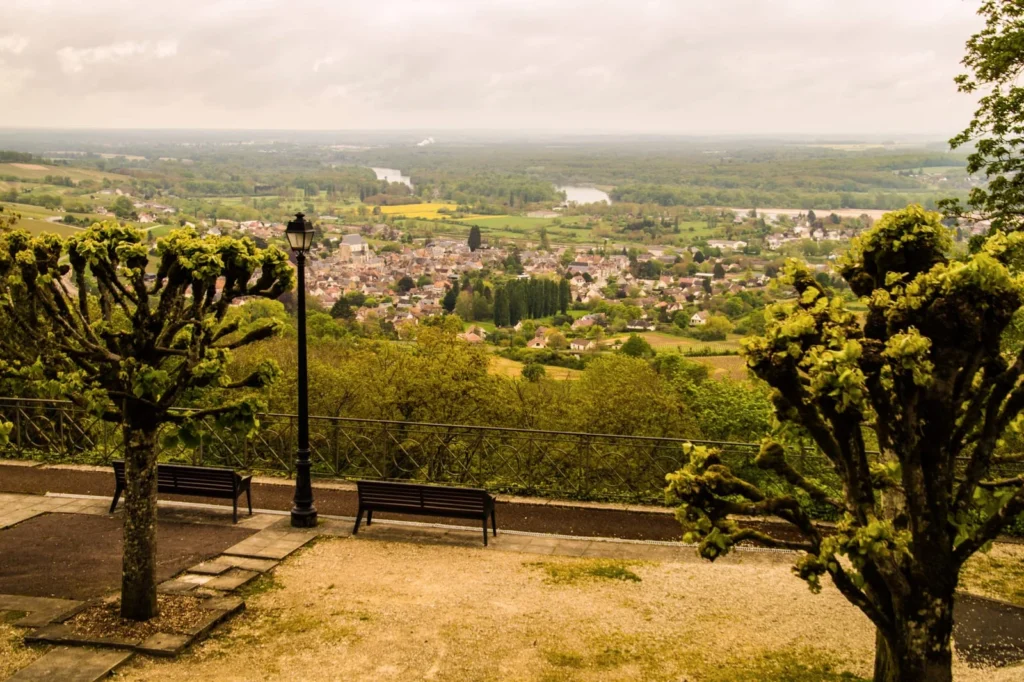
Sancerre rises above the surrounding vineyards, offering wide views across the hills. The street layout follows the contours of the slope, leading visitors toward tasting rooms and small shops. Pouilly-sur-Loire sits closer to the river and offers direct access to the wine-producing landscape.
These locations attract travelers who appreciate the cultural detail found in many picturesque villages in France with strong ties to regional produce.
Combining Loire Villages with Châteaux
Travelers often combine these villages with visits to nearby châteaux. Precise planning helps maintain stable pacing because the distances between sites vary across the region. Morning visits to châteaux followed by an afternoon in the villages create a balanced structure for many visitors.
This pattern allows travelers to experience the scale of the estates while retaining the quieter detail present in several must-see villages in France.
How to Plan a Route Through France’s Most Beautiful Villages
A thoughtful route allows travelers to experience France’s most beautiful villages without feeling rushed. Each region deserves time, as distance and terrain vary more than maps suggest. Planning around geography rather than speed produces a smoother and more rewarding journey.
Those who travel from south to north can begin in Provence, continue through the Dordogne, and move toward the Loire before reaching Normandy or Alsace. This sequence follows seasonal change, with early blooms in the south and cooler air in the northern valleys. The same route in reverse works well for travelers arriving later in the year who wish to finish in warmer climates.
Public transportation connects larger towns, but car travel offers the most direct access to smaller villages. Renting a vehicle provides flexibility for early morning starts and quiet evening returns when crowds have gone. Local inns, guesthouses, and small estates often offer better proximity to village centers than large hotels.
Time management remains essential. Two or three villages per day allow for a balanced schedule that includes walks, meals, and short rest periods. The goal is not to see everything but to understand the distinct rhythm of each region and the connection between its architecture, land, and people.
Why Now Is a Great Time to Stay at Château de Lasfonds
France’s villages reveal the country’s deepest character through their architecture, traditions, and connection to the land. Each region tells its own story, shaped by local materials and centuries of patient craftsmanship. Traveling through these places allows visitors to see a version of France that remains authentic, measured, and quietly beautiful.
A stay at Château de Lasfonds completes this journey by offering a calm retreat surrounded by the same natural beauty that defines rural France. It sits in the Dordogne countryside, straddling the border between the Périgord and Charente regions. The estate covers about 6.5 hectares and includes a spacious, restored 19th-century château along with several guest houses.
You can accommodate up to 20 people. That makes the place ideal for a family reunion, a holiday with friends, or a relaxing, peaceful getaway. Inside the property, you’ll find modern comforts such as a heated pool, extensive gardens, well-kept lounges, and even entertainment and fitness areas.
The château lies within easy reach of local markets, small villages, and historic towns. Guests can taste regional cuisine, browse the village streets, and explore nearby heritage sites without rushing.
If you travel by train, you can reach the nearest central hub (about 30 minutes away) from Paris by fast TGV. From there, a short drive brings you to the estate. The location also offers decent access to larger cities and other regions if you want to blend the countryside’s calm with bigger-town outings.
To plan your visit or check availability, book your stay at Château de Lasfonds.
FAQs: The Most Beautiful Villages in France to Visit
What is the best season to visit the most beautiful villages in France?
The best time to explore France’s most beautiful villages is spring or early autumn. These months bring mild weather, fewer tourists, and landscapes filled with color, offering an ideal setting for relaxed walks and photography.
Which French regions have the highest number of officially listed beautiful villages?
Regions such as Provence, Dordogne, and Alsace have the highest number of officially recognized Les Plus Beaux Villages de France. Each region preserves its heritage through authentic architecture, traditional cuisine, and timeless rural charm that reflect local identity.
Can you visit French villages without renting a car?
Some French villages can be reached by regional trains or local buses, but car travel offers far greater flexibility. Public transport is limited in rural areas, so driving remains the best way to explore smaller, less accessible communities.
How do travelers find authentic village stays in France?
The most reliable way to find authentic village stays in France is through family-run inns, restored châteaux, or countryside guesthouses. These accommodations often include local meals and personal recommendations that help visitors experience true regional life.
What are the top wine villages to visit in France?
Top wine villages in France include Sancerre, Eguisheim, and Riquewihr, where vineyards meet historic architecture. Each offers tastings, scenic walks, and opportunities to learn about local grape varieties deeply rooted in regional traditions and family-run estates.
Are French villages safe for solo travelers?
Most French villages are peaceful and welcoming for solo travelers. Locals are accustomed to visitors, and community life feels secure. Standard precautions apply, but travelers often describe rural France as friendly and easy to navigate on your own.
What local foods should you try when visiting rural France?
Rural France is known for regional cuisine that reflects the land. Travelers should try Provençal olive oils, Alsatian tarts, and Dordogne truffles. Each village expresses identity through food prepared from local harvests and time-honored.
How much time should you spend in each French village?
Spending at least one full day in each French village allows time for markets, walks, and quiet meals. This slower pace reveals details of local life, from architecture to food, that shorter visits often overlook.
What are the best photography spots in the Dordogne region?
The Dordogne region offers exceptional views in Rocamadour, Beynac, and La Roque-Gageac. Early-morning and late-afternoon light capture the stone textures and river reflections perfectly, making these moments ideal for natural and atmospheric photography.
Is Château de Lasfonds a good base for exploring southwest France?
Château de Lasfonds is an excellent base for exploring southwest France. Its central location in the Dordogne countryside provides access to historic villages, markets, and rivers, while offering peace, comfort, and authentic rural surroundings.