Embarking on a bucket-list trip through the French countryside is about indulging in the kind of travel seasoned explorers dream of. This isn’t a whirlwind tour of tourist hotspots, but a slow, enriching experience rich in emotional return and personal connection. In the pastoral heart of France – from Provence’s lavender fields to Normandy’s green pastures – even the most experienced travelers find something profoundly fulfilling.
Below, we’ll explore why rural France is often hailed as a once-in-a-lifetime trip, how to plan it with care, and what to expect when you trade crowded boulevards for quiet village lanes. Let’s delve into designing the ultimate French countryside escape, step by step, to ensure it’s truly bucket-list worthy.
What Defines a True Bucket List Trip for Experienced Travelers
An actual bucket list trip is defined by its lasting impact, not by how many places you visit. For experienced travelers, the value of a journey lies in how deeply it is remembered, how clearly it stands apart from routine travel, and how meaningfully it connects to personal interests.
Well-traveled people no longer chase novelty for its own sake. Iconic sights lose their power when experienced quickly or in crowded settings. What matters instead is depth, presence, and the ability to experience a place on its own terms.
Emotional Depth Creates Lasting Memories
Memorable trips generate strong emotional responses such as calm, awe, or personal renewal. These emotions form when travelers have time to absorb their surroundings without pressure or constant movement.
Quiet landscapes, open space, and unstructured time allow moments to register fully. Instead of blending, experiences become distinct and more straightforward to recall long after the trip ends.
Authenticity Comes From Immersion, Not Access
Authenticity is not about visiting hidden places or avoiding popular regions. It comes from participating in everyday local life without performance or staging.
This may involve shopping at village markets, observing local routines, or interacting naturally with residents. Experiences feel authentic when they are not designed to impress, but simply reflect how people live.
Personal Relevance Determines Meaning
A bucket list trip aligns with the traveler’s personal interests, values, or long-held aspirations. The destination matters less than the reason for being there.
For some, this means food and wine, for others, history, landscape, or a slower pace of life. When a trip reflects something personally meaningful, each day feels intentional rather than incidental.
Why These Trips Feel Different From Ordinary Travel
Trips that combine emotional depth, authenticity, and personal relevance leave a lasting imprint. Travelers return with clear, specific memories rather than a blur of highlights.
This distinction explains why some journeys are remembered vividly years later, while others fade quickly. A bucket list trip is not about where you went, but about how fully you experienced being there.
Why the French Countryside Creates Once-in-a-Lifetime Travel Experiences
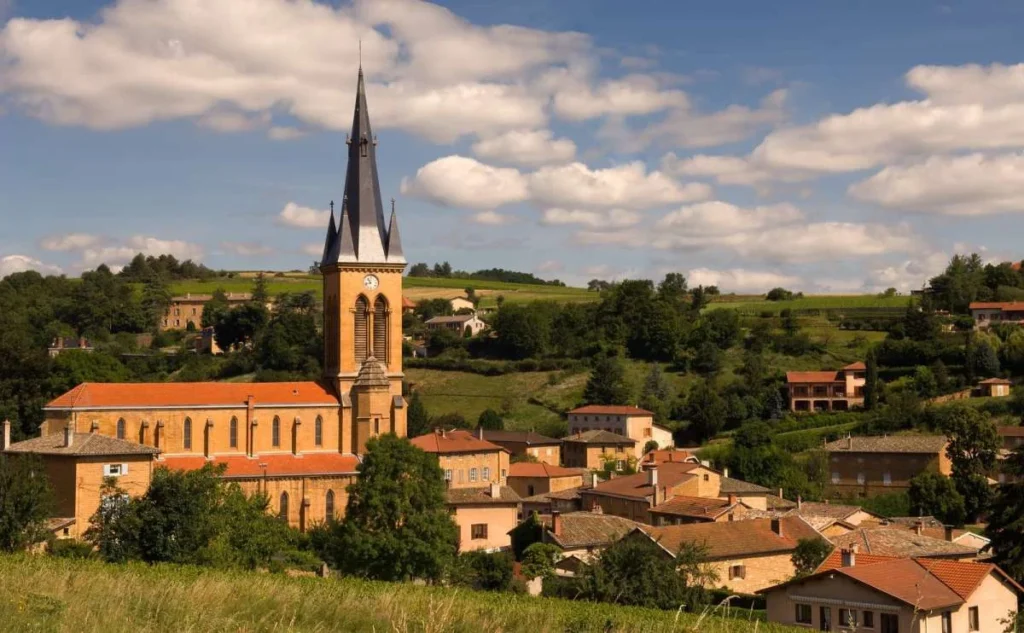
The French countryside offers conditions that fundamentally change how travel is experienced. Space, silence, and slower rhythms allow travelers to be present, creating memories that feel deeper and more personal than those formed in fast-paced destinations.
Unlike cities built around movement and consumption, rural France encourages observation and reflection. This shift in pace alters how moments are processed and remembered.
Space Changes Perspective
Rural France is defined by open landscapes rather than dense infrastructure. Vineyards, fields, forests, and distant horizons create physical and mental space.
This openness reduces sensory overload. Without constant noise or visual clutter, travelers naturally slow down and become more aware of their surroundings, which enhances attention and memory.
Silence Sharpens Awareness
Quiet is one of the most overlooked luxuries of countryside travel. In villages and rural settings, silence replaces traffic, crowds, and constant background noise.
This absence of stimulation heightens other senses. Sounds feel clearer, smells are more noticeable, and visual details are more striking, making everyday moments feel more vivid and memorable.
Scale Encourages Presence
Large landscapes create a sense of proportion that is difficult to find in urban environments. Hills, valleys, and vast skies invite stillness rather than urgency.
When travelers are not rushing between attractions, they engage more fully with what is in front of them. Presence replaces performance, and experiences feel less transactional.
Slower Rhythms Create Stronger Memories
The countryside naturally resists over-scheduling. Shops close midday, meals are unhurried, and activities unfold at a relaxed pace.
This slower rhythm allows experiences to settle. Instead of blending, moments remain distinct, which is why countryside trips are often remembered more clearly than tightly packed itineraries.
Why This Environment Feels Authentic
Authenticity in rural France comes from continuity, not novelty. Daily routines, traditions, and social interactions are shaped by long-standing habits rather than tourism demand.
Because life is not organized around visitors, experiences feel unforced. Travelers observe real patterns of living, which creates a stronger sense of connection and trust.
Choosing the Right French Countryside Region for Your Bucket List Trip
Choosing the right region is the most critical planning decision for a countryside trip. Each rural area of France offers a different rhythm, landscape, and cultural experience, which directly shapes how the trip feels day to day.
Rather than trying to see multiple regions, experienced travelers benefit most from selecting one area that closely aligns with their interests and travel style.
Why Region Choice Matters More Than Sightseeing Lists
In the countryside, travel is shaped by the environment rather than attractions. Climate, terrain, and local culture determine how you move, eat, rest, and interact.
Practical mobility plays a central role in countryside travel. In most rural regions, public transportation is limited or infrequent, making a rental car essential for daily errands, market visits, and spontaneous exploration.
Having independent transport reduces friction and allows the trip to follow local rhythms rather than transit schedules.
How Landscape Shapes the Experience
Landscape determines both mood and activity level. Vast plains, vineyards, and open valleys create a sense of calm and visual continuity. Hill towns, forests, and rivers encourage exploration at a slower, more intimate pace.
Travelers drawn to open skies and light often prefer southern regions. Those who enjoy enclosed valleys, greenery, and water tend to gravitate toward central or northern areas.
Climate Influences Daily Rhythm
Weather affects how much time is spent outdoors, when activities happen, and how days are structured. Southern regions offer long outdoor evenings and warmer mornings, while northern and western areas support more superb walks, layered clothing, and cozier interiors.
Aligning the region with the season prevents frustration. A destination at its best during your travel window will feel effortless rather than restrictive.
Cultural Identity Varies by Region
Rural France is not culturally uniform. Food traditions, daily schedules, dialects, and social norms shift noticeably between regions.
Some areas emphasize long lunches and late evenings. Others operate earlier and more quietly. These differences influence how easily travelers adapt and feel comfortable within local routines.
Matching Regions to Personal Interests
Experienced travelers benefit from choosing regions based on primary interests rather than reputation.
Food and wine lovers often thrive in vineyard-based regions where tasting and local markets shape daily life. History-focused travelers may prefer areas with preserved villages and layered pasts. Those seeking rest and reflection usually favor regions with minimal tourism pressure and strong natural presence.
A Practical Decision Framework
To narrow choices effectively, prioritize three factors: preferred landscape, ideal climate during travel dates, and dominant personal interest. When all three align, the region will feel intuitive rather than aspirational.
A bucket list trip succeeds when the destination supports how you want to live each day, not just what you want to see.
Why Your Accommodation Determines the Quality of a Bucket List Trip

In the countryside, accommodation is not just a place to sleep. It shapes daily rhythms, privacy, comfort, and the extent to which travelers engage with their surroundings. For a bucket list trip, where you stay directly affects how the entire experience feels.
Unlike city travel, rural trips involve extended time at “home,” and choosing accommodation is a central part of the journey.
Why Hotels Often Limit the Countryside Experience
Hotels are designed for short stays and predictable routines. In rural settings, this structure can feel restrictive rather than supportive.
Shared spaces reduce privacy, while fixed schedules for meals and housekeeping interrupt natural daily flow. For travelers seeking calm, flexibility, and immersion, these limitations become noticeable quickly.
How Private Stays Enable Slower, More Natural Rhythms
Private villas, farmhouses, and cottages allow travelers to live on local time. Mornings unfold without urgency, meals happen when they feel right, and mood rather than schedules shape days.
This freedom encourages presence. Travelers linger over breakfast, return for midday rest, and enjoy evenings without pressure to leave or conform to external timelines.
Privacy Enhances Emotional and Mental Rest
Privacy is essential for restoration. Having exclusive access to living spaces, outdoor areas, and views removes background tension and sensory distraction.
Without other guests nearby, travelers relax more fully. Quiet moments feel uninterrupted, which strengthens the sense of escape that defines meaningful countryside travel.
Why Group Travel Works Better in Private Accommodation
For families or friends, private accommodation creates shared experiences that hotels rarely support. Common spaces allow for collective meals, conversations, and unplanned moments.
Groups can separate during the day and reconnect naturally in the evening. This flexibility reduces friction and allows each person to experience the trip in their own way while maintaining a sense of connection.
What Experienced Travelers Look for in a Rural Stay
High-quality countryside accommodation balances authenticity with comfort. Traditional architecture matters, but so do practical details like reliable heating, good beds, and functional kitchens.
Location is equally important. Properties just outside villages offer both quiet and access to daily necessities, allowing travelers to feel integrated without isolation.
Because well-located countryside properties are in short supply, experienced travelers typically book three to six months in advance, especially for late spring through early fall. Early booking secures better locations, avoids inflated seasonal pricing, and ensures access to properties that support privacy and daily ease.
Accommodation as Part of the Memory
On bucket list trips, accommodation becomes part of what is remembered. Many travelers recall specific details years later: morning light filtering through wooden shutters, the sound of cicadas during afternoon rest, or shared dinners prepared with market ingredients at the same farmhouse table each evening. These repeated moments often define the trip more clearly than any single excursion.
Morning light through shutters, evening conversations on a terrace, or shared meals at a farmhouse table often define the trip more than specific outings.
When the stay supports relaxation and immersion, it transforms the journey from a visit into a lived experience.
Designing a One-Week Bucket List Trip in the French Countryside
A one-week stay provides the ideal balance between immersion and ease. It allows travelers to settle into local rhythms without feeling rushed or overstaying, which is essential for a meaningful countryside experience.
Rather than maximizing coverage, the goal is to create enough time for presence, repetition, and rest.
Why One Week Works Best for Rural Travel
The first few days of any trip are spent adjusting—physically, mentally, and emotionally. In the countryside, this adjustment is part of the experience.
A week allows travelers to move past orientation and into familiarity. By mid-trip, daily routines feel natural, and interactions feel less transactional and more personal.
Establishing a Natural Daily Rhythm
Countryside travel follows a different cadence than city itineraries. Mornings tend to be active and social, while afternoons slow down.
Many travelers naturally adopt a pattern of early exploration, long lunches, rest periods, and unhurried evenings. This rhythm aligns with local customs and prevents burnout.
For example, a typical countryside day might begin with a quiet bakery run when doors open around 8 a.m., followed by a short walk through the village as locals greet one another. Late morning lends itself to a single outing—a nearby market or hill town—before shops close midday.
After a long lunch and rest, the day resumes gently with reading, swimming, or conversation, ending with an unhurried dinner at home or a nearby auberge.
Planning Around One Anchor Per Day
Successful itineraries focus on one meaningful activity per day rather than multiple stops. This could be a market visit, a winery appointment, a village walk, or a scenic drive.
Limiting daily plans reduces pressure. When one experience receives full attention, it becomes more memorable and less exhausting.
Balancing Structure With Flexibility
A strong itinerary provides direction without rigidity. Booking a few key experiences in advance creates confidence, while leaving open time allows spontaneity.
One anchor might be a Saturday market in a nearby town, a pre-booked winery visit in the late morning, or a single scenic drive that includes lunch and a short walk. Everything else, meals, rest, conversation—naturally organizes itself around that one commitment rather than competing with it.
Flexibility makes it easier to adapt to weather, energy levels, or local recommendations. Some of the most memorable moments often emerge from unplanned detours or extended pauses.
Alternating Active and Rest Days
Spacing more active days with quieter ones maintains energy throughout the week. After a long excursion, a slower day spent locally helps experiences settle rather than blur together.
This balance prevents the trip from feeling like a checklist and reinforces the restorative nature of countryside travel.
Letting the Location Set the Pace
Village schedules, market days, and seasonal events naturally guide planning. Adapting to these rhythms rather than resisting them creates a smoother experience.
When the environment dictates timing, travel feels less managed and more intuitive.
Why This Approach Creates Stronger Memories
Experiences that unfold without urgency are easier to recall—repeated routines—visiting the same bakery, walking the same path—anchor memories more deeply.
A week spent living rather than touring allows moments to stand on their own, which distinguishes a bucket-list trip from ordinary travel.
What a Day in the French Countryside Actually Looks Like
Once based in a rural area, days tend to follow simple, repeatable patterns shaped by place rather than planning.
1. Morning Market as the Day’s Main Activity
In the Dordogne, markets such as Sarlat on Saturdays or Issigeac on Sundays occupy the entire morning. Visitors shop early, return home by late morning, and structure meals and the rest of the day around what they bought.
2. One Winery Visit by Appointment
In Burgundy, travelers stay in villages like Meursault or Vosne-Romanée and visit a single winery mid-morning. Tastings are booked ahead, last over an hour, and typically end before lunch, replacing multi-stop wine routes.
3. Short Walks From the Front Door
In the Lot Valley, walking routes around Saint-Cirq-Lapopie begin directly from villages or accommodations. Walks last one to two hours, follow historic paths, and naturally loop back home for lunch.
4. One Village for an Entire Afternoon
Rather than combining stops, travelers spend several hours in a single village such as Domme. Arriving after midday and staying until early evening reveals the village as crowds thin and local life resumes.
5. Scenic Drives as Half-Day Experiences
Routes like the Gorges du Tarn are treated as destinations, not transit. Travelers stop for short walks, riverside pauses, or cafés, allowing the drive itself to fill the day without additional plans.
Food and Daily Life as the Core of a French Countryside Trip

In the French countryside, food and daily routines are not secondary experiences. They shape each day and anchor the most lasting memories of the trip.
Rather than fitting meals around activities, countryside travel often works the other way. Daily plans adapt to markets, lunch hours, and evening rituals.
How Local Markets Shape the Day
Village markets define both timing and mood. They draw residents together, concentrate regional produce, and establish a natural morning focus.
Visiting a market becomes more than shopping. It introduces travelers to local rhythms, seasonal ingredients, and informal social exchanges that are difficult to replicate elsewhere.
Why Simple Meals Feel More Memorable
Countryside meals tend to be uncomplicated but deeply satisfying. Fresh ingredients, time to eat slowly, and shared preparation elevate even modest dishes.
Without distractions or time pressure, meals become moments of connection. The setting and company often matter more than complexity or presentation.
Daily Rituals Create a Sense of Belonging
Repeated routines—morning bakery visits, afternoon pauses, evening aperitifs—create familiarity within a short time.
These small rituals help travelers feel less like observers and more like temporary residents. Familiarity increases comfort and emotional investment in the place.
Shared Meals Anchor the Trip
One intentional shared meal often becomes the emotional centerpiece of a countryside stay. Whether cooked together, enjoyed outdoors, or hosted locally, it marks the trip in a meaningful way.
This moment brings together food, setting, and reflection, allowing travelers to pause and acknowledge the experience as a whole.
Low-Effort Moments Carry the Most Meaning
Many of the most memorable experiences require no planning. A sunset walk, a quiet evening conversation, or an unexpected local interaction can leave a lasting impression.
The absence of urgency allows these moments to surface naturally, often becoming the highlights travelers remember most clearly.
Why Everyday Life Leaves a Stronger Impression Than Attractions
Daily life provides continuity. Unlike isolated sightseeing moments, routines repeat and reinforce memory.
This repetition explains why travelers often remember meals, conversations, and quiet evenings more vividly than specific landmarks.
Common Mistakes That Undermine a French Countryside Bucket List Trip
Even well-planned countryside trips can lose their impact due to a few avoidable missteps. These mistakes don’t ruin a trip outright, but they quietly erode the depth and ease that make a rural journey meaningful.
Overplanning Each Day
Trying to fit multiple attractions into a single day works against the countryside experience. Long drives, rushed visits, and constant time-checking create fatigue and blur memories.
A better approach is to plan one meaningful activity per day and allow the rest of the time to unfold naturally.
Choosing Famous Places at the Wrong Time
Many rural destinations become crowded only at specific hours. Visiting popular villages or landmarks in the middle of the day often means congestion rather than charm.
Arriving early, late, or during shoulder seasons preserves atmosphere and reduces stress without sacrificing quality.
Changing Accommodations Too Often
Moving locations every few days interrupts rhythm and increases logistical effort. Packing, navigating, and settling in repeatedly consumes energy meant for experience.
Staying in one base allows familiarity to develop and turns daily routines into anchors for memory.
Treating Meals as Secondary Activities
Rushing meals or eating “on the go” misses one of the countryside’s defining pleasures. Food is not a pause between experiences—it is the experience.
Markets, long lunches, and shared dinners should shape the day, not compete with it.
Expecting Urban Convenience
Village life runs on local schedules. Shops close midday, restaurants operate limited hours, and spontaneity requires adaptation.
Viewing these rhythms as an inconvenience rather than a character often leads to frustration. Flexibility is essential.
Who This Type of Trip Is Best Suited For
A French countryside bucket list trip offers deep rewards, but it resonates more strongly with certain travel styles. Understanding fit ensures the experience feels fulfilling rather than misaligned.
Rural France is generally very safe, with low crime rates and close-knit communities. Solo travelers and families alike often report feeling comfortable in villages, particularly when staying in established homes near local centers. Basic precautions are usually sufficient, allowing travelers to focus on ease rather than vigilance.
Travelers Who Thrive on This Experience
This trip works exceptionally well for travelers who value presence over pace. Families and close friends often benefit from the shared space, slower mornings, and collective meals that encourage connection.
It also suits travelers seeking a mental reset or creative clarity. Quiet environments, natural beauty, and reduced stimulation support reflection, creativity, and emotional recharge.
Those comfortable with flexible schedules and self-directed days tend to adapt quickly and enjoy the freedom rural life provides.
Travelers Who May Find It Challenging
Travelers who rely on constant entertainment, nightlife, or tightly structured itineraries may struggle with the slower tempo. Small villages offer limited evening activity and fewer dining options.
Those uncomfortable with driving, those with language barriers, or those with irregular opening hours may find logistics frustrating unless expectations are adjusted.
Highly efficiency-driven travelers who measure success by volume of sights may initially feel uneasy without visible “progress.”
How to Adapt if You’re Unsure
Many travelers grow into this style by reframing expectations. Treat the trip as an opportunity to experience time differently rather than maximize output.
Blending countryside travel with a short city stay before or after can also provide balance without diluting the experience.
A Thoughtful Pause at Château de Lasfonds
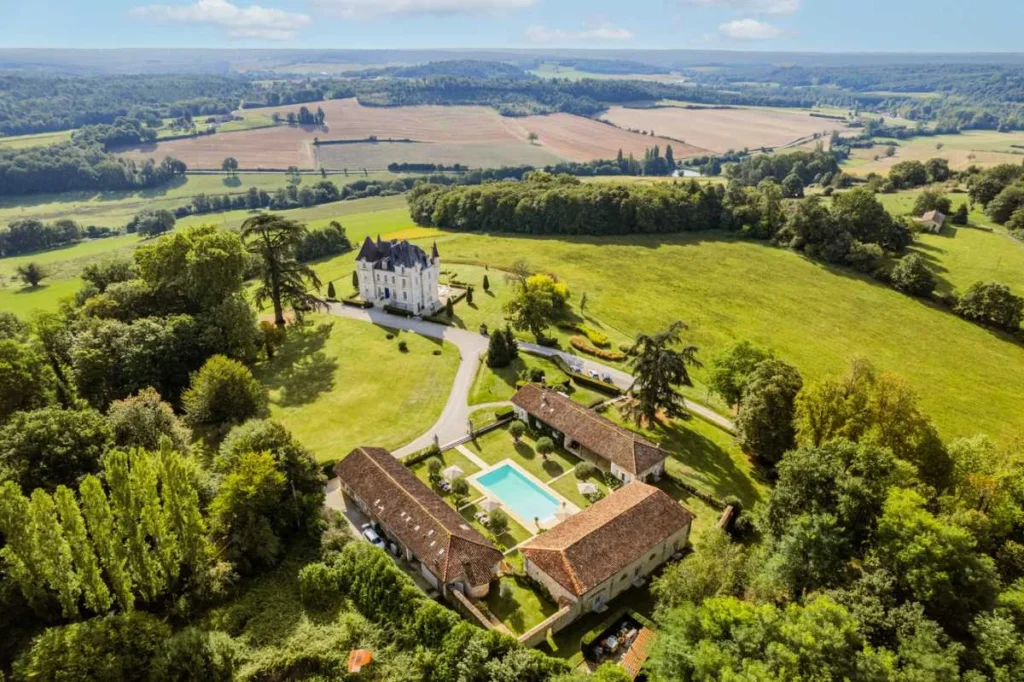
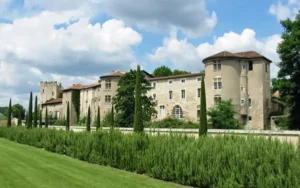
For travellers drawn to deep immersion in rural French life, Château de Lasfonds offers a way to experience countryside calm without spectacle. This historic estate in the Dordogne-Charente border rises gently above rolling fields, blending 19th-century architecture with restored living spaces in a peaceful, private setting.
From its shaded gardens and panoramic views to the sense of space that surrounds it, the château invites quiet reflection and connection with both place and company. Whether it’s a shared weekend with family, a slow creative retreat, or simply a moment to rest deeply away from busy agendas, the atmosphere here aligns naturally with the spirit of thoughtful travel you’ve read about above.
Many guests describe mornings with birdsong in the garden and evenings that unfold without rush, reminding us that travel’s richness often lies in stillness as much as in discovery.
For those who wish to explore this approach to countryside living more deeply, booking Château de Lasfonds offers a quiet way to begin.
FAQs about Bucket List Trip in the French Countryside
How much does a one-week French countryside trip typically cost for two people?
A one-week French countryside trip for two people typically costs from €2,000 to €4,000. Costs depend on accommodation type, season, dining choices, and car rental, with self-catering stays usually offering better overall value and flexibility.
Do you need to speak French to travel comfortably in rural France?
You do not need to speak French to enjoy traveling in rural France without French, but basic phrases help. Locals appreciate effort, and translation apps bridge gaps, making daily interactions like shopping and dining far more comfortable.
Is renting a car necessary for a French countryside vacation?
Yes, renting a car is usually essential for a French countryside vacation. Public transport is limited in rural areas, and having a car allows for flexible exploration, easier grocery trips, and access to villages, markets, and landscapes that are otherwise unreachable.
What are the best lesser-known French countryside regions to avoid crowds?
Some of the best quiet rural France destinations include the Lot Valley, Jura, Aveyron, and parts of Auvergne. These regions offer authentic village life, beautiful landscapes, and far fewer visitors than more famous countryside areas.
How safe is it to stay in remote villages in the French countryside?
Staying in remote villages is generally very safe, and rural France safety is high. Crime rates are low, communities are close-knit, and common precautions, like securing valuables, are usually sufficient for peace of mind.
Can you do a French countryside trip without staying in a villa or farmhouse?
Yes, alternatives to villas in rural France accommodation options include small guesthouses, chambres d’hôtes, and village inns. These can work well, though they often offer less privacy and flexibility than self-catered countryside homes.
What is the best French countryside destination for first-time visitors?
For first-time visitors, Provence and the Loire Valley are often considered the best French countryside destinations. They combine scenic landscapes, accessible villages, strong food culture, and good infrastructure, making them easy and rewarding introductions to rural France.
Are French countryside trips suitable for solo travelers?
Yes, solo travel in the French countryside can be very rewarding. It suits travelers comfortable with quiet environments, self-directed days, and driving, while offering safety, reflection, and opportunities for gentle social interaction through markets and local cafés.
How far in advance should you book accommodation in rural France?
You should book French countryside accommodation three to six months in advance, especially for summer or popular regions. Early booking ensures better choice, fair pricing, and access to well-located properties that fill quickly.
Can a French countryside trip be combined with Paris or another major city?
Yes, combining a Paris itinerary with the French countryside works very well. Starting or ending in a city adds contrast, while time in the countryside restores balance, creating a trip that feels both culturally rich and deeply restorative.