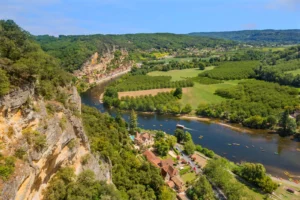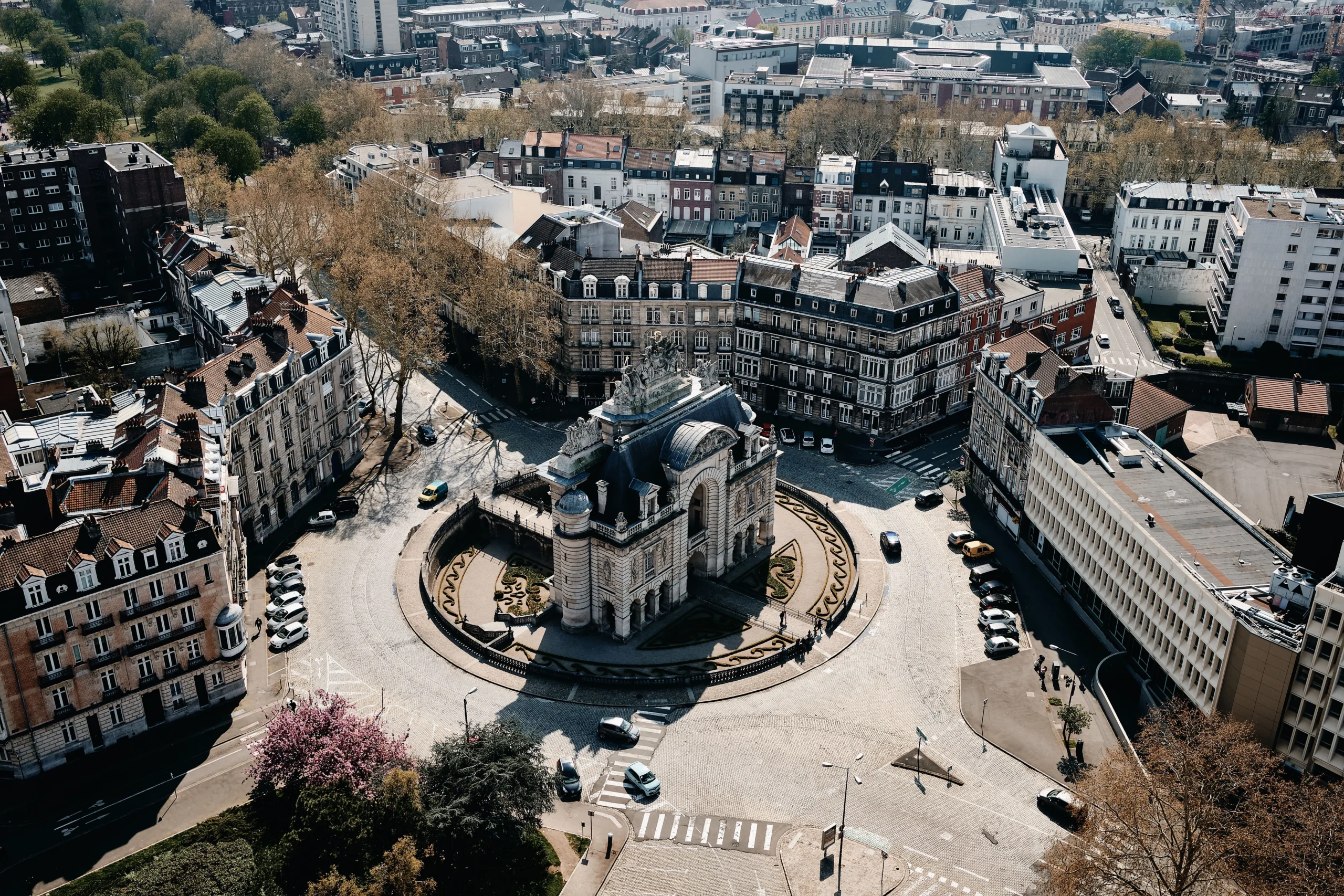
Europe offers an exceptional range of travel experiences within short distances, from historic cities and scenic coastlines to mountain regions and countryside villages. This diversity is why travelers often search for the best places to vacation in Europe when planning a single, well-paced trip. From world-class museums and iconic landmarks to relaxed beach towns and wine regions, Europe caters to every type of traveler.
What makes Europe especially appealing is how accessible these experiences are. Efficient transportation, well-developed tourism infrastructure, and a wide range of accommodation options make it easy to plan trips that fit different budgets and travel styles. Whether you are visiting Europe for the first time or returning to explore deeper, choosing destinations by country helps simplify planning and ensures a more focused, rewarding experience.
This guide breaks down the best places to vacation in Europe country by country, highlighting the most rewarding destinations within each one, so you can decide where to go based on the experience you want, not just popularity.
France: One of the Best Places to Vacation in Europe for Culture, Cities, and the Countryside
France stands out as one of the best places to vacation in Europe because it combines cultural depth, geographic variety, and consistently high travel infrastructure. Within one country, travelers can experience globally significant cities, coastal destinations, wine regions, alpine landscapes, and rural villages without long travel times. France also suits a wide range of travel styles, from short city breaks to multi-week slow travel itineraries.
Paris
Paris remains one of Europe’s most visited cities for good reason. It offers a concentrated mix of art, architecture, history, food, and everyday street life. Beyond major landmarks such as the Eiffel Tower, Louvre, and Notre-Dame, Paris is best experienced through its neighborhoods.
Areas like Le Marais, Saint-Germain-des-Prés, and Canal Saint-Martin provide different atmospheres, from historic streets to contemporary cafés and boutiques. Paris also functions as a transportation hub, making it easy to reach other French regions. The city is well-suited for first-time visitors, cultural travelers, and short stays of three to five days.
French Riviera
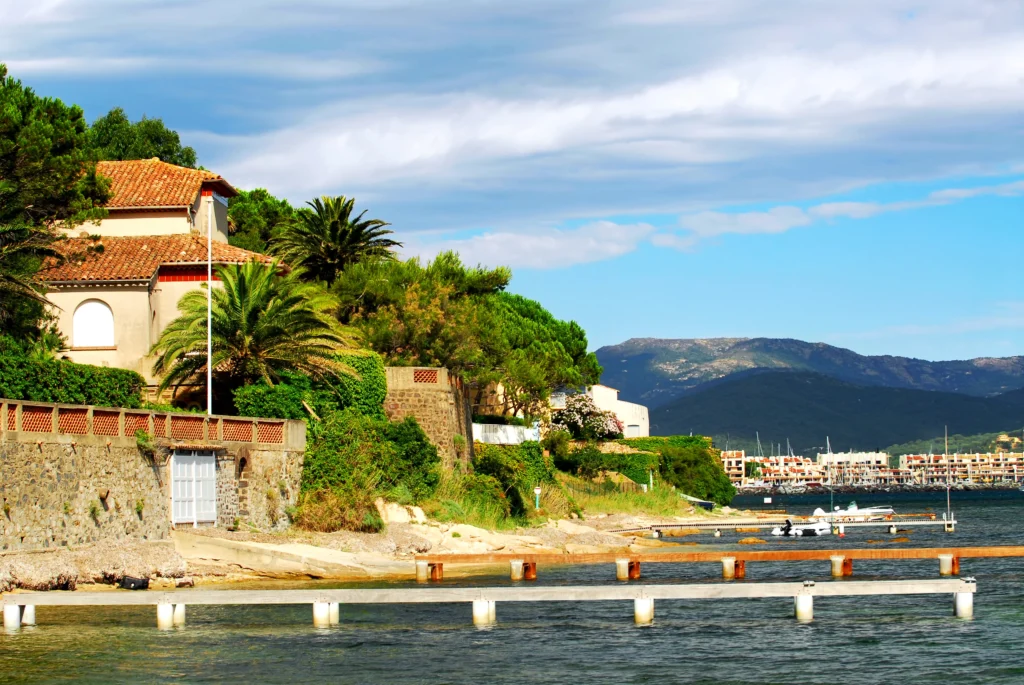
The French Riviera appeals to travelers seeking a coastline, a mild climate, and refined seaside towns. Stretching along the Mediterranean from Menton to Saint-Tropez, the region combines beaches, historic old towns, and resort culture.
Nice works well as a base due to its airport and rail connections, while smaller towns like Èze and Villefranche-sur-Mer offer quieter experiences with dramatic views. Cannes and Monaco attract visitors interested in luxury shopping, events, and nightlife.
The Riviera is beautiful from late spring through early autumn, though shoulder seasons offer fewer crowds and more moderate prices.
Provence
Provence is one of the strongest destinations in Europe for travelers seeking countryside experiences. Small towns, agricultural landscapes, vineyards, and seasonal markets define the region.
Places such as Avignon, Aix-en-Provence, and the villages of the Luberon serve as gateways to rural exploration. Provence is especially appealing for more extended stays, as a car allows access to vineyards, olive groves, and less-visited villages.
Travel here is experience-driven rather than checklist-based, focusing on local food, regional wines, walking trails, and slower daily rhythms. Late spring and early autumn are ideal for visiting, offering favorable weather without peak summer congestion.
French Countryside
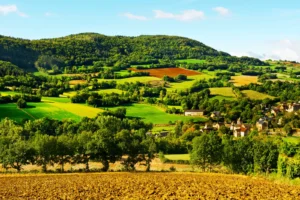
Beyond well-known regions, the broader French countryside offers some of the most immersive travel experiences in Europe. Areas in the southwest, the Loire Valley, and central France are known for historic estates, vineyards, medieval towns, and expansive rural landscapes.
These regions attract travelers interested in privacy, space, and authenticity rather than sightseeing density. Countryside stays often involve renting villas, farmhouses, or historic properties, allowing visitors to experience local markets, seasonal cuisine, and village life. This type of travel works exceptionally well for families, groups, and travelers planning extended stays of one week or more.
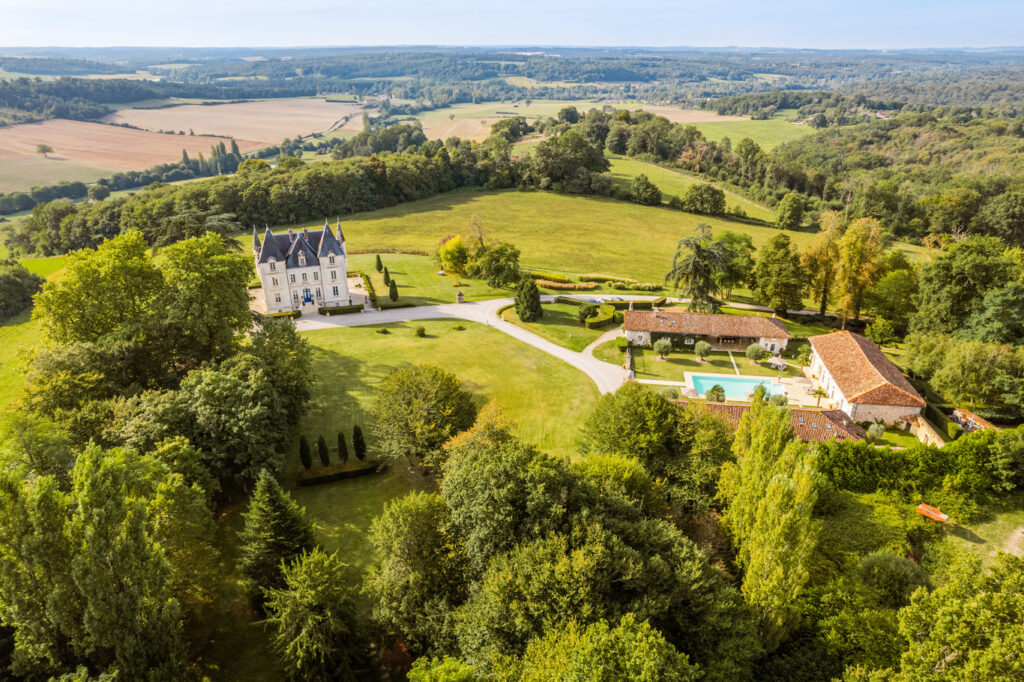
For travelers who prefer countryside stays, France also offers historic estate accommodations beyond its major cities. Château de Lasfonds is located in rural southwestern France and provides a base for exploring villages, vineyards, and regional landscapes at a slower pace—this type of stay suits more extended visits, group travel, and travelers seeking privacy and space.
Italy: Iconic History and Landscapes Among the Best Places to Vacation in Europe
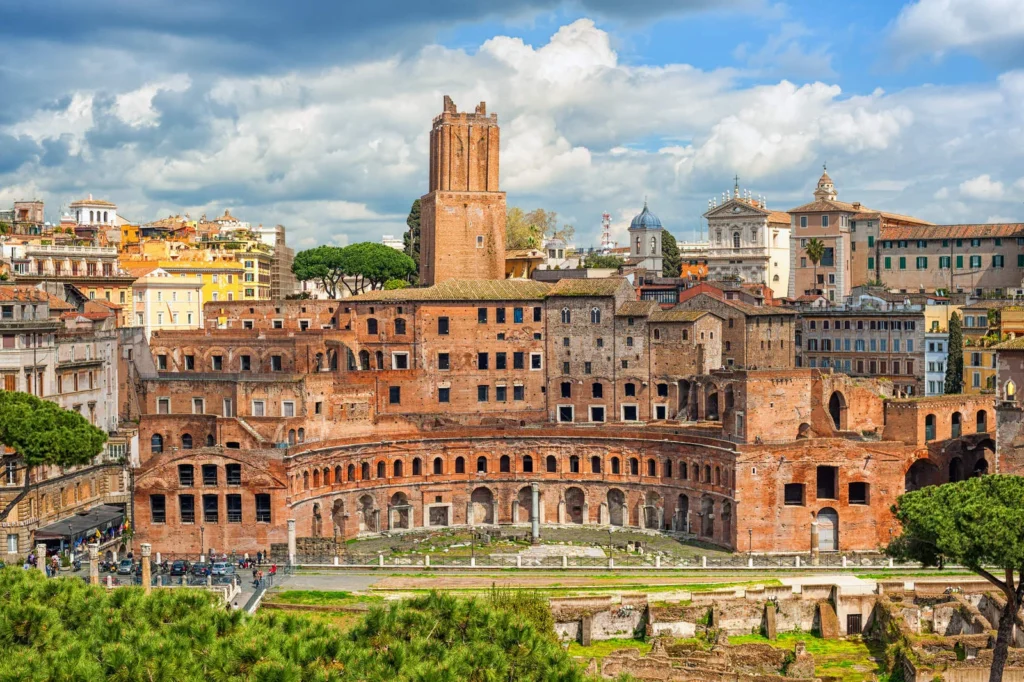
Italy is one of the best places to vacation in Europe because it delivers an exceptional concentration of history, art, landscapes, and regional food cultures within a relatively compact geography. Each region feels distinct, shaped by centuries of local identity rather than a single national experience. Italy suits both first-time visitors and repeat travelers, offering iconic destinations alongside regions that reward slower, more focused exploration.
Rome
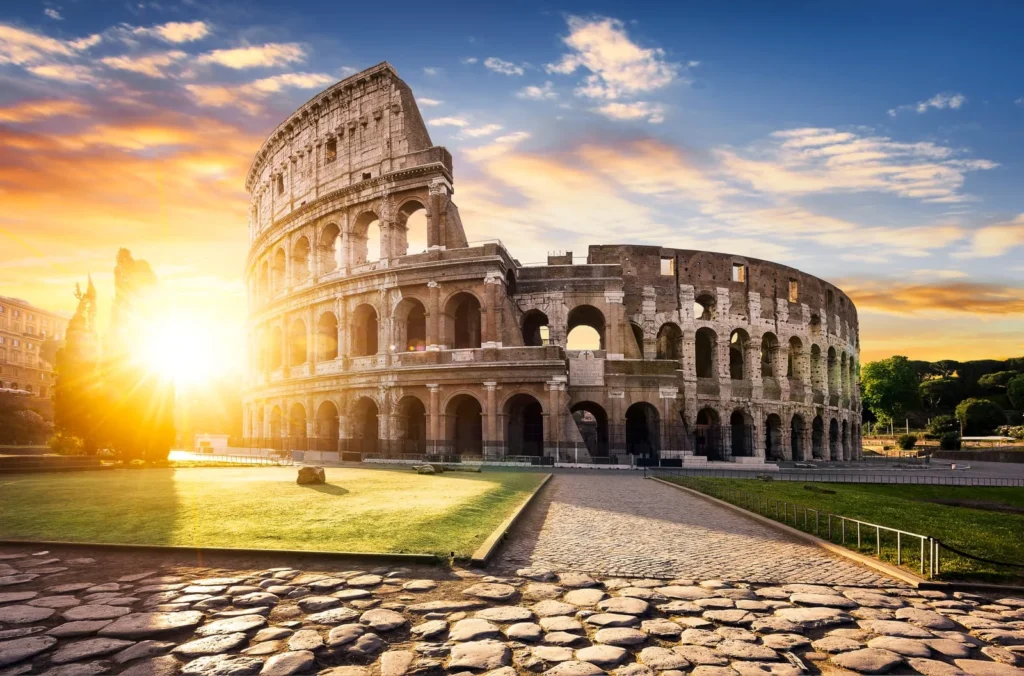
Rome is unmatched for historical depth. Ancient sites such as the Colosseum, Roman Forum, and Pantheon exist alongside active neighborhoods where daily life continues around them. Rome is not a museum city but a layered urban environment where antiquity, Renaissance architecture, and modern Italian culture coexist.
Visitors benefit from planning by neighborhood, as areas like Trastevere, Monti, and Prati offer different experiences in terms of dining, pace, and atmosphere. Rome works best for stays of three to five days and pairs well with onward travel to Florence or southern Italy.
Florence
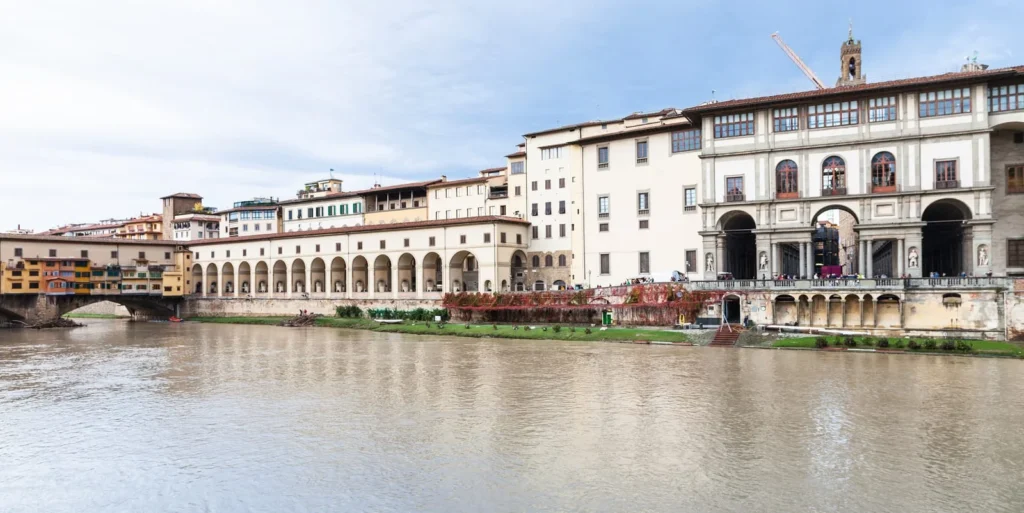
Florence is a compact city with an outsized cultural legacy. As the birthplace of the Renaissance, Florence concentrates world-class art, architecture, and museums within a walkable historic center.
Highlights include the Duomo, Uffizi Gallery, and Accademia, but the city’s appeal also lies in its human scale and strong connection to the surrounding Tuscan countryside.
Florence is an effective base for day trips to smaller towns and vineyards, making it suitable for travelers who want both cultural immersion and regional exploration.
Amalfi Coast
Steep coastal terrain, cliffside towns, and Mediterranean scenery define the Amalfi Coast. Villages such as Positano, Amalfi, and Ravello are connected by winding roads and ferries, creating a travel experience that prioritizes views and atmosphere over speed.
The region is best suited for travelers who value scenery, coastal walking, and relaxed days rather than frequent sightseeing stops. Late spring and early autumn are generally the most practical times to visit, balancing weather and crowd levels.
Tuscany
Tuscany represents one of Europe’s strongest countryside destinations. Rolling hills, vineyards, medieval towns, and agricultural landscapes define the region.
Beyond Florence, towns such as Siena, San Gimignano, and Montepulciano offer smaller-scale cultural experiences rooted in local history and food traditions.
Tuscany is particularly well-suited for longer stays with a car, allowing travelers to move between villages, wineries, and rural accommodations at their own pace. This region appeals strongly to food and wine travelers and those seeking slower travel rhythms.
Spain: A Top Choice Among the Best Places to Vacation in Europe for Culture and Coastlines
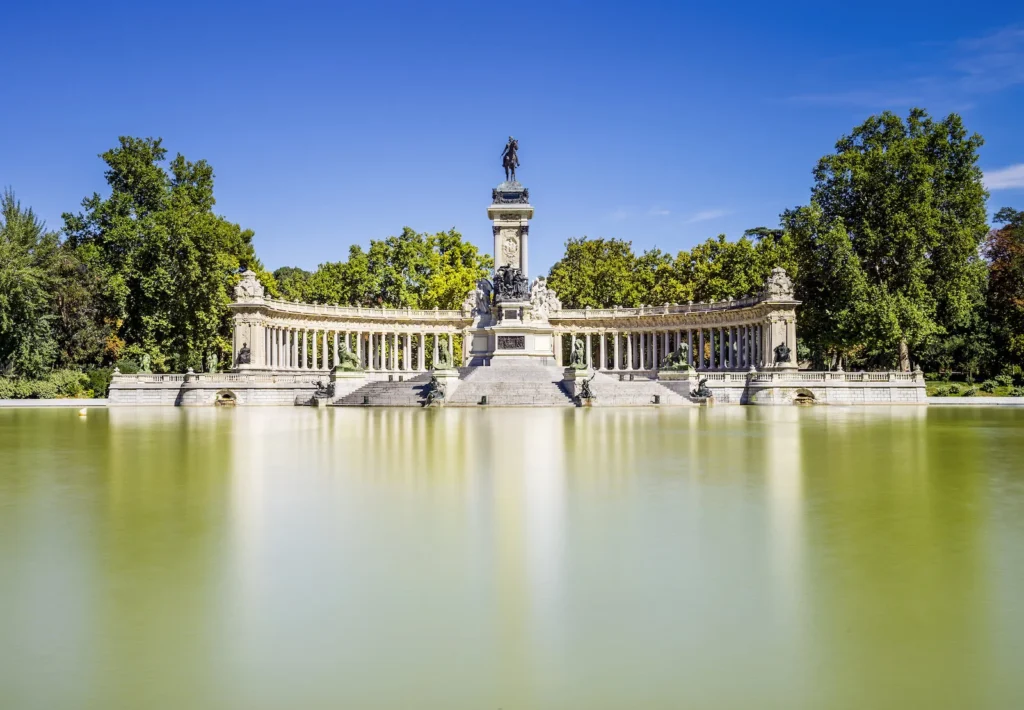
Spain ranks among the best places to vacation in Europe because it combines major cultural cities, distinct regional identities, long coastlines, and a climate that supports travel year-round.
The country is structured around strong regional cultures rather than a single national experience, which means travel varies significantly depending on where you go. Spain suits travelers who want a balance of history, food culture, outdoor living, and relaxed daily rhythms.
Barcelona
Barcelona offers one of Europe’s most balanced city experiences. Architecture, beaches, food culture, and walkable neighborhoods coexist within a compact area. Landmarks such as the Sagrada Família and Park Güell define the skyline, but Barcelona’s appeal extends beyond sightseeing.
Neighborhoods like El Born and Gràcia provide a local feel, while the city’s coastline allows visitors to combine urban exploration with beach time. Barcelona works well for travelers who want cultural depth without sacrificing a relaxed pace.
Madrid
Madrid functions as Spain’s cultural and geographic center. Known for its museums, historic squares, and food markets, Madrid offers a more traditional urban experience than coastal cities.
The Prado, Reina Sofía, and Thyssen-Bornemisza museums form one of Europe’s strongest museum clusters. Madrid is also an effective base for day trips to nearby historic cities such as Toledo and Segovia. The city suits travelers interested in art, Spanish history, and local dining culture rather than beach-oriented travel.
Andalusia
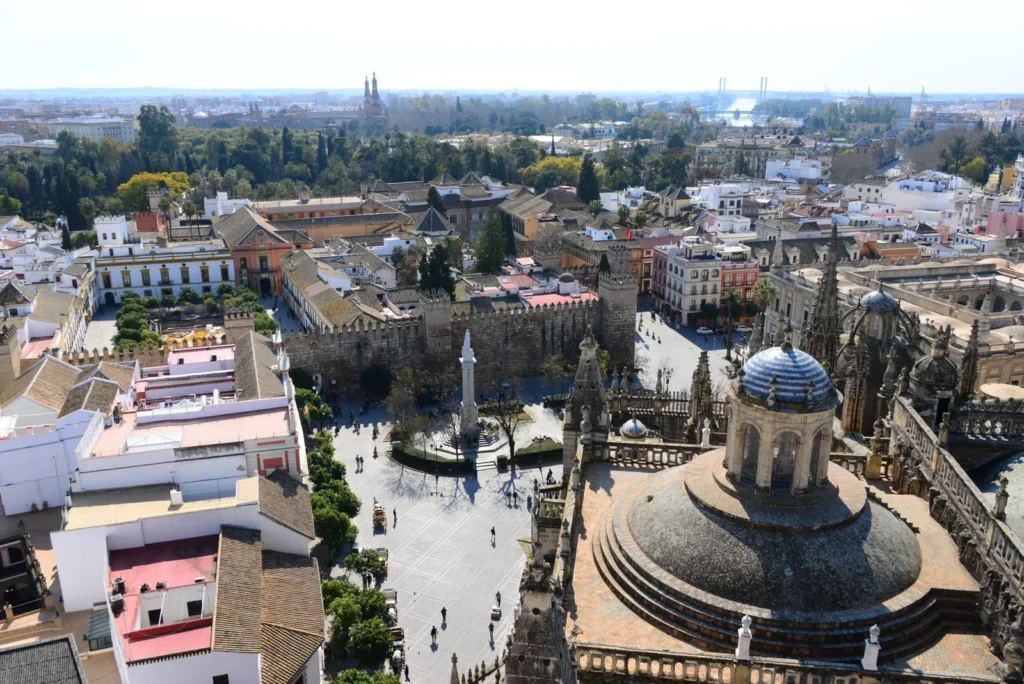
Andalusia reflects Spain’s layered history, shaped by Roman, Moorish, and Christian influences. Cities such as Seville, Granada, and Córdoba feature architectural landmarks including the Alhambra and Mezquita, alongside active old towns and plazas.
Andalusia is particularly rewarding for travelers interested in historical depth, regional cuisine, and slower travel between cities. Summer temperatures can be intense, making spring and autumn the most practical seasons for visiting.
Costa del Sol
The Costa del Sol appeals to travelers seeking sun-focused vacations with strong infrastructure. Stretching along Spain’s southern coast, the region includes resort towns, beaches, golf courses, and coastal promenades.
While some areas are highly developed, others offer quieter seaside experiences and access to inland villages. The Costa del Sol works well for travelers prioritizing relaxation, warm weather, and coastal scenery, especially outside peak summer months.
Greece: Island Life and Ancient History Make It One of the Best Places to Vacation in Europe
Greece is one of the best places to vacation in Europe for travelers seeking a combination of ancient history, island landscapes, coastal living, and a strong connection between daily life and the outdoors. The country’s geography shapes its travel experience, with mainland cities offering historical depth and the islands offering distinct rhythms, environments, and cultural traditions. Greece suits both structured itineraries and slower, experience-driven travel.
Athens
Athens provides direct access to some of Europe’s most significant ancient sites. The Acropolis, Parthenon, and surrounding archaeological areas anchor the city’s identity, but modern Athens extends well beyond its historical core.
Neighborhoods such as Plaka, Koukaki, and Psyrri combine residential life with dining and small cultural venues. Athens works best as a short stay of two to three days or as a starting point before traveling to the islands, offering historical context that enriches the rest of the trip.
Santorini
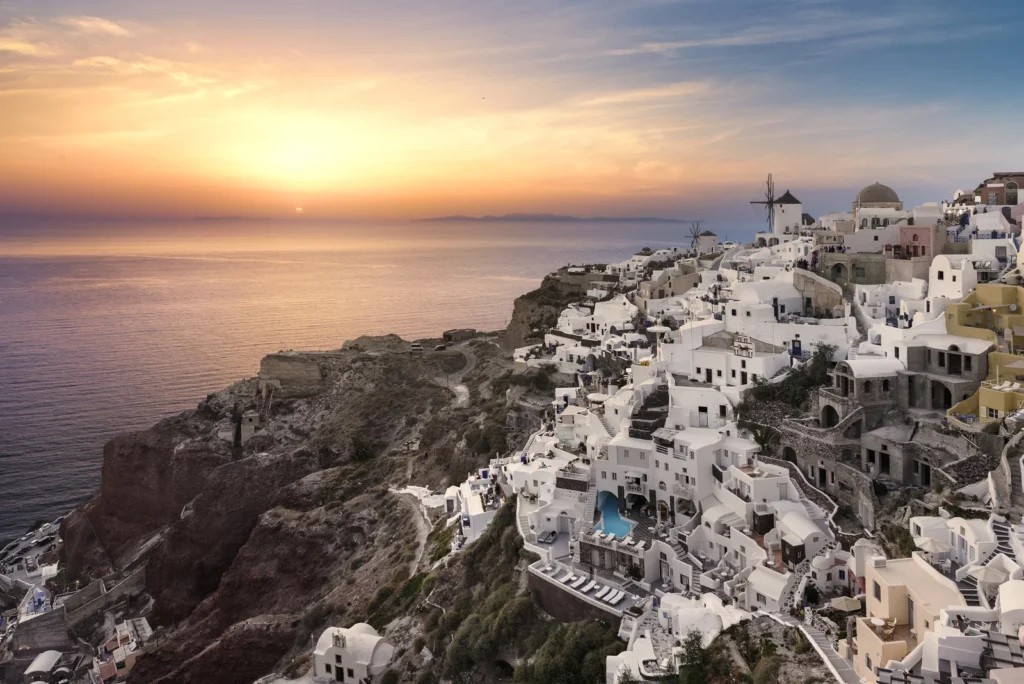
Santorini is known for its volcanic landscape, whitewashed towns, and caldera views. The island’s appeal is visual and atmospheric rather than activity-heavy. Villages such as Oia and Fira focus on viewpoints, walking paths, and dining rather than beaches.
Santorini suits shorter stays and travelers prioritizing scenery, photography, and slower evenings. Due to its popularity, visiting outside peak summer months often improves the overall experience.
Crete
Crete offers the most varied travel experience among the Greek islands. Its size allows for a mix of beaches, mountain landscapes, archaeological sites, and active towns. Regions such as Chania and Rethymno combine historic centers with access to hiking routes and rural villages.
Crete is well-suited for longer stays and travelers who want flexibility, as distances between destinations are greater and experiences are more diverse. It appeals to families, repeat visitors, and those interested in combining nature with local food culture.
Mykonos
Mykonos attracts travelers looking for a social, beach-focused environment. The island is structured around beach clubs, nightlife, and compact village areas.
While Mykonos is best known for its lively atmosphere, it also offers quieter beaches and traditional architecture away from the busiest zones. It works best for shorter stays or as part of an island-hopping itinerary rather than extended travel.
Portugal: A Value-Driven Destination Among the Best Places to Vacation in Europe
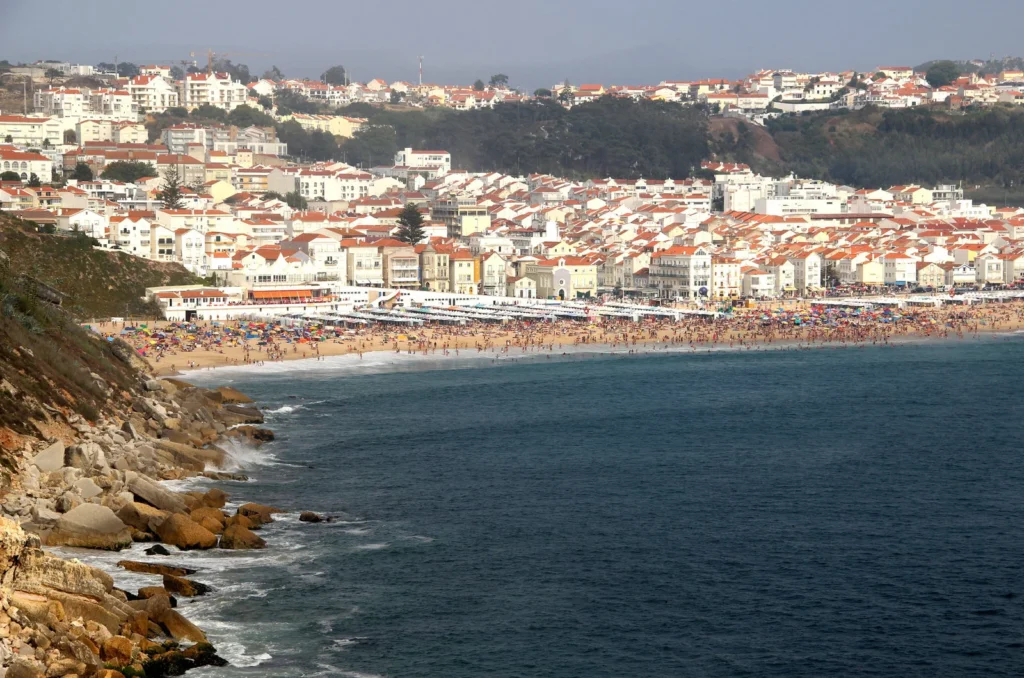
Portugal is one of the best places to vacation in Europe for travelers seeking a balance of culture, scenery, and value. The country is compact, easy to navigate, and shaped by strong regional identities, making it suitable for both short trips and multi-region itineraries. Portugal also stands out for its coastal landscapes, historic cities, and food traditions rooted in local ingredients and seasonal simplicity.
Lisbon
Lisbon offers a layered urban experience built across hills overlooking the Tagus River. Historic neighborhoods such as Alfama and Bairro Alto reflect the city’s maritime past, while newer districts support contemporary dining and cultural venues.
Lisbon’s appeal lies in its walkable neighborhoods, viewpoints, and everyday street life rather than concentrated landmark sightseeing. The city also serves as a practical base for nearby destinations, including coastal towns and historic sites, making it suitable for stays of three to four days.
Porto
Porto delivers a more compact and atmospheric city experience. The historic Ribeira district along the Douro River forms the city’s visual center, while wine cellars across the river in Vila Nova de Gaia connect Porto to the surrounding wine region.
Porto is well-suited for travelers interested in architecture, riverfront walks, and regional food culture. The city’s smaller scale makes it ideal for shorter stays or as a gateway to northern Portugal.
Algarve
The Algarve is Portugal’s primary coastal destination. Known for its cliffs, beaches, and ocean-facing towns, the region supports a range of travel styles, from resort-focused stays to quieter coastal exploration.
Western Algarve areas tend to be less developed and more scenic, while central regions offer stronger infrastructure. The Algarve is particularly appealing outside peak summer months, when the weather remains favorable, and crowds are lower.
Douro Valley
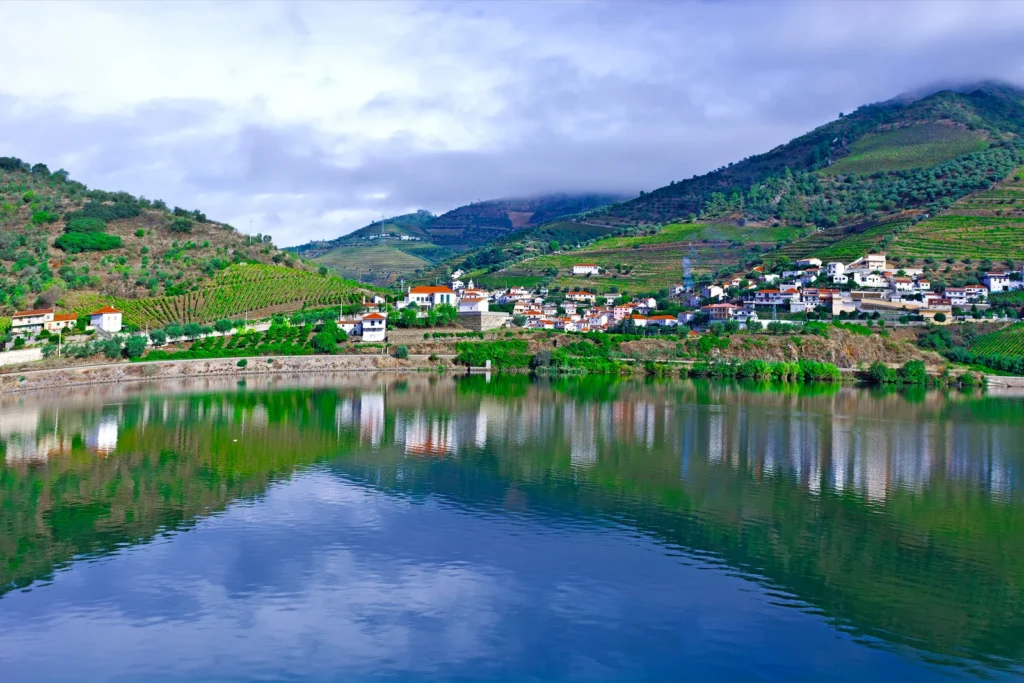
The Douro Valley offers one of Europe’s most scenic wine landscapes. Terraced vineyards follow the Douro River, creating a setting that supports slow travel focused on wine, river views, and rural hospitality. The region is best explored over several days, often by car or river cruise.
It suits travelers interested in wine culture, landscape-driven travel, and quieter itineraries away from major cities.
Switzerland: Alpine Scenery and Precision Travel in One of the Best Places to Vacation in Europe

Switzerland is one of the best places to vacation in Europe for travelers who prioritize natural scenery, outdoor activities, and efficient travel infrastructure. The country is known for its alpine landscapes, lakes, and well-preserved towns, combined with reliable transportation that allows visitors to move easily between regions. Switzerland suits travelers who value organization, cleanliness, and access to nature over the density of large-scale sightseeing.
Swiss Alps
The Swiss Alps form the backbone of Switzerland’s travel appeal. This region supports year-round tourism, with hiking, climbing, and scenic rail routes in warmer months, and skiing and winter sports in colder seasons.
Alpine villages provide access to trails, cable cars, and panoramic viewpoints without requiring advanced outdoor skills. The Alps are best suited for travelers planning multi-day stays focused on nature rather than fast-paced itineraries.
Lucerne
Lucerne combines alpine scenery with a compact historic center. Located beside Lake Lucerne and surrounded by mountains, the city offers easy access to both urban amenities and outdoor experiences.
Its walkable old town, lakefront promenades, and nearby mountain excursions make Lucerne an effective base for short stays. The city is often included in itineraries that connect Zurich, Interlaken, and central Switzerland.
Zermatt
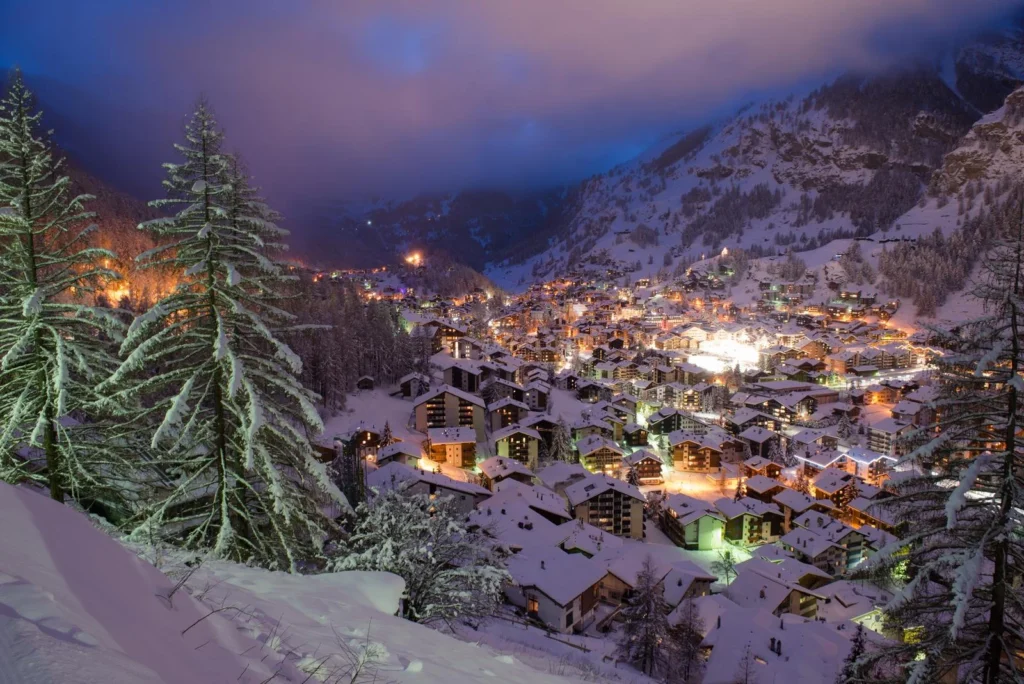
Zermatt is best known for its proximity to the Matterhorn and its car-free environment. The village functions primarily as an alpine resort, with direct access to mountain railways and hiking routes.
Zermatt appeals to travelers seeking iconic mountain views and structured outdoor activities rather than cultural sightseeing. Due to its popularity and pricing, it works best for shorter stays or as a highlight within a broader itinerary.
Interlaken
Interlaken sits between Lake Thun and Lake Brienz and serves as a gateway to the Jungfrau region. The area supports a wide range of outdoor activities, including hiking, boat trips, and mountain excursions.
Interlaken itself is primarily functional rather than historic, but its location makes it a strategic base for exploring surrounding alpine destinations. It suits travelers who want flexibility and access to multiple landscapes from one location.
Croatia: Coastal Towns and Historic Cities Among the Best Places to Vacation in Europe
Croatia ranks among the best places to vacation in Europe for travelers seeking a strong mix of historic towns, clear-water coastlines, and short travel distances. The country’s appeal centers on the Adriatic coast and its islands, supported by well-preserved old cities and national parks inland. Croatia suits travelers who want visual impact and cultural atmosphere without the scale or cost of larger Western European destinations.
Dubrovnik
Dubrovnik is Croatia’s most internationally recognized destination. Its fortified old town, surrounded by medieval walls and the Adriatic Sea, offers a concentrated historical experience. Walking the city walls provides perspective on Dubrovnik’s layout and maritime history. Due to high visitor numbers, Dubrovnik works best as a short stay of one to two nights or as part of a broader coastal itinerary. Visiting early in the day or outside peak summer months significantly improves the experience.
Split
Split combines everyday urban life with a major archaeological site. The historic core is built around Diocletian’s Palace, where shops, homes, and cafés operate within Roman-era structures. Split functions as a practical base for island ferries and regional travel, making it a logistical hub as well as a destination. The city suits travelers who want history integrated into a living city rather than a preserved museum environment.
Hvar
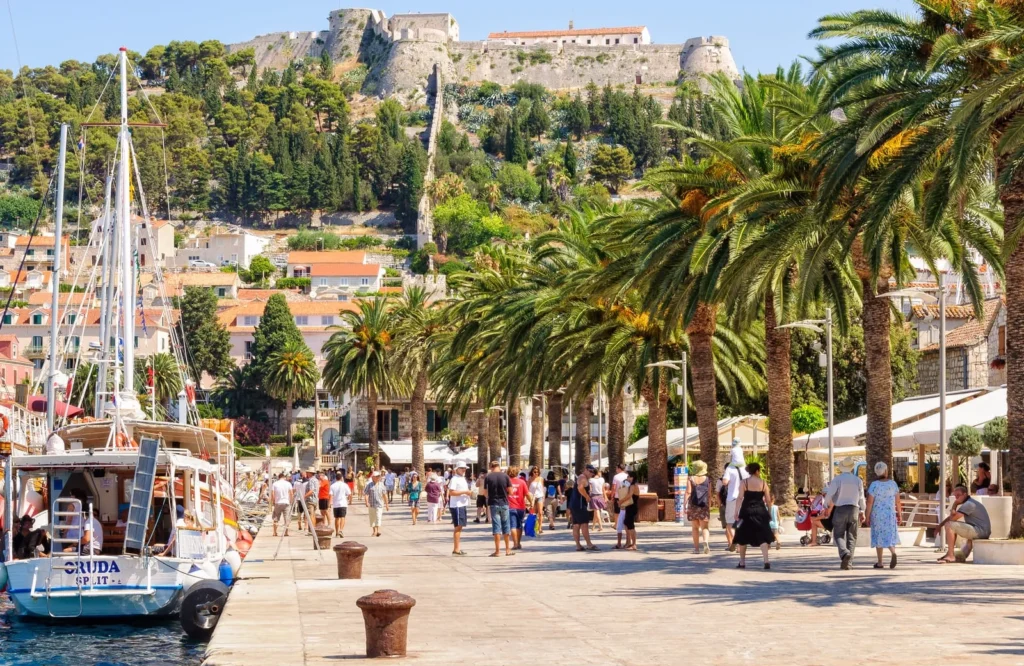
Hvar is one of Croatia’s best-known islands, offering a blend of beaches, historic architecture, and nightlife. The town of Hvar serves as the island’s center, with ferry access and harbor views. While parts of the island attract a social, party-oriented crowd, quieter coves and inland villages remain accessible for travelers seeking a more relaxed experience. Hvar works best as a short island stop within a multi-destination coastal route.
Plitvice Lakes National Park
Plitvice Lakes National Park represents Croatia’s strongest inland natural attraction. The park features a series of terraced lakes and waterfalls connected by walking paths. It is best visited as a dedicated day trip or overnight stop, ideally outside peak summer to avoid crowd congestion. Plitvice adds balance to itineraries that otherwise focus heavily on coastal destinations.
Germany: History, Cities, and Scenic Routes in One of the Best Places to Vacation in Europe
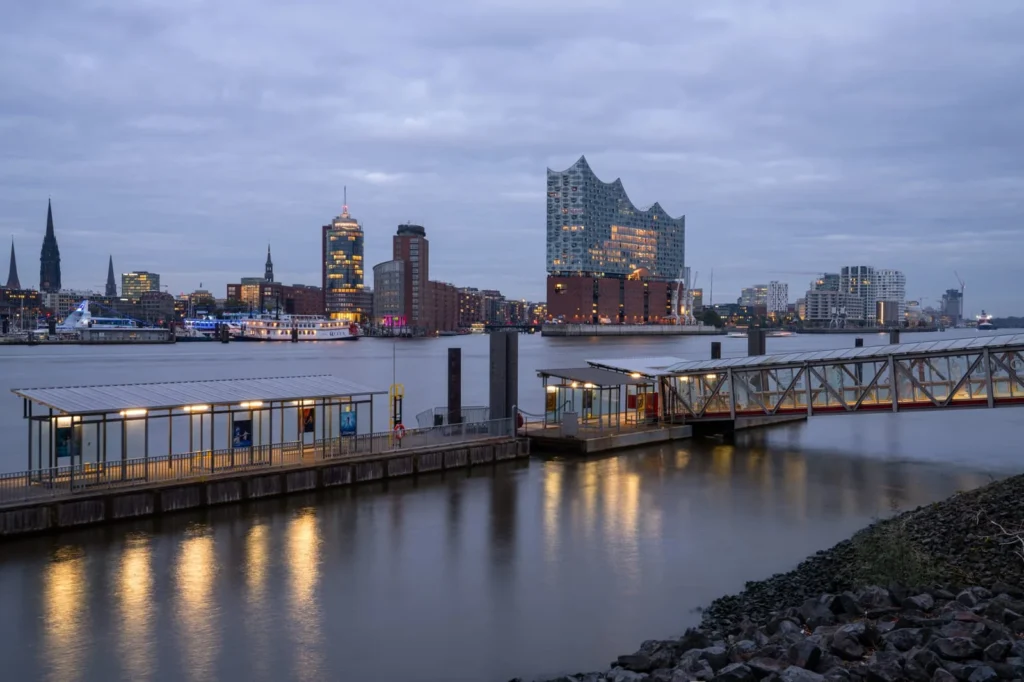
Germany is one of the best places to vacation in Europe for travelers interested in history, culture, and efficient regional travel. The country offers a balance of major cities, smaller historic towns, and natural regions, all connected by reliable transportation. Germany suits travelers who value structure, variety, and destinations that combine cultural depth with everyday local life.
Berlin
Berlin is defined by modern history and cultural reinvention. Landmarks related to World War II and the Cold War, including the Berlin Wall sites and Memorials, coexist with contemporary art, music, and design scenes. Berlin is expensive but well-connected by public transport, making it suitable for longer stays of four to five days. It appeals to travelers interested in history, museums, and creative urban culture rather than traditional sightseeing alone.
Munich
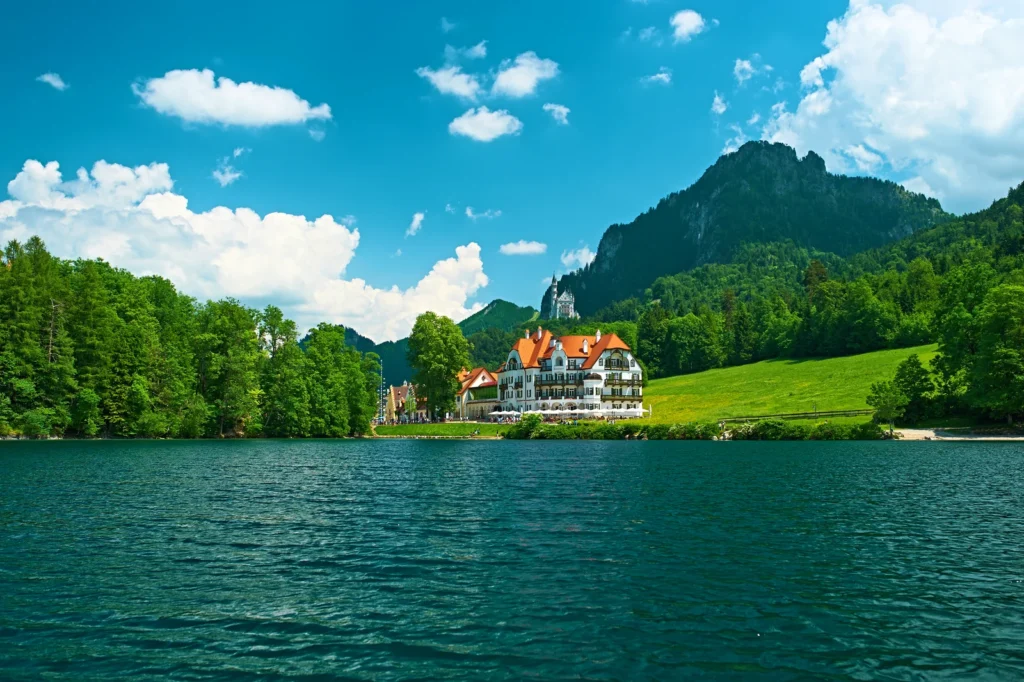
Munich offers a more traditional German city experience. The historic center, beer halls, and nearby alpine landscapes shape its appeal. Munich works well as both a cultural destination and a gateway to southern Germany, including castles and mountain regions. It suits travelers who want a blend of urban life, regional traditions, and access to nature.
Romantic Road
The Romantic Road is one of Germany’s most recognizable travel routes. Connecting a series of medieval towns and villages, it provides insight into historic urban planning and regional architecture. Stops such as Rothenburg ob der Tauber are compact and walkable, making the route suitable for travelers interested in small-town experiences rather than large cities.
Black Forest
Black Forest represents Germany’s rural and natural side. Known for dense forests, traditional villages, and spa towns, the region supports slower travel focused on hiking, wellness, and countryside stays. It is well suited for travelers looking to balance city visits with nature-based relaxation.
United Kingdom: Cities and Countryside Across the Best Places to Vacation in Europe
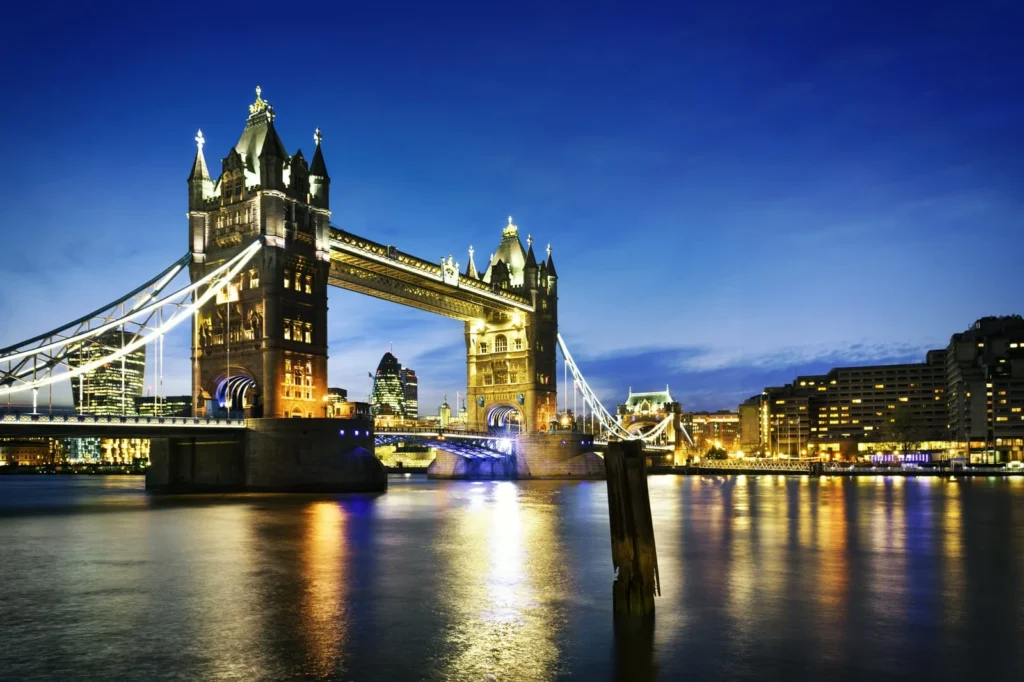
The United Kingdom is one of the best places to vacation in Europe for travelers seeking a mix of historic cities, countryside landscapes, and distinct regional identities. Travel experiences vary significantly between England, Scotland, and Wales, allowing visitors to combine urban culture with rural and natural environments in relatively short distances.
London
London offers one of Europe’s most comprehensive city experiences. Museums, historic landmarks, theater, and diverse neighborhoods form the core of its appeal. London’s scale allows travelers to focus on specific districts, such as Westminster, Soho, or South Kensington, depending on interests. The city also functions as a major transport hub for onward travel across the UK.
Scottish Highlands
The Scottish Highlands provide some of the UK’s most dramatic landscapes. Mountains, lochs, and sparsely populated areas define the region. Travel here is experience-driven, often requiring a car, and suits travelers interested in nature, history, and quieter environments rather than dense sightseeing.
Lake District
Lake District is known for its lakes, walking trails, and literary associations. The region supports outdoor-focused travel with short hikes, scenic drives, and village stays. It works well as a countryside contrast to time spent in major cities.
Cotswolds
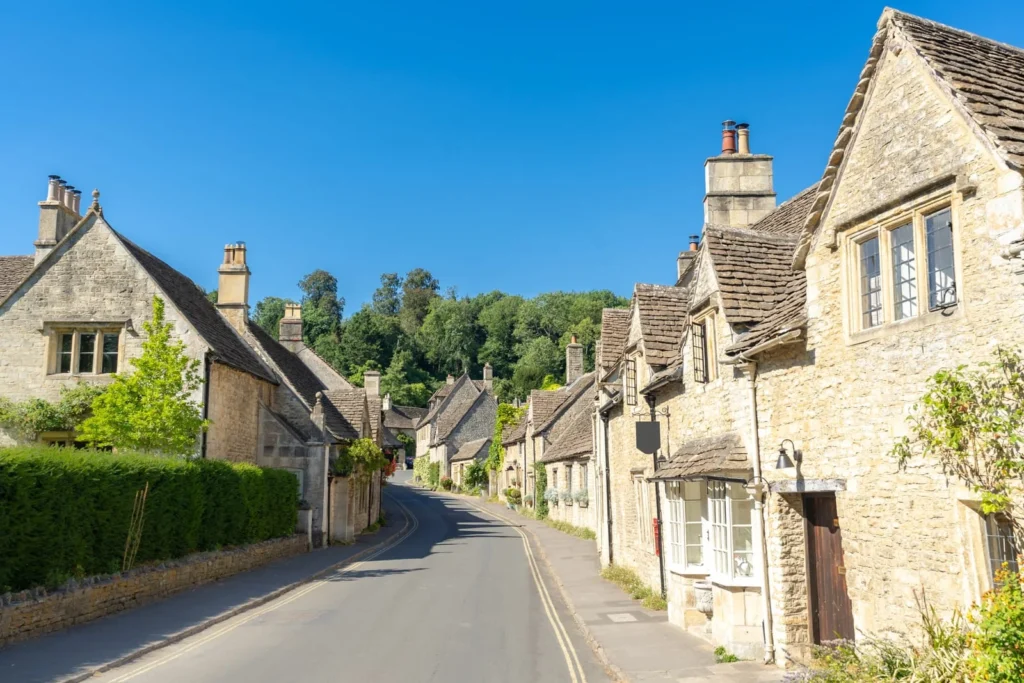
The Cotswolds represent a classic English countryside experience. Stone villages, rolling hills, and market towns define the region. The Cotswolds are best explored at a slow pace, often over several days, making them suitable for travelers seeking rural charm and small-scale exploration.
How to Choose the Best Place to Vacation in Europe for Your Travel Style
Choosing the best place to vacation in Europe depends less on popularity and more on how you prefer to travel. Europe offers radically different experiences within short distances, so clarity about your priorities leads to better decisions and more satisfying trips.
If you enjoy history, museums, and walkable cities, focus on destinations with dense cultural layers such as major capitals or historic urban centers. These locations work well for shorter stays and structured itineraries. Travelers who prefer slower pacing, space, and immersion are better served by countryside regions or smaller towns, where travel revolves around food, landscapes, and local routines rather than sightseeing volume.
For those drawn to coastlines and outdoor living, southern European countries offer long beach seasons and relaxed daily rhythms. At the same time, alpine regions suit travelers interested in hiking, scenic rail routes, or winter sports. Budget also plays a role. Some countries support longer stays with lower daily costs, while others are better approached through shorter, well-planned visits.
Finally, consider trip length and logistics. Compact countries allow multi-region itineraries, while others reward staying in one area and exploring deeply. Matching destination choice to travel style reduces fatigue, improves pacing, and ultimately makes a European vacation feel intentional rather than rushed.
Experience the French Countryside at Château de Lasfonds
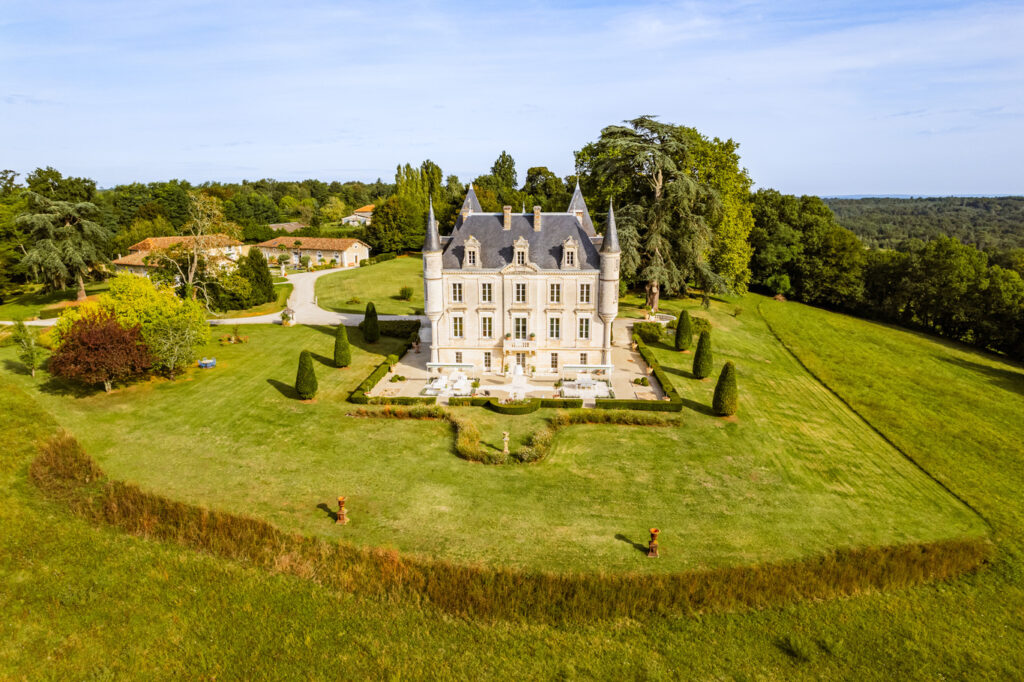
For travelers who want to experience France beyond major cities and crowded tourist routes, a countryside base can transform the pace and depth of a European vacation. Château de Lasfonds offers a refined rural stay in southwestern France, surrounded by villages, vineyards, and open landscapes.
This type of accommodation is well-suited for travelers who value space, privacy, and immersion. Staying in a historic château allows you to slow down, explore regional food and wine, and experience everyday French life while enjoying the comfort of a restored estate.
Château de Lasfonds is ideal for:
- Longer stays focus on slow travel
- Couples, families, or small groups traveling together
- Travelers seeking countryside experiences without sacrificing comfort
- Using rural France as a base to explore nearby towns and regions
For those planning a European vacation that balances culture with calm, a countryside stay like Château de Lasfonds adds depth that city-only itineraries often miss.
FAQs about Best Places to Vacation in Europe by Country
What is the best time of year to vacation in Europe to avoid crowds and high prices?
The best time to vacation in Europe is usually spring or early fall. These shoulder seasons offer pleasant weather, fewer tourists, and better value, making them ideal for travelers seeking best time to visit Europe without peak-season pressure.
How many countries should you visit on a single trip to Europe?
Most travelers enjoy Europe more by visiting one or two countries per trip. Fewer destinations allow for deeper experiences, less travel fatigue, and better pacing, often leading to a more satisfying European vacation itinerary overall.
Is it better to stay in one country or visit multiple countries when traveling in Europe?
Staying in one country often creates a more immersive experience, especially for first-time visitors. Multi-country trips can work well, but focusing on one region usually delivers better cultural understanding and a more relaxed Europe travel experience.
What are the most underrated places to vacation in Europe that are not overcrowded?
Many travelers overlook smaller regions and countryside destinations across Europe. These areas often provide authentic culture, scenic landscapes, and fewer crowds, making them excellent choices for those seeking underrated European vacation spots.
How far in advance should you plan a European vacation for the best availability and rates?
Planning a European vacation six to nine months in advance usually provides better accommodation options and pricing. Popular destinations and peak travel periods benefit most from early planning, especially for travelers seeking flexibility and strong European travel deals.
What is the best way to travel between European countries: train, flight, or car?
The best travel method depends on distance and itinerary. Trains work well for nearby cities, flights save time for longer distances, and cars suit rural exploration, helping travelers choose the most efficient transportation in Europe.
Which European destinations are best for slow travel and longer stays?
Regions with strong local culture and countryside settings are ideal for slow travel. These destinations encourage longer stays, deeper connections, and less rushing, making them popular for travelers interested in slow travel in Europe.
Are European countryside vacations better than city-based trips for relaxation?
European countryside vacations are often more relaxing because they offer space, quieter surroundings, and less time pressure. City trips can be stimulating, but rural stays usually support rest, reflection, and a calmer European vacation experience.
What should first-time travelers to Europe know before choosing a destination?
First-time travelers should consider the pace of travel, language comfort, and ease of transportation. Choosing destinations with strong infrastructure and clear transit options often reduces stress and makes the first trip to Europe smoother.
How do accommodation choices affect the overall experience of a European vacation?
Accommodation shapes how a trip feels day to day. Location, space, and setting influence comfort and pacing, which is why thoughtful lodging choices often lead to a more enjoyable and memorable European vacation experience.