The location of your chateau rental in France will determine how your entire week unfolds. A beautiful property means little if every meaningful day trip requires long drives, traffic stress, and rigid planning. The right base gives you options, variety, and the freedom to adjust your plans without losing half the day in transit.
Popular regions fill quickly, roads slow down in peak months, and top sites require booking. Location strategy is, therefore, a practical decision that directly shapes your daily experience.
A well-chosen chateau rental in France places you within comfortable reach of cultural landmarks, markets, wine regions, or coastal escapes while still allowing time to enjoy the estate itself. This guide will show you how to evaluate location with precision so your day trips feel effortless and your evenings remain as memorable as your outings.
Step 1: Define What Great Day Trips Mean for Your Group
Before you look at maps or browse listings for a chateau rental in France, you need clarity about what a successful day actually looks like for your group. Many travelers assume they want maximum variety, yet their energy, interests, and travel style suggest something different.
Start by defining your primary goal for the week. Some groups want cultural immersion with cathedrals, historic towns, and major landmarks. Others care more about food, wine, and long lunches in small villages. Families often prioritize shorter drives, outdoor space, and flexible schedules. A multi-generational group may need a balance of activity and downtime.
Energy levels matter more than ambition. A realistic plan accounts for how much movement your group can handle across five to seven days. Two longer excursions may feel exciting. Five will feel exhausting.
List your non-negotiables first. These might include a specific wine region, a World Heritage site, or access to the coast. Then separate everything else into optional experiences. This simple filter prevents you from choosing a location that looks impressive online but does not align with how you actually want to spend your time.
Clarity at this stage protects every decision that follows.
Step 2: Match Your Travel Identity to the Right Type of Region
Once you understand how your group wants to spend its days, you can narrow your search for a chateau rental in France to regions that support that rhythm.
If your priority is cultural density, focus on areas where major sites are clustered. Regions such as the Loire Valley offer a high concentration of historic estates and towns within short driving distances. This type of setting allows you to see more without constantly changing routes.
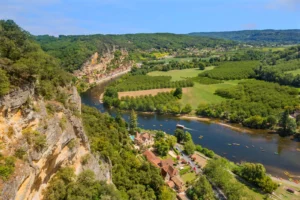
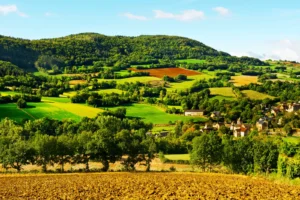
If scenic drives and village life matter more, look toward regions like the Dordogne or parts of Provence. These areas reward slow exploration, market visits, and relaxed lunches rather than long museum days.
Wine-focused trips benefit from basing yourself inside or near established appellations such as Burgundy or Bordeaux. Proximity reduces driving time and allows for better pacing between tastings and meals.
Coastal access introduces a different rhythm. Normandy and parts of the southwest combine beaches, heritage sites, and fresh-seafood towns within reach of a countryside estate.
Each region supports a distinct style of movement. The key is to choose a geography that reinforces your priorities instead of forcing you to stretch for them.
Best Chateau Day Trip Destinations in France
These destinations consistently deliver strong day-trip value due to their cultural depth, accessibility, and visitor experience.
Dordogne Valley Villages
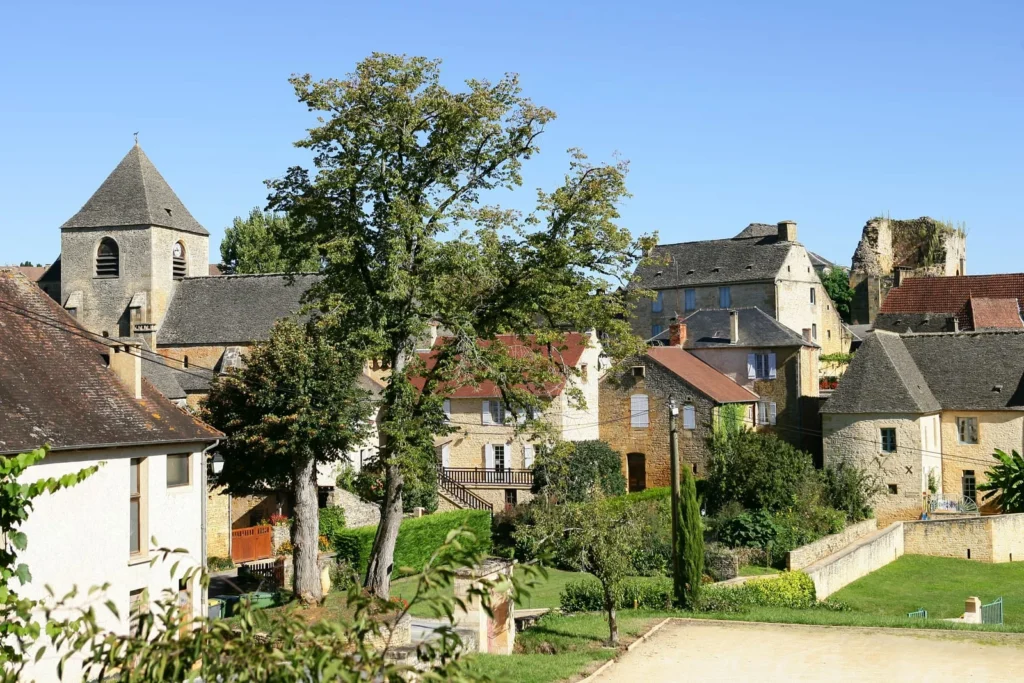
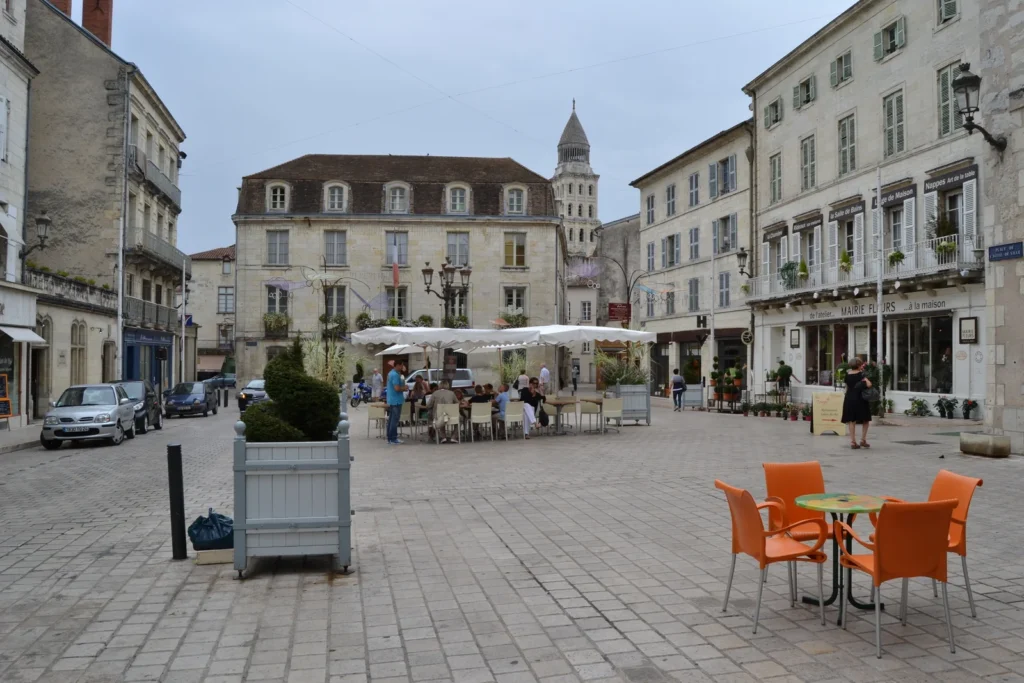
The Dordogne region rewards slower exploration. Towns such as Sarlat-la-Canéda and Beynac-et-Cazenac offer medieval streets, river views, and market culture. Many of these villages are close to each other, reducing driving time and allowing a relaxed pace.
Loire Valley Castles
The Loire Valley remains one of the most efficient regions for château-based exploration. Properties near Amboise, Tours, or Blois offer access to multiple historic estates within a short drive, including the iconic Château de Chambord and Château de Chenonceau. The density of sites allows you to visit one major château in the morning and a smaller garden or village in the afternoon without excessive travel.
Saint Émilion and Bordeaux Vineyards
Wine-focused travelers, basing themselves within reach of Saint-Émilion, offer architectural charm and proximity to vineyards in one destination. Bordeaux adds urban culture, museums, and a variety of chocolates and dining options. This combination creates diverse day trip options within manageable distances.
Normandy Coast and Bayeux
Properties near Bayeux offer access to the D-Day landing beaches, coastal scenery, and historic architecture. The area supports structured historical visits combined with lighter seaside afternoons.
Provence Hilltop Villages
The Luberon region offers compadre-trip routes through Gordes, Roussillon, and surrounding lavender landscapes. Short distances between villages allow for flexible planning and extended lunches without feeling rushed.
Each of these destinations works well as part of a château rental in France itinerary because they combine accessibility with depth. When selecting your base, consider how many meaningful sites sit within a practical radius rather than focusing solely on reputation.
Step 3: Choose the Right Base Model for Your Chateau Rental in France
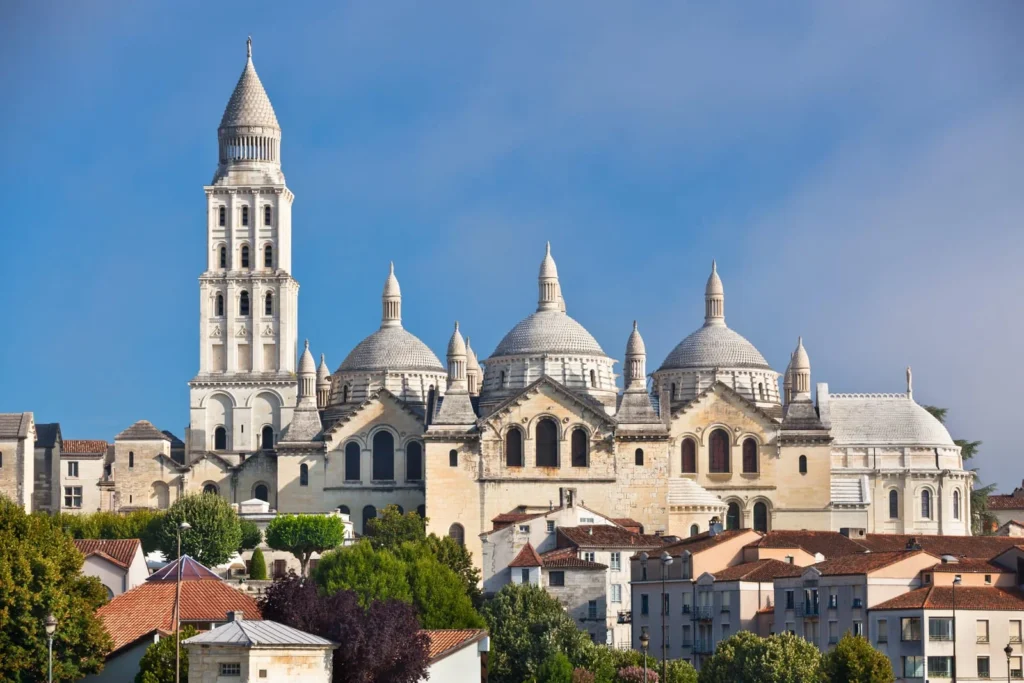
A countryside estate provides privacy and space for your group. Many travelers imagine a rural chateau as peaceful seclusion, yet that isolation comes with travel trade-offs. When you choose an estate, make sure the setting supports both quiet evenings and day trip logistics.
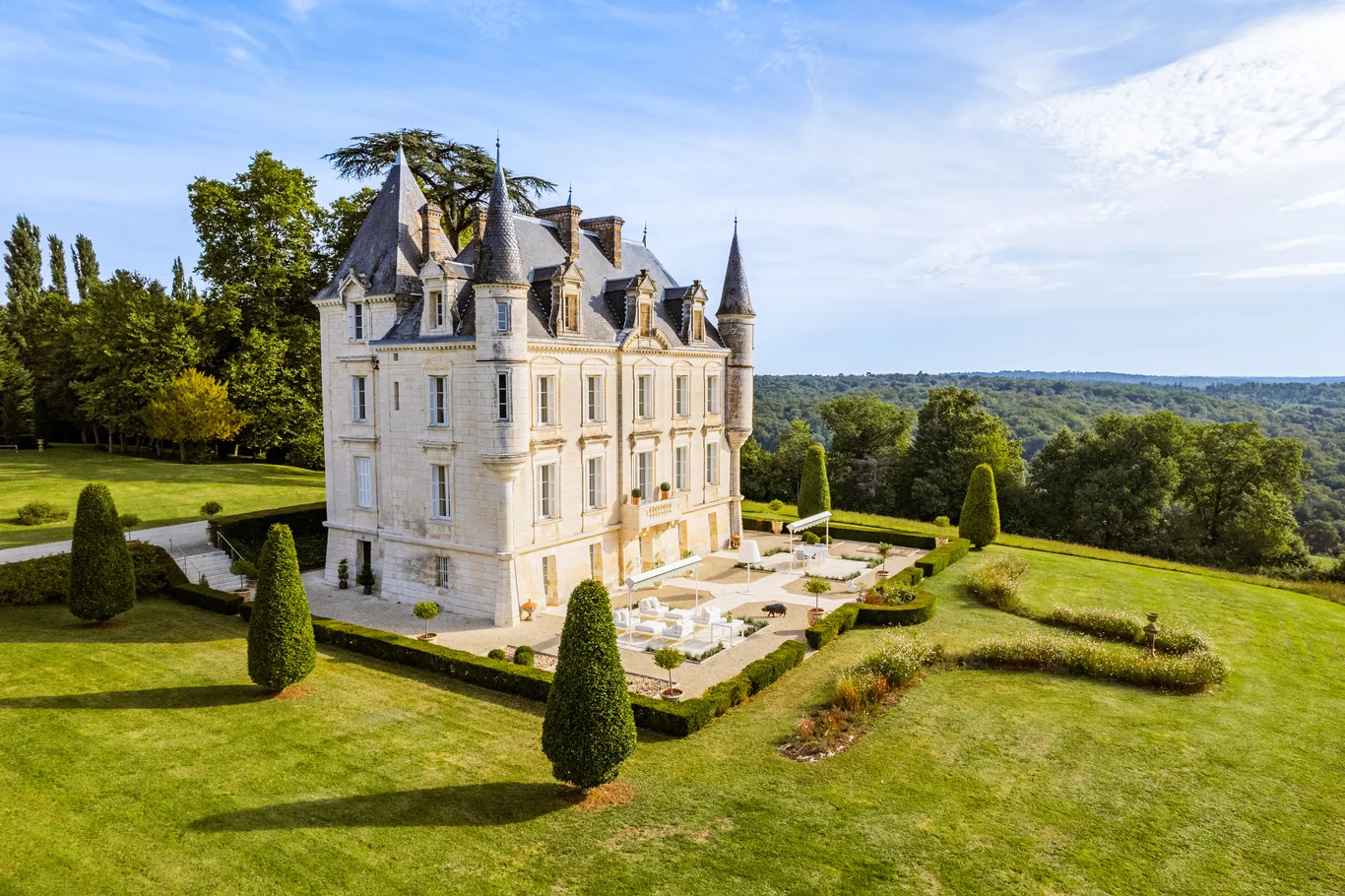
An excellent example of this balance is Château de Lasfonds in the border region between the Charente and Dordogne in Nouvelle-Aquitaine. The property sits on 6.5 hectares of gardens and rolling countryside, offering elegant historic architecture and modern comforts for up to 18 guests.
Its location places local towns, vineyards, and scenic villages within a reasonable driving distance, while Bordeaux, Cognac, and the Atlantic coast remain within reach for meaningful excursions.
This model demonstrates how a countryside base can offer spacious living and restorative surroundings without demanding long travel times for everyday trips. Choose a property like this when you value rural tranquillity and regional exploration in equal measure.
Step 4: Apply the Day Trip Radius Rule
Distance on a map rarely reflects how a day feels in practice. When evaluating a chateau rental in France, focus on realistic travel time rather than straight-line measurements. Rural roads pass through villages with reduced speed limits, local markets create temporary congestion, and parking near major attractions often adds unexpected delays.
A comfortable radius for most groups is between 60 and 90 minutes each way. Drives beyond that range quickly reduce flexibility and limit time on site. Two hours in the car can turn an interesting visit into a rushed obligation.
Design your week with varied intensity. Plan two lighter outings that stay close to your base, two moderate excursions within the full radius, and one longer experience that justifies the distance. This structure protects energy while still allowing depth.
Consider how you will return each evening. A long drive after a full day affects dinner plans, sunset enjoyment, and overall mood. A well-positioned chateau rental in France keeps at least half of your planned activities within easy reach, so the estate remains part of the experience rather than just a place to sleep.
Step 5: Filter the Exact Micro Location Before You Book
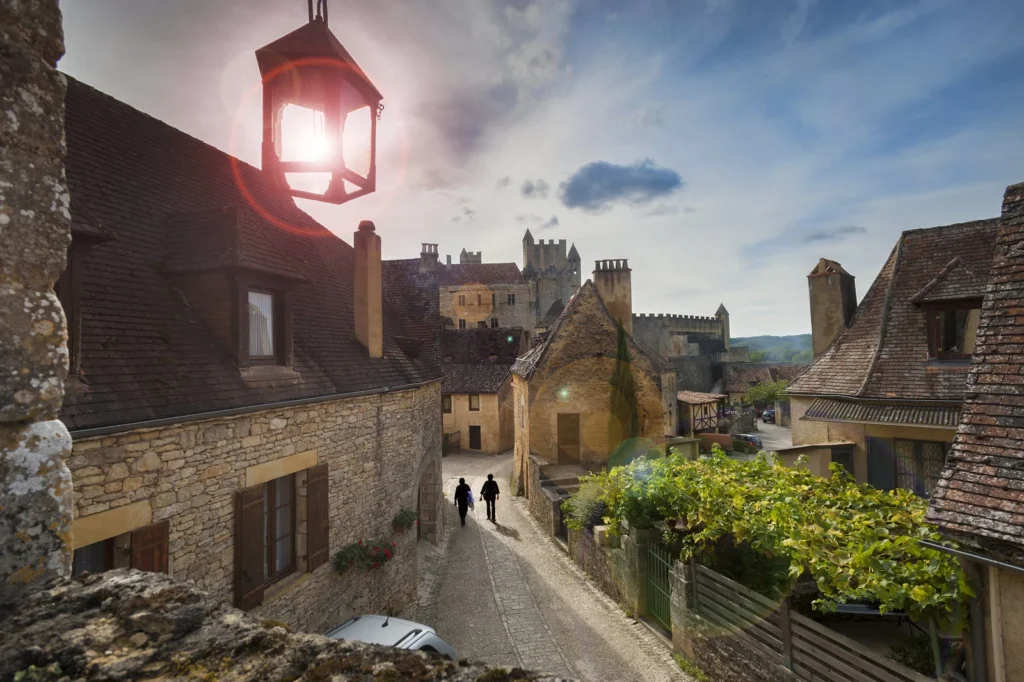
Once you narrow the region and base model, examine the precise setting of the chateau rental in France. Small geographic details influence daily comfort more than most travelers expect.
Check the distance to a full grocery store and a reliable bakery. A 10-minute drive feels effortless. Thirty minutes each way becomes a recurring inconvenience over the week. Morning access shapes how relaxed your days begin.
Review the road access carefully. A property reached via narrow rural lanes may offer charm, but it can complicate arrivals, deliveries, and the passage of larger vehicles. Confirm parking capacity if your group uses more than one car.
Research nearby event venues. Some estates sit close to wedding venues or seasonal festival grounds, which increases traffic and noise on specific dates. Understanding this context protects your evenings.
Look at the immediate surroundings as well. Open views, shaded terraces, and usable outdoor space add value after you return from day trips. A well-chosen micro location ensures that time spent at the property feels intentional and restorative rather than secondary.
Step 6: Account for Season and Demand Patterns
Season shapes traffic flow, reservation availability, and daily pacing. A chateau rental in France that feels perfectly placed in May can operate very differently in late July.
Summer brings longer daylight hours and vibrant market activity, yet it also increases road congestion around coastal zones and major heritage sites. Early departures and advance restaurant bookings become essential in peak months. Heat can also affect walking heavy itineraries in southern regions.
Shoulder season often provides a smoother experience. Late spring and early autumn typically offer comfortable temperatures and easier access to popular attractions. Restaurants and wineries maintain strong service levels without the same pressure on capacity.
Harvest periods in wine regions introduce a dynamic atmosphere, yet they also require earlier planning for tastings and accommodations. Winter stays create a quieter rhythm, although shorter daylight hours limit how far you may want to travel for day trips.
Align your location decision with the specific month of travel. Demand patterns influence how efficiently you can move through the region and how much flexibility you retain throughout the week.
Step 7: Avoid Strategic Planning Errors That Undermine Location Choice
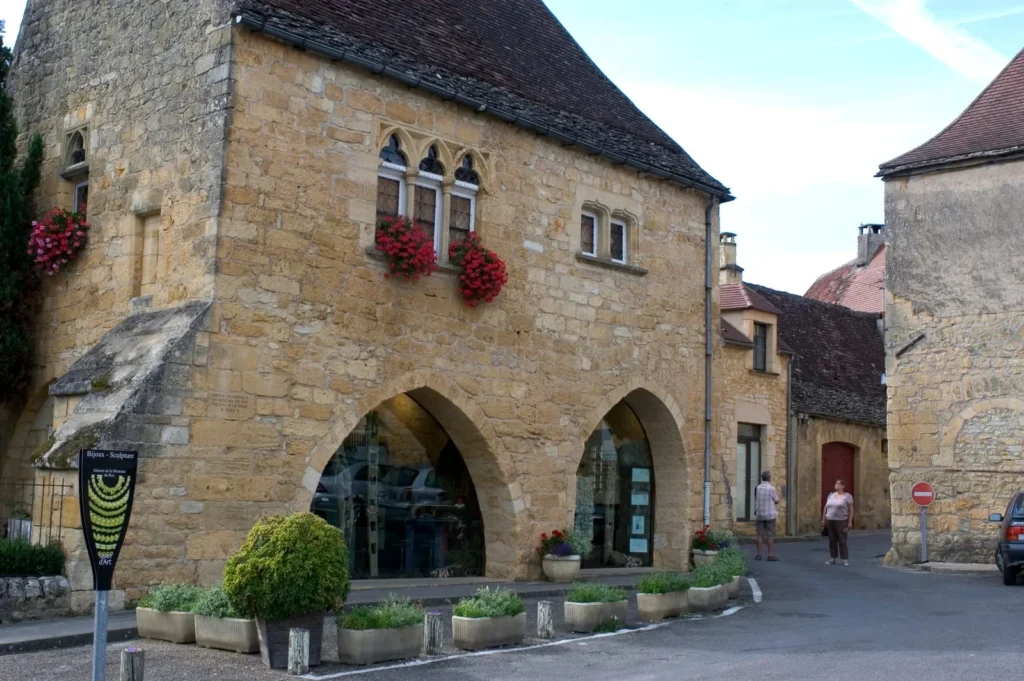
Even after narrowing your region and base, certain planning habits can weaken the value of a well-chosen chateau rental in France.
Many travelers select a region based on reputation rather than alignment with their travel identity. Popular names create confidence, yet they do not guarantee that your preferred activities sit within easy reach of your property. Prestige should never replace practical proximity.
Another common mistake involves underestimating arrival and departure logistics. Airports, train stations, and car rental offices may sit farther from rural estates than expected. Long transfer times on the first or last day reduce the usable portion of your stay.
Over-scheduling also disrupts balance. Attempting to visit a major site every day creates pressure and limits spontaneous exploration. A sustainable plan leaves room for market mornings, local discoveries, and unplanned pauses.
Finally, some groups overlook the experience of staying at the estate itself. If your schedule keeps you away from the property from early morning until late evening, you dilute the value of the chateau rental in France you selected. Strategic restraint often leads to a richer overall week.
Step 8: Run a Final Location Validation Before Confirming Your Chateau Rental in France
Before you secure the booking, pause and test your choice against a few practical standards. This step ensures that your decision supports both exploration and enjoyment of the estate.
Review your planned outings and confirm that at least half fall within a comfortable driving range. If most activities require extended travel time, reconsider the positioning of your base.
Examine the diversity of your accessible experiences. A strong location provides cultural visits, food-driven outings, and scenic environments without forcing long transfers for each category. Variety within reach increases flexibility during the week.
Evaluate how the property functions on days when you stay in. Consider outdoor seating, pool access, shade, and communal dining space. A well-chosen chateau rental in France should feel complete even on a rest day.
Finally, imagine an unexpected change, such as rain or traffic. A resilient location offers alternatives nearby without disrupting the entire schedule. When your base passes this review, you can book with confidence and focus on refining the details of your stay.
Additional Tips for a Memorable Stay
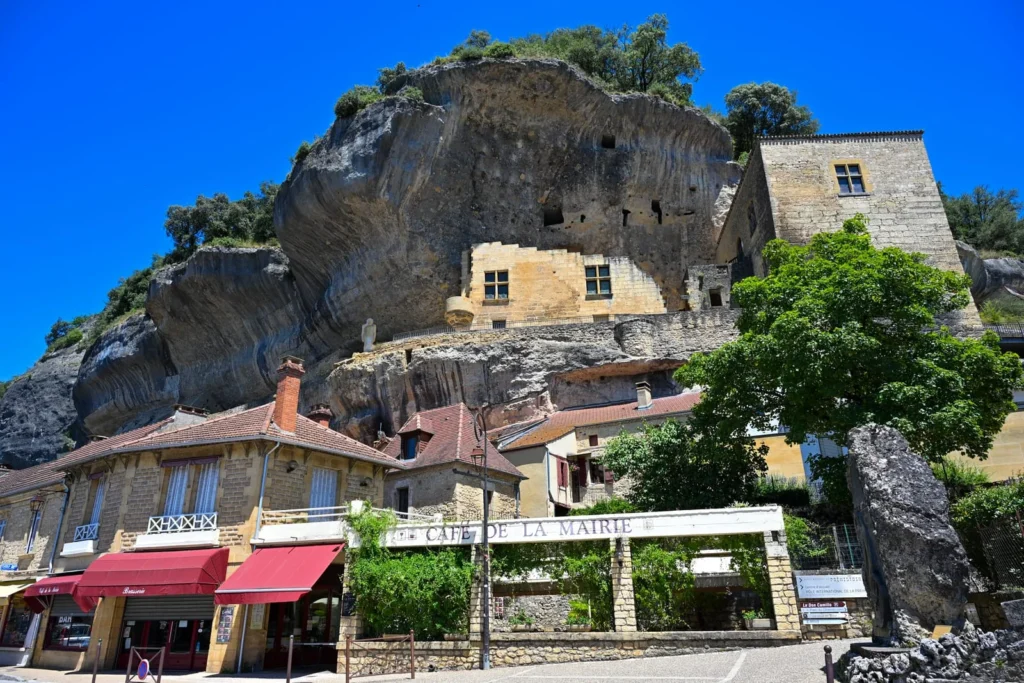
- Prepare for driving: Rural roads can be narrow and often follow river valleys or climb to fortified villages. Choose a rental car that comfortably fits your group and luggage. Remember that most cars in France have manual transmissions; if you prefer an automatic, reserve early.
- Respect local pace: Shops and businesses may close for lunch and on Sundays. Plan your grocery shopping accordingly. Markets are usually held in the morning, so arrive early for the best selection.
- Pack wisely: Bring sturdy shoes for walking on uneven cobblestones, a reusable water bottle, and layers for cave visits, where temperatures can be cool even in summer. For canoeing, Responsible Travel advises wearing long shorts to protect legs from the sun.
- Engage with locals: Visiting farm shops, talking to artisans and attending village festivals enriches your understanding of Périgord life. Learn a few French or Occitan words to connect with hosts and neighbours.
- Support sustainability: When possible, travel in shoulder season to reduce pressure on popular sites. Use reusable bags and avoid single‑use plastics at markets. Respect cave preservation rules by not touching rock walls or taking photos where prohibited.
Considering Your Base at Château de Lasfonds
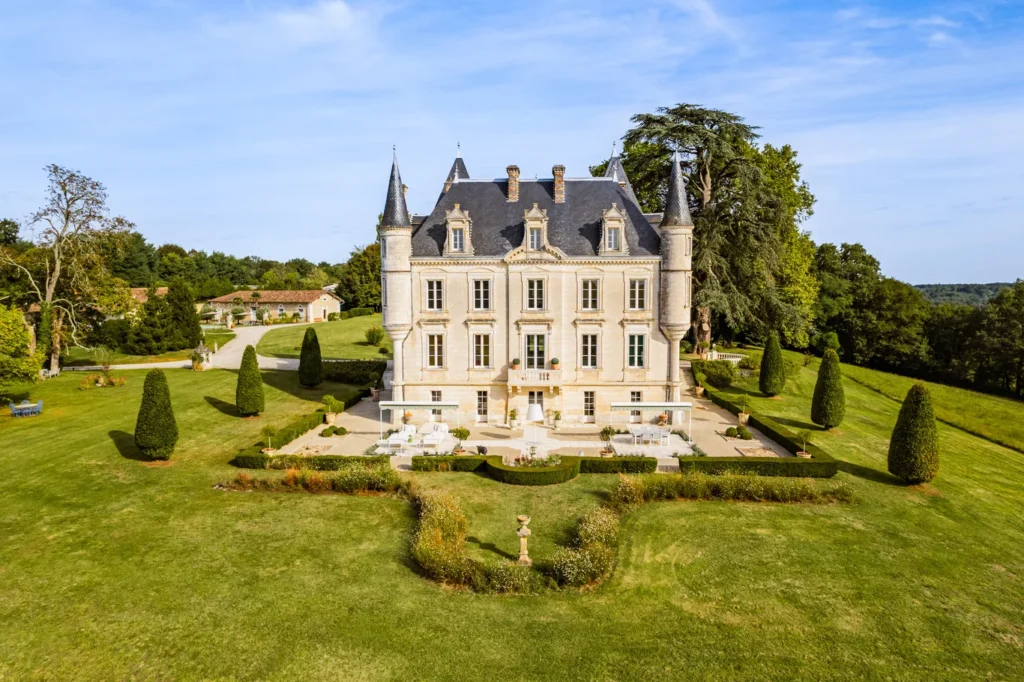
If you are seeking a chateau rental in France that balances countryside calm with practical access for day trips, Château de Lasfonds offers a location that works quietly in your favor. Its position between the Charente and Dordogne regions allows guests to explore vineyards, market towns, and historic villages without committing to exhausting drives or rigid schedules.
The estate itself spans roughly 6.5 hectares of landscaped grounds, creating a private environment where time on site feels as intentional as time spent exploring.
Accommodation is typically arranged for intimate gatherings of 18 to 20 guests, with multiple living areas and outbuildings that allow shared time without sacrificing personal space. On-site amenities include landscaped gardens, a heated pool, fitness and games spaces, and outdoor dining areas that encourage unstructured afternoons between excursions.
From this location, guests can move easily between countryside activities and regional discoveries, including village markets, vineyard visits, and outdoor experiences across the Dordogne landscape. Nearby access to Angoulême and regional airports also makes arrival and wider travel straightforward without compromising the rural atmosphere.
In practice, Lasfonds works less as a destination that demands a schedule and more as a base that supports one. It allows you to alternate naturally between day trips and time at the property, which is often the difference between a week that feels rushed and one that feels settled into the region’s rhythm.
Book Now: Secure your stay at Château de Lasfonds and use it as your base for exploring the surrounding countryside at your own pace.
FAQs about Chateau Rental in France
What makes a chateau rental in France suitable for shorter day trips?
A good chateau rental in a French location for short breaks allows meaningful visits within ninety minutes while preserving relaxed evenings. Short driving distances protect energy, reduce schedule pressure, and keep the chateau central to the experience.
How far should I realistically drive each day from a chateau base?
Most travelers feel comfortable with day trips from a French chateau that stay under ninety minutes each way. This range supports enjoyable outings while leaving time for meals, rest, and shared moments back at the property.
Can a countryside chateau still work for cultural sightseeing?
Yes, a well-placed countryside chateau rental in France can support cultural exploration when nearby towns, heritage sites, and markets sit within practical reach. Location matters more than urban proximity for maintaining an enjoyable daily rhythm.
Is a chateau rental in France suitable without planning every day?
A strong chateau rental in France allows flexible planning because nearby options remain accessible without reservations or long drives. This flexibility helps travelers adapt their plans to weather, energy levels, or local discoveries.
How does the season affect day trip planning from a chateau?
Season strongly influences chateau rentals in France, day trip planning based on traffic levels, opening hours, and reservation demand. Shoulder months often provide smoother movement, easier access, and a calmer pace without sacrificing cultural depth.
What role does food access play in choosing a chateau location?
Reliable access to bakeries, markets, and restaurants improves the chateau rental in France experience by simplifying daily logistics. Convenient food options reduce driving fatigue and encourage relaxed mornings and unhurried evenings at the estate.
Are wine-focused trips better from certain chateau regions?
Wine-focused travelers benefit from a chateau rental in France near vineyards because proximity improves pacing between tastings and meals. Short transfers support safer travel, longer lunches, and a deeper appreciation of regional wine culture.
How do families benefit from choosing the right chateau base?
Families enjoy a chateau rental in France when drives remain short, and schedules stay flexible. Reduced travel time supports outdoor play, rest periods, and smoother transitions between activities for all age groups.
What should I consider for arrival and departure days?
Arrival and departure logistics shape the chateau rental in France location choice more than expected. Proximity to airports or train stations protects valuable time and prevents travel fatigue from overshadowing the first or final day.