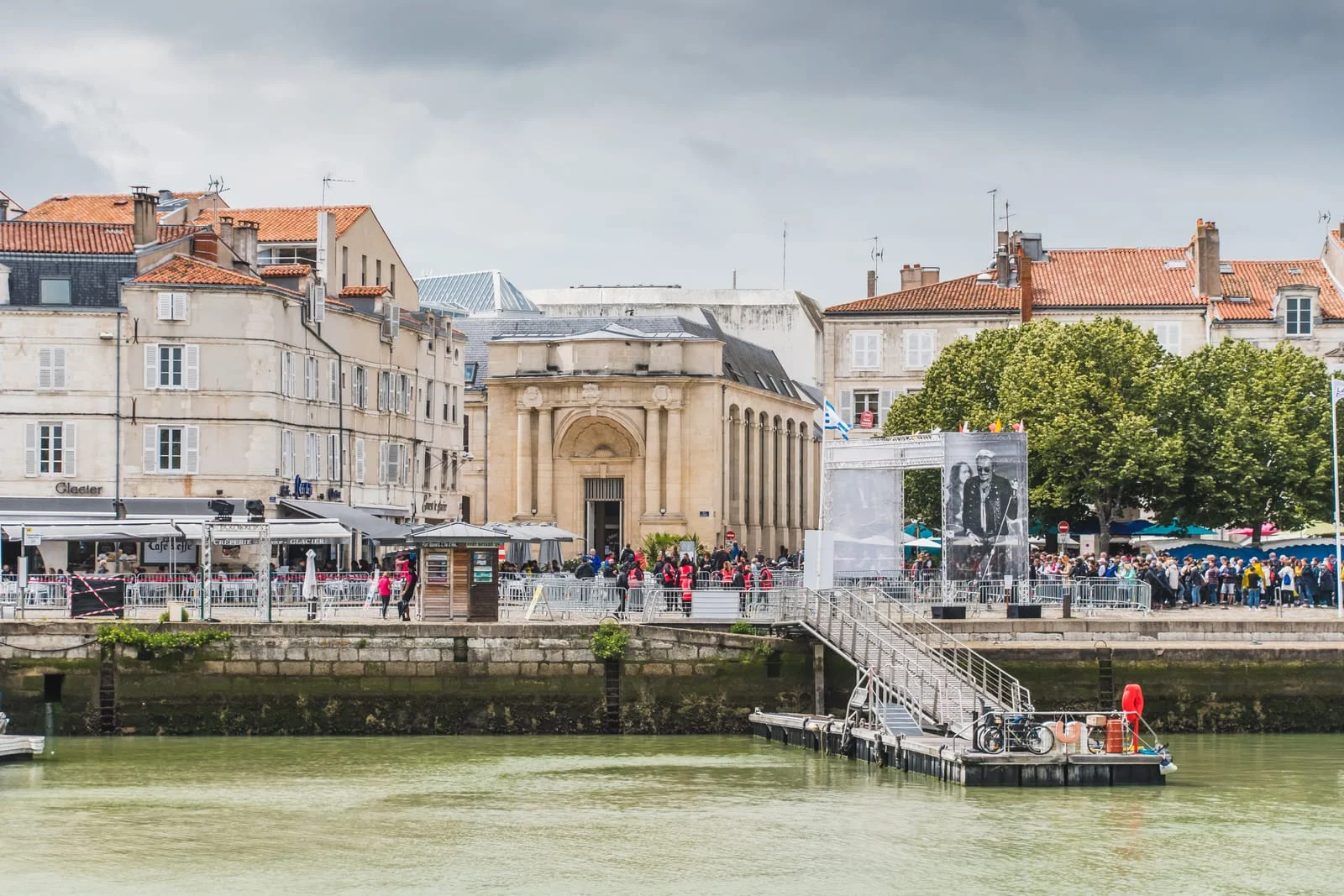
If you’re looking to discover La Charente, know this—you’re not coming for a flash. You’re coming for quiet roads, honest landscapes, and villages where life still runs on conversation, not speed.
This region doesn’t need to sell itself. It’s not full of bucket-list landmarks or massive tourist traps. What it offers is space: to breathe, to walk, to eat well, to listen. You’ll find riverbanks with no one on them, local markets where the produce wasn’t trucked in, and vineyards where the owner is probably the one pouring your glass.
This guide isn’t about cramming your days with activities. It’s about showing you the parts of La Charente that actually matter—the places that stay with you because they felt real. Scenic towns, working vineyards, time on the water, and a home base like Château de Lásfonds that lets you settle in, not just check in.
The Charm of La Charente’s Villages
One of the best ways to experience La Charente is to simply hop in a car, take the scenic route, and stop wherever catches your eye. This region is dotted with picture-perfect villages, each with its own personality, history, and local flavor. Whether you’re into architecture, riverside walks, or just want to sit at a café and watch the world go by, Charente’s villages are where the real magic happens.
Aubeterre-sur-Dronne: A Riverside Gem
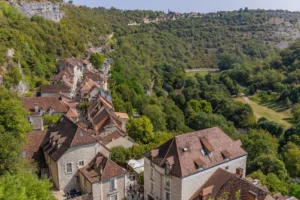
Let’s start with one of the most famous: Aubeterre-sur-Dronne. Officially listed as one of Les Plus Beaux Villages de France (the most beautiful villages in France), it lives up to the hype. Perched above a bend in the Dronne River, it’s a blend of white limestone houses, winding alleyways, and shady terraces.
The star attraction? The incredible underground Church of Saint-Jean was carved straight into the rock in the 12th century. It’s unlike anything you’ve ever seen.
After you explore the church, grab lunch at a terrace café on the village square and watch locals go about their day. If the weather’s nice, head down to the river for a swim or a bit of paddleboarding.
Talmont-sur-Charente: History and Horizon
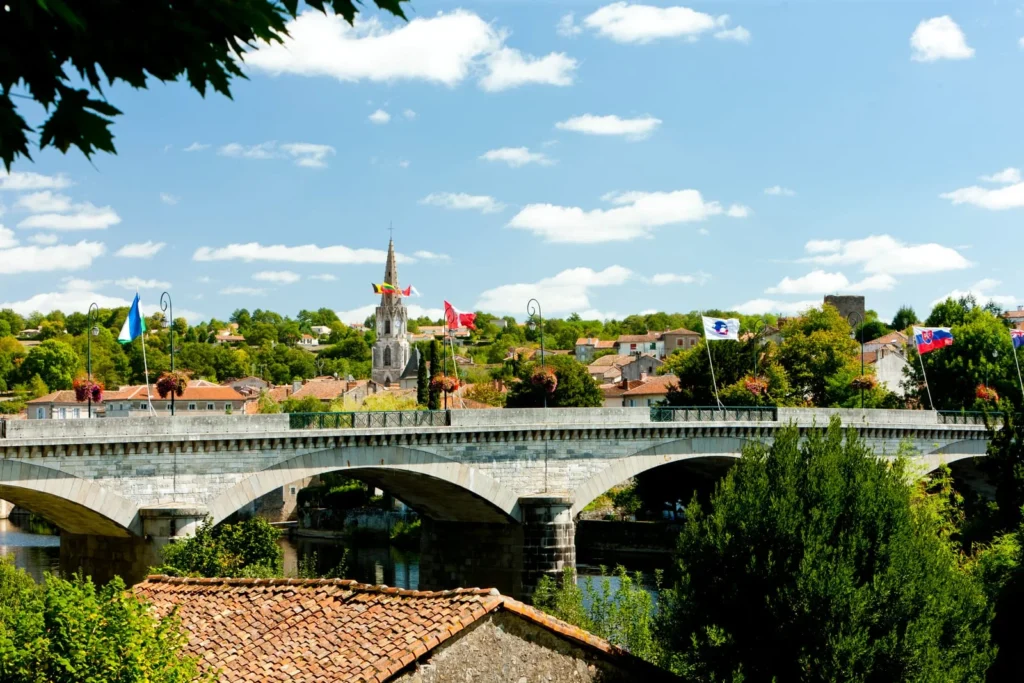
Talmont may be small, but what it lacks in size, it more than makes up for in atmosphere. With narrow flower-filled lanes, panoramic views over the estuary, and a sleepy, timeless charm, it’s an artist’s dream.
There’s an intense local artisan scene here—expect to find handmade ceramics, textiles, and paintings tucked into the village’s tiny shops.
Confolens: A Cultural Crossroads
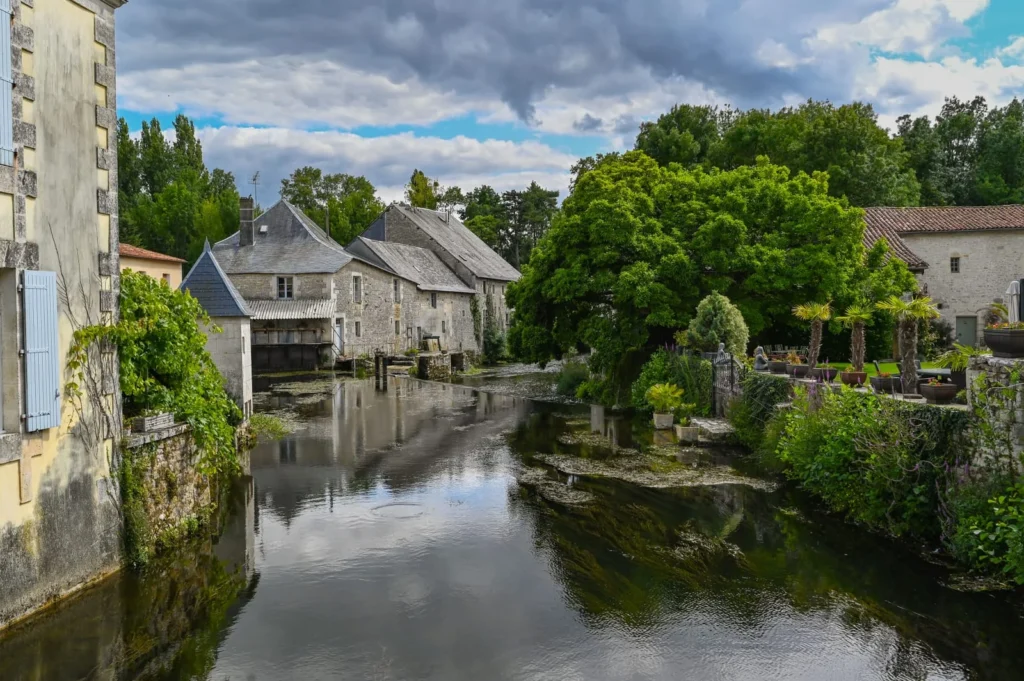
In the north of the region, Confolens sits at the confluence of the Vienne and Goire rivers. This medieval town is known for its half-timbered houses, winding streets, and beautiful stone bridge.
It’s also home to the Festival de Confolens, an international folk and dance festival that brings the town to life every August. Music, food, and energy take over the village—so if you’re planning your trip around then, don’t miss it.
Verteuil-sur-Charente: Postcard Perfect
This charming village looks like it was pulled straight from a fairy tale. The soft silhouette of Château de Verteuil (seen from afar) reflects beautifully on the Charente River, and the village itself is full of cozy bakeries, quaint shops, and peaceful picnic spots. Take a riverside walk past the old watermill or enjoy a quiet lunch by the banks—it’s simplicity at its best.
More Scenic Spots to Add to Your List
- Nanteuil-en-Vallée: Lush gardens, hidden chapels, and peaceful lanes make this an excellent stop for a lazy afternoon.
- Brigueuil: A bit off the beaten path, but full of character and historic architecture.
- Segonzac: The heart of the Grande Champagne Cognac area, perfect for wine lovers (more on that soon).
Each village has its own pace and story. The best way to explore? Get lost. Take that little path that looks like it leads nowhere. Stop at the market, chat with the baker, and don’t be surprised if you’re invited in for a glass of Pineau.
A Journey Through the Vineyards
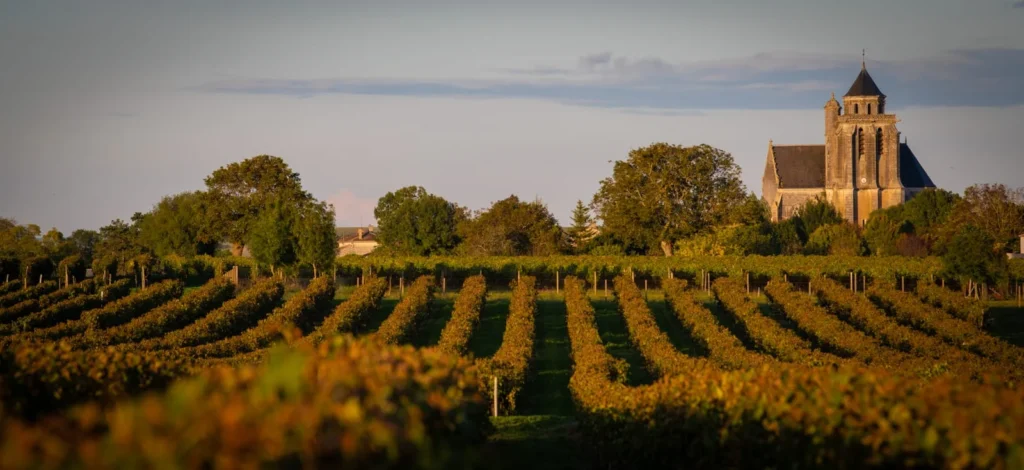
France, Charente-Maritime, Lonzac Church, in Cognac Vineyards
If you’re heading to the La Charente region, one of the true stars of the show is its vineyards — and the stories they tell of soil, time, weather, and craft. Whether you’re a serious wine‑lover or just someone who enjoys a glass of something local while watching the sun go down, this part of your trip is going to reward you.
The vineyard heritage
Viticulture in Charente goes way back. Evidence suggests vines were already planted in the Gallo‑Roman era. Over the centuries, the region developed a special relationship with wine and spirits — especially with Cognac and Pineau des Charentes.
Today, the vineyards around Charente aren’t just pretty — they’re serious. According to one source, the vineyard covers about 1,500 hectares and is tended by around 600 producers, with roughly 40 grape varieties in play.
What makes Charente’s vineyards unique
Here are a few things that set this region apart:
- Terroir & crus: The classic wine‑/spirit region of Cognac is divided into six crus (or growth zones) such as Grande Champagne, Petite Champagne, Borderies, etc. Each has its own soil, micro‑climate, and character.
- Dominant grape & production style: The main grape for Cognac production is Ugni Blanc, valued for its strength as a base for distillation: high acidity, relatively lower alcohol, great for what comes next.
Diversified wines: Beyond just Cognac and Pineau, the region produces IGP “Charentais” wines (that’s for table wines/pleasure wines) from 26‑odd authorised grape varieties, including Merlot, Cabernet, Chardonnay, etc.
Visiting vineyards & tastings
When you’re planning your days in the Charente region, allocate some time for vineyard visits. Here’s how you might do it:
- Family‑run estates: Many of the smaller producers welcome visitors, show you around the vineyards, explain the vines, the harvest, and the soils.
- Distilleries & taste sessions: Because Cognac production sits right alongside winemaking traditions here, you’ll often see vineyards + distillation + ageing cellars. For example, you can visit estates that produce Cognac, Pineau, and Charentais wines.
- Best time to visit: Late summer/early autumn is lovely because the vines are full, the colours are rich, and sometimes the harvest is beginning. Winter might be quiet and restful, but less “vineyard‑action”. The tourism site mentions how vine colours change with the seasons.
- Booking tip: Especially for smaller vineyards, it’s polite to call ahead. Ask about tours in English (if needed), whether tastings cost anything, and what the minimum purchase is (some places require a bottle purchase).
- Etiquette: Dress smart‑casual, not overly dressy, because many vineyard visits are informal. Ask questions — producers often love sharing their story. Don’t expect high‑end luxury unless you go to a big producer; many are hands‑on, genuine, and local.
Why is this an excellent experience for you, staying at the Château
Since you’ll be based at a place like Château de Lásfonds, you’ve got a perfect base for vineyard excursions. The countryside pace means you’ll arrive with time to spare, you can savour the views, stop at a lane for a photo, and chat with the grape‑grower.
You’ll get more than just a tour — you’ll walk through the land, meet the people, taste the grapes’ story in your glass.
River Adventures in the Charente
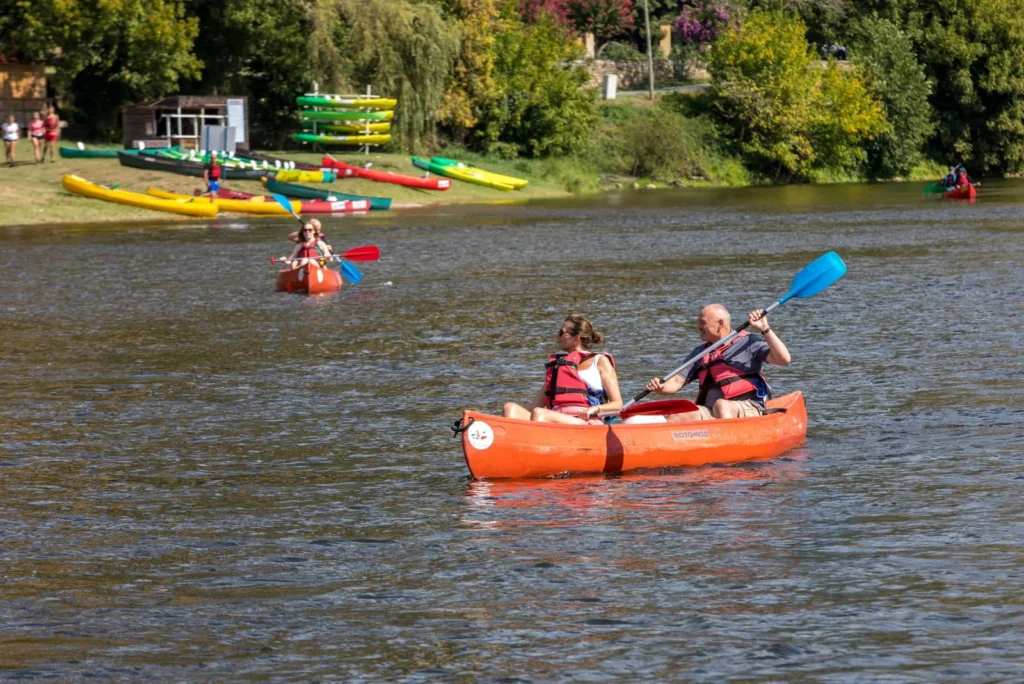
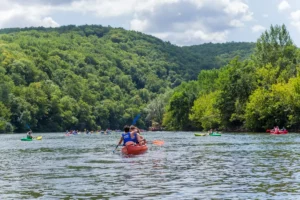
If you’re looking to mix nature, calm waters, and a bit of light adventure, the Charente River is the place to be. Winding lazily through the region, this river offers perfect conditions for exploring at your own pace—whether by canoe, kayak, paddleboard, or even a gentle river cruise.
1. Canoe & Kayak Trips
There are many bases along the river where you can rent canoes, kayaks (single or double) and even stand‑up paddle boards. For example, the Cognac Canoë Club offers guided routes and full equipment. Another base, Base Canoë Kayak de Ruffec Rejallant, lets you choose from 1‑hour trips right up to full‑day excursions on the river.
2. Scenic Cruises / Boat Rentals
If you prefer something gentler, you can take a river cruise or rent a small electric boat (no licence needed in many cases) to drift gently, soak in the views, and stop for a picnic on a bank.
3. Paddle‑boarding & Other Water Activities
For a slightly more active but still mellow option, SUPing (stand‑up paddleboarding) along calm sections of the river is increasingly popular—especially in the warmer months. And because the river is wide and slow in many places, it’s beginner‑friendly.
Practical tips for your river day
- Skill level: Many sections are very gentle and suitable for families/beginners. If you pick a longer route, make sure you’re comfortable spending a few hours.
- Safety: Wear a life jacket (many rental companies supply them). One base insists on closed‑toe shoes for safety.
- What to bring: Sunscreen, hat, water bottle, change of clothes (you might get splashed). If you bring a picnic, choose a spot on the banks and leave no trace.
- Best time: Late spring to early autumn is prime—warm weather, calm river, green banks. Avoid the busiest weekends if you want more peace.
- Launch points: Call ahead to rental bases to check availability, whether English is spoken (if needed), and which route would suit your timing.
- Pace yourself: One of the joys of this river is you don’t need to rush. Choose a 2–3 hour segment and stop for a swim or break if you find a nice bank.
- Respect nature & locals: The riverbanks may be quiet homes or private properties. Many bases provide maps or instructions for where you can stop.
Local Life, Markets & Cuisine

When you stay in Château de Lásfonds and explore the region, one of the wealthiest parts of your experience will be discovering everyday local life—its markets, its food, and the kind of slow‑down rhythms that make the region so memorable.
Morning Markets: Dive into the Scene
The markets of the Charente region are lively, authentic, and full of character. In summer, you’ll find around 60 daily or weekly markets in the department. Walking among these stalls is a perfect way to feel the region’s pulse: wicker basket in hand, chatting with growers, artisans, and locals, picking up fresh produce that reflects the land.
For example, in the village of Villebois‑Lavalette, the market hall is full of breads, cheeses, terrines, and local honey—run by people who know their craft and love to share it.
Tip: Head to a market in the morning (ideally before midday) to catch the best produce and the friendliest atmosphere. Pick up things like fresh vegetables, artisan breads, local cheeses, and maybe a bottle of something from the vineyards for later.
Cuisine & Local Specialties: From Farm to Fork
Charente’s cuisine is rooted in its landscapes—rolling pastures, fertile soils, vineyards, and rivers.
Here are some true‑local flavours you’ll want to try:
- Cagouilles à la charentaise (snails cooked in the Charentaise style) – a rustic but beloved dish in the region.
- Galette charentaise – a buttery cake or cookie‑cake that is simple but so regional it’s almost a signature dessert.
- Local cheeses – including fresh cheeses like the “jonchée” wrapped in rushes, showing the farmhouse traditions.
- Terrines, pâtés, local pork & lamb – the land provides, and the kitchens reflect that.
- Produce from land & sea – While Charente isn’t strictly coastal throughout, its proximity to the Atlantic means fresh shellfish, oysters, and coastal produce can show up in the mix.
A key point: the best meals often come when you slow down, sit in a local bistro or café, and enjoy something seasonal—maybe vegetables from this morning’s market, paired with a local wine or the region’s own aperitif.
Tip: Ask for local “plat du jour” in a small village restaurant—these often highlight what’s just fresh and nearby.
Practical Tips to Get the Most Out of Local Life
- Go early: Markets tend to be best in the morning.
- Bring a tote or basket—some stalls won’t pack for you.
- Ask questions: Producers generally love telling you how they made what they’re selling.
- Try something you’ve never heard of—that’s part of the fun (snails, local cheeses, weird‑but‑good desserts).
- Respect local etiquette: A small “bonjour” upon arrival helps. And remember: you’re in the countryside—things move at nature’s pace, not ours.
- Pair your food and drink: Since you’re in wine country, consider how local wines or aperitifs can complement your meal.
- Stay flexible: If you find a village with a local fête, an evening food market or a little outdoor dinner under the trees—jump in. These moments tend to stay with you.
Make Château de Lásfonds Your Home in La Charente
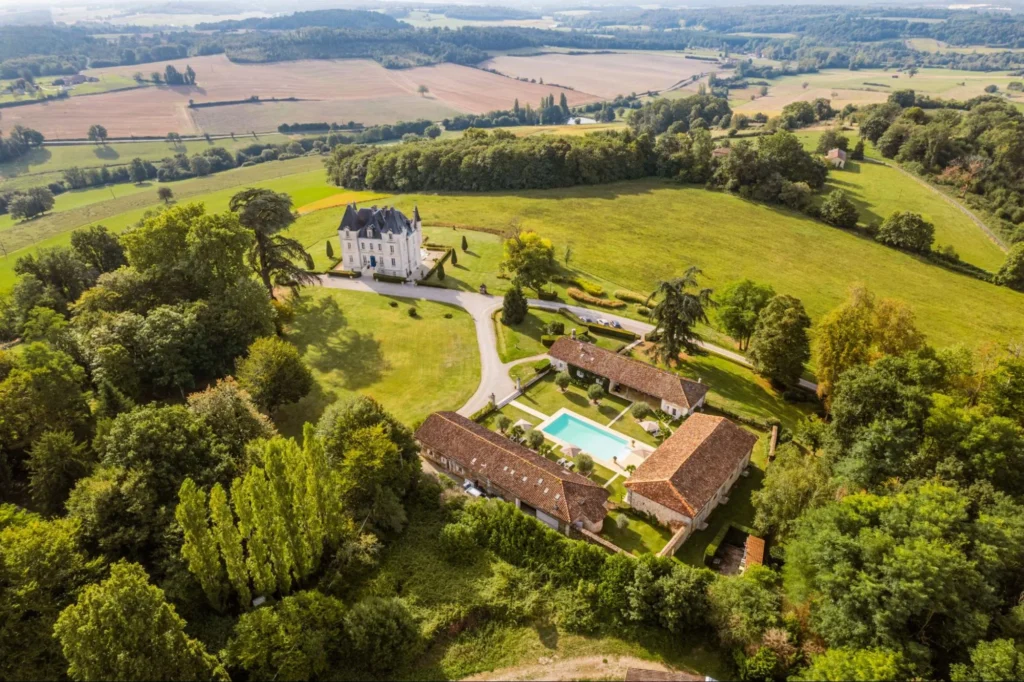
When you’re exploring a place like La Charente—where the rhythm is slower and the experiences are richer—you want a base that feels like part of the story, not just a place to crash. That’s exactly what Château de Lásfonds offers.
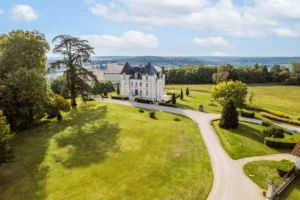
Set in the peaceful hills near the Charente–Dordogne border, this privately owned estate gives you room to breathe, unwind, and reconnect. It’s not a hotel—it’s a full countryside retreat, complete with a grand château, guesthouses, and over six hectares of space to roam.
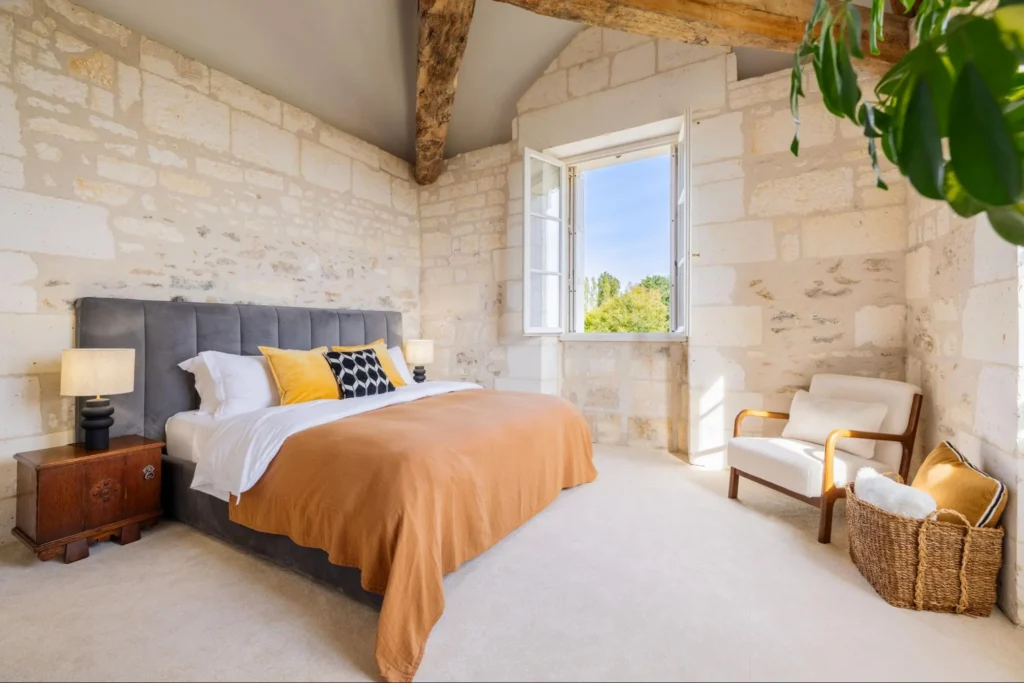
Here’s what makes it special:
- Room for everyone: Sleeps up to 20 guests across multiple buildings—perfect for families, groups of friends, or multi-generational stays.
- Plenty to do (or not do): Heated pool, game room, fitness area, high-speed WiFi, and smart TVs—plus total quiet when you want it.
- Cook, gather, stay in: Full kitchens, an outdoor dining area, and local markets nearby mean you can make every meal your own.
- Go slow, go local: Wake up, grab coffee in the garden, then head out to riverside villages, vineyard tours, or just a walk in the woods.
This is the kind of place where people stop watching the clock. Where dinner starts when the sun dips low. Where you remember what it feels like to settle in, not just pass through.
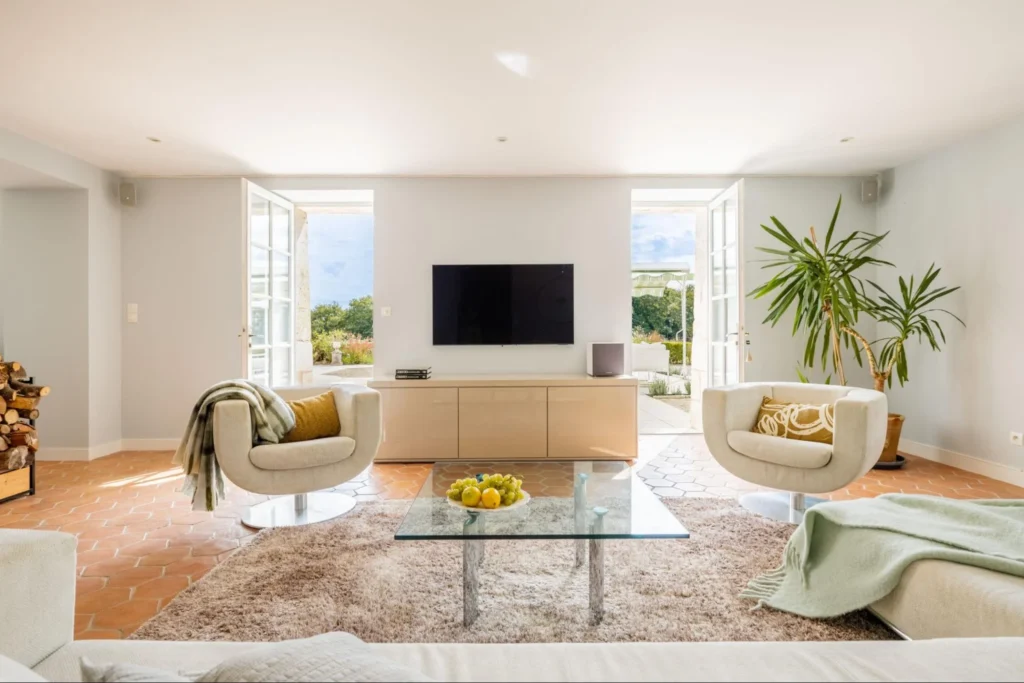
So if you’re ready to explore La Charente on your own terms—with space, comfort, and a real sense of place—book your stay at Château de Lásfonds and make the experience your own.
FAQs about La Charente
What’s the easiest way to reach La Charente from a major airport?
You’ll typically fly into Bordeaux–Mérignac Airport or Paris Charles de Gaulle Airport and then rent a car for the final stretch – because La Charente is rural by design and public transport gets limited once you leave the main towns. From Bordeaux it’s around 2‑3 hours’ drive, giving you freedom to explore villages, vineyards and river spots at your own pace. This kind of approach lets you arrive relaxed rather than hopping between trains and buses.
Will I need to speak French to get by in La Charente?
Not entirely, but learning a few basic phrases goes a long way. In many village cafés, markets or amongst local producers, a friendly “bonjour”, “merci” or “s’il vous plaît” earns you a warm smile and good service. English is often spoken in tourist‑friendly spots (vineyards, bigger towns), but in smaller villages, people appreciate the effort. Being relaxed, patient, and friendly really helps you engage more deeply with the local culture.
What kinds of accommodations should I expect when staying in La Charente?
You’ll find everything from charming guesthouses and boutique B&Bs to self‑catered cottage rentals and historic manors such as Château de Lásfonds. Expect a cozy rural character—stone walls, rustic beams, peaceful gardens—rather than mega-resorts. Many places offer the chance to stay immersed in countryside tranquillity, making them ideal for a slower travel pace. Booking in advance during peak months (summer, harvest) is wise.
How family‑friendly is La Charente, and what can kids enjoy?
Very family‑friendly! La Charente offers wide‑open nature, gentle riversides for swimming, soft hiking trails, vineyards with educational tours, and markets kids can explore. Many accommodations welcome children with extra space and outdoor areas. Canoe or kayak trips down the river are beginner‑friendly, and villages often have playgrounds or green spaces. It’s a great spot for families wanting relaxed fun rather than high‑adrenaline.
Are there any festivals or seasonal events I should know about?
Yes—La Charente has wonderful local events that make your trip even richer. For example, in the medieval town of Confolens there’s a renowned folklore festival every August. Seeing villagers in costume, folk music and dances turns the town into a living heritage display. Planning your visits around such events adds a cultural dimension you won’t find from a guidebook alone.
What kind of mobile/Internet coverage can I count on in the countryside?
It’s decent in towns and villages, but expect weaker signals in very remote spots (forest tracks, deep river bends, hills). Free WiFi is often available at accommodations, cafés and tourist offices—but if you’re planning remote work or uploading lots of content, choose a place with confirmed broadband/4G ahead of time. Having a local SIM or data roaming plan helps if you want reliable access on the go.
What budget should I plan for daily expenses in La Charente?
La Charente is generally more affordable than high‑tourist‑traffic parts of France, which makes it attractive. For example: local cafés and bistros will cost less than fancy coastal resorts; market produce is good value; vineyard tours often offer reasonable tastings. You’ll still want to budget for a table‑d’hôte dinner, car rental, and any guided activities—but you’ll likely feel like you’re getting more for your money in this region.
Are pets welcome at accommodations and on vineyard/water activities?
Many places in La Charente are pet‑friendly—given the rural environment, gardens and open space make it easier for dogs (and sometimes cats). For vineyard visits or river outings, call ahead: smaller producers or rental bases often welcome dogs if they’re well‑behaved, but rentals and guided tours may have restrictions. Always ask in advance.
What happens if the weather turns wet—are there indoor activities?
Absolutely. While the region shines in sunshine, it also has plenty of indoor options: Romanesque churches, museums (such as in Angoulême), wine‑cellar tours, historic towns with covered market halls, craft workshops, and spa or wellness centres in rural guesthouses. A rainy or overcast day doesn’t mean the trip gets canceled—it just changes gears from kayak to wine‑tasting to museum visit.
How can I travel sustainably/responsibly while staying in La Charente?
Great question. Choose locally‑owned accommodations and family‑run vineyards; buy fresh produce at village markets (less transport, more flavour); use your car thoughtfully—share rides, switch the engine off rather than idling, avoid driving narrow country lanes at dawn for wildlife. Respect nature by staying on marked trails, leaving no trace by the river, and limiting plastic as much as possible. The region’s charm depends on respectful visitors who value what’s genuine and local.