France luxury tours generally fall into three styles: private, small group, and self-drive. Choose a private tour for maximum flexibility and personal support, a small group tour for shared logistics and a fixed itinerary, or self-drive for independence. A hybrid trip can combine all three.
The right choice depends less on prestige than on pace, privacy, transport confidence, and your group’s needs. This matters when a trip moves beyond Paris into rural South West France, where rail can cover the long connection but local travel usually requires a car, chauffeur, or arranged transfer.
The Three Tour Styles at a Glance
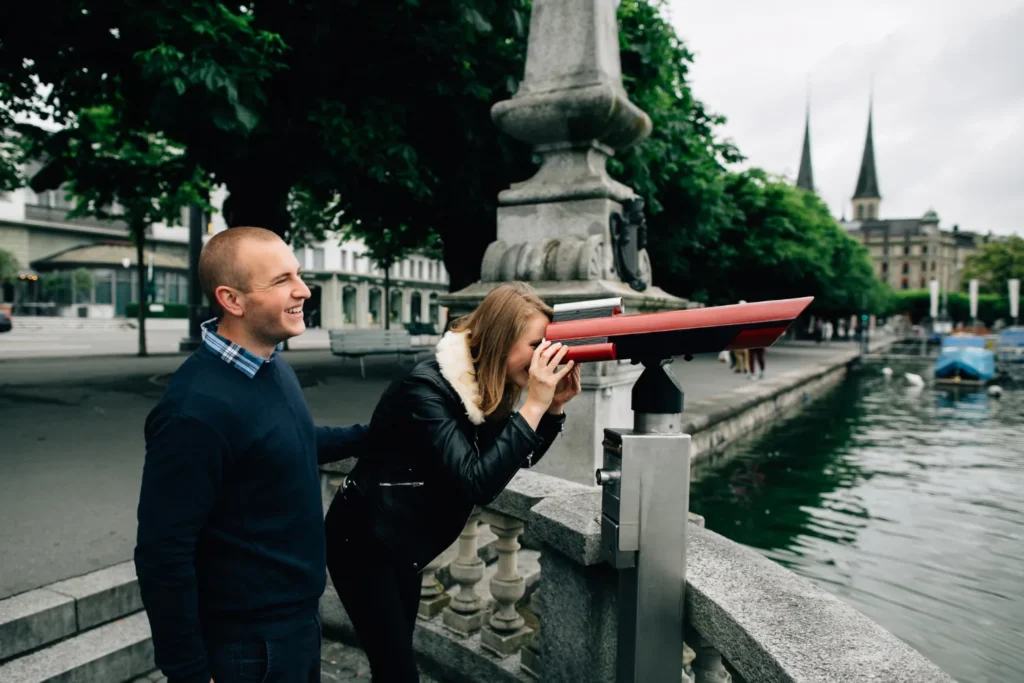
| Style | Strongest fit | What you control | Main trade-off |
| Private | Couples, families, multigenerational groups, milestone trips | Start times, guide time, stops, room level, and daily pace | Higher cost because services are not shared |
| Small group | Couples, friends, and solo travelers who value structure and company | Choice of departure and optional activities | Fixed dates, shared vehicles, and less room for last-minute changes |
| Self-drive | Independent couples and families comfortable on French roads | Route, departure time, stops, and length of stay | You manage driving, parking, luggage, and disruptions |
A polished itinerary still feels tiring if it changes hotels every second night, rushes a slow walker, or leaves one person responsible for all the driving.
Private Tours Offer the Greatest Control

A private itinerary suits travelers who want the day shaped around their interests and energy. A guide can add context at museums, historic sites, villages, or vineyards, while a chauffeur handles the road. These may be two different professionals, so confirm the arrangement. A driver who transfers guests is not automatically a licensed guide, and a guide may not provide transportation.
Private travel works well for mixed-generation families, couples marking an occasion, and groups with firm dietary, mobility, or timing requirements. It also makes mid-trip changes easier.
Ask how many hours of guide and vehicle time each day includes. Check overtime rates, luggage capacity, child seats, step-free access, language requirements, restaurant reservations, and after-hours support. “Bespoke itinerary” should mean more than choosing from a short list of standard excursions.
Small Group Tours Exchange Flexibility for Simplicity
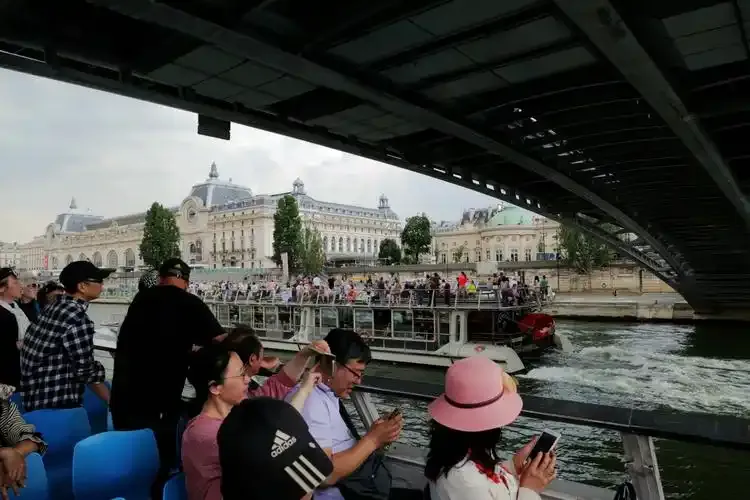
Luxury small group tours in France suit travelers who want the route, accommodation, transfers, and major visits organized in advance. Shared costs can support strong guides and comfortable transportation without the full price of a private vehicle and guide.
The word “small” has no single practical meaning. Ask for the guaranteed maximum and vehicle size. Eight guests in a minibus creates a different experience from twenty guests on a coach. Group size affects boarding, meals, luggage handling, and access to the guide.
Review the daily schedule, not just the destination list. Check morning start times, walking demands, one-night stays, and free time. A family or corporate group may prefer a private departure based on a small group program.
Self-drive Travel Gives You Freedom and Responsibility
A self-drive trip lets you stop for a market, extend lunch, return to the same base, and adjust plans based on the weather. Prearranged accommodation, selected guides, restaurant bookings, and transfers can keep it comfortable.
France’s Service Public states that a valid non-EU license can be used during a short stay. If the license is not in French, it must generally come with an international driving permit or official translation. A Crit’Air sticker is required in low-emission zones. Confirm documents, insurance, permitted drivers, transmission, luggage space, and Crit’Air compliance with the rental company.
Self-drive may be a poor fit when nobody wants to drive after dinner, the group needs several vehicles, or rural road confidence varies. A chauffeur for selected days can remove those pressure points without turning the entire trip into a fully escorted tour.
A Hybrid Itinerary can Give You Structure without a Rigid Schedule
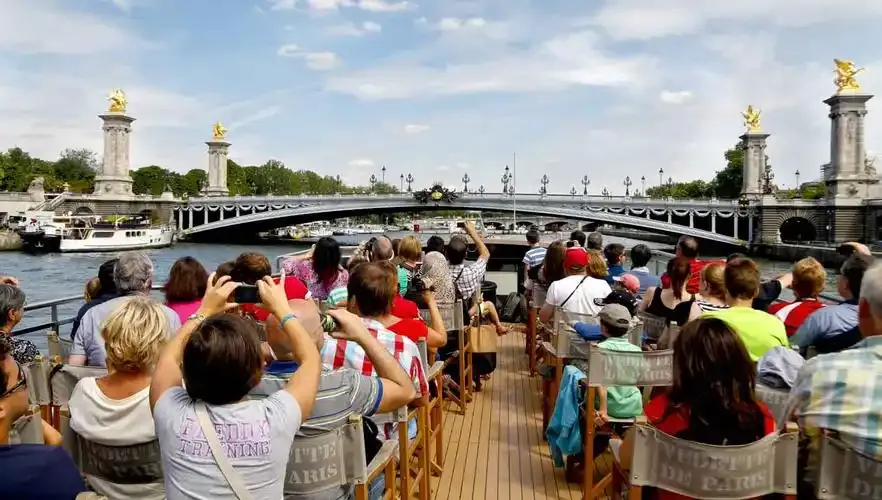
Many luxury trips to France work well as a series of handoffs: airport transfer, rail between cities, a station pickup, and a rental car or chauffeur in the countryside. Local guides can join on selected days.
A seven-night slow-travel stay might look like this:
| Day | Plan |
| 1 | Arrive from Paris by rail, take a prearranged transfer, and settle in |
| 2 | Keep the day free for the estate, a local meal, and travel recovery |
| 3 | Spend a full day with a private regional guide |
| 4 | Use a rental car for a market, village lunch, and an early return |
| 5 | Reserve an unscheduled day for the pool, gardens, work, or family time |
| 6 | Arrange a chauffeur-led culinary or cultural day through an external provider |
| 7 | Hold a flexible day for a favorite place, weather change, or another quiet afternoon |
This pattern limits transfer days and lets guests separate for a few hours without dividing the entire vacation.
How to Compare France Luxury Tours Beyond the Headline Price
Start with five practical tests.
1. Decide How Much Daily Structure You Want
Choose private travel for adjustable start times, a small group for a complete schedule, and self-drive when open time matters most. A hybrid suits trips that need different support in different places.
2. Count Transitions, not Destinations
Every hotel change adds packing, checkout, transport, and check-in. Review nights per stop, door-to-door travel time, and accommodation location. Station transfers and luggage make a two-hour train part of a longer transition.
3. Plan for the Least Mobile Traveler
Ask about stairs, walking surfaces, vehicle access, bathroom stops, elevators, and ground-floor accommodation. Families should also confirm car seats, pool safety, adjoining spaces, and free time for children.
4. Allocate Rooms before Collecting Group Payments
An exclusive-use château can include a main house, cottages, sofa beds, and rooms on different floors. Request a floor plan and exact bed setup. Assign rooms according to mobility, privacy, children’s needs, and proximity before dividing costs.
5. Compare the Complete Cost and Responsibility
Request a written list of accommodation, meals, guide hours, admissions, transfers, taxes, tips, parking, fuel, tolls, and optional experiences. Identify who responds if a train is missed or a supplier cancels.
Questions to Ask Before Paying a Deposit
Use the same questions with every operator or travel planner:
- Is this sold as one travel package or as separate supplier bookings?
- Who holds each payment and who is responsible for each service?
- What are the deposit, balance, change, and cancellation terms?
- Can the itinerary change after confirmation, and what could raise the price?
- What happens if the minimum group size is not reached?
- Which transfers, meals, admissions, and guide expenses are excluded?
- Who provides support during evenings, weekends, and travel disruptions?
- Which activities require firm mobility, age, or dress conditions?
EU rights differ between a package and separate bookings. Official EU guidance states that the organizer is responsible for properly performing services included in a qualifying package. Read the contract to see what you are buying.
When an Exclusive-use Château Fits the Tour
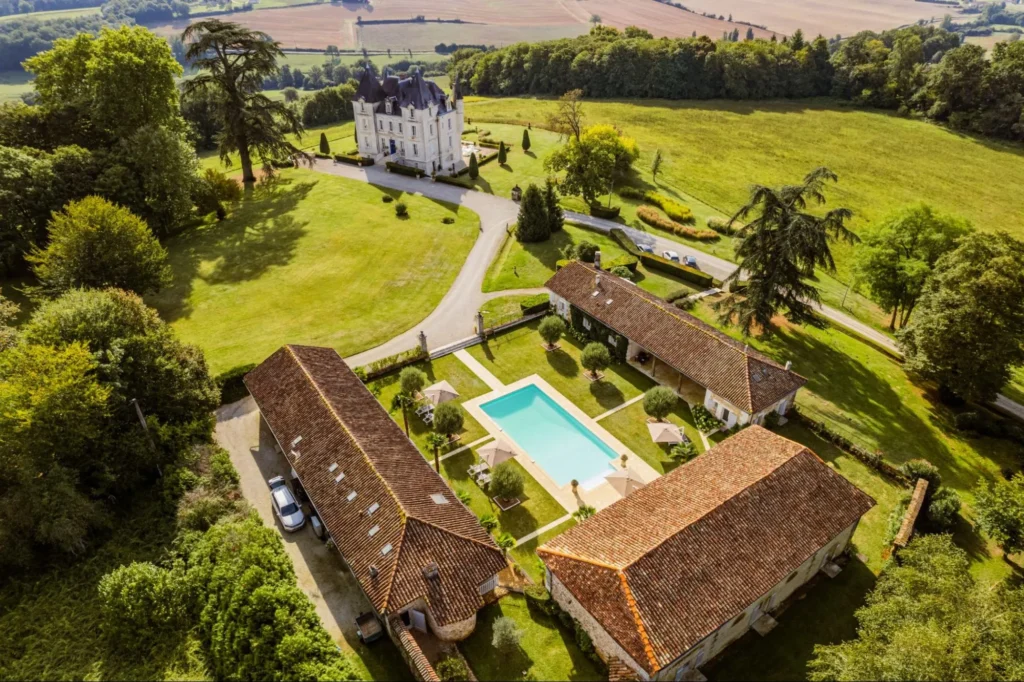
An exclusive-use property gives families, wedding groups, friends, or retreat guests a shared base, with private specialists joining only when needed.
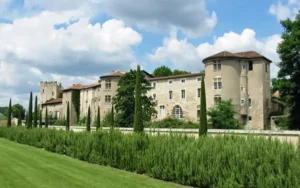
Château de Lasfonds is rented to one group at a time on a 6.5-hectare estate near the Charente and Dordogne border. It accommodates up to 18 guests and requires a seven-night minimum. Guests have access to kitchens, outdoor dining spaces, a games room, a small gym, work areas, gardens, high-speed Wi-Fi, and a heated pool open from May to October. The main château bedrooms have reversible air conditioning, and the building has underfloor heating.
We can recommend local chefs and connect guests with external concierge or event-planning support, but those providers must be arranged separately. Confirm scope, prices, contracts, and availability directly with each provider.
Plan Your Private Château Stay at Château de Lasfonds
Explore the room layouts, then send an inquiry with your dates, guest count, transport plans, and any external services for which you would like introductions.
FAQs about luxury tours in France
What is the best luxury tour style for a first trip to France?
Private travel provides the most personal support, while a small group removes more planning work at a lower shared-service cost. Confident independent travelers may prefer rail between cities and a rental car for the countryside.
What is the difference between a private guide and a chauffeur?
A private guide interprets history, culture, art, or food. A chauffeur manages transportation. Some professionals provide both services, but travelers should confirm qualifications, vehicle arrangements, working hours, and the exact role stated in the proposal.
Are luxury small group tours in France suitable for couples?
Yes. Couples who enjoy meeting other travelers may appreciate the shared meals, guided visits, and fixed logistics. Check the maximum group size, free time, room category, walking demands, and dining arrangements before booking.
Can families take a private luxury tour of France?
Private tours can work well for families because start times, stops, guides, and activities can match children’s ages. Confirm car seats, connecting or nearby rooms, pool safeguards, flexible meal times, and child-appropriate guide arrangements.
Is self-drive practical for international visitors?
It can be practical for travelers comfortable with French roads and local driving rules. Confirm license requirements, transmission type, insurance, luggage capacity, parking, tolls, permitted drivers, and low-emission-zone compliance before accepting the vehicle.
How many regions should a luxury France itinerary include?
Two or three regions can provide a balanced trip of around ten to fourteen days. More stops create additional packing and transfers. A longer stay in one countryside base leaves more time for guided days and independent exploration.
What should a luxury tour proposal include?
The proposal should state accommodation categories, room types, transfers, guide hours, vehicle details, admissions, meals, taxes, tips, support contacts, exclusions, payment dates, and cancellation terms. Ask for clarification before paying if any service remains unclear.
Can private and self-drive travel be combined?
Yes. Travelers can use private transfers and guides in Paris, take rail to another region, and collect a rental car for countryside days. A chauffeur can cover wine-focused outings or days when nobody wants to drive.
What cancellation questions should travelers ask?
Ask how much remains refundable at each payment stage, which supplier terms apply, what happens after a schedule change, and how the operator handles canceled services. Check each contract separately when the trip is not sold as one package.
Do guests need a car at Château de Lasfonds?
The château recommends a rental car or prearranged transport for regional outings. Guests arriving at Angoulême can arrange the onward journey before travel. Rural ride-hailing availability is limited, so daily transportation should not be left until arrival.