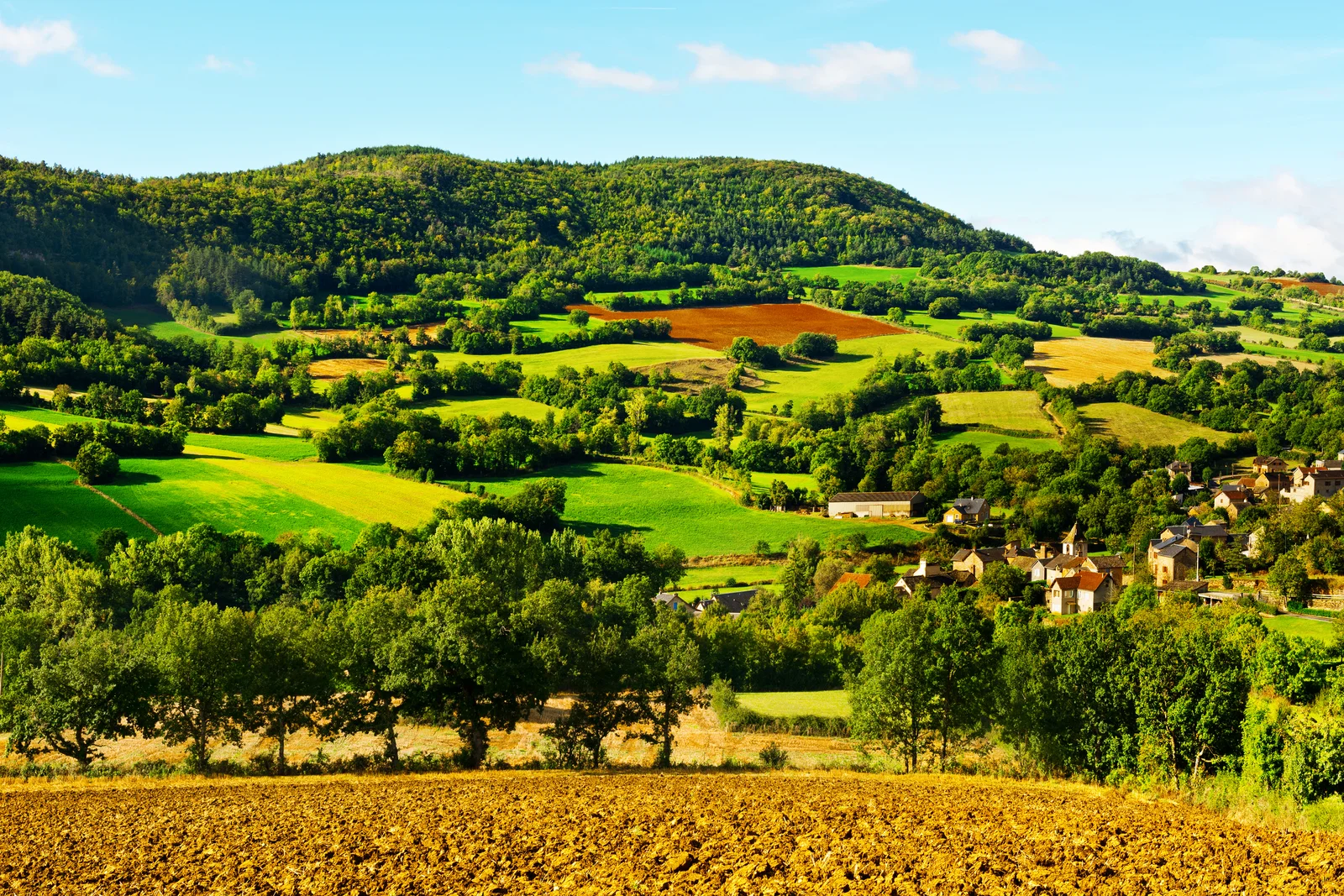
A French countryside vacation involves staying in rural areas outside major cities to experience daily life at a slower, locally rooted pace. It typically includes longer stays in one location, access to open landscapes, and proximity to villages where services, markets, and traditions serve residents rather than tourists.
Travelers choose the French countryside for space, privacy, and predictable routines shaped by agriculture and local governance. Instead of packed itineraries, days revolve around village markets, regional food, outdoor settings, and short drives to nearby towns or historic sites.
A well-planned French countryside vacation allows visitors to live within the region rather than move through it. Staying in a French countryside chateau supports this approach by offering self-contained accommodation, historic surroundings, and the flexibility to structure daily life independently.
The French Countryside Vacation Experience
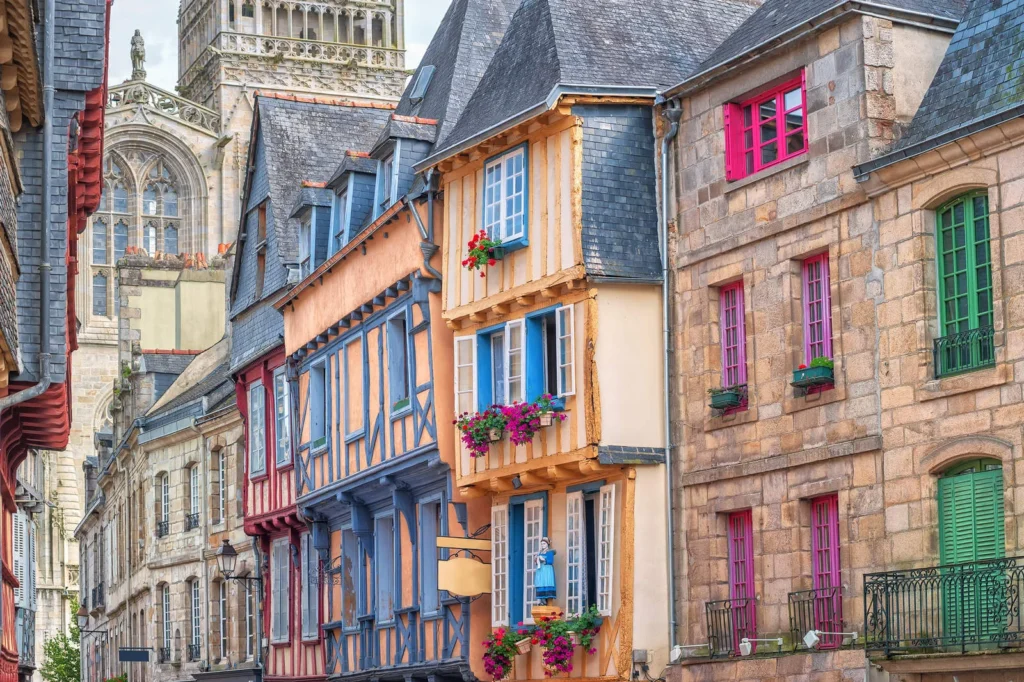
A Living Environment, Not a Tourism Product
The French countryside offers an experience centered on participation in a functioning local environment rather than on consuming attractions. Travelers stay in areas designed for residents, so daily life continues regardless of visitors. You encounter working villages where schools operate, markets serve locals, and trades exist to meet practical needs rather than entertain visitors.
This shifts the experience from observation to integration. Instead of planning activities around opening hours and ticket availability, travelers adapt to an existing system. The environment sets the pace and structure, which removes the pressure to constantly seek things to do.
Structure and Predictability Define Daily Life
Daily life in rural France follows fixed and reliable patterns that quickly become intuitive. Shops open and close at consistent times, markets occur on specific days, and services operate according to local schedules rather than tourist demand. Once learned, these rhythms reduce friction in everyday decisions.
For travelers, this predictability simplifies planning. Meals, errands, and outings align naturally with the day’s structure. Over longer stays, this reduces cognitive load because fewer choices need active management. Days feel ordered without being restrictive, creating a sense of stability uncommon in short-stay travel.
Modern Access Without Lifestyle Compression
Rural regions maintain practical access without encouraging constant movement. Essential services such as groceries, healthcare, and transport hubs remain reachable by short drives, while road networks support efficient local travel. Internet access and mobile coverage allow remote work and routine communication in most areas.
This combination enables privacy without isolation. Travelers can remain self-sufficient while avoiding the compression of schedules common in cities. Time is not fragmented by transit delays, crowds, or overlapping reservations, which makes longer stays more sustainable.
How Time Is Spent on a French Countryside Vacation
Unlike short urban trips, a French countryside vacation rewards travelers who remain in one place long enough for routines to form.
Time in the countryside consolidates rather than fragments. Instead of dividing days between multiple venues, travelers spend longer periods in one place. Mornings often involve home preparation, afternoons focus on local errands or short outings, and evenings return to shared space rather than external venues.
This pattern favors presence over activity density. The experience becomes less about maximizing exposure and more about reducing interruption. Over time, travelers report feeling less rushed and more oriented to their surroundings, which changes how they perceive value.
French Countryside Vacation Styles: Provence Towns vs Deep Rural Regions
Staying in Provence towns offers a lively, semi-touristic experience where local life blends with constant visitor activity. Cafés, markets, and shops operate for extended hours, reservations become routine, and days involve frequent movement between meals, villages, and social settings. The pace feels stimulating but requires ongoing planning and coordination.
Deep rural regions operate very differently. Villages follow fixed schedules designed for residents, not visitors. Shops close predictably, markets run weekly, and evenings quiet down early. Daily life centers on the accommodation rather than external venues. Travelers leave intentionally, often for a single errand or outing, then return home for extended periods.
As a result, time in Provence feels segmented, while time in deep rural areas feels continuous. Provence suits shorter, social stays. Deep rural regions reward longer visits focused on privacy, routine, and stability.
A Different Measure of Travel Value
Value in the French countryside comes from efficiency rather than volume. Costs concentrate on accommodation, while daily expenses remain stable and controllable. Self-catering reduces reliance on restaurants, private grounds replace paid attractions, and shared living space eliminates repeated venue costs.
This model rewards duration. As stays lengthen, the cost per day decreases while comfort increases. Instead of novelty driving satisfaction, consistency does. The countryside delivers value through reduced decision fatigue, lower recurring expenses, and environments that become easier to use with time.
Popular Regions in the French Countryside
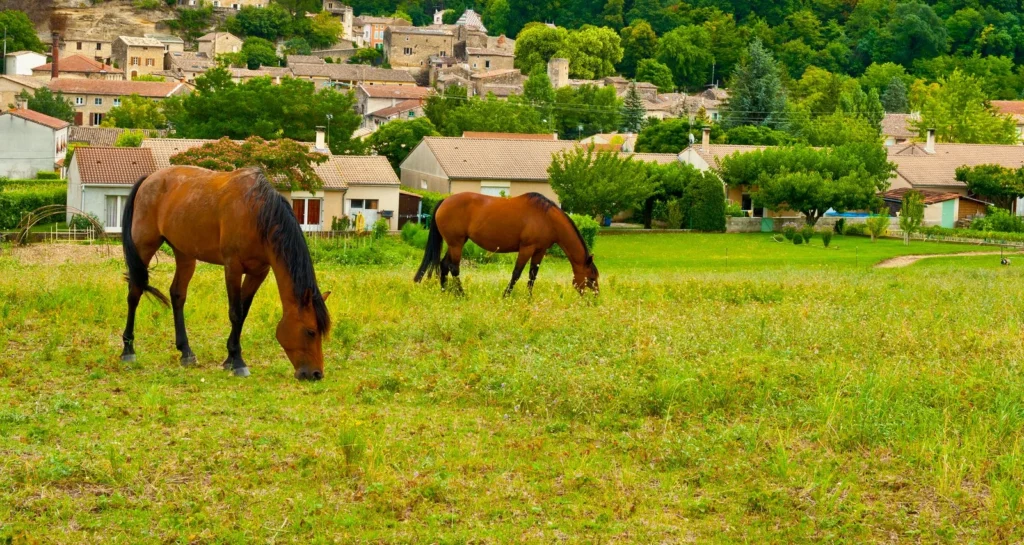
The rural regions of France differ less in appearance than in how they support daily living during a French countryside vacation. Each region operates within its own climate patterns, agricultural focus, and access network. These factors shape daily life, travel logistics, and the type of stay that works best. Choosing a region, therefore, determines not only scenery but also comfort, seasonality, and pace.
Some regions favor long outdoor days and warm evenings, while others prioritize cooler summers and seasonal rhythms tied to farming or wine production. Travel decisions become easier when regions are evaluated based on how they support daily living rather than how they appear in photographs.
Southwest France and the Charente Area
Southwest France appeals to travelers seeking a balance between rural calm and practical access. The Charente area offers open landscapes, small towns, and estates set within working countryside. Travel distances remain manageable, and regional train stations connect to major cities without requiring complex transfers.
This region supports longer stays by combining space with functionality. Local services operate year-round, and the climate remains comfortable throughout the year. For families and groups, the area works well because properties often include outdoor grounds, shared spaces, and privacy without isolation.
Central France and Agricultural Heartlands
Central countryside regions suit travelers who prioritize quiet and continuity. These areas are shaped by farming cycles rather than tourism calendars. The environment supports slow routines and minimal external stimulation, which appeals to visitors seeking full immersion into rural life.
Travelers choosing these regions should plan longer stays. Short visits often fail to capture the value of the setting. Extended time allows visitors to adapt to local patterns, develop familiarity, and benefit from the stability that defines these areas.
Countryside Near Historic Towns
Some countryside regions sit within close driving distance of historic towns and regional centers. These locations suit travelers who want access to cultural sites without daily immersion in urban density. Day trips remain possible, while evenings return to quiet surroundings.
This option works well for travelers who want variety without constant movement. The countryside becomes a base rather than a destination, supporting both exploration and rest.
Matching Region to Travel Intent
Choosing the right countryside region depends on how travelers plan to spend their time. Those seeking uninterrupted privacy benefit from deeper rural areas.
Travelers who value flexibility and access may prefer regions connected to transport hubs. Climate tolerance, group size, and length of stay should guide the decision more than reputation alone.
Best Time to Visit the French Countryside
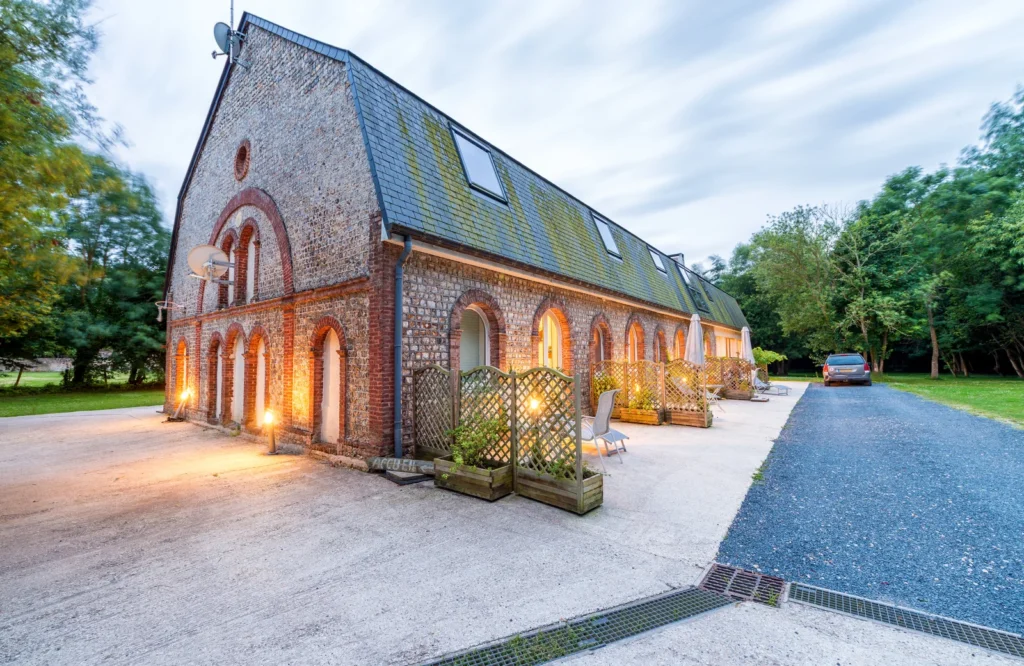
Seasonality affects rural travel more than urban travel. Rural regions follow agricultural and community calendars that influence activity levels, service availability, and atmosphere. Understanding these cycles helps travelers choose a period that supports their preferred pace rather than working against it.
Some seasons emphasize outdoor living and social activity, while others favor quiet routines and indoor comfort. The best time to visit depends less on sightseeing goals and more on how travelers plan to structure their days.
Spring Brings Balance and Renewal
Spring suits travelers who want comfortable weather and an active local life without peak season intensity. Fields and vineyards are being used again, markets expand their offerings, and villages feel engaged but not crowded. Days remain flexible, which supports exploration alongside rest.
This season works especially well for longer stays. Temperatures are low enough for outdoor meals and walks without the summer heat, and services are operating at full capacity. Travelers often find spring an ideal time to settle into routines.
Summer Favors Outdoor Living and Social Energy
Summer brings longer daylight hours and increased activity across the countryside. Villages host local events, outdoor dining becomes central, and landscapes feel animated. This period suits travelers who enjoy shared meals, swimming, and extended evenings.
However, summer also brings higher demand in popular regions. Travelers planning group stays should secure accommodations early and expect busier roads near major destinations. For those comfortable with activity and warmth, summer provides the most social version of countryside life.
Autumn Supports Calm and Focused Stays
Autumn appeals to travelers who prefer quieter surroundings and seasonal food culture. Harvest periods shape daily rhythms, and the countryside takes on a slower, more introspective pace. Temperatures remain moderate, and landscapes shift toward warmer tones.
This season suits travelers interested in food, wine, and routine-based living. Fewer visitors mean easier access to services and reduced pressure on accommodations. Autumn stays often feel grounded and restorative.
Winter Offers Deep Quiet and Local Immersion
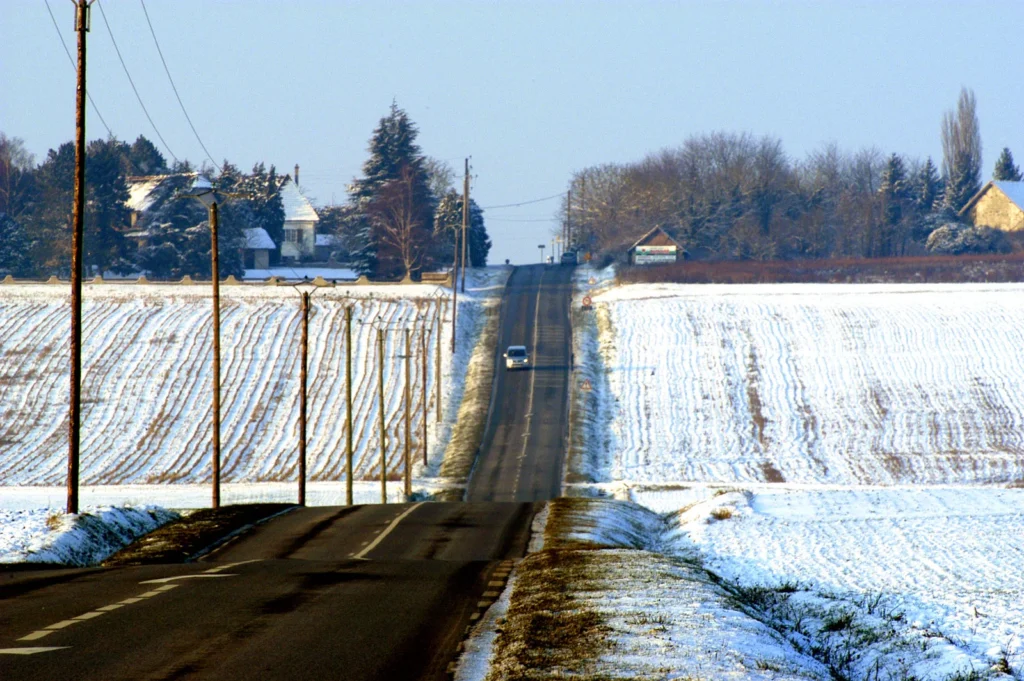
Winter travel suits visitors who value privacy and simplicity. Some services reduce hours and focus on local communities rather than visitors. This creates a setting where daily life feels fully resident-focused.
Travelers considering winter stays should plan carefully for shorter daylight hours and limited seasonal operations. For extended stays that prioritize rest and privacy, winter can be highly rewarding.
Choosing the Right Season for Your Stay
The best time to visit the French countryside depends on stay length, group size, and desired energy level. Longer stays benefit from shoulder seasons that balance comfort and availability. Shorter visits often align better with summer activity. Evaluating timing based on daily living needs leads to better travel decisions than relying on peak travel calendars alone.
Where to Stay on a French Countryside Vacation
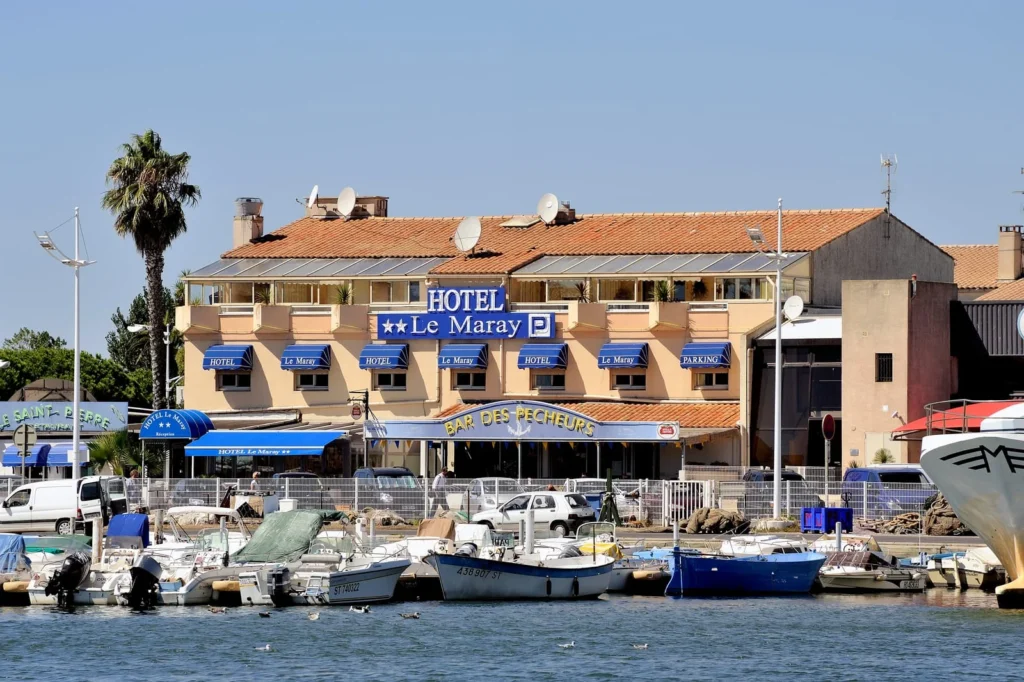
Accommodation plays a defining role in countryside travel because it shapes how days function rather than where travelers sleep. Rural settings offer fewer external services within walking distance, which means the property itself becomes the center of daily life. Space, layout, and amenities directly affect comfort, independence, and rhythm during a stay.
Travelers who underestimate this factor often experience friction. Limited kitchen space, lack of outdoor areas, or insufficient privacy can restrict how time is spent. In contrast, well-suited countryside accommodations support routine living and reduce the need for constant planning.
Hotels and Small Inns
Hotels and inns serve travelers for short stays or those passing through a region. They provide convenience and service but limit autonomy. Meals depend on schedules, shared spaces reduce privacy, and room size restricts group interaction. These options work best for overnight stops rather than extended countryside living.
For travelers planning more than a few days, hotels often feel confining. The lack of private communal areas makes it harder to settle into daily routines or spend unstructured time together.
Gîtes and Rural Rentals
Gîtes offer independence and self-catering, which suits travelers seeking flexibility. Quality varies widely depending on location, management, and renovation standards. Some provide comfortable living spaces and outdoor access, while others prioritize capacity over usability.
When choosing a gîte, travelers should evaluate the kitchen’s functionality, outdoor areas, and proximity to local supply towns. These factors determine how smoothly daily life unfolds. Gîtes work well for smaller groups and moderate-length stays when selected carefully.
Private Estates and Large Rural Properties
Larger rural properties support longer stays and group travel more effectively. These accommodations offer multiple living areas, private grounds, and space to gather without feeling crowded. Daily routines become easier to manage because meals, rest, and social time happen within a single environment.
Privacy becomes a practical benefit rather than a luxury feature. Guests can structure their days without coordinating around shared facilities or external schedules. For families and groups, this reduces stress and increases comfort over time.
Matching Accommodation to Stay Length
Short countryside stays benefit from simplicity and access. Longer stays require functional living space, storage, and outdoor areas. Group travel increases the importance of layout and privacy. Travelers who align accommodation choice with stay length experience fewer limitations and greater satisfaction.
Staying in a French Countryside Chateau
French countryside chateaux were historically designed to support extended residence rather than short visits. Their scale reflects practical living needs such as hosting families, overseeing land, and accommodating seasonal activity.
Multiple bedrooms, defined circulation paths, and separation between private and shared areas allow daily life to function smoothly over long periods. This architectural logic remains relevant to travelers planning extended stays in the countryside.
Unlike short-term rentals optimized for rapid turnover, chateaux support continuity. Storage capacity, room purpose, and spatial flow reduce daily friction. Guests can settle in without constantly reorganizing their environment, which becomes increasingly important as their stay lengthens.
Functional Layouts Support Daily Operations
Chateau interiors follow clear organizational principles. Kitchens are designed for regular use rather than occasional cooking. Dining rooms accommodate full groups without rearrangement. Living spaces serve distinct functions that allow reading, conversation, rest, and work to occur simultaneously without overlap.
Outdoor areas function as usable extensions of the interior. Gardens, courtyards, and walking paths allow movement and separation throughout the day. This reduces congestion indoors and improves comfort during longer stays.
Infrastructure Designed for Self-Sufficiency
Chateaux typically operate as self-contained estates. Water systems, storage areas, and service access support independent living without daily reliance on external services. This matters in countryside settings where shops, deliveries, and services follow fixed schedules.
This self-sufficiency allows guests to manage meals, rest, and daily routines on their own terms, which aligns with the realities of rural travel.
Structural Privacy Supports Longer Stays
Privacy in a countryside chateau comes from layout rather than enforced rules. Distance between rooms, multiple access points, and land separation allow guests to coexist without constant interaction. This reduces social fatigue and makes group living sustainable over time.
Guests retain autonomy while remaining part of a shared environment. This balance becomes critical during extended stays involving families or multiple households.
When a Chateau Is the Right Accommodation Choice
A countryside chateau suits travelers planning stays longer than a few nights, traveling in groups, or spending significant time on the property itself. It works best for those who value autonomy, space, and daily comfort over service density or constant activity. When travel goals center on continuity and quality of life, a chateau aligns with the realities of the countryside.
Considering a Chateau Stay in the French Countryside
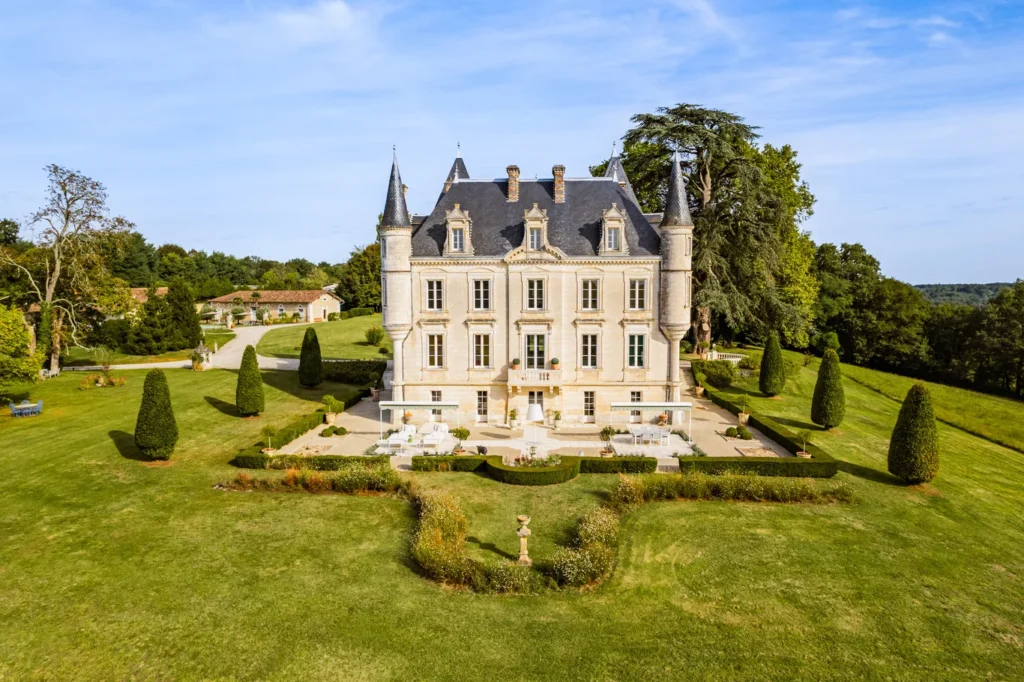
Travelers looking for a private estate that supports extended living can explore Château de Lasfonds, a countryside property designed for group stays, privacy, and long-duration travel within a working rural region.
Daily Life During a French Countryside Vacation
Daily life in the French countryside follows consistent patterns that vary slightly by region. In areas such as Charente and Dordogne, mornings begin quietly with bakery visits and local errands, while afternoons slow down and shift activity back to the home or property.
Evenings focus on shared meals and rest rather than external entertainment. This rhythm encourages travelers to plan fewer outings and spend more time settling into one place.
Transportation and Regional Practicalities
Most countryside regions require driving, but the experience differs by location. In Charente and Dordogne, distances between villages remain manageable, and roads are designed for local traffic rather than heavy tourism flow.
In contrast, regions such as the Loire Valley involve wider travel areas, where planning routes and combining errands becomes more important.
Travelers quickly adapt by grouping trips for food, supplies, and local visits. This approach reduces time spent on the road and fits naturally into the slower daily pace.
Shopping and Meal Planning by Region
Food shopping reflects regional structure. Weekly markets serve as anchors across most rural areas, but their roles differ. In Dordogne, markets emphasize seasonal produce and regional staples, which encourages home cooking.
In the Loire Valley, proximity to larger towns increases access to a wider range of suppliers, while still maintaining traditional schedules.
Because shops follow fixed hours, travelers often plan meals several days in advance. This habit simplifies daily decisions and turns cooking into a central part of countryside living rather than a logistical challenge.
How Time Is Spent Between Outings
Countryside travel places less emphasis on constant movement. Time between outings is often spent walking the grounds, reading, preparing meals, or resting. In regions such as Provence, outdoor time becomes central due to the climate, while cooler regions encourage indoor routines and structured days.
This balance allows travelers to adjust their pace according to the environment rather than itinerary pressure.
Settling Into Longer Stays
Extended countryside stays improve with familiarity. Laundry, meal preparation, and regular sleep schedules become easier to maintain once routines form. Regional differences matter here, as areas with year-round services support longer stays more comfortably than highly seasonal locations.
Over time, daily life begins to feel stable and predictable. This gradual adjustment explains why a French countryside vacation rewards travelers who allow time for routines to develop, rather than trying to replicate city travel habits.
Food, Wine, and Local Markets
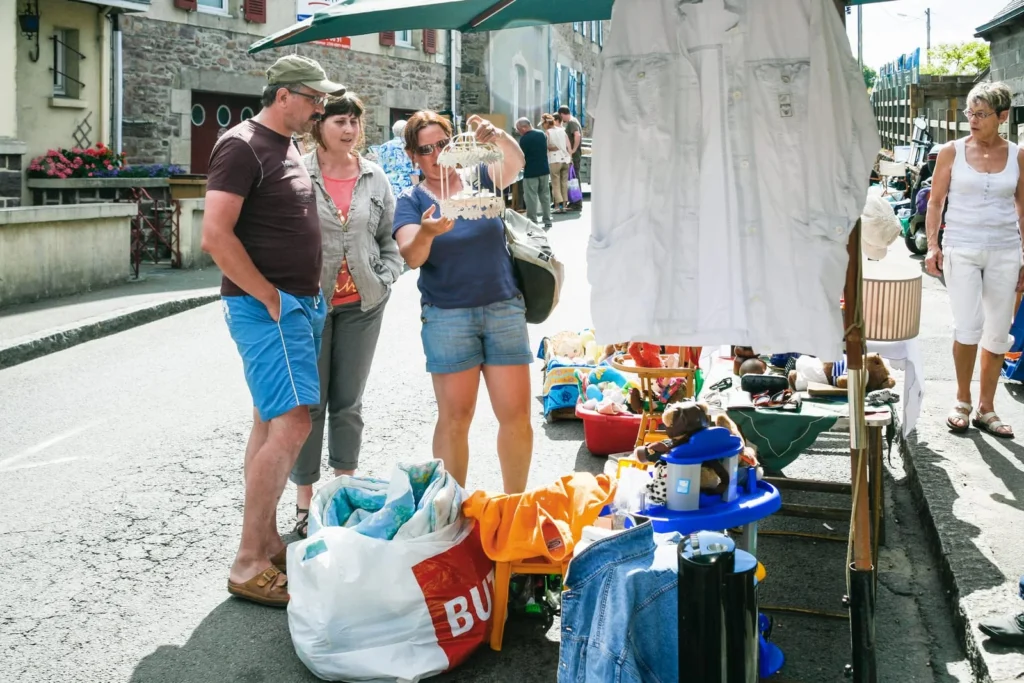
Food culture in the French countryside is built around sourcing rather than selection. Instead of choosing from many outlets, travelers rely on a small network of bakeries, markets, butchers, and regional suppliers.
This structure shapes daily routines and encourages planning ahead. Meals tend to reflect what is available locally that week rather than personal preference or trend.
In countryside regions, food shopping becomes a scheduled activity rather than a spontaneous one. Market days anchor the week and influence when larger meals are prepared. Over time, this rhythm reduces the need for daily decision-making and creates a predictable flow that supports longer stays.
Wine as Part of Daily Living
Wine in the countryside functions as part of everyday life rather than a focal attraction. Local wines tend to accompany meals naturally and reflect regional identity rather than prestige. Travelers often discover that wine consumption becomes simpler and more consistent, shaped by meals and time rather than tastings or tours.
In wine-producing regions, purchases often happen directly from producers or local cooperatives. This reduces cost, increases familiarity, and removes the need for structured experiences. Wine becomes integrated into daily living rather than treated as an event.
Cooking and Shared Meals
Cooking plays a central role in countryside travel because dining options are limited by geography and schedule. Kitchens become active spaces, and shared meals structure the day. Breakfast sets the pace, lunch remains practical, and dinner becomes the primary social moment.
This pattern suits group travel particularly well. Meals provide routine without rigidity and encourage shared responsibility. Over longer stays, cooking feels less like effort and more like a habit.
How Food Culture Reinforces the Countryside Experience
The food system in rural France reinforces slower travel. Fixed hours, local sourcing, and limited choice reduce impulse decisions and external pressure. Travelers adapt by planning meals, shopping deliberately, and accepting seasonal limits.
This adjustment often becomes one of the most appreciated aspects of a French countryside vacation. Food stops being an interruption to travel plans and becomes part of how daily life unfolds.
Places and Attractions in the French Countryside
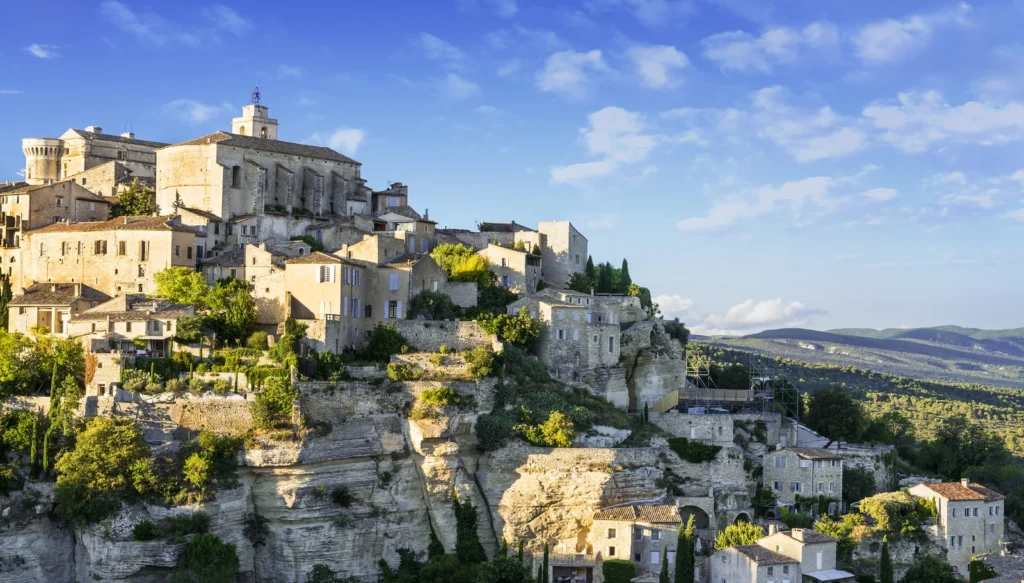
The French countryside is home to dozens of villages that feel like living postcards rather than tourist traps. Gordes in Provence is famous for its honey-stone architecture and sweeping hillside views across the Luberon Valley, making it one of the most photographed countryside towns in southern France.
In Alsace, Riquewihr and Eguisheim draw attention for their half-timbered houses, colorful facades, and vineyard settings. These villages have an unmistakable medieval character that feels immersive rather than staged.
Other villages worth exploring include:
- La Roque-Gageac clings to the Dordogne River with unique microclimates and river views.
- The Loire Valley’s Montsoreau is set at the meeting of two rivers with historic charm and scenic walkability.
- Semur-en-Auxois in Burgundy, surrounded by ramparts and medieval towers that reward relaxed strolling.
These villages are compelling because they combine visual charm with everyday life—markets, bakeries, and shared spaces where locals and visitors coexist naturally.
Historic Towns With Cultural Depth
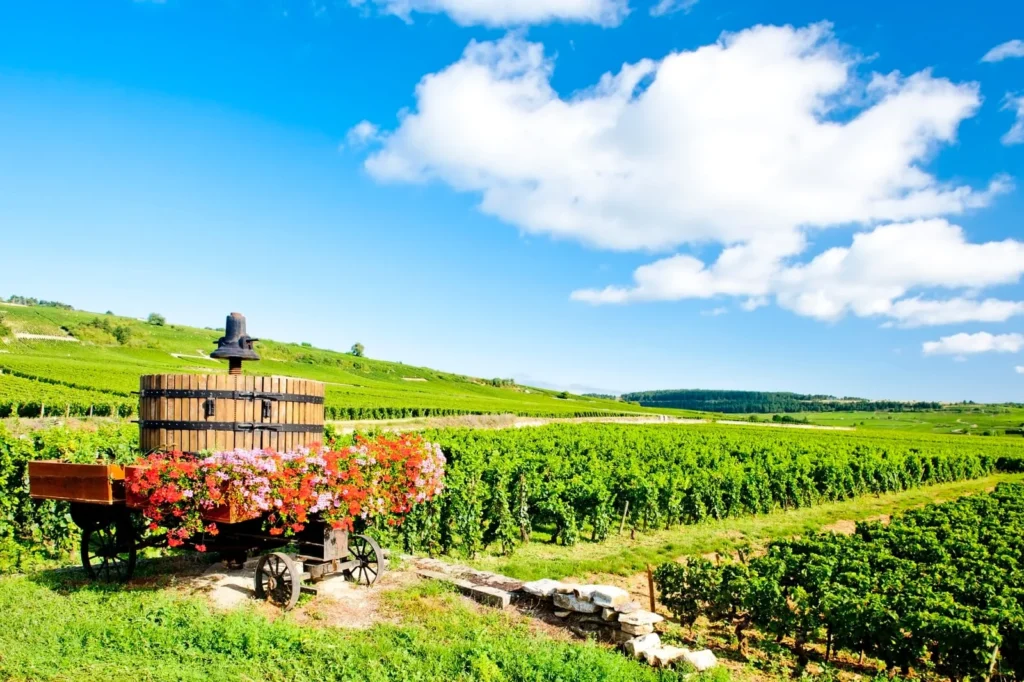
Beyond smaller villages, several countryside towns offer deeper cultural experiences:
- Sarlat-la-Canéda in Dordogne blends preserved medieval architecture with regional gastronomy that reflects the local identity.
- Beaune, the historic heart of Burgundy’s wine country, pairs old town charm with world-class wine museums and tasting experiences.
- Colmar combines Alsatian culture with canals and architecture that feel almost storybook-like.
These towns serve as cultural hubs in the countryside, offering a deeper context for local traditions, food, and history.
Nature, Rivers, and Landscape Highlights
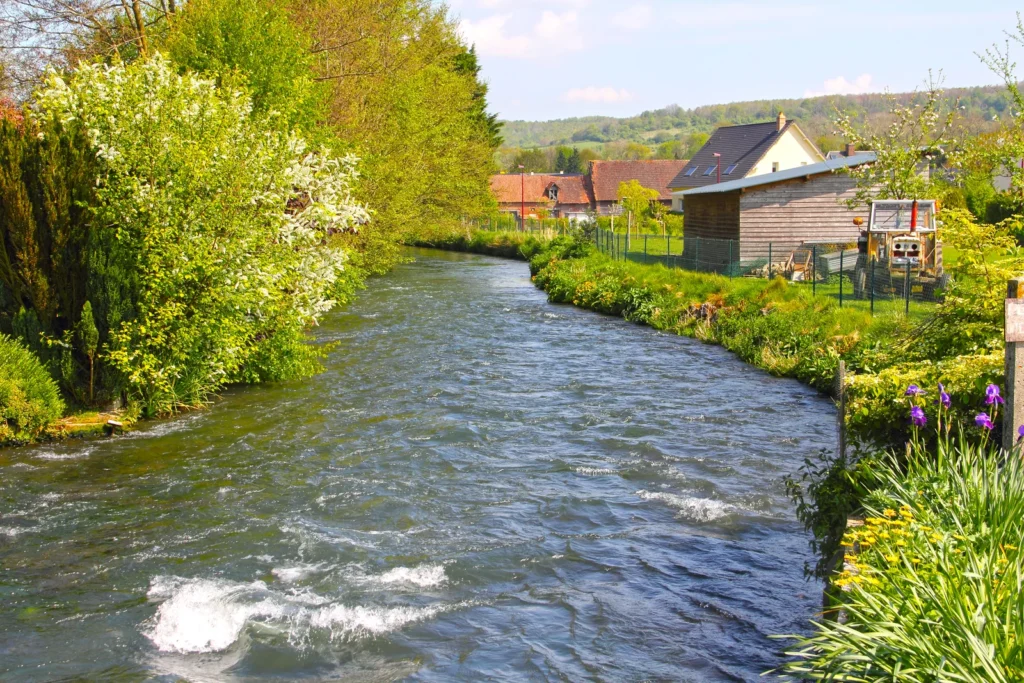
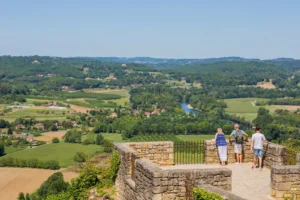
The French countryside is not defined by wild backcountry but by landscapes shaped over centuries by farming, waterways, and geological variety. The Dordogne Valley’s river corridors provide gentle opportunities for walking, canoeing, and scenic drives that feel immersive without being strenuous.
Across Normandy and Brittany, rural landscapes unfold alongside coastlines and marshes, offering easy exploration on foot or by bike.
In Provence, countryside scenery often intersperses lavender fields, olive groves, and hillside walks that blend agricultural heritage with natural beauty.
Seasonal, Local Events, and Rural Traditions
One of the countryside’s strengths lies in how attractions integrate with local life rather than exist separately from it. Seasonal festivals, wine harvest celebrations, village fairs, and weekly markets provide insight into regional customs and reinforce the rhythm of rural living.
In some areas, small seasonal attractions can become highlights of a visit. For example, villages near the Mediterranean coast host ancient traditions and winter illuminations that draw locals and visitors alike.
Using Attractions Without Disrupting Pace
The most effective way to enjoy countryside attractions is to integrate them into daily life rather than treat them as isolated excursions. A visit to a historic town, a stop at a regional market, or a short hike along a river can complement routines rather than disrupt them. This approach enhances continuity and aligns with how rural regions actually function.
Is a French Countryside Vacation Right for You
A French countryside vacation suits travelers who value continuity, privacy, and control over daily routines. It works especially well for those planning longer stays, traveling with family or friends, or seeking an environment that supports rest and focus. Travelers who are comfortable planning meals, driving short distances, and adapting to local schedules tend to adjust quickly and get more from the experience.
People who enjoy routine often find the countryside rewarding. Days feel calmer, decisions feel simpler, and time feels less fragmented. The experience improves as familiarity grows, which makes patience an asset rather than a drawback.
Situations Where It May Not Be the Best Fit
The countryside may feel restrictive for travelers who prefer dense activity, constant dining options, or nightlife. Limited opening hours, reduced public transport, and fewer spontaneous choices can feel inconvenient for those accustomed to urban travel. Short trips often fail to justify the adjustment period required to settle into rural routines.
Travelers who view accommodation only as a place to sleep may not benefit fully from a countryside stay. The experience relies on spending meaningful time at the property and within the local area rather than moving continuously between attractions.
Matching Expectations to Reality
The success of a countryside vacation depends on expectations. Travelers who arrive seeking entertainment and variety may feel underwhelmed. Those who seek comfort, space, and a steady pace often find the experience deeply satisfying. Understanding this distinction before booking helps avoid mismatch and disappointment.
A French countryside vacation works best when travelers choose it deliberately, with clear intent and sufficient time. When expectations align with reality, the countryside offers an experience that feels grounded, restorative, and sustainable rather than rushed or performative.
Experience the French Countryside From a Historic Estate
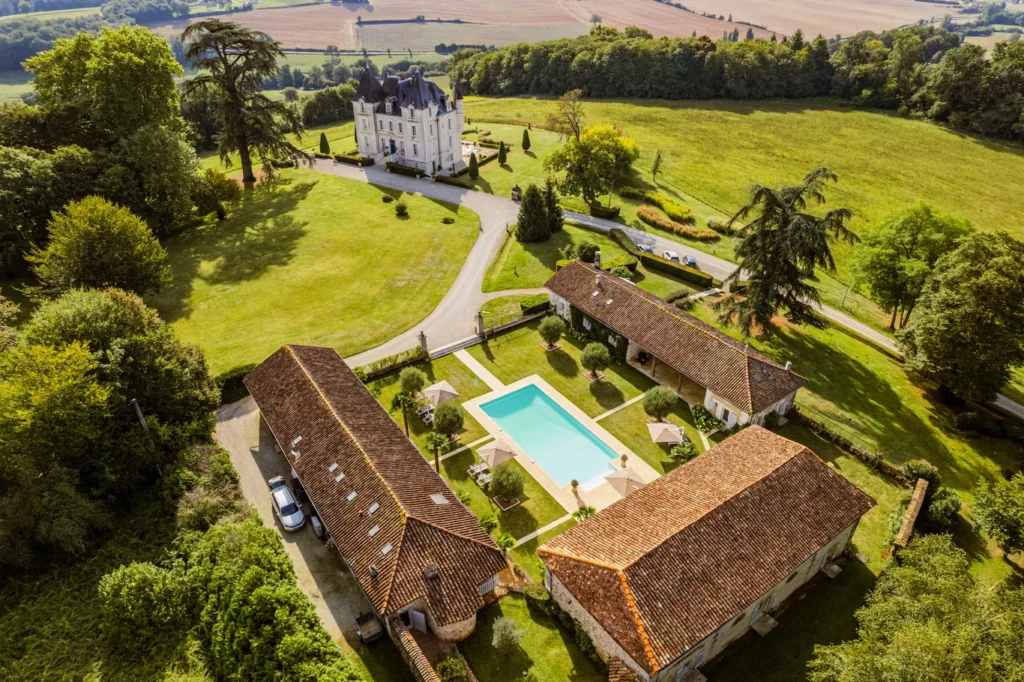
If you want to turn the ideas in this guide into a real stay, consider Château de Lasfonds, a restored 19th-century country estate set in the heart of the Charente-Dordogne region in southwest France. The château stands on about 6.5 hectares of parkland, offering panoramic views over rolling countryside and a setting that supports both relaxation and exploration.
The property can accommodate up to around 18–20 guests across the main château and adjacent outbuildings, making it suitable for family trips, group retreats, or extended stays in the countryside.
Interiors blend historic architectural features with modern comforts, including spacious living areas, air-conditioned bedrooms, and amenities such as a heated swimming pool, games room, and outdoor spaces that encourage leisurely days at your own pace.
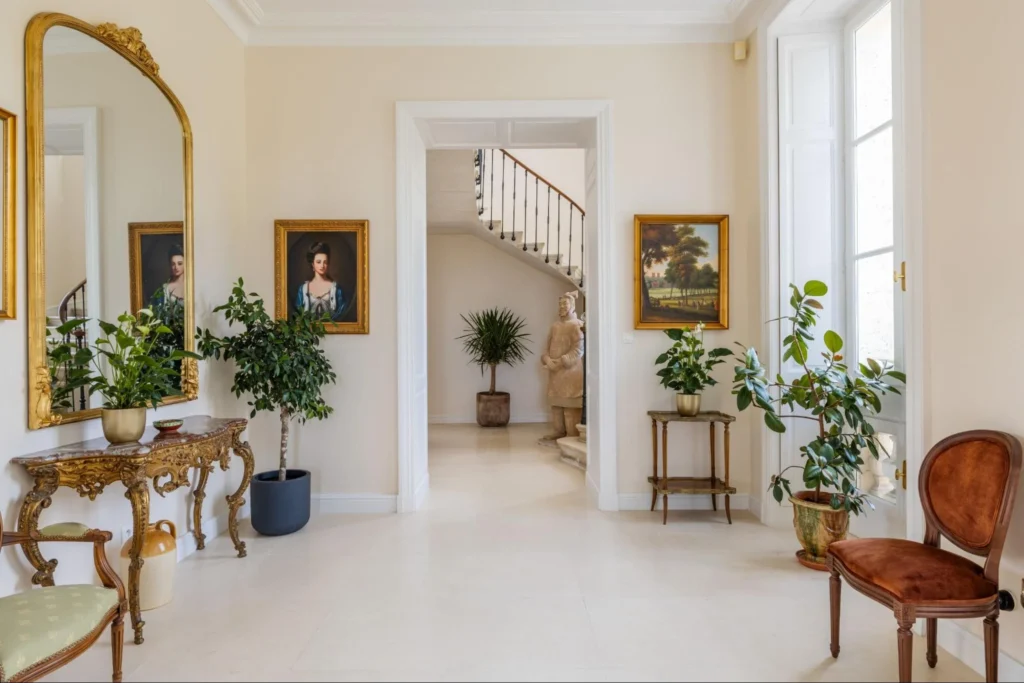
Its location near scenic villages, rivers, vineyards, and major regional centers like Angoulême means you can balance peaceful rural living with day trips to markets, cultural sites, and historic attractions.
Exploring the French countryside from a base like Château de Lasfonds lets you experience the local rhythm, heritage, and natural beauty, while leaving room to relax and unwind.
FAQs about the French Countryside
How long should you stay in the French countryside to fully experience it?
Most travelers need at least seven to ten days to adjust to countryside rhythms and benefit from slower routines. Shorter stays often feel transitional rather than immersive, especially when shopping, driving, and meal planning require adaptation.
Do you need a car for a French countryside vacation?
Yes, a car is essential in most countryside regions. Public transport coverage is limited, and daily errands such as grocery shopping, market visits, and dining typically require driving. A car provides flexibility and reduces time spent coordinating logistics.
Is the French countryside suitable for families with children?
The French countryside suits families well, particularly those traveling for longer periods. Open space, private accommodations, and predictable routines support family schedules. Children often adapt quickly to outdoor play, shared meals, and slower daily pacing.
What are the best French countryside regions for first-time visitors?
First-time visitors often prefer regions with balanced access and year-round services. Areas in southwest France, parts of the Loire Valley, and rural zones near historic towns offer countryside living without logistical complexity or extreme seasonality.
Are countryside chateau stays suitable for long-term rentals?
Yes, chateau-style stays work well for long-term rentals when the property is designed for extended living. Features such as functional kitchens, storage space, multiple living areas, and outdoor grounds make longer stays practical and comfortable for groups.
How accessible is medical care in rural France?
Medical care remains accessible in most countryside regions through local clinics and regional hospitals. While small villages may not have full facilities, larger towns usually provide medical services within reasonable driving distance. Emergency care is reliable nationwide.
What language challenges should travelers expect in the French countryside?
English usage decreases in rural areas compared to major cities. Basic French helps with daily interactions such as shopping and appointments. Most travelers manage comfortably with simple phrases, translation tools, and patience during communication.
Is the French countryside a good option for remote work or digital nomads?
The countryside can support remote work when accommodations offer reliable internet and a suitable workspace. Travelers should confirm connectivity in advance and plan around local schedules, as cafés and public workspaces are limited outside towns.
How far in advance should you book a countryside chateau in France?
Chateau bookings often require advance planning, especially for summer and group stays. Booking six to twelve months ahead is common for larger properties, while the shoulder seasons may offer more flexibility depending on the region and capacity.
What makes a countryside estate different from a rural hotel stay?
A countryside estate offers private living space, self-managed routines, and full control over daily structure. Rural hotels provide service and convenience but limit autonomy. Estates suit longer stays and group travel where shared living matters.