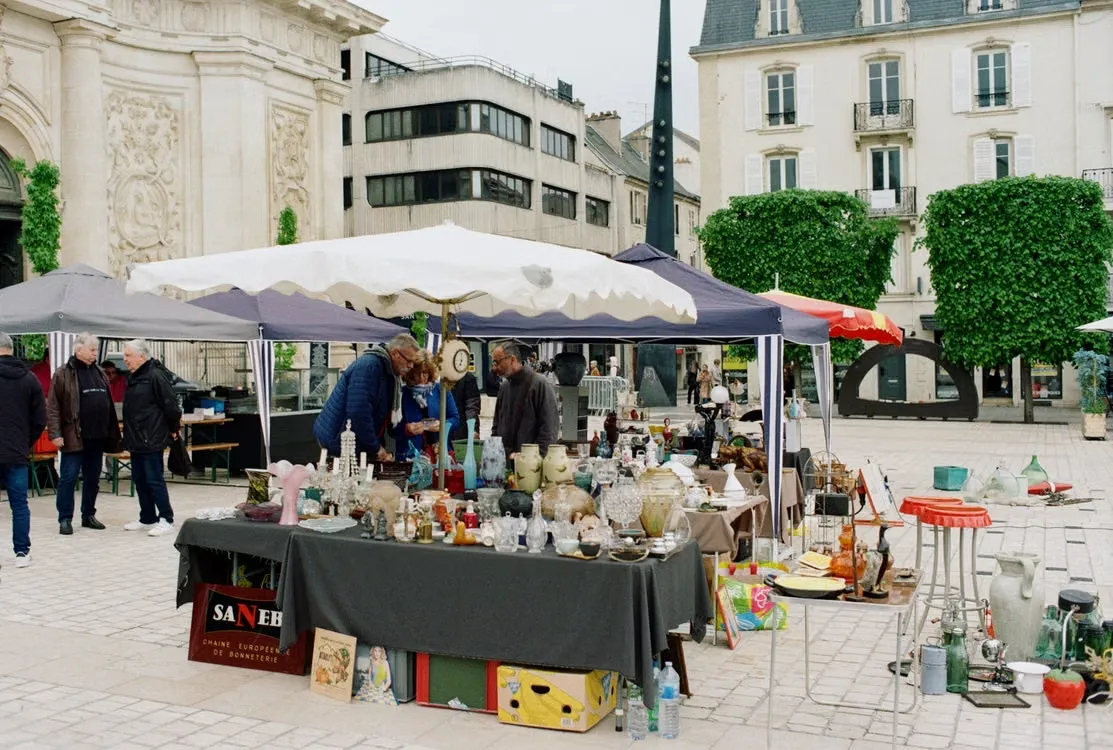
If you’re planning time in the French countryside, a French village offers a slower pace built around local routines rather than tourist schedules. Weekly markets, neighborhood bakeries, village squares, and quiet streets shape everyday life. Most villages are easy to explore on foot once you’ve parked, though a car remains useful for reaching surrounding attractions and larger towns.
Understanding this rhythm helps you choose accommodation that complements the experience, particularly if you’re staying for several days or longer.
What Makes a French Village Different?
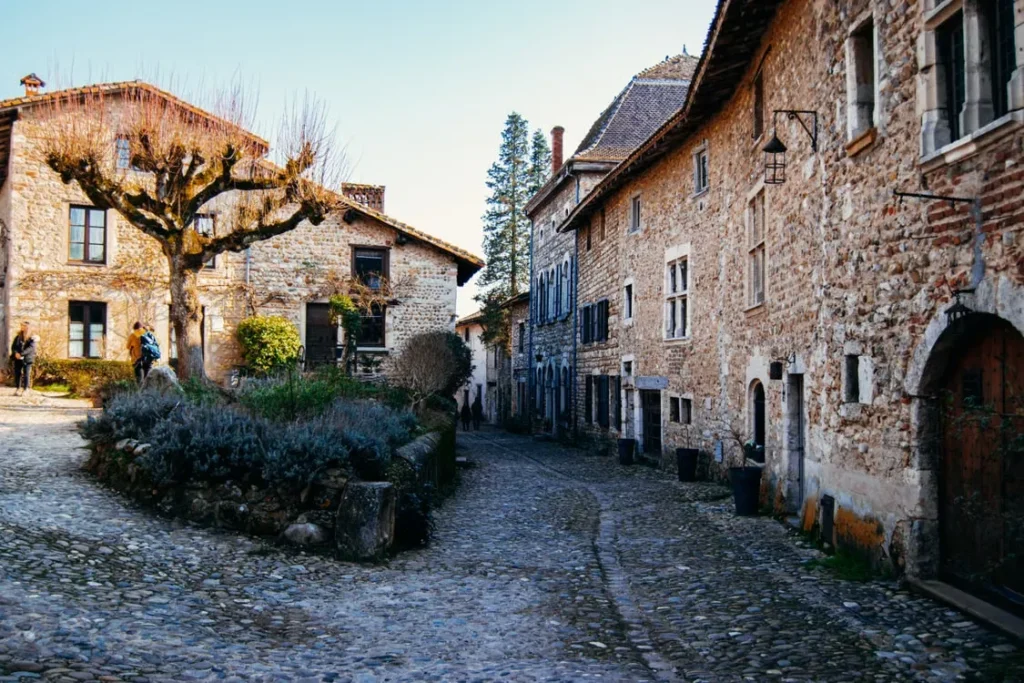
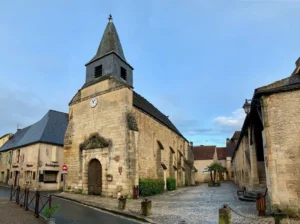
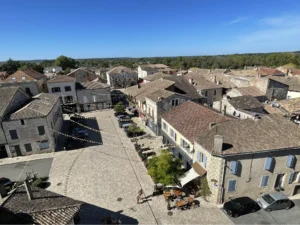
French villages developed long before cars, shopping centers, or modern tourism. Their historic centers typically revolve around a church, a central square, and a handful of essential businesses.
Rather than packing every attraction into one place, villages serve as everyday communities where residents shop, meet neighbors, and attend weekly markets.
That creates a very different experience from staying in a city.
Instead of filling every hour with sightseeing, visitors settle into local routines that naturally slow the pace of the trip.
The Daily Rhythm Is Set by Local Schedules
Daily life feels more structured around opening hours than it does in a large city. Individual businesses set their own timetables, and Sunday trading rules differ by business type. French government guidance shows that Sunday opening conditions vary across retail, restaurants, cafés, and other establishments.
A useful countryside rhythm looks like this:
| Part of the day | What to expect | How to plan |
| Early morning | Bread collection, grocery errands, and market setup on scheduled days | Buy breakfast supplies before starting a day trip |
| Late morning | The liveliest period around shops, cafés, and the village square | Complete errands and sightseeing together |
| Midday | Lunch becomes the main event, and some businesses pause | Reserve group meals and avoid a tight schedule |
| Afternoon | A quieter period for walks, estate time, or nearby heritage visits | Confirm attraction and shop hours individually |
| Evening | Prebooked dining, cooking at your accommodation, or an outdoor meal | Keep ingredients for at least one simple dinner |
A church bell may mark the hour or announce a service, but ringing patterns differ locally. Rural quiet can also include tractors, deliveries, dogs, and seasonal work. This is a lived community rather than a preserved display.
Weekly Markets Are More Than Shopping
Many travelers plan their itinerary around the weekly market, and for good reason.
Markets combine local produce, cheeses, seasonal fruit, flowers, artisan products, and regional specialties in one place. They also provide a chance to observe everyday village life rather than a performance created for visitors.
Some markets remain largely local, while others attract visitors from neighboring towns.
Each village sets its own market day, making it worth checking the local tourist office or municipal website before your visit.
Near Château de Lasfonds, the official South Charente tourism office lists the Villebois-Lavalette market under its 17th-century covered hall on Saturdays from 8:30 a.m. to 12:30 p.m. The same tourism authority currently lists the Aubeterre-sur-Dronne market on Sundays from 9 a.m. to 1 p.m.
These schedules were checked in August 2026. Confirm them again shortly before travel because local events and operating details can change.
A practical market plan
| Bring | Reason |
| Reusable shopping bags | Produce, bread, cheese, and bottles are easier to separate |
| Cash and a payment card | Payment options can differ between traders |
| A small cooler | Useful for cheese, meat, seafood, or a longer drive |
| A flexible shopping list | Seasonal availability shapes what is on the stalls |
| A few French phrases | A greeting and polite request make transactions smoother |
Say “bonjour” before asking a question. Allow the vendor to serve you if the produce is carefully arranged. For a large group, decide who is buying breakfast items, dinner ingredients, and picnic food before reaching the stalls.
Is a French Village Walkable?
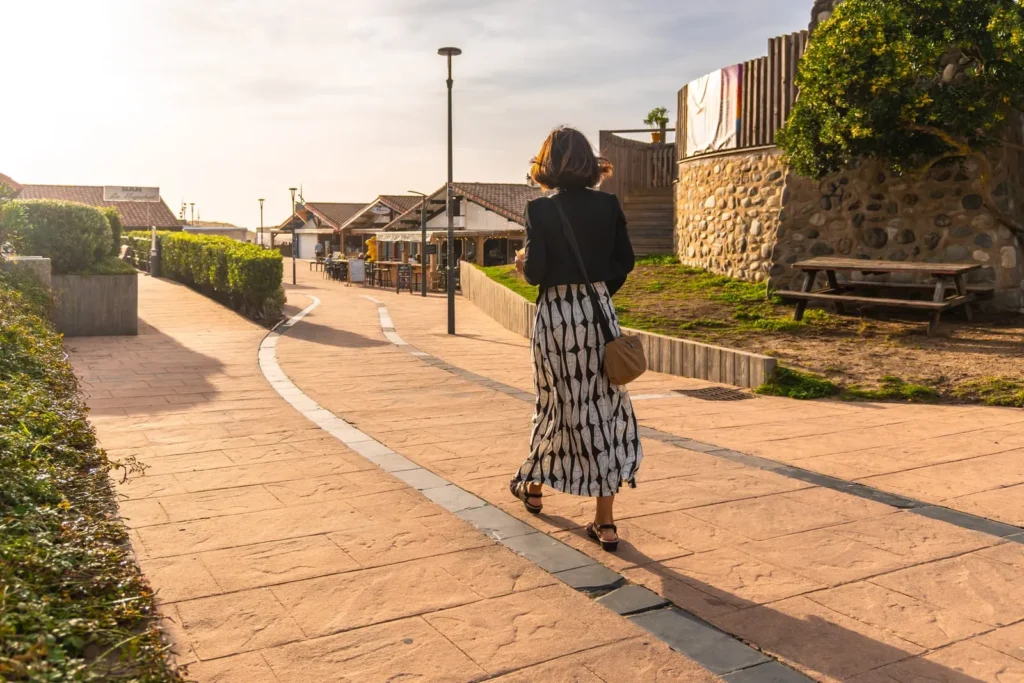
A village center may be pleasant on foot once you have parked. That does not make the entire countryside stay car-free.
The Château de Lasfonds local guide currently places the nearest bakery at about a five-minute drive and three supermarkets within an estimated five to fifteen-minute drive. Those estimates come from the property and can vary with route and traffic.
Use this walkability check before selecting any rural base:
| Need | Question to verify |
| Morning bread | Can guests walk safely from the exact property address? |
| Groceries | Is there a full food shop or only a small convenience store? |
| Dinner | Can everyone walk back after dark, or is a driver required? |
| Older guests | Are there slopes, steps, uneven stones, or long distances? |
| Children | Does the route have sidewalks or shared road sections? |
| Group transport | Will one vehicle create delays when guests want different plans? |
Groups should consider at least two transport options if schedules may divide. One party can visit a market while another remains at the estate or takes a separate excursion.
Parking Basics for Stone Lanes and Village Squares
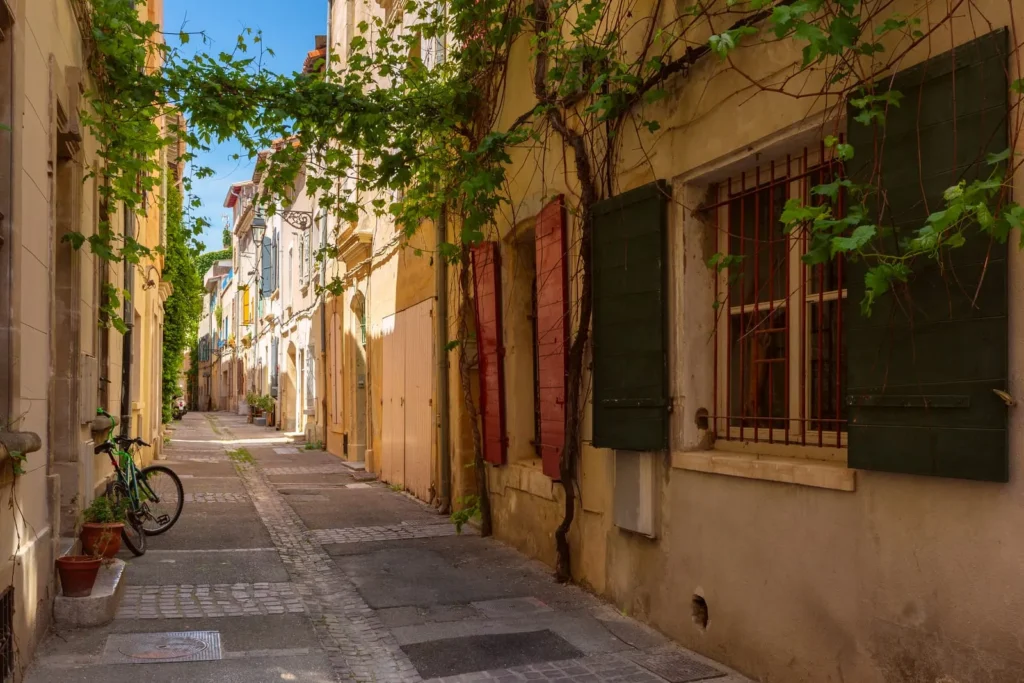
Use marked public parking near the village center rather than trying to reach every shop by car. Historic lanes may narrow quickly, and turning space can be limited.
A blue parking zone may require a European parking disc showing the arrival time. The permitted duration is set locally and should appear on nearby signs. France’s road safety authority explains the current parking disc system.
Check signs before leaving the car, even when parking appears free. Keep gateways, pedestrian areas, and access routes clear. French public guidance confirms that dangerous or obstructive parking can lead to penalties.
Photograph the parking location or save a map pin. Similar stone streets can be difficult to distinguish on the return walk.
Local Etiquette That Makes Village Visits Easier
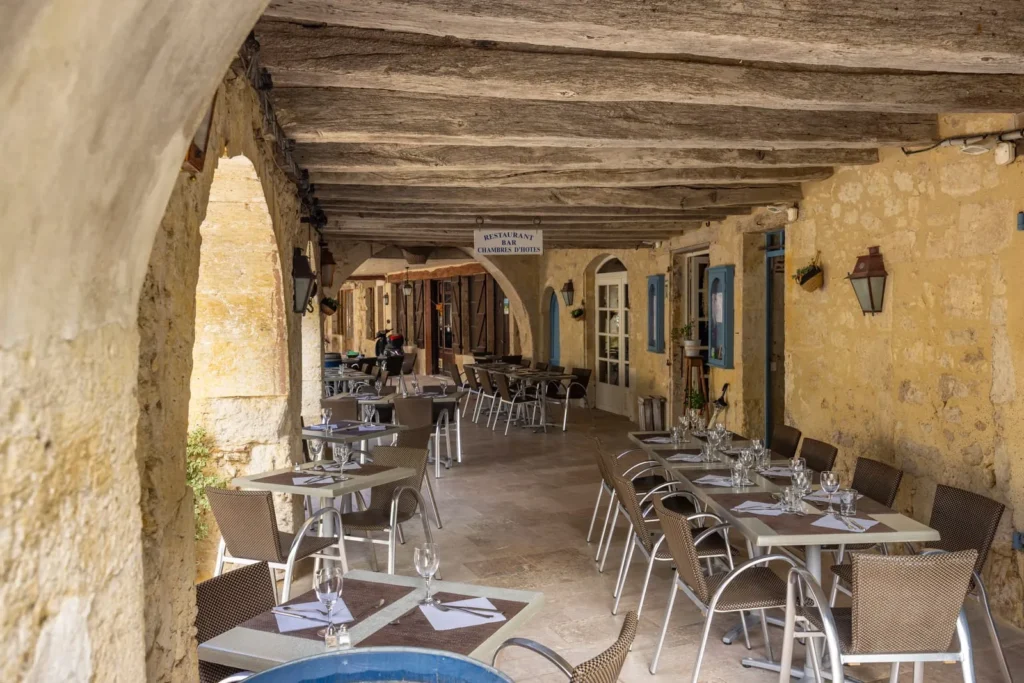
Begin interactions with “bonjour” during the day or “bonsoir” in the evening. Add “s’il vous plaît” when making a request and “merci” when leaving.
Restaurants need accurate headcounts for large parties. Share dietary requirements during the reservation rather than after arrival. A smaller dining room may offer a fixed group menu or separate tables.
Treat houses, courtyards, gardens, and farm tracks as private unless signs indicate public access. Ask before photographing residents. Keep voices low inside churches and allow local services to proceed without interruption.
A Realistic Seven Night Village Rhythm
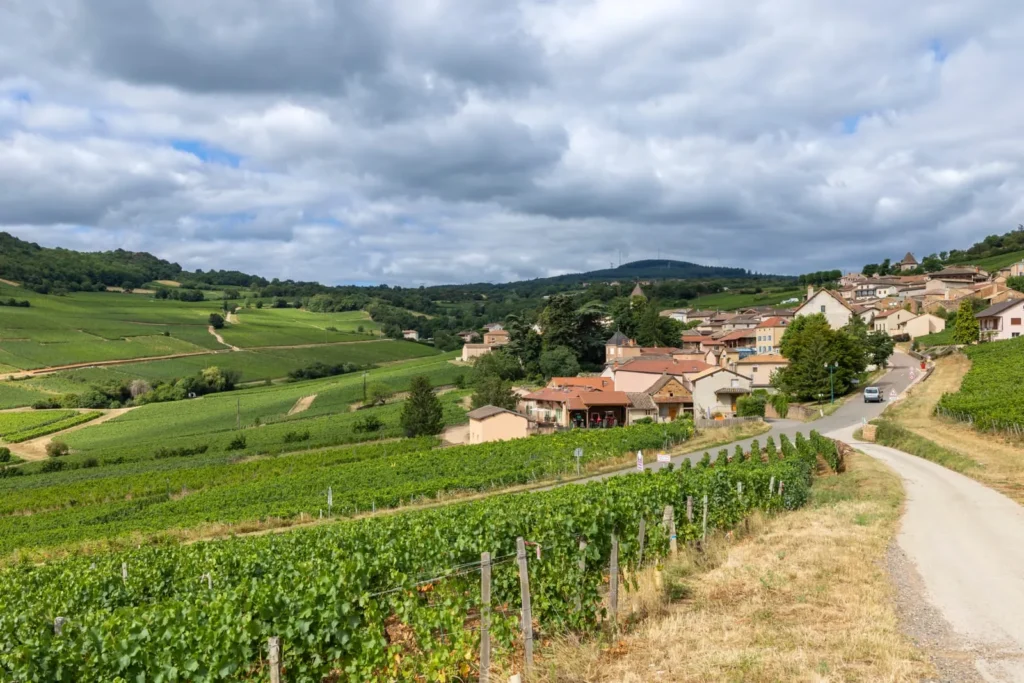
A longer stay gives the group time to alternate village visits with quiet days.
| Day | Suggested plan |
| Arrival day | Collect rental cars or meet arranged transport, buy essential groceries, and settle into the property |
| First full day | Learn the bread route, locate supermarkets, and identify the nearest fuel station |
| Market day | Visit the market early, return for a long lunch, and cook with the morning’s purchases |
| Estate day | Leave the cars parked and give guests time for the pool, gardens, games, work, or reading |
| Walking day | Try a marked local trail, followed by lunch in a nearby village |
| Heritage day | Visit one historic village or attraction without adding several distant stops |
| Final full day | Keep the schedule open for a favorite return visit, shared meal, or relaxed time together |
The Périgord-Limousin Regional Natural Park currently describes the Argentine Plateau discovery trail as an easy 4.7-kilometer route taking about two hours. Check trail conditions before departure.
Travelers arriving through Paris can compare current trains on the official SNCF Paris to Angoulême route page. Some direct journeys take less than two hours, while the timetable and average duration vary.
Château de Lasfonds estimates the onward drive from Angoulême at approximately 35 minutes. Traffic and the collection point can change that estimate.
Planning a Stay Near South West French Villages
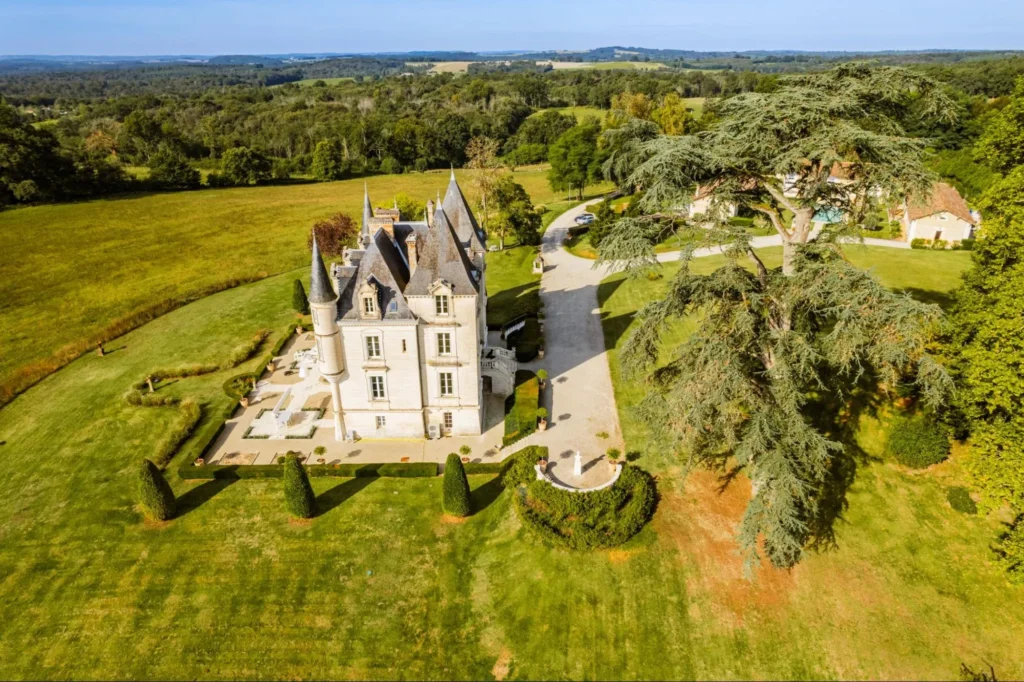
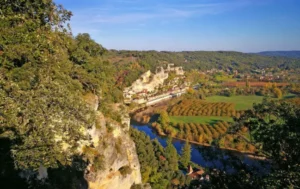
South West France combines historic villages with vineyards, rivers, and countryside that rewards longer stays.
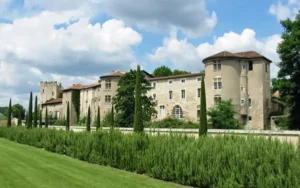
For travelers exploring this region, Château de Lasfonds provides exclusive use of the estate for one group at a time. The 6.5-hectare property includes the château and restored outbuildings, accommodates up to 18 guests, and has a minimum seven-night stay.
Guests have access to kitchens, workspaces, gardens, a games room, gym, high-speed Wi-Fi, and a heated outdoor pool during the usual May to October season. The château is approximately 35 minutes by car from Angoulême, which is connected to Paris by TGV in about 2.5 hours. The property can recommend external chefs, concierge providers, transport services, and event planners when requested.
Explore the room arrangements, review the current availability, or download the property brochure.
Frequently Asked Questions
1. What is a French village like?
A French village is typically a small community centered around a church, village square, and a handful of local businesses such as a bakery, café, and grocery shop. Daily life follows local routines rather than tourist schedules.
2. Are French villages walkable?
Yes. Most historic village centers are compact and designed for walking. Narrow streets, stone lanes, and central squares make it easy to explore on foot once you’ve parked.
3. Do all French villages have weekly markets?
No. Many villages host weekly markets, but the day and size vary. Nearby towns may also hold larger regional markets, so checking the local tourism office or municipal website before your visit is worthwhile.
4. What is the difference between a weekly market, brocante, and vide-grenier?
A weekly market centers on food, produce, and everyday goods. A brocante features secondhand or vintage items sold by professional traders. A vide-grenier is closer to a community yard sale, with residents selling personal belongings.
5. Is a car necessary when staying in a French village?
A car is recommended for most countryside stays. While villages are usually walkable, driving makes it easier to visit nearby vineyards, historic towns, hiking routes, and larger supermarkets.
6. What should I wear when exploring a village?
Comfortable walking shoes are a good choice. Historic streets may have uneven stone surfaces, gentle slopes, or cobblestones that are less suitable for thin-soled footwear.
7. What local etiquette should visitors know?
Greeting shopkeepers with “Bonjour” when entering and saying “Merci” when leaving is considered polite. Meals are generally enjoyed at a relaxed pace, and rushing service is uncommon.
8. Which season is best for visiting French villages?
Each season offers a different experience. Spring brings blooming gardens, summer has outdoor cafés and festivals, autumn features harvest markets and regional produce, while winter offers a quieter atmosphere with fewer visitors.
9. Are local markets a reliable source for an entire week of groceries?
They can supply bread, produce, cheese, meat, and regional products, but selection depends on the market and season. Use the market for fresh ingredients and a supermarket for household supplies, breakfast staples, and backup meals.
10. Who is an exclusive-use château best suited for?
Exclusive-use properties work well for extended families, groups of friends, weddings, celebrations, retreats, and travelers who value privacy, shared living spaces, and the flexibility to set their own schedule.