Saint-Émilion wine comes from a compact Right Bank area in Bordeaux where Merlot dominates, and limestone plays a decisive role. The wines are known for depth, balance, and an ability to age without losing freshness. This combination is why Saint-Émilion holds long-term trust among collectors and everyday drinkers alike.
What sets Saint Emilion wine apart is how reliably it delivers character. Ripe fruit sits alongside structure rather than overpowering it. Cabernet Franc adds lift and precision, while the soils help preserve acidity even in warmer vintages. These traits give Saint-Emilion wine a refined profile that feels complete rather than heavy.
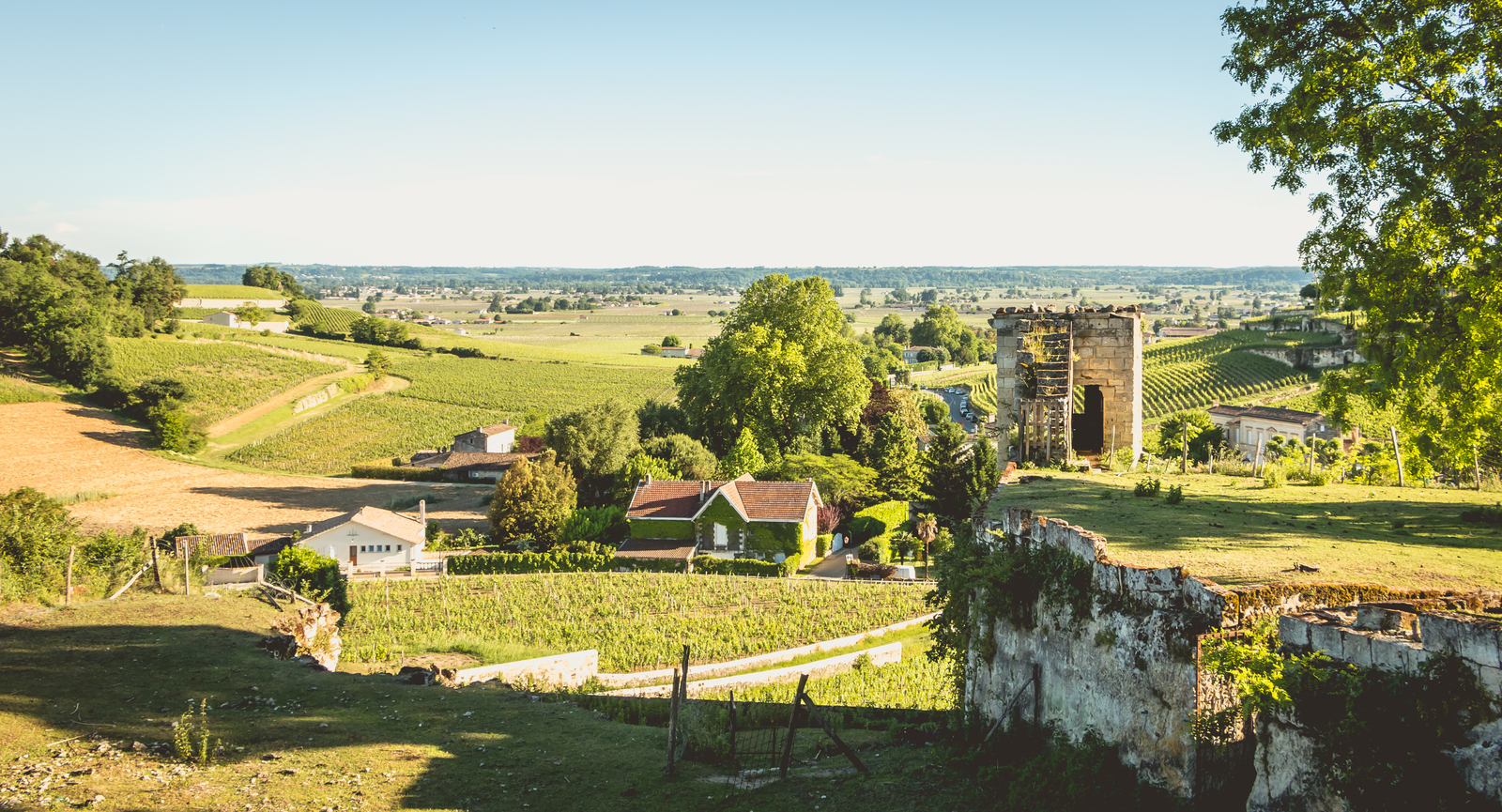
Saint-Émilion wineries range from historic estates to small family properties, all operating within strict geographic and quality limits. Many Saint Emilion vineyards sit on slopes and plateaus that have been cultivated for centuries. This guide explains how those vineyards shape the wine, which wineries deserve attention, and how to experience the region through focused, well-planned wine tours.
The Terroir of Saint-Émilion: Vineyards, Soils, and Climate
Saint-Émilion wine is driven by place more than technique. The vineyards sit on a compact landscape where small changes in elevation and soil produce apparent differences in structure and freshness. This is why vineyard location matters as much as the name on the label.
Vineyard Geography and Landscape
Saint Emilion vineyards spread across plateaus, gentle slopes, and lower plains. The highest sites sit on limestone, often above the village, and produce wines with tension and length. Sloped parcels offer natural drainage and consistent ripening. Lower areas tend to create softer, earlier-drinking wines. These natural divisions explain why neighboring estates can produce wines with very different personalities.
Soil Composition and Its Impact
Limestone is the defining feature of Saint Emilion vineyards. It stores water deep below the surface and releases it slowly during dry periods. Clay limestone soils add weight and depth, especially for Merlot. Sandy soils are closer to river influences and have lighter textures. The soil mix controls vine stress, fruit concentration, and the mineral edge found in the top Saint-Émilion wines.
Climate and Growing Conditions
The region benefits from a temperate climate shaped by the Atlantic. Warm summers allow full ripening, while moderate nights help retain acidity. This balance supports consistent harvests and explains the steady quality seen across many vintages.
How Saint-Émilion Wine Is Made: Grapes to Glass
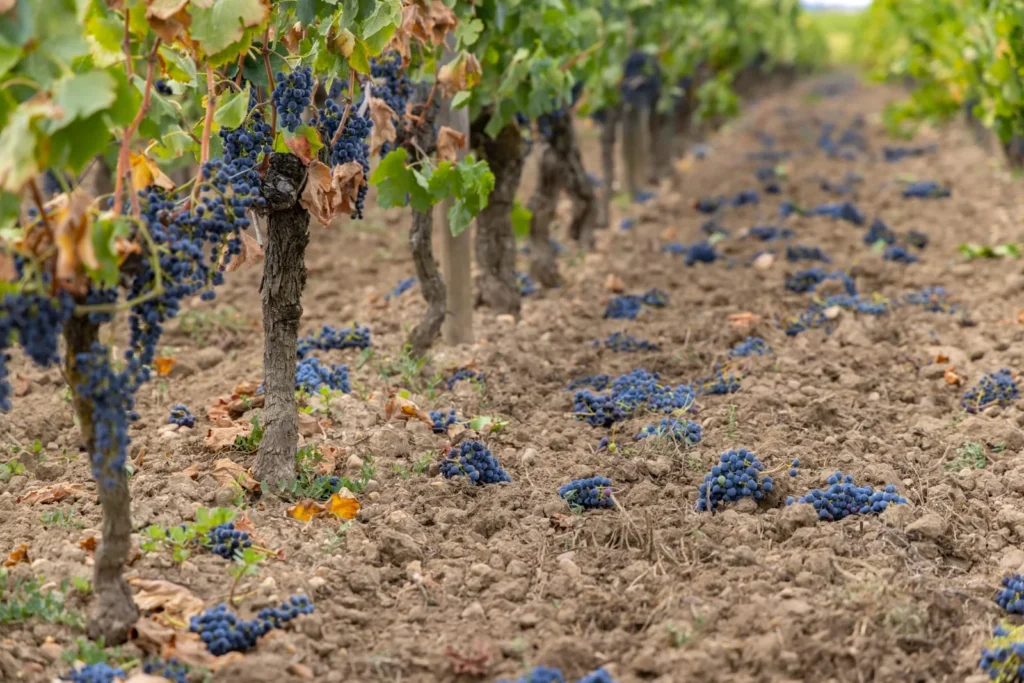
Saint-Émilion wine begins with decisions made in the vineyard long before harvest. Most producers focus on ripeness without excess, since overworked fruit quickly loses the balance that defines the region. Vineyard work stays precise, with close attention to yields, canopy control, and harvest timing.
Grape Varieties and Blend Philosophy
Merlot forms the core of almost every Saint-Emilion wine. It thrives in clay and limestone soils and brings texture, plum fruit, and approachability. Cabernet Franc supports the blend with structure and aromatic clarity. Small amounts of Cabernet Sauvignon appear on warmer gravel parcels but rarely lead the wine. Blending aims to highlight freshness and depth rather than power alone.
Winemaking and Aging Practices
Fermentation typically takes place in temperature-controlled vats, often using parcel separation to preserve site expression. Many wineries favor gentle extraction to protect tannin quality. Aging usually occurs in French oak barrels, with the proportion of new oak adjusted to match fruit intensity. The goal remains consistency and balance, allowing Saint Emilion wine to evolve naturally over time.
Saint-Émilion Wine Style: Taste, Texture, and Aging Potential
Saint-Émilion wine is recognized for harmony rather than extremes. The style centers on ripe fruit, controlled structure, and a finish that stays fresh. This balance makes the wines enjoyable when young and reliable for aging.
In the glass, Saint Emilion wine often shows black cherry, plum, and soft spice. Floral notes and subtle mineral tones appear in wines from limestone sites. The palate feels rounded at first, then firms up through fine tannins that give shape without drying the mouth. Acidity remains present but measured, keeping the wine composed rather than sharp.
Texture is one of the region’s strongest assets. Merlot provides weight and smoothness, while Cabernet Franc adds tension and length. Oak influence tends to remain integrated, supporting the fruit rather than masking it. This restraint separates serious Saint-Emilion wine from heavier styles found elsewhere.
Aging potential depends on vineyard quality and balance at harvest. Well-made examples develop secondary notes of leather, earth, and dried herbs over time. Strong vintages can mature gracefully for decades, while simpler wines offer pleasure within a few years.
Saint-Émilion Classification: What It Actually Tells You
The Saint-Émilion classification is designed to measure estates, not labels. It evaluates how a property performs across vintages, how it manages its vineyards, and how consistently it delivers quality under varying conditions. This makes it more operational than symbolic.
Grand Cru status reflects stricter production rules but does not guarantee excellence. It signals intent rather than outcome. Grand Cru Classé indicates proven results over time, including vineyard discipline, cellar precision, and repeatable performance in blind tastings.
Premier Grand Cru Classé marks estates that control every stage of production at a high level. These wineries show command over site expression and vintage variation. Their ranking affects pricing and demand, but it does not remove the need for judgment.
Some lesser-known estates outperform classified peers in certain years, which is why experienced buyers treat the classification as a framework rather than a shortcut.
Saint-Émilion Wineries: How to Read Producers, Not Labels
Saint Emilion wineries differ more by philosophy and vineyard control than by scale. Size alone tells you very little. What matters is how closely an estate manages its parcels and how disciplined it stays across vintages.
Historic and Established Estates
Long-established wineries usually control prime limestone or clay limestone sites. Their strength lies in consistency. These producers invest heavily in vineyard renewal, parcel-level harvesting, and cellar precision.
You will often see restrained extraction, careful oak selection, and long élevage. The result is reliability. Even in difficult years, the wines remain balanced and structured.
Family Run and Boutique Producers
Smaller Saint-Émilion wineries often work with limited parcels and produce fewer bottles. This allows tighter control over harvest timing and blending decisions. These estates tend to show more vintage variation, which serious drinkers often value. When successful, the wines express site character clearly and avoid standardized profiles.
Organic and Biodynamic Producers
A growing number of Saint Emilion wineries farm organically or biodynamically, especially on limestone soils that respond well to low intervention. These producers focus on vine health and soil life rather than yield.
The wines often show clarity and energy, with cleaner finishes and less reliance on oak. This approach does not guarantee quality, but in skilled hands it produces some of the region’s most precise wines.
Saint-Émilion Wine Tours: What to Expect
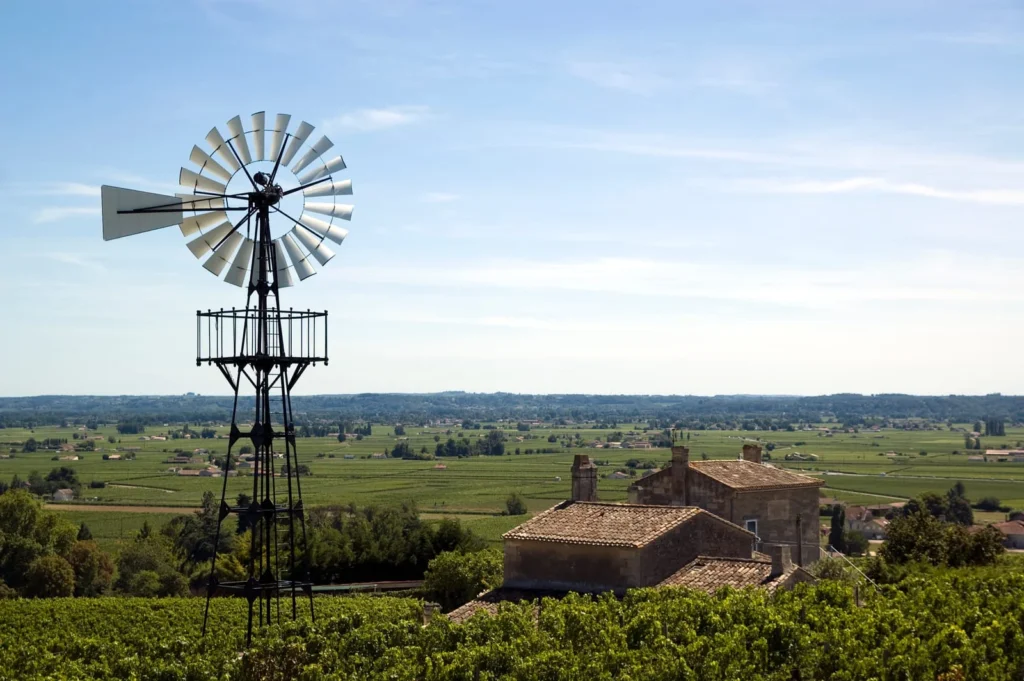
Saint-Émilion wine tours offer an immersive way to experience the region’s history, vineyards, and winemaking culture firsthand. Because the appellation is compact and walkable in parts, visitors can enjoy multiple tour styles, ranging from casual tastings to in-depth vineyard and cellar explorations. Each experience highlights how terroir, tradition, and technique come together in Saint-Émilion wine.
Types of Saint-Émilion Wine Tours Available
Wine tours in Saint-Émilion include guided group tours, private chauffeured experiences, and self-guided winery visits.
Group tours provide structured introductions and efficient itineraries, while private tours allow deeper interaction with producers. Independent visits suit travelers who prefer flexibility and want to explore at their own pace.
Cellar Tours, Tastings, and Underground Wine Caves
Many Saint-Émilion wineries feature underground cellars carved into limestone, some dating back centuries. These spaces maintain ideal aging conditions and add historical context to tastings. Visitors often sample multiple vintages, gaining insight into how Saint-Émilion wine evolves and how cellar conditions influence development.
Best Times of Year for Saint-Émilion Wine Tours
Spring and early autumn offer ideal conditions for wine tours, with mild weather and vibrant vineyard landscapes. Harvest season brings energy and activity, though visits may require planning. Summer provides longer days and a lively village atmosphere, while winter offers quieter, more intimate tasting experiences.
How to Choose the Right Saint-Émilion Wine Experience
Choosing the right Saint-Émilion wine experience depends on your wine knowledge, travel style, and the level of immersion you want. The region caters to everyone, from first-time visitors seeking an introduction to seasoned enthusiasts looking for deeper insight into terroir and classification. Understanding the available options helps ensure a rewarding and memorable visit.
Saint-Émilion Wine Tours for Beginners vs Enthusiasts
Beginners often benefit from guided tours that explain grape varieties, terroir, and tasting techniques in a clear, accessible way. These tours focus on education and context rather than technical detail. Enthusiasts may prefer in-depth visits that include vineyard walks, vertical tastings, and discussions about vintages, cellar practices, and aging potential.
Luxury Wine Tours vs Independent Winery Visits
Luxury wine tours provide convenience, expert guidance, and access to high-profile estates, often paired with premium tastings. Independent visits offer flexibility and a more personal pace, allowing visitors to discover smaller wineries and interact directly with producers. Each approach suits different travel preferences and budgets.
Pairing Saint-Émilion Wine Tours With Gastronomy
Food enhances the Saint-Émilion wine experience. Many wineries collaborate with nearby restaurants to showcase local cuisine paired with regional wines. Vineyard lunches and village dining add cultural depth, helping visitors understand how Saint-Émilion wine complements traditional dishes.
Buying Saint-Émilion Wine: Tips for Collectors and Casual Drinkers
Buying Saint-Émilion wine can feel complex at first, but understanding labels, pricing, and aging potential makes selection far easier. The region offers options for everyday enjoyment as well as long-term cellaring, which allows both casual drinkers and collectors to find wines that suit their goals and budgets.
How to Read Saint-Émilion Wine Labels Correctly
Saint-Émilion labels often include terms that cause confusion. “Saint-Émilion Grand Cru” refers to stricter production rules, not classification status. “Grand Cru Classé” and “Premier Grand Cru Classé” indicate ranked estates with higher consistency and aging potential. Knowing these distinctions helps buyers assess quality more confidently.
Price Ranges and Value Tiers in Saint-Émilion Wine
Entry-level Saint-Émilion wines offer excellent value and typically deliver generous fruit and early drinkability. Mid-range wines from classified estates balance complexity and affordability. Top-tier wines command premium prices due to limited production, vineyard pedigree, and long aging potential.
Cellaring and Serving Saint-Émilion Wine Properly
Most Saint-Émilion wines benefit from proper storage in cool, stable conditions. Young wines often improve with decanting, while mature bottles require gentle handling. Serving at appropriate temperatures enhances aroma, texture, and balance, allowing the wine’s character to express itself fully.
Saint-Émilion Wine vs Other Bordeaux Regions
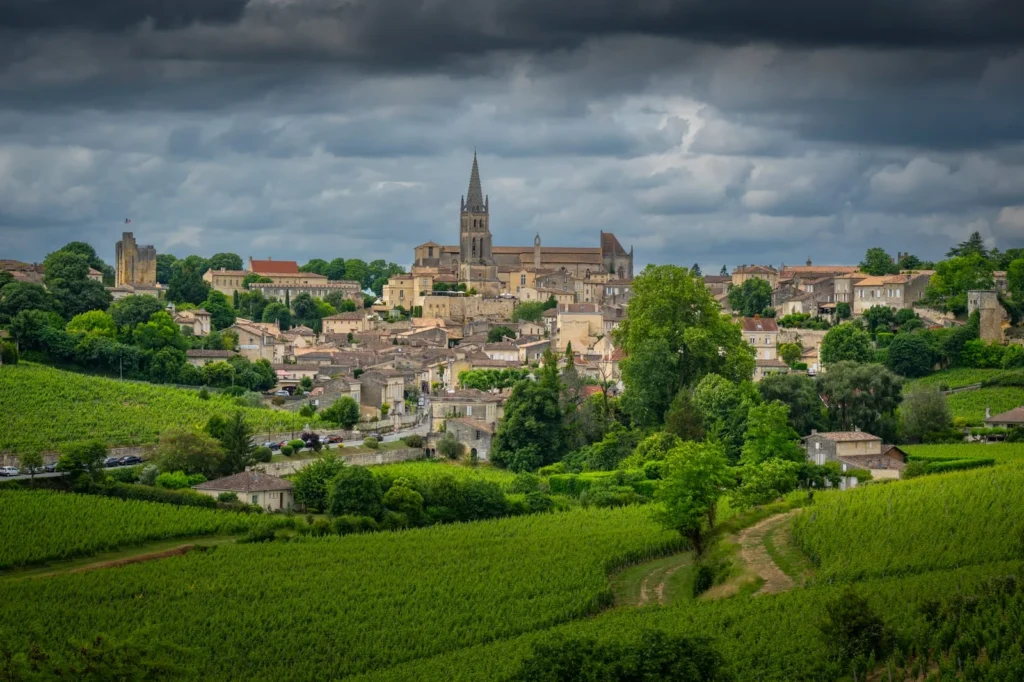
Saint-Émilion wine stands apart in Bordeaux for its Merlot-led style, varied terroirs, and evolving classification system. Comparing it with neighboring regions helps clarify why Saint-Émilion appeals to a broad range of wine drinkers, from casual enthusiasts to serious collectors.
Saint-Émilion vs Pomerol
Both Saint-Émilion and Pomerol rely heavily on Merlot, yet their expressions differ. Pomerol wines often feel denser and more concentrated, driven by deep clay soils and limited production.
Saint-Émilion offers a greater stylistic range, from approachable everyday wines to age-worthy classified estates, making it more accessible across price levels.
Saint-Émilion vs Médoc Wines
Médoc wines, produced on Bordeaux’s Left Bank, emphasize Cabernet Sauvignon and typically show firmer tannins and longer aging requirements.
Saint-Émilion wines feel softer and more immediately expressive, with plush fruit and rounded structure. This contrast makes Saint-Émilion especially appealing to those who value balance and approachability.
Why Saint-Émilion Appeals to Modern Wine Drinkers
Saint-Émilion combines tradition with adaptability. Its wines deliver complexity without excessive austerity, and the region welcomes visitors more openly than many Bordeaux areas. This blend of accessibility, quality, and cultural richness keeps Saint-Émilion relevant to modern tastes.
Planning Your Visit to Saint-Émilion
Planning a visit to Saint-Émilion is straightforward, yet thoughtful preparation helps you experience the region at its best. Its compact size, historic village center, and dense concentration of vineyards make it ideal for short trips as well as slower, immersive stays focused on wine, food, and culture.
Getting to Saint-Émilion From Bordeaux
Saint-Émilion sits about 40 kilometers east of Bordeaux and is easily accessible by train, car, or guided tour. Trains from Bordeaux reach the village in under an hour, followed by a short walk or taxi ride. Driving offers greater flexibility for visiting wineries spread across the countryside.
Where to Stay Near Saint-Émilion Wineries
Accommodation options range from boutique hotels in the medieval village to countryside guesthouses surrounded by vineyards. Staying nearby allows early access to tastings and relaxed evenings enjoying local cuisine paired with Saint-Émilion wine. Vineyard stays offer a quieter, more immersive experience.
How Long to Spend in Saint-Émilion
A full day allows time for the village, one or two winery visits, and a tasting. An overnight stay provides space to explore multiple vineyards, enjoy guided tours, and experience the region’s slower rhythm without rushing.
A Quiet French Escape Near Saint-Émilion: Château de Lasfonds
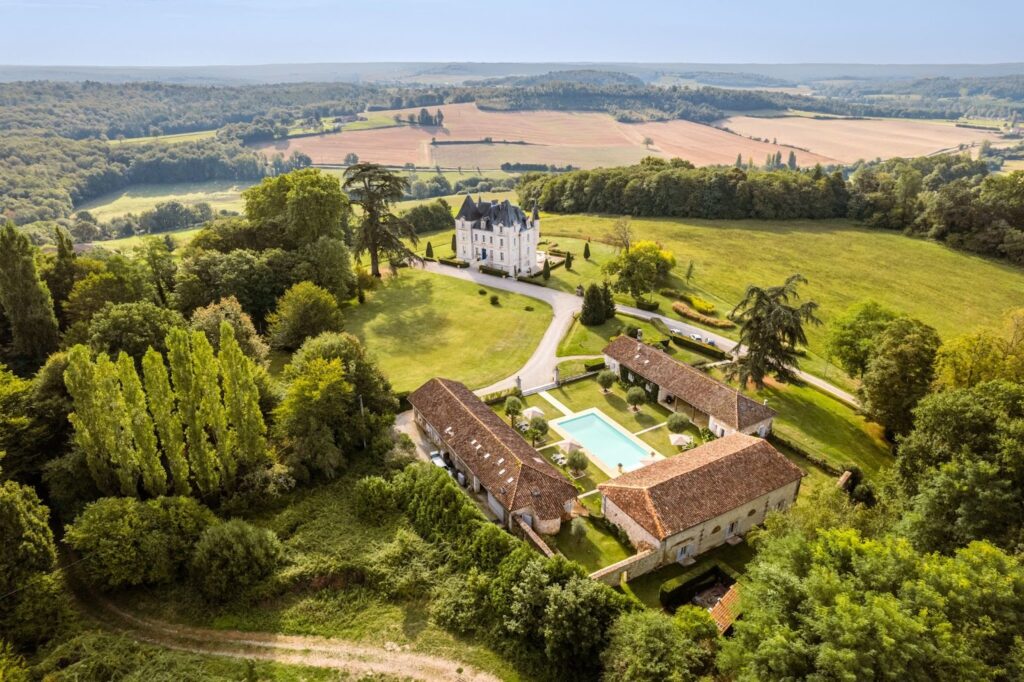
If your exploration of Saint-Émilion vineyards inspires curiosity about rural French life beyond tasting rooms, consider the calm charm of Château de Lasfonds. This historic estate rises gracefully on a hill in the Dordogne countryside, blending 19th-century architecture with thoughtful modern renovations that preserve the original character and comfort.
Set within over six hectares of gardens and panoramic views, Lasfonds offers a space where time feels slower and nature is present in every season. The estate’s interior combines historical details with ample light and purpose-designed rooms, encouraging quiet reflection or deeper conversation about the wines you’ve discovered on your travels.
Situated on the border of Charente and Périgord, the château sits within reach of Bordeaux, Cognac, and local villages rich in gastronomy and tradition. Many visitors find that a few days in a place like Lasfonds broadens their understanding of local terroir and culture, adding a thoughtful layer to any journey focused on France’s great wine regions.
If you’re drawn to landscapes that inform the way you taste and travel, a quiet stop near Lasfonds can quietly deepen your connection to French wine country without feeling like a typical tourist moment.
Book your stay at Château de Lasfonds now to complement your wine journey with a deeper sense of place and calm.
Frequently Asked Questions About Saint-Émilion Wine
What does “Saint-Émilion Grand Cru” really mean on a wine label?
Saint-Émilion Grand Cru means the wine follows stricter production rules than basic Saint-Émilion. It signals higher minimum alcohol, lower yields, and longer aging. However, it does not automatically indicate classified status or top-tier quality.
Are Saint-Émilion wines typically dry or sweet?
Saint-Émilion wine is typically dry, not sweet. The region focuses on Merlot-led red wines with ripe fruit flavors balanced by acidity and tannin. Any sweetness comes from fruit richness rather than residual sugar.
What food pairs best with Saint-Émilion wine?
Saint-Émilion wine pairs best with rich, savory foods like roasted meats, mushroom dishes, and aged cheeses. The wine’s soft tannins and ripe fruit complement umami flavors without overwhelming the palate, making it versatile at the table.
How long can Saint-Émilion wine be stored before drinking?
Most Saint-Émilion wines can be stored for five to fifteen years, depending on quality and vintage. Entry-level wines suit earlier drinking, while classified bottles often improve with extended aging under proper cellar conditions.
Is Saint-Émilion wine suitable for beginners?
Saint-Émilion wine is well-suited to beginners because it offers softer tannins, generous fruit, and approachability. Many wines taste balanced even when young, helping new drinkers enjoy Bordeaux without needing long aging experience.
What is the difference between Saint-Émilion and Bordeaux Supérieur?
Saint-Émilion wine differs from Bordeaux Supérieur through stricter geographic boundaries and terroir-driven identity. Bordeaux Supérieur covers broader areas, while Saint-Émilion emphasizes specific soils and village-level character that shapes style and consistency.
Can Saint-Émilion wines be bought directly from wineries?
Yes, you can buy Saint-Émilion wine directly from wineries during visits or by advance order. Availability varies by estate, and smaller producers often offer limited quantities, making early contact helpful for securing bottles.
Are Saint-Émilion wineries environmentally sustainable?
Many Saint-Émilion wineries follow sustainable practices, including organic farming and reduced chemical use. While approaches differ by estate, environmental responsibility has become a regional priority, driven by soil preservation and long-term vineyard health.
What is the best Saint-Émilion wine vintage in recent years?
There is no single best Saint-Émilion vintage, but recent years with balanced weather produced excellent results. Vintage quality varies by estate, so producer reputation often matters more than the year alone when choosing bottles.
How much does a Saint-Émilion wine tasting typically cost?
A Saint-Émilion wine tasting typically costs between ten and thirty euros. Prices depend on the estate, number of wines sampled, and whether the visit includes a guided cellar or vineyard experience.