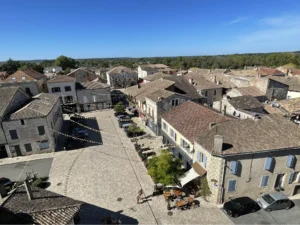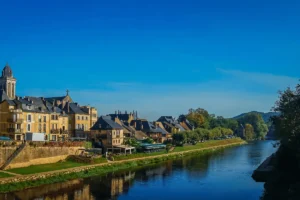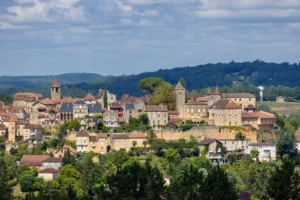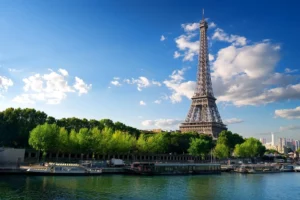
The must do in France experiences go beyond standing in front of famous landmarks. France reveals its depth through its food, architecture, landscapes, and daily rituals. A sunrise view over Paris, a long lunch in a village square, a walk through a centuries-old town, or a drive through vineyard-covered hills often leave a stronger impression than any single attraction.
Strong itineraries focus on quality over quantity and balance cities with smaller regions. The bucket list things to do in France that truly matter reflect history, geography, and everyday life in equal measure.
How This Must Do in France List Is Built
If you are traveling to France, your time is limited, so every experience should earn its place. A true must do in France reflects something you cannot fully experience elsewhere.
France is larger and more varied than many travelers expect. Moving between distant regions can consume hours that would be better spent exploring. A focused plan built around one or two bases allows you to go deeper into each area.
When you reduce hotel changes and long transfers, you gain time for markets, slow meals, and unplanned discoveries. Quality experiences come from presence, not constant movement.
Travel in France rewards patience and awareness. Restaurants often require reservations, meals move at a relaxed pace, and many shops close on Sundays or in the afternoon. Planning around these rhythms prevents frustration and helps bucket list things to do in France feel smooth rather than rushed.
Must Do in France in Paris
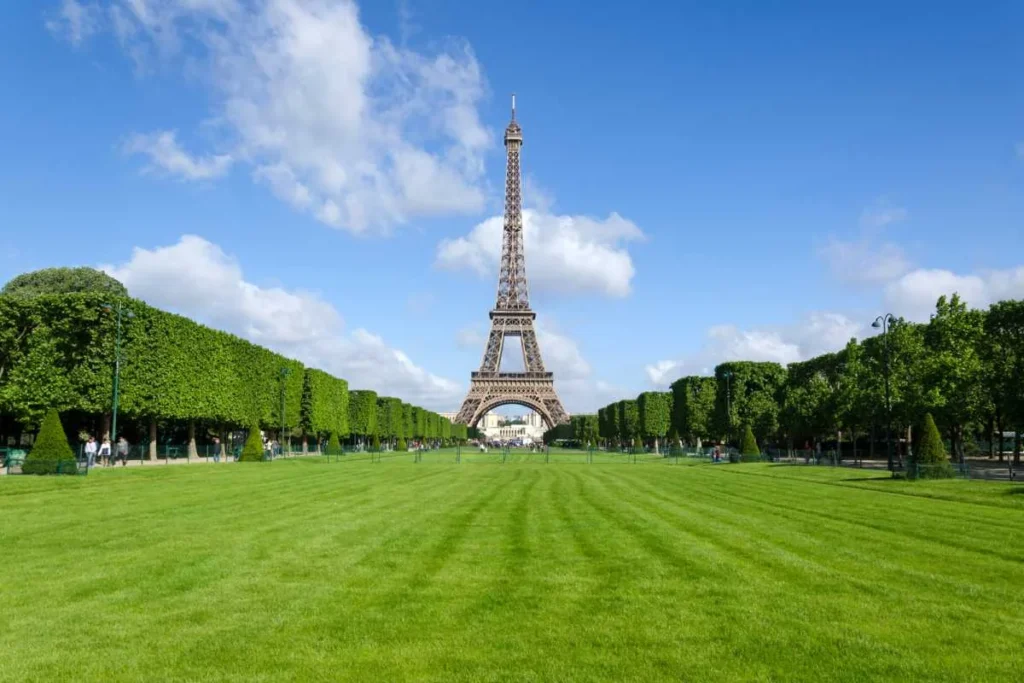
Visit the Eiffel Tower With a Clear Plan
The Eiffel Tower is one of the most visited monuments in the world, so timing determines your experience. Book tickets in advance and choose the first available morning slot to reduce crowd pressure. Sunset visits offer dramatic city views, though they require early reservations during peak travel months.
If you prefer elevated views with shorter lines, the Arc de Triomphe provides a wide panorama of central Paris. Prior planning turns this must do in France landmark into a smooth and efficient experience rather than a half-day commitment.
Explore the Louvre Museum Without Wasting Time
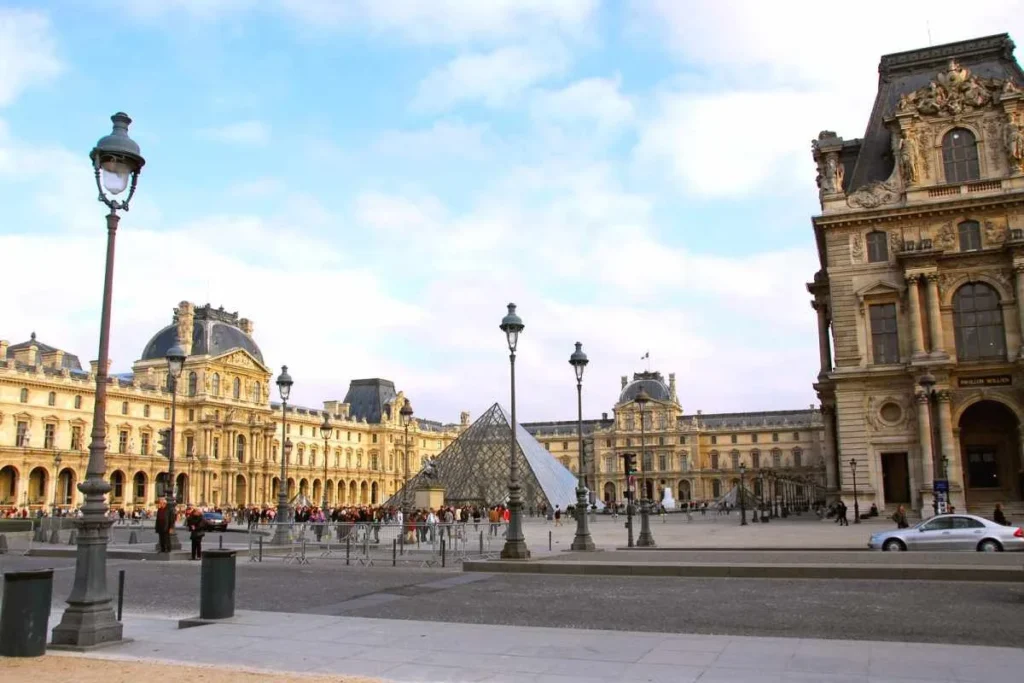
The Louvre is vast, and attempting to see everything leads to fatigue. Select a specific section before entering, such as Italian Renaissance paintings, Greek antiquities, or French neoclassical art. Limit your visit to two or three hours and move slowly through the chosen galleries.
Walk Through a Historic Paris Neighborhood
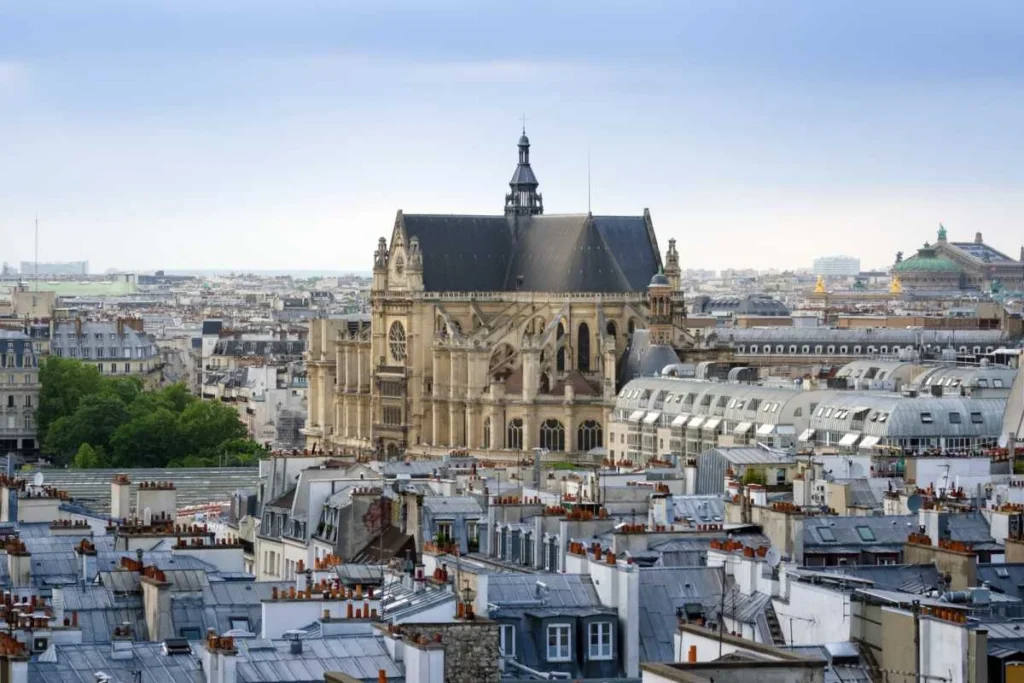
A structured walk through one neighborhood provides more depth than scattered sightseeing. Le Marais offers preserved medieval streets and historic mansions. Saint Germain reflects literary history and café culture.
Montmartre combines hillside views with artistic heritage. Concentrating on one district allows you to understand scale, architecture, and rhythm without constant transit.
Must Do in France for Castles and Historic Landmarks
Explore the Dordogne for Medieval Castles and Historic Estates
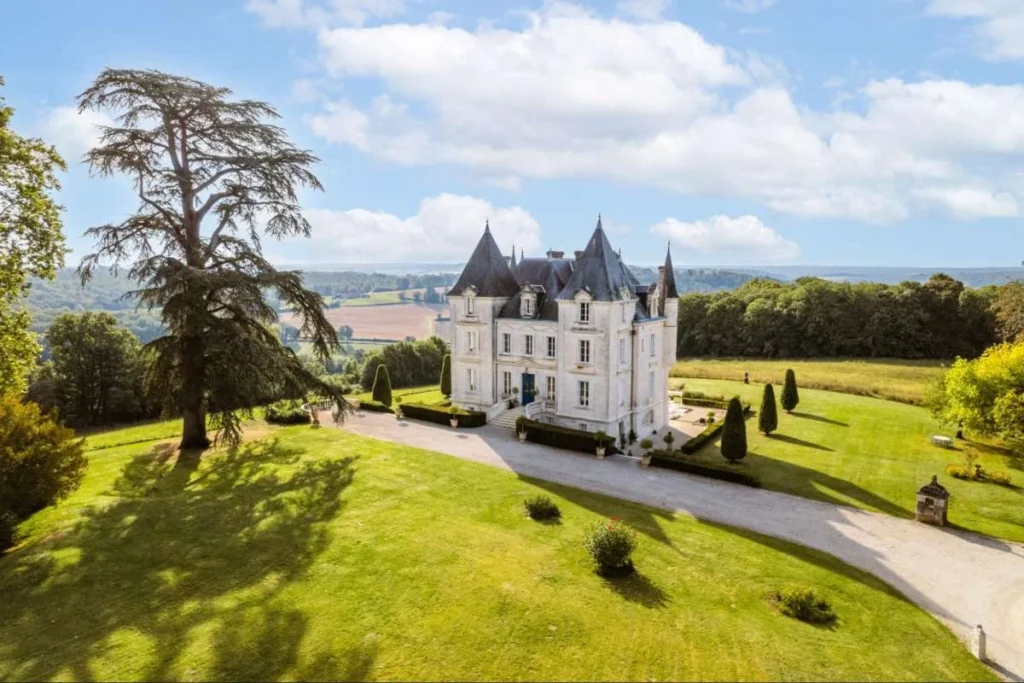
The Dordogne region in southwest France is known for its dense concentration of 77 castles, fortified towns, prehistoric sites, and rural landscapes that reflect centuries of French history. Beyond the major fortresses perched above the Dordogne River, the area also features estates that combine heritage, comfort, and scenic surroundings.
Château de Lasfonds is a restored 19th-century château set on elevated ground in the Dordogne countryside near La Rochebeaucourt-et-Argentine. The property blends Neo-Gothic and Neo-Renaissance architectural influences and sits on roughly 6.5 hectares of gardens and woodlands, with uninterrupted views over farmland and forest.
It accommodates up to 20 guests across the main château and outbuildings, making it ideal for families, friends, or groups seeking a private stay with ample indoor and outdoor space. The estate includes a heated outdoor pool, shaded terraces, and restored interiors that preserve the building’s historic character while offering modern comfort.
Explore Villages and Prehistoric Sites Near Château de Lasfonds
Aubeterre-sur-Dronne is known for its twelfth-century monolithic church carved into limestone rock. The underground space rises several meters high and stands as one of the largest of its kind in Europe. The village square and compact streets make it easy to explore in a few hours.
Brantôme centers around a Benedictine abbey founded in the eighth century and sits along the Dronne River. Visitors can tour the abbey complex and walk along the riverside paths within a small historic core.
The Vézère Valley contains major prehistoric sites, including Lascaux, which features Paleolithic cave paintings dating to 17,000 years ago. Public access is via a detailed replica that preserves the original cave’s scale and artwork.
Visit a Loire Valley Château With Context
The Loire Valley contains over three hundred châteaux, though only a handful receive the majority of visitors. Select one major estate, such as Château de Chambord or Château de Chenonceau, and pair it with a smaller property nearby to understand the contrast in scale and purpose.
Chambord reflects royal ambition and architectural experimentation, while Chenonceau spans the River Cher and carries a strong political history shaped by influential women.
Arrive early in the morning to avoid tour-bus congestion and to allow time to explore the surrounding gardens and grounds. A focused visit provides architectural insight and historical depth rather than a rushed photo stop.
Explore Normandy Beyond the Beaches
The D-Day landing beaches hold significant historical importance, yet their meaning emerges from context. Visit the American Cemetery at Colleville-sur-Mer and dedicate time to reading individual inscriptions.
Museums in the region provide detailed explanations of military strategy, resistance networks, and the impact on civilians. Moving through these sites slowly encourages reflection and understanding instead of surface-level observation.
Walk a Preserved Medieval Town
France preserves fortified towns that remain structurally intact centuries after construction. Carcassonne features defensive walls and watchtowers that illustrate medieval urban planning. Smaller towns such as Provins or Conques offer quieter immersion with fewer crowds.
Walk the ramparts, enter local churches, and observe how streets were designed for protection and trade. These settings connect bucket list things to do in France with tangible layers of history that remain visible and accessible today.
Must Do in France for Food and Culinary Experiences
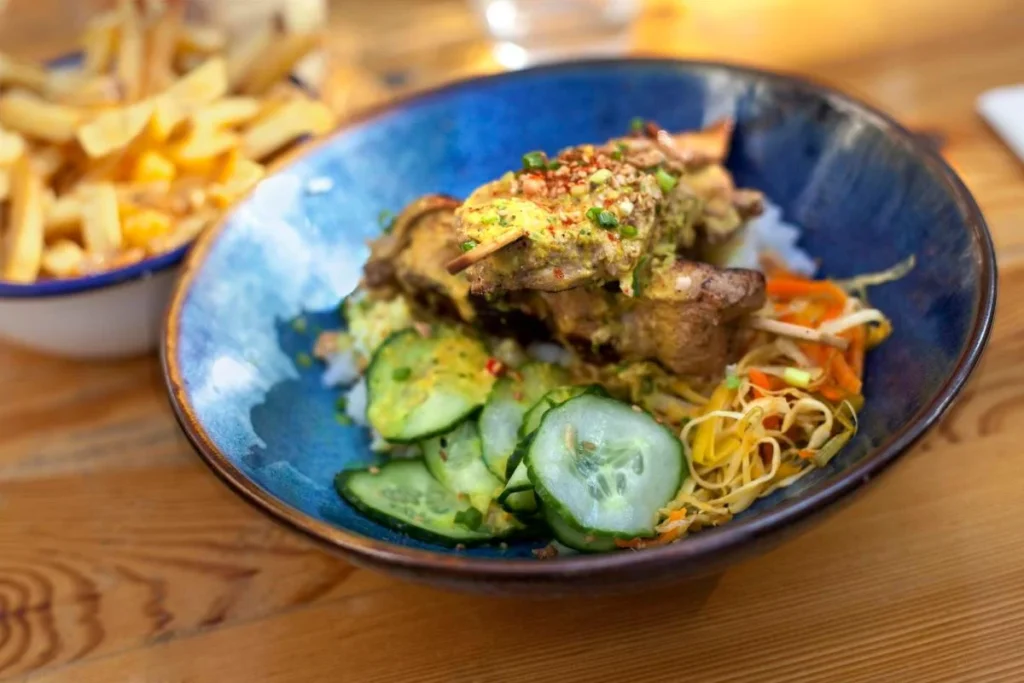
Experience a Traditional French Bistro Meal
A proper bistro meal reflects structure and pace. Reserve a table, arrive on time, and expect a multi-course format that begins with a starter and ends with dessert or cheese. Classic dishes such as steak frites, duck confit, or boeuf bourguignon represent regional cooking traditions that have shaped French cuisine for generations.
Meals unfold gradually, and servers do not rush the table. Allow at least ninety minutes so the experience feels complete rather than compressed.
Visit a Local Food Market
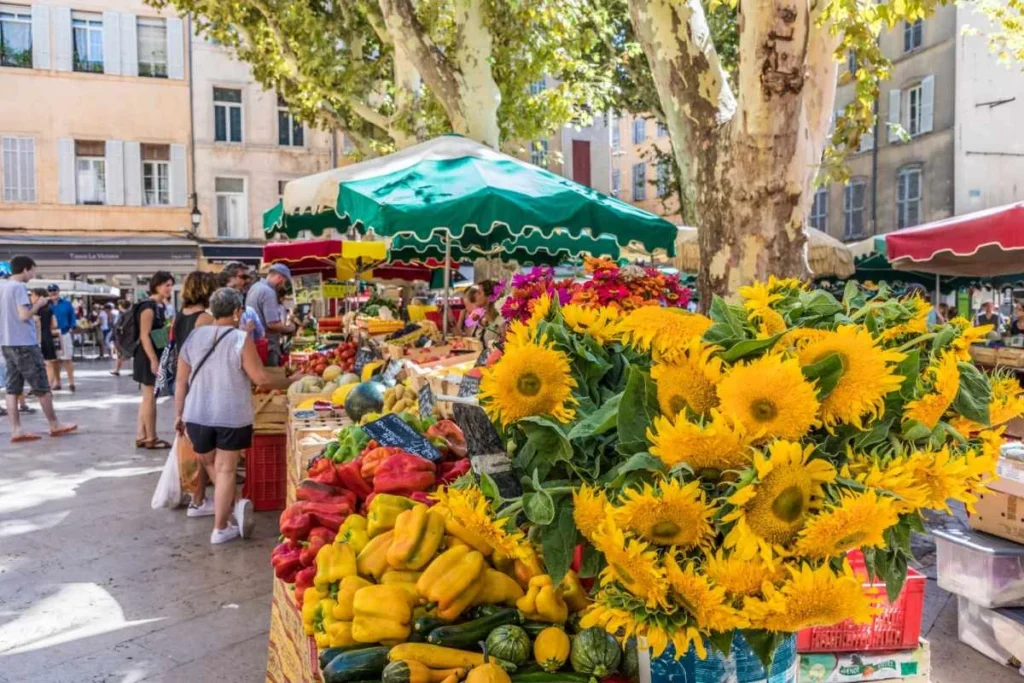
Open-air markets operate in cities and villages across France, often on specific days of the week. Arrive early for the best selection of produce, cheese, bread, and regional specialties. Speak directly with vendors and ask for small recommendations.
A market visit provides insight into seasonal eating patterns and daily life. It also allows you to build a simple picnic with fresh ingredients sourced from the region you are exploring.
Try a Regional Specialty in Its Place of Origin
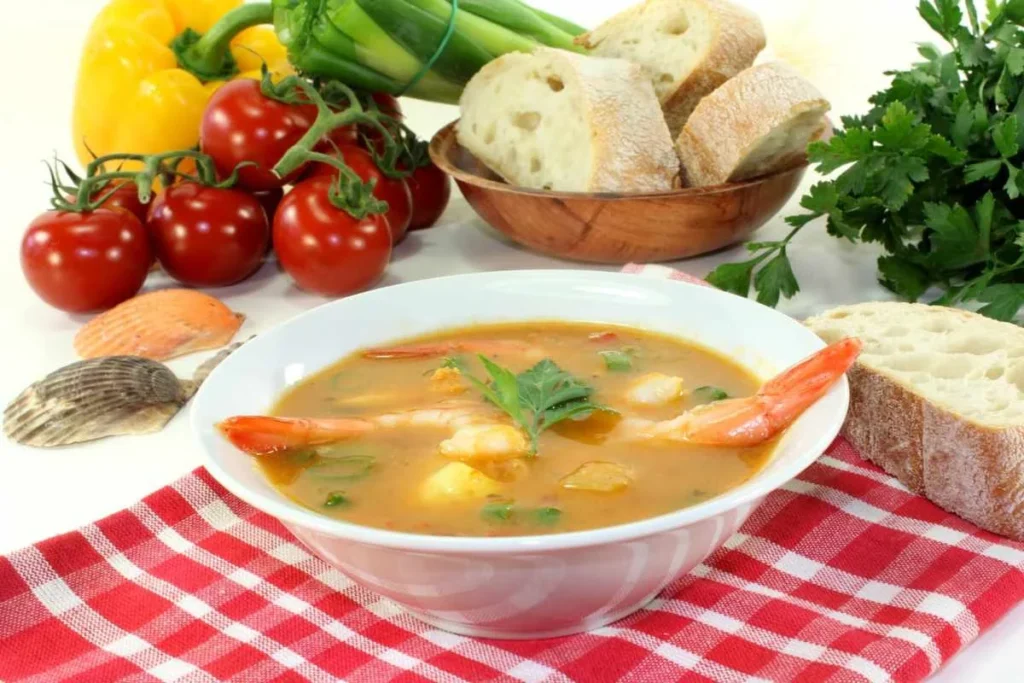
France’s culinary identity changes by region. Bouillabaisse carries significance in Marseille, cassoulet defines parts of the southwest, and tarte flambée reflects Alsatian heritage. Eating these dishes where they originated connects you to local history and agricultural traditions. This approach transforms bucket list things to do in France from generic dining into culturally grounded experiences.
Must Do in France for Wine and Vineyard Experiences
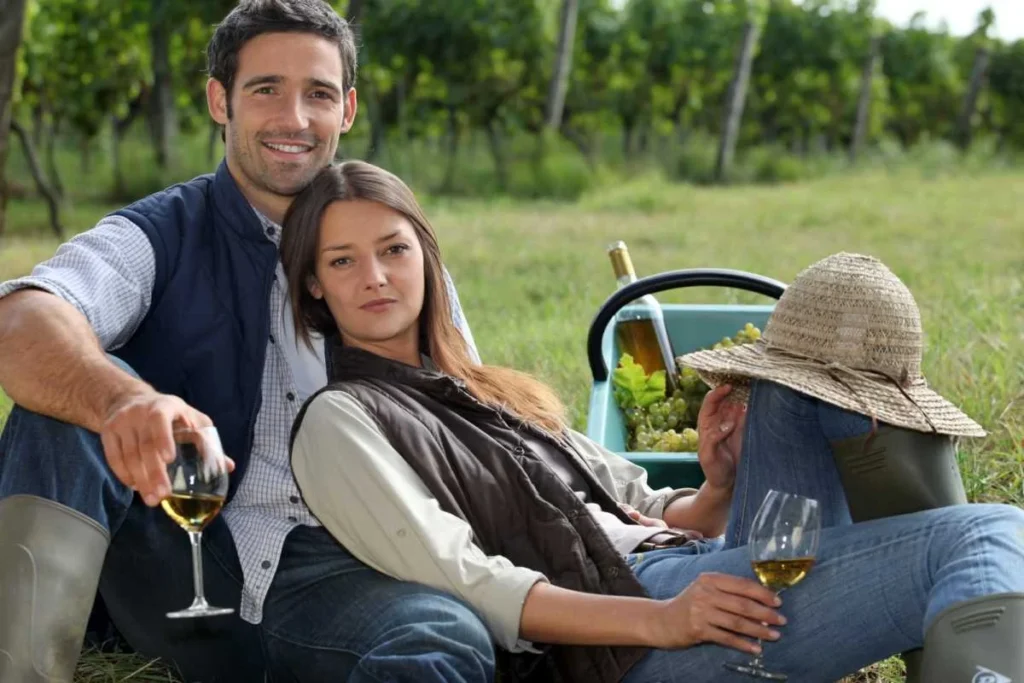
Visit a Champagne House in the Champagne Region
Champagne is legally protected and can only be produced within the Champagne region under strict geographic and production rules. Touring a historic cellar allows you to understand the traditional method of secondary fermentation in the bottle, extended aging on lees, and the blending process that creates consistent house styles.
Many cellars are carved into chalk tunnels that maintain natural temperature and humidity, which play a direct role in maturation. Reserve in advance and compare a large established house with a smaller grower producer to see how scale influences style and storytelling.
A guided tasting here gives you context that transforms every future glass into something informed rather than casual.
Explore a Wine Region Beyond the Tasting Room
Regions such as Bordeaux, Burgundy, and Alsace reflect distinct soil composition, grape varieties, and vineyard layout. Burgundy focuses heavily on Pinot Noir and Chardonnay grown in tightly defined vineyard parcels, while Bordeaux blends multiple grape varieties depending on bank and climate.
Driving or cycling through vineyard roads provides a visual understanding of slope, sun exposure, and planting density. Limit visits to two or three estates in a day so your palate remains sharp and conversations remain meaningful. Balanced pacing increases appreciation and prevents sensory fatigue.
Understand French Wine Labels Before You Buy
French wine labels emphasize place over grape variety, which can confuse first-time visitors. Appellation d’Origine Protégée status indicates that production methods and geographic origin meet regulated standards.
Village names, vineyard classifications, and producer information reveal quality level and style expectations. Learning these basics helps you choose bottles with confidence and recognize regional differences during tastings.
Knowledge strengthens bucket-list things to do in France by turning wine from a simple indulgence into a cultural experience rooted in the land and tradition.
Must Do in France for Small Town and Village Experiences
Stay Overnight in a Historic Village
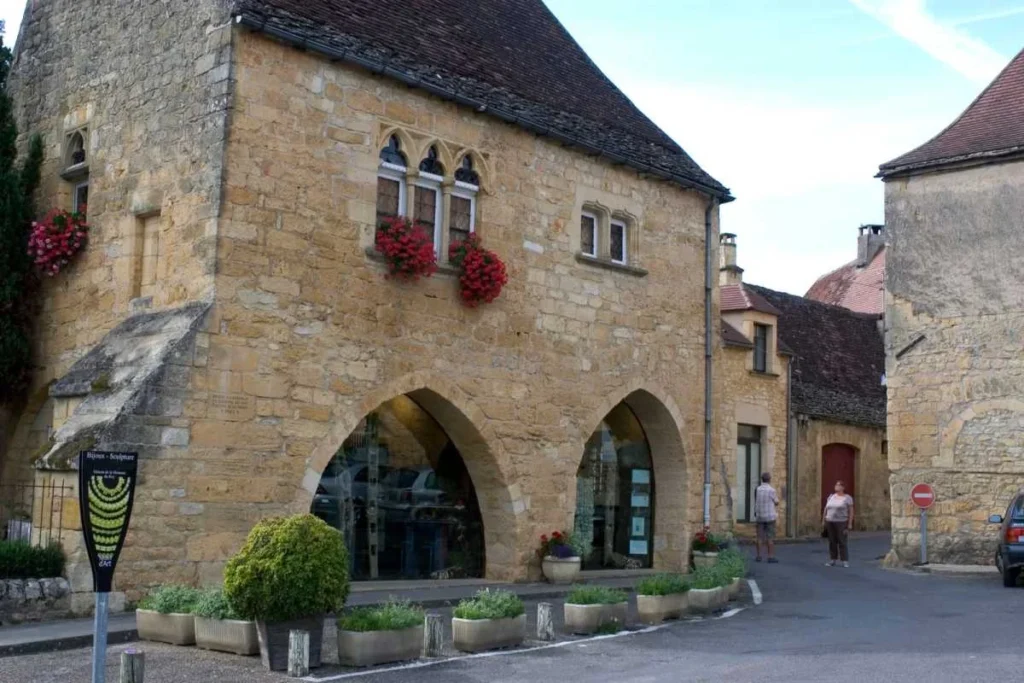
Many travelers pass through small towns for a few hours and leave before the atmosphere has a chance to shift. Staying overnight changes the experience completely. Day visitors depart in the late afternoon, restaurants open for dinner service, and narrow streets grow quiet.
Towns such as Annecy, Colmar, Gordes, and Saint-Paul-de-Vence reveal architectural detail and local rhythm once the crowds thin. An evening walk through stone streets or along a canal offers a slower view of daily life than a daytime stop can.
Explore Local Architecture and Layout
French villages reflect centuries of regional adaptation. In Alsace, timber-framed houses feature steep roofs designed for snow. In Provence, pale stone buildings cluster tightly to shield from heat and wind.
Coastal towns in Brittany face the Atlantic with granite structures built for harsh weather. Pay attention to building materials, window styles, church placement, and town squares. These elements tell the story of geography and economy more clearly than plaques or guidebooks.
Visit Weekly Markets and Artisan Shops
Village markets operate on fixed weekly schedules and showcase regional produce, cheese, cured meats, baked goods, and handmade crafts. Arrive early for the best selection and observe how locals shop and interact.
Artisan workshops often specialize in ceramics, textiles, soap, or confectionery tied to the region. Supporting small producers adds depth to your bucket list of things to do in France and connects your purchases to the place rather than mass production.
Must Do in France for Coastal Experiences
Explore the French Riviera Beyond the Beaches
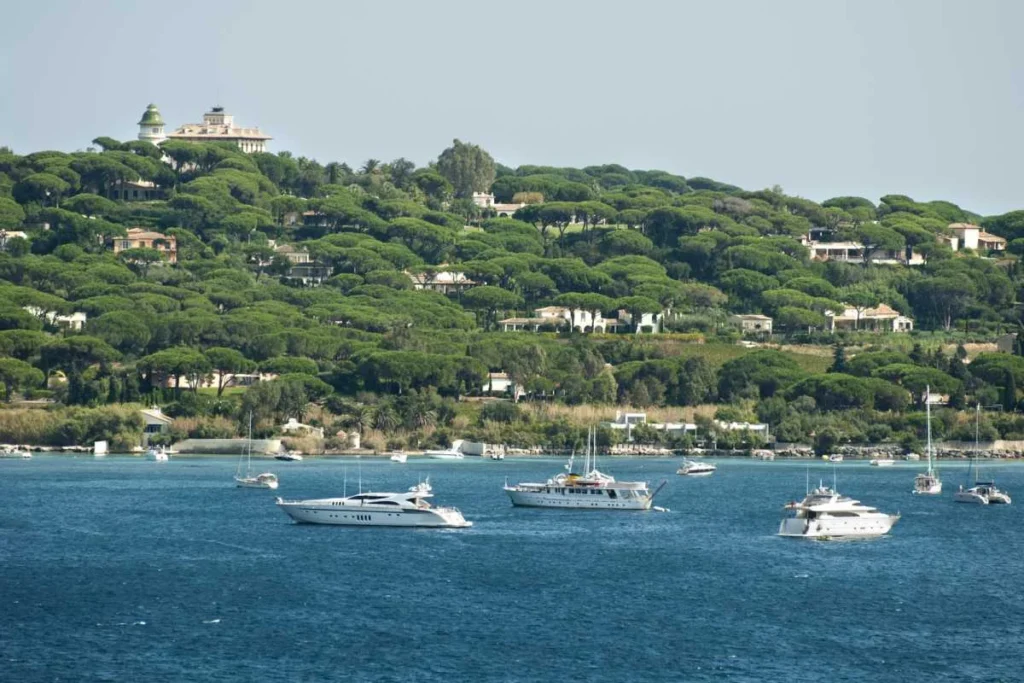
The French Riviera combines Mediterranean coastline with historic towns and hillside villages. Nice offers a compact old town, a daily flower market in Cours Saleya, and a long seafront promenade.
Èze and Saint Paul de Vence provide elevated views and preserved stone streets within short driving distance. Plan coastal time in the morning or late afternoon to avoid peak heat and traffic. A mix of town exploration and sea access creates a balanced day.
Discover the Atlantic Coast for Seafood and Surf
France’s Atlantic coastline delivers a different atmosphere from the Mediterranean. In places such as Arcachon and La Rochelle, oyster farming defines local cuisine. Tasting oysters near the source connects you directly to regional industry and coastal geography.
Further south, Biarritz attracts surfers and offers wide beaches shaped by Atlantic swells. Tides influence daily activity, so check schedules before planning beach walks or seafood visits.
Experience Brittany’s Rugged Shoreline
Brittany features granite cliffs, historic ports, and a strong maritime identity. Saint Malo retains fortified walls that overlook the sea, while smaller fishing villages maintain working harbors.
Coastal walking paths provide direct access to headlands and lighthouses. Regional cuisine emphasizes crêpes, cider, and seafood drawn from cold Atlantic waters.
Must Do in France for Mountain and Outdoor Experiences
Visit the French Alps for High Altitude Landscapes
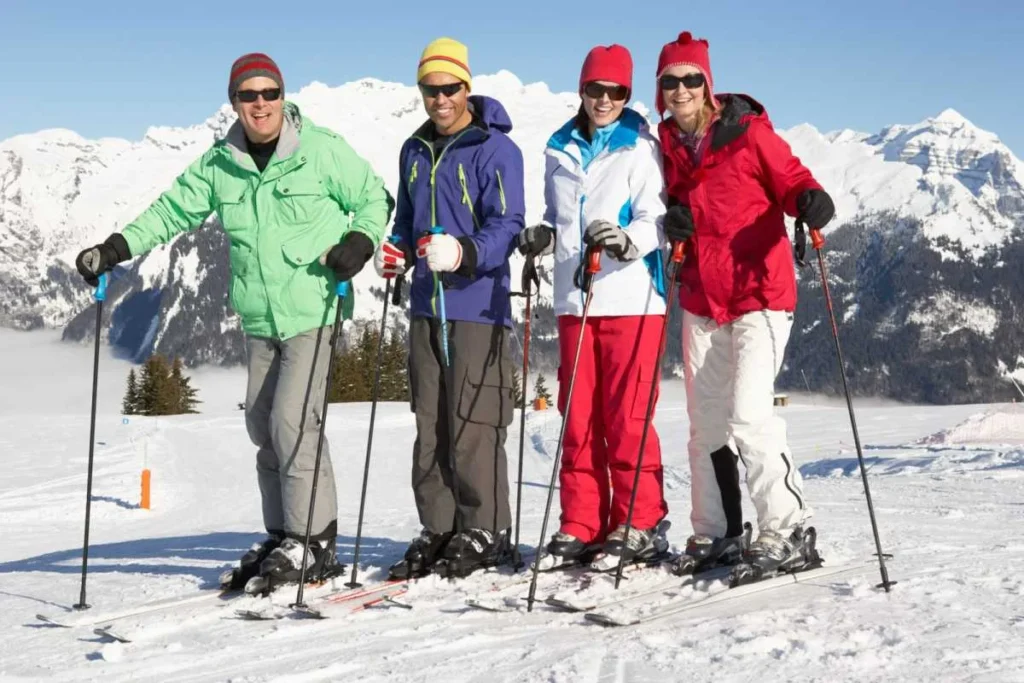
The French Alps offer dramatic elevation, glacier views, and well-developed trail networks. Chamonix serves as a primary base for access to Mont Blanc viewpoints and cable cars that reach high-altitude observation platforms.
Summer allows hiking, alpine lake visits, and scenic drives through mountain passes. Winter focuses on ski resorts with extensive lift systems and groomed slopes. Weather changes quickly at elevation, so layered clothing and advance planning are essential.
Explore the Pyrenees for Quieter Mountain Travel
The Pyrenees stretch along the border with Spain and receive fewer visitors than the Alps. Towns such as Saint-Lary Soulan and Cauterets provide access to hiking trails, thermal spas, and protected national parks. The landscape features steep valleys, waterfalls, and grazing livestock, all of which shape rural identity. A slower pace suits travelers seeking nature without the resort density.
Walk a Signature French Trail
France maintains thousands of kilometers of marked long-distance trails known as GR routes. Short sections can be completed in a day without committing to extended treks. Coastal paths in Brittany, vineyard trails in Burgundy, and alpine circuits in the Alps each offer distinct terrain.
Choosing one well-marked route allows you to engage directly with the landscape rather than viewing it from a distance.
Must Do in France for Art, Culture, and Craft
Visit a Regional Museum Beyond Paris
Major museums in Paris attract global attention, yet regional institutions often provide a stronger focus and easier access. In Aix-en-Provence, the Granet Museum presents works tied to the region’s artistic history.
In Lille, the Palais des Beaux Arts houses a substantial European collection without the scale fatigue of larger capitals. Smaller museums allow you to move at a measured pace and engage more closely with individual works.
Take a Hands-On Culinary or Craft Workshop
Participating in a cooking class, pastry workshop, or regional craft session adds practical understanding to cultural exploration. In Provence, perfume workshops explain the composition of fragrances tied to local flower cultivation.
In Burgundy or the Dordogne, culinary classes focus on seasonal products such as truffles, duck, or regional sauces. Direct participation reinforces techniques and traditions that define local identity.
Visit a Brocante or Weekly Market
Brocantes and weekly markets function as cultural exchanges rather than simple shopping venues. Vendors sell antiques, household items, textiles, and regional specialties.
Observing negotiation style, product selection, and social interaction offers insight into daily life. Arriving early increases access to quality goods and allows time to speak with sellers about provenance and craftsmanship.
Must Do in France by Season
Travel in Spring for Gardens and Moderate Crowds
Spring brings mild temperatures and extended daylight across most regions. Gardens in the Loire Valley and Provence reopen in full color, and vineyard landscapes begin early growth. April and May allow easier reservations compared to peak summer months. Outdoor walking in cities and villages becomes comfortable without intense heat.
Plan Summer Around Festivals and Coastlines
Summer delivers long evenings and active public squares. Coastal regions along the Mediterranean and Atlantic reach peak activity, and alpine towns shift from ski season to hiking.
Reservations for restaurants, trains, and popular landmarks require advance planning due to high demand. Rural festivals and open-air markets operate frequently during this period, offering direct access to regional traditions.
Visit in Autumn for Harvest and Culinary Depth
Autumn marks grape harvest across major wine regions and truffle season in parts of the Dordogne and Provence. Vineyards shift color, and local menus reflect mushrooms, game, and seasonal produce. Tourist density decreases after September, which improves access to accommodations and cultural sites. Cooler temperatures support longer walks and outdoor exploration.
Experience Winter for Cities and Alpine Resorts
Winter concentrates activity in major cities and mountain resorts. Paris museums and historic landmarks remain open, with shorter queues than in summer. The Alps and Pyrenees operate full ski seasons depending on snowfall. Christmas markets in eastern regions introduce seasonal food and crafts tied to local heritage.
Must Do in France for Smart Travel Planning
Use Trains Strategically Between Major Cities
France’s high-speed rail network connects Paris with cities such as Lyon, Bordeaux, Marseille, and Strasbourg in a few hours. Booking tickets early reduces cost and secures preferred departure times. City center train stations eliminate long airport transfers and allow you to arrive directly in walkable districts. Trains work best for long-distance routes between major hubs.
Rent a Car for Rural Regions
Regions such as the Dordogne, Provence villages, and parts of the Loire Valley require flexibility that public transport cannot provide. A car allows you to visit smaller towns, markets, vineyards, and scenic viewpoints on your own schedule. Plan realistic driving distances and account for narrow village roads and limited parking in historic centers.
Limit Your Number of Bases
Frequent hotel changes reduce time spent exploring and increase fatigue. A seven-day trip works well with two bases, allowing structured day trips. A ten to fourteen-day trip can support three regions without rushing. Staying longer in each location gives you space for markets, reservations, and unplanned discoveries.
Book High Demand Experiences in Advance
Popular restaurants, winery tours, and major landmarks fill quickly during peak months. Secure reservations several weeks ahead for summer travel. Early planning prevents last-minute compromises and ensures that your key must-do experiences in France remain intact.
Must Do in France Without Common Travel Mistakes
Avoid Overloading Your Itinerary
France covers a large geographic area with distinct regions separated by hours of travel. Attempting to combine Paris, the Riviera, the Alps, and the Dordogne in one short trip reduces time in each place to brief stops. Limit your scope and allow full days within each region. Depth creates stronger experiences than constant relocation.
Do Not Rely Only on Major Tourist Zones
Areas immediately surrounding famous landmarks often prioritize volume over quality. Restaurants near major squares and monuments may offer convenience but not always strong value. Walking a few streets away typically improves pricing and authenticity. Researching local recommendations in advance saves you time and money.
Respect Local Dining Culture
Restaurants operate on set hours, and arriving without a reservation during peak dinner hours can lead to long waits or being turned away. Service moves at a deliberate pace, and requesting the bill requires asking for it directly. Understanding these norms prevents unnecessary frustration and ensures that meals remain among the most rewarding bucket-list things to do in France.
Balance Cities With Smaller Regions
Spending all your time in major cities limits exposure to regional identity. Adding a smaller town, wine region, or coastal village introduces variation in architecture, cuisine, and landscape. A balanced structure strengthens your overall must-do-in-France experience and prevents urban fatigue.
Build Your Personal Must Do in France Shortlist
Choose Three Anchor Experiences
Select three experiences that define your trip.
- One should represent national history or a landmark of global importance.
- One should reflect a regional strength such as wine, cuisine, or landscape.
- One should focus on everyday French life, such as a visit to a market or a stay in a village. These anchors create structure and prevent random selection.
Match Regions to Your Travel Style
Food-focused travelers benefit from regions such as Lyon, Bordeaux, and the Dordogne. Outdoor-focused itineraries align with the Alps, the Pyrenees, or coastal Brittany. Art and architecture enthusiasts may prioritize Paris, the Loire Valley, or Provence. Aligning regions with interest increases satisfaction and reduces wasted time.
Build Around Two or Three Bases
Organize your route around a limited number of overnight bases. Use trains between major cities and rent a car where rural access is necessary. Plan full days in each location rather than partial transit days. A clear structure protects energy and preserves time for the bucket-list things to do in France that matter most.
Leave Space for Adjustment
Reserve key experiences in advance while keeping portions of each day flexible. Weather, local recommendations, and spontaneous discoveries often improve a schedule. Flexibility within a structured plan produces a trip that feels organized yet responsive to opportunity.
FAQs about Must Do in France
1. What is the best time of year to travel to France
Spring and fall usually offer pleasant weather and fewer crowds compared to peak summer months. These shoulder seasons also help you avoid the hottest temperatures and busiest queues at major sites.
2. How many days should I spend in Paris or France
For Paris alone, three to five days allows time for major landmarks and quieter neighborhood exploration. For the broader country, ten to fourteen days lets you include key regions without excessive transit time.
3. Is it safe to travel in France, and what precautions should I take
France is generally safe for tourists, but pickpocketing is common in crowded areas, such as major attractions and public transport. Being aware of your surroundings and securing valuables reduces risk.
4. Do most people in France speak English
In major cities and tourist locations, many people understand and speak basic English, but learning simple French greetings and phrases makes interactions smoother and is appreciated.
5. What is tipping etiquette in France
Tipping exists, but at a much lower level than in some other countries. Leaving a small tip at cafes and restaurants is common courtesy, but it is not expected at the same level as in the United States.
6. How do I handle public transport in France
France’s urban areas are well served by metro, tram, and bus systems that are efficient for city travel. Regional trains connect major cities, and advance booking often secures better times and prices.
7. Is it necessary to reserve attraction tickets ahead of time
Many popular sites, such as the Eiffel Tower and the Louvre, require or strongly recommend advance ticket purchase, especially in peak seasons, to avoid long waits and sell-outs.
8. What should I know about French restaurant culture
Meals in France tend to move at a relaxed pace, and servers usually do not bring the bill until you request it. Dining near major landmarks may be convenient, but it’s not always the best-quality option.
9. How widely accepted are credit and debit cards
Cards are widely accepted in cities and larger towns, but carrying a small amount of cash can help in smaller markets, cafes, and rural areas.
10. What local etiquette should I know before traveling to France
Simple actions such as greeting shopkeepers or service staff with a polite “bonjour” and maintaining moderate vocal volume in public spaces align with local norms and improve everyday interactions.