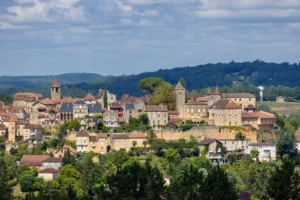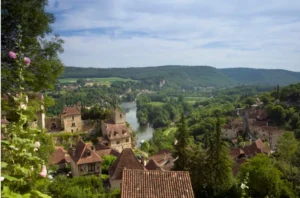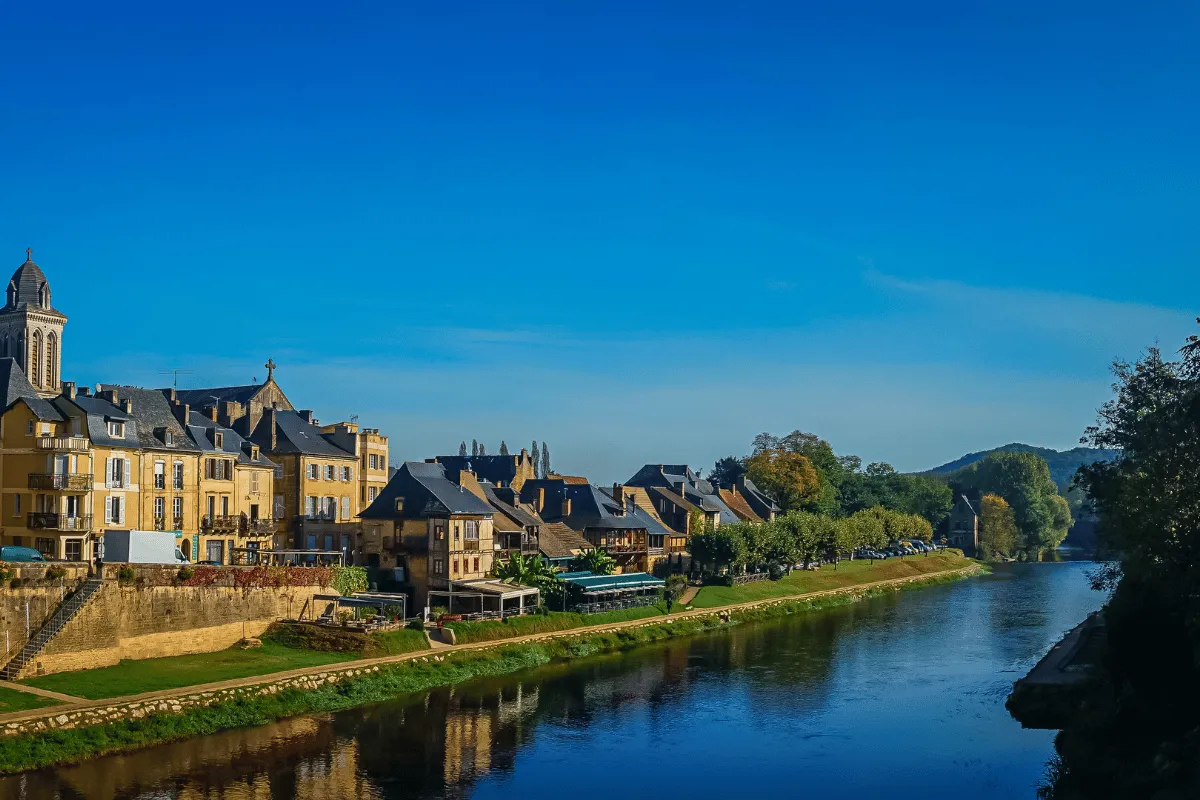
The Vézère Valley is one of the most useful parts of Dordogne for travelers who want prehistoric caves, historic villages, river activities, and major archaeological sites within one coherent route. The river passes through Montignac, Saint-Léon-sur-Vézère, Les Eyzies, Le Bugue, and eventually Limeuil, where it meets the Dordogne.
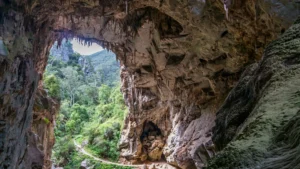
Its importance reaches far beyond Lascaux. UNESCO describes the wider area as containing more than 150 Paleolithic deposits and about 30 decorated caves. The World Heritage property itself comprises 15 prehistoric sites.
Why the Vézère Valley Matters
Human occupation here spans an extraordinary period of prehistory. UNESCO says the World Heritage sites collectively reflect occupations and artistic production dating from roughly 400,000 to 10,000 years ago. Lascaux, Font-de-Gaume, Les Combarelles, La Micoque, Le Moustier, La Madeleine, and Cap Blanc are among the inscribed locations.
The wider valley also carries France’s Grand Site de France designation. The French government describes the designated area as following roughly 45 kilometers of the Vézère through Dordogne, from Terrasson-Lavilledieu toward its confluence with the Dordogne at Limeuil.
That concentration makes the valley useful for slow travel. Archaeology, villages, riverside stops, and outdoor activities can fit into the same day without treating each stop as a separate excursion.
Which Vézère Valley Caves and Sites Should You Visit?
| Place | Why visit | Planning point |
| Lascaux IV, Montignac | Full-scale reproduction of the original Lascaux cave | Reserve a timed visit during busy periods. The 2026 adult standard ticket is €23. |
| Font-de-Gaume | Opportunity to enter an original decorated prehistoric cave | Daily visitor numbers are restricted and online booking is compulsory. |
| Les Combarelles | Original engravings in a narrow cave setting | Limited capacity and advance booking apply. |
| National Museum of Prehistory | Gives archaeological context before or after cave visits | Located in Les Eyzies. Hours vary by season, and the museum closes Tuesdays outside July and August. |
| La Roque Saint-Christophe | Cliff settlement connecting prehistoric and medieval occupation | Open throughout 2026 (except December 25) with seasonal hours. |
| Saint-Léon-sur-Vézère | Riverside medieval village between Montignac and Les Eyzies | Works well as a meal, walking, or canoe stop between ticketed attractions. |
Lascaux or an Original Cave?
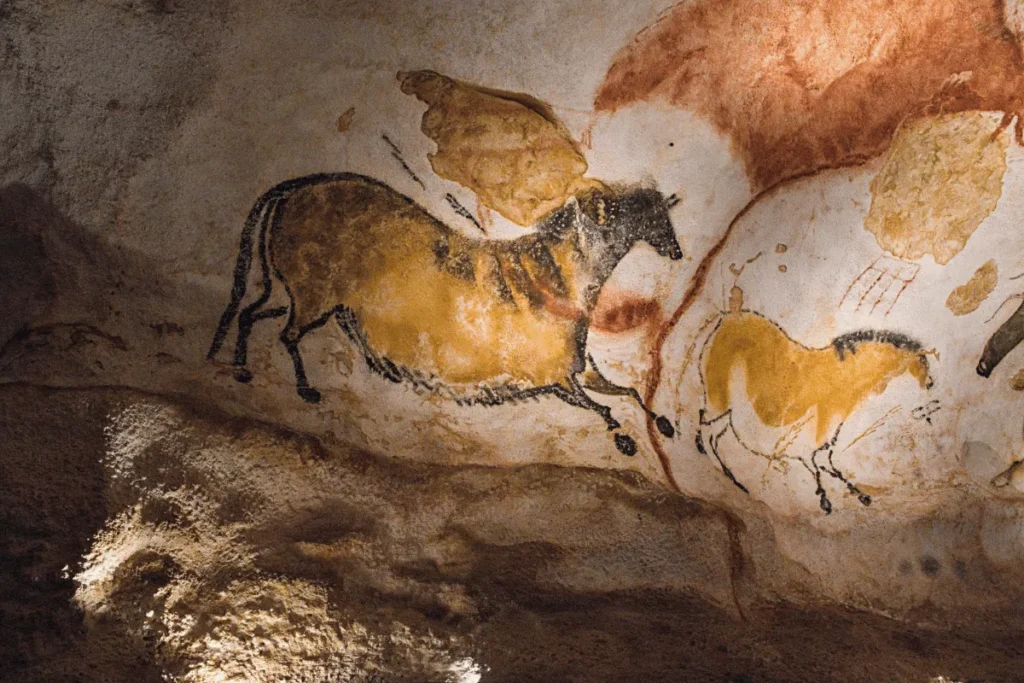
This is the most useful decision to make before booking your days.
The original Lascaux cave has been closed to visitors since 1963 for conservation. Lascaux IV recreates the complete original cave and adds interpretation spaces devoted to Paleolithic art.
Choose Lascaux IV if you want an accessible introduction, are traveling with children, or prefer a visit with extensive interpretation.
Choose Font-de-Gaume or Les Combarelles if entering an original prehistoric cave matters more. Access is much more controlled. Font-de-Gaume involves a steep approach of about 400 meters, narrow passages, darkness, no seating, and an interior temperature of about 14°C. Les Combarelles is around 12°C and also has narrow, low sections.
For older guests or mixed-generation groups, those physical differences may matter as much as the art itself.
Villages Worth Building Into the Route
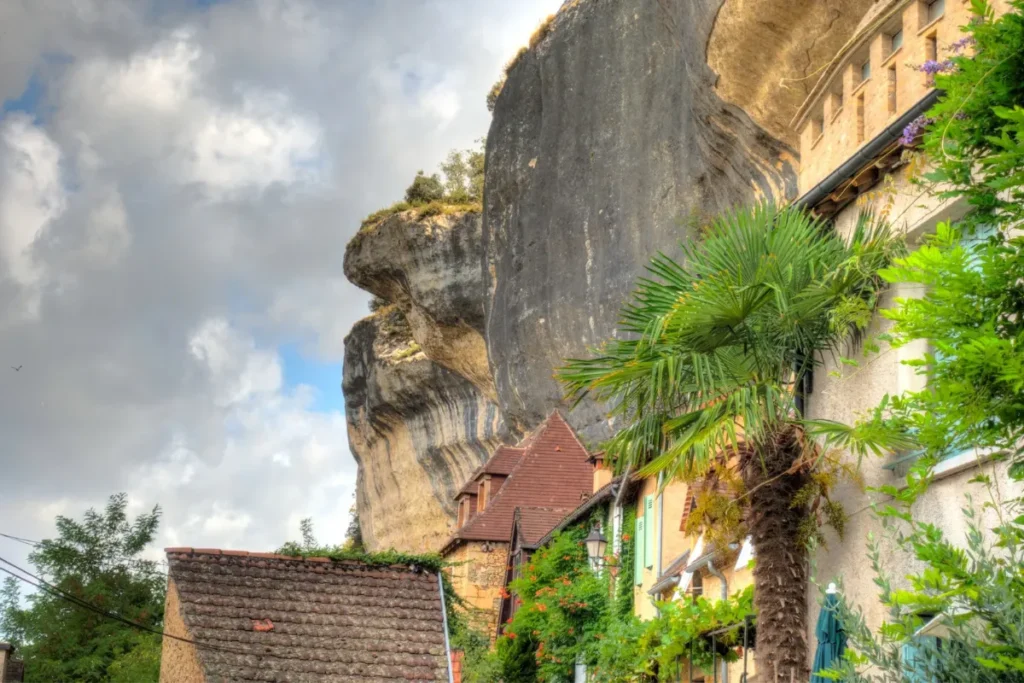
Montignac
Montignac is the natural northern anchor for a prehistoric itinerary because Lascaux IV sits here. It also gives visitors a town base before heading downstream along La Vézère.
Saint-Léon-sur-Vézère
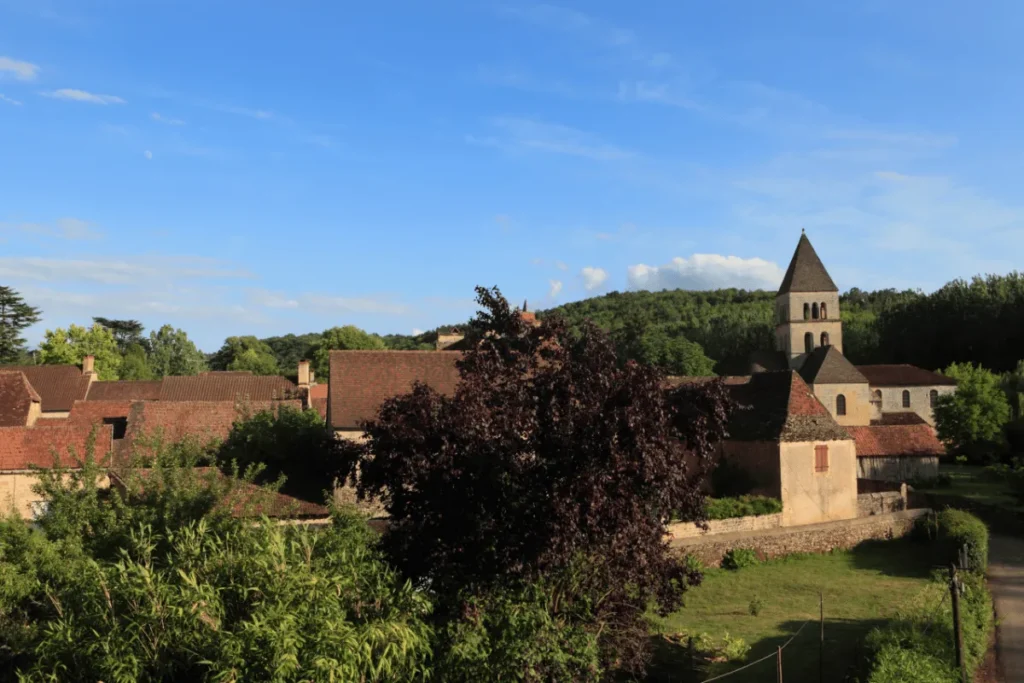
Saint-Léon sits within a bend of the river between Montignac and Les Eyzies. It belongs to the Les Plus Beaux Villages de France network and retains narrow lanes, warm stone houses, a Romanesque church, and direct river access.
It works well when the group needs a quieter interval between structured archaeological visits.
Les Eyzies
Les Eyzies is the strongest base for understanding the valley’s prehistory in context. The National Museum of Prehistory sits here, while Font-de-Gaume, Les Combarelles, and several archaeological shelters lie nearby.
The French Ministry of Culture records an exceptional concentration of decorated caves and shelters around Les Eyzies, making it a logical second anchor after Montignac.
Kayak the Vézère River

Canoeing gives a different view of the limestone cliffs and settlements that shaped human occupation here.
For 2026, the local tourism office lists trips including a 9 km Tursac to Les Eyzies route, taking roughly 1.5 to 2 hours, and a 19 km Saint-Léon-sur-Vézère to Les Eyzies route, listed at around four hours. One operator’s published 2026 season runs from April 4 to September 26.
Check routes, water conditions, operating periods, and prices again for your travel date. A shorter paddle pairs more comfortably with a village visit than with two tightly timed cave reservations.
A Two-Day Slow-Travel Itinerary
Day 1: Montignac and Saint-Léon-sur-Vézère. Start with a pre-booked visit to Lascaux IV. Allow time in Montignac afterward, then follow the river toward Saint-Léon-sur-Vézère. Spend the late afternoon walking through the village or add a short seasonal canoe trip.
Day 2: Les Eyzies and the cliffs. Begin at the National Museum of Prehistory, then visit Font-de-Gaume or Les Combarelles if you secured tickets. Finish at La Roque Saint-Christophe or another cliff settlement rather than adding a third cave.
This pace gives each site enough attention and leaves room for meals, driving, and energy shifts across a mixed-age group.
Practical Planning for Families and Groups
The strictest reservation should shape your itinerary. Font-de-Gaume, Les Combarelles, Cap Blanc, and several archaeological deposits accept limited numbers and require advance online booking. Some visits are recommended only for those aged seven or older.
For a larger group, decide these points before confirming the day:
- Which original cave matters most?
- Who is comfortable with steep or narrow cave access?
- Do children meet the site’s recommended age?
- Does the group want archaeology, a village, or river time after lunch?
- Is everyone returning together, or would two smaller activity groups work better?
A car offers the most flexibility because the major sites are spread across several communes. Les Eyzies does have rail access, but many prehistoric sites sit beyond the village center.
Plan Your Private Château Stay at Château de Lasfonds
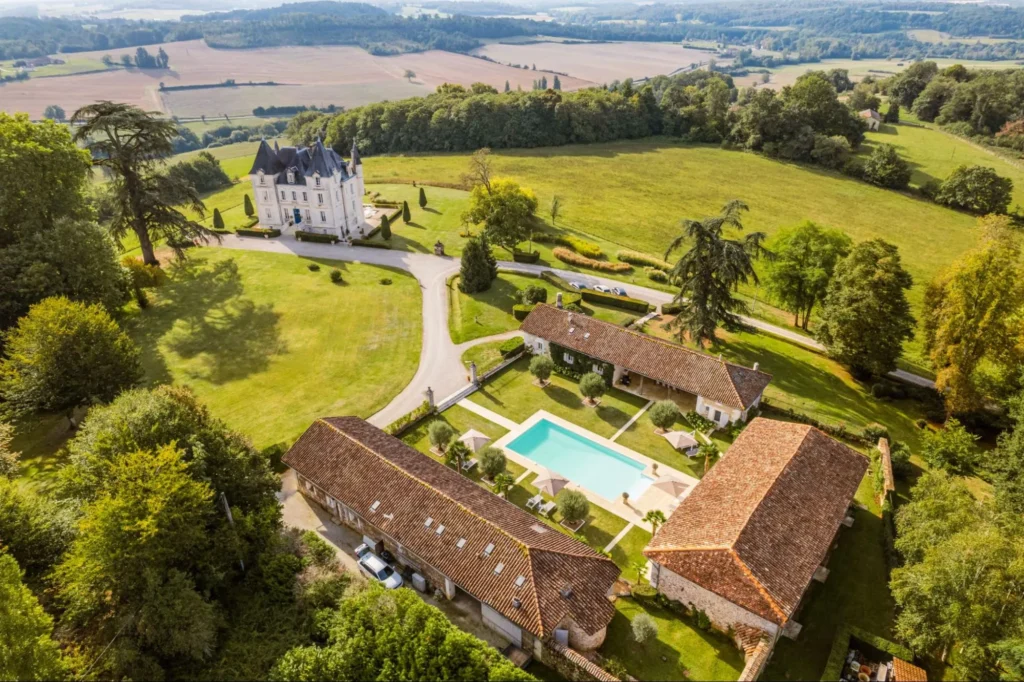
If the Vézère Valley is part of a longer Dordogne and Charente itinerary, Château de Lasfonds gives families and private groups a place to return to between excursion days. The estate accommodates one group at a time, with separate sleeping areas, shared kitchens, workspaces, recreation facilities, and extensive grounds.
Review the current room arrangements and available dates before planning your route, or send an inquiry to discuss the needs of your group.
FAQs
Is the Vézère Valley worth visiting?
Yes, if your trip includes prehistory, archaeology, riverside villages, or outdoor activities. UNESCO’s 15-site World Heritage property gives the area an unusual concentration of internationally significant prehistoric remains.
Where is the Vézère Valley in France?
The principal visitor area runs through Dordogne in Nouvelle-Aquitaine, including Montignac, Saint-Léon-sur-Vézère, Les Eyzies, Le Bugue, and Limeuil.
Is the entire Vézère Valley a UNESCO World Heritage Site?
UNESCO’s World Heritage property consists of 15 specific prehistoric sites. The broader Vézère Valley also holds France’s Grand Site de France designation.
Can you visit the original Lascaux cave?
No. The original cave closed to visitors in 1963 for conservation. Lascaux IV in Montignac provides a complete replica designed for public visits.
How many days do you need in the Vézère Valley?
Two days give first-time visitors a practical introduction: one day around Montignac and Saint-Léon, followed by Les Eyzies and one original cave or cliff site.
Do you need to reserve Font-de-Gaume?
Yes. Visitor capacity is limited for conservation, and the official prehistoric sites service requires online advance reservations for Font-de-Gaume.
Is the Vézère Valley suitable for children?
Several sites work well for families, including Lascaux IV and the National Museum of Prehistory. Some restricted prehistoric sites set recommended minimum ages, commonly seven or older.
Can you canoe or kayak on the Vézère?
Yes. Seasonal operators run several routes along the river, including shorter trips into Les Eyzies and longer descents from Saint-Léon-sur-Vézère.
Do you need a car in the Vézère Valley?
A car makes multi-site itineraries easier because caves, villages, and archaeological sites are dispersed. Les Eyzies has rail access, so a car-free visit centered there remains possible.
When should you visit the Vézère Valley?
Spring through early fall gives access to seasonal river activities and broad attraction schedules. Caves remain cool year-round, so bring a light layer even in summer.