
A great Europe road trip lets you explore historic cities, coastal towns, mountain roads, and quiet villages at your own pace. The challenge is deciding where to go without spending most of your vacation behind the wheel.
Start by choosing a region, matching your route to your travel dates, and allowing at least two nights at destinations you want to explore properly. Research rental cars, tolls, and border requirements before you go.
From the Netherlands and Austria to Italy, Spain, and France, this guide covers the practical steps for planning a European road trip that feels rewarding rather than rushed.
How to Plan a Europe Road Trip That Suits Your Travel Style
Europe has an extensive road network connecting cities, countryside regions, and coastal destinations. However, the right itinerary depends on your travel preferences, available time, and the people joining you.
For a shorter vacation, explore one country or two neighboring regions. With two weeks, you can plan a multi-country journey with several overnight stays. Longer trips allow more freedom for scenic detours and extended visits.
Three approaches work well:
- Circular routes: Start and finish in the same city, making vehicle return arrangements more straightforward.
- One-way routes: Travel between different arrival and departure cities, reducing the need to retrace your journey.
- Regional road trips: Spend several nights in one location and explore nearby destinations through day trips.
For couples, a one-way drive through connected regions can provide variety. Families or larger groups may appreciate fewer accommodation changes and more time to enjoy each destination.
A useful starting point is to plan around experiences rather than counting countries.
European Road Trip Routes Worth Exploring
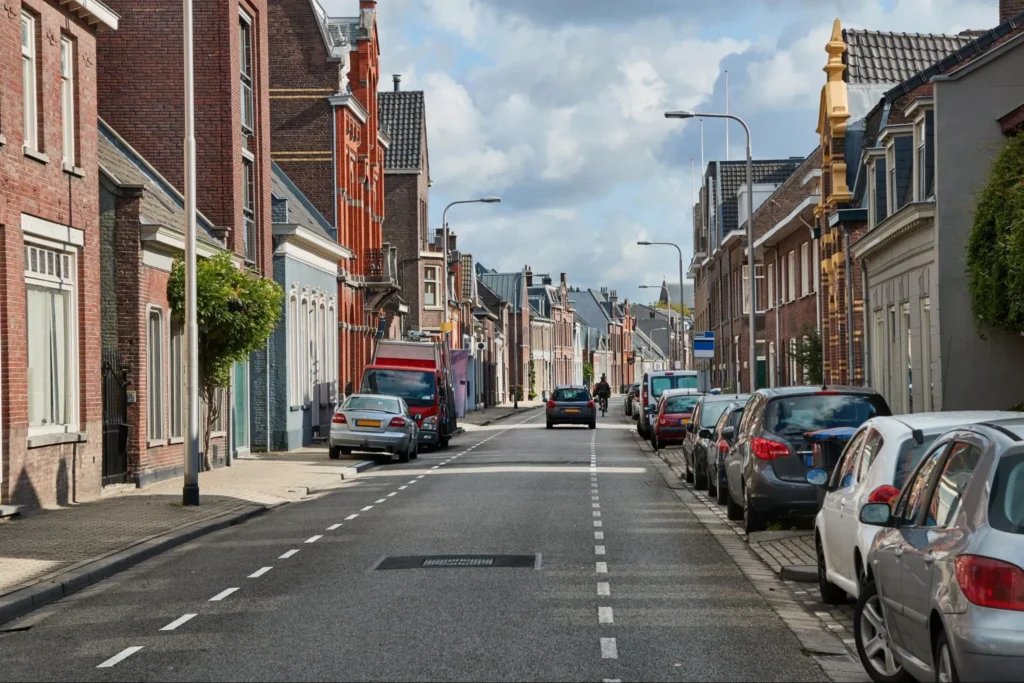
The continent offers numerous self-drive routes, each with a different combination of scenery, culture, and activities.
Here are several options to consider.
| Route | Countries | Suggested duration | Main attractions |
| Western Europe | Netherlands, Belgium, Germany, Austria | 14 days | Canals, historic cities, Rhine Valley, Alpine foothills |
| Alpine Europe | Switzerland, Austria, Italy | 10 to 14 days | Mountain towns, lakes, regional cuisine |
| Iberian Peninsula | Spain, Portugal | 12 to 16 days | Historic centers, Atlantic coast, food culture |
| Central Europe | Czechia, Austria, Hungary | 10 to 14 days | Architecture, museums, cultural heritage |
| France and Northern Spain | France, Spain | 10 to 14 days | Countryside, Basque culture, Atlantic towns |
These are suggested travel windows, rather than fixed driving schedules.
If you enjoy architecture and museums, Western or Central Europe may suit your interests. Travelers drawn to mountain villages and lakes might prefer the Alpine regions.
For a more relaxed car trip around Europe, choose two neighboring countries and stay longer in each region.
A Sample 14-Day Europe Road Trip Across Four Countries
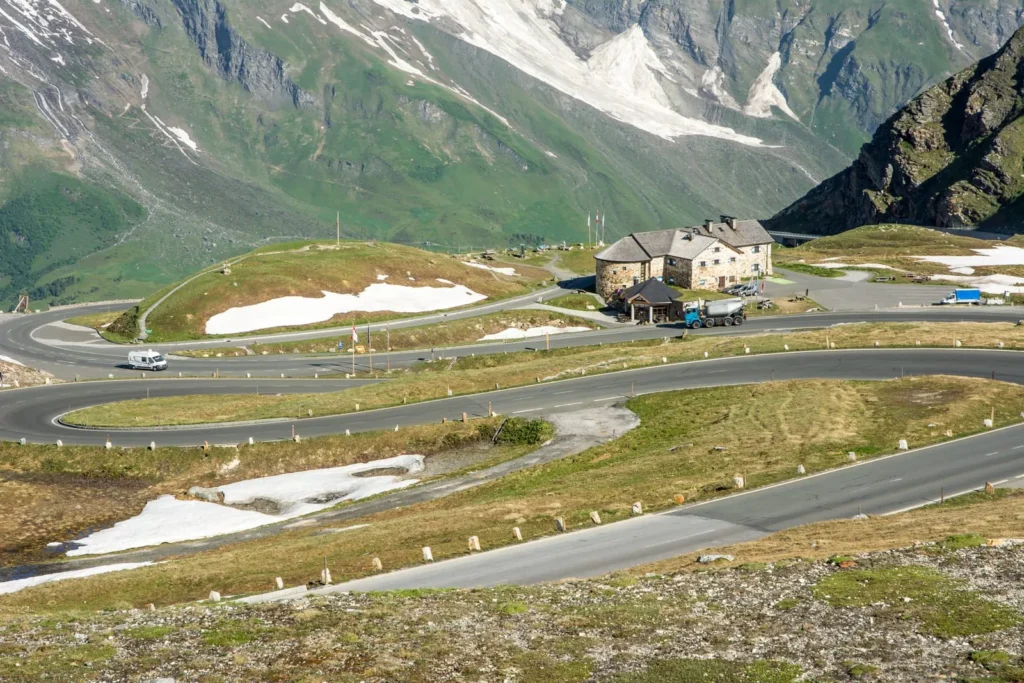
A route through the Netherlands, Belgium, Germany, and Austria offers a practical example of how to connect several destinations without changing accommodation every night.
Suggested itinerary: Amsterdam to Vienna
| Days | Destination | What to experience |
| 1 to 2 | Amsterdam, Netherlands | Canals, museums, neighborhoods, and cafés |
| 3 to 4 | Bruges, Belgium | Medieval streets, canals, and local dining |
| 5 | Cologne, Germany | Cologne Cathedral and the Rhine waterfront |
| 6 to 7 | Rhine Valley, Germany | Riverside towns, castles, and scenic drives |
| 8 to 9 | Munich, Germany | Historic squares, museums, and Bavarian culture |
| 10 to 11 | Salzburg, Austria | Old Town, music heritage, and nearby countryside |
| 12 to 14 | Vienna, Austria | Palaces, museums, coffeehouses, and departure |
Days 1 to 4: Explore the Netherlands and Belgium
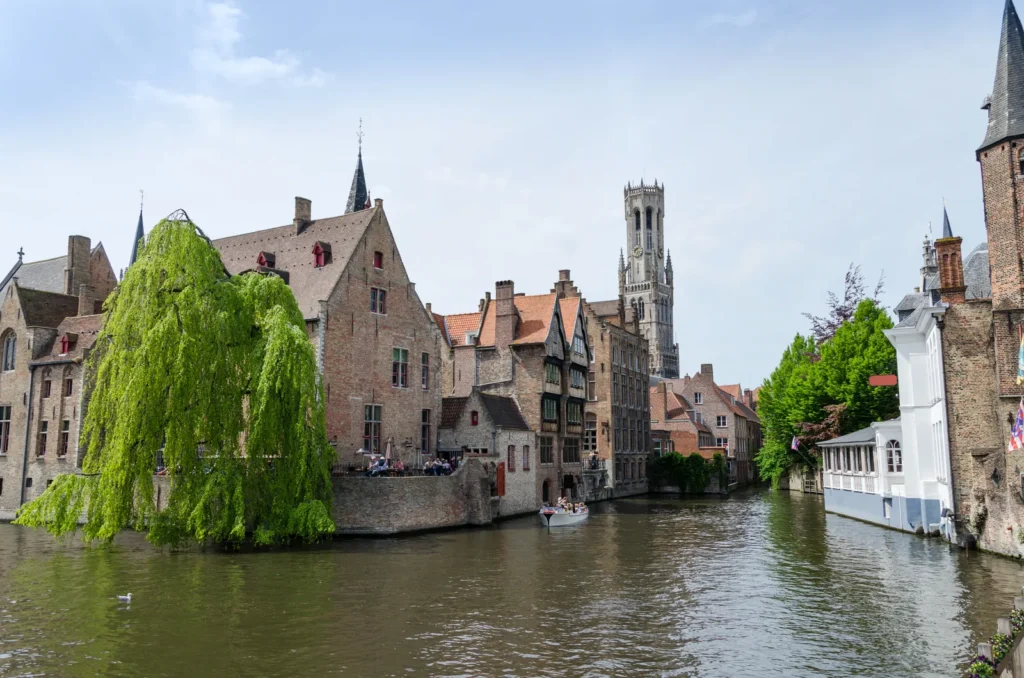
Begin in Amsterdam, allowing time for museums and canal-side neighborhoods. Continue to Bruges, where the official tourism board highlights its UNESCO-listed historic center.
Consider parking outside the center and exploring on foot. Bruges provides official parking and transport guidance.
Days 5 to 9: Discover Germany
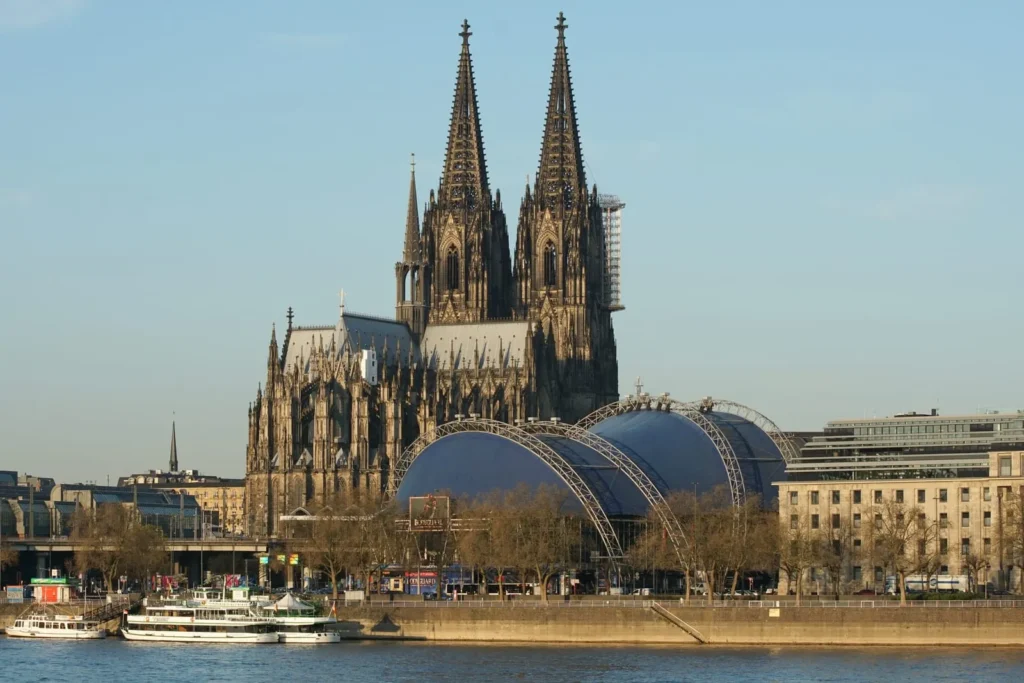
Continue through Cologne and the Rhine Valley before heading toward Munich. Break up the longer transfer south with a lunch stop and time away from the motorway.
Days 10 to 14: Finish in Austria
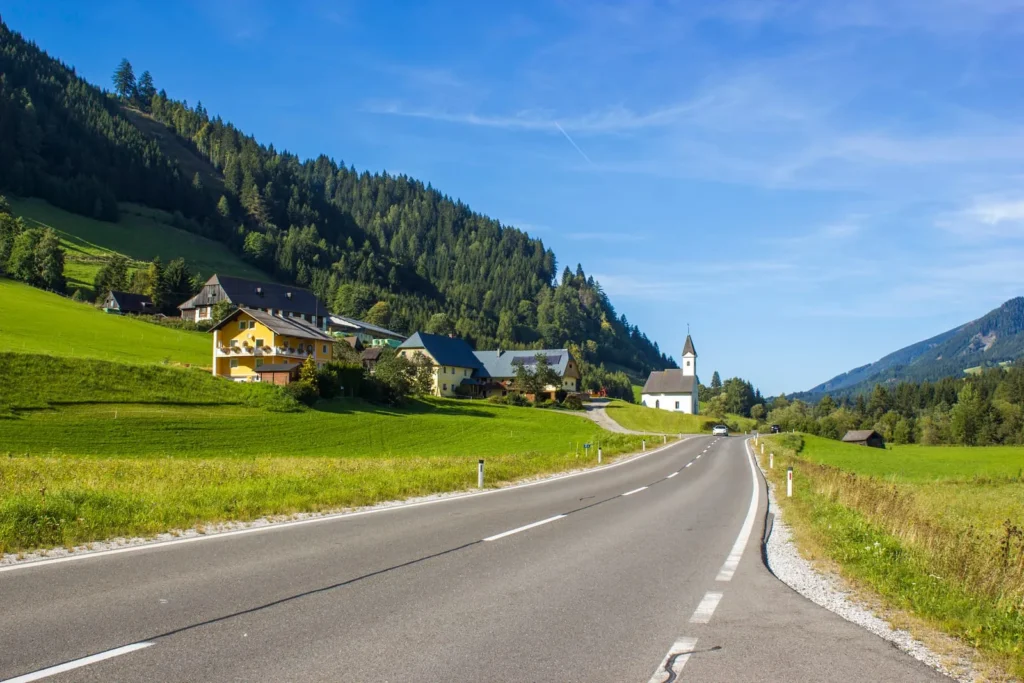
Travel from Munich to Salzburg, then continue to Vienna. Keep time available for museums, local restaurants, and an unplanned afternoon.
This itinerary involves collecting and returning a vehicle in different countries. Confirm permission for international one-way rentals and any additional charges before making reservations.
How to Choose Stops Without Rushing the Journey
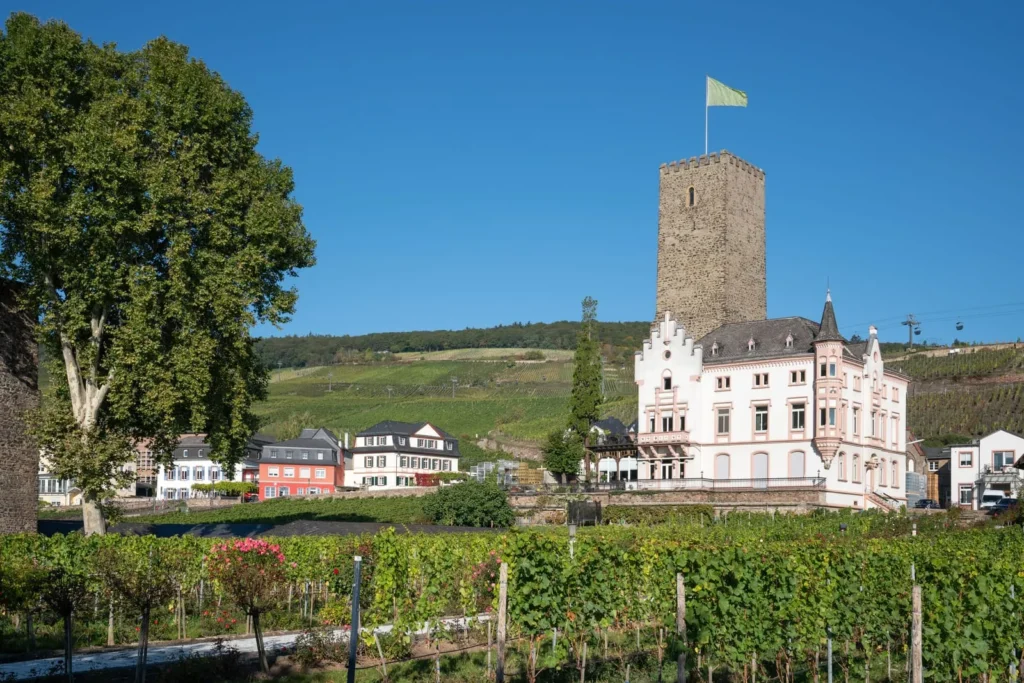
One of the biggest challenges when planning car trips in Europe is deciding how many destinations to include.
A route may appear manageable on a map, but actual travel days include parking, meals, sightseeing, traffic, and rest breaks.
As a planning preference, aim for approximately two to four hours of driving on ordinary transfer days. Longer journeys can work when necessary, but avoid scheduling major sightseeing immediately afterward.
Choose stops based on three factors:
- Location: Does the destination fit naturally between your overnight stays?
- Experience: Does it offer something different from places already on your itinerary?
- Practicality: Can you park, visit, and continue comfortably within the available time?
A village market, museum, waterfront walk, or regional restaurant can make a valuable stop.
For major attractions, consult official websites before traveling. Ticket requirements, opening hours, and access arrangements can change.
Renting a Car and Understanding European Driving Rules
A rental car offers independence, but international road trips require more preparation than driving within a single country.
Check Cross-Border Rental Permissions
Rental companies have different policies for international travel.
The European Union’s official car rental guidance advises you to tell your rental company when you plan to drive through multiple countries.
Before booking, confirm insurance coverage, permitted destinations, additional drivers, mileage limits, and one-way return arrangements.
Review Driving Licenses and Local Regulations
EU driving guidance explains that countries have different speed limits, alcohol restrictions, mandatory equipment rules, and winter driving requirements.
Travelers with non-EU licenses should confirm whether each destination requires an International Driving Permit or translation.
Understand Toll Roads and Environmental Zones
Road charges vary across Europe.
Austria uses a motorway vignette system, with the official ASFINAG website explaining the available products and conditions.
Switzerland also requires a motorway vignette for relevant roads.
Urban restrictions deserve attention, too. Munich, for example, operates a low-emission zone with vehicle sticker requirements.
Check these rules before entering city centers, including when driving a rental vehicle.
Budgeting for a European Road Trip

The cost of a European road trip depends on your route, travel season, vehicle, and accommodation choices.
Rather than setting one daily amount for every country, divide your budget into categories.
| Expense | What to include |
| Transportation | Rental vehicle, fuel or charging, tolls, parking |
| Accommodation | Hotels, apartments, villas, or countryside properties |
| Food | Restaurants, cafés, groceries, and special meals |
| Activities | Museums, attractions, guided visits |
| Additional costs | Insurance options, international return fees, unexpected expenses |
Keep a separate allowance for changes to your itinerary.
Travelers visiting several countries should also review currency and payment arrangements. Not every European destination uses the euro.
Choosing Accommodation for Comfort and Flexibility

Accommodation can significantly shape your European road trip experience.
Hotels work well for shorter city visits. Apartments suit travelers who appreciate kitchen facilities, while countryside villas and private estates can offer more shared space for families or groups.
For longer journeys, consider combining different accommodation styles.
A few nights in a city hotel followed by several nights in a rural property can create a welcome change of pace.
For groups, review bedroom configurations, parking, accessibility, kitchen facilities, and communal areas before booking.
It is also worth coordinating arrival times. Guests traveling on different flights or trains may benefit from an agreed meeting point and a shared travel schedule.
When Is the Right Time for a European Road Trip?
Seasonal conditions vary considerably across northern, southern, and mountainous Europe.
| Season | Advantages | Considerations |
| Spring | Comfortable opportunities for city walks and countryside exploration | Rain and variable mountain conditions |
| Summer | Long daylight hours and outdoor activities | Heat, visitor demand, and busy roads |
| Fall | Regional food experiences and seasonal colors | Shorter daylight and changing weather |
| Winter | Seasonal city events and mountain activities | Snow, ice, and road restrictions |
For Alpine routes, consult weather forecasts and local road authorities before attempting mountain passes.
Southern European itineraries may benefit from early starts during hotter periods, while northern routes require more attention to daylight and seasonal conditions.
Add a Longer Countryside Stay to Your Journey
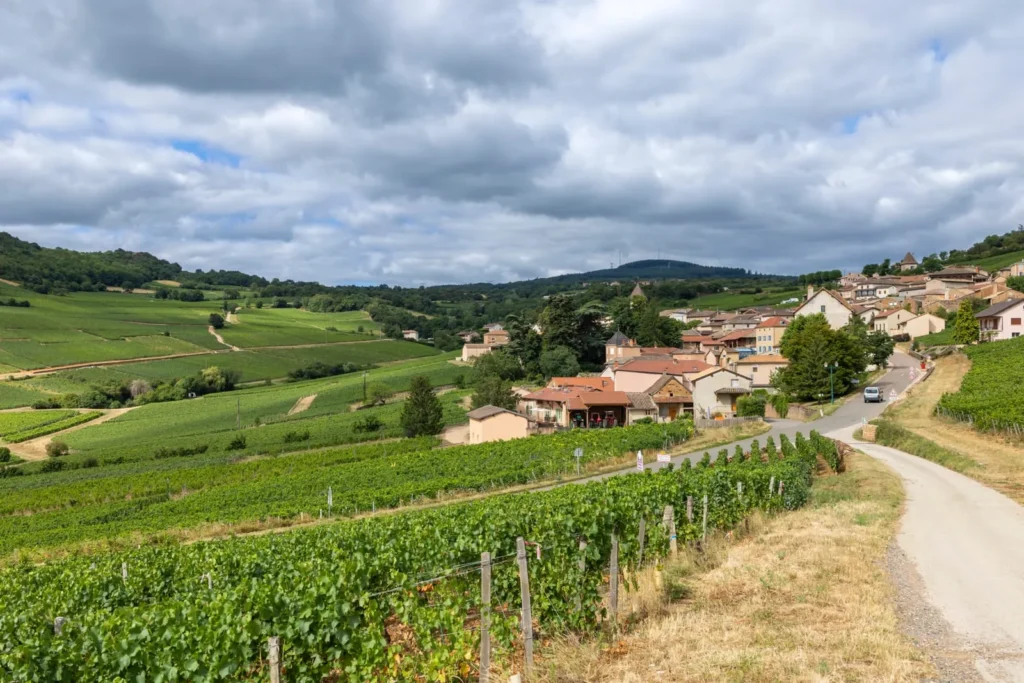
A multi-country itinerary does not need to involve constant movement.
After several days in cities, a longer countryside stop gives everyone time to rest, explore smaller communities, and enjoy regional food.
Travelers passing through western France might base themselves in the Charente or Dordogne area before continuing toward Spain or returning to a major transport hub.
This approach works well for families, couples, and groups who want the freedom of a road trip without changing rooms every night.
Conclusion: Make Your Europe Road Trip Worth the Drive
A memorable European road trip starts with a realistic route and enough time to appreciate the places along it.
Choose connected destinations, check country-specific driving requirements, and plan comfortable overnight stops. Leave some flexibility for discoveries that deserve more time.
The result is a journey shaped around your interests, balancing exploration, relaxation, and the freedom to travel at your own pace.
Plan a French Countryside Stay at Château de Lasfonds
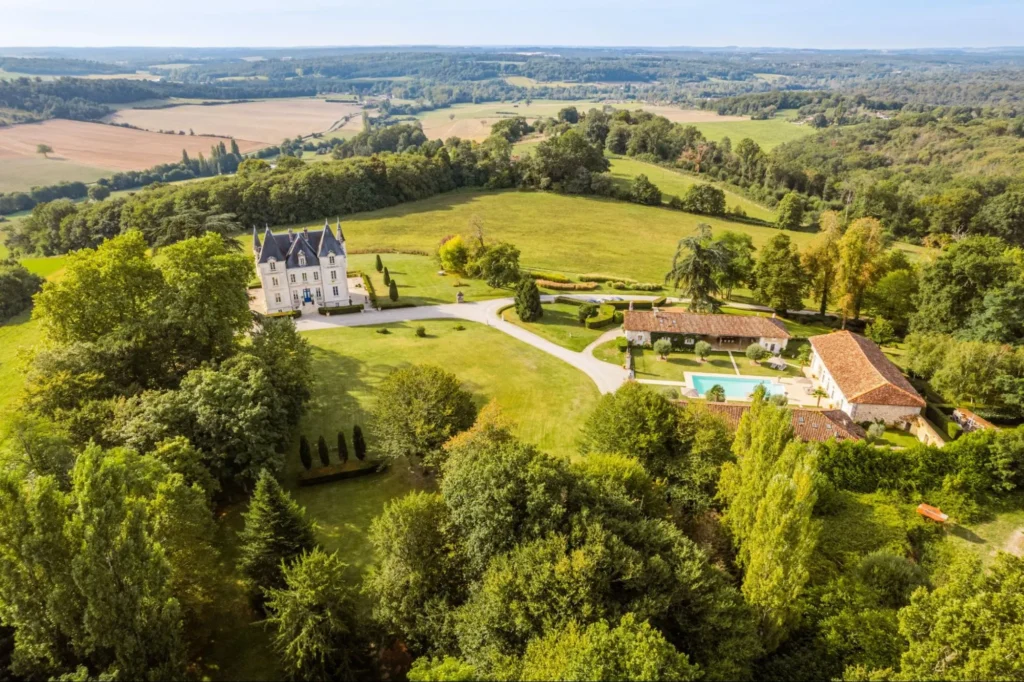
If your Europe road trip takes you through western France, Château de Lasfonds offers a countryside setting for spending time with family or friends.
The 6.5-hectare estate includes a main château, three restored outbuildings, gardens, and shared spaces where groups can gather between regional excursions.
For travelers planning a longer French stop, explore the rooms or send an inquiry to discuss your preferred dates, guest numbers, accommodation arrangements, and whether the property suits your trip.
Frequently Asked Questions About Europe Road Trips
1. How many days do you need for a Europe road trip?
Seven to ten days can work for one region or two neighboring countries. Two weeks lets you visit more destinations, while three weeks offers more flexibility for longer stays and detours.
2. Which European countries are suitable for a first road trip?
You can combine the Netherlands, Belgium, Germany, and Austria into a connected route. France and Spain are another option. Choose countries according to your interests and driving confidence.
3. Can you drive a rental car across European borders?
Yes, when the rental company permits it. Confirm the approved countries, documentation, insurance coverage, and any international fees before collecting the vehicle.
4. Is it better to travel around Europe by car or train?
Trains suit major city connections, while a car offers more flexibility for countryside destinations. A combination of both may be practical.
5. Do you need an International Driving Permit in Europe?
Requirements depend on your license and destination. Check each country’s official driving regulations along your route.
6. How much should you budget for a European road trip?
Costs vary according to vehicle type, fuel, tolls, accommodation, season, and itinerary. Request actual rental quotes and estimate route-specific expenses before setting your budget.
7. Can families with children enjoy a European road trip?
Yes. Plan suitable driving breaks, confirm child-seat requirements, choose family-friendly accommodation, and avoid moving between hotels every night.
8. Are European motorways free to use?
Not everywhere. Some countries charge tolls, while others require motorway vignettes. Check the official road operator in each country before departure.
9. Do you need a visa to drive between European countries?
Generally, travelers legally admitted to the Schengen Area do not need separate visas to drive between Schengen countries, as long as they remain within their permitted stay.
Entry requirements depend on nationality and immigration status, while countries outside the Schengen Area may have separate requirements. Carry valid travel documents, as temporary border checks may apply.
10. How do you make a European road trip more relaxing?
Limit lengthy driving days, stay several nights in selected destinations, reserve essential accommodation ahead of time, and leave room for spontaneous stops.