France becomes much easier to plan once you stop treating the country as one destination. The regions of France differ considerably in travel pace, food traditions, architecture, climate, transport, coastlines, mountains, and the types of stays they suit.
France has 18 administrative regions, including 13 in metropolitan France and five overseas. For a European vacation, compare the metropolitan regions first, then narrow your search to a town or rural base. A well-chosen address matters more than a long sightseeing list.
For a first city trip, Île-de-France may make sense. Wine and rural heritage can lead you toward Burgundy or Nouvelle-Aquitaine. Alpine trips point east, while Mediterranean travel favors Provence-Alpes-C. The right choice depends less on finding a universally superior region and more on deciding how you want to spend your days.
How Do the Regions of France Fit Together?
Metropolitan France includes continental France and Corsica. The five overseas regions are Guadeloupe, Martinique, French Guiana, Réunion, and Mayotte. The official government directory lists the French regions under their administrative names.
For trip planning, use France.fr’s interactive travel map alongside that directory. Tourism maps also use familiar destination names, which do not always follow administrative boundaries. Pin your accommodation and preferred visits before deciding that places belong together in one itinerary.
How Many Regions Are There in France?
Start with the experience you want most. This comparison covers all 13 metropolitan regions. Each region contains enough variety to reward a more focused search.
For a first trip, pair a city stay with one contrasting regional base. Couples might prioritize restaurants and privacy. Families may prefer flexible meals and shorter outings. A reunion or retreat needs comfortable shared space before it needs another attraction.
Which Regions of France Suit Different Types of Trips?
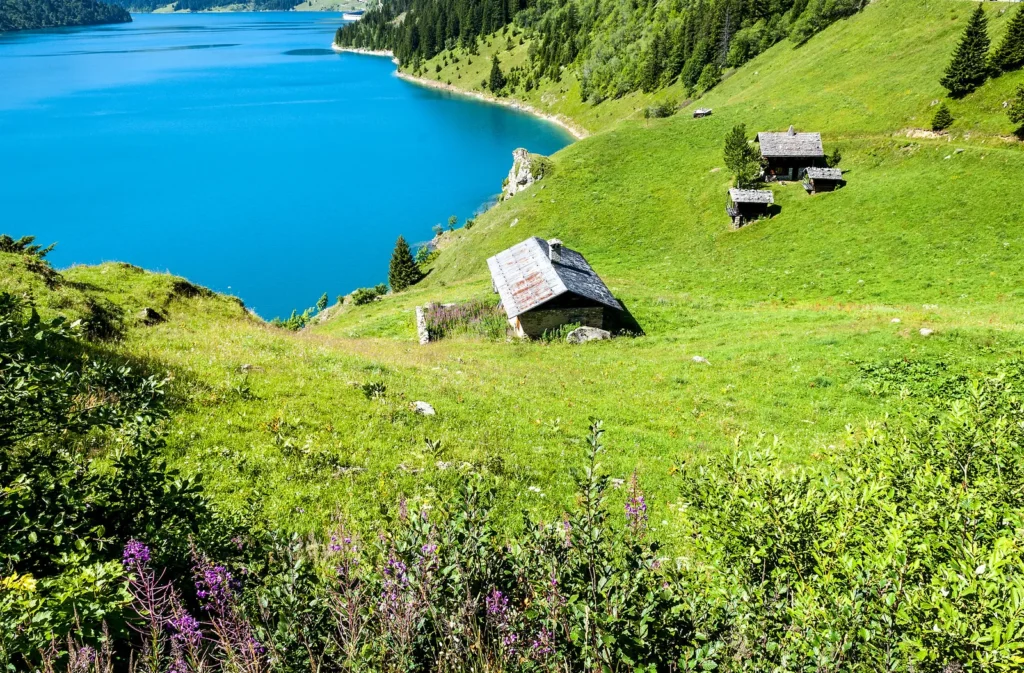
A list of French regions tells you where places sit. It does not tell you where you should stay. Start with the experience you want rather than the regional name.
For Paris, Museums, and a First Visit: Île-de-France
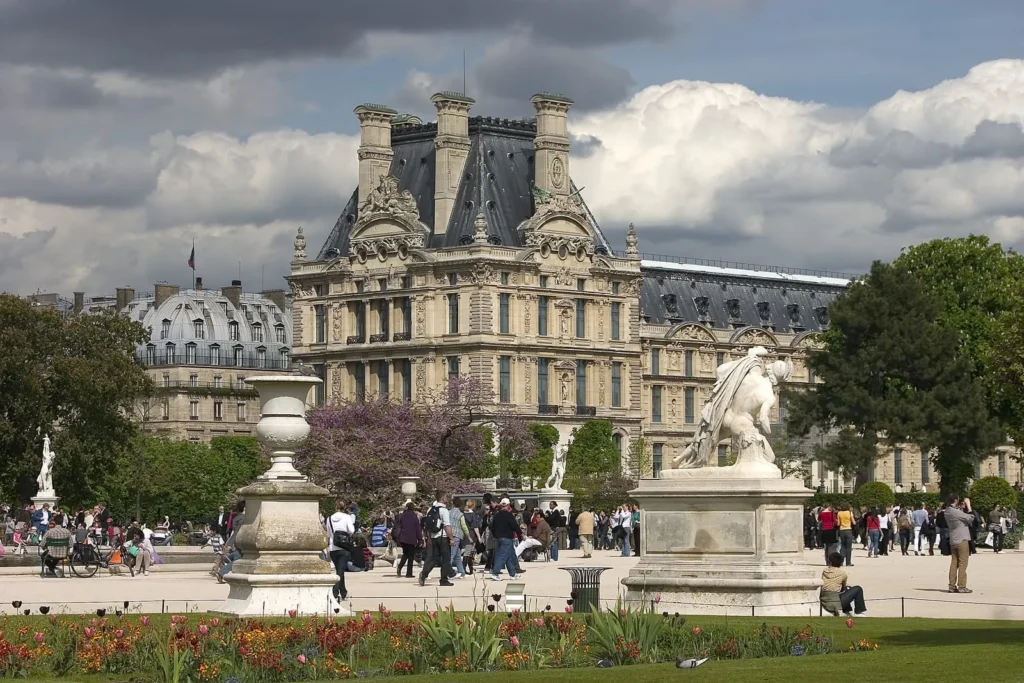
Choose Île-de-France if Paris is the center of your plans. The region offers access to the capital’s museums, monuments, restaurants, shopping districts, and historic neighborhoods, along with destinations beyond central Paris.
It works particularly well for shorter trips because visitors can build several days around one urban base instead of renting a car and changing accommodation repeatedly.
For Châteaux and Renaissance Heritage: Centre-Val de Loire
Centre-Val de Loire is a natural choice for travelers whose priority is visiting historic châteaux. The Loire corridor also suits cycling and itineraries that combine several smaller towns with major heritage sites.
This region rewards travelers who want structured sightseeing during the day and a quieter pace in the evening.
For War History and the Channel Coast: Normandy
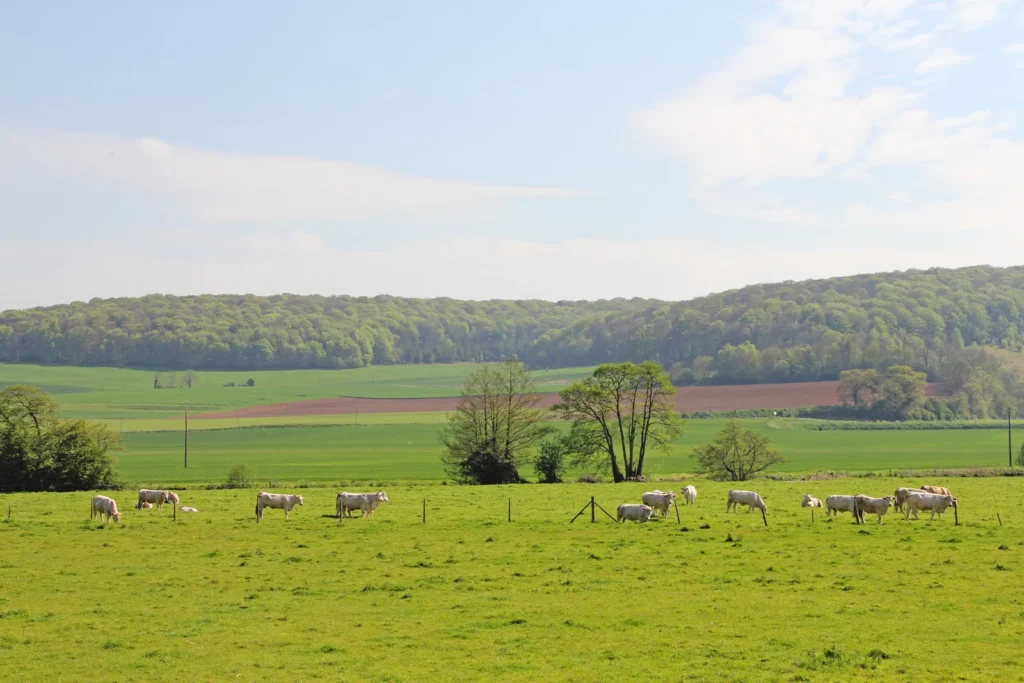
Normandy combines major historical sites with ports, beaches, rural towns, and dramatic coastal areas. Campus France highlights the D-Day beaches, Mont-Saint-Michel, Fécamp, and sites connected with William the Conqueror.
It is a strong choice for multigenerational families when different members of the group are interested in history, food, towns, and the coast.
For Atlantic Character and Maritime Culture: Brittany
Brittany has a strong regional identity shaped by its coast and Celtic heritage. Rennes and larger towns pair well with fishing ports, coastal walks, seafood, and smaller communities farther west.
Travelers planning a road trip usually gain more freedom than those trying to cover rural Brittany solely by rail.
For Alsace, Champagne, and Eastern France: Grand Est
Grand Est contains several very different travel areas. Strasbourg offers an urban and architectural base, Alsace offers villages and wine routes, and Champagne draws travelers interested in its namesake wine-producing region.
The Vosges add an outdoor component for travelers who want to combine towns with hiking and rural stops.
For Wine and Food: Bourgogne-Franche-Comté
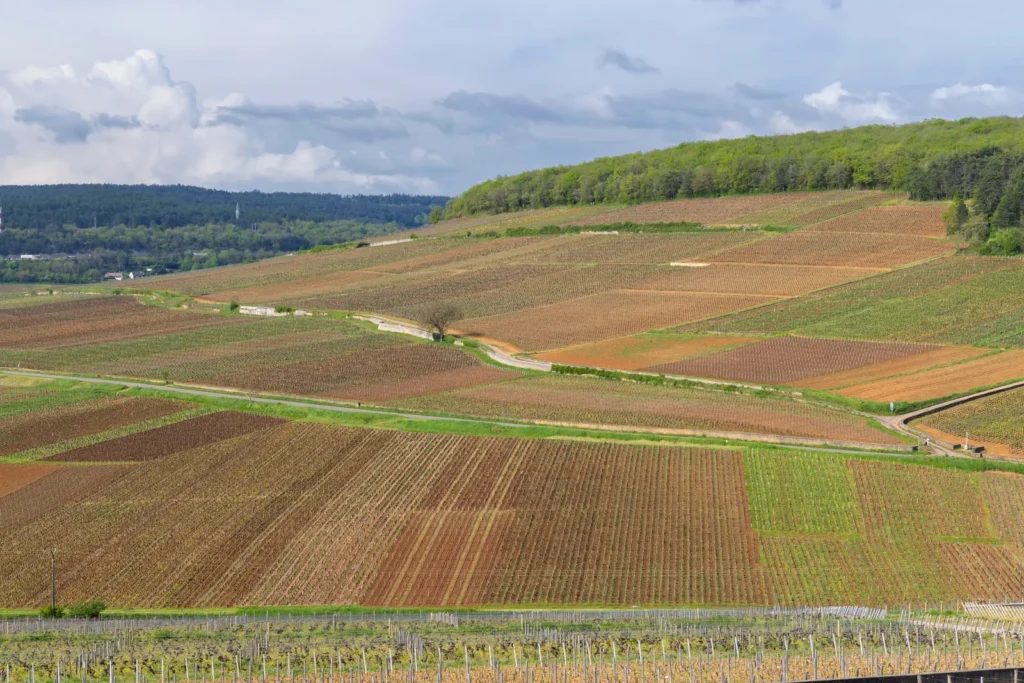
Burgundy remains one of France’s most recognizable wine destinations, while the wider Bourgogne-Franche-Comté region reaches east toward the Jura.
This area suits travelers who prefer meals, vineyard visits, historic towns, canals, and countryside drives to packed sightseeing schedules.
For Mountains, Lakes, and Lyon: Auvergne-Rhône-Alpes
Auvergne-Rhône-Alpes gives travelers several distinct trip formats. Lyon provides a city and gastronomy focus, Annecy adds a lakeside stay, and the Alps serve travelers interested in skiing, hiking, or mountain resorts.
Campus France also identifies Mont Blanc, Lake Annecy, and Lyon among the region’s principal travel draws.
For Provence and the Riviera: Provence-Alpes-Côte d’Azur
This southeastern region works well when your priorities include Mediterranean towns, Provence villages, coastal stays, Marseille, or the French Riviera.
The main planning question is pace. A coastal hotel, inland villa, and village-based road trip produce very different vacations even within the same administrative region.
For the Pyrenees, Toulouse, and the Mediterranean: Occitanie
Occitanie stretches from the Pyrenees to the Mediterranean and contains Toulouse, Montpellier, smaller historic towns, rural areas, and mountain destinations.
It suits travelers who want to combine an urban stop with several days on the road rather than spending their entire trip in one famous resort area.
How Can You Narrow the Choice?
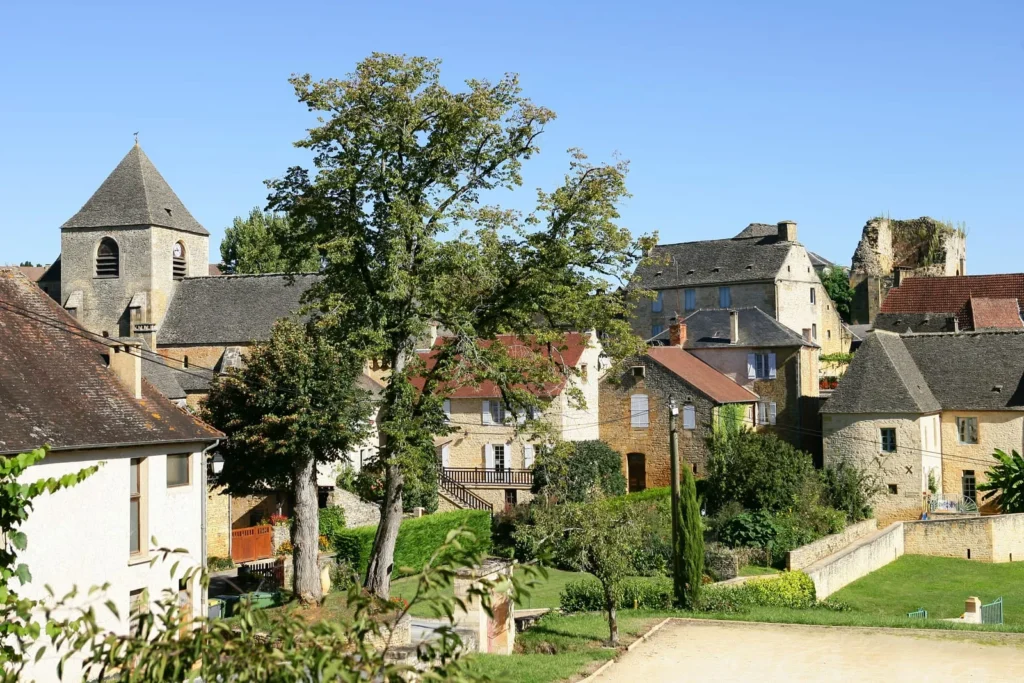
Ask each traveler to name one essential experience and one practical limit. These could include a museum visit, a beach afternoon, a maximum driving distance, or stairs they cannot manage. Compare the answers before choosing accommodation.
Then test each shortlisted base against three questions:
- Can you reach the activities that matter without exhausting travel days?
- Will everyone enjoy the accommodation on a day without sightseeing?
- Does the total plan leave enough room for meals, rest, and different interests?
Regional identities can also guide your choice. Brittany’s crêpes and buckwheat galettes offer a different food experience from the walnut traditions of Périgord. Choose food experiences your group actually enjoys, rather than collecting famous addresses.
How Should the Season Shape Your Plans?
France’s geographic diversity brings substantial climate differences. Météo-France distinguishes Atlantic, inland, mountain, and Mediterranean conditions. Mediterranean summers are generally hot and dry; Atlantic coastal areas receive rain year-round. Mountain conditions change with altitude.
Match the season to your priorities:
- Spring: Choose gardens and village visits, with indoor alternatives for wet days.
- Summer: Plan shade, suitable bedroom cooling, and breaks during hot afternoons.
- Fall: Build a food-focused trip, checking each producer’s visitor arrangements.
- Winter: Prioritize comfortable interiors and confirmed opening dates for planned outings.
A seasonal photograph cannot confirm the conditions during your stay. Check the local forecast and each attraction’s calendar as you near departure.
What Should Groups Check Before Renting a Château?
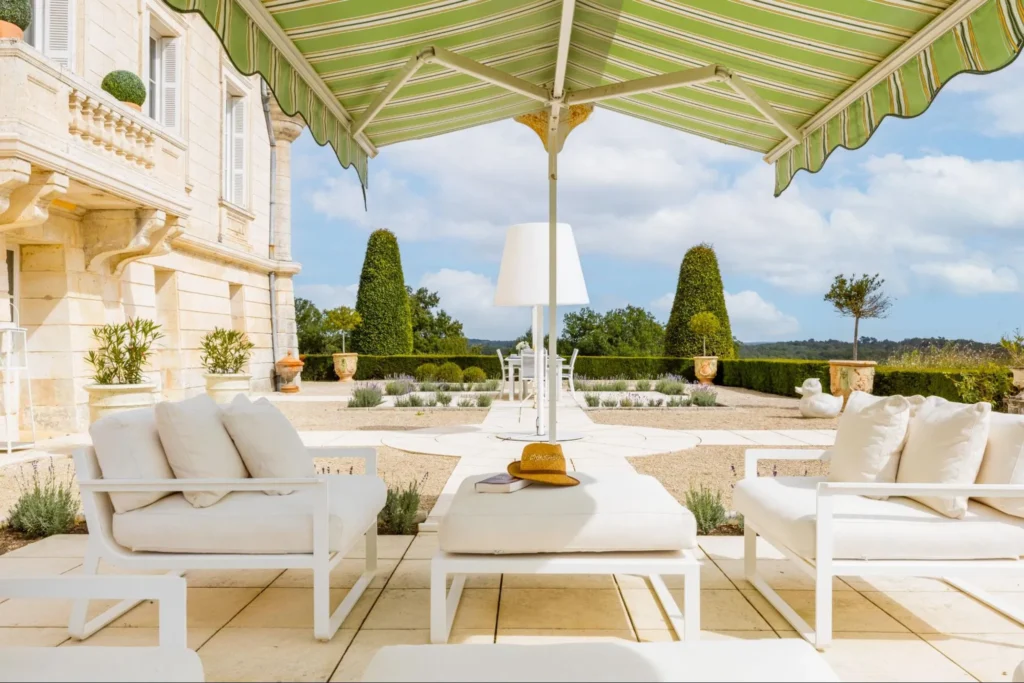
Treat room allocation as part of choosing the destination. A property that sleeps your group may still require compromises over stairs, bathrooms, or separate buildings.
Create a simple room list with these columns: guest names, bed arrangement, bathroom access, floor, and distance from shared spaces. Keep young children’s sleeping arrangements close to their caregivers. Ask guests with limited mobility which access details they need confirmed.
Before committing, ask:
- Which buildings and facilities does the rental include?
- Can everyone sit together for meals indoors?
- What are the distances and paths between sleeping areas?
- What pool access and heating apply to the proposed dates?
- Which services require separate arrangements and payment?
- What event permissions, visitor limits, and indoor arrangements apply?
Corporate groups should also confirm workspace privacy and internet suitability for simultaneous calls. Wedding groups need written agreement on their proposed celebration.
Plan Your Private Château Stay at Château de Lasfonds
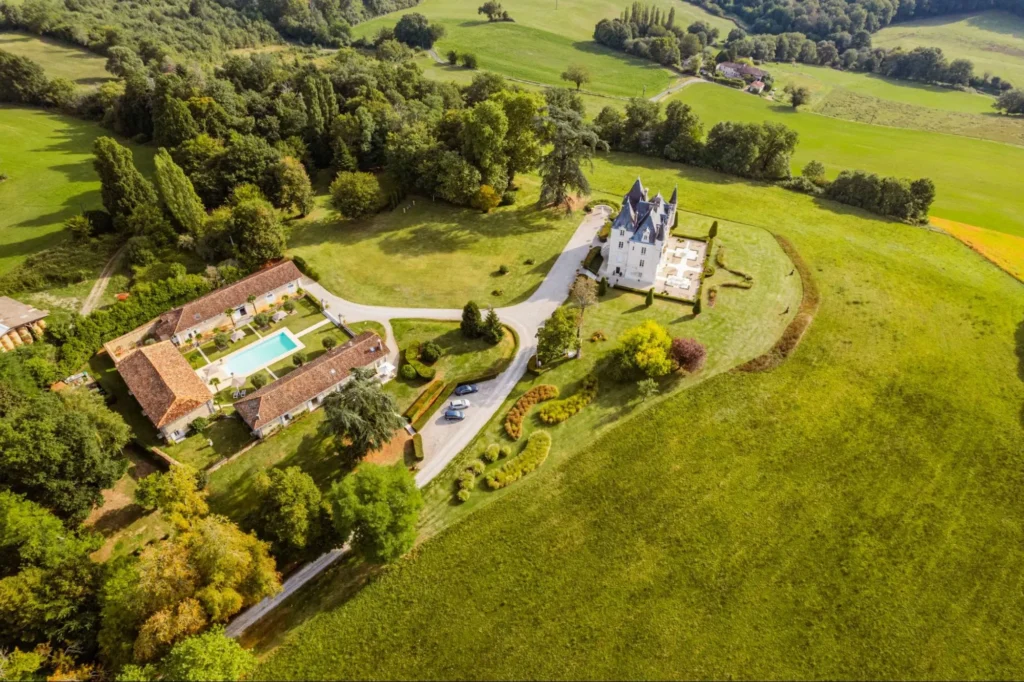
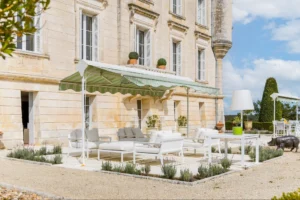
Château de Lasfonds offers a countryside base on the Charente-Dordogne border in Nouvelle-Aquitaine. The 6.5-hectare estate includes the main château and three restored outbuildings, with gardens, a games room, and a gym area.
The whole-estate option accommodates up to 18 guests. Its separate accommodation areas deserve careful room planning for families or friends traveling together.
For arrivals, compare date-specific Paris-Angoulême trains on SNCF Connect. Direct TGV services operate on this route, but journey lengths vary. The estate’s arrival guide estimates approximately 35 minutes by car from Angoulême, depending on the route and traffic.
Pre-arrange transportation or car rental, allowing time for luggage, collection, and groceries. Keep arrival evening free of timed visits. For a week-long stay, alternate regional outings with days at the property instead of scheduling an excursion every morning.
Explore the rooms, then send an inquiry with your preferred dates and group requirements. The château can recommend external chefs and connect you with a local concierge provider; confirm these additional arrangements separately.
Choose a Base That Makes the Week Work
Use the regional map to shortlist possibilities, then test the actual address against your group’s needs. The right choice gives everyone something to enjoy while leaving enough time to enjoy it together.
Frequently Asked Questions
Why Do Older Maps Show 22 Metropolitan Regions?
The 2016 territorial reform merged several regions, reducing the metropolitan total from 22 to 13.
Is Provence an Administrative Region?
Provence is a historic area and travel destination. On administrative maps, look for Provence-Alpes-Côte d’Azur.
Is Alsace Still a Separate Region?
Alsace retains its cultural identity, but the 2016 regional merger placed it within Grand Est, alongside Lorraine and Champagne-Ardenne.
Does the Loire Valley Mean Centre-Val de Loire?
The names are not interchangeable. The UNESCO-listed Loire Valley extends across Centre-Val de Loire and Pays de la Loire.
Is Mont-Saint-Michel in Brittany or Normandy?
Mont-Saint-Michel is in Normandy, close to Brittany. The wider bay offers places to explore on both sides.
Is Dordogne a Region?
Dordogne is a department within Nouvelle-Aquitaine. Périgord is the historic area closely associated with it.
Is Corsica Part of Metropolitan France?
Yes. Metropolitan France includes continental France and Corsica, despite the island’s separation from the mainland. The government’s regional directory lists Corse.
Is Paris the Name of a French Region?
Paris is a city within Île-de-France. The wider Paris Region includes destinations such as Versailles and Fontainebleau.
Which Region Includes the French Basque Country?
The French Basque Country lies within Nouvelle-Aquitaine. Biarritz is one of its coastal destinations and has strong Basque cultural ties.
Can You Enjoy a Vineyard Area Without Wine Tastings?
Yes. Choose gardens, architecture, markets, and walks, then tailor the itinerary to your interests rather than its wine-region label.