Is Paris, France, expensive for travelers? Yes, Paris can feel expensive, but the actual cost depends on timing, hotel location, transportation habits, museum pacing, and how long you stay in the city. The travelers who overspend usually make small, everyday convenience choices and then are shocked by the final total.
Paris does not punish every traveler in the same way. A couple staying near the Seine during peak season will face a very different cost profile than a family staying near a strong metro line in a quieter district. A first-time visitor who takes taxis between landmarks will spend differently from someone who groups each day by neighborhood. A traveler who books every famous museum separately may spend more than someone who plans two focused cultural days.
That is why the question of Paris, France, being expensive to visit needs a practical answer. Paris can be costly, but it becomes much more manageable when you understand where the money actually goes. The biggest pressure usually comes from hotel pricing, airport transfers, rushed restaurant choices, and poorly planned sightseeing. The easiest savings come from better geography, smarter timing, and a balanced Paris-plus-countryside route.
A good Paris budget should not feel like punishment. You do not need to skip cafés, avoid museums, or stay far from everything. You need to spend with intention. Paris rewards travelers who know when location matters, when a pass makes sense, and when a slower countryside stay can add more value to the trip as a whole.
Why Paris Feels Expensive Compared With the Rest of France
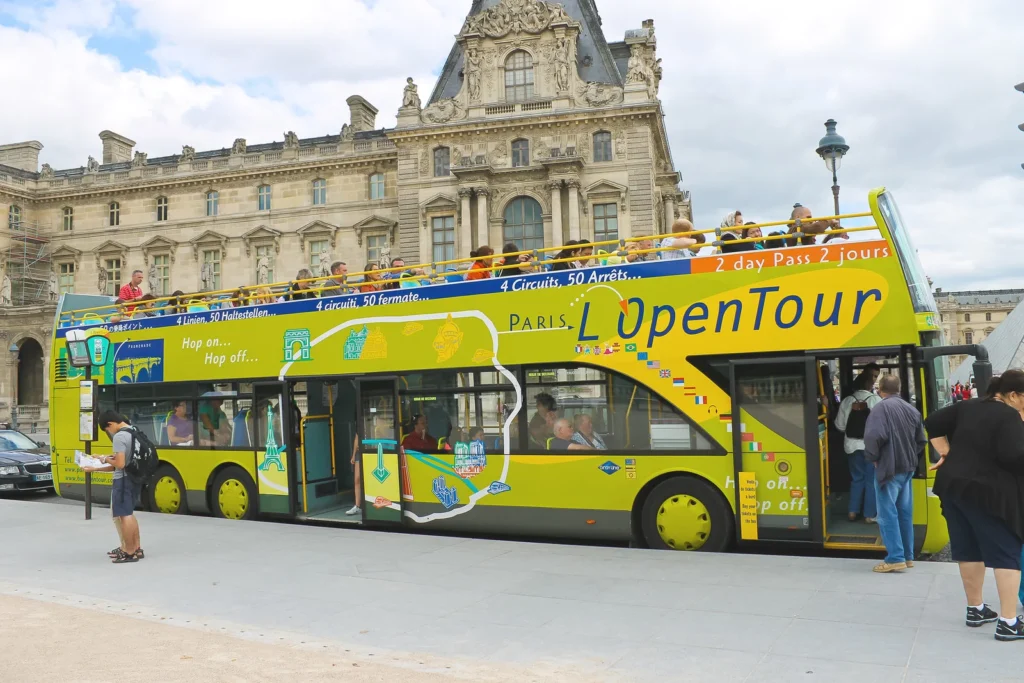
Paris feels expensive because travelers pay for location, limited hotel space, constant demand, and convenience. Hotel occupancy stayed high through late 2025, with INSEE showing Paris hotel occupancy above 79 percent in November and December. That demand keeps weak last-minute deals from feeling like real bargains.
The biggest pressure comes from accommodation. Central Paris rooms often cost more and offer less space than rooms at hotels in smaller French cities. The price usually reflects the address, metro access, and walking distance to major sights. It does not always reflect room size, comfort, or service quality.
Transport can also increase daily costs if travelers rely on taxis for short rides. A standard Metro Train RER ticket costs €2.50, while a Bus Tram ticket costs €2. That makes public transport one of the easiest ways to keep Paris spending predictable.
Accommodation also carries extra local charges. Paris tourist tax varies by accommodation category and can run from €0.65 to €15.60 per person per night. This charge may appear separately at checkout, so travelers should include it when comparing hotel rates.
The itinerary matters as much as the prices. Visitors often place the Louvre, Eiffel Tower, Montmartre, Le Marais, Saint Germain, and Versailles into a short stay. That schedule increases taxis, rushed meals, luggage storage, and convenience spending. A tighter neighborhood-based route controls costs better than a longer list of sights.
Paris becomes expensive when the plan forces paid shortcuts. A better budget starts with location, transit access, timed sights, and meal planning near each day’s route.
How Much Should You Budget Per Day in Paris?
| Budget Category | Current Paris Cost Marker | Practical Planning Range | How to Use This in Your Budget |
| Hotel room | Use your live hotel quote, then add the tourist tax | Varies sharply by season and location | Price accommodation first because it controls the whole trip budget. Add tourist tax per person, per night. |
| Paris tourist tax | €2.60 to €15.60 per person, per night | Most hotel stays fall between €5.53 and €11.38 | Check the hotel category before booking. This charge may appear separately from the room rate. |
| Metro and local transport | €2.55 per Metro Train RER ride | €5.10 to €12.75 per day | Budget two to five rides per day, depending on how central your hotel is. |
| Airport transfer by public transport | €14 each way | €28 round trip per person | Add this separately because airport travel costs more than normal city transport. |
| Major museum or monument ticket | Louvre: €22 to €32 | €15 to €40 per paid sight | Use this for single attraction days. Prices rise when you add guided tours or special access. |
| Eiffel Tower visit | €14.80 to €36.70 for standard adult tickets | €15 to €37 per person | Budget more if you want lift access to the top, rather than stair access or second-floor-only. |
| Paris Museum Pass | €85 for 2 days, €105 for 4 days, €125 for 6 days | Best for heavy museum schedules | Use this only if you plan several covered visits within a short time window. |
| Food and drinks | No fixed official rate | €35 to €85 per person, per day | Keep breakfast simple, plan lunches away from major sights, and leave room for one nicer meal. |
| Flexible daily spending | No fixed official rate | €15 to €40 per person, per day | Use this for cafés, pastries, drinks, taxis, souvenirs, and last-minute comfort spending. |
The Real Paris Cost Categories Travelers Should Plan First
The biggest expenses in Paris are accommodation, food, transport, attractions, and impulse spending. Accommodation usually has the largest impact on the total budget, while food and transport determine how much you spend each day.
Accommodation comes first because location affects everything else. A cheaper hotel outside your main areas can lead to longer journeys, more transport costs, and less flexibility. A centrally located hotel often reduces daily spending and saves time.
Transport is the next priority. The Metro is affordable and extensive, connecting most major attractions. Visitors who rely on taxis frequently see their costs rise quickly.
Food varies by location and planning. Areas around major attractions often charge higher prices. Planning lunch and dinner locations in advance helps avoid expensive convenience purchases.
Attractions can add up quickly. Museum entries, guided tours, river cruises, and day trips should be included in the budget before arrival.
Finally, set aside a small amount each day for unexpected expenses. Coffee stops, pastries, drinks, souvenirs, and occasional taxis are common purchases that can gradually increase the overall cost of the trip.
Hotel Pricing Is Where Most Paris Budgets Break
Hotel pricing often decides the full Paris budget. A small nightly difference can add up to a major cost over four or five nights.
Do not judge value by star rating alone. A simple hotel near a useful Metro station can work better than a prettier hotel with poor connections. Location, quiet rooms, luggage storage, and easy food options matter more than extra décor.
Check the total room cost before booking. Breakfast, tourist tax, cancellation terms, and airport access can change the real price. A cheaper hotel far from your plans may also increase transport costs.
Avoid choosing only around the Eiffel Tower, the Louvre, or Saint Germain. These areas can be convenient, but they often carry higher rates. Nearby neighborhoods with strong Metro links can offer better value.
Before booking, ask four questions.
- Can you reach your first major sight easily in the morning?
- Can you return for a rest without wasting the day?
- Can you find a place to eat nearby without relying on tourist streets?
- Can you reach the train station or airport transfer point without stress?
If the answer is yes, the hotel may justify a higher nightly rate. If not, the cheaper room may cost more in time, taxis, and frustration.
Museum Passes Need Math, Not Assumptions
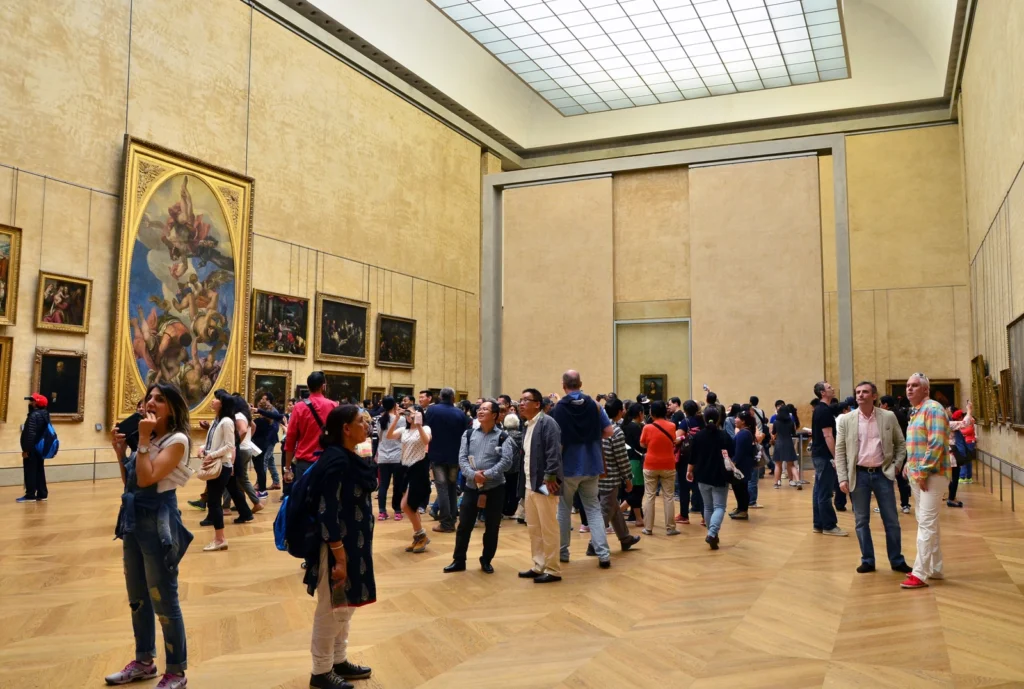
A Paris Museum Pass only saves money if you visit enough paid sites within the pass window. Do not buy it just because it feels convenient.
The pass works best for travelers who plan several major sites close together. Louvre, Versailles, Sainte Chapelle, Arc de Triomphe, and Musée d’Orsay can make the pass worthwhile if the schedule is realistic.
It works less well for slower trips. One major museum per day may not justify the cost, especially if you prefer longer visits and lighter sightseeing days.
Before buying, list the paid sites you actually want to visit. Add the individual ticket prices. Then compare that total with the pass price.
Also, check your timing. If the pass saves money but forces rushed museum days, it is not a good value.
Finally, confirm reservation rules before you go. Some sites still require timed entry, even when admission is covered by the pass.
Metro vs Taxi Is a Budget Decision and a Pacing Decision
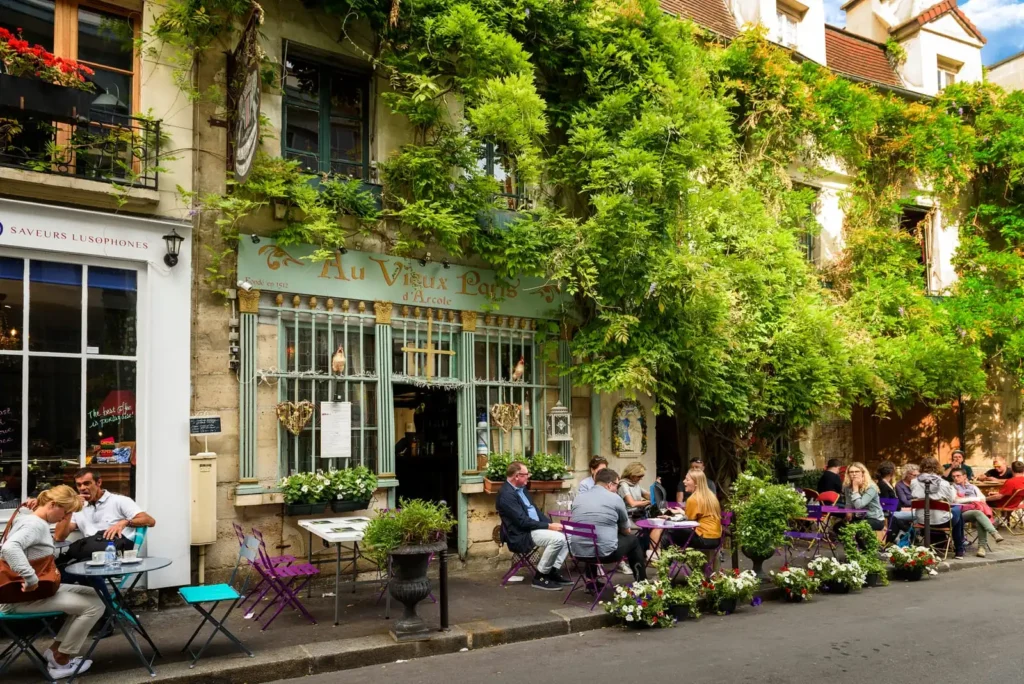
Metro and taxi costs affect both your budget and your energy. The Metro keeps daily transport cheap and predictable. Taxis cost more, but they can help when luggage, rain, fatigue, or late nights make public transport harder.
Use the Metro for normal sightseeing. It works well for central routes, train stations, museums, shopping areas, and neighborhood days.
Use taxis only for specific moments. Airport arrivals, tired children, mobility limits, heavy bags, late dinners, and bad weather can justify the higher cost.
Do not let taxis become the default. Several short rides in one day can cost more than a museum ticket or a good meal.
Plan airport transfers separately. Paris has fixed taxi fares between the main airports and the city, so this cost is easier to budget in advance.
Inside Paris, group nearby sights together. Louvre, Tuileries, Palais Royal, and covered passages work well on one route. Le Marais, Notre Dame, and Île Saint Louis also fit naturally together.
Good grouping reduces walking fatigue, limits transportation costs, and keeps the day running more smoothly.
Food Costs Rise When You Eat Reactively

Paris food costs rise when you choose meals only after you are tired and hungry. Plan around neighborhoods, not landmarks.
Breakfast is the easiest meal to control. Skip hotel breakfast unless it saves time for an early start. A bakery breakfast often costs less and feels more local.
Plan lunch before the day begins. Choose bakeries, crêperies, market streets, or simple brasseries near your route. This avoids overpriced meals beside major sights.
Spend more carefully at dinner. Pick one or two meals that matter, then keep other evenings simple. This gives better value than paying for average restaurants every night.
Do not choose restaurants solely based on their distance from famous attractions. Walk a few streets away, check the menu first, and avoid places with aggressive street calling.
A smart Paris food rhythm is simple. A bakery breakfast, a casual lunch, a planned dinner, and a small café budget usually work better than reactive spending.
Crowd Seasons Change the True Cost of Paris
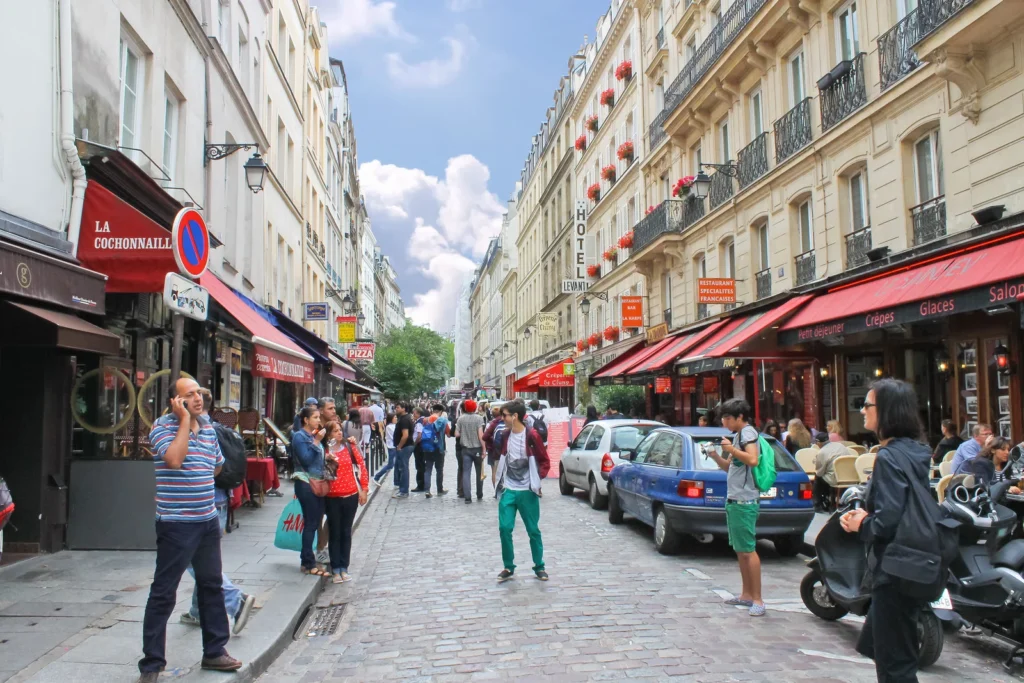
Crowd seasons change more than hotel prices. They affect how long you wait, how early you must book, how crowded museums feel, and how much flexibility you have. A cheap ticket can feel less valuable when the experience feels rushed or packed.
Peak demand periods often include spring, early summer, school holidays, major events, fashion weeks, and festive dates. These periods can push accommodation prices up and reduce the availability of good hotel choices. Travelers who book late often pay more for weaker locations.
The low season can offer better value, but it comes with trade-offs. Shorter daylight, colder weather, and some seasonal closures can affect the mood. For travelers who love museums, cafés, shopping, and quiet streets, winter can still work well.
Shoulder periods often give the best balance. The weather can be pleasant, crowds may feel lighter than during peak summer, and hotel options may improve. These months suit travelers who want both city walking and time in the countryside.
Season planning matters even more when you pair Paris with a rural stay. Countryside regions have their own rhythms. Market days, garden seasons, wine activity, local festivals, and restaurant schedules vary. A date that works beautifully for Paris may feel quiet in a village, so check both parts of the trip before booking.
Why Pairing Paris With the Countryside Can Improve Value
Pairing Paris with the countryside can make a French trip feel more balanced. Paris concentrates its spending on hotels, attractions, cafés, shopping, and transport. The countryside can shift more value into space, scenery, slower meals, and quieter days.
This does not mean the countryside is always cheap. Wine regions, château stays, summer villages, and private transfers can still cost plenty. The difference is what the money buys.
A countryside stay may offer more room, garden views, parking, breakfast, village access, and quiet evenings. In Paris, the same budget may only cover location and convenience.
The countryside also reduces decision fatigue. Instead of choosing paid activities all day, you can build days around markets, village walks, scenic drives, gardens, and longer meals.
Do not add the countryside as a rushed overnight. That creates extra transport costs without enough benefit. Plan at least two nights. Three nights work better.
How to Split Your Days Between Paris and the Countryside
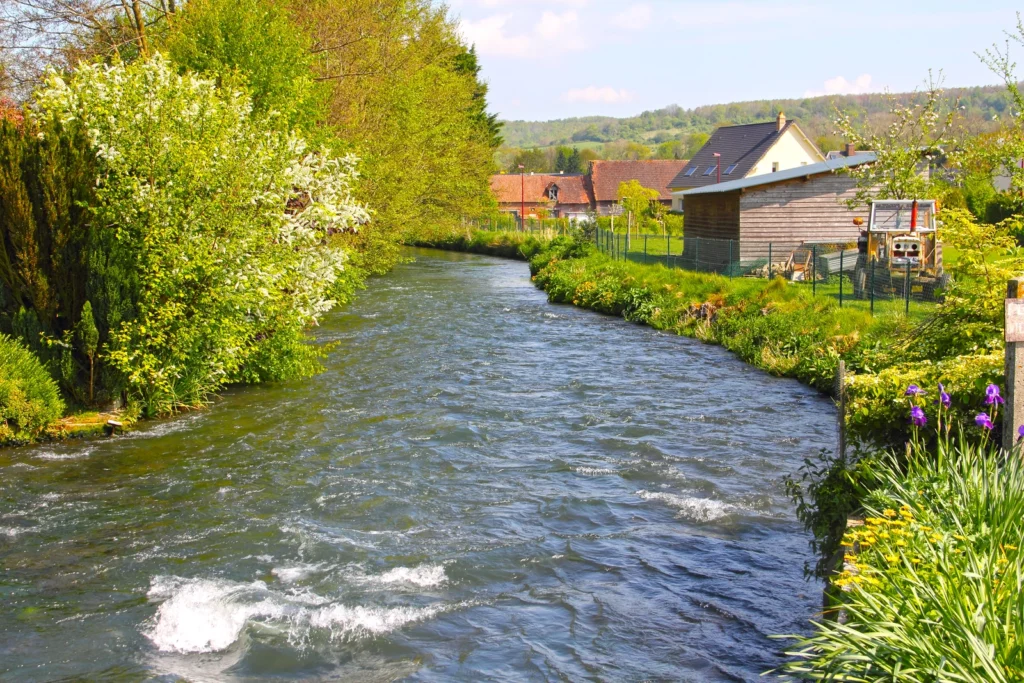
A balanced first trip works well with three or four nights in Paris, followed by two or three nights in the countryside. This gives enough time to see the major Paris sights without letting the city take up the whole budget.
Two nights in Paris can feel rushed. Arrival fatigue reduces usable time, and the only full day becomes crowded. That pace often leads to more taxis, quick meals, and convenience spending.
Three nights give a stronger structure. Use one day for classic landmarks and the Seine. Use one day for a major museum and the nearby neighborhood. Use one day for cafés, shopping, smaller sights, and slower wandering.
Four nights make sense if you want Versailles, extra museum time, or a relaxed food-focused day. Versailles can take most of a day, so it should not be squeezed into an already packed schedule.
After Paris, move to the countryside before city fatigue sets in. Tired travelers often spend more on taxis, nearby restaurants, and last-minute comfort choices.
Choose the countryside base carefully. A remote village may require expensive transfers if you do not drive. A train-friendly town, estate stay with pickup options, or a region with short driving distances usually works better.
Consider a Château Stay Instead of Adding More Paris Nights
A château stay gives you countryside time without losing comfort. Instead of extending your Paris schedule with more travel, museum days, and city costs, you can slow down in a setting that offers space, scenery, and privacy.
Château de Lasfonds is a private estate on the Charente-Dordogne border, with historic architecture, modern amenities, outdoor space, a heated pool, and easy access to nearby villages and local markets. It is ideal for families, couples, small groups, and longer stays.
Book now to enjoy a slower, more spacious stay in southwest France.
Final Verdict
Is Paris, France, expensive in a way that should stop you from going? No. Paris is expensive when travelers book late, choose hotels poorly, move around inefficiently, eat on the go, and buy passes without checking their pace. The city becomes much easier when the trip has a structure.
Paris is expensive, but it should not stop you from going. The cost becomes manageable when you book early, choose a well-located hotel, use the Metro, plan meals by neighborhood, and buy passes only when the math works. Pairing Paris with the countryside can also improve value by balancing city spending with slower days, more space, and calmer routines.
FAQs
Is Paris, France, expensive for families with children?
Yes, Paris can be expensive for families because rooms, meals, and attraction tickets add up quickly. However, children’s discounts, bakery breakfasts, picnic lunches, parks, and neighborhood-based days can keep the trip comfortable without feeling restricted.
Which Paris neighborhoods are better for budget-conscious travelers?
Budget-conscious travelers often get better value near strong Metro connections rather than landmark addresses. Look for practical areas with bakeries, supermarkets, and direct transit so you can save time and money without having to cross the city.
How can students or younger travelers save money at museums in Paris?
Students and younger travelers should check age-based museum discounts before buying tickets. Many major cultural sites offer free or reduced admission for younger visitors, but eligibility usually depends on age, residency, and valid photo identification.
Are free things to do in Paris actually worth planning around?
Yes, free Paris experiences can add real value when planned well. Permanent museum collections, gardens, river walks, church interiors, markets, and viewpoint neighborhoods help balance paid attractions without making the itinerary feel cheap.
Is Paris cheaper than London or Amsterdam for tourists?
Paris is not automatically cheaper than London or Amsterdam. Hotel timing, transport habits, restaurant choices, and attraction plans decide the comparison. Paris can feel better value when travelers use public transport and avoid reactive spending.
Is an apartment rental cheaper than a hotel in Paris?
An apartment rental can be cheaper for longer stays, families, or travelers who want simple meals at home. However, cleaning fees, location, building access, and legal short-stay rules can change the final value.
Are Paris city passes better than booking individual tickets?
Paris city passes work best when the included attractions match your actual pace. Compare the pass price with your planned tickets first, then check timed entry rules, because convenience alone does not always justify the cost.
Which apps help visitors control their Paris travel budget?
Transport and mapping apps help visitors control spending by reducing wrong routes, taxi use, and station confusion. The official Île de France Mobilités app is especially useful for routes, ticket purchases, and pass management.
Is it cheaper to take trains from Paris to the countryside or rent a car?
Trains are usually better value when your countryside base has station access or pickup options. A rental car makes more sense for remote villages, scattered markets, luggage-heavy trips, or regions with limited local transport.
Can you visit Paris on a backpacker-style budget?
Yes, you can visit Paris on a backpacker-style budget if expectations stay realistic. Hostels, supermarkets, bakeries, free sights, walking routes, and select paid attractions matter more than trying to copy a luxury itinerary cheaply.