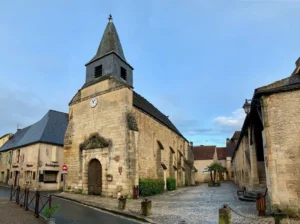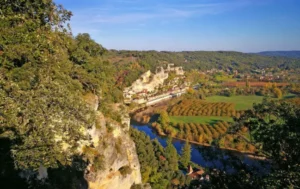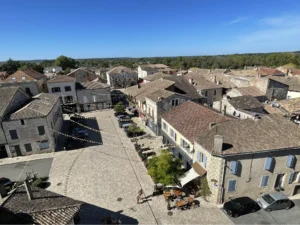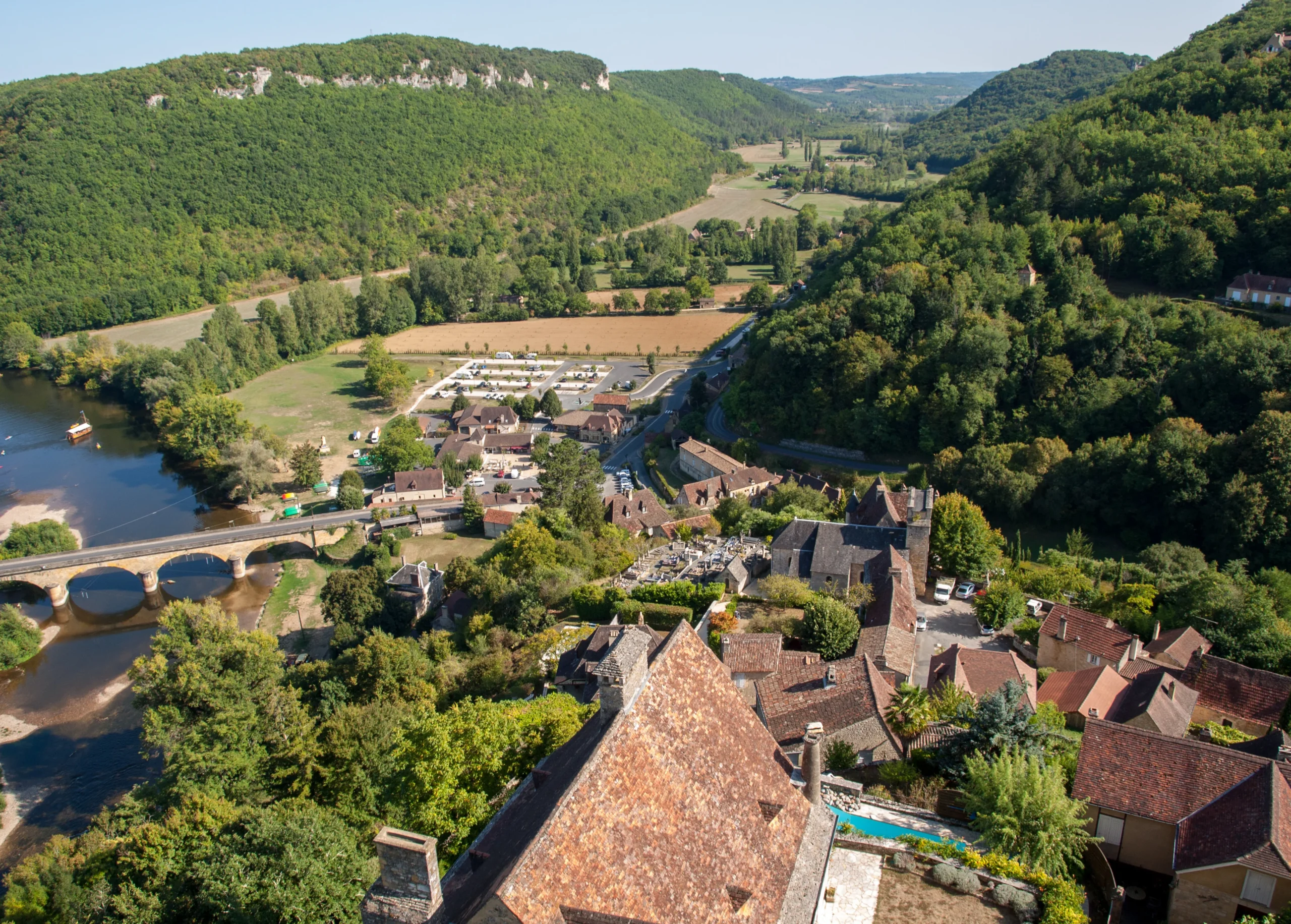
There is a quiet shift when you leave the cities behind in France and head into the countryside. The pace slows, the air feels lighter, and daily life begins to move at a more natural rhythm. Mornings start with fresh bread, open views, and no pressure to rush.
Many travelers are drawn to French rural travel for that sense of calm. It offers space to step away from noise and reconnect with simple routines. Days unfold slowly, with long meals, local markets, and time spent outdoors.
What makes countryside stays in France stand out is their authenticity. You are not moving through crowded attractions. You are part of a place where traditions still shape everyday life. That connection creates a deeper and more personal travel experience.
For those looking for rest and clarity, French countryside vacations offer something rare. They give you the chance to pause, breathe, and experience France at a gentler pace.
What Makes French Countryside Stays Feel Restorative
A Slower Rhythm That Feels Natural
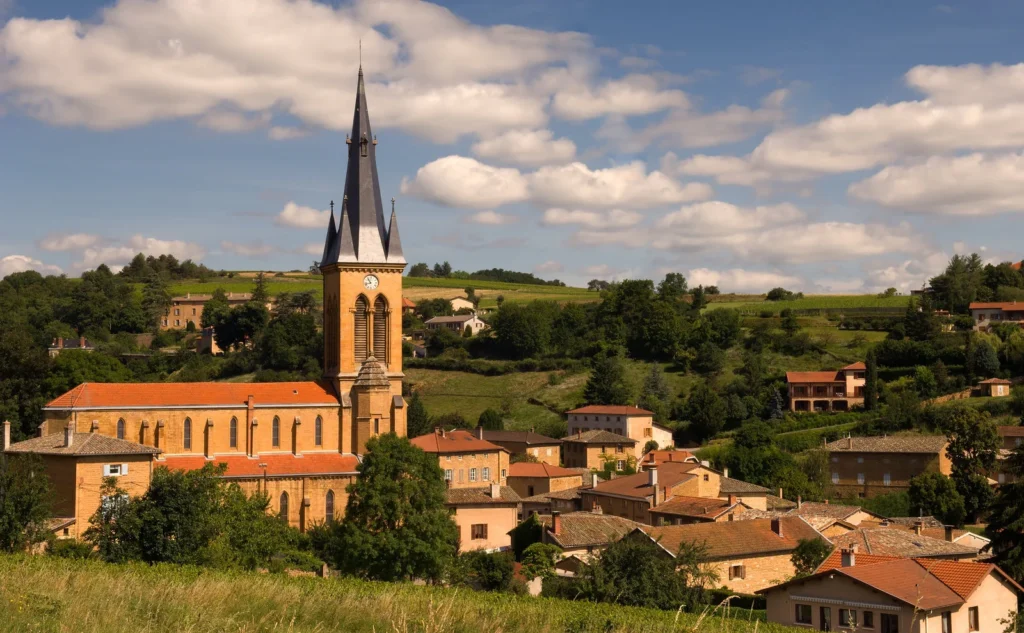
One of the first things people notice during French rural travel is how time starts to feel different. Days are not packed with tight schedules or constant movement. Shops close earlier, meals last longer, and there is room to pause without feeling unproductive.
This slower rhythm shapes the entire experience of countryside stays in France. You wake up without urgency, ease into the day, and let plans form naturally. That shift helps reduce mental clutter and allows you to settle into a calmer state of mind.
Everyday Life That Grounds You
The setting plays a big role in how restorative these stays feel. Rural areas offer open landscapes, quiet roads, and a strong connection to nature. Walking through vineyards or small villages becomes part of your daily routine, and even simple activities feel meaningful.
Many French countryside accommodations are designed to support this lifestyle. Stone houses, shaded gardens, and outdoor seating create spaces you want to spend time in. The comfort feels effortless and never overdone.
Food also adds depth to the experience. Fresh produce, local cheese, and regional dishes turn meals into something you truly enjoy. Eating slowly becomes part of the day rather than a quick break between plans.
During French countryside vacations, this combination of slower living, natural surroundings, and simple pleasures creates a sense of balance. You start to focus less on doing more and more and more on being present, which is where that restorative feeling really comes from.
How to Plan a French Countryside Stay That Actually Feels Relaxing
Choose the Right Region for Your Pace
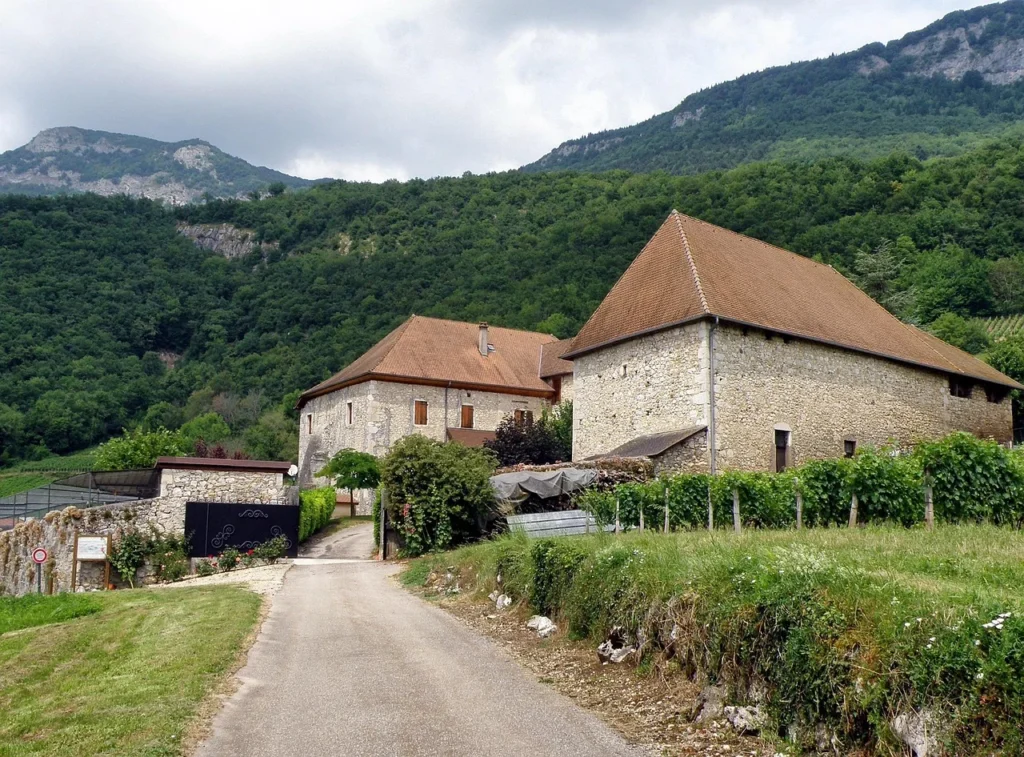
Not every rural area in France feels the same, so your choice of region shapes your entire experience. Some places are quiet and slow, while others attract more visitors and have a livelier atmosphere.
If you want a peaceful setting, look into smaller villages in regions known for open landscapes and low tourist traffic. This makes a big difference in how your French rural travel experience unfolds. A quieter location gives you more space to disconnect and settle into a slower rhythm.
Pick Stays That Support Rest, Not Distraction
Where you stay matters just as much as where you go. Focus on properties that feel comfortable and lived in, not overly styled or crowded with amenities.
Many countryside stays in France offer simple features that make a real impact, like outdoor seating, natural light, and access to gardens or nearby walking paths. These details help you relax without needing constant entertainment.
It also helps to stay in one place for longer rather than moving around too often. A few days in the same setting allows you to build a routine and feel more connected to your surroundings.
Plan Lightly and Leave Room for Slow Days
Overplanning can take away from what makes French countryside vacations so appealing. Instead of filling every day with activities, keep your schedule open.
Pick one or two things to do each day, like visiting a local market or exploring a nearby village. The rest of your time can be unstructured. This approach lets you enjoy moments as they come, rather than rushing through a checklist.
Stay Close to Local Life
To get the most out of French countryside accommodations, try to stay somewhere that feels part of the local community. Being near small shops, bakeries, or weekly markets adds depth to your trip.
Simple interactions, like buying fresh bread or talking to a local vendor, can shape your experience in a meaningful way. These small moments often become the most memorable parts of your stay.
Where to Stay for the Best Countryside Experience
Gîtes for Privacy and Comfort
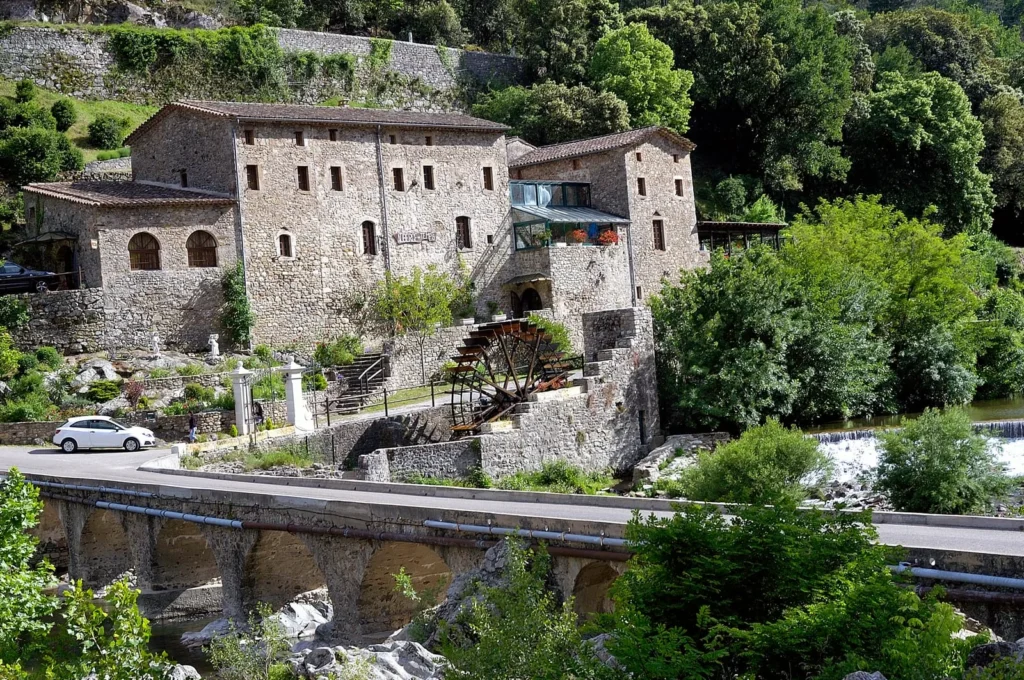
Gîtes are one of the most popular choices for French rural travel, and for good reason. These are usually private homes or cottages that give you full control over your space. You can cook your own meals, set your own schedule, and enjoy quiet surroundings without interruptions.
They work well for travelers who want a slower, more personal experience. Many are located in peaceful areas with beautiful views, which adds to the overall sense of calm.
Chambres d’hôtes for a Local Touch
If you prefer something more social, chambres d’hôtes offer a different kind of stay. These are similar to bed-and-breakfasts, often run by local hosts who live on the property.
This type of countryside in France gives you a closer look at daily life. Hosts often share tips about the area, recommend places to visit, and sometimes serve homemade meals. It creates a warm and welcoming atmosphere that many travelers appreciate.
Small Hotels and Château Stays
For those who want a bit more structure, small rural hotels or château stays can be a great option. These properties often combine comfort with a strong sense of place.
Many French countryside accommodations in this category are set in historic buildings with unique character. You still get the calm of the countryside, along with added services that make your stay easier.
Choosing What Fits Your Travel Style
The best choice depends on how you want to experience your trip. Some travelers value privacy, while others enjoy meeting locals and sharing stories.
During French countryside vacations, your accommodation shapes your daily rhythm. Choosing the right type of stay can make all the difference between a trip that feels rushed and one that truly helps you unwind.
When to Visit for the Most Restful Experience
Spring and Early Summer for Balance
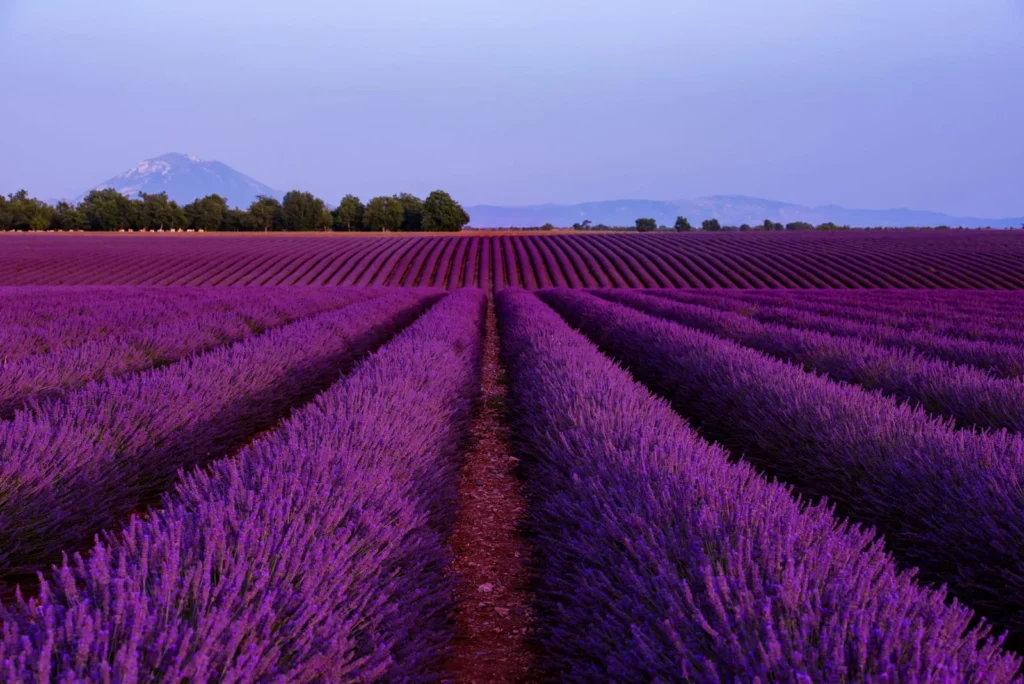
Spring is one of the best times for French rural travel if you want mild weather and fewer crowds. Villages feel alive, markets reopen, and the countryside starts to bloom. Early summer keeps that energy while still offering a sense of calm before peak tourist season.
This period works well for countryside stays in France because you can enjoy outdoor spaces without dealing with intense heat or busy roads. It feels active yet still relaxed.
Late Summer and Autumn for Slower Days
Late summer brings warmer days, though some regions can feel busier. If you prefer a quieter atmosphere, early autumn is a strong choice.
Autumn adds a different kind of beauty to French countryside vacations. Vineyards turn rich in color, harvest season begins, and the pace softens again. It is a great time for long walks, local food experiences, and peaceful evenings.
Winter for Complete Quiet
Winter offers a very different experience. Many rural areas become quiet, with fewer visitors and a slower daily rhythm.
Some French countryside accommodations may close during this time, though those that stay open often feel more intimate. This season suits travelers who want stillness, simple routines, and time away from distractions.
Choosing the Right Time for You
Each season shapes your experience in its own way. If your goal is rest, look for times when crowds are lower and the pace feels manageable.
During French rural travel, the right timing can make everything feel easier, from finding quiet spaces to fully enjoying your surroundings.
Simple Ways to Make Your Stay More Restful
Slow Down Your Daily Routine
The biggest shift during French rural travel comes from how you spend your time. Try to start your day without rushing. Have a relaxed breakfast, step outside, and ease into your plans.
Keeping your schedule light helps you enjoy countryside stays in France more naturally. When you stop trying to fit everything in, you begin to notice more and feel less distracted.
Focus on Simple Experiences
You do not need complex plans to enjoy French countryside vacations. Some of the most memorable moments come from simple activities.
Visit a local market, walk through a quiet village, or sit outside with a book. These small experiences create a stronger connection to your surroundings and help you feel more present.
Limit Digital Distractions
Constant notifications can take away from the calm you are trying to find. During your stay, try to reduce screen time and stay offline when possible.
Many French countryside accommodations are set in areas where the pace of life already supports this shift. Use that environment to your advantage and allow yourself to fully disconnect.
Stay Present and Flexible
Not every day needs a plan. Let your surroundings guide your choices and be open to changing your routine.
During French rural travel, this mindset helps you settle into a slower rhythm. You begin to appreciate moments as they happen, rather than thinking ahead to what comes next.
Stay Somewhere That Matches the Experience
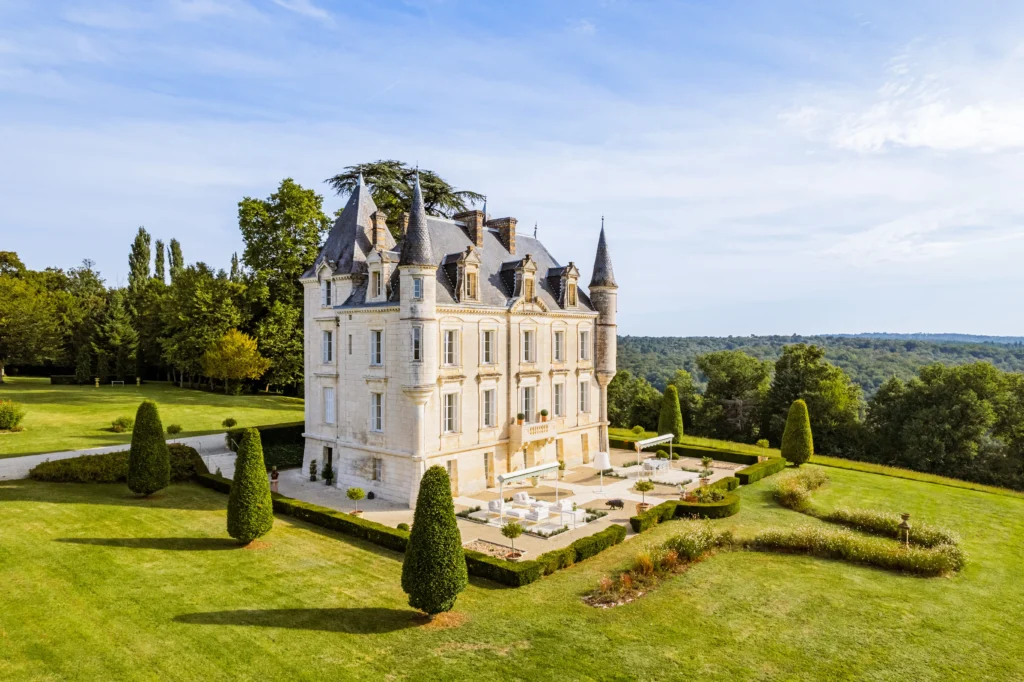
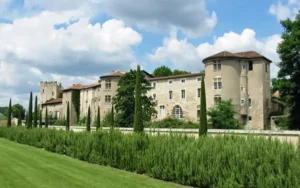
If you want your trip to truly reflect the pace and feeling of French rural travel, where you stay matters more than anything else. One place that captures this experience beautifully is Château de Lasfonds.
Set in the quiet countryside between Charente and Dordogne, this 19th-century château sits on a private estate surrounded by forests and rolling hills. The property spans 6.5 hectares, offering space, privacy, and uninterrupted views that help you fully switch off.
What makes it stand out is how it blends history with comfort. The château keeps its original character, with Neo-Gothic and Neo-Renaissance design, while offering modern features that make your stay easy and relaxed. Rooms are filled with natural light, and the estate includes gardens, terraces, and multiple living spaces designed for slow, quiet living.
For travelers looking at countryside stays in France, this kind of setting creates a different rhythm. You can cook, dine outdoors, or even bring in a private chef for a more immersive experience. The estate can host up to 18 guests across the main château and its guest houses, which makes it ideal for families or small groups who want to share the experience without losing privacy.
Staying here also places you close to local villages, markets, and wine regions like Bordeaux and Cognac, so you can explore at your own pace without feeling rushed.
If your goal is to experience French countryside vacations in a way that feels calm, private, and connected to the landscape, this is the kind of place that brings everything together.
Frequently Asked Questions About French Rural Travel
1. Is renting a car necessary for French rural travel?
In most cases, yes. Public transport rarely connects small villages efficiently. A car gives you the flexibility to explore markets, nearby towns, and hidden spots on your own schedule without relying on limited local options.
2. How far in advance should I book countryside stays in France?
For peak seasons like late spring and early autumn, booking three to six months ahead works best. Popular properties fill up quickly, especially unique homes and small guesthouses that host only a few visitors at a time.
3. Are English speakers common in rural France?
English is less common in smaller villages compared to cities. Basic French phrases go a long way and are appreciated. Locals are often helpful, though communication may require patience and simple wording.
4. What is the average cost of French countryside accommodations?
Prices vary widely depending on location and style. A small guesthouse may start around 80 to 120 euros per night, while private homes or château stays can range from moderate to premium pricing.
5. Is it easy to find vegetarian or dietary-specific food options?
Rural menus can be traditional, though markets offer fresh produce, bread, and cheese. If you have dietary preferences, staying somewhere with a kitchen gives you more control over meals.
6. How reliable is internet access in rural areas?
Internet quality varies. Some properties offer strong connections, while others may have slower speeds. If staying connected matters, confirm WiFi details with your host before booking.
7. What should I pack differently for a countryside stay?
Comfort matters more than style. Bring walking shoes, light layers, and something warm for evenings. Many rural areas have uneven paths, so practical clothing makes daily activities easier.
8. Are local markets available every day?
Most villages host markets once or twice a week rather than daily. Each market day becomes a local event, so timing your visit to match these days adds more depth to your experience.
9. Is tipping expected in rural France?
Tipping is not required, as service is usually included in bills. Leaving small change or rounding up is appreciated in restaurants, though it is seen as a gesture rather than an obligation.
10. How do I choose between different rural regions in France?
Think about what you value most. Wine regions offer scenic vineyards, while hill towns provide views and history. Research the landscape and pace of each area to match your travel style.