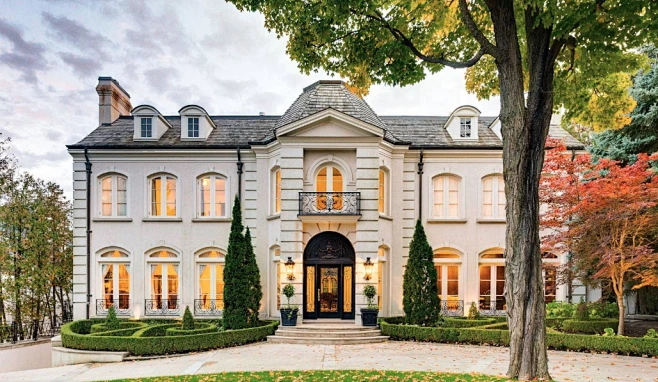
A French mansion is a large, elegant residence shaped by French architectural character, refined interiors, and private grounds. However, the phrase does not always mean the same thing as a château. In English, it often describes a grand French-style home. In France, the correct term may be château, manoir, maison de maître, domaine, or hôtel particulier.
That distinction matters because buyers, travelers, and architecture lovers often use mansion, château, and manor as if they mean the same thing. In reality, each word suggests a different relationship with land, history, status, and daily life. A French mansion describes scale and style. A château usually adds lineage, estate identity, and deeper cultural weight.
French Mansion vs Château vs Manoir: Key Differences
| Term | What It Usually Means | Best Used For |
| French mansion | A broad English term for a grand French-style residence | Luxury homes, listings, design descriptions, and lifestyle content |
| Château | A historic estate residence often tied to land, status, or heritage | French country estates, heritage properties, and landmark homes |
| Manoir | A rural house of rank or character, usually smaller than a château | Manor-style homes, intimate estates, and countryside residences |
| Hôtel particulier | A private urban mansion, often behind gates or a courtyard | Paris and other French cities |
| Domaine | A larger estate with land, buildings, or agricultural use | Vineyards, country estates, and multi-building properties |
What a French Mansion Usually Means
In practical terms, French mansions can appear in several forms. Some sit in the countryside with long drives, mature trees, and broad gardens. Others stand in cities as private mansions behind gates or courtyards.
In Paris and other French cities, the closest traditional term is hôtel particulier, an urban mansion historically linked with elite private ownership. Mansion Global describes the hôtel particulier as a historic urban mansion, generally owned and occupied by a single family.
This matters for search intent. Someone looking for a French Mansion may picture a grand country home, but the real French equivalent may depend on the setting. In the countryside, the correct word may be château, manoir, maison de maître, or domaine. In design language, it may simply mean a residence with French classical balance, tall windows, limestone tones, and elegant interior flow.
Why a Château Means Something More Specific
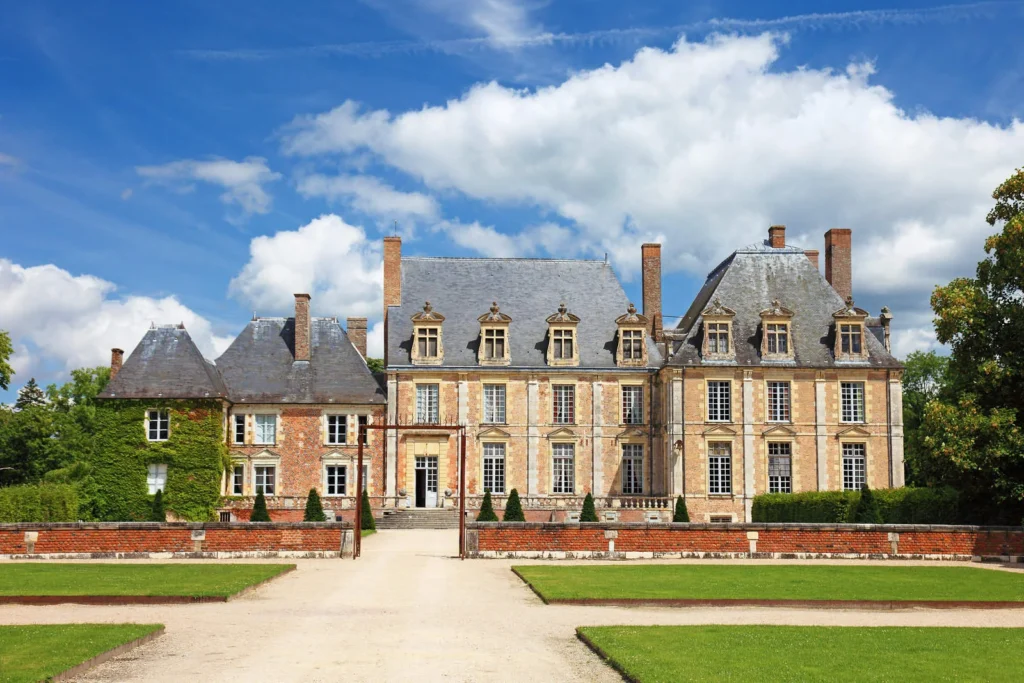
A château carries a stronger historical meaning than a French Mansion. Britannica explains that, in 13th- and 14th-century France, a château referred to a defensive structure. Later, the term expanded to cover seignorial residences and grand country houses.
That history explains why a chateau house often feels more ceremonial than a mansion. A château suggests authority over land, inherited status, or architectural ambition. Even when the building no longer serves a defensive purpose, the name often signals a relationship between the house, the domain, and the surrounding landscape.
This is where French chateau-style homes can confuse readers. A modern home may borrow the rooflines, stone façades, dormer windows, carved details, and formal symmetry of château architecture. Still, style alone does not turn a property into a historic château. A French château house can look grand without carrying the full cultural history of an actual château.
Manor vs. Château in Plain Terms
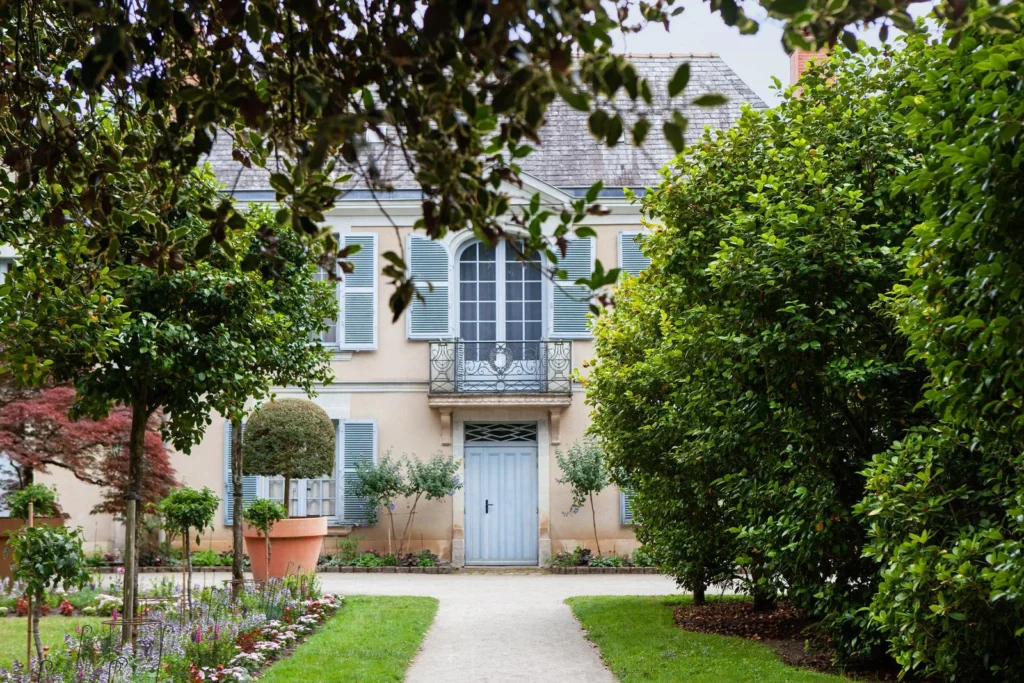
The manor vs château distinction comes down to rank, function, and architectural ambition. Larousse defines manoir as the residence of a fief owner who did not have the right to build a château with towers and a keep. It also defines it as an old house of character, often surrounded by land.
That definition helps separate a manor from a château. A manor often feels more intimate, rural, and livable. It may have thick walls, a courtyard, a barn, a walled garden, or agricultural traces. A château tends to communicate higher status through scale, approach, axial planning, towers, formal rooms, or a stronger public face.
A manor may offer charm, privacy, and manageable grounds. A château may offer a more formal heritage setting. A French Mansion may sit between those ideas, since the phrase focuses on grandeur and lifestyle rather than formal French classification.
The Interior Clue: Why Salons Matter
Inside a French Mansion, the clearest sign of status often appears in reception rooms. Traditional salons reveal how the house organized hospitality, conversation, music, dining, and private family life. A property with several connected salons usually speaks to a culture of reception rather than a simple domestic space.
This is one reason French mansions feel different from large houses in other countries. Scale alone does not create the French effect. The rhythm of rooms matters. You often move from the entrance hall to the formal sitting room, then toward dining spaces, libraries, terraces, or garden views. Each room carries a purpose, and the sequence shapes the social experience of the house.
A château often intensifies this arrangement. Rooms may align along a formal axis, overlook ceremonial gardens, or connect to staircases designed for arrival and display. A chateau-inspired house may use similar flow-through double-height entries, symmetrical room placement, and formal reception spaces.
Estate Grounds and Gardens Create the Real Difference
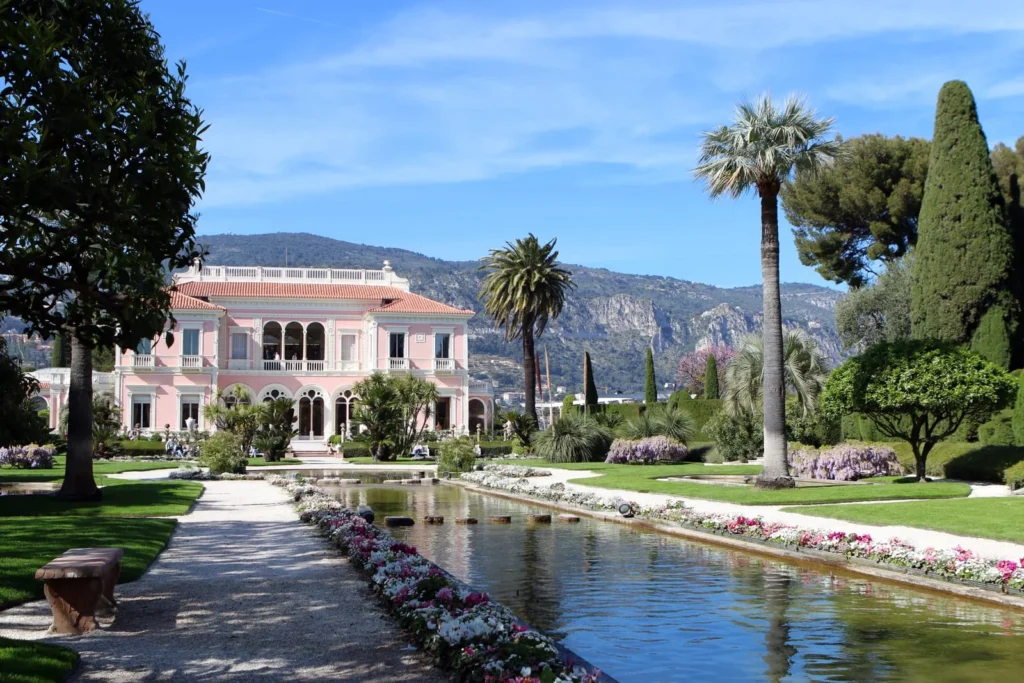
A large house becomes more French in feeling when the land supports the architecture. Estate grounds create arrival, privacy, proportion, and atmosphere. A gravel drive, a tree-lined approach, a courtyard, an orchard, a terrace, a reflecting pool, or walled gardens can change how the building reads before anyone enters.
France gives garden heritage real cultural value. The Ministry of Culture created the Remarkable Garden label in 2004 for parks and gardens of cultural, aesthetic, historical, or botanical interest. This context matters because French residential prestige often extends beyond the walls of the house.
For French estates, land is rarely background decoration. It supports the identity of the residence. A château without meaningful grounds can feel incomplete. A French Mansion with strong landscape design can feel far more prestigious than a larger house with a weak approach, poor planting, or disconnected outdoor space.
This is also why French chateau-style homes outside France sometimes miss the mark. They copy turrets, rooflines, and stone details, yet they forget proportion, arrival, and garden logic. The strongest examples treat landscape as part of the architecture.
How Heritage architecture Shapes Value
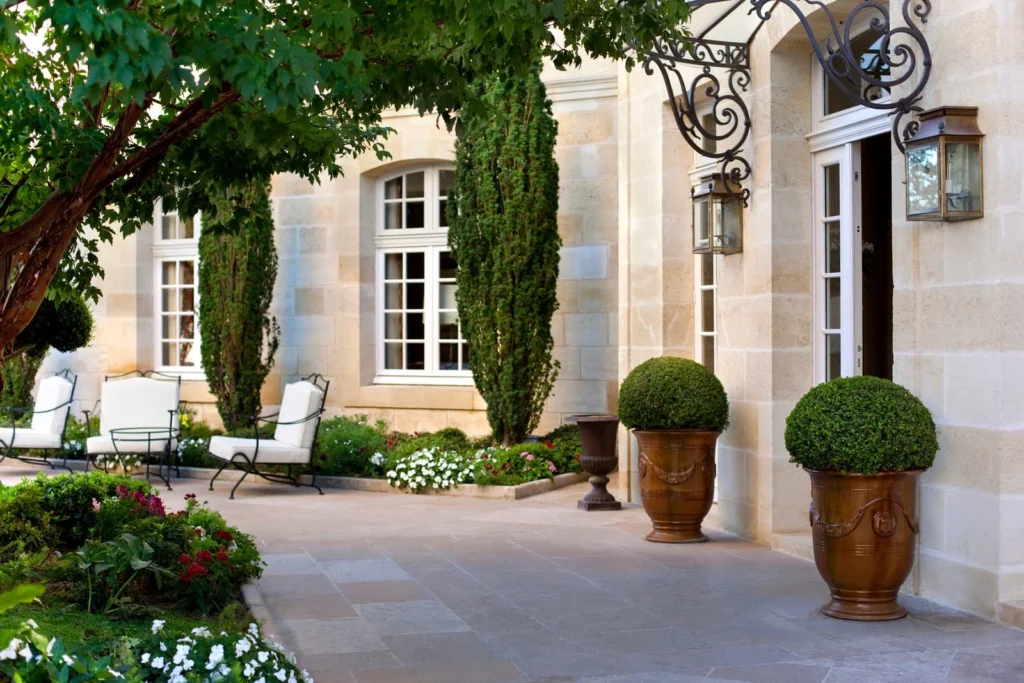
Heritage architecture gives a French Mansion depth that new construction often struggles to match. Thick stone walls, carved fireplaces, original staircases, old beams, parquet floors, ironwork, and period windows create a sense of time. These details give the room texture and authority.
Yet heritage value does not come from age alone. The best properties combine preservation with usability. A house may keep its original staircase, fireplaces, and façade while adapting kitchens, bathrooms, heating, lighting, and guest circulation for modern life. This balance matters because buyers want atmosphere, but they also need comfort.
Château examples show this clearly. Britannica describes Chambord as a major Loire château and one of the finest examples of French Renaissance architecture. It also notes construction began in 1519 and continued into the seventeenth century.
Chambord sits far beyond the scale of a typical French Mansion, yet it helps explain the imaginative design that later influenced French chateau-style homes.
How to Read a Listing That Says French Mansion
When a listing uses “French Mansion,” do not stop there. Look at the property type, not only the marketing label. Ask what French word would describe the residence more accurately. Château, manoir, maison de maître, domaine, villa, hôtel particulier, and demeure all point to different realities.
Next, study the approach. A true grand residence should control arrival. Gates, driveways, courtyards, terraces, and estate grounds tell you how the house presents itself. Then examine the room sequence. Strong salons, formal dining rooms, libraries, and garden-facing reception spaces usually signal a stronger mansion character.
Then look for architectural integrity. Many French chateau-style homes borrow surface features without spatial discipline. A convincing French château house should show a balance among the façade, roofline, room hierarchy, and grounds. A weak imitation often looks large but feels disconnected.
For French estates, also check outbuildings, land use, guest accommodation, privacy, and maintenance demands. The most attractive property may not be the largest one. It may be the one where architecture, land, and interior rhythm work together.
The Real Difference in One Clear View
A French Mansion is a broad English term for a grand French-style residence. A château carries deeper historical, social, and estate meaning. A manoir suggests a rural house of rank with a more intimate scale. A hôtel particulier points to an urban private mansion.
So the best way to understand a French Mansion is to look beyond size. The real value sits in the relationship between house, land, interiors, and history. Strong heritage architecture, refined salons, well-planned gardens, and coherent estate grounds matter more than a romantic label.
A French chateau mansion may impress at first sight. Yet the most memorable French residences usually feel composed rather than loud. They make arrival feel deliberate, rooms feel connected, and outdoor spaces feel essential to the house.
Experience French Château Living at Château de Lasfonds
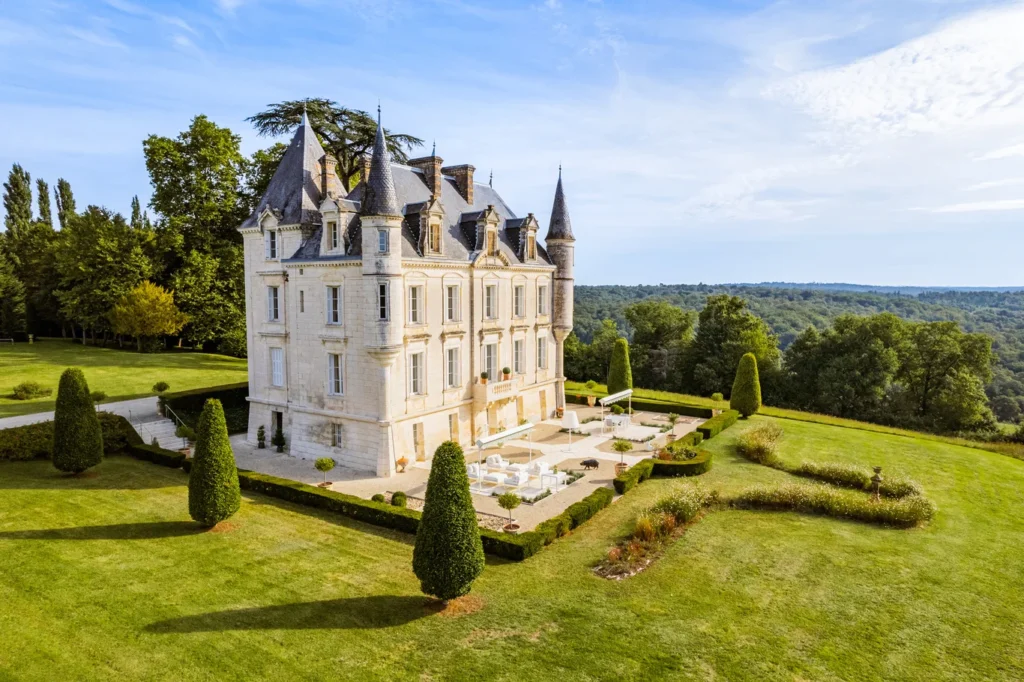
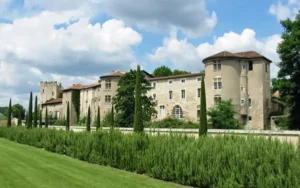
Reading about a French mansion is one thing. Staying inside a real château makes the difference easier to feel. Château de Lasfonds offers a private countryside estate where historic architecture, refined interiors, gardens, and modern comforts come together in one setting. The estate sits on the Charente-Dordogne border and offers private use of the château, outbuildings, and gardens for group stays.
Built in the 1800s, Château de Lasfonds reflects Neo-Gothic and Neo-Renaissance character, with elegant rooms, social spaces, dining areas, terraces, and peaceful outdoor areas. It is designed for intimate gatherings, family stays, private retreats, and slow countryside holidays rather than ordinary hotel travel.
For guests who want to experience the meaning of a French château beyond photographs, Château de Lasfonds offers privacy, history, landscape, and comfort in one place. It gives you the chance to enjoy French estate living with space to gather, relax, dine, explore nearby villages, and experience the local countryside at your own pace.
Planning a French château stay? Château de Lasfonds welcomes private group bookings for guests who want a refined countryside escape with heritage, gardens, and modern comfort.
I kept these FAQs separate from the points already covered in the blog, especially the definitions, salons, gardens, heritage architecture, and listing analysis.
FAQs about French Mansion
Can foreigners buy a French mansion in France?
Yes. Foreign buyers can purchase French property, but they should review legal, tax, financing, and ownership conditions before committing. A notaire or qualified adviser can explain the transaction structure and required checks.
Do you need a notaire to buy a French mansion?
Yes. A notaire handles the legal transfer, verifies documents, prepares sale deeds, and records the purchase. Buyers can use the seller’s notaire or appoint their own notaire for extra support.
What taxes apply to French mansion ownership?
Owners usually need to budget for taxe foncière, local charges, insurance, utilities, heating, maintenance, and possible rental income tax. Non-resident owners can still owe French local taxes on property.
Is an energy rating required for a French mansion?
Yes. The energy performance diagnosis, called DPE or EPD, is mandatory for sales and rentals. It grades energy performance from A to G and can influence buyer confidence and property value.
What inspections matter before buying a French mansion?
Sellers provide a technical diagnostic file, often called DDT. It may cover energy performance, asbestos, lead, termites, electrical systems, gas systems, natural risks, and other required checks, depending on the property.
Can a French mansion be rented as holiday accommodation?
Yes, but the owner should confirm local rental rules, insurance requirements, safety requirements, and the tourist accommodation classification. Atout France manages the official star classification for accommodation, which can help guests judge rental standards.
Can you host a wedding at a French mansion?
A symbolic wedding can often take place at a private estate, but legal marriage in France follows the civil process. Couples should confirm the mairie’s requirements before planning a château ceremony or a destination celebration.
What should guests check before booking a French mansion rental?
Look for bedroom layout, bathroom count, heating, internet access, kitchen use, parking, pool rules, child safety, event limits, and cancellation terms. A beautiful property still needs practical comfort for group stays.
Are French mansions expensive to renovate?
Renovation can be expensive because older properties may require roof work, insulation, drainage, electrical upgrades, heating improvements, and the services of specialist craftsmen. Protected historic buildings can also require special authorization for certain works.
Can a French mansion generate rental income?
Yes, a French mansion can generate income through holiday rentals, retreats, weddings, filming, or private events. However, income depends on location, permits, seasonality, maintenance costs, guest demand, and professional management.