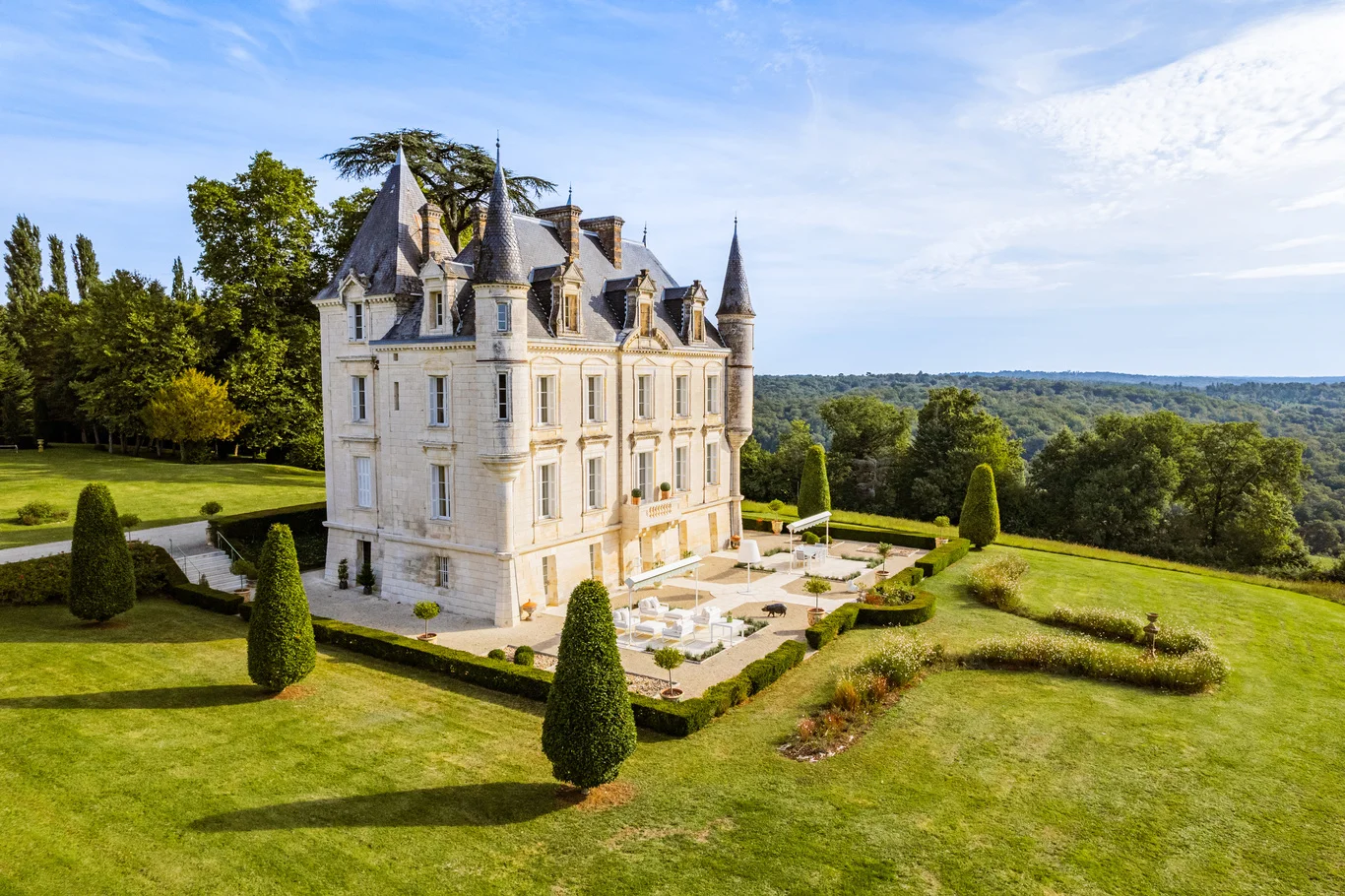
Planning a trip through the Dordogne can feel overwhelming at first. There are castles everywhere you look, each one tied to centuries of history, dramatic views, and stories that still shape the region today. The real challenge is not finding castles. The challenge is deciding which ones deserve your time.
If you try to visit every site, your itinerary will quickly feel rushed. A better approach is to focus on the Dordogne castles that match your interests and travel style. Some travelers want grand views and iconic architecture. Others prefer quieter places with fewer crowds and a stronger sense of discovery.
The Dordogne region boasts over 1,000 historic sites, many of which are well-preserved. According to data from the French Ministry of Culture, France has over 45,000 protected historic monuments, many of which are located in this part of the country. That density explains why the Dordogne stands out as one of Europe’s best areas for castle exploration.
A thoughtful plan helps you enjoy the experience rather than rush through it. When you choose the right Dordogne castles, each visit feels memorable instead of repetitive. The landscapes change, the stories shift, and each fortress adds something unique to your trip.
In this guide, you will learn how to narrow down your options, what makes each type of castle worth visiting, and how to build a route that feels both relaxed and rewarding.
The Must-Visit Dordogne Castles to Prioritize First
If you are short on time, start with a few standout Dordogne castles that consistently deliver strong experiences. These are well-known for a reason. Each one offers something distinct, so you don’t repeat the same visit.
Château de Castelnaud
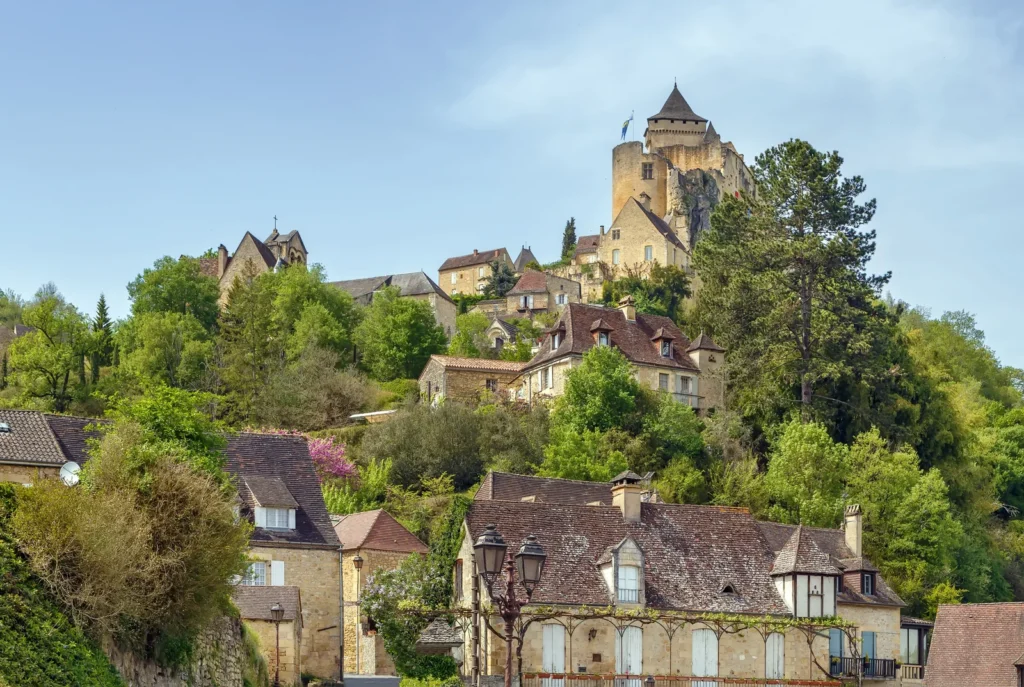
Château de Castelnaud is one of the most engaging Dordogne castles for understanding medieval warfare in a hands-on way.
Inside, you will find detailed exhibits focused on weapons, armor, and battle strategies. The displays are easy to follow, even if you are not deeply interested in history. The layout guides you through various aspects of castle life during conflict, keeping the visit structured and interesting.
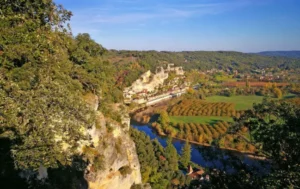
Outside, the views over the Dordogne Valley add another layer to the experience. You can see why this location held strategic importance centuries ago.
This castle works best for travelers who enjoy interactive elements and clear storytelling.
Château de Beynac
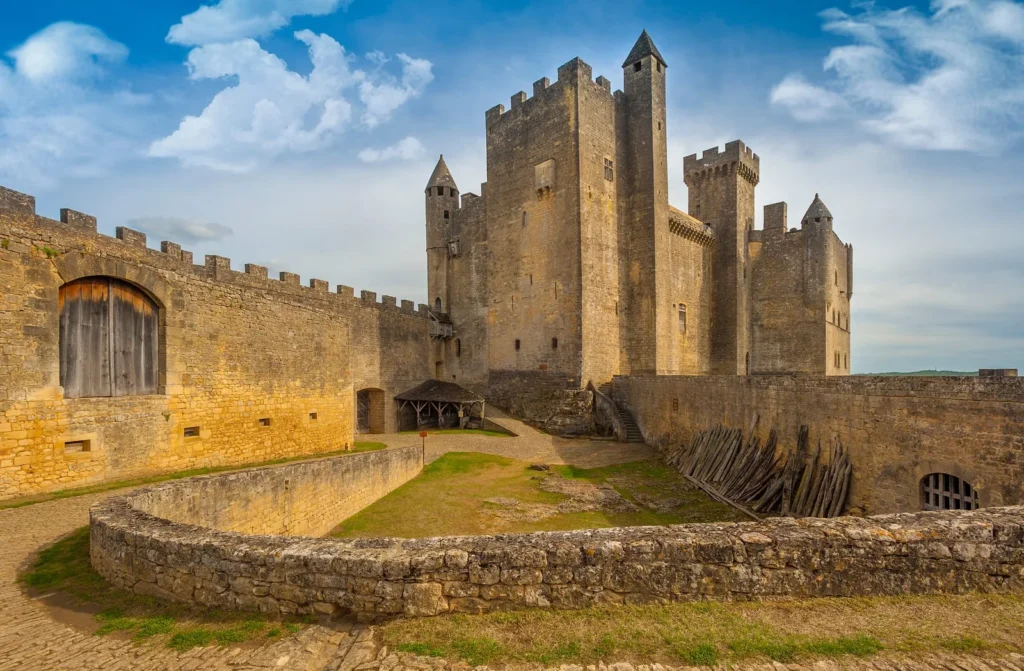
Château de Beynac offers one of the most dramatic settings among all Dordogne castles.
Perched high above the river, the castle gives you sweeping views that stay with you long after your visit. The structure feels solid and imposing, with narrow passageways and rooms that reflect its defensive purpose.
The experience here is more about atmosphere than interactive displays. You walk through spaces that feel largely unchanged, which creates a strong connection to the past.
This stop suits travelers who care about scenery, photography, and a powerful sense of place.
Château des Milandes
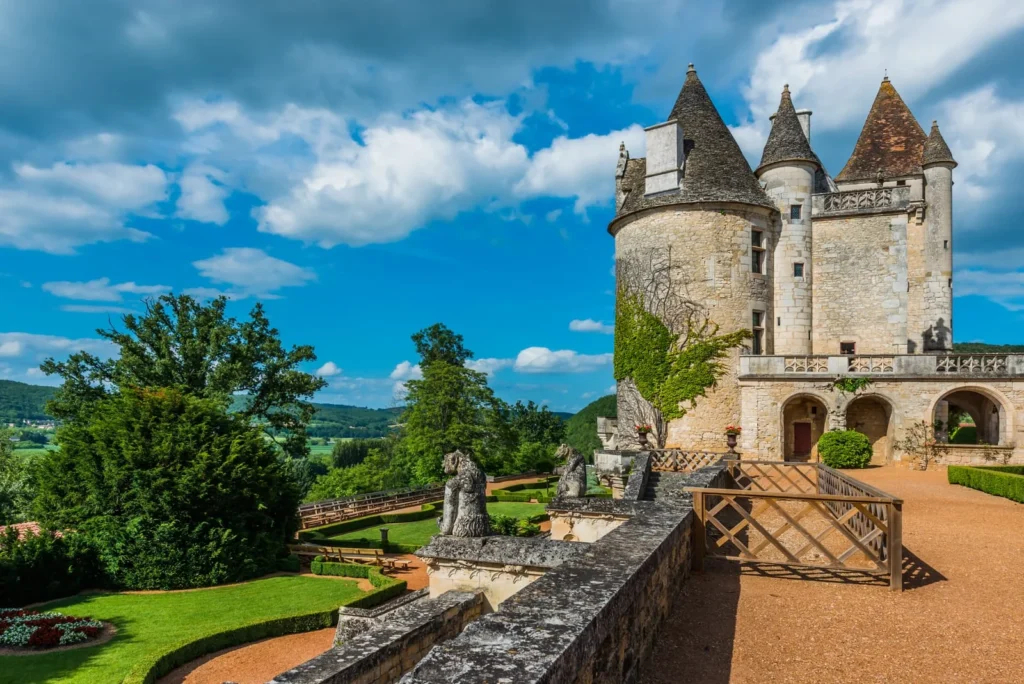
Château des Milandes has a completely different feel from other Dordogne castles.
This castle is closely linked to Josephine Baker, and that personal history shapes the entire visit. The interiors reflect a lived-in space rather than a defensive fortress.
The gardens are well-maintained, and the falconry demonstrations add an extra layer of interest. The overall atmosphere feels lighter and more refined.
This is a great choice if you want variety and a break from the heavier medieval tone found in other castles.
Lesser-Known Dordogne Castles That Are Worth Your Time
Once you have your main stops planned, it helps to add a few quieter locations to your route. These Dordogne castles tend to attract fewer visitors, which gives you more space to explore and take in the surroundings.
They also bring variety to your itinerary. After visiting well-known sites, a quieter castle can feel more personal and relaxed.
Château de Commarque
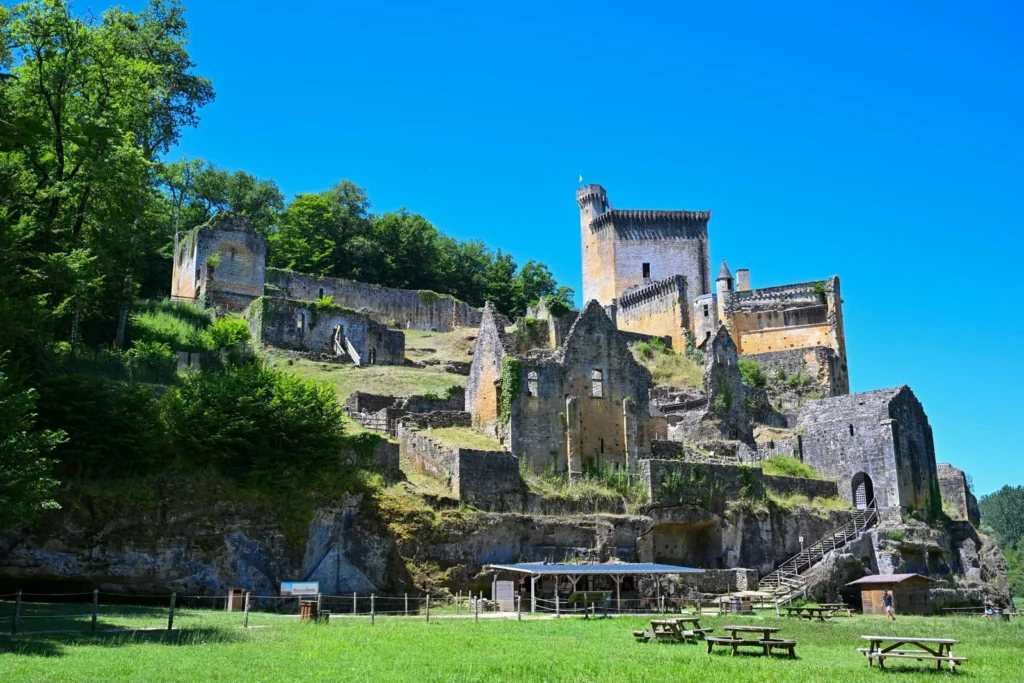
Château de Commarque feels very different from the more polished Dordogne castles.
This site is partly in ruins, which adds to its character. You can walk through open spaces, climb towers, and explore the surrounding valley. The setting feels raw and less structured, which many travelers find more memorable.
There is a strong sense of discovery here. You are not moving through curated rooms. You are exploring a place that still carries traces of its past in a more natural way.
This castle works well if you enjoy outdoor exploration and a quieter atmosphere.
Château de Lasfonds
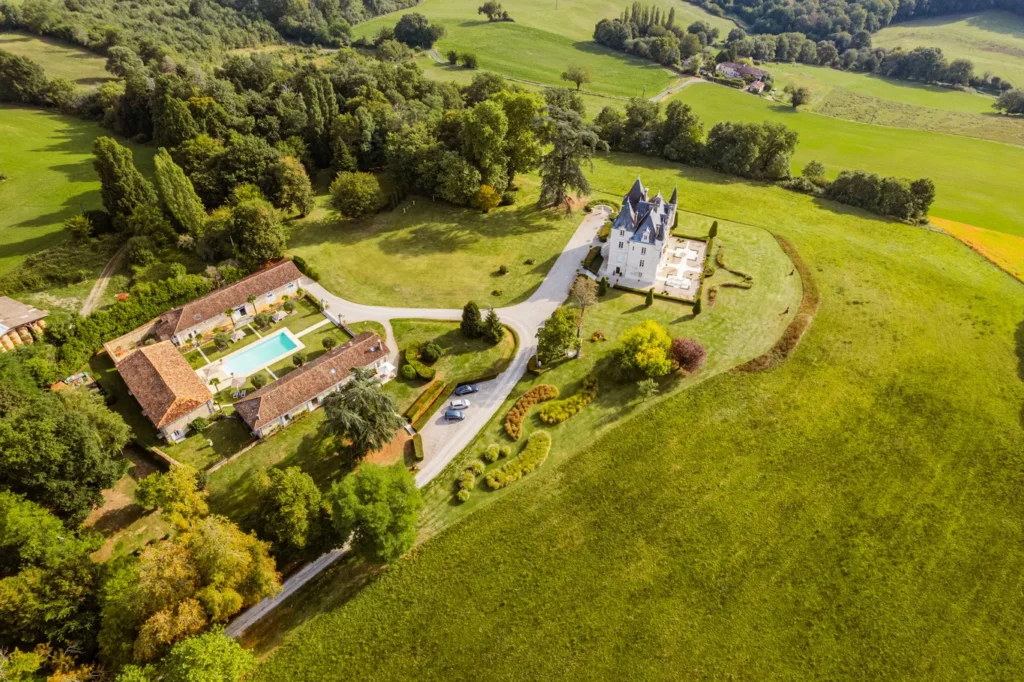
Château de Lasfonds is one of those Dordogne castles that feels like a hidden find.
It does not draw the same level of attention as the major landmarks, which means your visit can feel more relaxed and personal. The setting is calm, and the experience depends more on timing and availability.
This kind of stop adds balance to your trip. After visiting larger and busier castles, a place like this gives you room to slow down and take things in at your own pace.
If you are building an itinerary that avoids crowds, this is a strong addition.
How to Plan Your Route Between Dordogne Castles
Once you have a shortlist of Dordogne castles, the next step is turning that list into a realistic plan. This is where many trips fall apart. On paper, everything looks close. In reality, travel time adds up quickly.
A simple structure keeps things smooth and enjoyable.
Stay Within One Area Each Day
The Dordogne Valley has clusters of castles that are close enough to visit in a single day without rushing. Areas around Sarlat-la-Canéda and La Roque-Gageac are ideal for this.
You can group major Dordogne castles like Château de Castelnaud, Château de Beynac, and Château des Milandes within a short driving distance. This reduces time on the road and gives you more time at each stop.
According to insights from the Dordogne Périgord Tourism Board, visitors who focus on one sub-region per day report a more relaxed and enjoyable experience.
Limit the Number of Castles Per Day
It is tempting to fit in as many stops as possible. That approach often leads to fatigue.
A better pace is two castles per day, with enough time to explore each one properly. Most visitors spend around two to three hours at a single site, especially at major Dordogne castles.
This gives you space to walk around, take photos, and enjoy the setting without feeling rushed.
Mix Busy and Quiet Stops
Balance plays a big role in how your trip feels. If you visit only popular Dordogne castles, your days can feel crowded and structured.
Try pairing one well-known castle with a quieter one. For example, you could visit Château de Beynac in the morning, then head to Château de Commarque or Château de Lasfonds later in the day.
This shift in pace keeps each day interesting and avoids the feeling of repetition.
Plan Around Timing, Not Just Distance
Arriving early or later in the day can change your experience completely. Popular Dordogne castles tend to be busiest in the middle of the day.
If you visit early, you get a calmer atmosphere and better light for photos. Later visits can also feel quieter once peak hours pass.
Small timing choices like this can make a big difference in how each visit feels.
When you plan your route with intention, your trip becomes easier to manage and far more enjoyable. The goal is not to cover the most ground. The goal is to experience the best Dordogne castles at a pace that feels right.
Final Thoughts on Choosing the Right Dordogne Castles
Planning your route through the Dordogne does not need to feel overwhelming. Once you narrow your focus, the entire experience becomes easier to manage and far more enjoyable.
The key is to be intentional with your choices. Start with a few standout Dordogne castles that offer distinct experiences. Add one or two quieter locations to create balance. Keep your daily schedule realistic so you have time to actually enjoy each visit.
When you approach it this way, every stop feels different. One castle offers sweeping views, another draws you into history, and another offers a slower, more personal atmosphere.
That variety is what makes exploring Dordogne castles so rewarding. You are not just moving between landmarks. You are experiencing different layers of the region, each with its own story and character.
If you take the time to plan carefully, your itinerary will feel smooth from start to finish. You will avoid the usual rush, spend more time in places that matter, and leave with a much stronger connection to the Dordogne.
FAQs About Dordogne Castles
What is the best time of year to visit Dordogne castles?
Late spring and early autumn work best. You get mild weather, fewer crowds, and better availability. Summer brings heavy tourist traffic, while winter limits access since some Dordogne castles reduce hours or close entirely.
Are Dordogne castles open year-round?
Not all of them. Many Dordogne castles operate on seasonal schedules. Smaller or privately owned sites often close in winter. Always check official timings before visiting to avoid wasted trips.
Do you need to buy tickets in advance for the Dordogne castles?
For popular Dordogne castles, advance booking can save time during peak season. For lesser-known sites, you can usually buy tickets on arrival. Planning ahead helps you avoid long queues at major attractions.
Are guided tours available in English at Dordogne castles?
Many major Dordogne castles offer English audio guides or printed materials. Some provide guided tours in English, though schedules can be limited. It helps to check availability before your visit.
How accessible are Dordogne castles for people with mobility issues?
Accessibility varies widely. Many Dordogne castles have steep paths, narrow staircases, and uneven surfaces. A few offer partial access, but full accessibility is rare due to the historic structure of these sites.
Can you visit the Dordogne castles with children?
Yes, many Dordogne castles are suitable for children, though some may feel less engaging depending on the child’s age. Look for sites with open spaces or demonstrations to keep younger visitors interested.
Is parking available near most Dordogne castles?
Most Dordogne castles have designated parking areas nearby. In popular locations, parking can fill up quickly during peak hours, so arriving early gives you a smoother start to your visit.
Are pets allowed inside Dordogne castles?
Policies vary by site. Some Dordogne castles allow pets in outdoor areas but not inside buildings. Others restrict pets entirely. Checking rules in advance helps you plan accordingly.
How much time should you spend at a single Dordogne castle?
A typical visit lasts between one and three hours. Smaller Dordogne castles take less time, while larger ones with exhibitions or extensive grounds can easily take longer if you want to explore fully.
Do Dordogne castles offer food or dining options?
Some larger Dordogne castles have cafes or picnic areas nearby. Many smaller sites do not offer food services, so it is a good idea to plan meals around nearby towns or to bring your own.