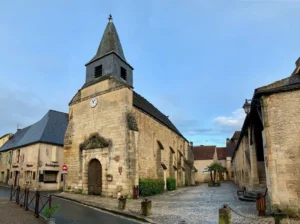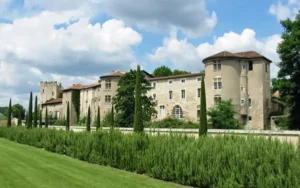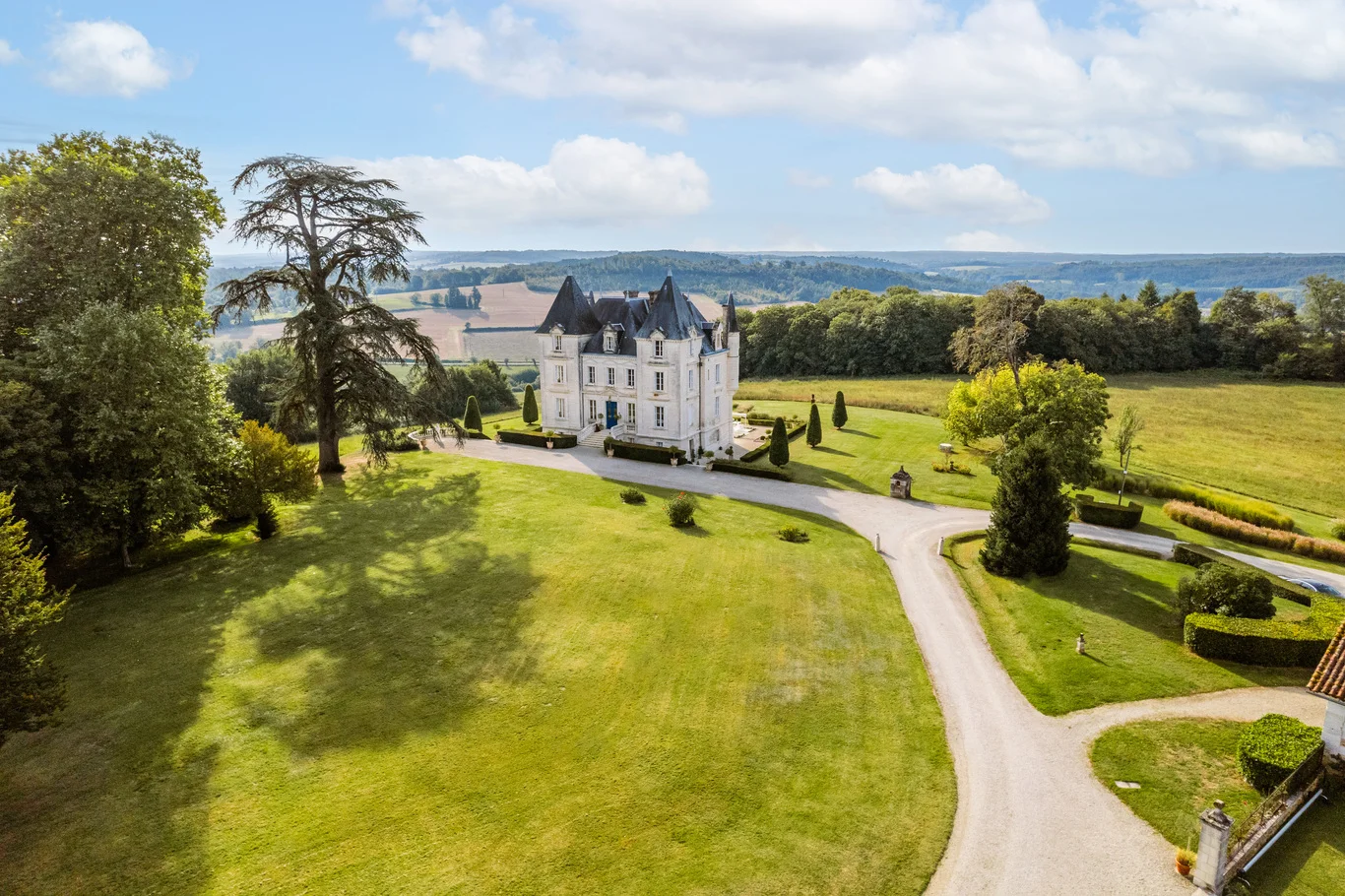
Stepping inside a historic French château stirs the imagination. You might see thick stone walls covered in ivy, grand salons with chandeliers, and acres of private parkland lined with old lime trees. Modern hotels rarely offer that sense of history and privacy. For travelers who value heritage and independence, rent a French castle can be an unforgettable way to experience the countryside.
However, these properties are not like regular rentals. They vary widely in size, location, and amenities, and the booking process can be unfamiliar to anyone used to hotels or standard vacation homes. This guide delivers a detailed checklist for planning a private château stay and highlights questions to ask before you commit.
What Counts as a Château?
The term “château” can mean different things depending on context. In French, it refers to country homes ranging from medieval fortresses to nineteenth-century manor houses. An English speaker might picture a fortified castle, but many French châteaux look more like palaces or grand farmhouses. A château is any privately owned estate in rural France available for rent. Three broad categories exist:
- Privately rented estates. These offer exclusive use of the whole property and grounds. They suit large families, reunions, or weddings because guests have privacy and can use multiple lounges, kitchens, and bedrooms. Some include staff such as caretakers, chefs, or concierges; others leave you to manage everything yourselves.
- Château hotels or bed‑and‑breakfasts. In these properties, you rent a single suite or room inside a larger estate. Breakfast and daily cleaning are usually included, and there may be on-site services such as wine tastings. These smaller rentals appeal to couples or solo travelers who want the château atmosphere without having to manage a group.
- Self‑catering gîtes on château grounds. Owners sometimes convert stables or guest lodges into independent cottages. You get a private unit with access to shared gardens or pools.
Deciding which type suits you helps narrow the search. If you want a private château stay, ask whether the owner or caretaker lives on site.
Choose the Region That Matches Your Travel Style
France has more than forty thousand châteaux. Yet not every region fits every traveler. Transport links, climate, scenery, and local attractions differ dramatically. The following overview summarises several popular areas:
Loire Valley: Classic Castles and Easy Access
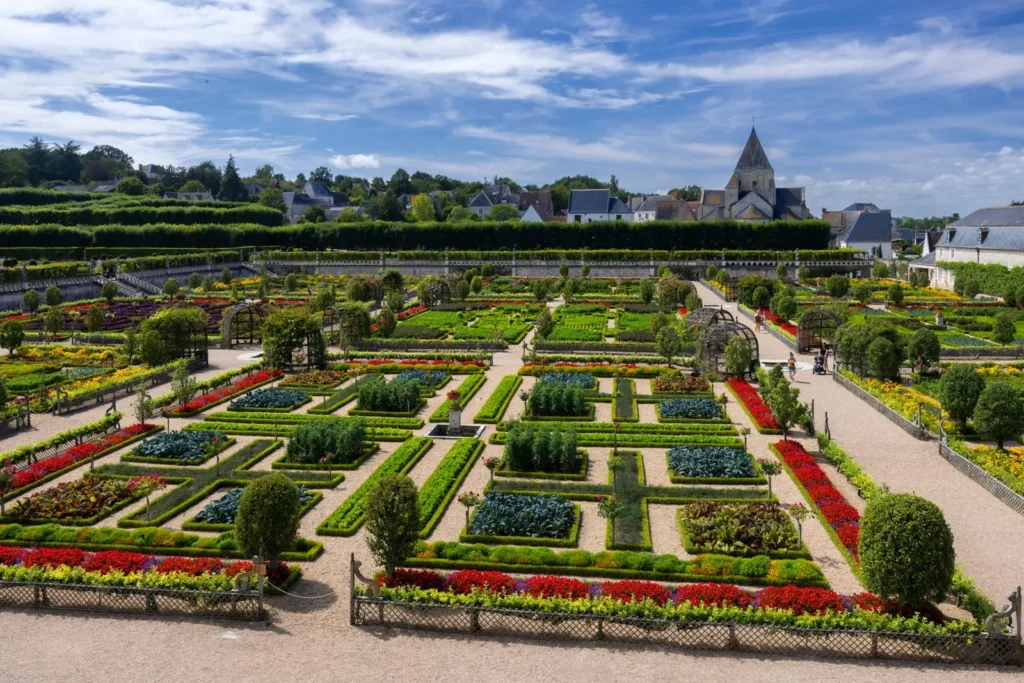
Often called the “Garden of France,” the Loire Valley has the densest concentration of Renaissance châteaux. You can visit landmarks like Chambord or Chenonceau and rent lesser‑known estates surrounded by vineyards.
The region is reachable by train from Paris in under two hours. Expect manicured gardens, bicycle paths, and an abundance of wine tasting opportunities. This area suits cultural tourists, couples, and anyone seeking a first château experience.
Dordogne: Medieval Villages and Outdoor Adventures
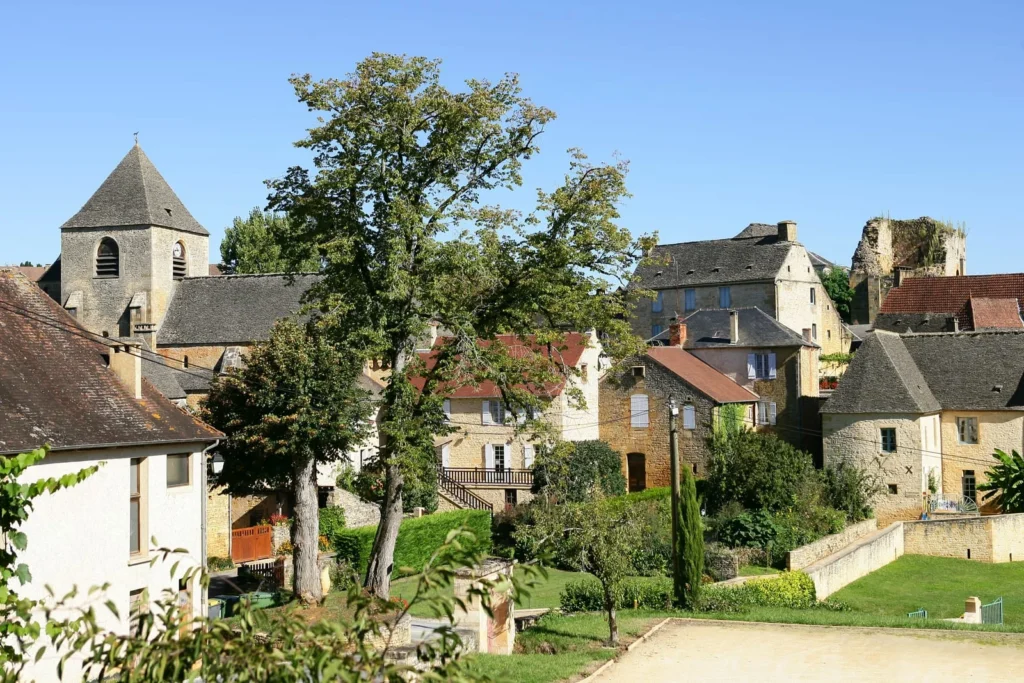
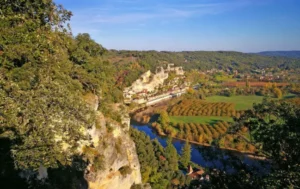
Dordogne in south‑western France offers hundreds of fortified estates, dramatic river valleys, and prehistoric cave sites. It is ideal for slow travel because markets, canoeing, and hiking are common. Families and history lovers appreciate the region’s relaxed pace and authentic food scenes.
Provence: Sunshine and Rural Elegance
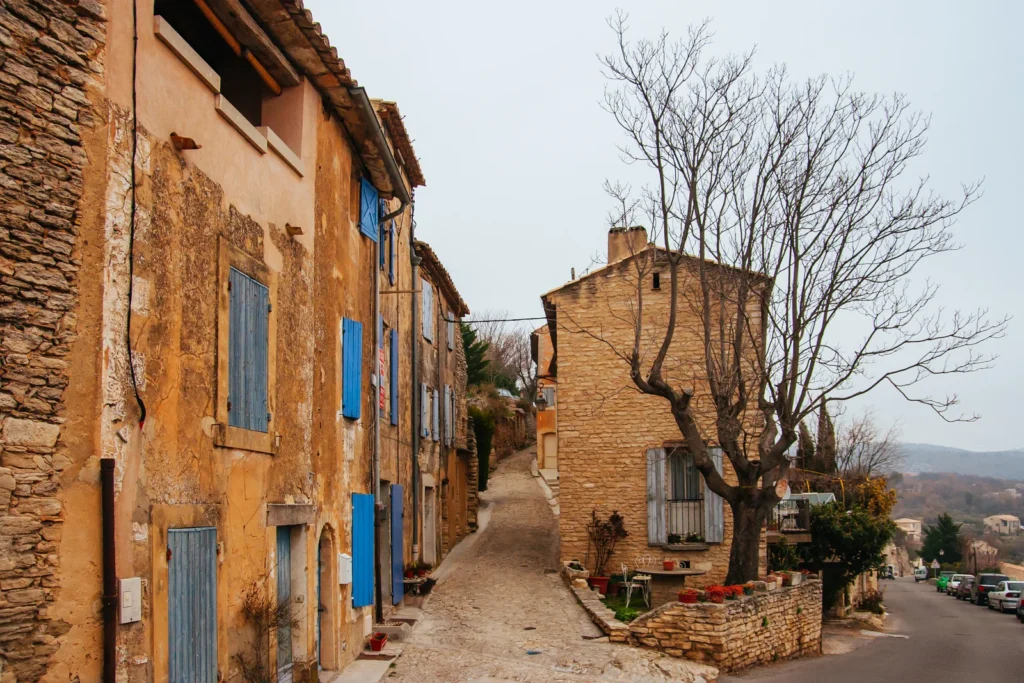
Provence evokes images of lavender fields and olive groves. Châteaux here often resemble rustic villas rather than fortresses. The area enjoys a mild climate from late spring to autumn. Expect artisanal food markets, hilltop villages, and easy access to Marseille or Avignon airports. This region is perfect for wellness retreats and wine enthusiasts.
Bordeaux: Wine Estates and Grand Design
Known for its world‑renowned vineyards, Bordeaux is home to stately estates with eighteenth-century architecture and vineyard backdrops. Guests often enjoy on-site wine tastings during their stay. International airports and high‑speed trains make access straightforward.
Normandy and Brittany: Cool Coasts and War History
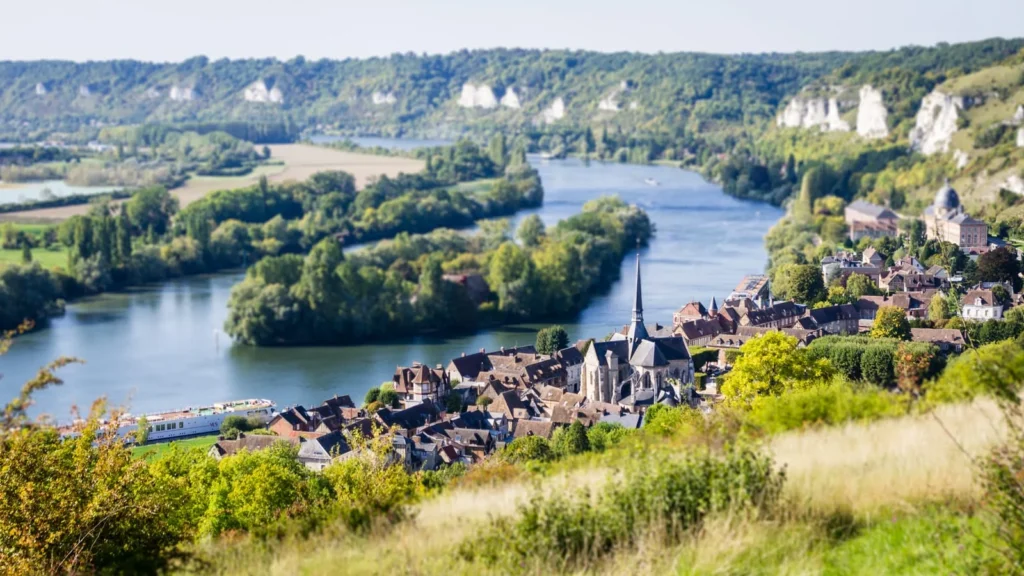
Northern France offers coastal cliffs, pastoral landscapes, and historical sites. Châteaux here are often close to D‑Day beaches or medieval abbeys. The climate stays mild in summer, making the region suitable for spring or autumn visits. It appeals to history buffs and those who enjoy seaside drives.
When selecting a region, consider transportation and language. In remote areas, train service may be limited, so a rental car may be required. Check weather conditions too: July and August can be very hot in the south, while northern coastal areas may be cool.
Essential Checklist Before You Book
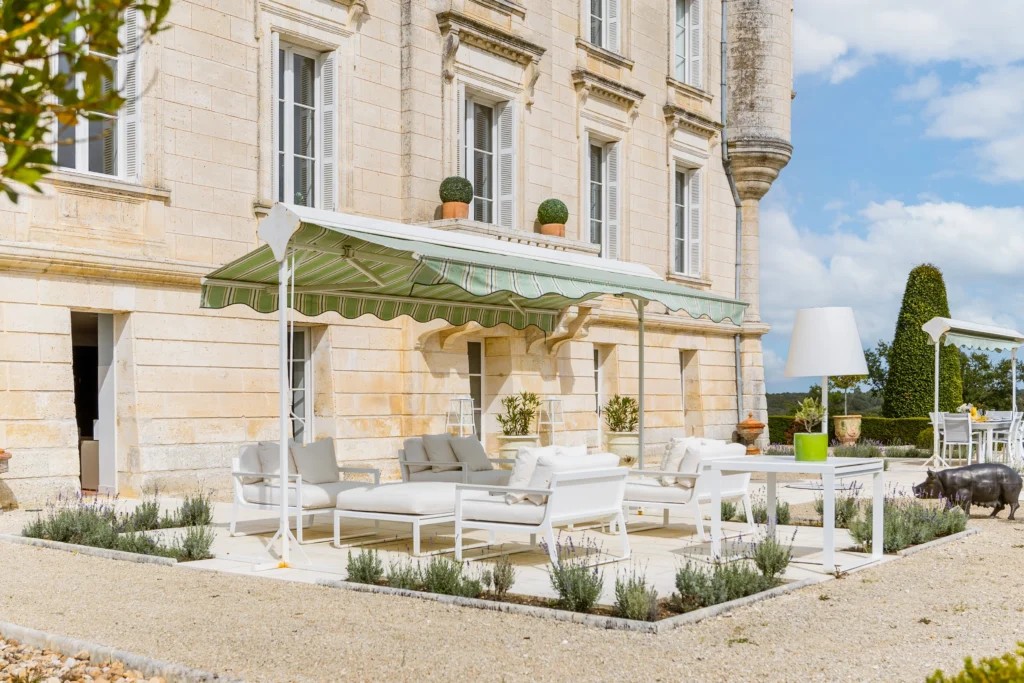
Booking a château involves more than admiring photographs. Older properties have quirks, and online descriptions can be vague. Use this checklist to evaluate each property:
- Modern comfort. Ask about heating and air conditioning. Some estates rely on radiators or have limited cooling systems. Insulation and window upgrades matter because stone walls can retain moisture.
- Bathroom to bedroom ratio. Check how many bathrooms are available for the group. A ten‑bedroom estate with four bathrooms might cause morning queues. Prioritize layouts with en‑suite bathrooms for privacy.
- Functional kitchen. A beautiful kitchen may lack essential equipment. Request a list of appliances, including dishwashers, ovens, and cookware. For large groups, confirm that there are enough burners and refrigerators.
- Outdoor space. Check whether the pool is heated and fenced, and if it is available outside peak summer. Large estates can appear impressive but may lack usable terraces or shaded seating.
- Layout and accessibility. Request a floor plan to see how rooms are arranged. Consider elderly guests or those with mobility challenges; spiral staircases and narrow doorways can be difficult to navigate.
- Precise location. Descriptions like “minutes from wine country” can be misleading. Use digital maps to check the distance from shops, hospitals, and restaurants.
- Review research. Read recent guest reviews and sort them by lowest rating to identify recurring issues, such as water pressure or heating. Notice how hosts respond to complaints; prompt and respectful responses signal good service.
Taking time to ask these questions helps you avoid surprises and choose a property that suits your group’s needs.
Strategic Booking Tips
After narrowing your options, plan your booking carefully. Availability for popular estates disappears quickly, particularly during the summer and wedding season. The following tips can help you secure a good property and avoid hidden costs:
Plan Well in Advance
Many estate owners accept reservations up to a year in advance. Booking six to nine months in advance is prudent for family holidays, and twelve to eighteen months is advisable for weddings or large events. Peak periods include June through September and holiday weeks.
Use Dedicated Booking Platforms or Agencies
Specialist rental agencies inspect their properties and provide detailed descriptions. They offer search filters for amenities, floor plans, and local attractions. General vacation rental sites can also be used, but you should verify information directly with the host.
Boutique agencies act as a buffer between renters and owners, advising on group dynamics and being available for questions during the stay.
Ask Questions and Verify Details
Do not rely solely on photos. Contact the owner or agent for a complete list of amenities and a floor plan. Clarify important services such as pool heating, extra beds, or chef availability.
Check for Extra Costs
Headline prices often exclude cleaning fees, tourist taxes, pool heating, and security deposits. Request a full quote that breaks down every fee. Be aware that utilities and pool heating can add hundreds of euros per week.
Understand Payment and Cancellation Terms
Château rentals usually require a significant down payment. It is common to pay between 25% and 50% upon booking. Agencies require a 40% deposit when reserving a property, with the remaining balance due 12 weeks before arrival. This deposit is non‑refundable unless the property becomes unavailable.
Cancellation policies vary widely. Some owners offer partial refunds only if you rebook your dates, while others charge a fee for cancellations. Booking through agencies that include travel insurance provides extra protection.
Assess Host Communication and Professionalism
Prompt and informative communication signals a reliable host. Look for hosts who provide a welcome guide with appliance instructions, local tips, and emergency numbers.
Compare Options Based on Value
Price alone does not tell the full story. Consider what is included—housekeeping, chef services, or equipment rentals. Sometimes a slightly higher weekly price covers extras that would otherwise cost more. Look for seasonal discounts; off‑season rates or mid‑week stays often cost less.
When calculating cost, divide the weekly rate by the number of guests to understand the per‑person price.
Budgeting: How Much Does a Château Stay Cost?
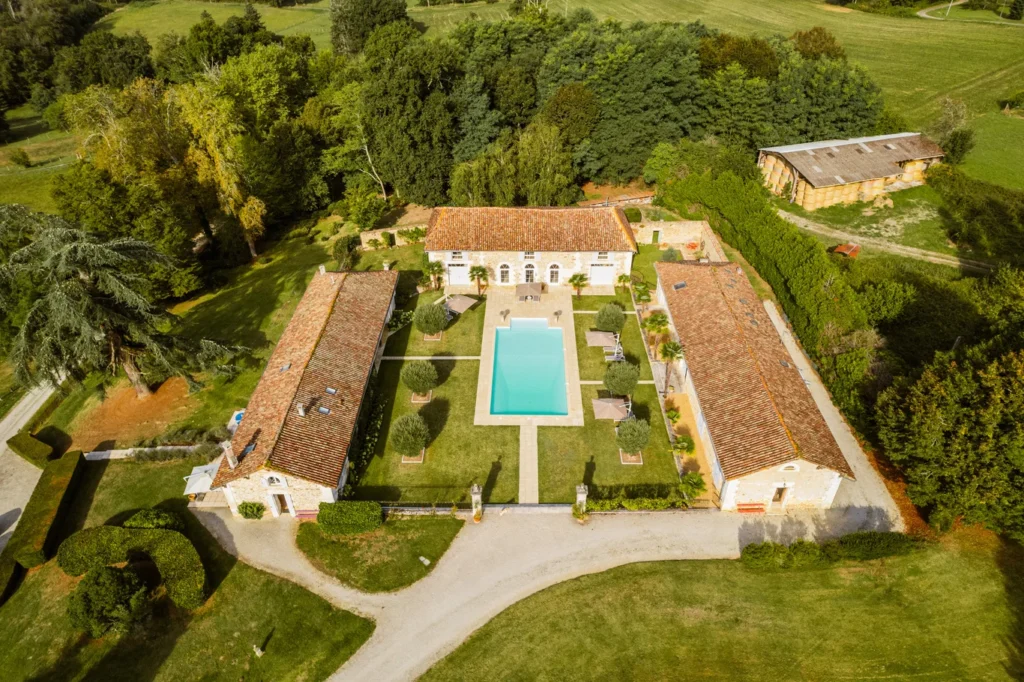
Costs vary greatly depending on size, location, season, and services. Below are broad price ranges from reputable sources:
- Smaller rural châteaux may cost €4,000 to €7,000 per week, according to estimates from Château de Lasfonds.
- Vacation estates with pools or staff typically range from €150 to €250 per night for smaller properties and €500 to €2,000 or more per night for larger ones. Sharing costs with a group lowers the per‑person price.
- budget‑friendly rates at about €250 per person per week for large groups, with mid‑range properties costing €5,000 to €15,000 per week, and luxury estates reaching €50,000 or more per week.
- At Château de Lasfonds, rentals range between €14,900 and €19,980 per week, depending on the season.
These figures exclude extras such as catering, private chef services, pool heating, and event set‑ups. Deposits (often forty percent) and a refundable security deposit are standard.
Planning Special Occasions
Châteaux make memorable venues for weddings, anniversaries, birthdays, or retreats. However, events require careful planning. Here are guidelines drawn from both rental agencies and estate owners:
- Confirm legal requirements. Civil weddings must take place at the local town hall; ceremonies at the château are symbolic.
- Check capacity and layout. Verify that indoor and outdoor areas can host the ceremony, reception, and guest accommodation. Look for estates with backup indoor spaces in case of rain.
- Clarify vendor policies. Some châteaux require the use of preferred suppliers, while others allow you to bring your own. Ask about noise restrictions for outdoor events and curfews.
- Book suppliers early. Caterers, musicians, and photographers are busy during the summer. Secure them as soon as you confirm your dates.
- Communicate with guests. Share itineraries, dress codes, and transport information in advance. Request a guest guide from the host; many provide useful documents with house rules and local recommendations.
Services and Add‑Ons: Self‑Catering or Staffed Luxury?
Understanding what is included in your rental is crucial. An estate may appear expensive yet become cost‑effective when services are considered. Ask the following questions:
- Is the rental self‑catered or fully staffed? Self‑catered estates require you to cook, clean, and manage logistics. Full‑service estates include chefs, housekeepers, and concierge support.
- What does the base price include? Most rentals cover exclusive access, utilities, linens, towels, and a basic cleaning before and after your stay. Additional housekeeping, chefs, or catering often incur extra charges.
- Are there optional activities? Many agencies arrange wine tastings, cooking classes, or guided tours.
- Do they offer transportation? Ask whether airport transfers or shuttles can be arranged. If the property is remote, renting a car may be essential.
Many estate owners can recommend local service providers such as caterers, florists, and musicians. Some allow visitors to choose their own vendors. Consider what level of assistance you need and budget accordingly.
Practical Considerations: Accessibility, Families, and Pets
Staying in a historic building introduces unique logistical considerations. Keep these points in mind:
- Mobility. Historic staircases and uneven floors may pose challenges for guests with limited mobility. Some estates offer ground‑floor bedrooms and ramps. Ask for specifics.
- Child safety. Châteaux can be wonderful for families, but parents should ask about fenced pools, play areas, and child‑friendly amenities. Remember that many bedrooms are not en‑suite and cannot be locked.
- Pets. Policies vary. Some estates welcome pets with extensive grounds, while others do not. There may be extra cleaning fees.
- Noise and firework restrictions. Most owners allow parties to continue indoors without curfews, but outdoor music may need to be shut down after a certain hour. Fireworks are generally forbidden for safety reasons.
- Internet and phone coverage. Stone walls often block Wi‑Fi signals. Check if there are dedicated boosters or good reception areas.
- Visit before booking if possible. Some agencies arrange visits so you can inspect the property before signing.
Embrace the Heritage and Local Culture
One of the joys of a private château stay is living inside a piece of history. Many estates date back centuries and have stories of nobility, wars, and restoration. During your visit, look for tours or local guides who can explain the château’s past. Learning about these stories enriches the experience and fosters respect for the property.
While enjoying the fairytale setting, remember that these properties are not museums; they are homes. Treat furnishings and antiques with care. Secure valuables in lockable rooms when staff are present, and follow the house rules.
Explore the Surroundings
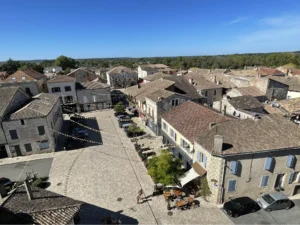
Châteaux often lie near picturesque villages, markets, and natural attractions. Spend mornings browsing farmers’ markets for cheese, charcuterie, and seasonal produce. Arrange visits to wineries or truffle farms in Dordogne. Take advantage of on-site activities such as kayaking, cycling, or yoga when available.
Pack with Flexibility
French weather can change quickly. Excellence Luxury Villas advises packing clothes for sun, rain, and even an occasional cold snap. Light layers, a rain jacket, and comfortable shoes prepare you for exploring gardens, cellars, and villages.
Learn Some French Phrases
Even though many hosts speak English, a few French phrases show respect and make interactions smoother. Agencies note that brushing up on basics goes a long way.
Experience It for Yourself: Stay at Château de Lasfonds
If you are serious about turning this checklist into a real experience, Château de Lasfonds is a strong example of what a well-executed private château stay should feel like.
Set on a hill between Charente and Dordogne, this 19th-century estate combines historic architecture with modern comfort, offering a rare balance between authenticity and livability.
Here is why it stands out:
- True private estate experience: You rent the entire property, including the main château and outbuildings, accommodating up to around 18 guests.
- Historic setting without compromise: Built in the 1800s, the château retains its Neo-Gothic character while offering modern interiors, WiFi, heating, and fully equipped living spaces.
- Designed for group stays and events: With multiple living areas, terraces, gardens, and a heated pool, the estate works equally well for family gatherings, retreats, or celebrations.
- Immersive countryside location: Surrounded by forests, vineyards, and historic villages, it gives you direct access to the real rhythm of rural France.
- Flexible experience: You can keep it self-catered or add concierge services like private chefs, local tours, and curated experiences.
What makes a place like this valuable is not just the property itself. It is how seamlessly it delivers on everything covered in your checklist. Location works. Layout works. Comfort works. Experience feels intentional.
If your goal is to experience France beyond hotels and standard rentals, this is the step where planning becomes something real. Book your stay now and secure your dates before availability fills up.
FAQs about Rent a French Castle
1. How much does it cost to rent a French castle for a week?
The cost of renting a French castle for a week varies widely. Smaller estates may start at a few thousand euros, while luxury properties can cost more than €20,000 per week. Prices depend on location, group size, amenities, and included services.
2. What should I check before booking a château in France?
You should focus on layout, bathrooms, heating, and kitchen functionality when booking a château in France. Photos rarely show daily usability, so always request a floor plan and detailed amenity list before confirming your stay.
3. Is a car necessary for a private château stay in France?
Yes, in most cases, a car is essential for a private château stay in France. Many estates sit in rural areas with limited public transport, so having a car gives you flexibility for groceries, day trips, and local experiences.
4. Can you host events when you rent a French château for a wedding?
Yes, many properties offer event services when you rent a French château for a wedding. However, each estate has specific rules on capacity, noise, and vendors, so you should confirm permissions and requirements early in the booking process.
5. What is included in a typical château rental in France?
A typical château rental in France includes exclusive use of the estate, bedrooms, linens, and utilities. However, services like catering, housekeeping, or concierge support are often optional add-ons that you need to request separately.
6. How far in advance should I book a château in France?
You should book a château in France at least six to twelve months in advance for popular seasons. High-demand properties, especially for weddings or summer stays, often require even earlier planning to secure the best options.
7. Are French château rentals suitable for families with children?
Yes, many French château rentals suitable for families offer large outdoor spaces, pools, and flexible layouts. Still, you should confirm safety features and room arrangements, as historic properties may have stairs, open grounds, or shared bathrooms.
8. How can I tell if a luxury château rental in France is worth it?
You can assess a luxury château rental in France by looking beyond photos. Focus on reviews, host responsiveness, layout practicality, and included services. If details feel unclear, ask questions before booking rather than relying on assumptions.
9. Do you get full privacy when you rent a private château in France?
Yes, when you rent a private château in France, you usually get exclusive access to the entire property. Owners or caretakers may assist at arrival, but the estate is typically yours for the full duration.
10. What is the booking process for a French castle rental?
The French castle rental booking process usually involves checking availability, signing a rental contract, and paying a deposit. The remaining balance is due before arrival, and some properties require insurance or a security deposit.