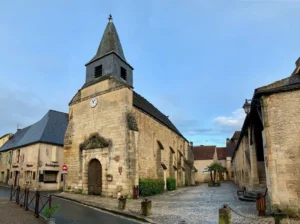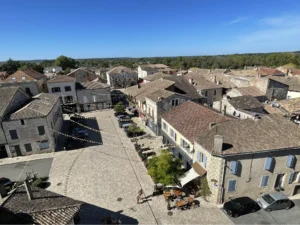
France castles are best understood through their setting, purpose, and region. Some were built for defense, while others became refined country estates, royal residences, or garden-led destinations. To experience them well, plan by region first, then choose castles by mood, architecture, access, and season.
France rewards travelers who slow down around its castles. A rushed checklist can blur Chambord, Chenonceau, Versailles, Carcassonne, and Beynac into the same memory. A better trip lets each place reveal its role. One may show royal power. Another may show border warfare. Another may offer garden design, river views, family history, or a quieter countryside stay.
That is why French castles deserve a thoughtful route, not only a list of famous names. The Loire Valley alone has more than enough châteaux for several trips. The Loire Valley is a UNESCO-listed landscape of about 280 kilometers, with the Loire River, visitor-friendly castles, gardens, forests, and wines shaping the experience.
What Makes France Castles Different From Ordinary Historic Sites?
French castles feel different because they combine architecture, landscape, politics, and daily life. A fortress may explain military control, while a château may reveal taste, wealth, patronage, and regional identity. The best visits connect rooms, gardens, rivers, villages, and local routes into one complete story.
This is where the château vs castle distinction matters. In English, a castle often suggests defense, thick walls, towers, and conflict. In France, a château can describe a fortified seat, a noble residence, a refined country house, or even a vineyard estate. Merriam-Webster defines château as a feudal castle or fortress in France, a large country house, or a French vineyard estate.
For travelers, the practical lesson is simple. Do not rank castles only by fame. Match the castle type to the experience you want. Choose a fortress for atmosphere and views. Choose a Renaissance château for interiors and gardens. Choose a royal palace for scale, art, and political symbolism.
The Loire Valley Gives the Classic Château Experience
The Loire is the easiest starting point for travelers searching for famous French castles. Its châteaux sit close enough for a focused route, with royal residences, gardens, river towns, and vineyards shaping the trip. Many were built in the fifteenth and sixteenth centuries, when the French court settled in the region.
Chambord, Chenonceau, Amboise, Blois, Villandry, and Azay-le-Rideau give travelers a clear introduction to famous castles in France. Chambord features the strongest royal scale, with its double-helix staircase and vast forest setting. Visit early for quieter photos, then leave enough time for the interior.
Chenonceau feels more intimate because it rises over the Cher and carries the influence of women who shaped its rooms, gardens, and identity. Its official site highlights Diane de Poitiers and Catherine de Medici as central figures in its story.
Villandry works best for travelers who care about gardens more than royal spectacle. Its ornamental kitchen garden uses geometric beds, while its maze adds a lighter outdoor stop. That makes it one of the best castles in France for landscape design.
Dordogne Is Better for a Medieval Atmosphere and River Views
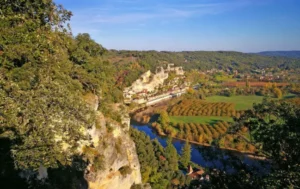
Dordogne gives a more rugged and medieval version of France castles. Instead of a polished courtly route, you get cliffs, stone villages, defensive heights, river bends, and older fortresses. This region suits travelers who want texture, walking, local food, and slower countryside days.
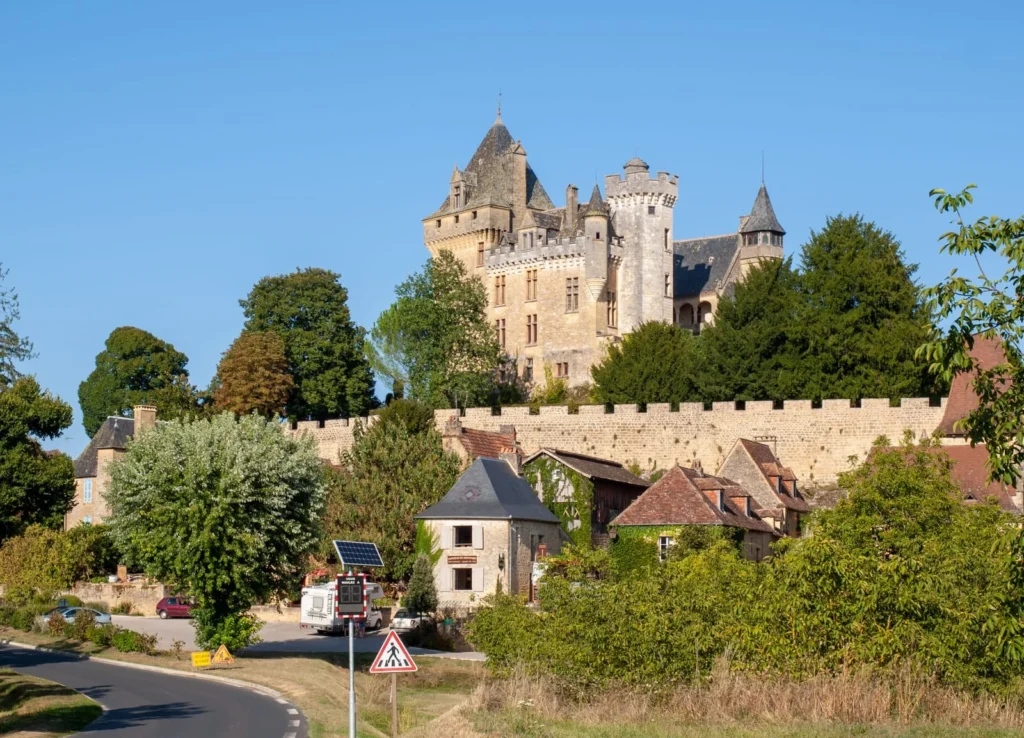
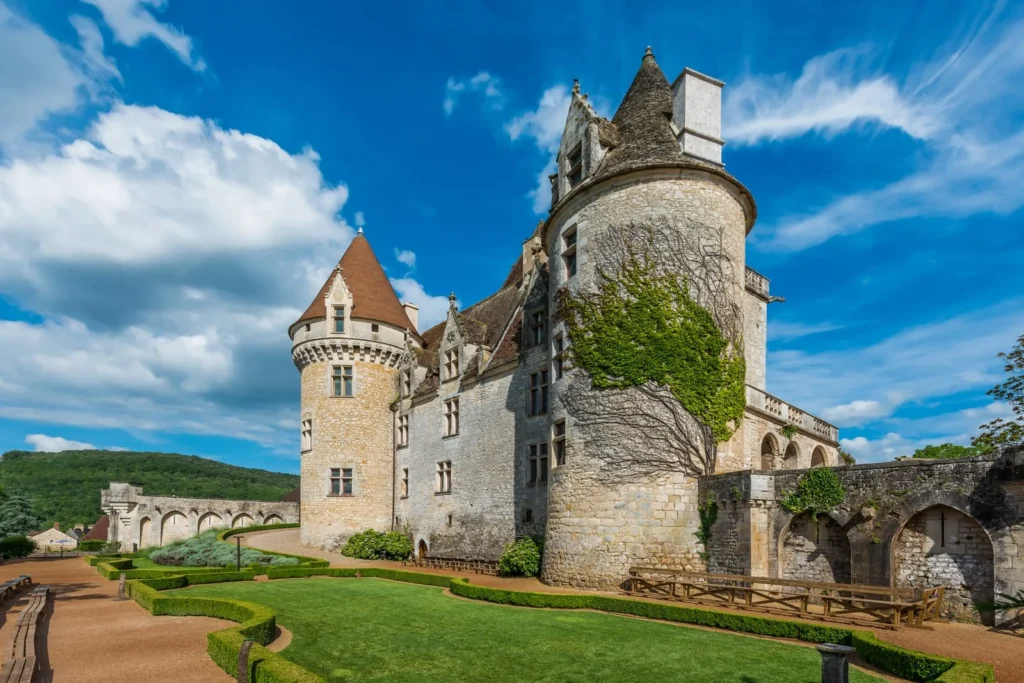
Dordogne Valley castles of Beynac, Castelnaud, Montfort, Fénelon, and Milandes, with Beynac, Domme, Castelnaud-la-Chapelle, and La Roque-Gageac listed among the beautiful villages in the Périgord. This matters because the castles work best with the villages around them.
Beynac feels severe, vertical, and defensive. Castelnaud adds another layer with its focus on medieval warfare. Milandes brings a more personal story through Josephine Baker, performance, resistance, and family life. These are medieval castles in France with an emotional range, not only stone walls.
The best way to experience Dordogne is to combine viewpoints. See a castle from the road, from the village, from the ramparts, and from the river if your itinerary allows. A canoe route can make the geography clearer than any map. You see why cliffs mattered, why river crossings mattered, and why rival strongholds faced each other across the valley.
A Private Château Stay Near the Dordogne
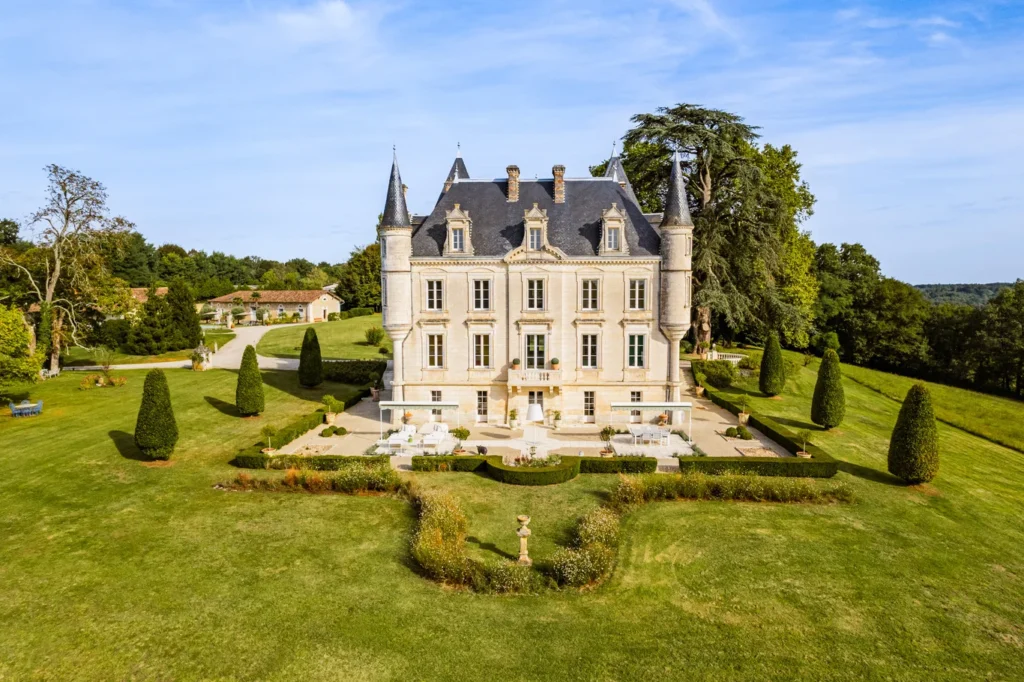
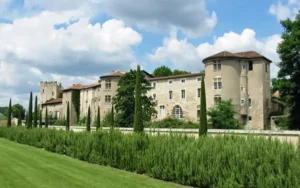
For travelers who want to slow down, Château de Lasfonds offers a private château base near the Dordogne and Périgord countryside. It works well for groups who want village visits, quiet meals, garden time, and a more personal way to experience French château life. The estate is positioned as a private château holiday setting with countryside access, group space, and bookable stays.
Carcassonne Gives the Strongest Fortified City Experience
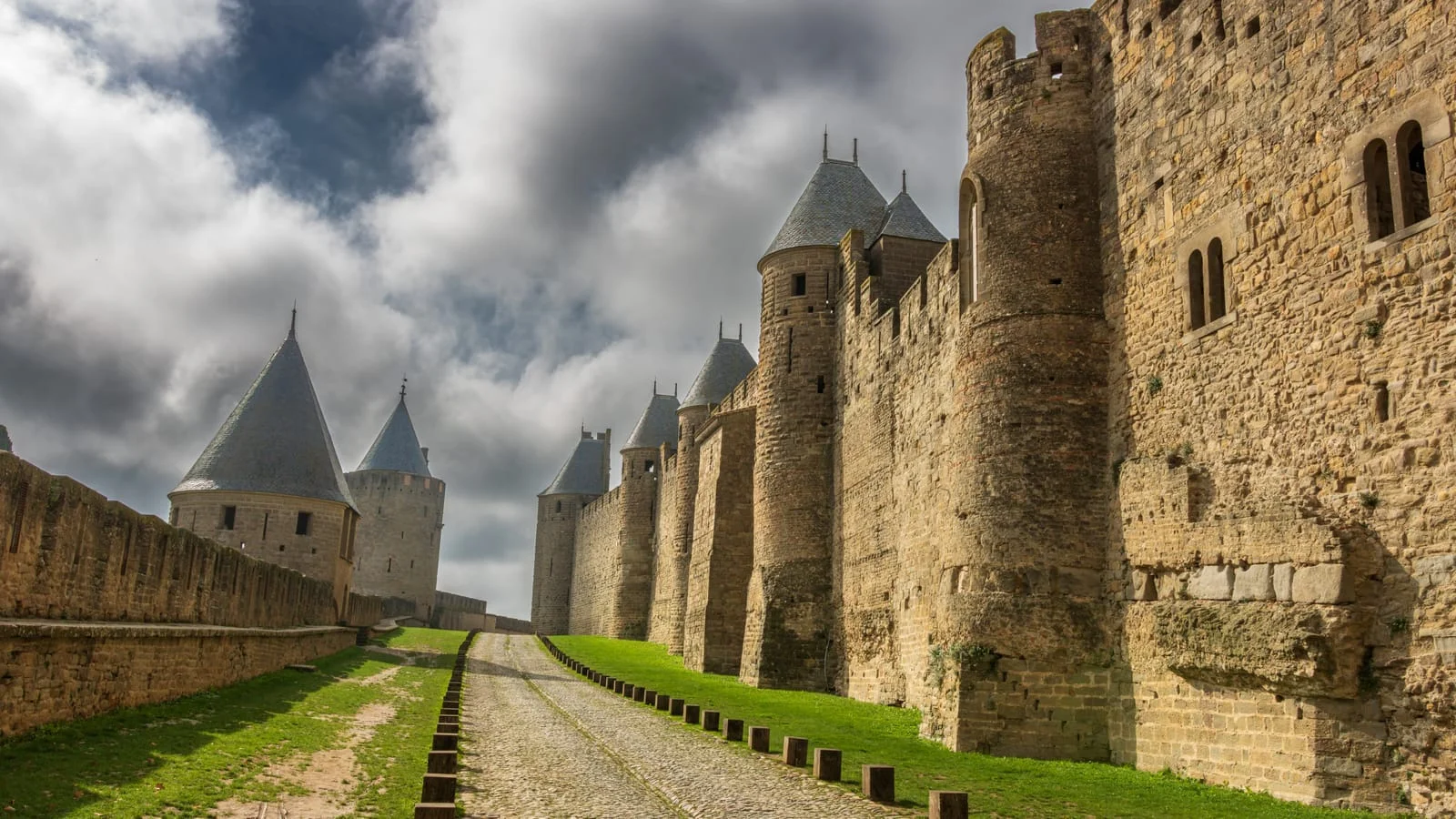
Carcassonne belongs on any serious list of popular castles in France because it gives scale, drama, and medieval urban form. The experience is not limited to one building. You enter a fortified city, walk the streets inside the walls, then visit the castle and ramparts for the strongest historical perspective.
The Citadel of Carcassonne is still an inhabited medieval town on the right bank of the Aude River, with 52 towers and a deep medieval atmosphere. That inhabited quality changes the visit. You are not only touring a monument. You are moving through a place that still has daily activity, restaurants, shops, hotels, and evening light.
Carcassonne works best with time discipline. Arrive early for quieter walls. Stay late for the atmosphere after the day groups leave. Visit the paid ramparts for the most structured understanding of the defenses. Then walk outside the walls to understand the silhouette from below.
For travelers comparing old castles in France, Carcassonne offers one of the clearest lessons in defensive architecture. Towers, gates, wall lines, and controlled access points become visible in a way that polished palace visits rarely show.
Versailles Is a Palace Experience, Not a Quiet Castle Day
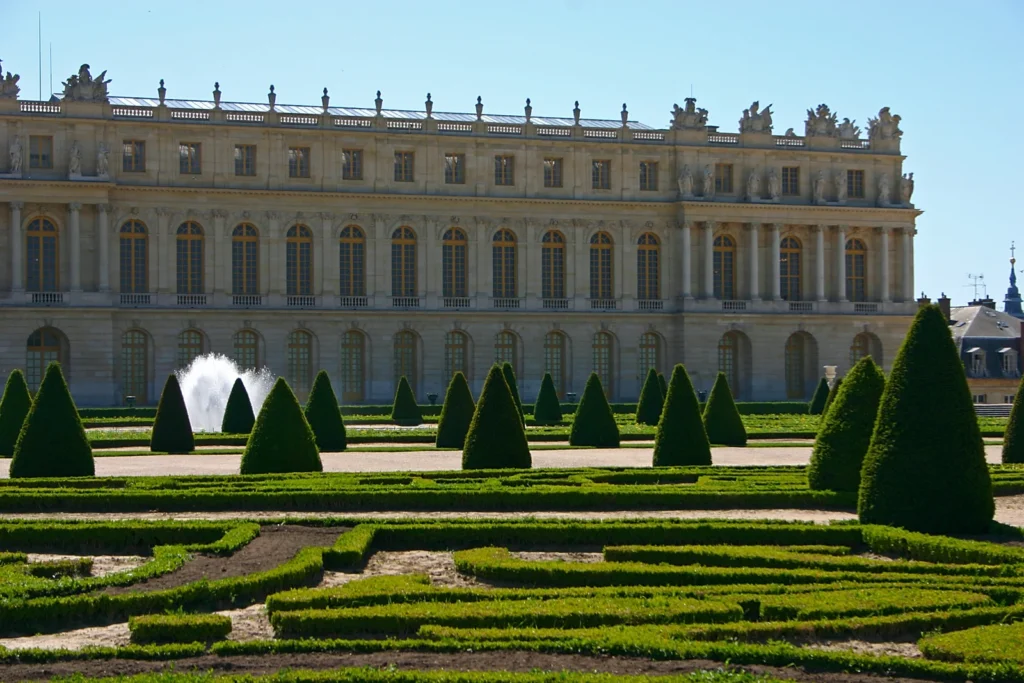
Versailles appears on many lists of castles, but it demands a different mindset. It is one of the most important historic residences in France, yet the experience feels closer to a royal state machine than a countryside château. Plan it as a full estate visit, not a quick palace stop.
The palace is the former seat of power and is now a museum of French history. The estate includes the palace, gardens, park, and Trianon areas. Its ticket page also states that only the palace visit needs a timed slot, while other estate areas can be visited throughout the day.
That detail shapes your timing strategy. Book the palace entry for a specific time, then plan gardens, Trianon, and the park around that slot. If you visit during the fountain or garden event days, check access rules carefully, as garden entry may follow a separate system.
Versailles can feel crowded because it is globally recognized. The best visit starts with realistic expectations. You go for scale, ceremony, art, and political theater. You do not go for solitude. If you want calm, choose smaller Loire or Dordogne properties on another day.
Practical Timing Strategy for the French Castles
Visit major châteaux early in the morning or later in the afternoon. Use midday for gardens, lunch, scenic drives, or smaller sites when interiors feel busiest.
Spring and early autumn usually work best for castle trips. Gardens look active, daylight lasts long enough, and crowds stay lighter than peak summer.
Summer gives longer hours and more events, but it also brings heat, tour groups, and higher demand for timed entries.
Winter suits quieter interiors, festive décor, and photography. However, smaller châteaux may reduce opening days, so always check schedules before planning.
Book ticketed icons early. Versailles requires timed palace access, so reserve that slot before arranging the rest of the estate visit.
Carcassonne also needs seasonal planning. Opening hours are longer from May through September 2026, then shorter from October through December, which affects rampart visits and photography.
Tickets, Routes, and Real Visitor Experience
Treat tickets as part of the route. Major monuments often need timed entry, while smaller castles may run fixed guided tours.
In the Loire, plan clustered days. Pair Chambord with Blois or Cheverny, Chenonceau with Amboise or Clos Lucé, and Villandry with Azay-le-Rideau.
In Dordogne, keep the day lighter. One castle, one village, and one river viewpoint usually feel better than four rushed interiors.
For Carcassonne, separate the free city wandering from the paid castle and ramparts. The streets give atmosphere, while the ramparts explain the fortress.
Leave space for one unplanned stop. A terrace view, a quiet garden, a village café, or a late-light photo often becomes the strongest memory.
Experience France Castles From the Inside at Château de Lasfonds
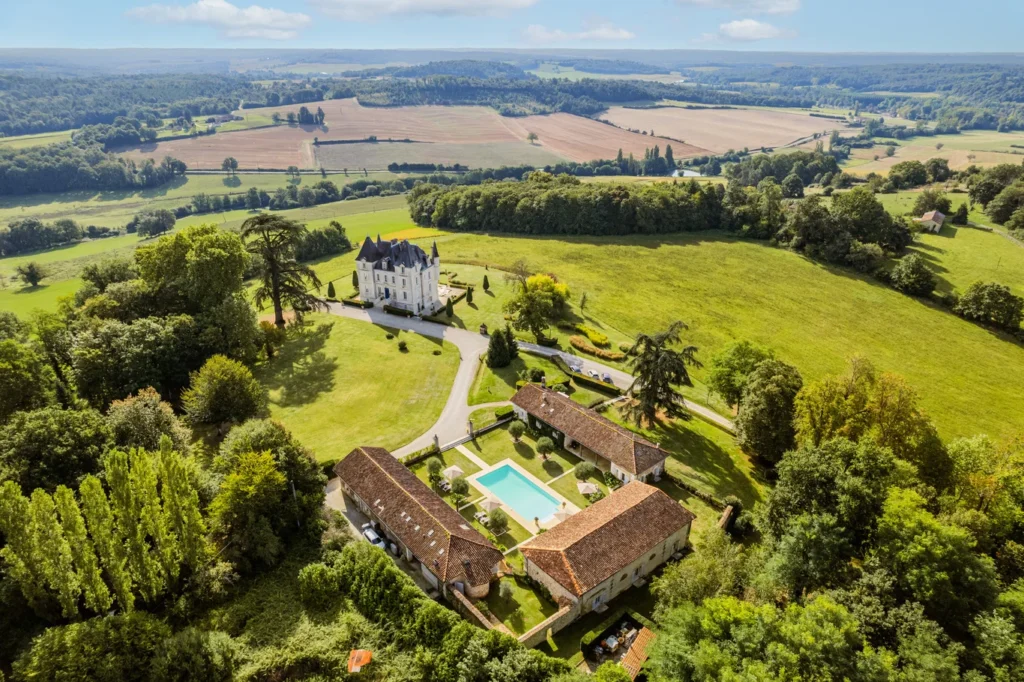
For travelers who want more than a quick castle tour, Château de Lasfonds offers a slower way to experience the French countryside. The estate welcomes one group at a time, so guests have private use of the château, gardens, and outbuildings during their stay. It can accommodate up to 18 guests and requires a 7-day minimum stay, making it ideal for families, friends, retreats, and milestone trips.
The setting also gives the stay more substance than a standard countryside rental. Château de Lasfonds traces its history to the Napoleonic era, with the estate becoming a château in 1856 and serving as a family residence by 1861. Today, that history sits alongside modern comfort, social spaces, outdoor dining, and room for relaxed group living.
If you want your trip to France to feel personal, rooted, and unhurried, Château de Lasfonds is worth considering. Use it as a private base for countryside mornings, long meals, nearby village visits, and quieter moments between major castle routes. Then, instead of only seeing French castles from the outside, you can live inside the atmosphere that makes them memorable.
Book Now
Reserve your private stay at Château de Lasfonds and experience France’s château lifestyle at a slower, more personal pace.
FAQs about France Castles
Which famous French castles are easiest to visit from Paris without renting a car?
Fontainebleau and Chantilly are strong choices because both have train access from Paris and offer full estate visits. They suit travelers who want famous French castles without a rural drive or a packed day trip to the Loire.
Can you sleep inside a French château during a vacation?
Yes, many French châteaux now operate as hotels, guest houses, or private rentals. Check the room type, meal access, transport, and overall property privacy, since a château stay can range from a boutique hotel to an entire estate.
What are the best castles in France for families with children?
Family-focused visits work best at castles with open grounds, short routes, visual rooms, and interactive activities. Chambord, Pierrefonds, and Guédelon can keep children engaged because scale, towers, craft demonstrations, and outdoor space add variety.
Do you need guided tours of famous castles in France?
Guided tours are useful when the story depends on room sequence, court ritual, owners, or restorations. For smaller châteaux, a guide can turn decorative rooms into a clearer story of family power and local history.
Which medieval castles in France feel most immersive?
Guédelon feels unusually immersive because builders still construct a thirteenth-century castle with historic tools and materials. Pierrefonds feels different because its towers, drawbridge, and restored rooms create a dramatic Gothic-revival castle experience.
Is Mont Saint Michel one of the famous castles in France?
Mont Saint Michel is not a castle in the strict sense. It is a village and an abbey on a tidal island, so it belongs better in an itinerary for abbeys, pilgrimage, and medieval architecture.
Can you explore French castles by bike?
Yes, the Loire is well-suited to biking when you choose realistic stages and stay near rail-connected towns. The Loire à Vélo route gives riders a scenic way to pair châteaux, river landscapes, and villages.
Are any popular castles in France worth visiting at night?
Yes, Vaux le Vicomte is a strong night visit because its candlelit evenings add garden atmosphere after dark. It suits travelers who want romance, photography, and a slower alternative to daytime crowds.
What should you wear when visiting old castles in France?
Wear comfortable shoes, layered clothing, and something practical for stone stairs, gardens, gravel, and uneven village streets. Many old castles in France involve more walking than expected, even when the interior route looks short.
How are castle visits in France changing for modern travelers?
Castle trips are becoming more experience-led, with candlelit evenings, cycling routes, private château stays, and working heritage sites. Travelers now compare atmosphere, access, and pace, not only famous names or photo value.