The best places to visit in July are often the ones that catch you off guard. You plan for postcard France and what you actually find is a country that exceeds the expectation entirely. Evenings that stretch past 10 p.m. Lavender fields that colour entire hillsides. Medieval towns with barely a tour bus in sight. France in July delivers all of that, and consistently.
Whether you are drawn to the coast, the countryside, or a capital city buzzing with summer energy, France covers every kind of traveller. This guide walks through the regions worth knowing about, with a particular focus on the Dordogne and Périgord, one of the most rewarding summer destinations the country has to offer.
What Makes France in July a Peak Travel Month

July is France at its most alive. Temperatures across most of the country sit between 25°C and 30°C, with long daylight hours that give you significantly more time to explore than almost any other month. The pace shifts. Restaurants extend onto pavements. Villages host their annual fêtes. The whole country leans into the season.
Bastille Day on July 14 is one of the biggest national celebrations in France. Fireworks, parades, village festivities, and genuine communal energy make it a worthwhile experience no matter where you happen to be.
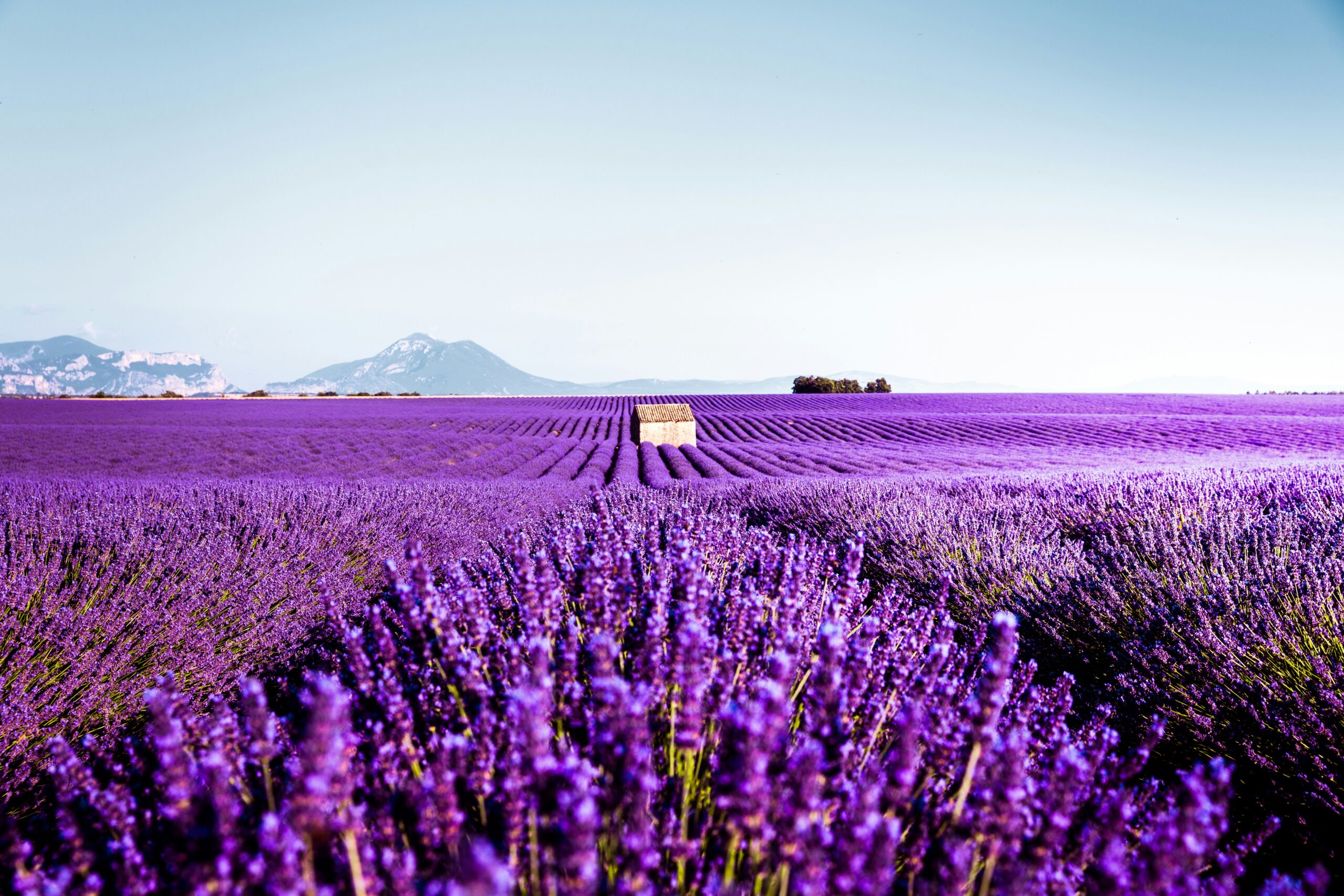
In Provence, July marks the peak of lavender season. The fields bloom in full colour, and the scent carries across entire valleys. Meanwhile, major festivals fill the cultural calendar, from theatre in Avignon to jazz in Marciac, giving travellers reasons to linger beyond the obvious landmarks.
One practical note: July is generally easier to navigate than August. Temperatures are warm without tipping into the extremes that arrive in the final weeks of summer, and the most intense domestic holiday crowds tend to follow later in the season.
What to Know Before Visiting France in July
The most important thing to understand about France in July is that it is popular. Genuinely, consistently popular. Major cities, coastal towns, and well-known landmarks fill up quickly, and prices reflect that demand. Booking accommodation and transport well in advance, ideally several months ahead, is not excessive caution. It is simply how July travel in France works.
Regional climate varies more than most visitors expect. The Mediterranean south runs hot and dry. The Atlantic coast stays breezy and noticeably cooler. Inland regions like the Dordogne sit somewhere between the two: warm, green, and manageable without the intensity of the far south.
For packing, light layers cover most situations. Mornings can be fresh, afternoons warm, and evenings occasionally cool. Comfortable walking shoes, reliable sun protection, and a light jacket for later in the day are all that is needed.
The Best Places to Visit in July Across France

Provence
Provence in July earns every word written about it. The lavender fields at Valensole Plateau and Sault are in full bloom, the air carries their scent for kilometres, and the countryside turns a shade of purple that photographs simply cannot fully capture. The Festival d’Avignon runs through most of the month, filling historic venues with theatre, dance, and performance.
Beyond the lavender, the hilltop villages of the Luberon offer weekly markets, local produce, and a pace of life that feels genuinely removed from modern noise. It is busy, but planned well, it remains one of the most memorable summer experiences in Europe.
The Dordogne and Périgord
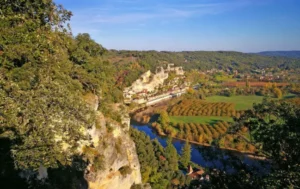
The Dordogne and Périgord is one of the most rewarding, and least overhyped, summer destinations in France. While the coastlines fill up and the Mediterranean south bakes, this inland region stays quieter, cooler, and rich with genuine character.
The Lascaux IV cave art centre near Montignac brings prehistoric art to life through a full-scale faithful replica of the original cave, closed to the public since 1963 for conservation. Font-de-Gaume, near Les Eyzies, is one of the last decorated prehistoric caves in the world still open to visitors, though access is strictly limited and advance booking is essential.
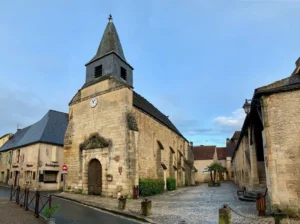
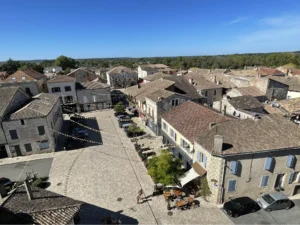
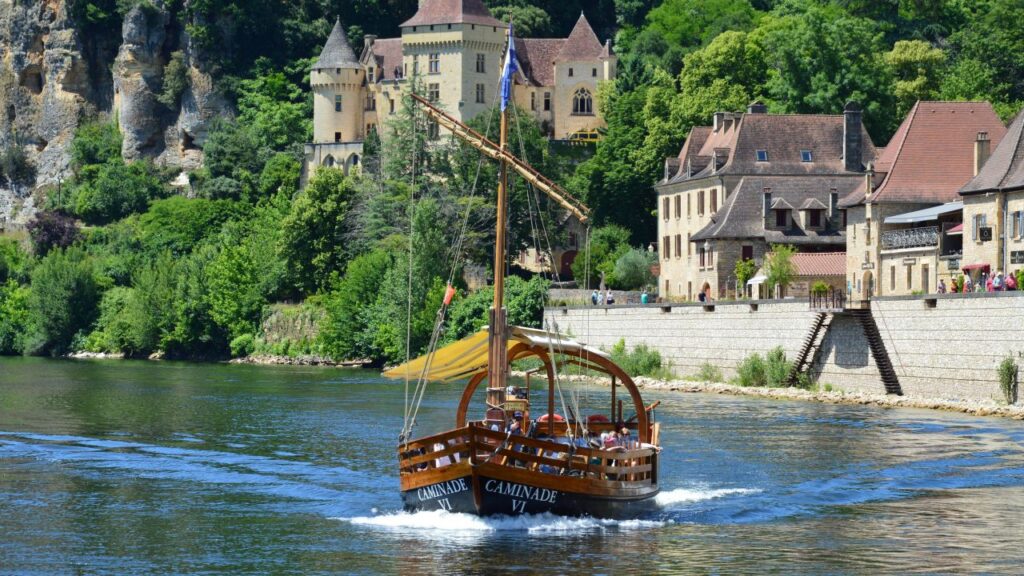
Medieval bastide towns and river valleys built for summer exploration complete the picture. Markets sell foie gras, truffles, and regional cheeses that define Périgord cuisine. The pace here is unhurried, and for the right kind of traveller, that is precisely the appeal.
The French Riviera
The French Riviera is peak summer France in its most concentrated form. Nice, Cannes, and Saint-Tropez deliver the beaches, the boats, and the Mediterranean energy that have made this stretch of coastline famous for a reason.
It also comes with high prices and serious crowds in July. Planning is essential, early booking is non-negotiable, and choosing your moments carefully makes all the difference.
The Loire Valley
The Loire Valley in summer is a different kind of French beauty. Royal châteaux rise above manicured gardens in full bloom, cycling routes wind along the riverbanks, and wine tastings are available at almost every turn. Day trips between Amboise, Chinon, and Blois reward those who stay for several days and resist the urge to rush.
Bordeaux and the Atlantic Southwest
Bordeaux punches well above its weight as a July destination. The city itself is architecturally stunning, with a food and wine scene that matches any capital.
Vineyard tours, day trips to Saint-Émilion, and easy access to the Atlantic coast round out a genuinely strong summer base. Cognac is also within comfortable reach, adding a clear reason to explore the wider southwest.
Normandy and Brittany
For travellers who prefer a cooler, quieter summer, Normandy and Brittany consistently deliver. Brittany’s beaches rival the Mediterranean in beauty, with white sands and clear water that genuinely surprises first-time visitors.
Normandy offers dramatic cliff scenery along the Alabaster Coast alongside significant historical sites. Both regions are less congested than the south in July, and the Atlantic climate keeps temperatures pleasant without the extremes.
Paris
Paris in July is not the empty city some visitors expect. It is lively, sun-drenched, and full of energy. Bastille Day transforms the city, with fireworks over the Eiffel Tower and celebrations spread across every neighbourhood.
Parks fill up, terraces stay open late, and the Seine riverbanks become some of the best social spaces in Europe. Museum queues are long but slightly more manageable than in August.
The French Alps
For something entirely different, the French Alps in July offer cool temperatures, dramatic scenery, and a full calendar of outdoor activity. Chamonix is the standout base. Hiking, mountain biking, paragliding, and the Aiguille du Midi cable car give it a summer energy that feels completely distinct from anything on the coast.
It is an excellent option for travellers who find the July heat in the south difficult to enjoy.
Why the Dordogne Ranks Among the Best Places to Visit in July
If one region consistently earns its place among the best places to visit in July without making a great deal of noise about it, it is the Charente-Périgord. The July climate here is warm and genuinely manageable.
Days average around 25°C to 28°C, evenings cool down gradually, and there is none of the suffocating heat that makes the Mediterranean south hard work in peak summer.
The food is exceptional and deeply regional. Périgord cuisine, built around truffles, foie gras, local cheeses, and wines from the surrounding area, is some of the most honest, satisfying cooking in France. Eating well here does not require a reservation made months in advance.
Outdoor experiences reach their natural peak in summer. The Dordogne River is ideal for kayaking. Cycling routes pass through forests, vineyards, and stone villages. Walking trails open up the natural park landscape in a way that rewards a slower pace.
Access to the wider southwest is also straightforward. Cognac is around 40 to 45 minutes by car, and Bordeaux is approximately 1.5 hours, making the Charente-Périgord a surprisingly strong base for exploring the region as a whole.
A July Stay at Château de Lasfonds
The Estate
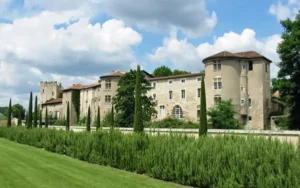
Château de Lasfonds is a fully private château set on the border of Charente and Dordogne, in the heart of the Charente-Périgord countryside near Angoulême, available for exclusive use by groups of up to 18 guests.
Built in the 1800s in Neo-Gothic and Neo-Renaissance style, the estate covers 6.5 hectares with no immediate neighbours and panoramic views across the surrounding countryside in every direction.
The main château has been carefully renovated to combine original architectural character with full modern comfort. Three renovated outbuildings complement the main house, providing flexible accommodation across the group. Manicured gardens, complete privacy, and attentive estate management define the stay.
Summer Highlights at the Estate
July is one of the finest months to be at the estate. The pool is fully open and surrounded by the garden at its summer best. Long evenings invite outdoor dining, and mornings begin quietly with birdsong and, occasionally, deer moving through the grounds.
Air conditioning keeps the main rooms comfortable on warmer afternoons. The garden offers natural shade throughout the day. The estate is designed for genuine rest, the kind that is genuinely difficult to find elsewhere.
Day Trips and Activities in July
Kayaking on the Dordogne River is a summer staple, easily arranged from the estate. Cycling routes, horseback riding, and walking trails are all within close reach. Prehistoric cave sites and medieval villages sit within a short drive, offering substantial day trip options without the need for long travel.
Cognac is roughly 40 to 45 minutes away by car, and Bordeaux is approximately 1.5 hours, providing access to wine tours, cognac tastings, and fine dining. Michelin-starred restaurants and excellent local options are available within 15 to 45 minutes of the château.
A concierge partner is available for guests who prefer their activities arranged in advance: private chef experiences, photo shoots, language lessons, massage services, and more.
Getting There
Château de Lasfonds is easily reached from Paris via a 2.5-hour TGV to Angoulême, followed by a 35-minute drive to the estate. Several regional airports are within a short drive, and a car rental is recommended for exploring the surrounding area comfortably and at your own pace.
Book your July stay at Château de Lasfonds and experience the Dordogne in peak summer.
Frequently Asked Questions
1. What is the weather like across France in July?
Most of France sees warm, sunny weather in July, with average highs between 25°C and 30°C. The south is hotter and drier, the Atlantic coast is cooler and breezier, and inland regions like the Dordogne sit comfortably in between with manageable temperatures throughout the month.
2. Is July a good time to visit the Dordogne?
Yes. July brings warm days, long evenings, and ideal conditions for outdoor activity. The Charente-Périgord sits between the coast and the inland, staying quieter than popular coastal destinations and cooler than the Mediterranean south, making it one of the most comfortable and rewarding places to spend a summer week in France.
3. What major events and festivals take place in France in July?
Bastille Day on July 14 is celebrated nationwide with fireworks, parades, and local fêtes. The Festival d’Avignon runs through most of the month, and jazz festivals, open-air concerts, and cultural events take place across every region.
4. How far in advance should accommodation in France be booked for July?
For popular destinations, three to six months in advance is advisable. For private estate rentals like Château de Lasfonds, earlier is always better, particularly for peak summer weeks when availability is limited.
5. What can guests explore near Château de Lasfonds during a July stay?
Guests have access to kayaking, cycling, and horseback riding nearby, along with prehistoric cave sites, medieval bastide towns, and river valleys. Cognac is roughly 40 to 45 minutes away by car, Bordeaux approximately 1.5 hours, and excellent local restaurants are available within 15 to 45 minutes of the estate.