Things to do in Bordeaux are plentiful enough to fill days, and varied enough to suit almost any kind of traveller. Whether you are drawn in by world-class wine, centuries of history, a thriving food scene, or simply the charm of a city that knows how to live well, Bordeaux rarely disappoints.
Situated in southwest France along the Garonne River, Bordeaux is a UNESCO World Heritage Site with roots stretching back over 2,000 years. It is one of France’s largest cities by metropolitan area and one of its most rewarding to explore on foot.
Bordeaux, France’s City of Art and History
Bordeaux earned its UNESCO listing for good reason. Its historic centre is one of the largest protected urban areas in the world, covering around 18 square kilometres. Honey-gold limestone buildings line wide boulevards, Gothic cathedrals rise above the skyline, and the Garonne River ties it all together.
What makes Bordeaux stand out is how effortlessly it balances the old and the new. Ancient monuments sit alongside contemporary art installations, vibrant market halls, and a restaurant scene that attracts visitors from across the globe.
Why Bordeaux Deserves a Place on Your French Itinerary
A UNESCO-Listed City With 2,000 Years of History
Bordeaux has been a centre of trade, politics, and culture since Roman times. Its architecture reflects that long history, from Gothic cathedrals and 18th-century merchant mansions to bold modern additions. Walking through the city feels like moving through layers of French history in a single afternoon.
Wine, Cuisine, and a Culture Built Around Pleasure
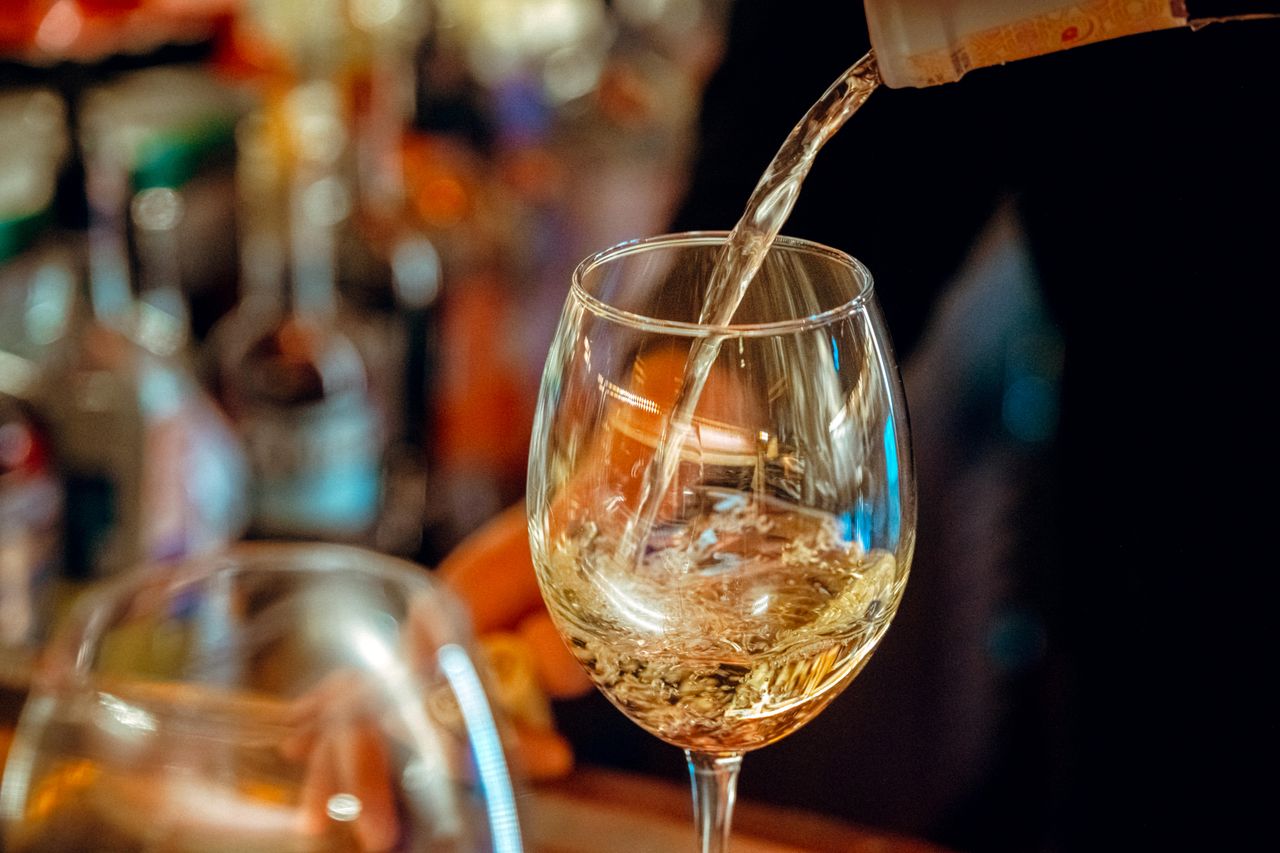
Bordeaux is home to over 7,000 vineyards and 65 wine appellations, making it one of the world’s undisputed wine capitals. But you do not need to be a wine enthusiast to enjoy it. The food scene stands entirely on its own, with everything from lively covered markets and casual bistros to Michelin-starred dining.
A Gateway to the Southwest of France
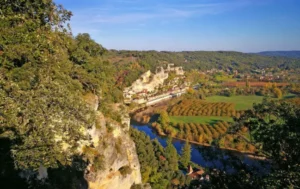
Beyond the city, the Bordeaux region opens into one of France’s most diverse and scenic areas. From the Atlantic coast to medieval wine villages and prehistoric caves in the Dordogne, Bordeaux serves as the ideal launching point for a broader French adventure.
Top Things to Do in Bordeaux
Here is a curated list of the best experiences the city has to offer, from its most iconic landmarks to its quieter local favourites.
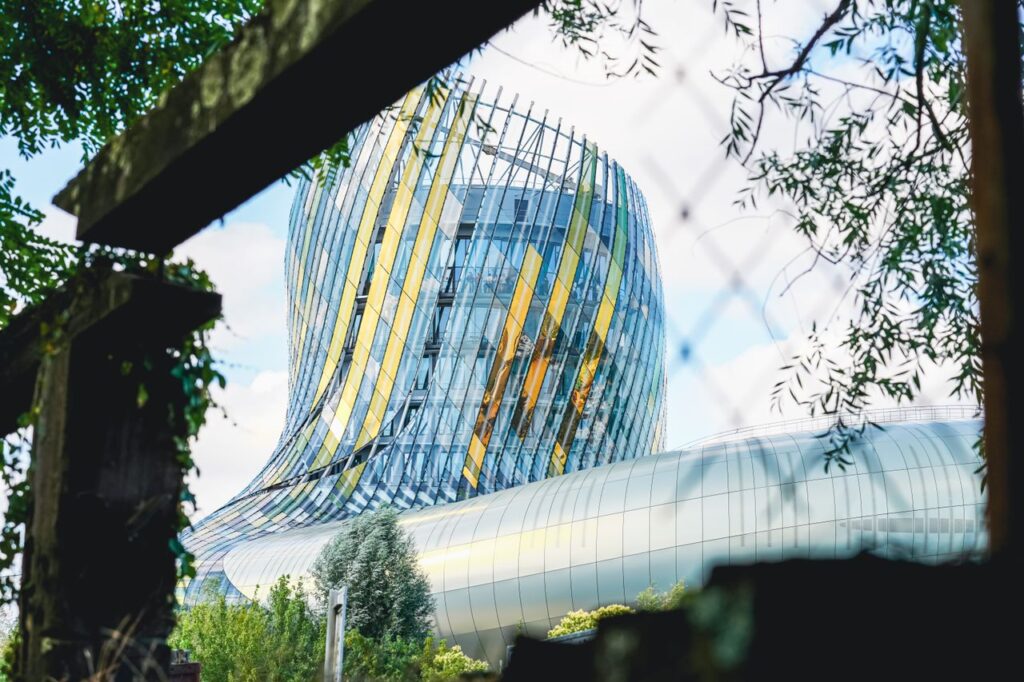
La Cité du Vin
This is Bordeaux’s landmark wine museum and one of the most visited attractions in France. Designed to resemble a wine decanter, it offers an immersive, multi-sensory journey through global wine culture. The experience ends with a wine tasting on the top-floor Belvédère terrace, complete with panoramic views over the city. With over 3.5 million visitors since opening, it earns its reputation as a must-see.
Miroir d’Eau at Place de la Bourse
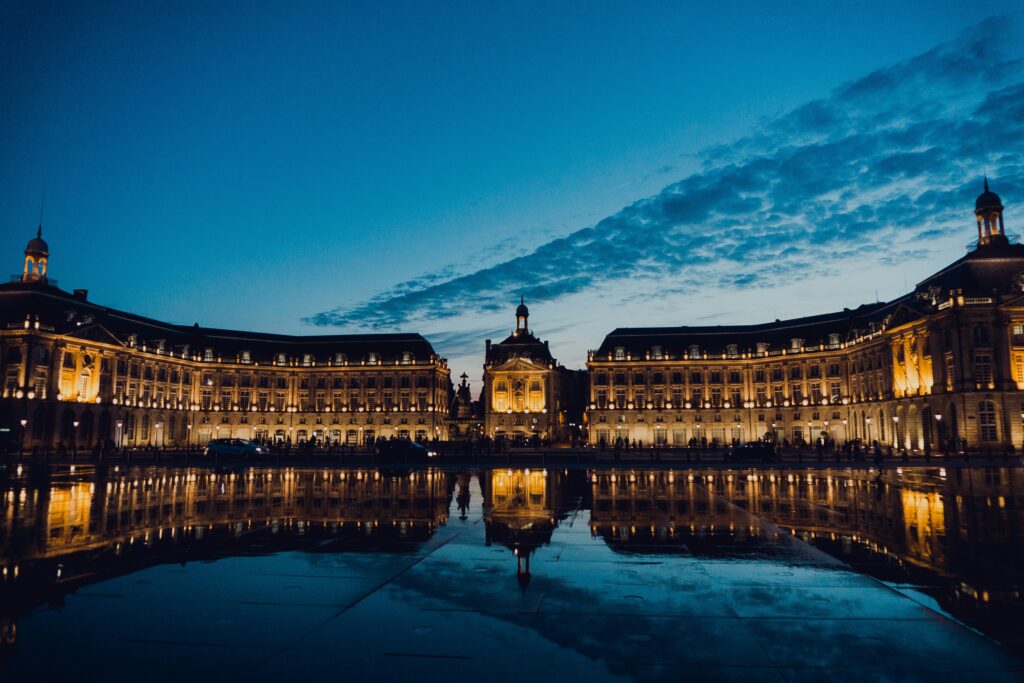
The Miroir d’Eau is the world’s largest reflecting pool. Positioned on the Garonne quayside directly opposite the neoclassical Place de la Bourse, it creates a mirror image so striking it has become one of the most photographed spots in France. It is free to visit and beautiful at any time of day.
Cathédrale Saint-André and the Pey Berland Tower
The Cathédrale Saint-André is a magnificent Gothic cathedral built between the 13th and 16th centuries, anchoring the heart of the historic city centre. Its freestanding belfry, the Pey Berland Tower, rises to 66 metres and is one of the most iconic structures in Bordeaux. Climbing its 233 steps rewards visitors with sweeping views across the UNESCO-listed quarter below.
Bassins des Lumières
Housed inside a former World War II submarine base, this is the world’s largest digital art centre. Monumental projections fill the concrete walls and water-covered floors with vivid colour and movement across a 12,000-square-metre projection surface. A new exhibition dedicated to Matisse and Frida Kahlo opened in February 2026, making it an especially timely stop.
Marché des Capucins
This is where Bordeaux locals eat. The city’s main covered market is lively, authentic, and packed with regional produce. The classic move is to settle at one of the market restaurants, order oysters with a glass of white wine, and let the morning unfold naturally. Arriving before 11:30 am on weekends helps you beat the crowds.
The Chartrons District
Chartrons is the historic wine merchant quarter and one of the most enjoyable neighbourhoods to explore. You will find 18th-century merchant mansions, the Musée du Vin et du Négoce, independent boutiques, and a relaxed riverside atmosphere. On Sundays, the outdoor market along the quay is a local highlight worth planning around.
Rue Sainte-Catherine
At 1.2 kilometres long, Rue Sainte-Catherine is widely recognised as the longest pedestrian shopping street in Europe. It runs through the heart of the city and is lined with more than 250 shops, cafes, and restaurants. Even without a shopping agenda, it is a great place to slow down and watch the city go about its day.
Garonne Riverfront and Pont de Pierre
The stone Pont de Pierre is one of Bordeaux’s most recognisable landmarks. Crossing it on foot at sunset, with the river catching the last light and the city glowing on either bank, is a genuinely memorable experience. The riverfront promenade is equally enjoyable throughout the day, whether on foot or by bike.
Vineyard and Wine Tours
No visit to Bordeaux is complete without venturing into its wine country. Guided tours run to nearby appellations including Saint-Émilion and the Médoc, available by bike, car, or river cruise. With over 7,000 vineyards across 65 appellations, the range of formats means there is something well-suited to both first-time visitors and seasoned wine lovers.
Musée d’Aquitaine
This is the city’s main history museum, covering Bordeaux from Gallo-Roman times to the present day. Entry is free, the collection is broad, and it remains one of the more underrated stops in the city. A worthwhile visit for anyone who wants to understand the story behind the streets they are walking.
Les Halles de Bacalan
A modern food hall on the Quai de Bacalan, Les Halles de Bacalan is home to more than 20 merchants, with 85% of products sourced from southwest France. It works equally well for a relaxed lunch, a pre-dinner drink, or picking up quality regional produce to enjoy later.
Day Trips Within Easy Reach of Bordeaux
Saint-Émilion
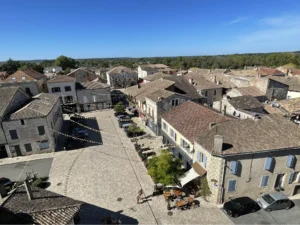
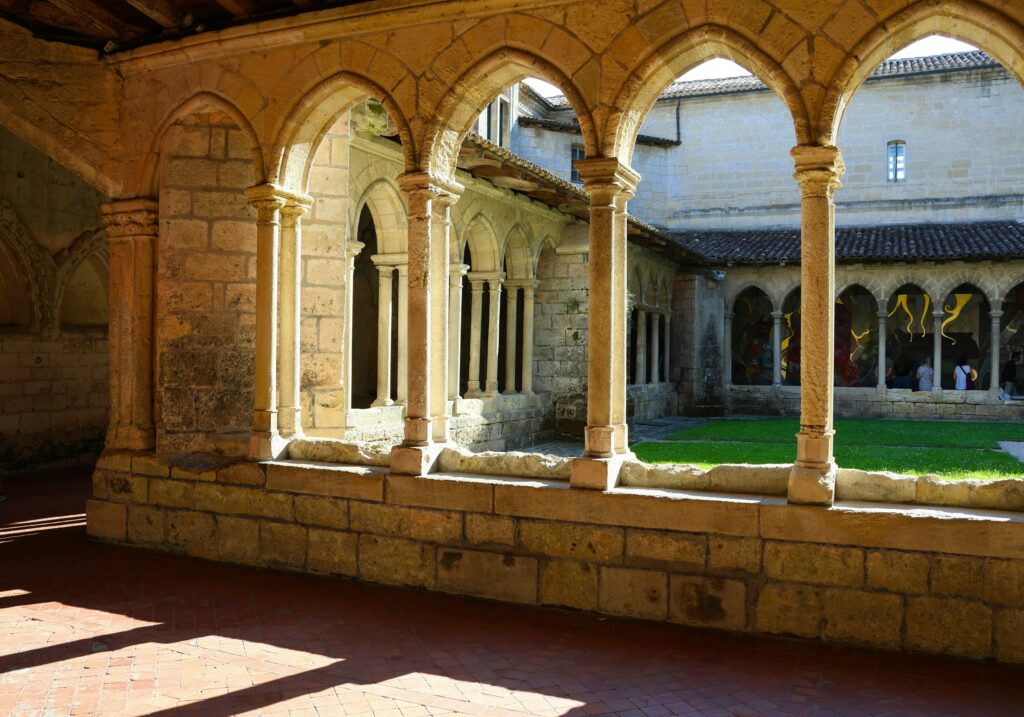
Around 45 minutes from Bordeaux, Saint-Émilion is a medieval hilltop village encircled by some of the world’s most prestigious vineyards. Its UNESCO-listed wine appellation, underground monolithic church, and narrow cobbled streets make it one of the most rewarding day trips in France.
Arcachon Bay and the Dune du Pilat
Head west and you reach the Atlantic coast in under an hour. Arcachon Bay is known for its oyster villages and relaxed seafront dining. The Dune du Pilat, Europe’s tallest sand dune, sits just outside the town and offers extraordinary views stretching over pine forests and the open ocean.
The Dordogne and Périgord Region
Further inland, the Dordogne and Périgord region is one of the most beautiful parts of France. Expect medieval castles, prehistoric cave paintings, truffle markets, and villages that look unchanged for centuries. It is a natural extension of any trip built around Bordeaux, and one that stays with visitors long after they return home.
Things to Do in Bordeaux Based on Your Travel Style
For Wine Enthusiasts
Start at La Cité du Vin, then head to the Bar à Vins inside the Maison du Vin for well-priced tastings. Round it out with a guided vineyard tour or an evening wine tasting cruise on the Garonne.
For History and Culture Seekers
Focus on the cathedral district, the Musée d’Aquitaine, and the Bassins des Lumières. The 18th-century UNESCO quarter is best explored at a slow pace, ideally with a walking tour or audio guide to help you catch what you might otherwise miss.
For Families and Groups
The Miroir d’Eau, Jardin Public, Les Halles de Bacalan, and river cruises are all accessible and enjoyable for mixed-age groups. La Cité du Vin is interactive enough to engage guests of most ages.
For Foodies and Gourmet Travellers
Start mornings at Marché des Capucins or Les Halles de Bacalan. Explore the brasseries along the river, book ahead for a Michelin-starred dinner, and make time for the region’s oysters, duck confit, and locally produced wines before you leave.
Practical Information for Visiting Bordeaux
Getting to Bordeaux
Bordeaux is easily reached from Paris by TGV in approximately two hours on the fastest services. Several European airlines serve Bordeaux-Mérignac Airport. A hire car is recommended for anyone planning to explore the wider region beyond the city.
Getting Around the City
The city centre is flat and largely walkable. A tram network covers the main areas, and bike and e-scooter rentals are widely available throughout. The Bordeaux CityPass combines public transport access with entry to a number of key attractions, making it a practical option for multi-day visits.
Best Time to Visit
April to October offers the most favourable weather and the busiest events calendar. The Bordeaux Wine Festival typically takes place in June. Spring and early autumn provide a quieter experience without sacrificing much in terms of conditions.
Make Château de Lasfonds Your Base for Exploring Bordeaux
A Private Château in the Heart of the Dordogne
For those who want more than a standard hotel, Château de Lasfonds offers something genuinely different.
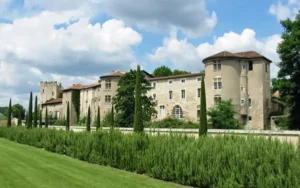
This restored 19th-century château, built in the Neo-Gothic and Neo-Renaissance style, sits on a 6.5-hectare private estate in the Périgord countryside. It accommodates up to 18 guests and combines historic character with modern comfort in equal measure.
Within Easy Reach of Bordeaux and the Region
The château’s location places Bordeaux, Saint-Émilion, Cognac, and Arcachon all within comfortable driving distance. A nearby TGV connection also makes Paris an easy addition to any itinerary built around a stay at the estate.
What Awaits at the Château
Guests have access to a private pool, beautifully maintained gardens, three restored outbuildings, and high-speed internet throughout the estate. A concierge service can arrange private chefs, wine tours, massages, language lessons, and local excursions, making it well suited to families, friend groups, corporate retreats, and milestone celebrations alike.
Authentic French Living Beyond the Tourist Trail
Bordeaux is brilliant. But the countryside around it is where France truly slows down. Château de Lasfonds offers that quieter, more immersive side of French life. Picture returning from a full day in the city to a private dinner at the château, a glass of local wine on the terrace, and nothing but birdsong and open countryside views in every direction.
It is a combination that is genuinely hard to find anywhere else.
Frequently Asked Questions (FAQs)
1. Is Bordeaux worth visiting?
Absolutely. Bordeaux is one of France’s most well-rounded destinations, with world-class wine, impressive architecture, excellent food, and straightforward access to the broader southwest region. It suits a wide range of travel styles and trip lengths.
2. How many days do you need in Bordeaux?
Three days gives you enough time to cover the city’s highlights comfortably. If you plan to add day trips to Saint-Émilion, Arcachon, or the Dordogne, extending to five days or more allows you to explore without rushing.
3. What is Bordeaux most famous for?
Bordeaux is best known for its wine. It is home to some of the world’s most prestigious appellations, including Saint-Émilion, Médoc, and Pomerol. Beyond wine, the city is widely celebrated for its 18th-century architecture and its UNESCO World Heritage status.
4. What is the best time to visit Bordeaux?
April to October offers the best combination of weather and activity. June is particularly lively, with the Bordeaux Wine Festival drawing visitors from around the world to the riverside quays.
5. What is the best place to stay near Bordeaux for a French countryside experience?
Château de Lasfonds in the Périgord region offers a private estate experience within easy reach of Bordeaux and the wider southwest. It is particularly well suited to groups of up to 18 guests seeking luxury, privacy, and an authentic immersion in rural French life.
From its landmark wine museum and Gothic cathedral district to its riverside promenade and lively covered markets, there is no shortage of things to do in Bordeaux for every kind of traveller.