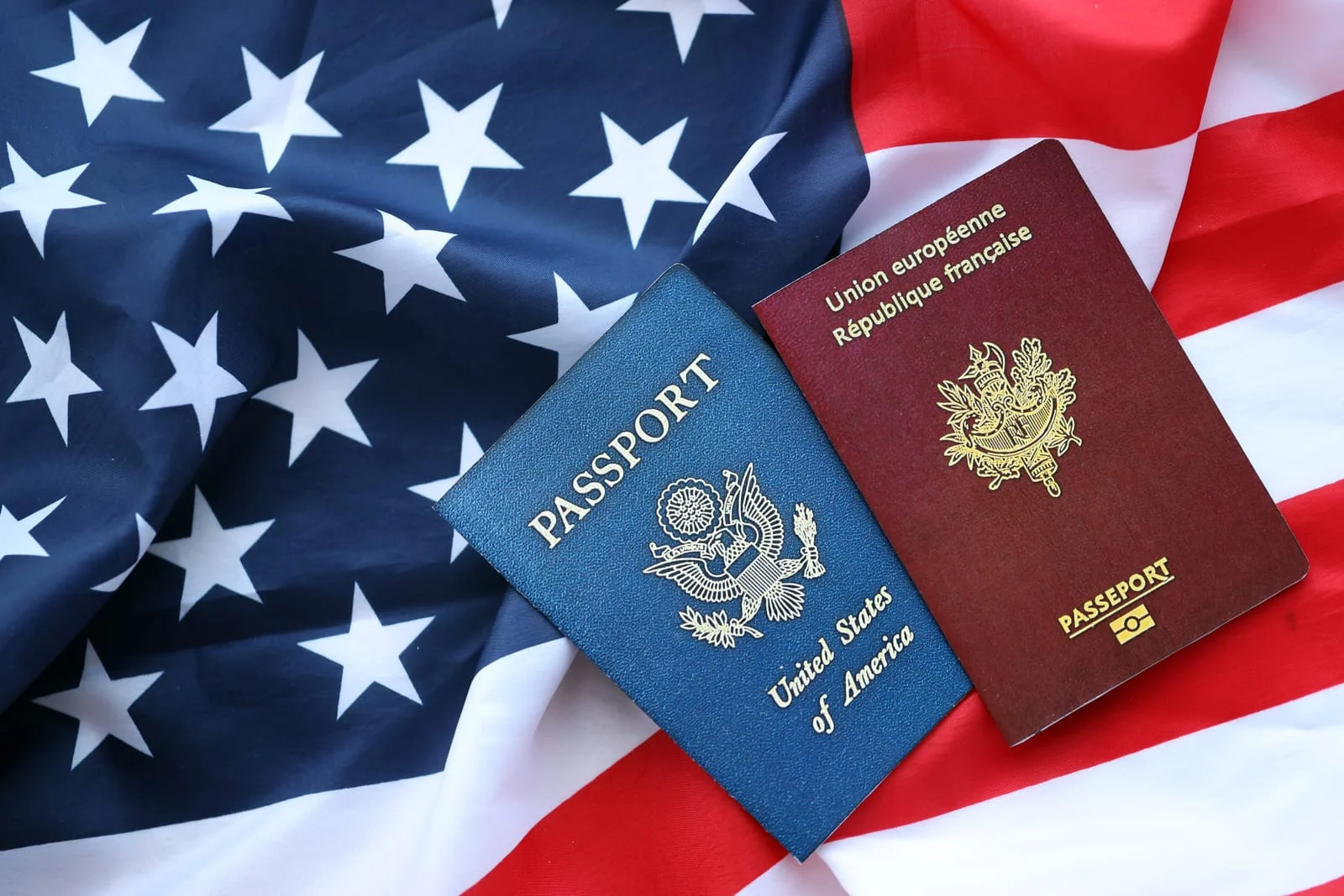
If you are asking, “Do I need a visa for France?” the answer depends on your passport, trip length, and purpose of travel. For most American vacationers, France does not require a visa for visits up to 90 days within any 180-day Schengen period. Longer stays, work, study, and residence plans usually need a formal France visa before travel.
That simple answer still needs careful planning. France is part of the Schengen Area, so your time in France counts toward the total time spent in countries like Italy, Spain, Germany, Portugal, and the Netherlands. A slow countryside stay can feel relaxed, but border rules still run on dates, documents, and the purpose of travel.
This guide explains whether US citizens need a visa for France, how the Schengen limit works, what ETIAS means, and how to prepare for a rural stay without last-minute confusion.
What Is the Schengen 90/180 Rule?
The Schengen 90/180 rule means you can spend up to 90 total days in the Schengen Area during any rolling 180-day period. France uses this rule for short stays, and France Visas applies it to American passport holders visiting without a visa.
This rule often causes confusion because it does not reset at the start of each calendar month. It looks back across the previous 180 days from each travel date. If you have already spent time in Spain, Italy, or Germany before arriving in France, those days still count.
For example, a traveler spends 45 days in Italy, then enters France for a countryside stay. That traveler has only 45 Schengen days left during the active 180-day window. A long vineyard rental, language retreat, or extended village stay may then push the trip beyond the permitted limit.
So, if your search is Do I need a visa to visit France? “, check your wider European itinerary first. France may be your main destination, but the rule treats your Schengen travel as a single total.
What About ETIAS for US Travelers?

ETIAS is the upcoming European travel authorization for visa-exempt travelers. The official EU ETIAS website states that ETIAS will launch in the last quarter of 2026 and that travelers do not need to take any action at this time.
ETIAS will not be the same as a French Schengen visa. It will apply to travelers who do not need a visa, including many American tourists. In simple terms, ETIAS will become an online authorization linked to your passport before travel.
For now, if your question is Do I need a visa to travel to France? “, ETIAS does not change the current visa answer. American travelers can still visit France without a visa for eligible short stays, provided they meet the Schengen rules.
The ETIAS timeline has shifted over time. According to the latest official EU information, ETIAS is scheduled to start in the last quarter of 2026, not in 2025.
Passport Validity and Documents You Should Carry

Your passport should remain valid for at least 3 months after your planned departure from the Schengen Area. The US State Department also recommends that travelers have at least 6 months of remaining validity when traveling through Schengen countries.
You should also carry proof that supports your trip. The US State Department notes that travelers need sufficient proof of funds and a return plane ticket for travel to France.
For a countryside stay, keep these documents easy to access:
- A passport with enough validity.
- Return or onward ticket.
- Accommodation details.
- Proof of funds.
- Travel insurance details.
- Car rental confirmation, if relevant.
- Contact details for your host or property manager.
Travel insurance may not always guarantee entry for a visa-free American tourist, but it still belongs in your planning. Rural France can involve driving, train changes, gaps in medical access, and cancellations. Good coverage gives practical protection when your base sits outside a major city.
How the Visa Process Works
If your plans require a visa, the process follows a structured path.
You begin with an online application, then schedule a French visa appointment at an authorized center. During this appointment, you submit your documents and provide biometric data. After that, your application enters a review phase.
The same framework applies to France Schengen visa applications, though processing times can vary depending on demand and season.
The key here is timing. If your trip depends on a visa, you need to start early. Delays can affect your entire travel plan.
How to Plan a Countryside Stay Without Visa Problems
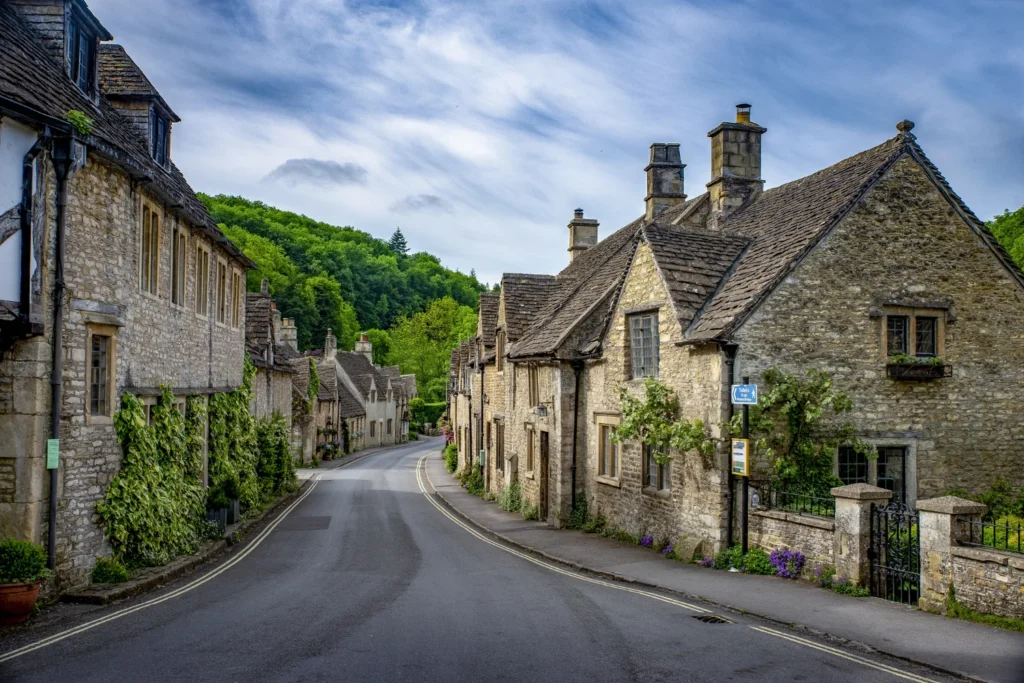
Once you know whether you need a visa for France, you can focus on the experience itself. More travelers are moving away from fast-paced city trips and choosing slower countryside stays.
Rural-based planning starts with the length of stay. Count every Schengen day before you choose a rental, especially if your trip includes time in other European countries. A beautiful six-week stay in the French countryside may seem simple, but prior travel can reduce your remaining allowance.
Next, match your documents to your route. If you stay at a countryside estate, guesthouse, or private rental, keep the full address and booking confirmation. If your host provides pickup details or local directions, save those too.
Then, consider transport. Rural France often needs a rental car, regional train connections, or arranged transfers. Border officers rarely care about scenic plans, but clear onward travel makes your visit look organized and temporary.
Finally, avoid vague explanations. If asked about your trip, give a simple answer. For example, you are visiting France for a holiday, staying near Sarlat, then returning to the United States on a specific date.
Common Mistakes US Travelers Make
- The first mistake is counting only French days. The Schengen Area counts shared travel days, so time in Italy, Spain, Germany, or Portugal can reduce your France allowance.
- The second mistake is assuming ETIAS already applies. Official EU information indicates that ETIAS will start in the last quarter of 2026, and travelers do not need to take any action now.
- The third mistake is booking too many flexible days. A countryside trip often grows because travelers add markets, villages, coastlines, and nearby countries. That freedom feels wonderful, but your legal stay still needs to be disciplined.
- The fourth mistake is carrying weak proof of travel plans. You may never be asked for every document, but you should still have your return ticket, proof of funds, and accommodation details ready.
Final Answer: Do You Need a Visa to Go to France?
If you are a US citizen visiting for tourism, the answer to Do I need a visa for France? “ is usually no for stays up to 90 days in any 180-day Schengen period. If you plan to stay longer, work, study, or live in France, you usually need the correct visa before travel.
Your safest approach is simple. Count your Schengen days, check your passport validity, carry proof of funds and onward travel, and watch the ETIAS timeline for future trips. For countryside stays, plan your base around both beauty and border rules.
France rewards slow travel. Villages, vineyards, markets, gardens, and rural estates all deserve time. Still, the best trip begins with clear dates, clean documents, and a stay length that matches the rules.
Plan Your France Stay From a Place That Feels Worth the Journey

Once your visa questions are clear, the next step is choosing a stay that makes France feel personal, calm, and deeply memorable. Château de Lasfonds gives you that kind of countryside base, with a private estate setting in South West France near the Charente and Dordogne border. The château works well for family trips, intimate groups, relaxed celebrations, and travelers seeking more space than standard hotels offer.
You can reach Château de Lasfonds by taking the TGV from Paris to Angoulême, followed by a short drive. Bordeaux Airport, Bergerac, Limoges, and Cognac also offer practical arrival options, so the stay feels rural without becoming difficult to reach.
For travelers planning to visit France under the Schengen 90-day rule, Château de Lasfonds offers a slower way to spend your time. You can settle into the countryside, explore local markets, visit Cognac or Bordeaux, enjoy the pool, and still keep your travel base clear and organized.
Instead of rushing through France, stay somewhere that lets the country breathe. Château de Lasfonds turns a legal travel plan into a countryside experience, with privacy, comfort, and the freedom to enjoy France at your own pace.
FAQs
Do You Need a French Schengen Visa for Tourism?
Most American tourists do not need a France Schengen visa for short visits under the 90-day limit. A Schengen visa is usually required for travelers from countries that do not qualify for visa-free entry into the Schengen Area.
What Counts as a Short Stay in France?
A short stay means a visit of up to 90 days within a 180-day period. France applies this limit to tourism, family visits, and similar short trips for American passport holders.
A short stay can include city breaks, countryside holidays, vineyard routes, coastal stays, château visits, and multi-country European trips.
Does ETIAS replace a France visa?
ETIAS will not replace a France visa. It will become a travel authorization for visa-exempt travelers visiting participating European countries. The official EU site says ETIAS starts in the last quarter of 2026.
Can I work remotely in France as a US tourist?
Visa-free tourist entry does not give you a general right to work in France. If your trip involves employment, paid activity, or long-term residence, check the official France Visas route before booking.
What happens if I overstay 90 days in France?
Overstaying the Schengen limit can create serious travel problems, including fines, removal, future entry refusals, or Schengen bans. Count your days carefully before booking long countryside stays or multi-country routes.
Which countries are visa-free for France?
Visa-free countries for France include EU, EEA, and Swiss nationals, as well as nationalities on the Schengen Annex II list. Common examples include the United States, Canada, the United Kingdom, Australia, Japan, and South Korea.
Who needs an ETIAS to visit France?
ETIAS will apply to visa-free non-EU travelers entering France and other participating European countries for short stays. This includes many visitors who will be able to enter without a Schengen visa once ETIAS starts in late 2026.
Do I need proof of funds to enter France?
Yes, travelers may need to show sufficient proof of funds and a return plane ticket. Keep bank access, accommodation details, and onward travel proof ready in case border officers ask
What is the rejection rate of a French visa?
The France visa rejection rate changes by year, nationality, and consulate. Based on 2024 Schengen statistics, France refused about 481,139 applications out of 3,072,728 total applications, which puts the rejection rate at about 15.7 percent.
Is there any interview for a French visa?
France visa applicants may need to appear in person for biometrics and application submission. France Visas says applicants over 12 must appear in person for a first application, with fingerprints and a photograph collected.