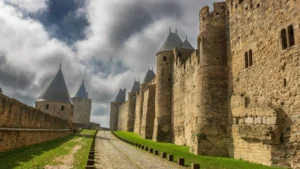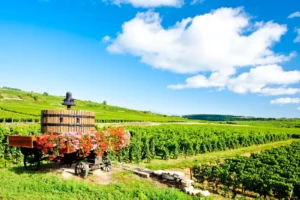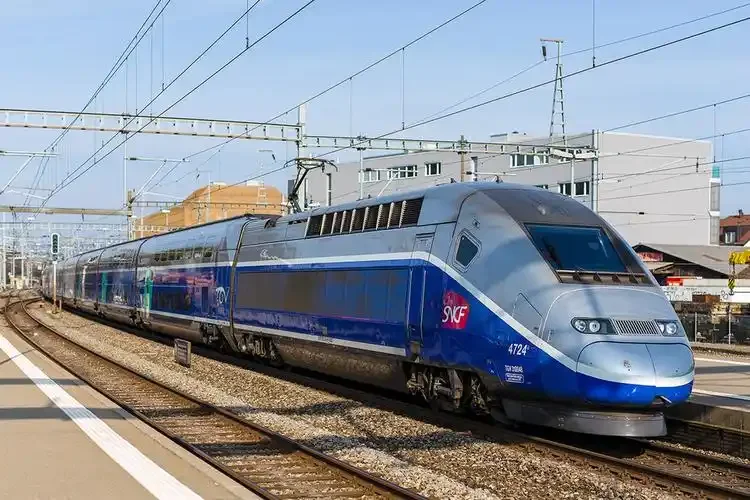
Traveling through France by rail is a rewarding experience that combines efficiency with the romance of bygone journeys. The national rail operator, SNCF, runs everything from high‑speed TGV services to slower regional trains, linking major cities with tiny hamlets.
Using trains as your backbone and adding short car rentals or taxis for the last leg can unlock rural villages, vineyards, and hilltop monasteries that are often inaccessible without a vehicle.
This guide explores how to plan such a trip, drawing on real observations from recent travelers and official sources.
Understanding France’s Rail Network
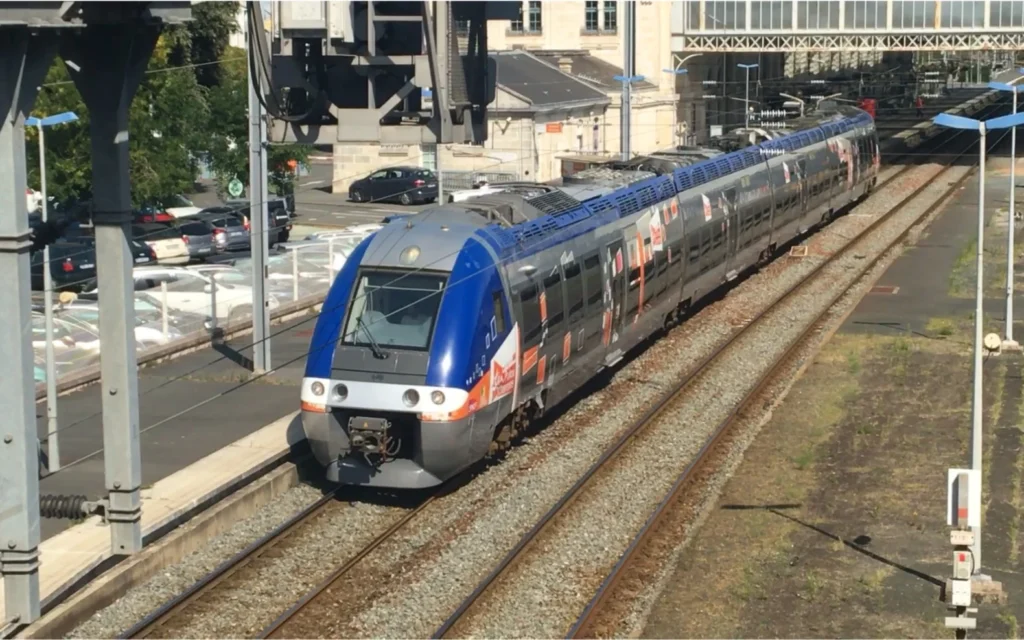
France’s rail system is divided between two main types of trains:
- TGV (Trains à Grande Vitesse) – these high-speed trains reach 300 to 320 km/h and connect Paris to destinations such as Lyon, Avignon, and Bordeaux. Amenities on board often include power outlets, free Wi‑Fi, toilets, wheelchair spaces, and a café‑bar. Seat reservations are required, and tickets automatically include the reservation. Because these trains sell out, booking weeks ahead can secure better prices. Seat reservations for domestic routes start at around $11 and increase as the train fills up.
- Regional trains (TER and Intercités) – these slower services stop at many small towns, and tickets generally do not require seat reservations. Intercités are express trains on non-high-speed lines; some require reservations while others do not. TER trains are flexible; you can buy a ticket on the day and board any service in the same direction. They are the workhorses that reach into rural France.
The difference between TGV and TER is not just speed. TGVs follow dedicated high-speed lines, while TER trains share tracks with local and freight services. A TGV whisking from Paris to Rennes in around 1½ hours is perfect when you want to reach the region quickly.
A TER from Rennes to medieval Dinan slows down, allowing you to admire the countryside. Because TER tickets are more flexible, they are ideal for side trips and spontaneous detours.
Current Baggage Policy
Traveling light makes countryside excursions easier, yet you still need to know what you can bring. SNCF’s official policy as of December 2025 permits two pieces of luggage (max. 70 × 90 × 50 cm each) and one handbag (max. 40 × 30 × 15 cm) per person.
Please label everything with your name and phone number. Oversized items, such as scooters or musical instruments, must fit within specific dimensions.
Travelers should be able to carry all their bags at once. New restrictions introduced in February 2024 for TGV InOui impose a €50 fee if you exceed the limits, so pack smartly. Bring wheeled suitcases that can double as seats while you wait for trains, and keep valuables and documents in a backpack for easy access.
Ticket Booking Tips
Even if you decide against a rail pass, there are ways to save:
- Book TGV tickets early. Advance purchase discounts on SNCF Connect can be up to 50% off the full fare. Seats go on sale about 90 days in advance and may sell out during the holidays.
- Consider discount cards. SNCF offers youth and senior discount cards for roughly €49 that offer around 30% off many tickets.
- Use the right platforms. SNCF Connect is the official booking site; Trainline and Omio aggregate multiple operators and can show you cheaper alternatives. OUIGO, a low‑cost TGV brand, offers fixed-price tickets that drop closer to departure.
- Validate paper tickets. On TER trains, you must stamp (composter) your ticket in the yellow machine before boarding; e‑tickets are automatically validated.
Planning an Itinerary: Start by Train, Finish by Car or Taxi
A successful countryside stay hinges on blending the strengths of trains with the freedom of road travel. Long distances are best covered by TGV or Intercités; once you arrive at a regional hub, pick up a car or use a taxi for shorter rural legs.
Provence via Avignon: A Classic Example
From Paris, a TGV will deliver you to Avignon in about 2½–3½ hours. This medieval city sits near some of Provence’s most beautiful villages. After dropping your bags in the old town, walk to one of the car rental offices near Avignon TGV station.
Many travelers recommend renting a car because TER trains do not reach every hilltop village. Drive to Gordes and Roussillon to wander through ochre‑coloured alleys, visit markets in Saint‑Rémy, and savor wine in Châteauneuf‑du‑Pape. A car also lets you explore lavender fields at your own pace.
SNCF Connect’s Train + Car offer, run in partnership with Avis and Budget, provides up to 15% off rentals, unlimited mileage, and free cancellation. Keys will be ready even if the agency has closed for the day. This arrangement is ideal when your train arrives late.
Once you have a car, base yourself in a rural gîte or bed‑and‑breakfast and take day trips to Provencal villages before returning to Avignon to drop off the vehicle and board the train back to Paris.
The Loire Valley: Castles and Vineyards without a Car
The Loire Valley is one region where you can rely more on public transport. Direct TGV services from Paris Montparnasse to Tours and St‑Pierre‑des‑Corps make the trip convenient. From these hubs, you can catch regional buses or TER trains to visit iconic châteaux like Chambord, Chenonceau, and Villandry.
Many vineyards are reachable by local taxi. For a slower journey, the Interloire regional train allows passengers to bring bicycles on board without reservations; you can cycle between castles along the Loire River and then ride the train back.
Brittany and the Wild Coast
If you want salty air and Celtic heritage, travel by TGV from Paris to Rennes (1½ hours). From Rennes, TER trains branch out toward Saint‑Malo, a walled city with cobbled streets and seafaring history. You can also reach the medieval town of Dinan on the Rance River.
Stay in a seaside cottage and hire a car for day trips to the rugged Cap Fréhel cliffs and the Emerald Coast. Having a car means you can reach hidden beaches and tiny creperies that are nowhere near a train station.
Angoulême and the Charente Hills
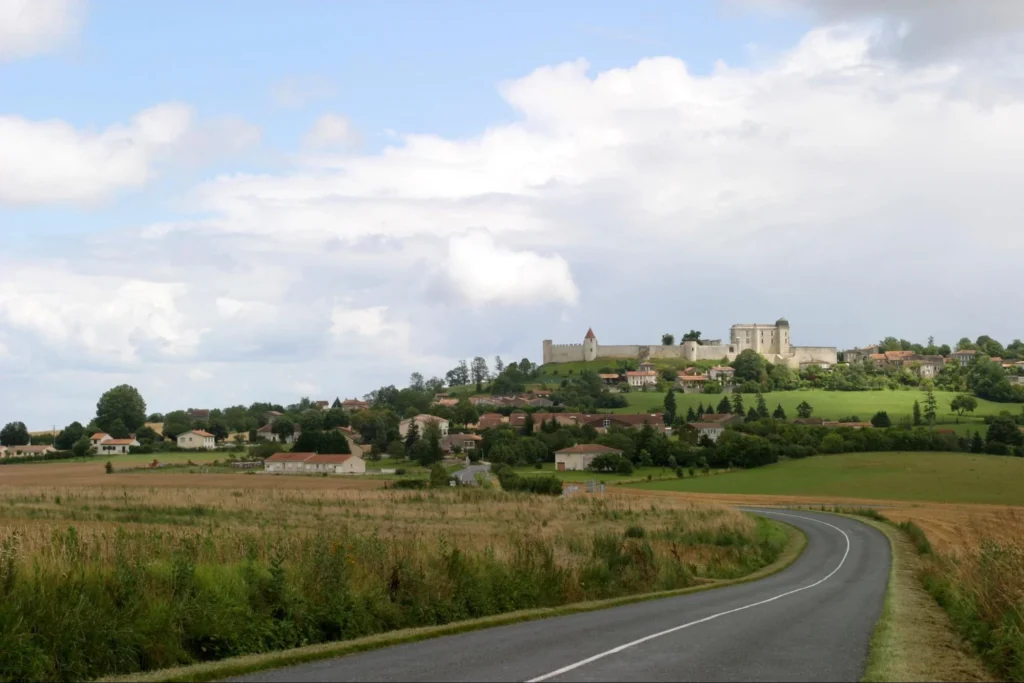
Angoulême is not widely known outside of comic‑book circles, but it is an important high-speed rail hub between Paris and Bordeaux. The fastest trains cover the 392 km journey in 1 hour 48 minutes. Once in Angoulême, you can step off the platform and into a rental car. Many companies operate just outside the station and around the city center.
Take the opportunity to explore the Cognac vineyards, medieval villages along the Charente River, and the Romanesque churches dotted across the countryside. Because Angoulême’s station is small, renting a car there is less stressful than in busier cities; you drive straight onto scenic rural roads.
Day Trips Around Lourdes by Train and Bus
The southwestern town of Lourdes sits at the foot of the Pyrenees and offers spiritual sites as well as mountain adventures. It is accessible by Intercités and TER trains from Toulouse or Bayonne. Once there, you can embark on several day trips without a car:
- Cauterets and Pont d’Espagne – this spa town, 32 km from Lourdes, can be reached by car in 30 minutes or via the 965 bus. Shuttle buses continue to Pont d’Espagne, a trailhead for hiking to waterfalls and glacial lakes.
- Grottes de Betharram – these caves, 15 km away, include a guided tour with walking sections, a boat on an underground river, and a small train ride through the galleries.
- Thermal spa towns – Bagneres de Bigorre, Argeles-Gazost, and Cauterets all have historic spas accessible by bus.
- Argeles-Gazost and Saint‑Savin – this valley town is a 15-minute drive from Lourdes and hosts markets. Nearby Saint‑Savin has an abbey and panoramic views; both are accessible by road or bus.
- Pic du Midi – take a shuttle from Lourdes to La Mongie, then a cable car to the summit. The peak rises 2 877 m and offers sweeping views of the Pyrenees.
Staying in Lourdes gives you access to these experiences without needing to drive. However, if you wish to visit remote villages, renting a car will provide greater flexibility.
Practical Tips for Combining Trains and Countryside Stays
- Allow ample connection time. TGVs operate on a strict schedule and will not wait for delayed TER connections. Plan at least 30 minutes between trains or longer at busy times. If you miss a connection, staff can place you on the next train, but the process is easier if you have time to spare.
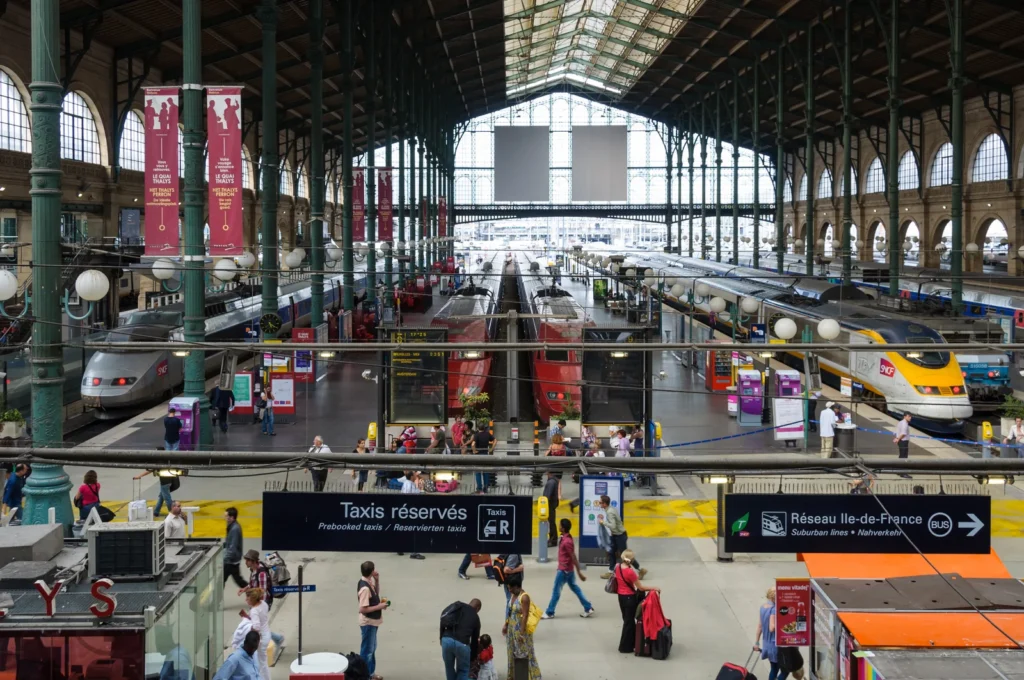
- Check station facilities. Major stations like Gare du Nord, Gare de Lyon, and Gare Montparnasse have luggage lockers, cafés, and car rental offices. Smaller stations may offer only a ticket window and basic amenities. Prepare snacks and water for rural stations where shops close early.
- Know which Paris station your train uses. TGVs to the southeast depart from Gare de Lyon (Lyon, Avignon, Marseille); to the west, from Montparnasse (Brittany and Loire); and to the north, from Gare du Nord (Lille, Calais). Arriving at the wrong station will make you miss your train.
- Bring a credit card for car hire. Most agencies require a major credit card and may block a deposit; international drivers may need an IDP (International Driving Permit). When picking up a car outside business hours, use SNCF Connect’s Train + Car service to retrieve keys from a locker.
- Use taxis strategically. If your rural accommodation is a few kilometers from the station, a taxi may be the quickest solution. Arrange the return trip in advance if you will be staying somewhere remote.
- Travel off‑peak for a quieter ride. Avoid Fridays and Sundays when trains are busiest. Weekday mornings or early afternoons often have more empty seats.
Ready to craft your own countryside journey? Start by choosing a region that excites you, booking a TGV ticket to the nearest hub, and reserving a car or planning your local bus routes. With careful planning, train travel in France becomes more than transportation – it turns into a way to discover the heart of rural culture. So pack wisely, embrace the rhythm of trains and country lanes, and set off on an adventure that balances comfort with authenticity.
Slow Down the Journey at Château de Lasfonds
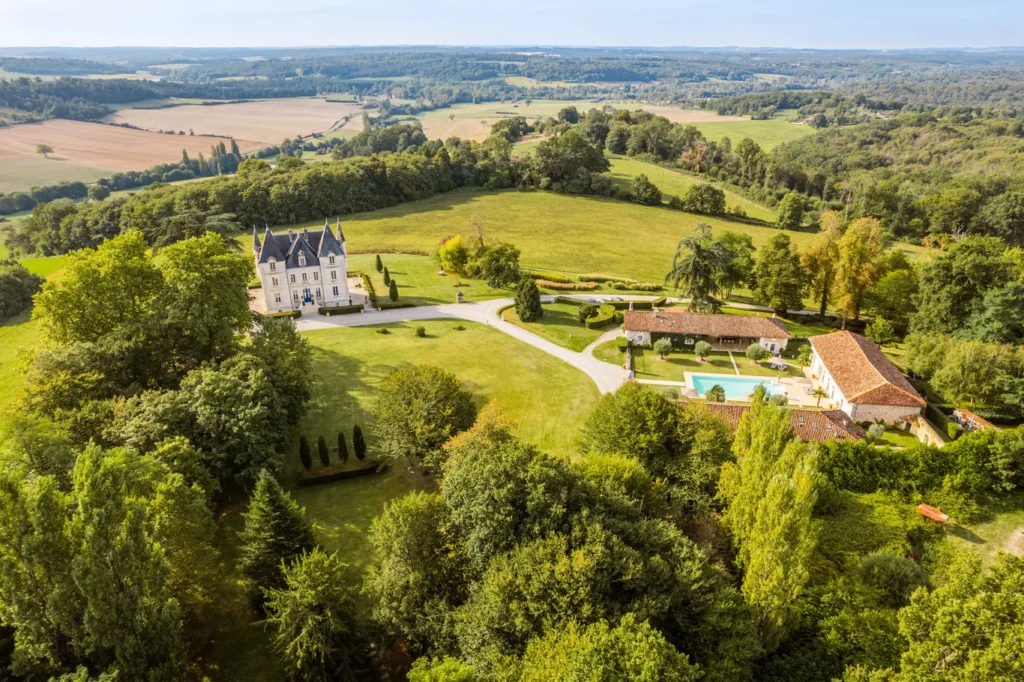
After days of moving between stations, regional lines, and countryside roads, a peaceful rural stay changes the rhythm of your trip completely. Château de Lasfonds offers that pause. Located within reach of the Angoulême rail hub, the château works perfectly for travelers planning train journeys in France, combining rail journeys with authentic countryside experiences.
You can arrive in Angoulême by TGV, pick up a rental car near the station, and reach the château through quiet Charente roads lined with vineyards, forests, and stone villages. This setup gives you the freedom of rural France without the stress of driving long distances.
At Château de Lasfonds, mornings begin with birdsong instead of traffic. Days can include village markets, Cognac tastings, riverside walks, or slow lunches in nearby towns. In the evening, you return to a peaceful historic estate surrounded by open countryside.
For travelers exploring France by train, the château offers an ideal base that balances rail convenience with rural immersion. It suits couples, families, and long-stay travelers looking for a calmer side of France beyond crowded tourist circuits.
Book your countryside stay at Château de Lasfonds and turn your rail journey into a deeper French experience.
FAQs About Train Travel in France
Is first class worth it on French trains?
Yes, first class on French trains offers wider seats, quieter carriages, and more luggage space. On longer train travel in France, many travelers find the extra comfort valuable for multi-hour journeys.
Can tourists use mobile tickets for French train travel?
Yes, most travelers now use digital tickets through the SNCF Connect app. Mobile tickets simplify train travel in France by eliminating the need to use ticket machines and paper validation before boarding.
What is the cheapest month for train travel in France?
January and November often have the lowest fares outside holiday periods. Travelers planning holidays in France by train usually find lower TGV prices during midweek off-season departures.
Are French train stations easy for travelers with large luggage?
Major stations usually have elevators, escalators, and luggage storage. Smaller regional stations may involve stairs, so travelers planning to tour France by train should pack lighter for countryside routes.
Can you bring food and wine onto French trains?
Yes, passengers can bring their own meals and drinks onboard. Many people planning a trip to France by train buy local cheese, pastries, and wine for scenic journeys through the countryside.
Which side of the train has the best views in southern France?
The left side often offers better Mediterranean views on routes toward Nice and Marseille. Travelers following a South of France by train itinerary frequently choose window seats to enjoy the coastal scenery.
Do French trains run during strikes?
Limited services usually continue during rail strikes, though schedules change frequently. Travelers using travel through France by train should monitor SNCF updates and avoid tight same-day connections.
Is WiFi reliable on TGV trains?
WiFi on TGV trains works well for messaging and browsing, though the signal may be weaker in rural sections. Travelers using the TGV train in France for remote work should download important files beforehand.
Can you visit wineries in France without driving?
Yes, many wine regions are connected by TER trains, local buses, and short taxi rides. This makes traveling by train to France appealing to travelers who want tastings without having to drive afterward.
How early should you arrive before a TGV departure?
Arriving 20 to 30 minutes early is smart, particularly at large Paris stations. Travelers learning how to travel around France by train often underestimate station size and boarding times.