Dordogne, with its meandering river, medieval villages, and prehistoric caves, holds a special place in the French imagination. Its temperate climate and unspoiled landscapes draw travelers year-round, yet each season offers a different mood. This guide looks at the Best Time to visit Dordogne, France, by exploring the weather, crowd levels, and seasonal highlights. The goal is to help you match your trip to the experience you want most – a quiet hike, a market bursting with fresh produce, or a river adventure.
Overview of Dordogne Weather
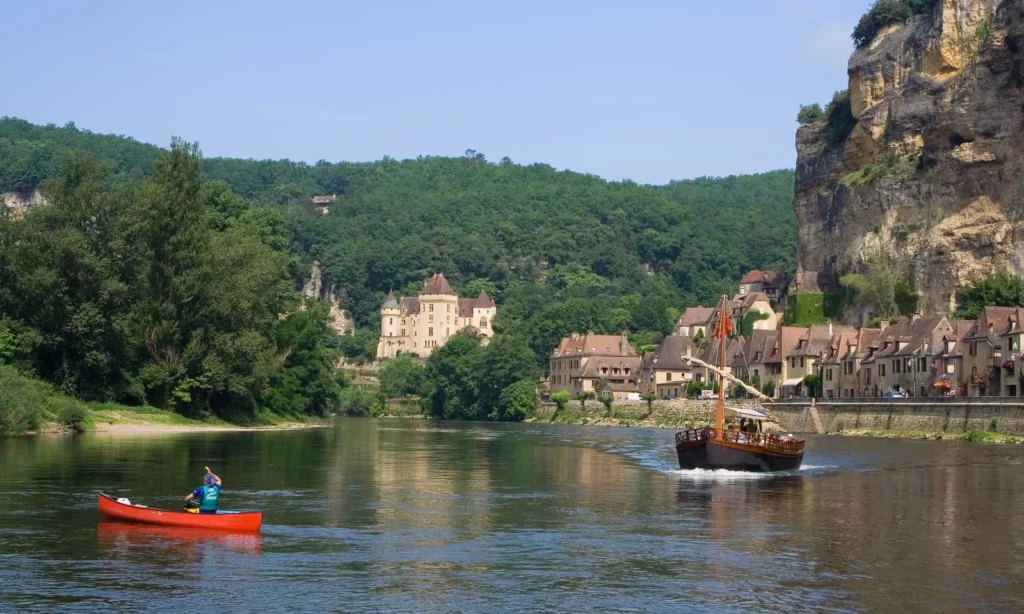
The Dordogne Valley has a temperate oceanic climate with warm summers and mild winters. Summers are dry and hot, but storms can bring welcome relief; spring and autumn are characterized by changeable weather, with showers followed by sunshine. Winters are crisp, occasionally dipping below freezing.
Average maximum temperatures climb from around 14 °C in January to 30 °C in July and August, then fall back to 16 °C in December. Rainfall peaks in October at about 84 mm and is lowest in July at about 22 mm.
Average Temperatures and Rainfall by Month
| Month | Avg. high °C | Avg. low °C | Rainfall (mm) |
| Jan | 14 | 6 | 46 |
| Feb | 16 | 7 | 34 |
| Mar | 17 | 9 | 46 |
| Apr | 19 | 11 | 64 |
| May | 23 | 15 | 43 |
| Jun | 27 | 19 | 23 |
| Jul | 30 | 22 | 22 |
| Aug | 30 | 22 | 75 |
| Sep | 27 | 19 | 77 |
| Oct | 23 | 15 | 84 |
| Nov | 18 | 10 | 61 |
| Dec | 16 | 7 | 25 |
Sunshine and Rainfall Patterns
Daylight extends to about 15 hours in summer and contracts to around nine hours in winter. Sunshine hours peak at roughly eight per day in June, July, and August, but drop to between two and four hours in December and January. Rain is evenly distributed throughout the year, with December and January receiving around 100 mm per month and July receiving roughly 47 mm per month.
What Summer Gets Right
June and early July work very well for visitors who care most about long days and classic holiday energy. The warm season in the area runs from roughly early June to mid-September, with July among the hottest months. That pattern makes early summer a strong choice for canoeing, swimming pools, and late dinners outdoors before the biggest holiday rush fully builds.
Still, summer comes with tradeoffs. School breaks drive up demand across France, and Dordogne falls under the Bordeaux academy, part of Zone A for the national school calendar. British and European family travel adds another layer of pressure in July and August.
During hot spells, heat waves can also make afternoon sightseeing feel slow, mainly in exposed hilltop villages and car parks. If you pick midsummer, book early and plan major walks and castle visits in the morning.
Dordogne in September Feels Like the Sweet Spot
There is a reason Dordogne in September comes up so often in trip planning. Days are still warm, evenings are softer, and the region starts to feel less stretched.
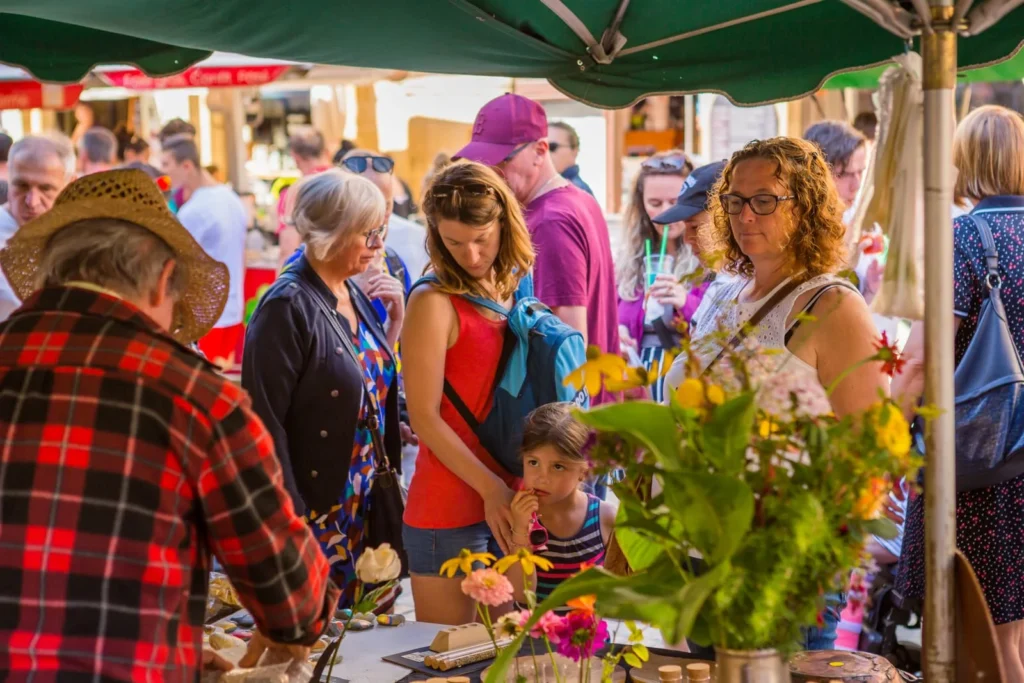
This is also a smart month for travelers who care about market schedules. Sarlat’s traditional market runs on Wednesday morning and all day Saturday throughout the year, so September lets you enjoy a full market scene without the same summer intensity.
Local wineries near Bergerac, such as Monbazillac, invite visitors to pick grapes and taste new vintages while walnut and cep mushroom seasons begin. Markets brim with walnut oils, pastries, and fresh ceps.
Why Dordogne in October Appeals to Slower Travelers
Dordogne in October suits people who want atmosphere over peak season buzz. Temperatures ease further, with Sarlat often dropping from around 21 degrees Celsius at the start of the month toward the mid-teens later on.
The light turns softer, trees begin to change color, and village streets feel more local. This is one of the best moments for long lunches, antique browsing, and quiet mornings in stone-built towns.
October also brings the heart of the harvest season. Dordogne Valley tourism highlights October as the peak time for walnuts and mushrooms, while regional sources note that the walnut harvest takes place in October and that the Périgord walnut holds protected designation status.
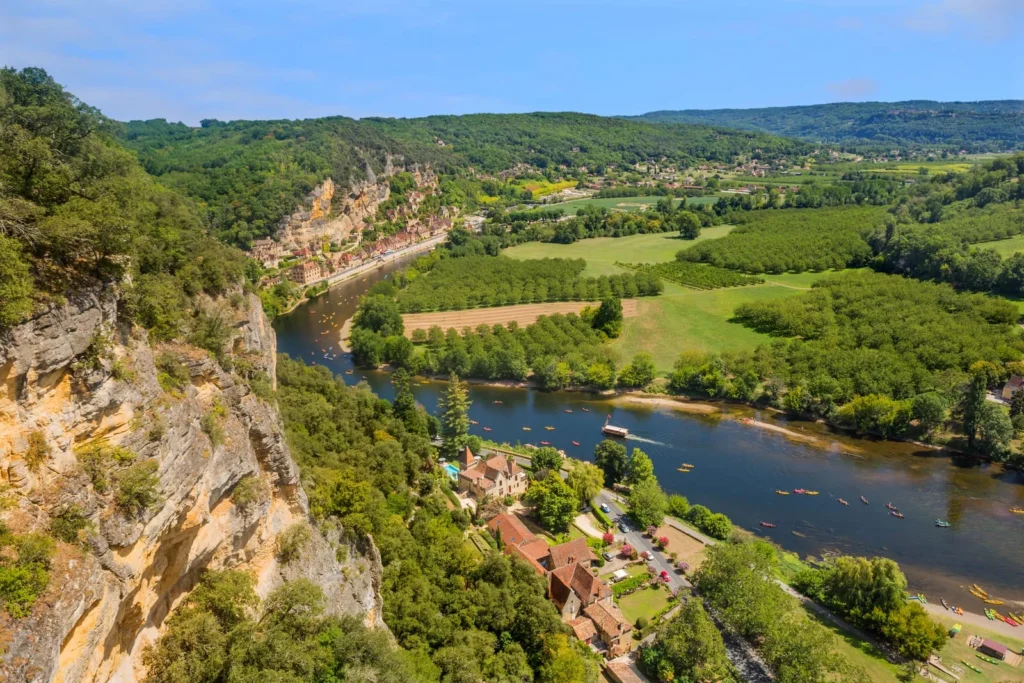
For outdoor plans, keep an eye on river levels and rain. The valley remains a major canoe destination, and warm spells can extend paddling well into autumn, yet late-season conditions can vary more than in high summer. That does not ruin the trip. It simply means October works best for travelers who like flexibility and who see food, villages, gardens, and scenic drives as equal priorities.
Spring is Underrated
April through early June deserves more attention than it gets. This is classic shoulder season in the Dordogne, with fresh landscapes, easier reservations, and good conditions for walking, cycling, and village hopping before peak summer arrives.
Lascaux is open year-round, except for a few days in January, so spring visitors can easily pair time outdoors with major indoor heritage sites.
Spring is also useful for travelers who dislike hot weather but still want active days. Gardens and countryside are at their greenest, and the pace feels lighter.
Some pools and certain summer-focused attractions may not be in full holiday mode yet, though the tradeoff often feels worth it if you care about space, value, and a more peaceful rhythm.
Winter is for Food, Truffles, and Quiet Beauty
Winter will not suit everyone, though it can be wonderful for the right traveler. This is the season for the truffle-mood that many repeat visitors love. The Sarlat truffle festival takes place in mid-January, and regional tourism sources note winter truffle markets across the colder months.
The mid‑December fair in Cuzance opens the season with a market and gastronomic meal where you can taste truffle risotto and brouillade aux truffes. January brings the famous Sarlat Truffle Festival, a two‑day event where locals and visitors buy, cook, and indulge in truffles. The market in Martel sells prized truffles just before Christmas and again in January.
In Sorges, near Périgueux, the Sunday market runs from early December to the end of January; every truffle is inspected by the farming federation to guarantee quality. Sorges also hosts Truffes en Folie, the last weekend of January, a lively celebration with cooking demonstrations, omelet competitions, and truffle lunches.
Lascaux stays open year-round, and Sarlat’s market life continues on its regular schedule. That makes winter a strong niche choice for travelers who care more about food and heritage than sun and swimming.
Matching Your Interests to the Seasons
The Best Time to visit Dordogne, France, depends on what you want to do:
- Canoeing and kayaking: Plan for May–September. Water levels are steady, and the weather is warm; June and September offer quieter rivers. May and early October are possible for experienced paddlers, but many campsites close.
- Hiking and cycling: Spring and autumn. Trails are lush and colorful, temperatures are comfortable, and there are fewer insects. In autumn, the Vézère à Vélo route is perfect for families.
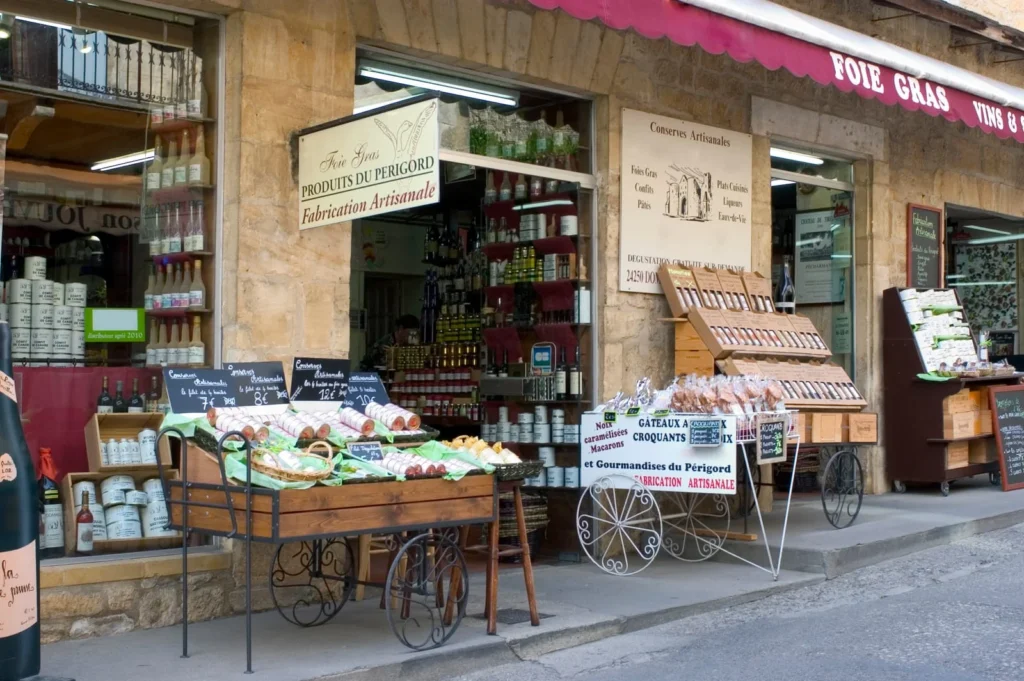
- Markets and gastronomy: Markets operate year-round. Summer markets are lively with melons and tomatoes; autumn markets highlight walnuts and mushrooms; winter markets focus on truffles. Sarlat’s market runs every Saturday throughout the year.
- Harvest and wine: September and early October. Participate in grape harvesting at Monbazillac and attend wine festivals. The Ban des Vendanges parade in Saint‑Emilion blends history and wine.
- Quiet sightseeing: November through March. Enjoy empty villages and crisp blue skies. Dress warmly and embrace the slower pace.
So, When Should You Go?
If your priority is the best all-around answer to Best Time to Visit Dordogne, France, go in September or early October. That is the moment when Dordogne weather stays pleasant, the villages still feel alive, and the region gives you beauty without the full force of summer crowding.
Choose June or early July for classic summer energy, choose spring for calm landscapes and walking, and choose winter for truffles and a quieter, more intimate Dordogne.
Stay at Château de Lasfonds and Experience Dordogne at Its Best
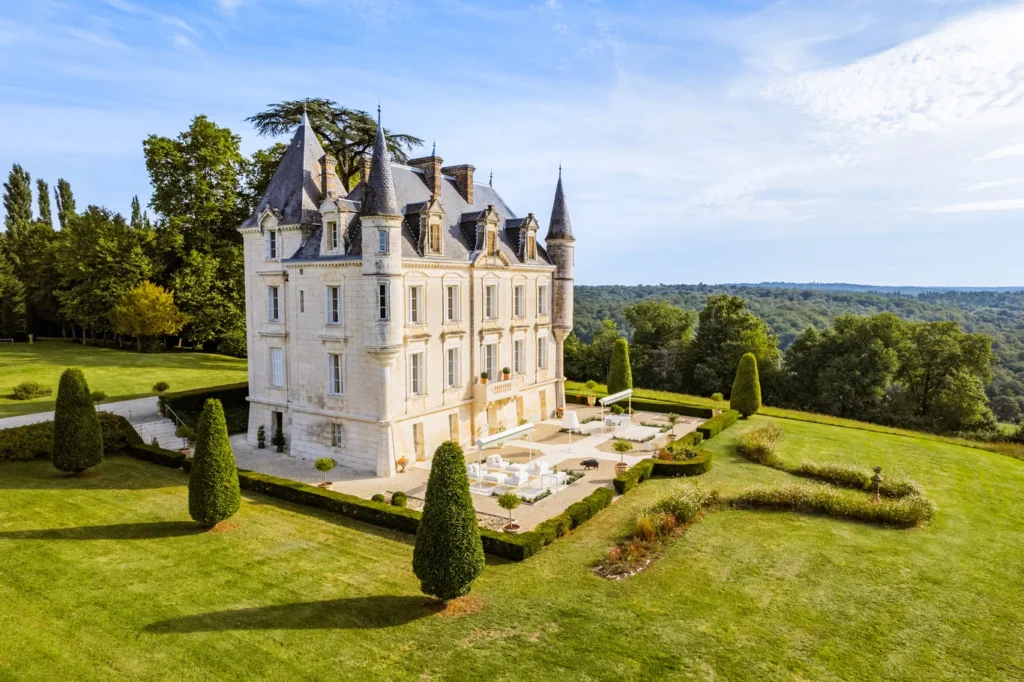
If you are planning around the Best Time to Visit Dordogne, France, your stay should match that same slower rhythm. Château de Lasfonds is built for that kind of experience.
Set in the countryside between Dordogne and Charente, the estate sits on 6.5 hectares of private land with no immediate neighbors. That sense of space changes how your trip feels, especially in September and October when the region becomes quieter and more local.
You book the entire estate, so your group has complete privacy. The château and its guest houses together host around 18 to 20 guests, which makes it ideal for families or small groups who want to stay together without sharing space with others.
The property itself reflects classic French château living. It dates back to the 19th century and was carefully restored, so you still feel the history while enjoying modern comfort and open, light-filled interiors.
You can spend the day exploring villages, markets, and countryside routes, then return to complete calm in the evening. The estate gives you outdoor space, gardens, and a setting that encourages long meals, slow mornings, and unhurried time together.
The location also connects you easily to the wider region. You are within reach of Dordogne villages, as well as Bordeaux and Cognac for food and wine experiences, so each day can feel different without long travel times.
If you want your Dordogne trip to feel considered rather than rushed, this is the kind of place that elevates it.
Explore the estate and plan your stay at Château de Lasfonds.
FAQs about the Best Time to Visit Dordogne
Is May or October better for visiting Dordogne?
May is better for green countryside and long sightseeing days. October suits travelers who care more about food, autumn color, and a slower pace, so the right month depends on the atmosphere and rhythm you want.
Does Dordogne stay open after October?
Yes, Dordogne stays active after October. Markets continue in key towns, many heritage sites remain open, and the region shifts into a quieter, more local rhythm that suits travelers who value charm over summer buzz.
Can you swim in the Dordogne River in late September?
Yes, you often can swim in late September during warmer years. Water conditions vary by rainfall and river flow, though many visitors still find the month pleasant for riverside afternoons, canoe stops, and relaxed outdoor time.
When do Dordogne night markets usually take place?
Dordogne night markets usually run in July and August. If you visit later in the season, focus on traditional daytime markets instead, since they still offer local produce, regional specialties, and a more relaxed village experience.
Is Christmas a good time to visit Dordogne?
Yes, Christmas can be a lovely time to visit Dordogne. The region feels intimate and festive, with decorated towns, seasonal food, and winter markets that create a very different mood from the busy summer months.
Do you need a car for a first trip to Dordogne?
Yes, a car is usually the best choice for a first trip to Dordogne. It gives you easy access to villages, markets, river viewpoints, and rural addresses that are far harder to reach on public transport.
How many days should you spend in Dordogne?
Four to five days is a good starting point for Dordogne. That gives you enough time to enjoy Sarlat, explore a few villages, visit a cave or château, and still leave room for slow lunches.
Is Easter a busy time to visit Dordogne?
Yes, Easter can feel busier than many spring travelers expect. School holiday timing often increases demand for accommodation and popular attractions, so early planning helps if you want a better choice and a calmer stay.
Is November too cold for a Dordogne holiday?
No, November is not too cold for a Dordogne holiday if you enjoy quiet travel. Days feel cooler and damper, yet village walks, food-focused stays, and heritage visits still work very well.
Are hotter summers changing the best time to visit Dordogne?
Yes, hotter summers are pushing more travelers toward June and September. Those months still offer warm weather and full regional life, though they often feel more comfortable than the height of summer.