The Dordogne canoe trip sits high on the list of outdoor experiences in France for good reason. Calm water, wide river bends, and views of old villages create a setting that feels both relaxed and memorable. Many first-time visitors feel unsure about where to start, how long to paddle, and which route makes the most sense for their pace.
This guide breaks down everything you need in a simple way, from choosing the right canoeing route in the Dordogne to understanding the best time to go. If you are planning your first canoeing in Dordogne experience, you will find clear advice here that helps you avoid common mistakes and enjoy the river with confidence.
Best Canoe Dordogne Routes for First Timers
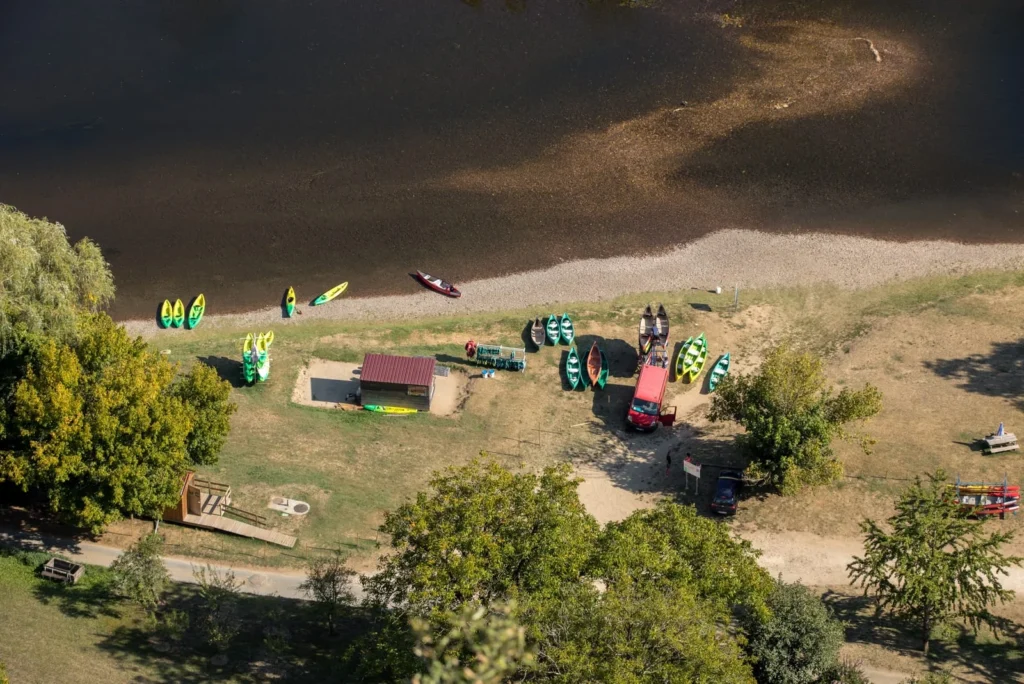
Choosing the right route is key to enjoying your first canoe trip in the Dordogne. The river remains calm in most sections, but distances, crowd levels, and scenery can vary. A clear understanding of each route helps you pick one that fits your time and comfort level.
Vitrac to Beynac-et-Cazenac
This is the most popular beginner route. The distance is about 10 kilometers and takes two to three hours at an easy pace. The current stays steady, making it ideal for first-time canoeing in the Dordogne.
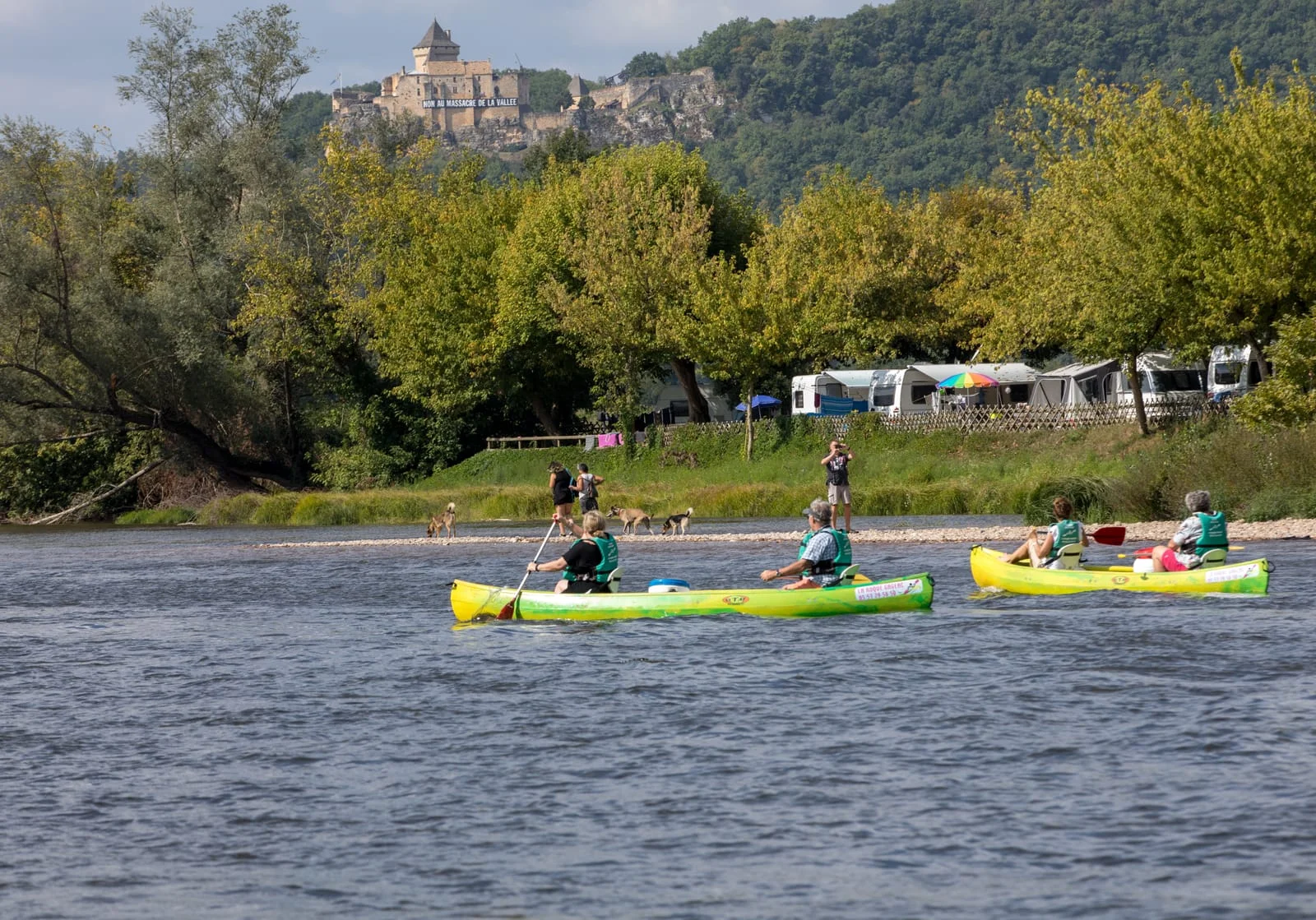
You pass major highlights along this stretch. La Roque-Gageac sits along the riverbank with steep cliffs behind it. Further ahead, Beynac castle rises above the water and marks the end of the route. The combination of short distance and strong scenery makes this the safest choice for beginners.
Carsac-Aillac to Vitrac
This route is shorter at around 7 kilometers. Most people complete it in under two hours. It suits beginners who want a simple and quiet Dordogne canoe trip.
The water moves slowly, and traffic is lighter than in other sections. This gives you more space to practice paddling and steering. The surroundings feel more natural, with fewer built landmarks and more greenery along the banks.
Vitrac to Castelnaud-la-Chapelle
This route is longer, ranging from 12 to 14 kilometers. It takes three to five hours, depending on your pace. The water remains manageable, but the extra distance requires steady effort.
You pass several castles along the way, including Castelnaud, which overlooks the river. This option works for beginners who feel ready for a longer canoeing route on the Dordogne after a short introduction.
How to Choose the Right Distance
Distance has the biggest impact on your experience. Routes under 8 kilometers feel easy and relaxed. Routes between 8 and 12 kilometers offer a balanced day. Longer routes take longer and require more energy, even when the water stays calm.
Most first-time paddlers prefer shorter routes. You can stop along the banks, rest, and take in the scenery without feeling rushed.
Water Conditions and Difficulty
The Dordogne River is known for stable conditions. Small rapids appear in some areas, but they are gentle and easy to handle. No prior experience is required for the basic Dordogne canoe route.
Rental providers usually give a short safety briefing before you start. This includes basic paddling techniques and guidance for navigating mild rapids.
Best Time for a Canoe Dordogne Trip
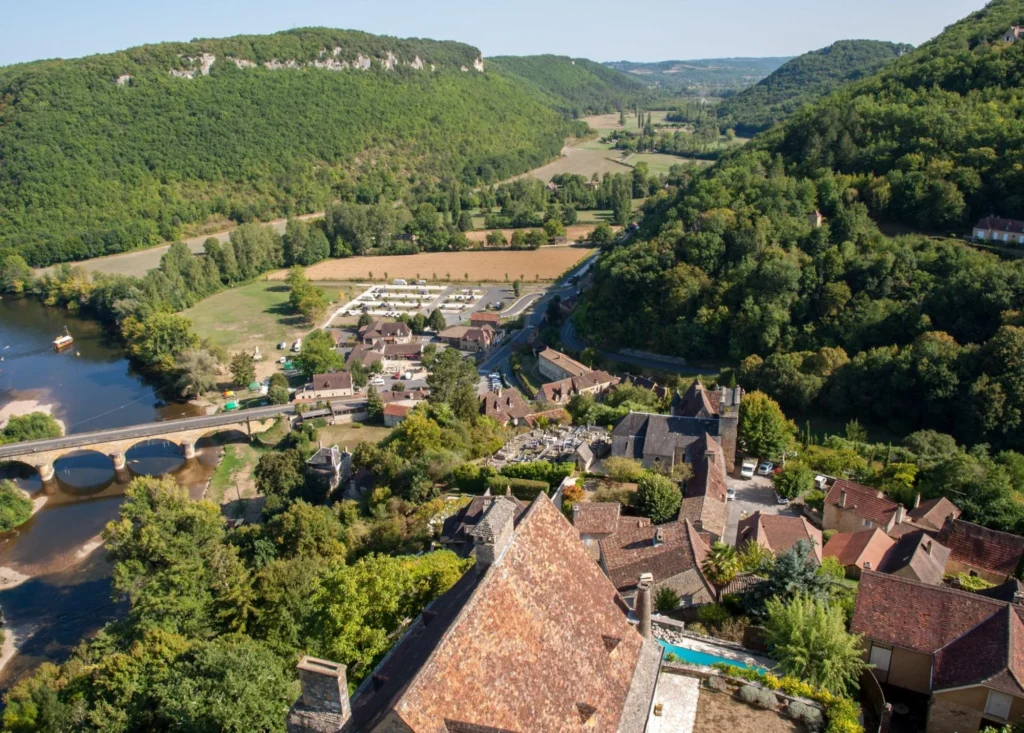
Timing can change your entire canoeing experience in the Dordogne. Water levels, weather, and crowd size all shift through the season, so it helps to plan with a clear idea of what each period offers.
Late Spring, May to June
Late spring is one of the best times for canoeing in Dordogne. Water levels remain higher due to recent rainfall, making paddling easier and more forgiving for beginners. The landscape looks fresh and green, and the temperatures feel comfortable without strong heat.
Crowds are still moderate during this period. You get more space on the river and shorter wait times at rental points. This makes it a strong choice for a relaxed Dordogne canoe trip.
Peak Summer, July to August
This is the busiest time for any canoeing route in the Dordogne. Warm weather and school holidays bring a high number of visitors. The river becomes more active, with many canoes on popular stretches like Vitrac to Beynac.
Water levels drop slightly in summer, which means you may need to paddle a bit more in slower sections. The upside is stable weather and long daylight hours. Starting early helps you avoid both crowds and heat.
Early Autumn, September to Early October
Early autumn offers a quieter and more balanced experience. Temperatures remain pleasant, and the river sees fewer visitors. This period suits travelers who want a calm setting for their canoeing trip on the Dordogne.
Water levels can vary with rainfall, but conditions usually remain manageable. The scenery also begins to shift with softer colors along the riverbanks.
Time of Day Matters
The morning is the best time to start your canoe trip on the Dordogne. The river feels quieter, and the temperature stays cooler. Afternoon trips can feel busier, especially in peak summer.
A mid-morning start gives you enough time to enjoy the route without rushing. It also leaves space for breaks along the river.
What to Avoid
Midday heat in July and August can feel intense, especially on longer routes. Starting late in the day can also limit your time on the water and create pressure to finish quickly.
Planning your timing around weather, season, and daily flow helps you get the most out of your Dordogne canoe trip.
What First Timers Should Know Before Canoeing in Dordogne
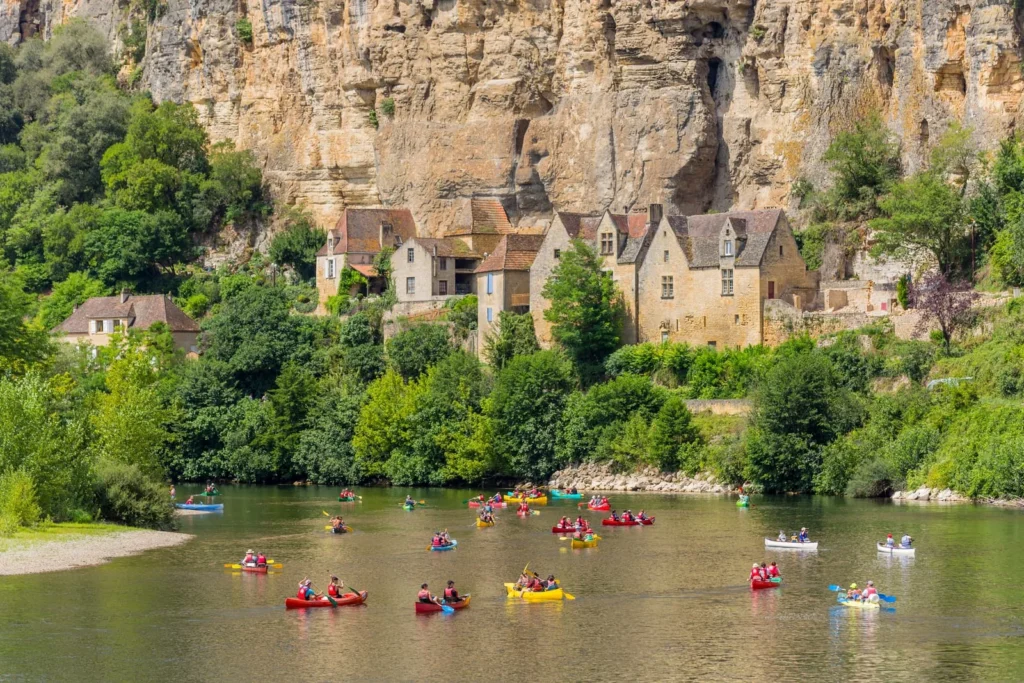
A first canoe Dordogne trip feels easy once you understand a few basics. The river is suitable for beginners, but small details can affect comfort, safety, and overall enjoyment.
No Experience Needed
You do not need prior canoeing experience in the Dordogne. The river remains calm in most sections, and rental providers provide clear instructions before you start. Basic paddling techniques are easy to pick up within the first few minutes on the water.
Most routes are designed for beginners, which means you can focus on enjoying the scenery instead of worrying about technical skills.
What to Pack
Packing the right items can make your Dordogne canoe trip much more comfortable. Light clothing, sunscreen, and a hat help protect you from the sun. Water shoes or sturdy sandals work better than flip-flops, since you may need to step into shallow water.
A waterproof bag is useful for phones, keys, and small valuables. Many rental companies provide one, but it is better to check in advance.
Bring enough drinking water, especially during warmer months. Even shorter routes can feel tiring without proper hydration.
Understanding River Flow
The Dordogne River moves at a gentle pace, but it is not completely still. You will notice a steady current that helps carry you forward. Steering becomes easier once you adjust your paddle angle and rhythm.
Some sections include small rapids. These are mild and safe for beginners on any standard canoe Dordogne route. Staying straight and paddling lightly helps you pass through without difficulty.
Breaks and Stops
You are allowed to stop along the riverbanks during your trip. Many people take short breaks to rest, swim, or enjoy the view. Planning a few stops helps you manage energy, especially on longer routes.
Choose clear, open spots along the bank for easier entry and exit. Avoid stopping near narrow or fast-moving sections.
Safety Basics
Safety rules are simple but important. Life jackets are always provided and should be worn at all times. Keep a safe distance from other canoes to avoid collisions in busier areas.
Listen carefully to the briefing before starting your canoe Dordogne trip. It covers essential points like how to handle turns and what to do if you lose balance.
Booking and Timing Tips
Booking in advance is helpful during peak season. Morning slots are usually less crowded and more comfortable, especially in summer.
Arriving early also gives you enough time to prepare without rushing. This small step can improve your entire Dordogne canoe trip experience.
Final Tips for Planning Your Canoe Dordogne Trip
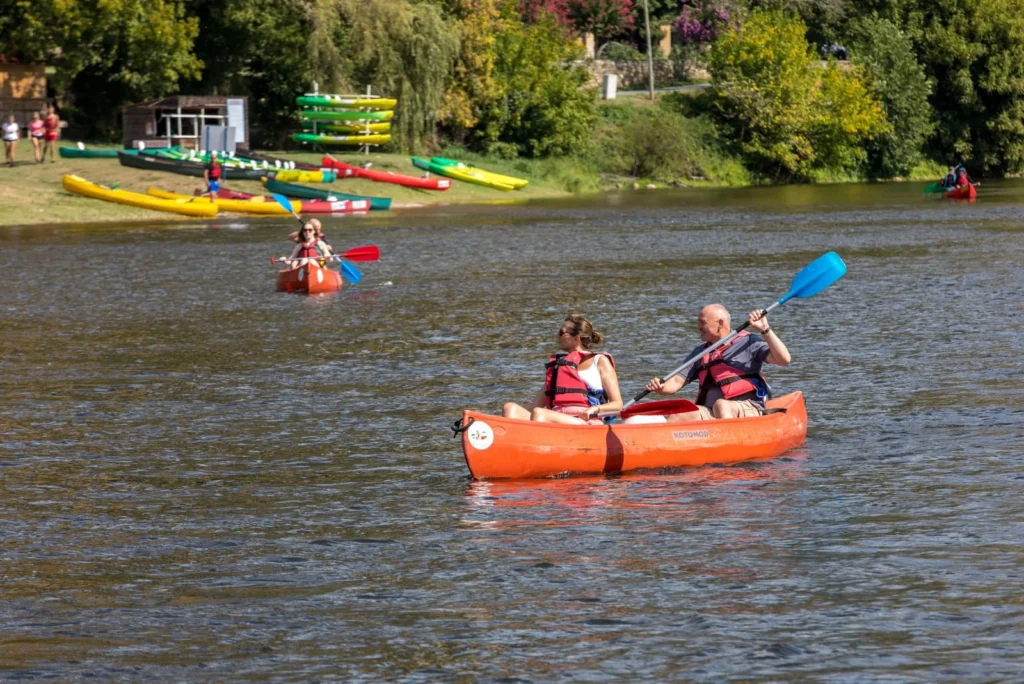
A smooth canoe trip on the Dordogne often comes down to small planning decisions. Once you have your route and timing sorted, a few extra steps can help you avoid common issues and enjoy the day without stress.
Choose the Right Rental Provider
Not all rental services offer the same level of support. Look for providers with clear instructions, well-maintained equipment, and flexible return options. Some companies offer transport back to your starting point, which saves time at the end of your Dordogne canoe trip.
Reading recent reviews can give you a better idea of reliability and service quality.
Start Early and Pace Yourself
An early start gives you a quieter river and cooler conditions. This is useful on any canoe Dordogne route, especially during the summer months. You also get more time to take breaks without feeling rushed.
Keep a steady pace instead of paddling too fast at the start. Energy levels stay more consistent when you spread effort across the entire route.
Travel Light but Smart
Carry only what you need, but do not skip essentials. Water, sun protection, and secure footwear make a noticeable difference. A light setup keeps your canoe stable and easier to control during your canoe Dordogne trip.
Avoid bringing loose items that can fall into the water. Keep everything packed in a secure bag.
Respect the River and Surroundings
The Dordogne is known for its natural beauty, and keeping it clean is part of the experience. Take all your belongings back with you and avoid leaving waste along the riverbanks.
Stay aware of other paddlers and give space in narrower sections. This helps keep the flow smooth for everyone who enjoys canoeing in the Dordogne.
Plan for Transport and Return
Many routes end in a different location from where you start. Most rental providers offer shuttle services, but it is important to confirm this in advance.
Knowing your return plan removes last-minute confusion and lets you focus fully on your Dordogne canoe trip.
With the right route, timing, and preparation, your first experience on the Dordogne can feel relaxed and rewarding. A simple plan, combined with realistic expectations, goes a long way in helping you enjoy every part of the journey.
Stay Near the River at Château de Lasfonds
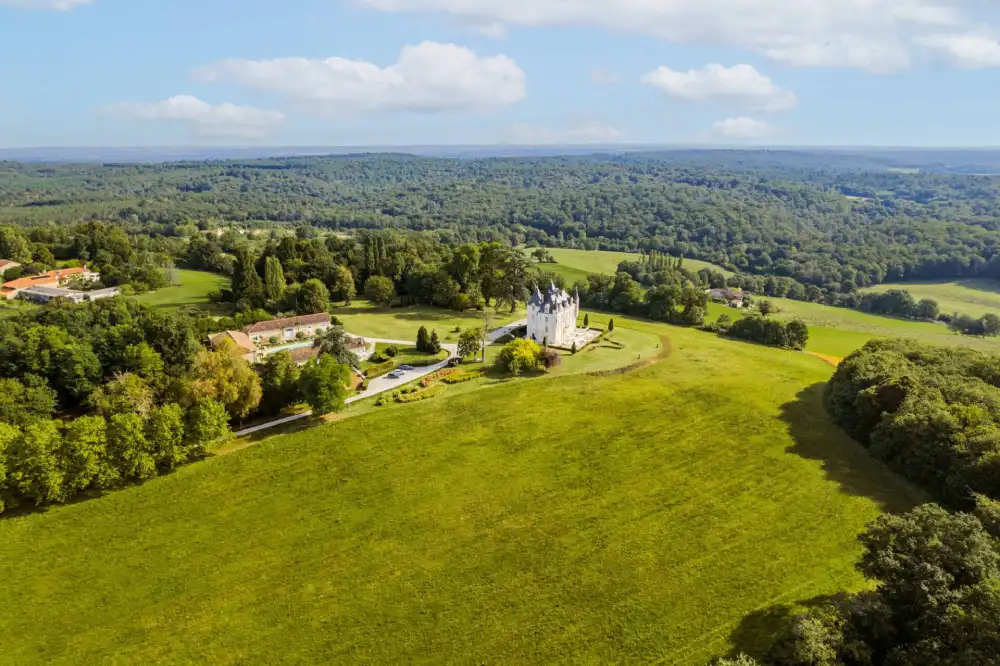
If you want to turn your Dordogne canoe trip into a full countryside escape, Château de Lasfonds offers a stay that matches the river’s pace and beauty.
Set on a hill in the Dordogne countryside, this 19th-century château sits on a private estate with wide views over forests and rolling land. The property blends historic architecture with modern comfort, offering the charm of an old French residence without sacrificing convenience.
The estate can host small groups or larger gatherings, with space for up to around 18 guests across the main château and guest houses. This makes it a strong option for families or friends planning a shared Dordogne canoe trip.
Inside, you will find bright rooms, restored interiors, and large social spaces. Outside, the grounds span several hectares and feature gardens, terraces, and a pool that enhance the overall experience.
The location works well for exploring the region. You can spend the day on a canoe Dordogne route, then return to a quiet setting away from busy tourist areas. Nearby villages, local markets, and food experiences give you a deeper look at the region without long travel times.
For travelers who want more than a day trip, staying at Château de Lasfonds adds comfort, privacy, and a strong sense of place to your time in Dordogne.
Frequently Asked Questions About Canoe Dordogne
Do you need to book canoe rentals in advance in Dordogne?
Yes, booking ahead is a smart move, especially during peak months. Popular providers can fill up early in the day. Advance booking helps you secure your preferred time slot for a smooth canoeing experience in the Dordogne.
Are there weight or age limits for canoeing in Dordogne?
Most rental companies set minimum age limits, often around five or six years old. Weight limits depend on the type of canoe, but staff usually advise you on the safe capacity before your Dordogne canoe trip.
Can you bring pets on a canoe trip in the Dordogne?
Some providers allow small dogs, but policies vary. It is best to confirm in advance. Calm pets that can sit still make for a safer, more relaxed canoeing experience in Dordogne.
Is swimming allowed during a canoe Dordogne route?
Yes, swimming is allowed in many parts of the river. Choose calm, open areas for safety. Avoid deeper or faster sections, and always stay close to your canoe on your Dordogne canoe route.
What happens if it rains during your canoe trip in the Dordogne?
Light rain usually does not affect the trip much. Heavy rain can change water levels and visibility. Rental providers may delay or cancel departures if conditions are not suitable for a safe canoeing outing on the Dordogne.
Are there toilets or facilities along the Dordogne River?
Facilities are limited along the river itself. Some entry and exit points have basic amenities. It is best to plan ahead before starting your Dordogne canoe trip.
Can beginners handle steering a canoe easily?
Yes, steering becomes easier within a short time. Simple paddle control helps guide direction. Most people feel comfortable within minutes during their first canoeing experience in the Dordogne.
Is it possible to take photos safely during the trip?
Yes, but it helps to use a waterproof pouch or case. Calm sections of the river are best for taking photos. Keep your balance steady while enjoying the views during your canoe trip in the Dordogne.
Are guided canoe trips available in Dordogne?
Yes, some providers offer guided experiences for those who prefer extra support. Guides can share local insights and help with navigation along your canoeing route in the Dordogne.
How do you return to your starting point after the trip?
Most rental companies include transport back to your starting location. Shuttle services run at regular intervals. Confirm timing in advance to avoid waiting after your Dordogne canoe trip ends.