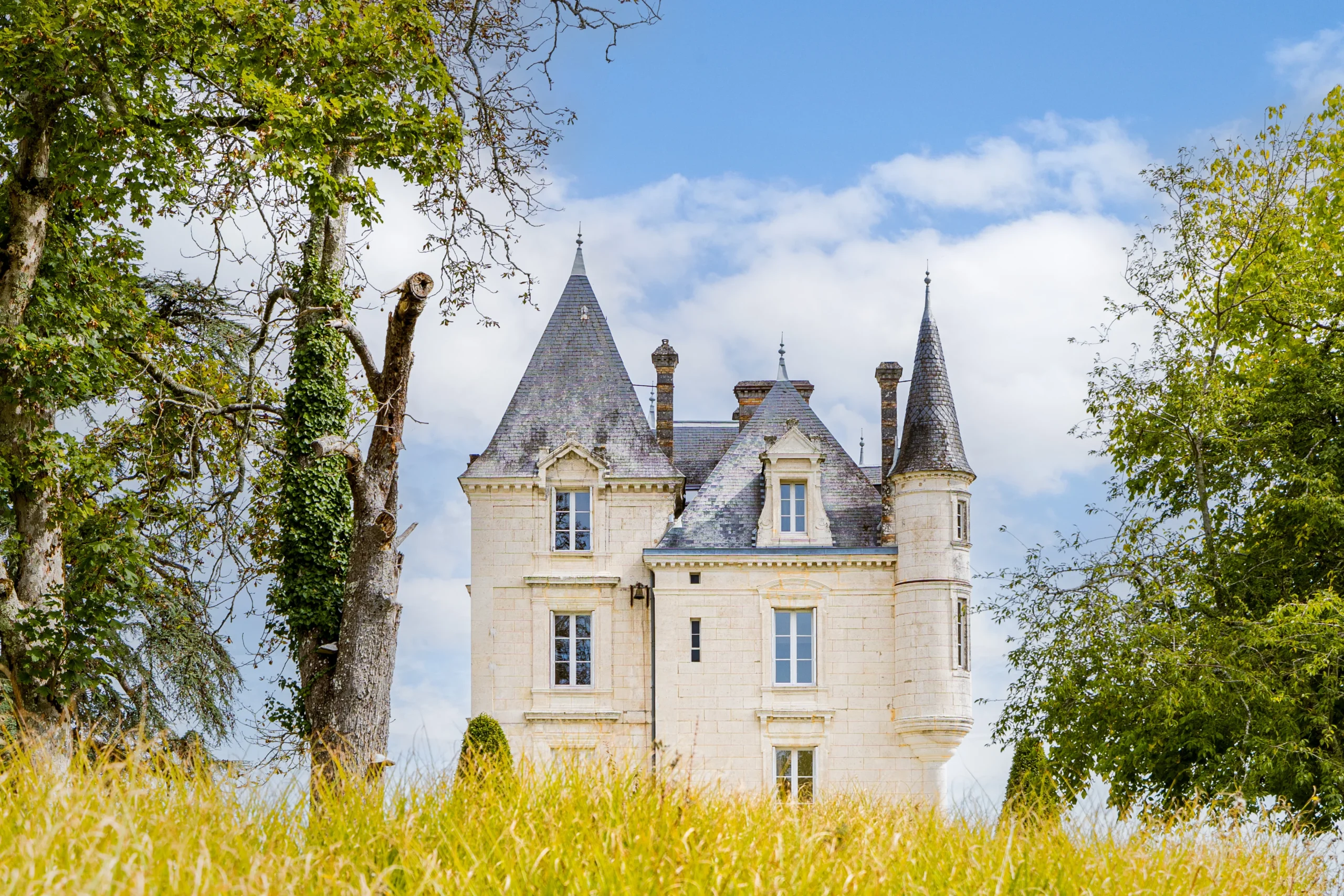
Imagine arriving at an ornate entrance flanked by towering turrets, the driveway winding through fragrant gardens before revealing a stately residence. The French Chateau for Rent experience has become a sought‑after holiday option for families and large groups.
Chateaux across France invite guests to step into another era while enjoying modern comforts. Travel experts note that these properties boast spacious rooms, private pools, and lush gardens, making them ideal for families and groups of all ages.
Many châteaux have been restored with care, blending historic charm with contemporary amenities such as high‑speed Wi‑Fi and en suite bedrooms. Choosing the right chateau requires careful consideration of purpose, location, amenities, and budget.
Define the Purpose of Your Stay
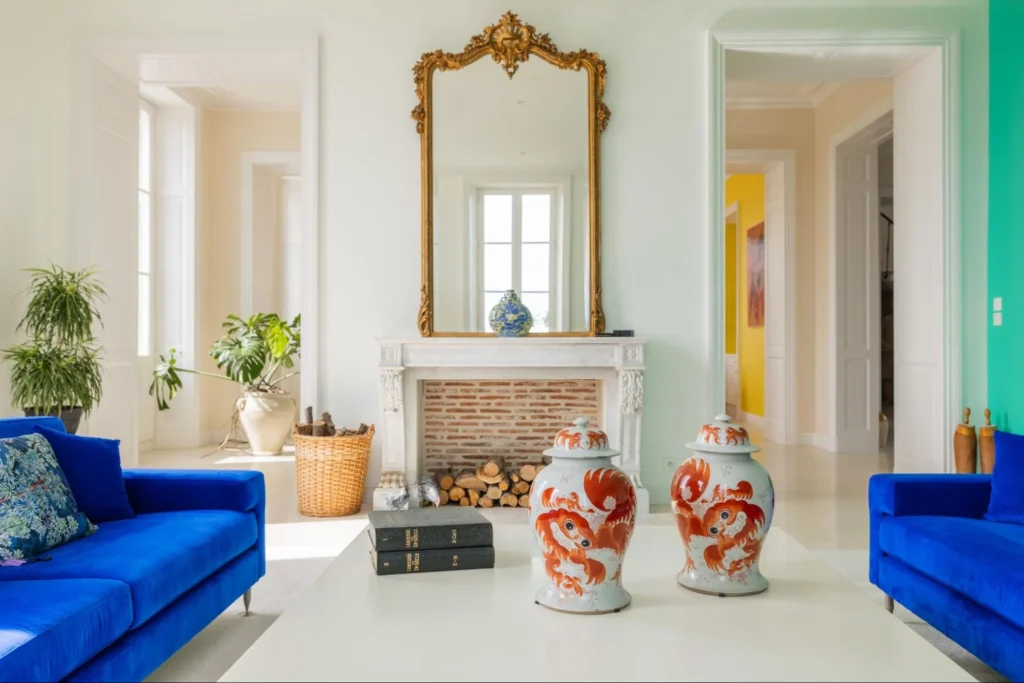
The first step in selecting a chateau is understanding why you are renting it. Travel specialists advise clarifying whether the trip is for a wedding, family reunion, corporate retreat, or a simple holiday, as this choice affects capacity, layout, and services.
A wedding party may prioritize ballrooms, ceremonial gardens, and catering facilities; a family reunion may require multiple living areas, children’s play spaces, and self‑catering kitchens.
Determine how many adults and children will attend and whether you prefer exclusive use of the entire estate or only a wing or several rooms. Aligning the property with your group’s goal ensures the experience feels personalized rather than generic.
Choose a Region That Matches Your Interests
France’s regions each offer different flavors of château life.
In the Loire Valley, a UNESCO World Heritage Site, Renaissance‑era castles stand amid vineyards and rivers. Northern France, including Normandy and Brittany, combines dramatic coastline, lush countryside, and medieval villages.
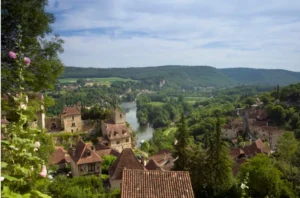
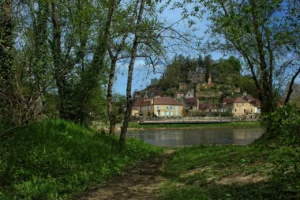
South of France promises warm sunshine, chic towns, and Provençal vineyards. South‑West France, such as Dordogne and Midi‑Pyrénées, lures food lovers and outdoor enthusiasts. Travel writers recommend these regions because each offers distinct activities: vineyard tours in Burgundy, beach outings along the Côte d’Azur, or hiking and canoeing near the Dordogne River.
Pick a location that complements your itinerary and climate preference, and consider proximity to airports or high‑speed rail stations. Some chateaux lie near villages or cities, offering easy access to shops and markets, while others nestle deep in the countryside for maximum tranquillity.
Understand Capacity and Layout
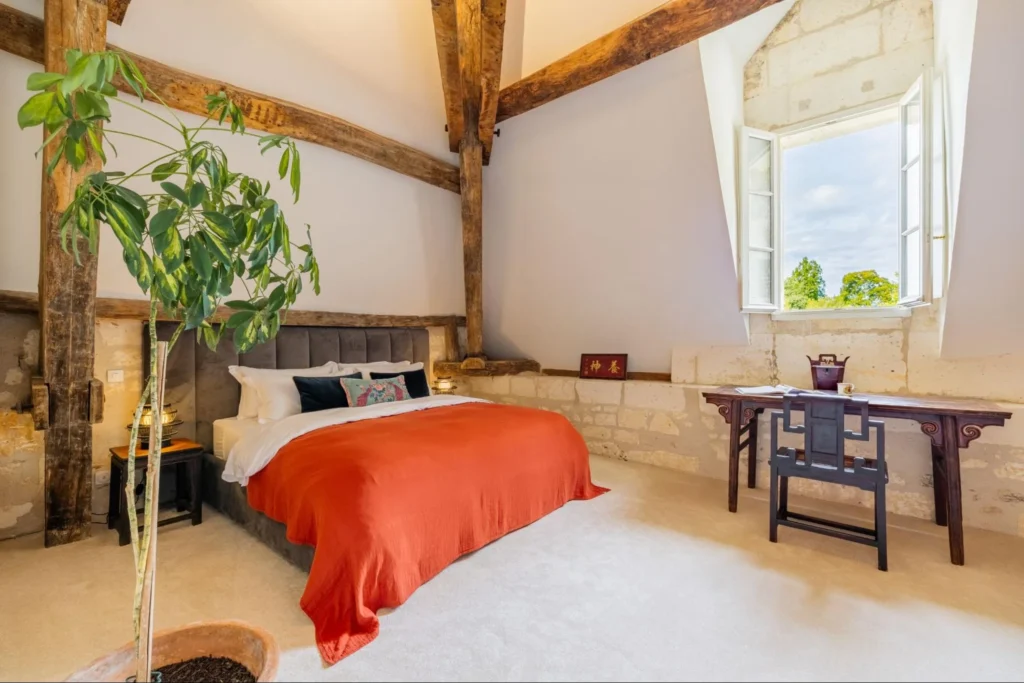
Chateaux vary widely in size. Properties in chateau rental collections can sleep from six to eighty guests. For families, count the number of bedrooms and ensure the configuration suits your group: some rooms have bunk beds or adjoining suites for children, others offer private suites for couples. It is also wise to verify the number of bathrooms, as older chateaux may have fewer en-suite facilities.
Consult the rental agency or owner about whether the estate rents exclusively or allows partial bookings. Larger estates may offer separate wings to maintain privacy for smaller groups. If someone in your group has limited mobility, check for ground‑floor bedrooms or lifts; not all historic properties are fully accessible.
Evaluate Amenities and Services
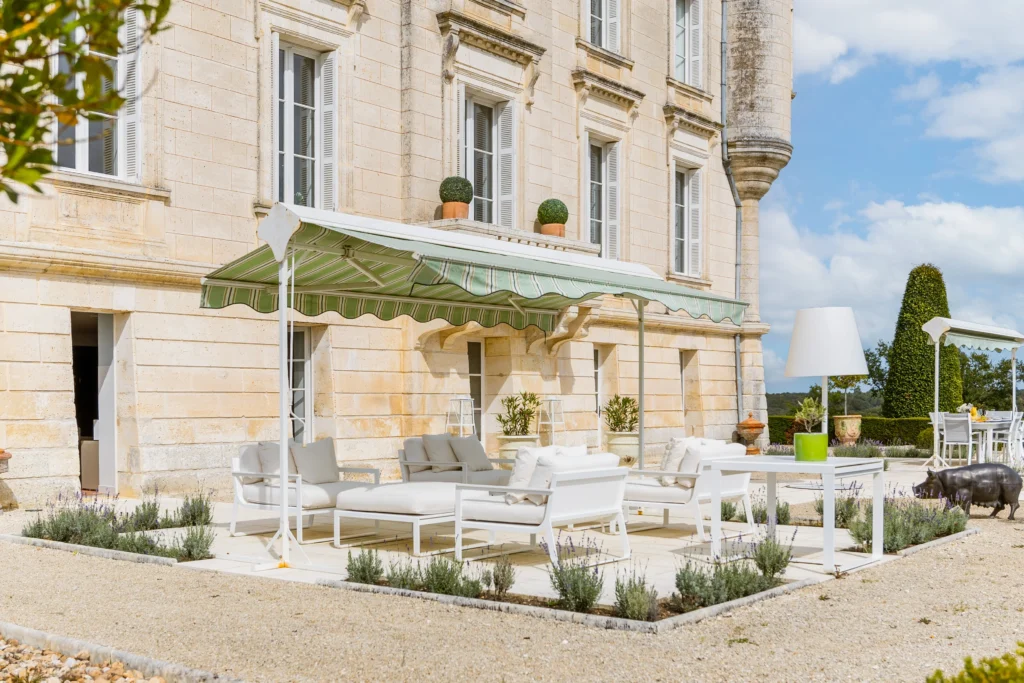
Full‑Service vs. Self‑Catering
One of the most important decisions is the level of service. Some chateaux operate like boutique hotels with chefs, housekeeping, and concierge services; others are self‑catered holiday homes.
Travel guidance recommends making a list of essential amenities—such as fully equipped kitchens, laundry facilities, swimming pools, child‑proof pool fences, Wi‑Fi, and air conditioning—and verifying what is included.
Ask whether breakfast, cleaning, or catering is provided or available at an extra cost. For large groups planning a celebration, a private chef can organize gourmet meals, while self‑catering allows families to prepare simple dishes at their own pace.
Facilities for Families
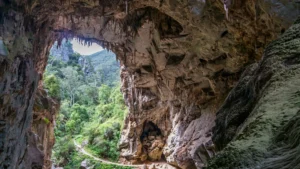
Chateaux designed for family gatherings often feature child‑friendly spaces, multiple living rooms, and outdoor play areas. Some estates provide table tennis, board games, and picnic grounds; the Dordogne region even offers hot air balloon rides, cave explorations, and river canoeing for adventurous families.
Many chateaux come with heated pools, child‑safe fences, and separate shallow areas. When reviewing properties, consider whether there is a games room, cinema, or playground to keep children entertained.
For multigenerational groups, ask about quiet reading rooms or terraces where older guests can relax away from the bustle.
Private Events and Tailored Experiences
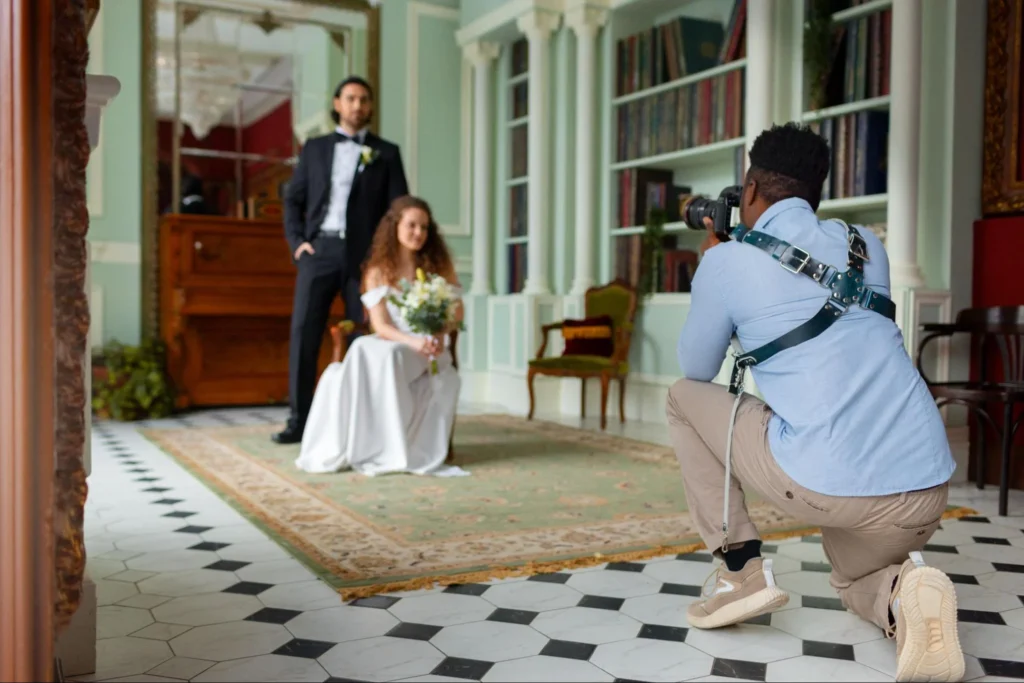
Chateau life invites bespoke experiences. Several estates host private weddings, reunions, or corporate retreats. If you plan an event, ensure the property offers formal dining halls, reception areas, and professional catering.
In addition, many chateaux provide tailored activities—guided history tours, private wine tastings, yoga sessions at sunset, or cooking classes led by resident chefs.
These extras allow guests to immerse themselves in regional culture without leaving the estate. Confirm availability and cost before booking.
Security and Privacy
Families often value security, particularly when traveling with children. Historic estates frequently have gated entrances and secure perimeters. On‑site caretakers or discreet staff may stay on the grounds to maintain privacy and assist with requests.
For large groups, exclusive use of the entire estate ensures you will not share facilities with strangers—a key factor for milestone celebrations and reunions. Ask about safety measures such as fenced pools, stair gates, smoke detectors, and secure window latches, especially for properties with high towers or open balconies.
Budget and Practical Considerations
Cost and Value
A common misconception is that chateau rentals are prohibitively expensive. Average rates can seem high—around €1,200 per night—but when the cost is split among 10–20 guests, the price per person often compares favorably with luxury hotels.
Some properties even offer individual rooms for as little as €97 per night. Travelers can find value by visiting in shoulder seasons, booking mid‑week stays, or renting only part of an estate. Always ask for a detailed breakdown of what is included in the price to avoid surprise fees.
Booking and Contracts
Book through reputable agencies or platforms that specialise in chateaux. These agencies understand the nuances of each property and act as buffers between guests and owners, ensuring contracts are transparent and service expectations are met.
They can also help plan itineraries and handle any issues that arise during your stay. Before signing, confirm the rental period, deposit schedule, cancellation policy, check‑in procedures, and any house rules. Early communication with the host or agency helps avoid misunderstandings.
Travel Logistics
Chateaux are often closer to major cities than expected. Some estates, such as Château de Lasfonds in the Dordogne region, are only a 2.5‑hour train ride from Paris. Others lie near regional airports or major highways.
Nevertheless, renting a car enhances flexibility, especially in rural areas where public transport is limited. Verify directions, parking facilities, and if any transfers can be arranged through the property.
Exploring Notable Châteaux for Families and Groups
To illustrate the diversity of chateaux, the following examples highlight features relevant to families and large groups. Each of these properties is known for its character, amenities, and regional appeal.
| Chateau | Region & Highlights | Key Features |
| Chateau Beau Village | Dordogne region, near the medieval village of Monpazier | Renaissance‑era estate set within 25 acres of grounds. Heated outdoor pool, sleeping capacity for 12, and proximity to local restaurants and markets. |
| Chateau Gaillac | Midi‑Pyrénées, between two historic cities | Napoleonic‑era property with opulent interiors, a child‑safe pool, and expansive spaces. Ideal for groups of up to 20. |
| Chateau Chamborigaud | Languedoc, near the Cévennes National Park | Fairytale design reminiscent of a Disney film. Five‑minute walk from the village of Chamborigaud; nearby activities include wine tasting, golf, and nature trails. Sleeps around 18. |
| Château Les Douves | Normandy countryside | 17th‑century château with grand interiors and landscaped gardens. Offers on‑site activities and easy access to sandy beaches. Sleeps 10–14. |
| Château De Garmeaux | Picardy, 45 minutes from Paris | Property with a games room, home cinema, and heated pool. Close to Disneyland Paris and perfect for families seeking entertainment. Sleeps 12–17. |
These examples show how varied chateau rentals can be. Each property offers distinct charms—from rural tranquillity and vineyard tours to proximity to theme parks and cities. Use them as inspiration when researching your own holiday home.
Myths and Truths about Chateau Rentals
Travelers often hold misconceptions about castle stays. One myth is that chateaux are cold, damp, and uncomfortable. In reality, many have been renovated into luxury retreats with modern heating, hot showers, and comfortable beds.
Another misconception is that castle rentals suit only grand weddings. Data from rental surveys show that nearly 29% of bookings are for vacations and 27% for reunions, indicating they also cater to small groups.
Finally, some travelers think castles are remote. While some estates lie deep in the countryside, many are near villages or transport hubs, and roads in France are generally well-maintained. By dispelling these myths, families can feel confident that a chateau holiday delivers both romance and practicality.
Cultural and Culinary Experiences
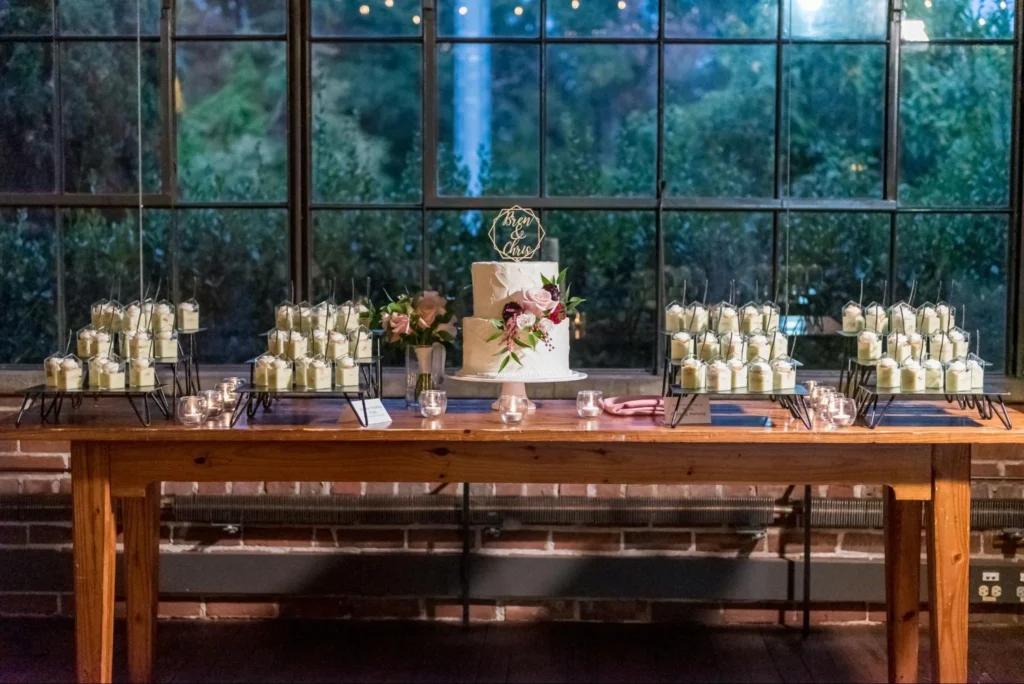
A stay in a chateau immerses guests in French heritage and cuisine. Many properties date back centuries, offering architecture from medieval fortresses to Renaissance palaces. Visitors can wander through ancient halls, climb winding staircases and imagine the lives of nobles who once resided there.
Chateaux also host gourmet experiences: formal banquets in grand dining rooms, themed dinners that recreate medieval feasts, and cooking classes guided by professional chefs. Many estates embrace farm‑to‑table philosophies, serving dishes made from local produce and artisanal products.
Wine enthusiasts may tour cellars and enjoy curated tastings of regional vintages. These cultural activities enrich the holiday beyond simple relaxation.
Final Tips for Choosing the Perfect Chateau
- Plan Ahead: Start researching at least six months before travel, especially for peak summer dates or holiday seasons. Popular properties in regions like Dordogne or Provence may book out quickly.
- Read Reviews: Consult independent reviews and testimonials to gauge previous guests’ experiences. Look for comments on cleanliness, hosts’ responsiveness, and listing accuracy.
- Ask Questions: Before booking, inquire about any restrictions, such as noise policies, check‑in times, or additional fees. Ask for a floor plan or property map to visualize the layout.
- Consider Season: Off‑peak months, such as April–June or September–October, often offer milder weather and lower rates. These periods can be ideal for exploring gardens and vineyards without crowds.
- Verify Legalities: Ensure the rental contract aligns with French regulations. Reputable agencies handle legal formalities and provide clear terms.
Book Your Private Château Experience at Lasfonds
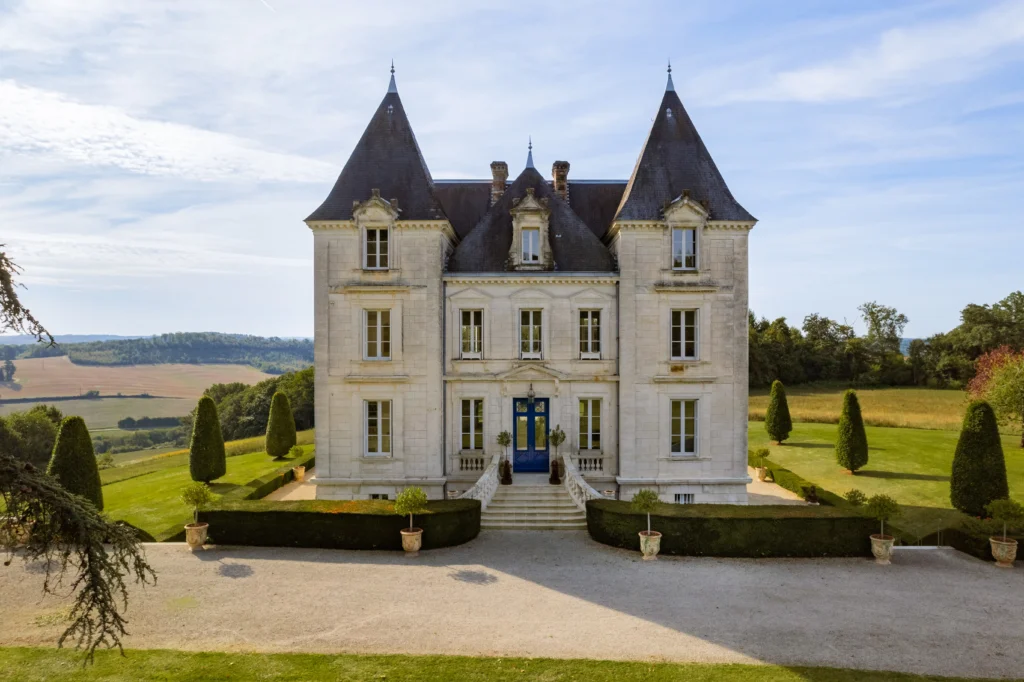
If you want a French Chateau for Rent that works for real group travel, Château de Lasfonds offers a practical and memorable option. Set in the Dordogne countryside, it gives you a private estate experience with space for up to 18 guests, so everyone stays together comfortably.
You get full access to a 6.5-hectare property with gardens, outdoor spaces, and modern amenities, which creates a calm setting for shared time without outside distractions.
Inside, the château blends historic architecture with updated interiors, so you enjoy character without sacrificing comfort.
For families and large groups, the value is simple. One private place, enough space to spread out, and a setting that feels like a true French countryside stay.
Book now to secure your preferred dates and start planning a private château experience designed around your group.
FAQs about French Chateau for Rent
What is included when you rent a French chateau for a week?
A French chateau rental typically includes private accommodation, furnished interiors, access to a kitchen, and outdoor spaces. Some properties also offer optional services, such as chefs or concierge planning, depending on the estate and the booking agreement.
How far in advance should you book a French chateau for large groups?
You should book a French chateau at least six to twelve months in advance. Larger estates with high capacity fill quickly, especially during summer and holiday periods, so early planning helps secure availability and better pricing.
Are French chateau rentals suitable for remote work or longer stays?
Yes, many modern chateau rentals support remote work with high-speed internet and dedicated workspaces. Some estates, including Château de Lasfonds, offer office areas and reliable connectivity for longer stays.
Can you rent a French chateau for a short stay or weekend?
Some chateau rentals allow short stays, though many require a minimum of three to seven nights. Policies vary by property, so checking terms in advance helps you find flexible options for weekend or shorter trips.
What hidden costs should you check before booking a French chateau?
You should check for cleaning fees, security deposits, heating costs, and optional services like catering. These extras can significantly impact total cost, so always request a full pricing breakdown before confirming your booking.
Is renting a French chateau safe for families with children?
Yes, most family-friendly chateaux include safety features like gated grounds, pool alarms, and enclosed outdoor areas. Properties like Château de Lasfonds also provide child-friendly amenities such as high chairs and secure spaces.
How do you split costs effectively for a large group chateau rental?
You can divide the total rental cost by the number of bedrooms or guests to keep it fair. Many groups also assign premium rooms at slightly higher rates to balance value across different accommodation types.
What is the difference between a luxury villa and a French chateau rental?
A French chateau offers historical architecture, larger estates, and cultural immersion, while villas focus more on modern design. Chateaux also offer more space for large groups and often feature heritage architecture and expansive grounds.
Can you host private events during a stay at a French chateau?
Yes, many chateaux allow private events such as birthdays, reunions, or small celebrations. You should confirm event permissions, guest limits, and any additional fees with the host before planning your gathering.
What makes Château de Lasfonds different from other château rentals in France?
Château de Lasfonds stands out for its private 6.5-hectare estate, modern amenities, and balance of seclusion with accessibility. It offers a full property experience designed for group stays without shared spaces.