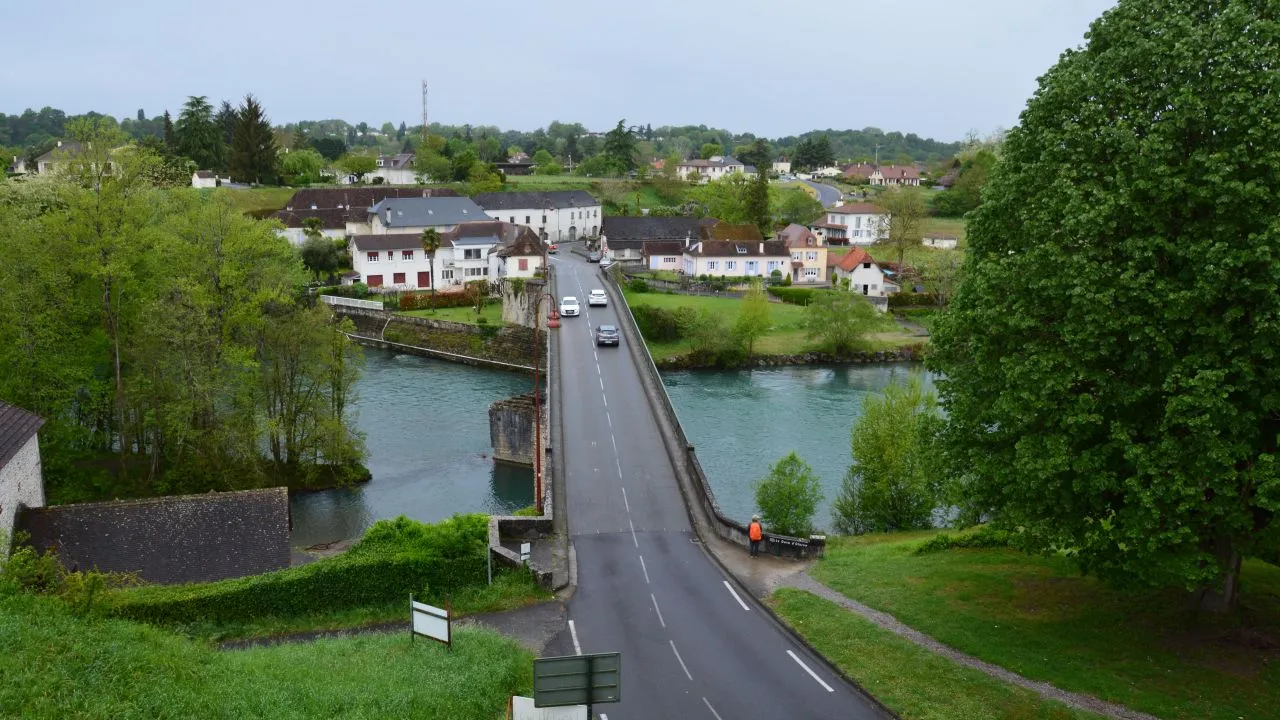
A well-planned road trip in France gives travelers something that crowded city breaks often miss: control. France has the rail network for fast city hops, yet its countryside, vineyards, coast roads, medieval villages, and private estates often reward travelers who move at their own pace.
France’s official tourism board promotes self-drive travel as a way to explore villages, vineyards, and coastal routes at a personal pace. That matters now because premium travel is shifting toward slower stays, fewer hotel changes, and more meaningful regional depth. A strong route plan turns driving from a chore into part of the experience.
Why Road Trip France Planning Needs More Strategy Than Guesswork
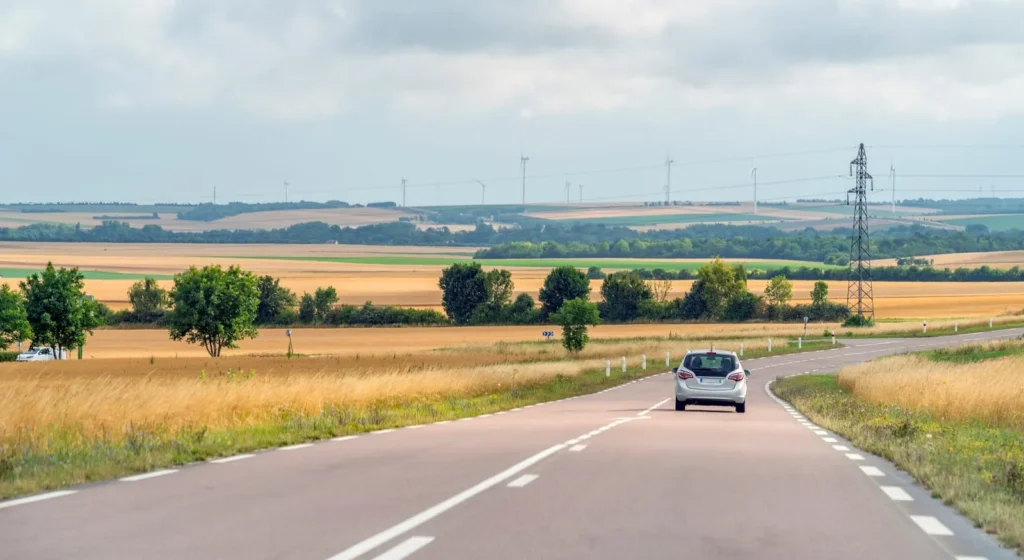
A successful France road trip starts with restraint. France looks compact on a map, but distances can stretch fast once you include rural roads, market stops, parking, toll roads, and long lunches. The best approach is to choose one anchor region, then build short loops around it.
For executive travelers or private groups, that usually means fewer bases and stronger local access. A château in Dordogne, a villa near Provence, or a boutique hotel in Normandy can work as a hub. The route then becomes a series of intentional day drives rather than a daily relocation project.
France’s tourism guidance for road travel suggests limiting daily driving to about 2 to 3 hours, which helps reduce fatigue and leaves time for discovery. That single rule can improve almost every French road trip itinerary.
Best Route Ideas For A Memorable France Road Trip
Dordogne And Périgord For Castles, Caves, And Slow Luxury
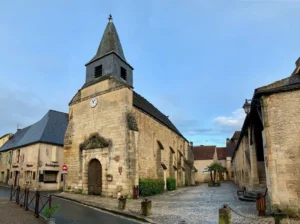
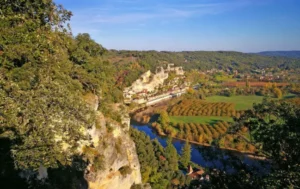
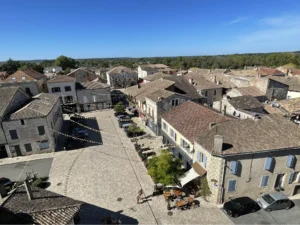
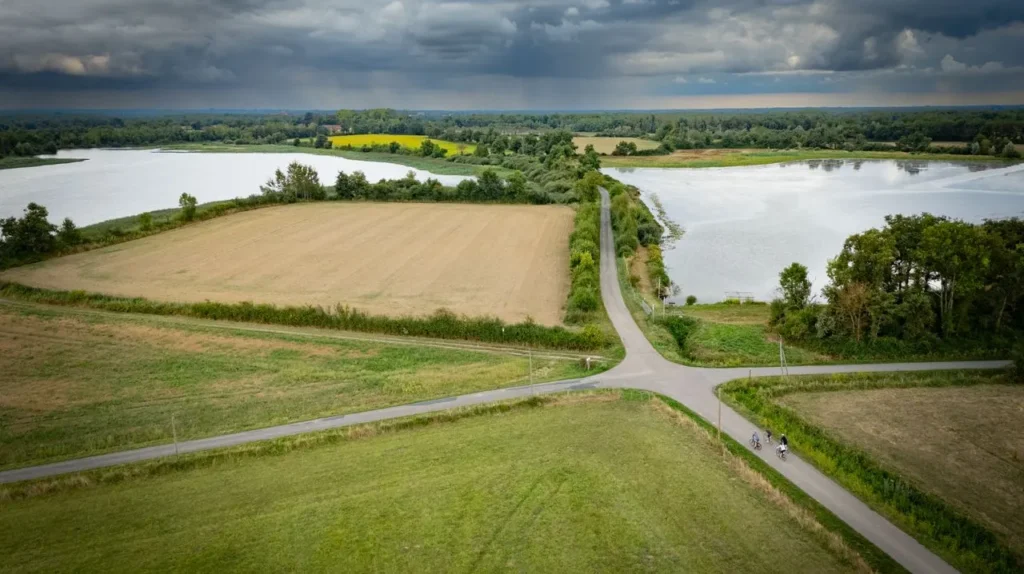
Dordogne is one of the strongest regions for a calm, high-value drive. The roads move through river valleys, limestone villages, prehistoric sites, bastide towns, and château country. Dordogne-Périgord, through its valleys, caves, castles, and some of France’s most beautiful villages, which makes it ideal for travelers who want culture without constant crowds.
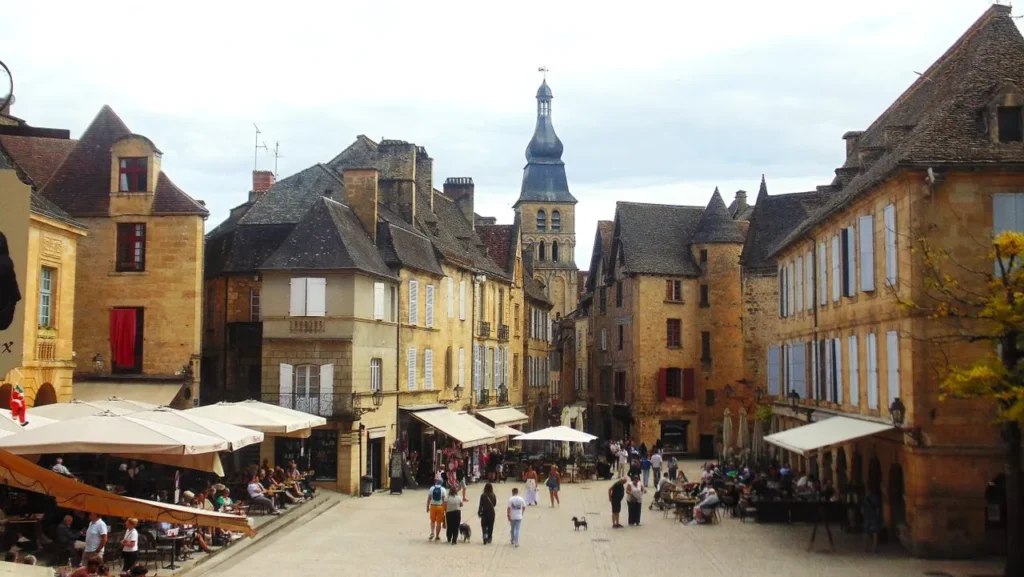
A practical 4-6-day loop can connect Bergerac, Brantôme, Périgueux, Sarlat, Beynac-et-Cazenac, and La Roque-Gageac. This works well for couples, families, and leadership groups because the drives are scenic but manageable. It also pairs naturally with longer stays in the countryside.
Provence, Riviera, And The Best South Route Ideas
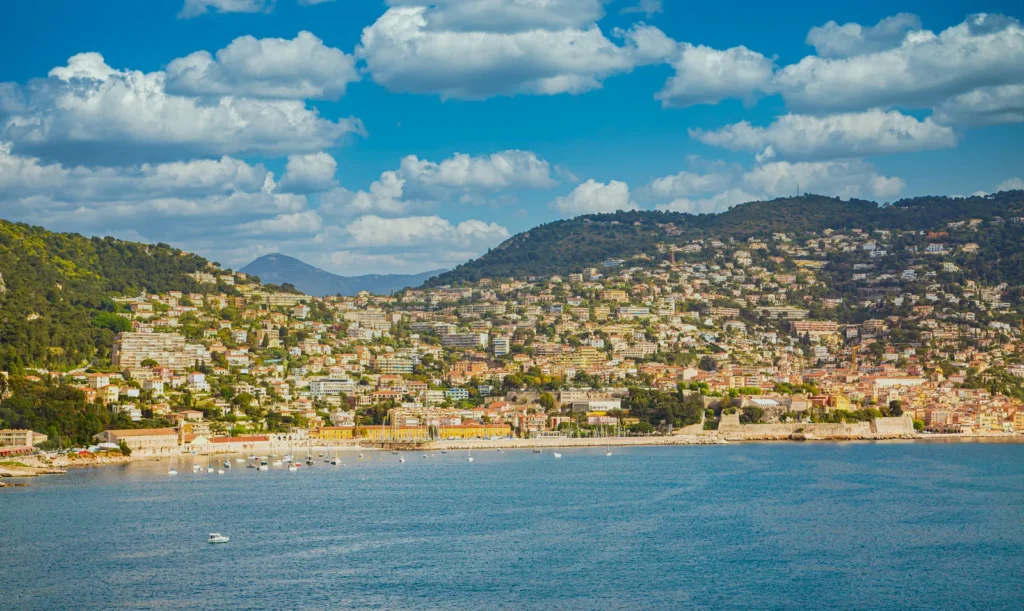
A South of France road trip often attracts travelers for lavender fields, hilltop villages, Mediterranean roads, and long lunches under plane trees. The trick is to avoid turning it into a race across the coast. A smarter route uses Provence as the cultural base, then adds the Riviera only when the timing is right.
For a focused South France road trip itinerary, start around Avignon or Aix-en-Provence, then move through Saint-Rémy-de-Provence, Les Baux de Provence, the Luberon, and the olive routes toward Marseille. Mediterranean itineraries around the Routes of the Olive Tree, with driving stages through Aigues-Mortes, Mouriès, Salon-de-Provence, and Marseille.
A Riviera-focused South of France road trip itinerary can follow the coast from Nice to Menton, then add inland drives to Grasse, Mougins, and the Route Napoléon. The Route Napoléon runs around Cannes, Grasse, and mountain scenery, while the Mimosa Route offers short coastal stages between Bormes-les-Mimosas, Rayol-Canadel, and Sainte-Maxime.
This kind of southern France road trip itinerary is best in May, June, September, or early October. July and August can still work, but heat, coastal traffic, and parking pressure change the feel of the trip.
Northern France For History, Coast, And Easier Crossings
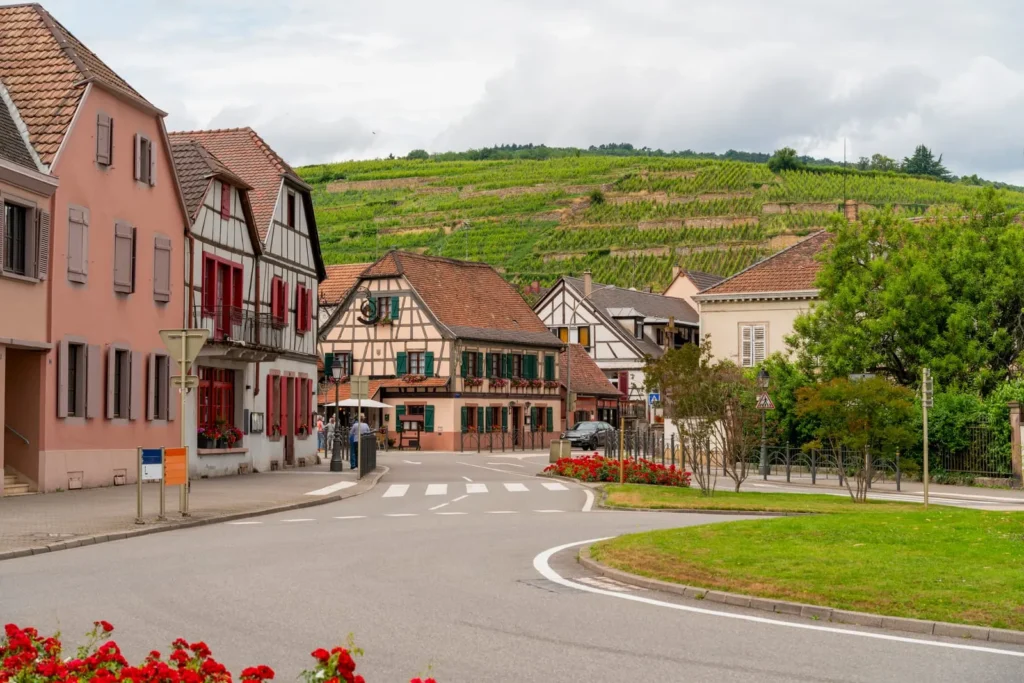
A northern France road trip itinerary suits travelers arriving from Paris, Belgium, the Netherlands, or the UK. Normandy and Brittany both offer strong road trip value because the distances are manageable and the variety is high.
In Normandy, a refined loop can connect Giverny, Rouen, Honfleur, Bayeux, the D-Day beaches, and the cliffs around Étretat. Normandy through countryside, cheese, seaside towns, cliffs, Impressionist settings, and historic beaches.
Brittany works better for a slower coastal trip. The region has dramatic shores, medieval towns, fishing ports, and a strong local identity. Brittany’s 2,700 kilometers of coastline, which supports a route through Saint-Malo, Dinard, Cancale, Perros-Guirec, Quimper, and the Gulf of Morbihan.
A 10 Day Best France Road Trip Itinerary for First-Timers
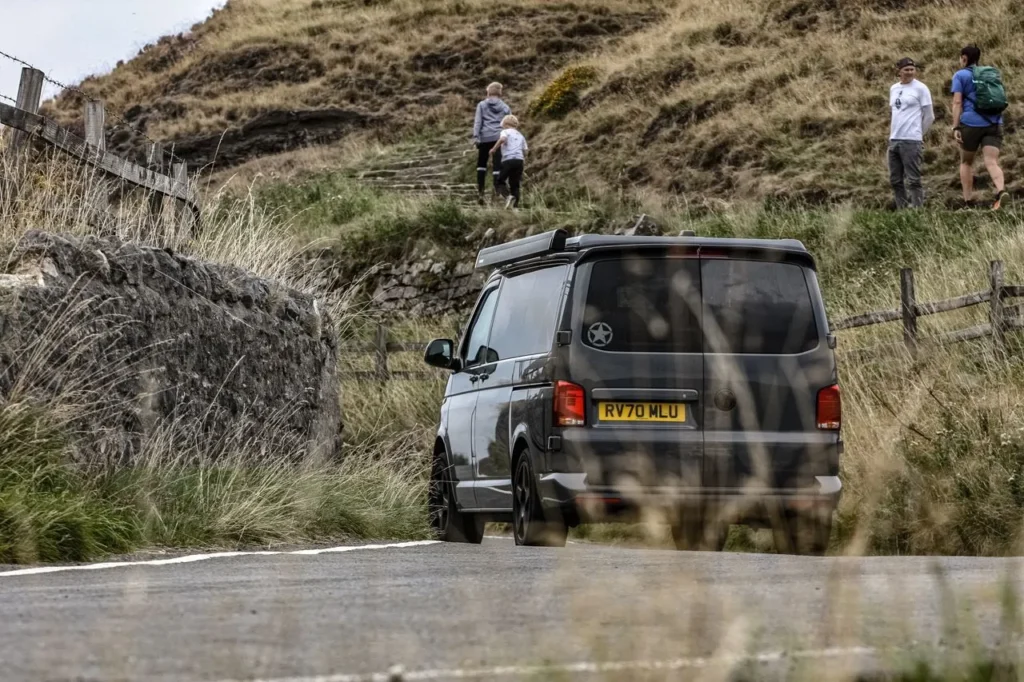
For travelers who want a balanced first journey, the best France road trip itinerary is usually not the longest one. A smart 10-day plan could look like this:
- Day 1: Arrive in Paris and stay overnight near the western edge of the city for an easier exit.
- Day 2: Drive to the Loire Valley. Base around Amboise or Tours.
- Day 3: Visit Chambord, Chenonceau, or smaller wine villages. The Loire Valley is known for Renaissance châteaux, gardens, river landscapes, and wine country.
- Day 4: Drive to Dordogne and settle into a countryside base.
- Day 5: Explore Sarlat, Beynac-et-Cazenac, and the Dordogne River villages.
- Day 6: Visit Brantôme, Périgueux, or Bergerac, then keep the evening free.
- Day 7: Continue toward Bordeaux or stay deeper in Périgord for a slower pace.
- Day 8: Add vineyards, local markets, or a private dining experience.
- Day 9: Return toward Paris with a stop in the Loire or Limoges area.
- Day 10: Final transfer and departure.
This France road trip route works because it combines major heritage, regional food, scenic roads, and restful bases without forcing a cross-country sprint.
Timing Your France Road Trip Route
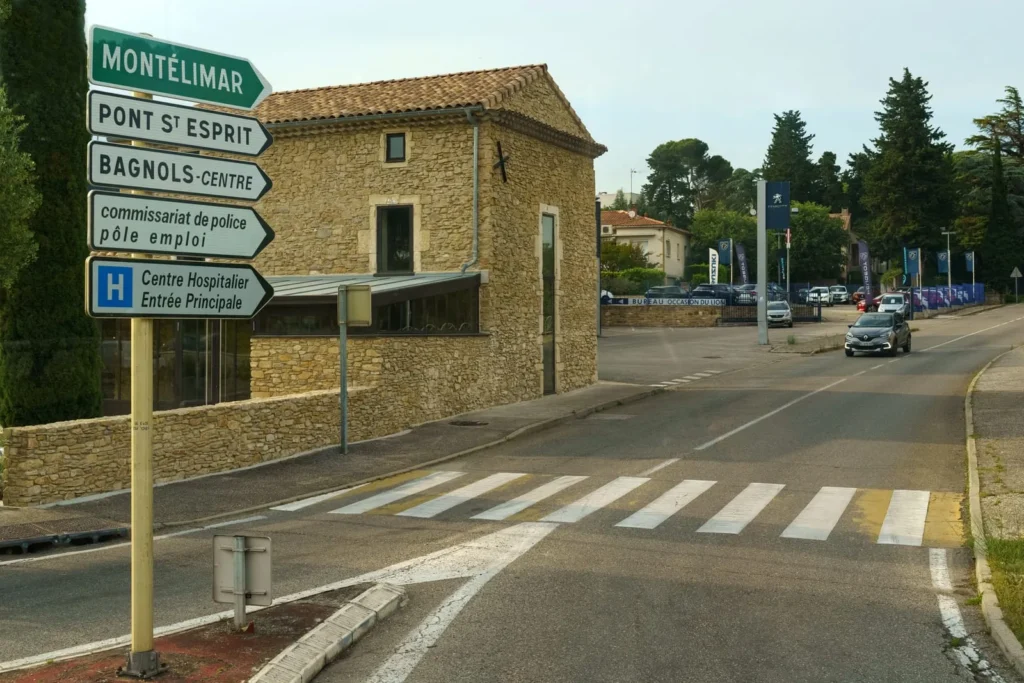
The best timing depends on the region. April to June is excellent for gardens, lighter roads, and comfortable temperatures. September and October suit the wine regions of Dordogne, Loire, Provence, and Normandy. Winter can be beautiful for city-linked routes, but rural restaurants and attractions may reduce hours.
Peak summer needs sharper planning. Bison Futé, the French government traffic information service, publishes an annual calendar of predictable traffic disruptions. Its 2026 traffic calendar was published on March 27, 2026, so travelers should check dates before locking motorway heavy routes.
For premium travel, avoid long drives on major holiday Saturdays. Build the route around arrivals on weekdays, two-night stays, and early starts for popular towns.
Driving Rules, Toll Roads, Parking, Fuel, And Car Hire
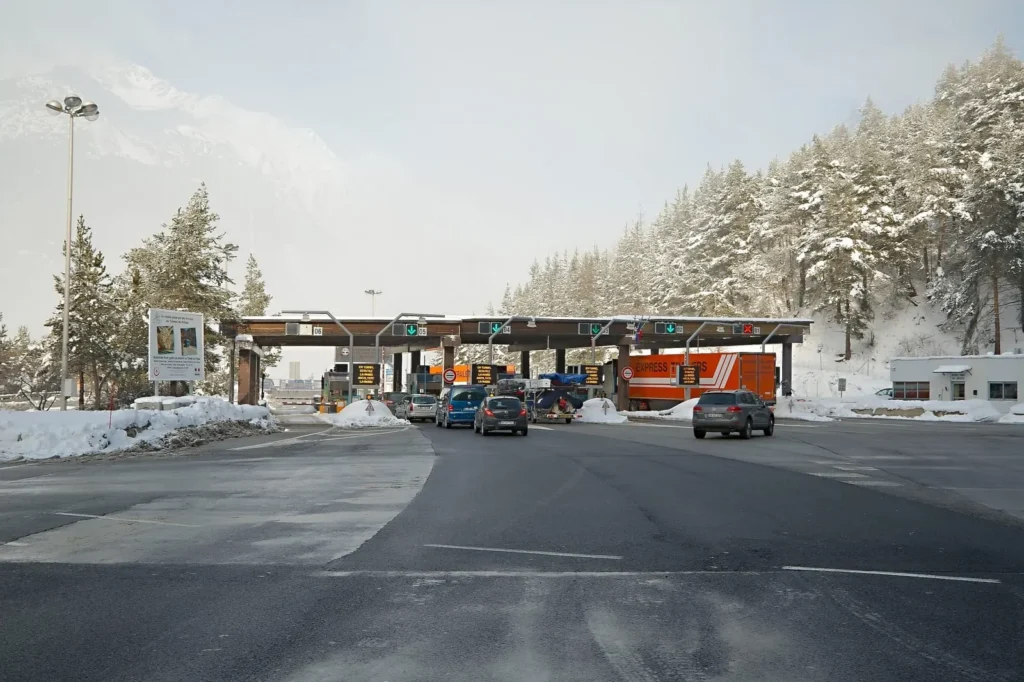
France is generally straightforward to drive in, but the details matter. Official road safety guidance says speed limits are reduced for novice drivers or in rain, including motorway limits that fall from 130 km/h to 110 km/h in those conditions. Local authorities can also adjust limits, so signs remain important.
Toll roads are often the fastest way to save time. ASFA, the French motorway companies’ association, provides motorway maps, traffic news, service area information, and journey-planning tools.
Rest stops are one of France’s quiet advantages. A break is possible about every 20 kilometers on its motorway network, with rest areas offering toilets, picnic tables, and often children’s play areas.
Free-flow tolling is expanding on some routes. France’s Ministry for Ecological Transition explains that these toll roads use gantries rather than barriers, and drivers can pay online or through approved retail payment services within 72 hours.
Parking needs city-level planning. In historic centers, book hotels with private parking or use edge-of-town car parks and walk in. For Paris, Lyon, Marseille, Strasbourg, Grenoble, and other low-emission areas, check the Crit’Air system before entering. The Crit’Air certificate is mandatory in low-emission zones designated by local authorities and during certain pollution-control measures.
For car hire, choose comfort over image. A smaller automatic SUV or estate car is often better than a large luxury vehicle on village streets. Confirm luggage space, one-way fees, mileage limits, child seats, fuel policy, and support for cross-border travel if the route touches Spain, Italy, Belgium, or Switzerland.
How To Keep The Drive Enjoyable
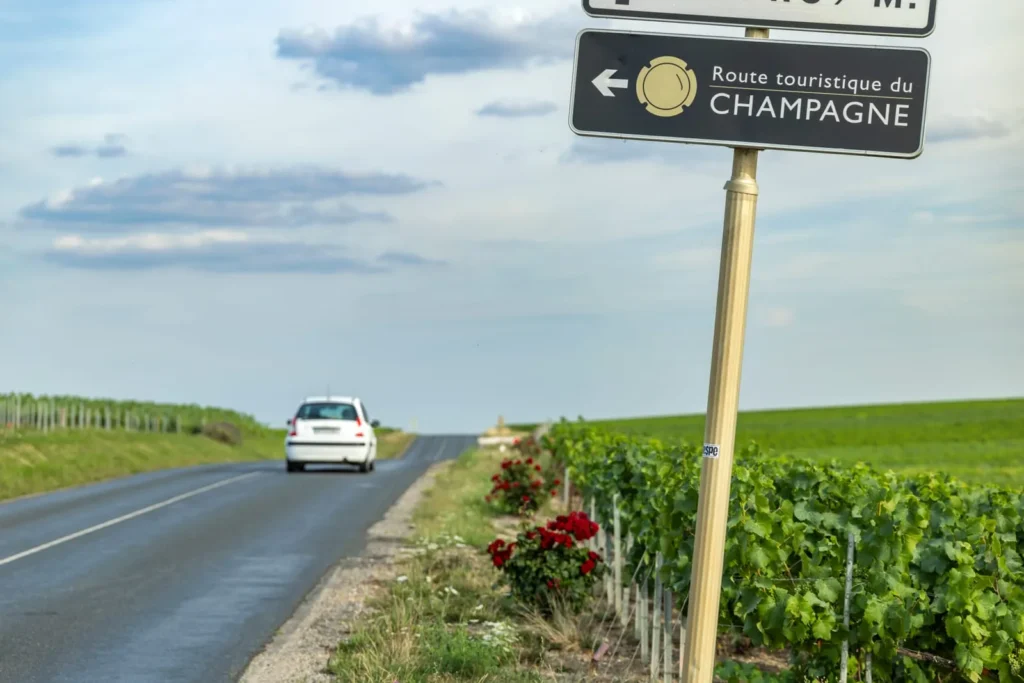
The most enjoyable road trips conserve energy. Use scenic roads for the best stretches, then use motorways when the drive has no emotional value. Plan one strong stop per half day, such as a market, viewpoint, winery, garden, or village lunch.
Avoid packing every famous place into the schedule. France rewards repeat visits. A calmer route gives people time to notice local life, buy produce, linger at rest stops, and arrive before dinner, tired but still pleased. That is the real difference between a basic driving holiday and a commercially smart, emotionally memorable road trip plan for France.
Make Château de Lasfonds Your Dordogne Base
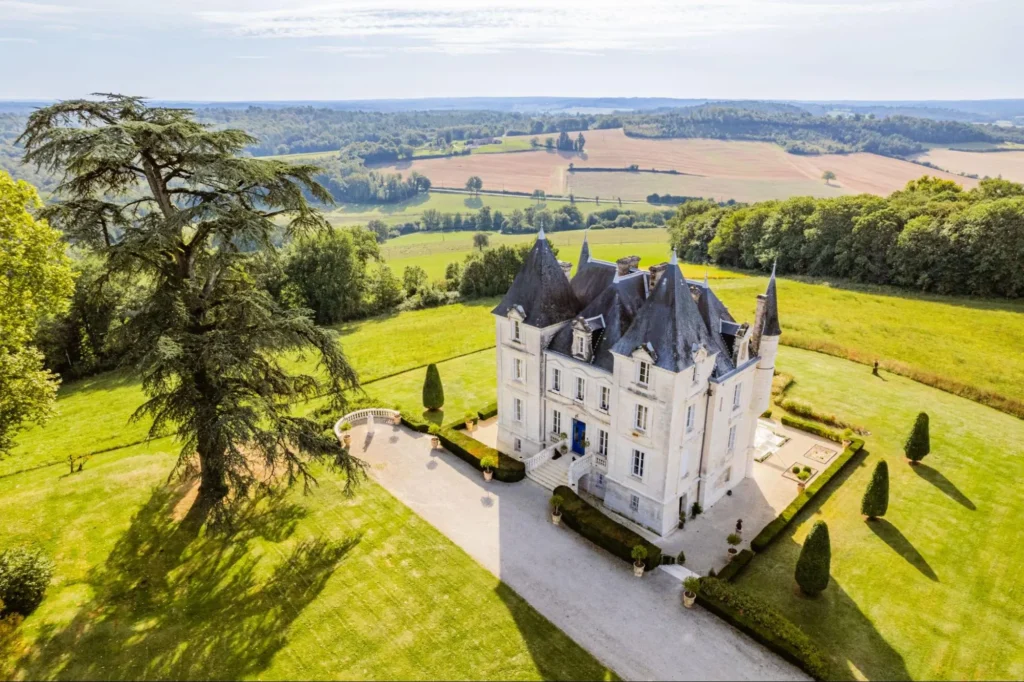
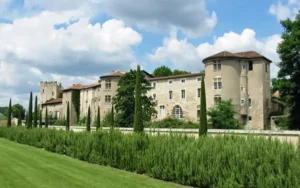
For a private countryside base during a road trip in France, Château de Lasfonds offers a peaceful Dordogne setting for small group stays, celebrations, retreats, and family gatherings. The estate sits on 6.5 hectares, with gardens, countryside views, modern comforts, outbuildings, work-friendly spaces, and easy access to regional food, caves, villages, Bordeaux, Cognac, and the Atlantic coast.
If your route needs privacy, space, and a slower French rhythm, Château de Lasfonds can make the driving days feel more grounded. Book your journey today and experience the charm of France like never before.
FAQs
How many days do you need for a road trip in France?
A good road trip plan for France needs at least 7 days. Ten to fourteen days feel stronger because you can stay two nights in key bases, reduce fatigue, and enjoy towns without rushing through them.
What is the easiest French road trip for first-time visitors?
The Loire Valley and the Dordogne make an easy first road trip in France. Roads are manageable, towns are welcoming, and the route blends castles, vineyards, markets, river scenery, and relaxed countryside hotels.
Is driving in France difficult for tourists?
Driving in France is usually comfortable for confident drivers. Motorways are well managed, rural roads are scenic, and signs are clear. The main challenges are city parking, toll choices, speed changes, and low-emission zones.
Do I need a Crit’Air sticker for a road trip in France?
You need a Crit’Air sticker if your route enters a French low-emission zone. Many rural routes do not require one, but city detours can change that quickly. Check each city before arrival.
Are toll roads in France worth using?
Toll roads are worth using when time matters. They are faster, direct, and supported by frequent rest stops. Scenic roads are better for memorable sections, villages, coastlines, vineyards, and mountain passes.
What is the most scenic road trip route in France?
The most scenic route depends on your taste. Provence has lavender and olive roads, Dordogne has river valleys and castles, Normandy has coastal history, and Brittany has rugged shorelines with strong local character.
Can you do a South of France road trip without a big budget?
Yes, a South of France road trip can be managed with shoulder-season timing, countryside bases, market lunches, smaller rental cars, and fewer hotel changes. Coastal towns cost more in peak summer.
What should I avoid when planning a road trip itinerary in France?
Avoid changing hotels every night, driving into major cities at rush hour, ignoring toll costs, and planning long summer motorway days. A better France road trip itinerary keeps daily drives short and purposeful.
Is parking easy in French villages?
Parking is usually easier in villages than in major cities, but historic centers often have narrow streets and limited spaces. Look for signed public car parks near the edge and walk into the center.
Is an electric car practical for a road trip in France?
An electric car can work well on planned routes, especially between major towns and motorway corridors. Check charging access near rural stays, confirm charger type, and keep a backup charging stop in each day’s plan.