The smartest way to plan a trip to Europe is to decide on the pace before filling the map with destinations. Start with your trip length, choose one logical geographic route, use an open-jaw flight when it removes unnecessary backtracking, and balance shorter city stays with a longer countryside base.
For a two-week vacation, that might mean four nights in one major city, seven nights settled in the countryside, and three nights in a final city. You still experience different sides of Europe, but far less of the trip disappears into packing, stations, airports, and check-ins.
Start With Trip Length, Then Limit the Number of Bases
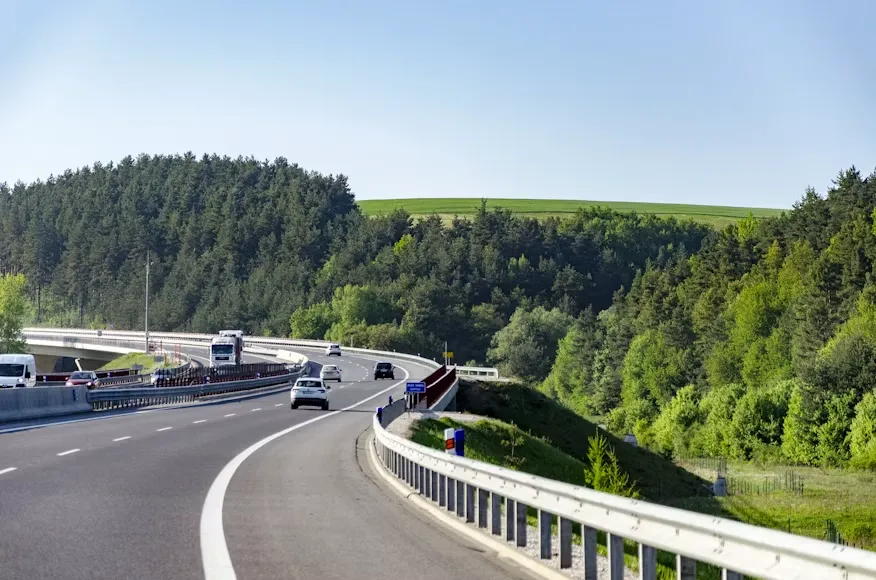
A good Europe trip planner itinerary starts with nights, not a wish list of cities. Every accommodation change adds a hidden time cost.
| Trip length | A practical starting structure |
| 7 nights | One city plus one nearby region |
| 10 nights | Two cities plus one slower base |
| 14 nights | Two cities plus a seven-night countryside stay |
| 21 nights | Three cities plus one or two regional bases |
These are planning frameworks rather than fixed rules. A traveler visiting museums from morning to evening may want more city time. Families, wedding groups, and travelers coming from long-haul flights may appreciate longer stays with fewer moves.
Build a City-and-Countryside Rhythm
City stays and countryside stays ask different things of your time.
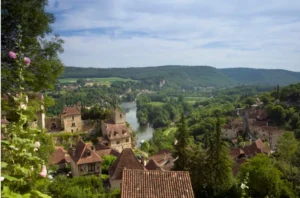
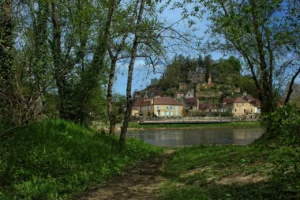
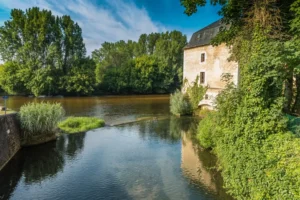
Cities work well for concentrated sightseeing. You can walk between neighborhoods, reserve museums, eat out, and rely on local transportation. Countryside stays give the itinerary a different rhythm: slower mornings, shared meals, drives to smaller towns, and days when you don’t need to leave the property.
A longer rural stay also gives groups room to split up. One person can work for a morning while others visit a market. Children can have a quieter day after sightseeing. Couples traveling together don’t need to follow the same schedule from breakfast to dinner.
For many luxury travelers, that balance matters more than adding another capital city.
Consider an Open-Jaw Flight Before Booking a Round Trip
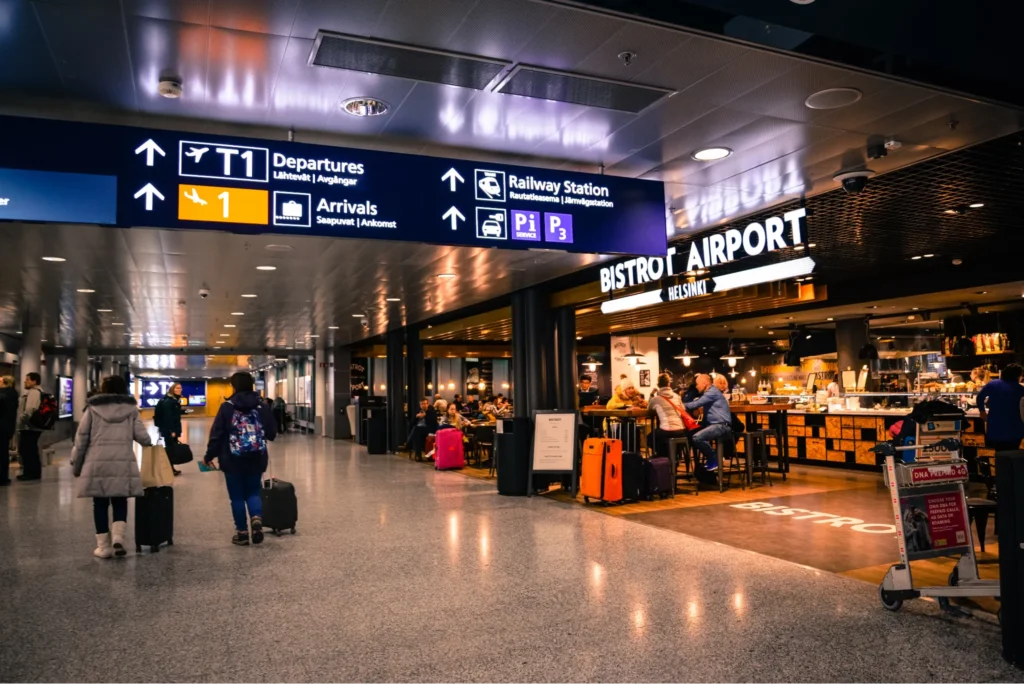
An open-jaw itinerary means arriving in one city and flying home from another.
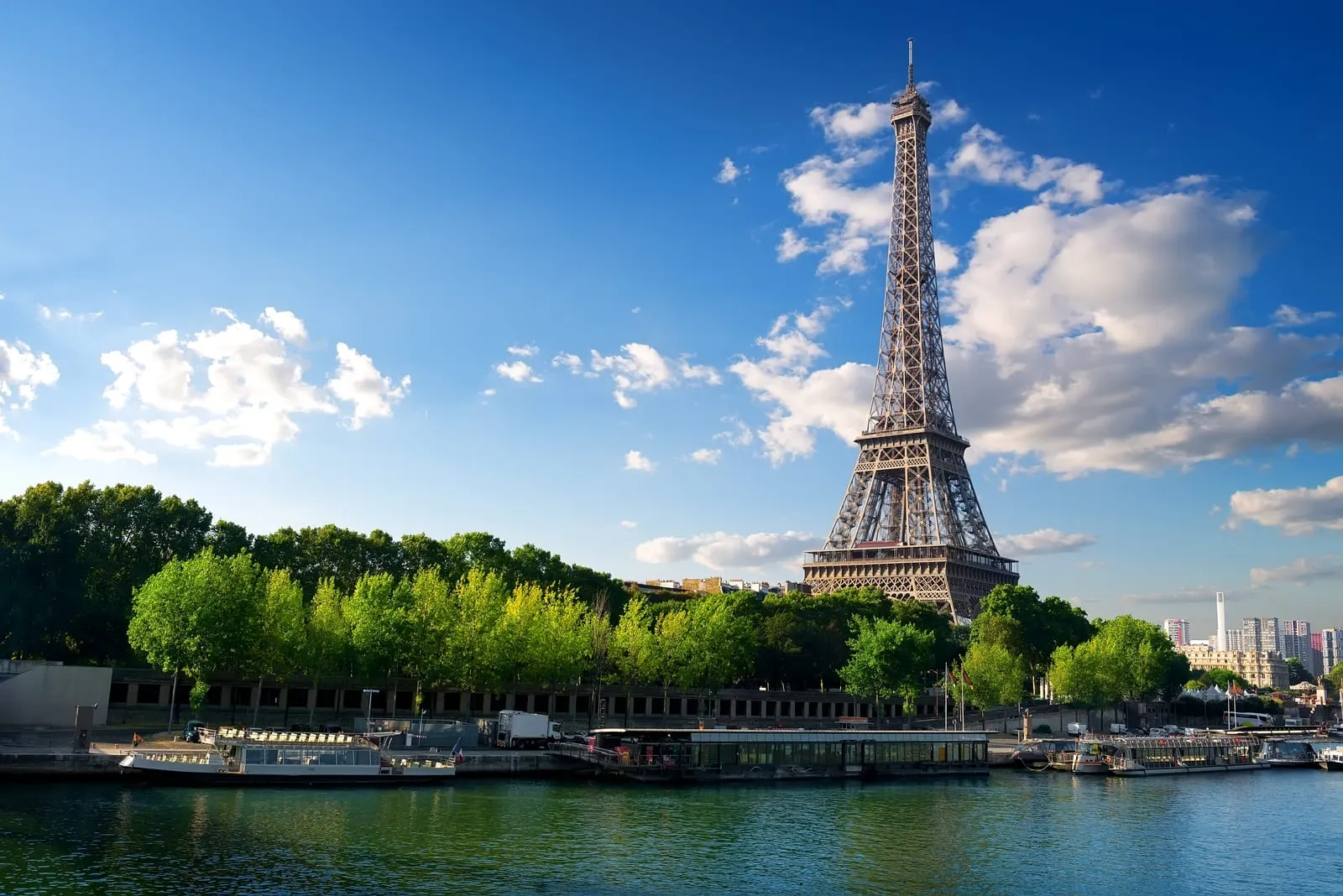
For example, you could arrive in Paris, travel through southwest France, and fly home from Bordeaux rather than returning to Paris simply because your international ticket began there.
Open-jaw fares are not automatically cheaper. Compare the total trip cost, including the additional train, flight, hotel night, or transfer that a round-trip itinerary might require. The larger benefit can be time.
Choose Trains and Cars for Different Jobs
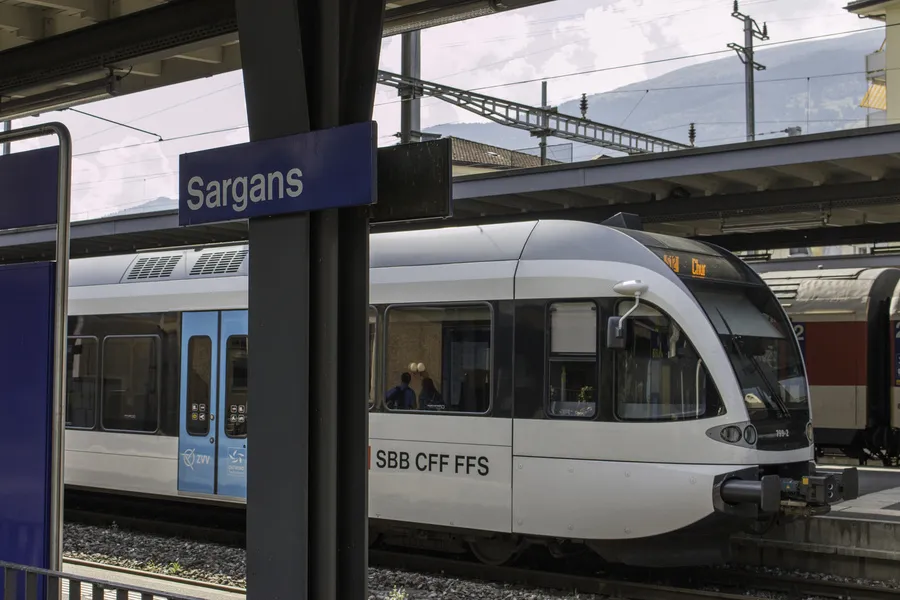
Rail works well when two city centers have a convenient connection. A car becomes more useful once the trip moves into rural areas where your accommodation, restaurants, villages, and day trips are spread out.
Avoid looking only at the advertised train or flight duration. Calculate the door-to-door transfer instead.
A two-hour rail journey might involve 30 minutes to reach the station, a 30-minute buffer, two hours on the train, 30 minutes to collect luggage and orient yourself, then another hour to the next accommodation. That turns a two-hour ticket into roughly four and a half hours of the day.
For groups, include luggage volume, child seats, mobility requirements, and the number of vehicles in the decision. If everyone cannot comfortably fit into one rental vehicle, a pre-arranged transfer may make more sense for the main arrival.
A family of four traveling Paris to Nice by train can expect to pay around €410, while the same journey by car, including fuel and tolls, costs roughly €180 to €207. Trains produce significantly fewer emissions per passenger. Neither option is universally better. The best option depends on your route.
For a city-and-countryside trip in southwest France, the practical pattern is to take the train between major cities, then rent a car for the countryside segment.
Angoulême is served by direct TGV from Paris Montparnasse in as little as one hour and forty-nine minutes, with an average journey time closer to two hours and forty minutes. From Angoulême, a car gives you access to villages, markets, and estates that rail cannot reach.
How to Plan a Trip to Europe in the Right Booking Order
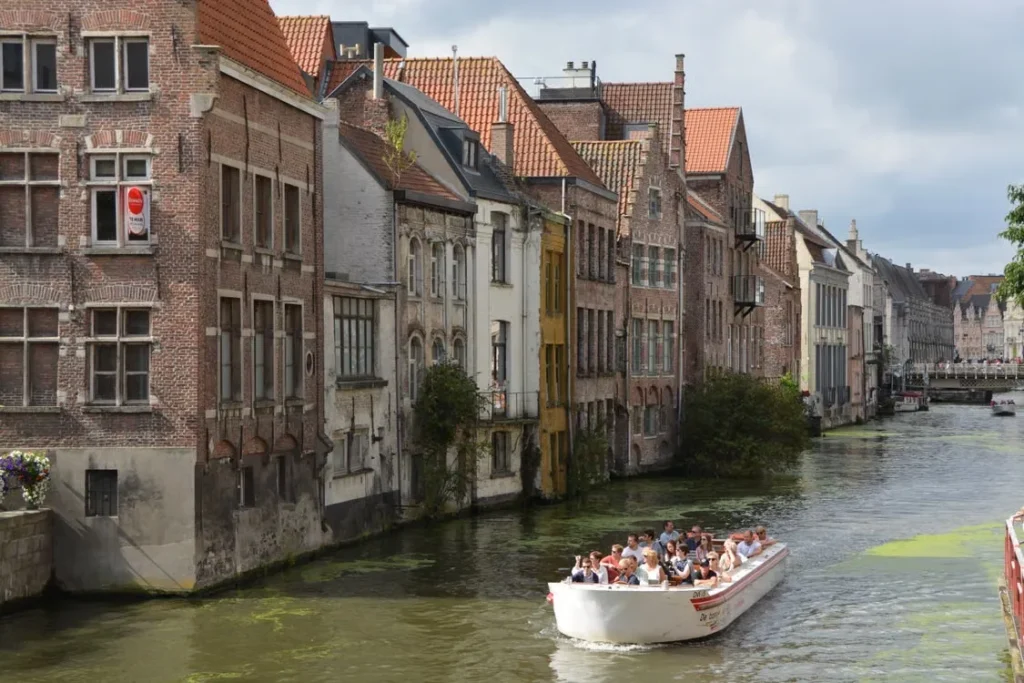
Lock the hardest-to-change pieces before filling the calendar with restaurants and attractions.
Start with travel documents and entry requirements. Then confirm the route, international flights, limited-inventory accommodation, major rail journeys, rental cars or transfers, and finally timed attractions and dining.
Travelers entering the Schengen area should also check current EU requirements rather than relying on an older travel article. As of September 2026, the EU’s Entry/Exit System is fully operational for eligible non-EU short-stay travelers and records border crossings digitally.
The EU says ETIAS is scheduled to begin in the final quarter of 2026, but its official site currently says travelers need to take no action until the launch date is announced.
Keep arrival day simple. After a long-haul flight, one meal, check-in, and a short walk can be enough. A tightly timed museum reservation or multi-hour drive can make the first day feel fragile.
Accommodation Strategy: Hotel, Villa, Château Hotel, or Exclusive-use Château
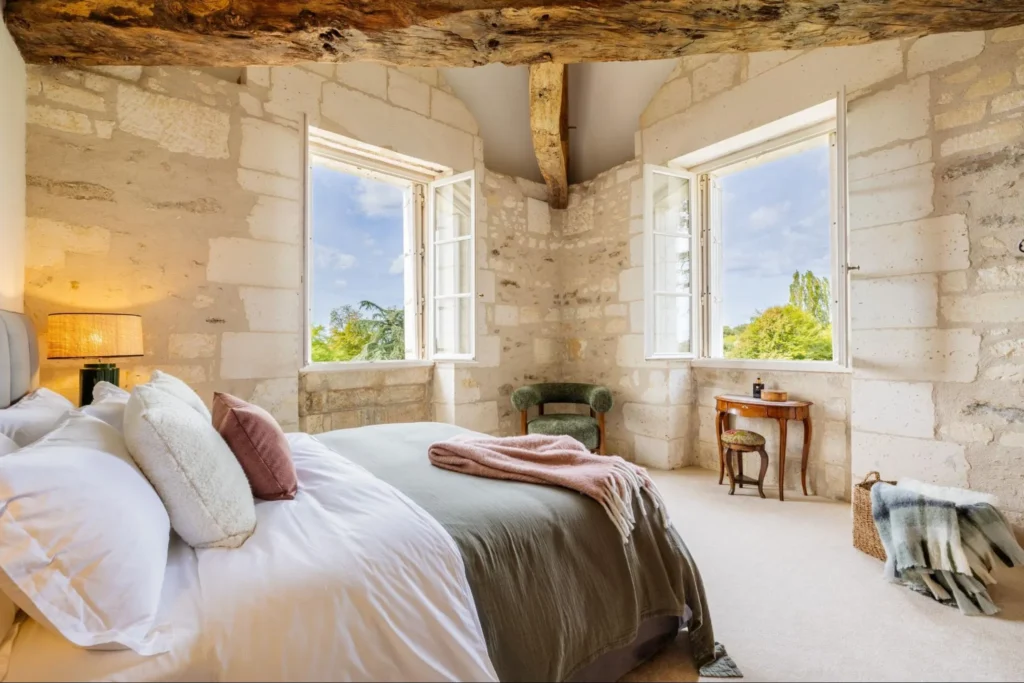
Accommodation choice shapes the entire trip more than any other booking decision. Each option serves a different group size and travel style.
| Option | Best for | Limitations |
| Hotel | Couples, solo travelers, short city stays | Limited space, no shared living areas |
| Villa | Families, small groups | Variable quality, less character |
| Château hotel | Couples, small groups wanting hotel services | Individual rooms, shared public spaces |
| Exclusive-use château | Groups of 10–18, multi-generational families, retreats | Minimum stays, self-catering or external services |
Exclusive-use properties rent to one group at a time. That matters for groups with children, older guests, or anyone who values privacy over hotel amenities. The trade-off is that services such as chefs, transport, and event planning are typically arranged through external partners rather than provided in-house.
Group Travel Considerations for Château Stays
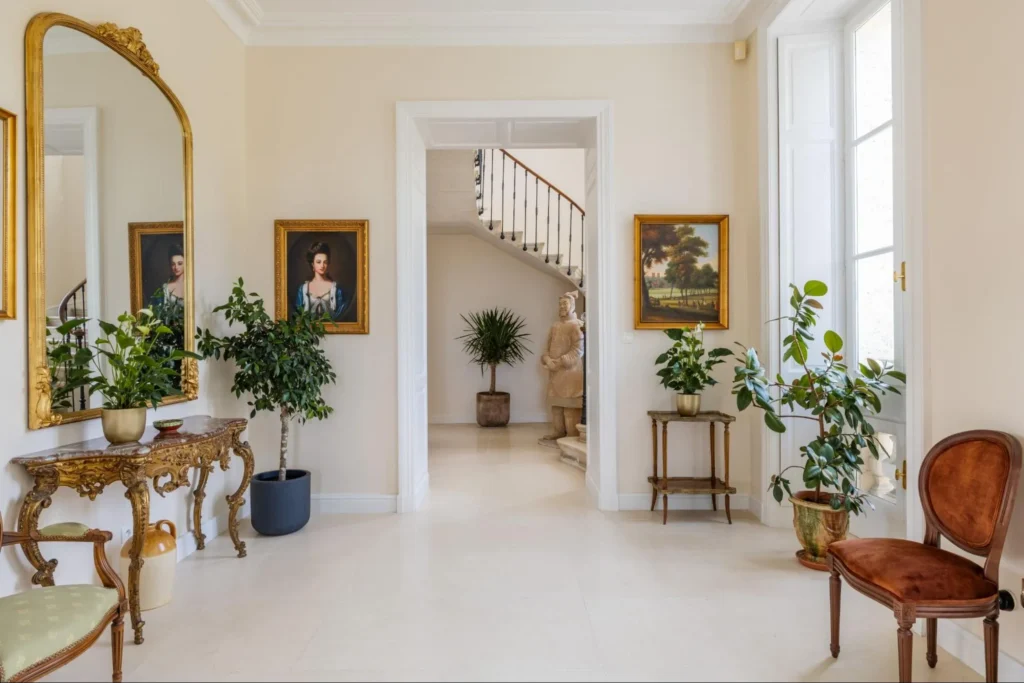
Groups of eight to eighteen guests face different decisions than couples. Room allocation becomes a planning task. Ask these questions before committing to any exclusive-use property:
- How many bedrooms are in the main building versus outbuildings?
- Are all bedrooms air-conditioned, and do any share bathrooms?
- Is the kitchen equipped for the group size, or will you rely on external catering?
- What is the policy on external service providers?
- Are there indoor limits for gatherings, and do they suit your group?
Plan Your Private Château Stay at Château de Lasfonds
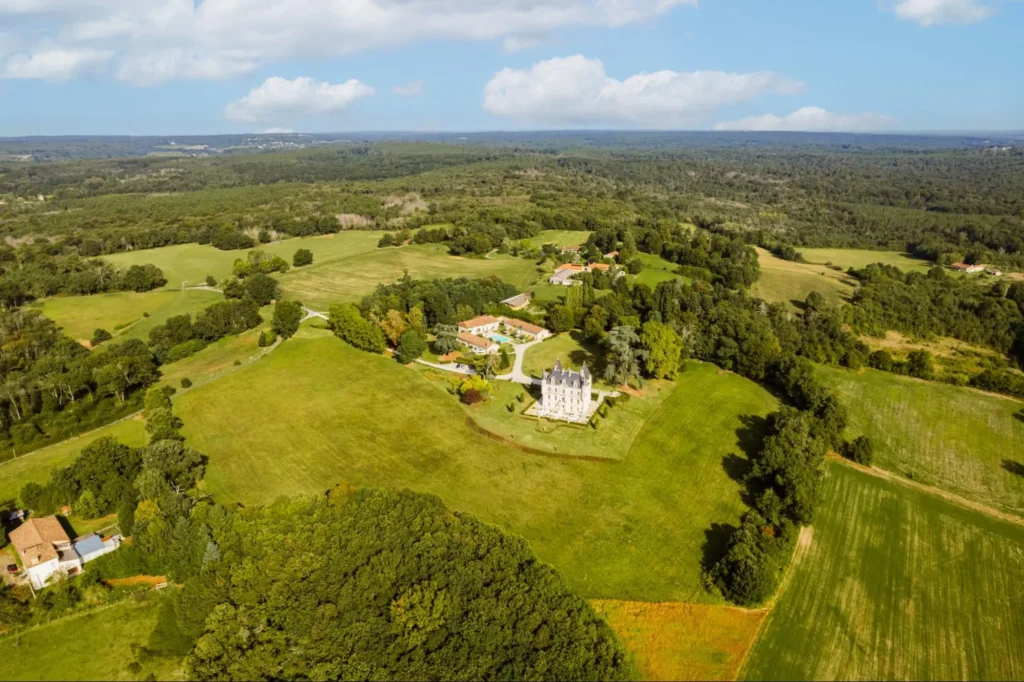
If your Europe itinerary calls for a full countryside chapter between city stays, Château de Lasfonds gives one group private use of a 6.5-hectare estate with bedrooms across the château and outbuildings, kitchens, gathering spaces, gardens, work areas, and seasonal pool access.
For rail arrivals, Château de Lasfonds advises allowing about 35 minutes by car from Angoulême. SNCF’s schedule for September 20, 2026 lists direct Paris to Angoulême services, with an average journey of 2 hours 17 minutes and the fastest listed service at 1 hour 41 minutes. Train times vary by date and departure, so check the specific service before arranging the onward transfer.
Trusted partners can arrange external chefs, transport, and concierge services. Check available dates, explore the rooms, or send an enquiry to discuss your group’s requirements.
Frequently Asked Questions
How many countries should I visit on a two-week Europe trip?
For most travelers, fewer bases create a more usable vacation. Two countries or one larger country can easily fill two weeks when the itinerary includes cities and a regional stay.
Should I book an open-jaw flight for Europe?
Compare it with a standard round trip. An open-jaw ticket can be useful when it eliminates several hours of backtracking at the end of the vacation.
How many nights should I stay in each European city?
Three or four nights gives many travelers time for major sights plus unscheduled time. Large cities or trips with children may merit longer.
Is a train or rental car better for Europe?
Use each where it suits the route. Rail can work well between connected cities. A car becomes more useful for rural accommodation, villages, and independent regional trips.
What should I do on my first day in Europe?
Keep commitments light. Plan check-in, food, a walk, and sleep. Save reservations with strict entry times for the following day.
How should I pack for a multi-city European trip?
Pack an amount each traveler can manage independently through stations, accommodation changes, and vehicle transfers. Frequent relocation makes oversized luggage more tiring.
How do I plan Europe for children or older family members?
Reduce accommodation changes and check stairs, bedroom locations, bathroom arrangements, walking distances, vehicle access, and rest time before confirming the route.
Should the countryside stay come before or after the city?
Either can work. A countryside stay in the middle of the trip creates a useful change of pace between two more structured city stays.
What should a multi-city Europe trip planner include?
Track the date, sleeping location, confirmed transportation, door-to-door transfer time, check-in details, reservation deadlines, and one or two priorities for each day.
Do I need ETIAS for a European trip in 2026?
As of September 2026, ETIAS is not yet operating. The European Union says it is scheduled for the final quarter of 2026 and advises travelers that no action is currently required. Check the official EU page again shortly before departure.