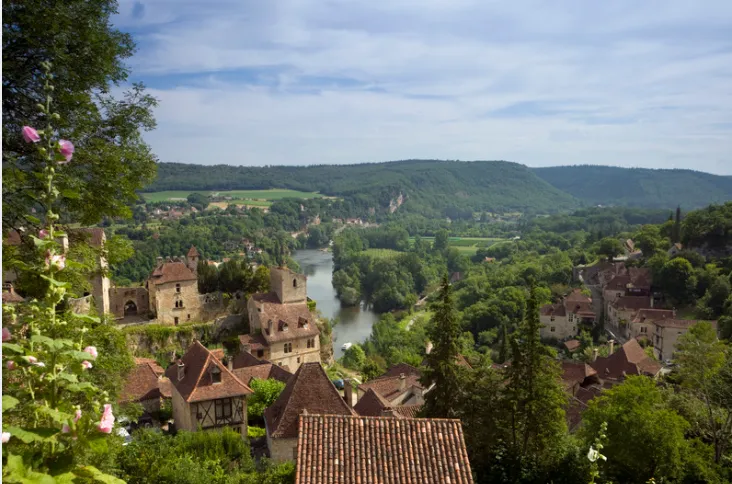
Southwest France looks simple on a map. Planning it is another matter. The term covers much of France, including Atlantic cities, wine country, rural Charente, Dordogne villages, the Basque coast, Gascony, Toulouse, and the Pyrenees.
For most travelers, the better plan is to choose one part of Southwest France and explore it well, rather than trying to connect Bordeaux, Dordogne, the coast, and Toulouse in a single rushed week.
For a rural stay, your base matters as much as your sightseeing list.
Where Is Southwest France?
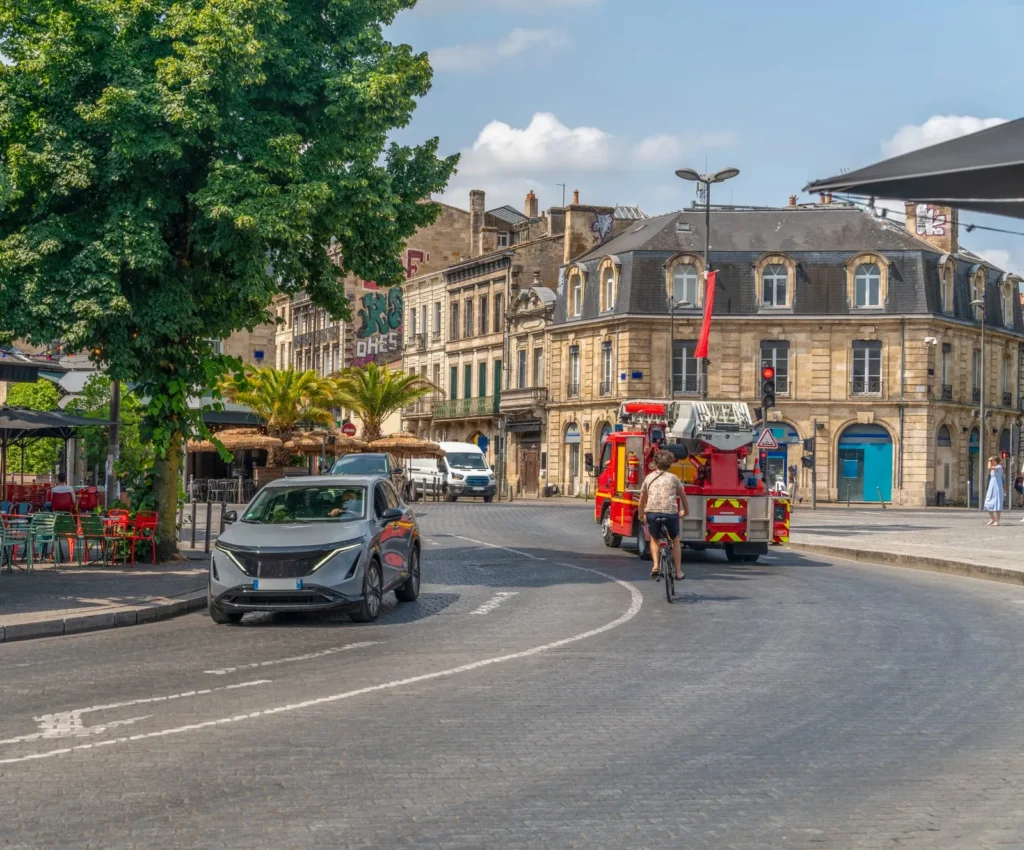
Nouvelle-Aquitaine was formed in 2016 by merging Aquitaine, Limousin, and Poitou-Charentes. It contains twelve departments, including Dordogne, Gironde, Charente, Charente-Maritime, Landes, Lot-et-Garonne, and Pyrénées-Atlantiques.
Occitanie contains 13 departments, including Lot, Gers, Haute-Garonne, and Hautes-Pyrénées. Bordeaux and the Atlantic coast sit in the west. The Dordogne Valley and Périgord lie inland to the east.
The Charente department, around Angoulême and Cognac, occupies the north-central part of the region. Each area has its own market towns, architecture, and pace.
For a first trip, it is more useful to divide the area into travel zones:
| Travel zone | Good for | Useful bases |
| Charente and northern Périgord | Villages, countryside, Cognac, Angoulême, relaxed day trips | Angoulême area, southern Charente |
| Dordogne and Périgord | Medieval towns, castles, caves, river valleys | Brantôme, Périgueux, Sarlat area |
| Bordeaux and Gironde | Wine estates, architecture, restaurants, city culture | Bordeaux, Saint-Émilion |
| Atlantic coast | Beaches, islands, seafood, cycling | La Rochelle, Arcachon, Royan, Basque coast |
| Gascony and Toulouse | Food, historic towns, rural southwest, city stays | Toulouse, Auch and surrounding countryside |
| Pyrenees and Basque Country | Mountains, hiking, coastal towns | Pau, Biarritz, Saint-Jean-de-Luz |
This is a planning framework rather than an official regional division.
Southwest France Towns and Cities: Choose by Experience
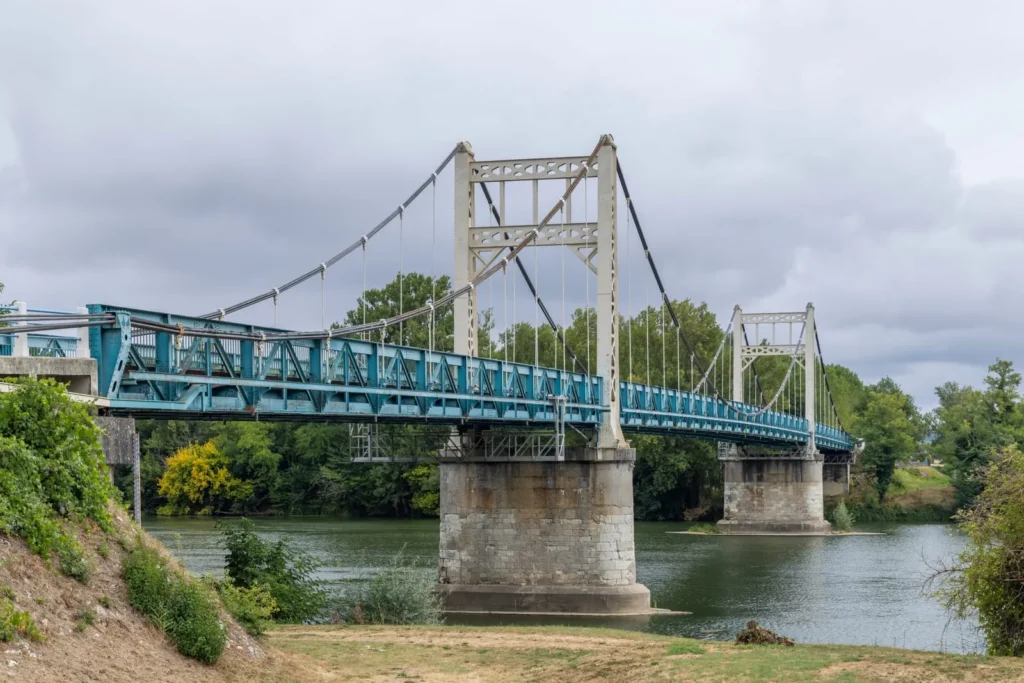
Bordeaux, Angoulême, Cognac, and the Dordogne towns serve very different purposes.
Bordeaux suits travelers who want an urban stay, restaurants, museums, architecture, and access to the Gironde wine areas. As the capital of Nouvelle-Aquitaine, it’s a logical first or final stop for a countryside week.
Angoulême is a practical gateway to southern Charente. The local tourism office connects the city with Cognac, La Rochefoucauld, Aubeterre-sur-Dronne, and the wider Charente department.
Cognac works as a focused day trip for travelers interested in the town, the Charente River, wine-growing country, and distillery visits. The official tourism office provides current visitor information, producer maps, and route planning. Visits to individual houses or producers should be checked and reserved directly.
Brantôme and northern Dordogne suit a slower heritage day. Sarlat and the central Dordogne Valley contain a much denser concentration of major sights, so they make more sense when Dordogne itself is the priority.
Routes From a Charente Countryside Base
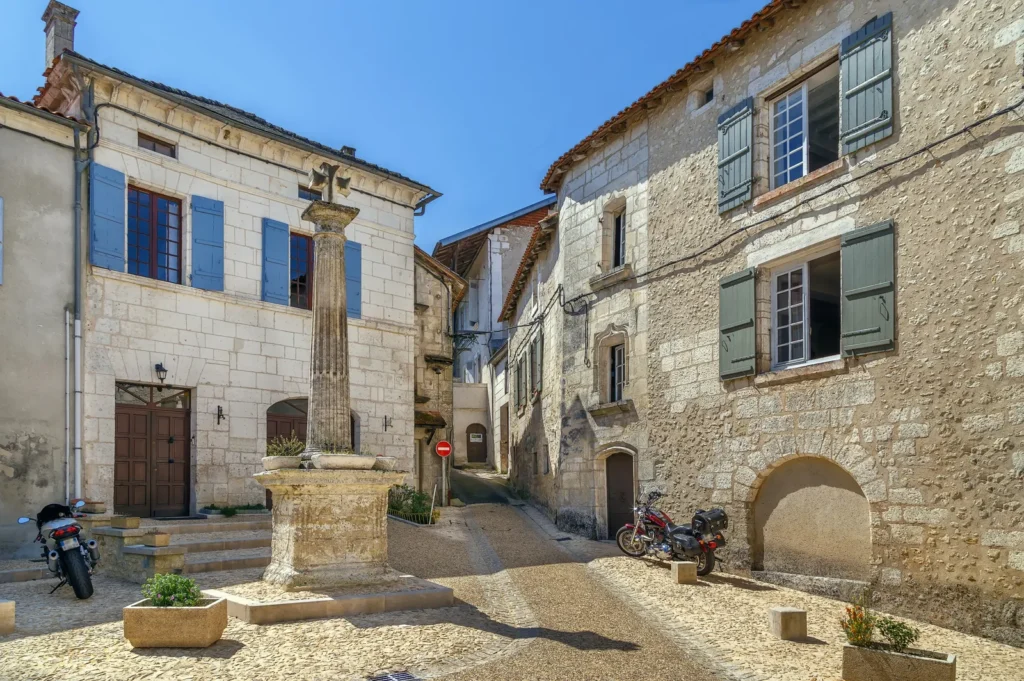
A useful Southwest France travel guide should separate easy outings from ambitious ones.
Château de Lasfonds currently suggests planning around 20 minutes to Villebois-Lavalette, about 35 minutes to Angoulême, roughly 40 minutes to La Rochefoucauld, about 45 minutes to Aubeterre-sur-Dronne, and roughly 45 to 60 minutes to Brantôme and Bourdeilles.
These are planning estimates, not guarantees; traffic, roadworks, parking, and the exact route can change the journey.
That creates a simple rhythm for a week:
| Day style | Sensible plan |
| Light day | Nearby market town, lunch, afternoon at the estate |
| Charente day | Angoulême or La Rochefoucauld |
| Cross-border day | Aubeterre or northern Périgord |
| Longer heritage day | Brantôme and Bourdeilles |
| Wine-focused day | Pre-arranged Cognac visit |
| Rest day | Pool, gardens, games, work, or a long group meal |
| Major excursion | Bordeaux or deeper Dordogne, with an early start |
The last category deserves restraint. A destination that’s technically possible as a day trip doesn’t automatically make it the right use of a holiday.
Airports and Trains for Southwest France
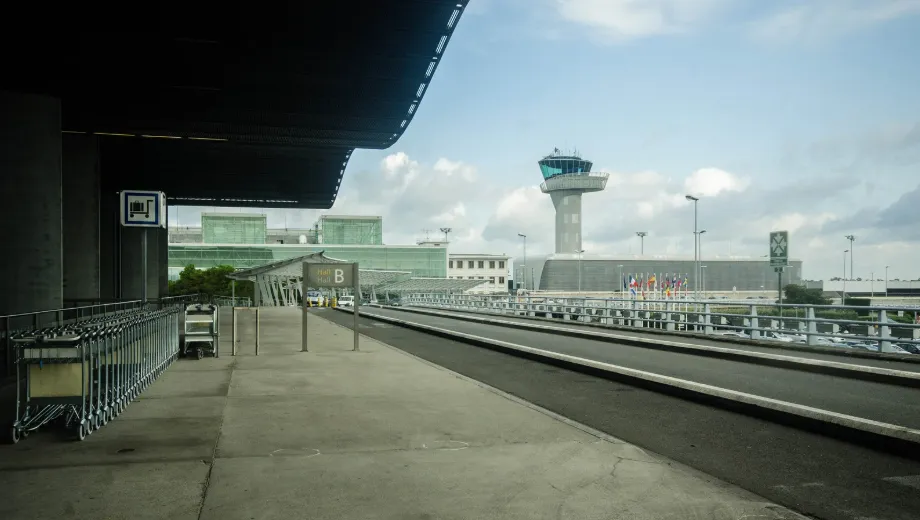
For international arrivals, the right airport depends on your route and current flight schedule.
Bordeaux Airport has the broadest network among the practical airports for this part of Southwest France. Its summer 2026 schedule listed more than 80 direct destinations across 26 countries. Routes change seasonally, so travelers should check the airport and airline before making accommodation plans.
Bergerac Dordogne Périgord Airport serves a smaller network, with a strong selection of UK and northern European routes on its current destination list.
Limoges Airport is another regional option, with its official site publishing current direct-flight schedules.
Rail can be simpler for travelers coming through Paris. SNCF Connect listed multiple direct Paris to Angoulême services, with the fastest scheduled journey at 1 hour 41 minutes and an average of 2 hours 26 minutes for that day. Timetables vary by date, so check the actual travel day before arranging transfers.
Château de Lasfonds advises allowing about 35 minutes by car from Angoulême and recommends a rental car or pre-arranged transport for a countryside stay.
How Long Do You Need in Southwest France?
Three or four nights can work for one city or one small area. A week is much more useful for a rural base, because it allows several outing days without turning every morning into a departure.
Two weeks gives you room to combine contrasting bases. One sensible structure is a countryside week followed by Bordeaux, the Atlantic coast, or deeper Dordogne.
Changing accommodation every two nights rarely adds as much as it appears to on a map. Packing, checking out, driving, parking, and checking in take time away from the places you traveled to see.
A Base-Selection Framework for Groups
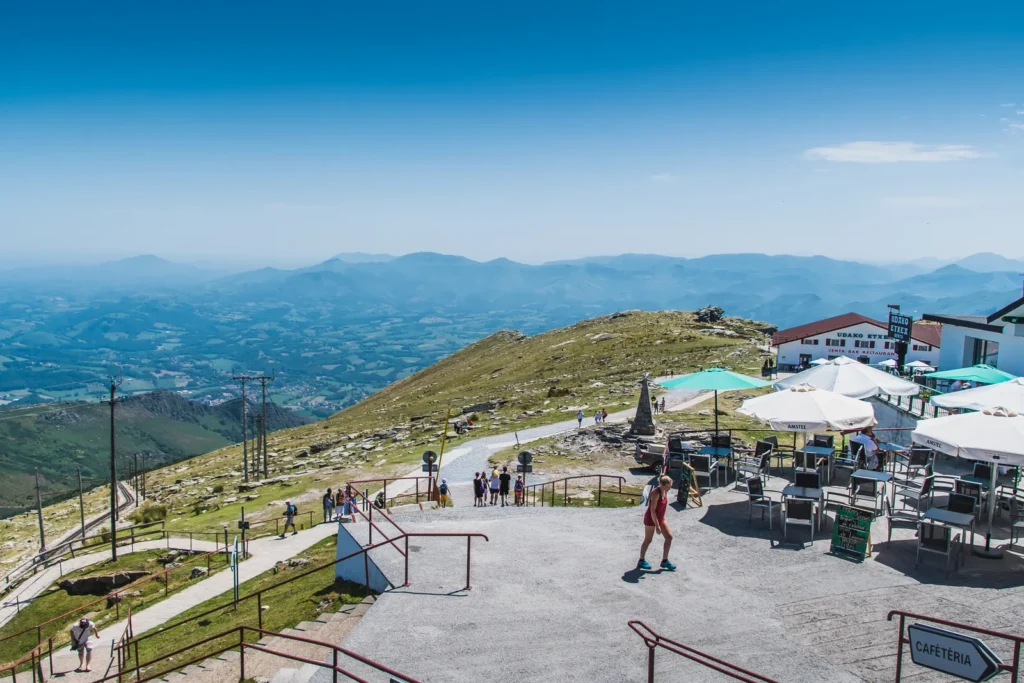
The right base depends on what you want from the trip. Coastal stays suit beach time and surfing. Bordeaux suits wine-focused city breaks. The Dordogne and Charente suit travelers who want villages, markets, châteaux, and slow days.
The Charente–Dordogne border, near towns such as Combiers and Villebois-Lavalette, offers access to both areas without committing to one.
For families, wedding groups, retreats, and multi-generation trips, ask five practical questions before choosing a base:
- How many outings will the group genuinely want? Three larger day trips in a week may be plenty.
- Can everyone reach the property without separate complicated transfers?
- Does the bedroom layout work for couples, children, solo guests, and anyone with mobility needs?
- Can part of the group stay comfortably at the property while others go sightseeing?
- Are kitchens, workspaces, outdoor areas, internet, and shared rooms useful for the way the group will actually spend its time?
This last point is where an exclusive-use château differs from a sightseeing hotel. The accommodation itself forms part of the week.
Where Château de Lasfonds Fits
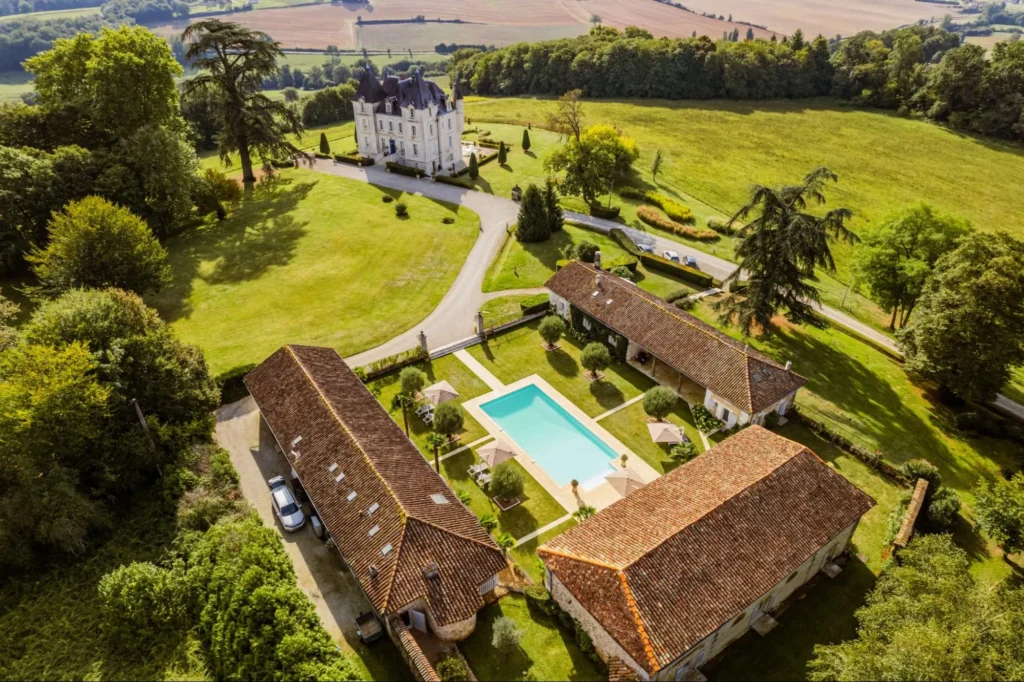
For families, friends, celebrations, or retreat groups exploring Charente and northern Périgord, Château de Lasfonds offers a private base where the group can stay together for the week rather than changing accommodations every few days.
The estate combines the main château, outbuildings, gardens, kitchens, workspaces, leisure areas, and seasonal pool access.
Review the current room arrangements first, then check availability, send an enquiry, view the rooms, or download the brochure to discuss dates and group requirements.
Frequently Asked Questions
1. What region is Southwest France in?
Southwest France is not one official administrative region. Most travel definitions include Nouvelle-Aquitaine and parts of Occitanie.
2. What are the main regions of Southwest France for travelers?
Useful travel areas include Charente, Dordogne and Périgord, Bordeaux and Gironde, the Atlantic coast, Gascony, Basque Country, and the western Pyrenees.
3. Is Dordogne in Southwest France?
Yes. Dordogne is one of the 12 departments of Nouvelle-Aquitaine and is commonly included in travel definitions of Southwest France.
4. Is Cognac in Southwest France?
Yes. Cognac is in the Charente department of Nouvelle-Aquitaine. You can reach the area by regional rail from Angoulême, as well as by road.
5. Which Southwest France cities are useful for a first trip?
Bordeaux works well for an urban start or finish, Angoulême for southern Charente, Cognac for a focused spirits-and-river-country visit, and Toulouse for trips centered farther south.
6. Do you need a car in rural Southwest France?
A car is highly useful outside the main cities and rail corridors. Château de Lasfonds recommends renting a car or arranging transport for guests staying at the estate.
7. Which airports serve Southwest France?
Major options depend on your route. Bordeaux has a broad international network, while Bergerac and Limoges can be convenient regional alternatives when current schedules match your origin.
8. How many days should you spend in Southwest France?
A week works well for one rural area. Two weeks gives more scope to combine a countryside base with Bordeaux, Dordogne, or the Atlantic coast without moving every few days.
9. What are the best places to visit in Southwest France?
No single shortlist suits every trip. Bordeaux fits city and wine interests, Dordogne suits heritage and villages, Cognac suits wine-country culture and producer visits, while the Atlantic and Pyrenees suit coastal or outdoor-focused itineraries.
10. Where should a group stay in Southwest France?
Choose according to arrival logistics, bedroom configuration, preferred day trips, and how much time the group wants to spend at the property itself. For Charente and northern Périgord, a rural base near Angoulême can keep several different types of outings within practical reach.