The Dordogne Caves Lascaux, rank among the most famous prehistoric art sites in the world. Inside the cave, prehistoric artists created remarkable paintings of animals more than seventeen thousand years ago. Horses, bison, and deer appear across the cave walls in detailed Ice Age compositions.
The original cave was closed to visitors in 1963 to protect the fragile paintings. Today, visitors explore Lascaux IV, a detailed reconstruction that recreates the cave while protecting the original site.
This guide explains how to visit the Lascaux caves in Dordogne, including tickets, opening hours, and the visitor experience. It also describes what you will see inside the site and how to plan your visit to the Dordogne region.
Dordogne Caves Lascaux: Quick Visitor Facts
- Location: Montignac, Vézère Valley, Dordogne, southwestern France
- Main attraction: Lascaux IV, a full-scale reconstruction of the prehistoric cave
- Discovery year: 1940 by four teenagers from Montignac
- Age of the paintings: about 17,000 years (Upper Paleolithic period)
- Number of paintings: more than 600 animal figures and many engravings
- UNESCO status: part of the “Prehistoric Sites and Decorated Caves of the Vézère Valley” World Heritage site (1979)
- Typical visit duration: about 2 hours
- Tour format: guided tour through the cave reconstruction plus museum galleries
- Best time to visit: spring and early autumn for fewer crowds
What Makes the Lascaux Caves in Dordogne Important
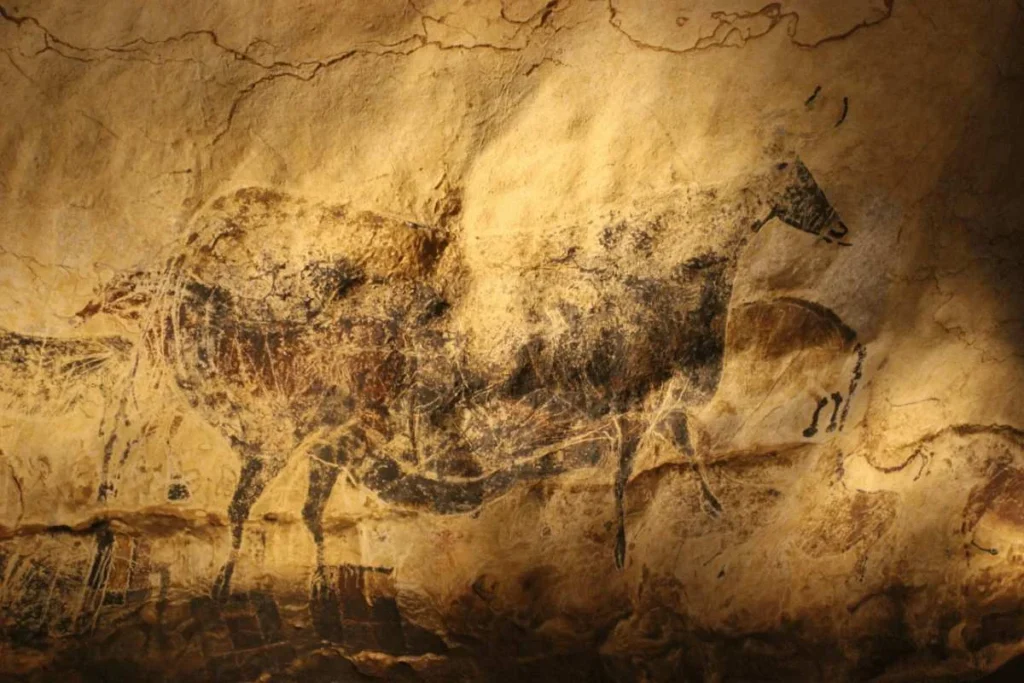
The Lascaux caves preserve one of the most remarkable collections of prehistoric art ever discovered. Archaeologists estimate that the paintings date back around 17,000 years, to the Upper Paleolithic period.
Inside the cave, researchers have documented more than 600 painted figures and many engravings. Most images show animals that once lived across Ice Age landscapes. Horses appear most frequently, followed by aurochs, deer, bison, and ibex.
Prehistoric artists used natural pigments such as ochre, charcoal, and manganese to create red, yellow, and black tones. Some figures stretch several metres across the cave walls, including the large bulls in the Hall of the Bulls.
The Lascaux caves gained global attention after their discovery in 1940. Four teenagers exploring a hillside near Montignac discovered walls covered with animal paintings. Archaeologists soon recognized the cave as one of the most important artistic discoveries from prehistoric Europe.
The wider Dordogne-Lascaux region contains more than 100 prehistoric sites and decorated caves. This concentration of heritage sites helped the Vézère Valley receive UNESCO World Heritage Site status in 1979.
Why the Original Lascaux Dordogne Cave Closed to Visitors
The original Lascaux cave in the Dordogne opened to visitors soon after its discovery in 1940. Interest grew quickly, and thousands of people visited the cave each year in the 1950s. At first, this attention helped reveal the importance of the prehistoric paintings.
Environmental damage
Scientists soon noticed changes inside the cave environment. Human breath increases carbon dioxide levels and humidity. Artificial lighting also altered the delicate conditions that had protected the paintings for thousands of years.
These environmental changes encouraged algae and microorganisms to grow on the cave walls. Researchers warned that continued tourism could permanently damage the paintings.
The French government decided to close the cave to the public in 1963 to protect the artwork.
What Is Lascaux IV and Why Visitors Explore a Reconstruction
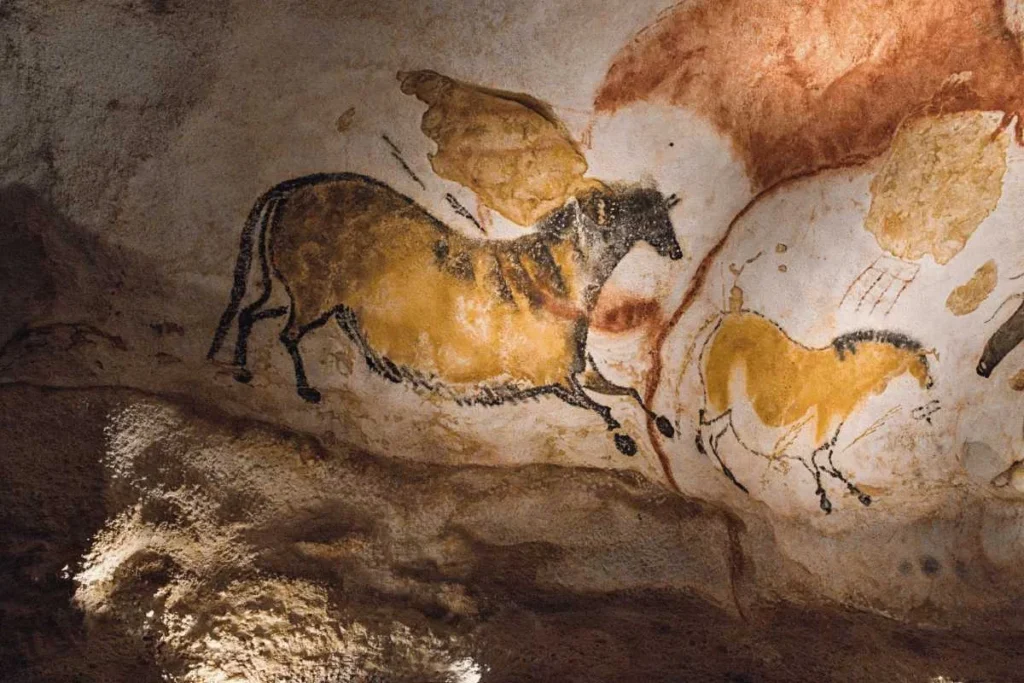
Lascaux IV is the modern visitor centre that allows travelers to experience the famous Dordogne caves, Lascaux, without entering the fragile original cave. Opened in 2016 near Montignac, the centre contains a complete replica of the prehistoric cave created using advanced 3D scanning and digital modelling of the original walls and paintings.
The reconstruction reproduces every chamber, engraving, and painted surface with remarkable precision. Specialists scanned the original cave millimetre by millimetre, allowing artists and engineers to recreate the shapes, colours, and textures of the prehistoric artwork.
Inside the centre, visitors follow a guided route through the reconstructed cave before exploring exhibition galleries that explain the discovery, artistic techniques, and scientific research surrounding the site.
Interactive displays and digital installations explain how prehistoric communities created the paintings and how researchers study Ice Age culture.
What You See Inside the Lascaux Cave Reconstruction
The visit to the Dordogne caves, Lascaux, follows a guided route through several chambers that reproduce the most famous prehistoric paintings discovered inside the original cave.
Hall of the Bulls
The Hall of the Bulls forms the most dramatic chamber of the cave. Massive black aurochs dominate the walls, some stretching more than five metres in length. Horses, deer, and other animals appear around them, forming one of the most powerful examples of prehistoric cave art in Europe.
The Axial Gallery
Often called the “Sistine Chapel of Prehistory,” the Axial Gallery contains densely painted scenes across both walls and the curved ceiling. Horses, red cows, and abstract symbols appear in carefully arranged compositions that reveal the artistic skill of Ice Age painters.
The Passageway and Side Chambers
Other areas of the cave display engravings and smaller painted figures. Archaeologists identified more than 600 animal images across the cave system, representing species that lived in the region during the Ice Age.
The guided visit explains how prehistoric artists created pigments using natural minerals such as charcoal, ochre, and manganese. Visitors also learn how researchers interpret the meaning and purpose of these ancient images.
Lascaux Caves Tickets and Booking Information
Visiting the Lascaux caves in Dordogne requires a timed-entry ticket. The site operates through a scheduled system that controls the number of visitors entering the reconstructed cave during each tour.
Ticket prices
Ticket prices depend on age categories.
• Adults aged thirteen and older: about €23
• Children aged five to twelve: about €15
• Children under five: free admission, though a reservation is still required for entry.
Some visitors also choose combined tickets that include other prehistoric sites in the Vézère Valley, such as Parc du Thot or Laugerie Basse.
Booking and time slots
Advance booking is strongly recommended for the visit to the Lascaux Caves in Dordogne. The cave operates on timed-entry passes, and popular slots can fill quickly, particularly from May through September.
Visitors select a specific time slot when purchasing tickets. Groups enter the cave with a guide at the scheduled time.
Arriving at least twenty minutes before the tour time allows enough time to check in and join the correct group.
Opening hours
Opening hours change throughout the year.
Typical seasonal schedule includes:
- February to early April: around 10:00 to 18:00
- Spring to early summer: around 09:00 to 19:00
- July and August: extended hours from early morning until late evening
- September to October: around 09:00 to 19:00
- Autumn and winter: shorter hours again, around 10:00 to 18:00.
The final tour normally begins about two hours before closing time.
How Long to Spend at Lascaux IV
Most visitors spend around two hours exploring the Lascaux IV visitor centre. The experience combines a guided visit through the reconstructed cave with time to explore exhibition galleries that explain Ice Age paintings and archaeological research.
The guided cave tour usually lasts about forty minutes. During this part of the visit, a guide leads small groups through the reconstructed chambers while explaining the meaning of the animal paintings and how researchers study prehistoric art.
After the cave tour, visitors continue into exhibition areas that include digital displays, archaeological explanations, and interactive installations. Many travelers spend another hour exploring these galleries.
Travelers interested in prehistoric history often allow extra time to visit nearby sites in the Vézère Valley after visiting Lascaux.
Where the Lascaux Caves in Dordogne Are Located
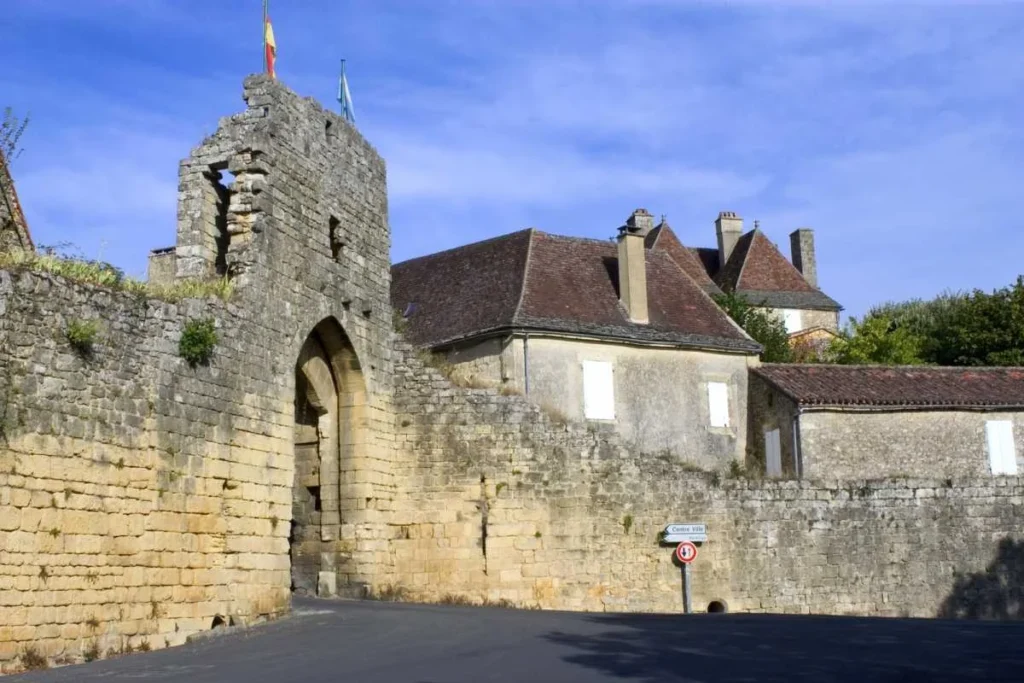
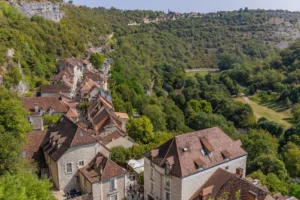
The Lascaux caves in the Dordogne, France, lie near the small town of Montignac in southwestern France. The site is located in the Vézère Valley, an area known for one of the highest concentrations of prehistoric sites in Europe. Archaeological research across the valley has revealed decorated caves, prehistoric shelters, and traces of early human settlement.
Montignac stands about 25 kilometres from Sarlat-la-Canéda and roughly 50 kilometres from Périgueux. Many travelers exploring the Dordogne region visit the cave as part of a wider journey through the Vézère Valley.
The landscape around the Lascaux caves includes wooded hills, limestone cliffs, and river valleys that once supported large herds of Ice Age animals. These landscapes explain why prehistoric communities lived and hunted in the area thousands of years ago.
Travelers usually reach the site by car. Driving remains the easiest way to explore the Dordogne-Lascaux region because many prehistoric sites and villages are scattered across therural countryside rather than along major rail lines.
The visitor centre sits just outside Montignac and provides access to the reconstructed cave, along with exhibition galleries that explain the area’s archaeological history.
Parking and Transport at the Lascaux Visitor Centre
Most visitors reach the Dordogne caves, Lascaux, by car, since many prehistoric sites in the Vézère Valley lie in rural countryside rather than near train stations.
The Lascaux IV visitor centre offers a large parking area near the entrance. Parking is generally free for visitors and sits within walking distance of the museum complex.
During peak summer periods, the site may operate shuttle services connecting the parking area to the visitor centre to manage visitor flow.
Travelers staying in nearby towns such as Sarlat-la-Canéda or Les Eyzies usually reach Montignac in 30 to 40 minutes by car.
Exploring the Vézère Valley Near the Lascaux Caves, Dordogne
The Lascaux caves sit within the Vézère Valley, an area often included in Dordogne travel itineraries alongside villages such as Sarlat-la-Canéda and Les Eyzies. Many visitors combine the cave visit with other prehistoric sites and historic towns across this part of southwestern France.
The Vézère Valley in southwestern France is home to one of the richest concentrations of prehistoric heritage in Europe. Archaeologists have documented more than 150 prehistoric sites across the valley, including decorated caves, rock shelters, and ancient habitation areas.
Many discoveries that shaped modern understanding of early human life emerged from this landscape. These sites reveal how prehistoric communities lived, hunted, and created some of the earliest known artistic traditions in Europe.
Montignac is the closest town to the Lascaux Caves in the Dordogne. The town sits along the Vézère River and offers small cafés, riverside walks, and historic streets that visitors often explore before or after visiting the cave.
Travelers interested in prehistoric culture often continue to other important sites across the valley. Font de Gaume remains one of the few decorated caves where original prehistoric paintings are still visible to the public. Rouffignac Cave offers guided train visits that pass through chambers filled with mammoth engravings.
The valley also includes prehistoric shelters such as La Madeleine and Laugerie Basse, where archaeologists discovered tools and artifacts that reveal how early communities lived thousands of years ago.
Exploring the wider Dordogne-Lascaux region helps visitors understand how the cave fits into a much larger prehistoric landscape that extends across the Vézère Valley.
Practical Tips for Visiting the Lascaux Caves Dordogne
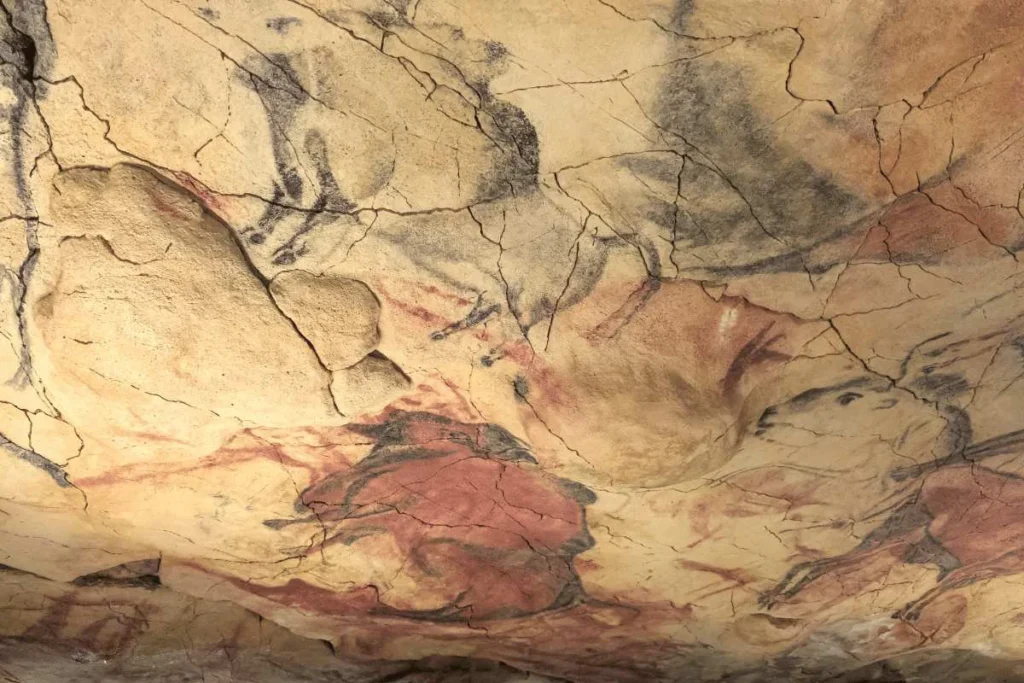
A few preparations can make the visit to the Lascaux caves more comfortable. The site receives many visitors each year, so small planning decisions often improve the overall experience.
Arrive in Montignac with time to explore
Montignac sits along the Vézère River and serves as the gateway to the cave. Many travelers enjoy walking through the historic streets or stopping at cafés before heading to the cave centre. Arriving earlier in the day allows time to experience the town without rushing.
Expect a guided visit inside the cave
The reconstructed cave is not explored freely. Visitors enter the cave in small groups accompanied by a guide who explains the prehistoric paintings and the history of the discovery. The cave tour itself usually lasts around 35 to 40 minutes, after which visitors continue independently through the exhibition galleries.
Plan extra time for the exhibitions
The reconstructed cave forms the highlight of the visit. The surrounding exhibition galleries provide important historical and archaeological context. Displays explain how prehistoric artists created pigments, how archaeologists study cave art, and how conservation teams protect the original cave. These exhibitions help visitors understand the artistic significance of the Lascaux caves.
Explore nearby prehistoric sites
The Dordogne-Lascaux region contains many archaeological sites that reveal the daily lives of prehistoric communities. Sites such as Font de Gaume, Rouffignac Cave, and the prehistoric shelters of the Vézère Valley offer deeper insight into early human history.
Planning ahead allows visitors to enjoy a smoother experience as they explore one of Europe’s most remarkable prehistoric art sites.
The cave interior is cool year-round
The temperature inside the cave reconstruction remains close to the conditions of the original cave, usually around 12–13°C. Even during warm summer days in the Dordogne region, the cave environment can feel noticeably cool. Bringing a light jacket often makes the visit more comfortable.
Photography rules inside the cave
Photography is not allowed inside the reconstructed cave to preserve the atmosphere of the guided visit and prevent visitors from slowing the tour. However, photography is usually permitted in the museum galleries and outdoor areas around the visitor centre.
Parking at Lascaux IV
The Lascaux IV visitor centre provides a large free parking area located a short walk from the entrance. During peak summer months, the site may use shuttle transport between parking zones and the museum complex to manage visitor traffic.
Visiting the Lascaux Caves Dordogne with Children and Accessibility Information
Many families include a visit to the Lascaux caves in Dordogne, France, in their Dordogne itinerary because the experience combines visual discovery with guided storytelling. The reconstructed cave presents large animal paintings that often capture the attention of younger visitors.
Visiting with children
The centre offers special visits designed for families. Some tours follow a storytelling format, with a guide leading children through the cave while explaining prehistoric life and the animals painted on the walls. These visits help younger travelers understand the cave through simple narratives and visual clues.
Children under five can enter the site free of charge, but a reservation is still required because every visitor must have a timed ticket.
Parents should know that pushchairs are not allowed inside the cave reconstruction, so baby carriers are usually recommended for small children.
Accessibility for visitors
The modern design of the centre allows broad access for visitors with different mobility needs. The site received the French Tourism and Disability label because the building and the visit route were designed to accommodate physical, visual, hearing, and cognitive disabilities.
Visitors with reduced mobility can move through most spaces of the centre, and wheelchairs are available at the entrance if needed. Interactive screens and exhibits are placed at accessible heights so children and wheelchair users can use them comfortably.
These features help ensure that travelers exploring the Lascaux Caves Dordogne site can experience the exhibitions and the cave reconstruction regardless of age or mobility.
Families traveling through the Dordogne Lascaux region often find that the visit combines education and cultural discovery in a way that appeals to both adults and children.
Why Lascaux Remains One of Europe’s Most Important Prehistoric Sites
The Lascaux caves reveal an extraordinary moment in human history when early artists painted animals across cave walls. Today, the Lascaux IV reconstruction allows visitors to experience this remarkable artistic heritage while protecting the fragile original cave for future generations.
Stay Nearby and Explore More of Dordogne

A visit to Lascaux often works best as part of a wider stay in the region. The caves sit within the Vézère Valley, and many travelers combine them with villages, markets, river towns, and other prehistoric sites across Dordogne. For guests who want a quieter base beyond the busiest tourist hubs, Château de Lasfonds offers a private countryside stay within reach of the area’s major day trip routes.
Set near the border of the Charente and Dordogne, Château de Lasfonds is ideal for travelers who want space, privacy, and a slower pace after a day of exploring. The estate combines historic character with practical comforts, including a heated pool, an outdoor dining area, high-speed internet, and space for group stays.
For travelers planning more than a single stop at Lascaux, Château de Lasfonds offers a comfortable base for exploring Dordogne at a more relaxed pace. Book your stay at Château de Lasfonds, or email us your preferred dates and the number of guests in your group to begin.
FAQs
1. Is Lascaux IV worth visiting if you cannot see the original cave?
Yes. Lascaux IV is the only way most visitors can experience the scale, layout, and artwork of Lascaux in a meaningful way. The reconstruction gives far more context than a simple museum visit and helps visitors understand why the original cave is so important.
2. Can you buy Lascaux tickets on the day of your visit?
Sometimes, but same-day availability can be limited during busy periods. Travelers visiting in summer, school holidays, or on weekends usually have a better experience when they reserve tickets in advance rather than relying on on-site availability.
3. What is the nearest airport to Lascaux in Dordogne?
The most practical airport depends on your route, but many travelers look at Brive Vallée de la Dordogne, Bergerac Dordogne Périgord, or Bordeaux. Driving is usually still needed after arrival because the Vézère Valley is best explored by car.
4. Is there a train station near Lascaux IV?
There is no major station directly at the site. Most visitors who travel by rail combine train travel with a taxi or rental car from a larger town. This is one reason many Dordogne itineraries work more smoothly with a car.
5. Are Lascaux tours available in English?
Yes, many international visitors look for English language options at Lascaux IV. Language availability can depend on date, season, and tour schedule, so it is wise to check this when booking if you want the guided visit in English.
6. Can you visit Lascaux IV in bad weather?
Yes. Lascaux IV works well in rainy or very hot weather because most of the experience takes place indoors. That makes it a useful cultural stop when outdoor plans in Dordogne feel less appealing.
7. Are dogs allowed at Lascaux IV?
Pets are generally not suitable for the cave and exhibition visits, except for service animals, which are permitted under site rules. Travelers visiting with dogs should check the official policy before arrival and plan around local pet-friendly stops instead.
8. Can Lascaux IV be combined with other attractions on the same day?
Yes. Many visitors pair Lascaux IV with Montignac, Les Eyzies, or other Vézère Valley sites on the same day. The best combination depends on how much time you want for museums, village walks, and prehistoric sites after the cave visit.
9. Is Lascaux IV a good visit for people who are not deeply interested in archaeology?
Yes. The site appeals to many visitors because the paintings are visually striking and the guided route clearly explains the story. You do not need specialist knowledge to enjoy the experience or understand why the cave matters.
10. What should you wear for a visit to Lascaux IV?
Comfortable walking shoes and a light layer usually work best. Even in warm months, the interior can feel cooler than outdoor temperatures, so visitors often feel more comfortable with a light jacket or an extra layer.