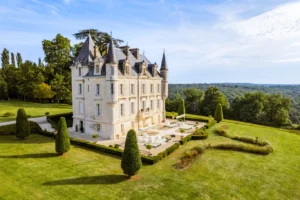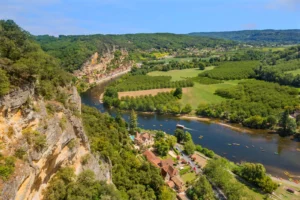
Best Road Trip Family Vacation Escapes Across France are decided long before a suitcase is packed. Families lose enjoyment on the road when days feel long, children grow restless, and small delays snowball into frustration. France stands out because it reduces those pressure points. Towns sit closer together, services remain dependable, and daily life moves at a pace families can absorb without constant adjustment.
A strong family road trip feels controlled from the inside. Driving hours stay reasonable, overnight stops feel restorative, and days unfold with enough space for children to reset. Parents gain confidence when routes feel manageable, and decisions feel intentional rather than reactive. France allows that balance because movement never overwhelms the experience.
When travel supports energy rather than drains it, families stay present. Conversations replace countdowns. Curiosity replaces resistance. The road becomes part of the experience rather than an obstacle to endure. France offers the conditions to make that outcome repeatable, provided the trip is designed around how families actually live each day.
Why France Is Ideal for Family Vacation Escapes by Road
France combines density and diversity in a way that suits family travel. Beaches, countryside, historic towns, and nature reserves sit close enough to one another to allow variety without long transfers. This reduces fatigue and preserves attention, which matters far more to children than visual novelty.
Infrastructure reinforces this advantage. Motorways, secondary roads, and village routes remain well-maintained and clearly signed. Rest areas are common and offer clean facilities that support regular breaks. Fuel, food, and basic services are easily accessible without detours. These details remove friction from travel days and keep schedules realistic.
Daily life also supports families naturally. Meals follow predictable rhythms, towns remain walkable, and public spaces encourage slow movement. Parents can quickly address routine needs instead of reorganizing entire days around logistics. This continuity allows travel to feel stable rather than disruptive.
How to Plan Family Vacation Escapes Across France Without Burnout

Successful family road trips begin with limits rather than ambition. Children respond strongly to transitions, noise, and prolonged sitting. Adults often underestimate how quickly those pressures accumulate. Planning must start with an honest assessment of attention span, sleep patterns, and tolerance for long days.
Driving time underpins the framework. Shorter daily drives protect mood and reduce conflict. Longer drives demand recovery time that must be built into the following day. Families who ignore this rhythm quickly experience emotional fatigue that compounds.
Overnight bases matter just as much. Fewer accommodation changes reduce cognitive load and allow children to settle into a place. Stable bases also simplify mornings, meals, and bedtime routines. Activities should follow energy rather than dictate it. One meaningful experience per day keeps engagement high without overwhelming attention.
This framework determines which regions work and which routes fail before planning even begins.
Choosing French Regions That Match Family Energy and Travel Experience
Regional choice shapes the entire trip. Some areas reward slow exploration and repetition, while others demand constant movement. Families benefit most from regions that allow short drives, flexible schedules, and easy access to outdoor space.
Coastal regions support natural breaks through swimming and open movement. Countryside regions offer a calm pace and reliable routines. Mountain regions offer a strong visual impact but require careful management of altitude, weather, and physical effort. Climate influences daily tolerance as well. Heat intensifies fatigue and irritability, especially during summer travel.
Experience level matters. First-time family road trips benefit from compact regions with limited navigation complexity. More experienced families can handle broader loops with greater variation. Choosing a region that fits the family’s capacity prevents stress from shaping the trip.
Family Vacation Escapes in Dordogne and the Lot: A Slow-Paced Road Trip Approach
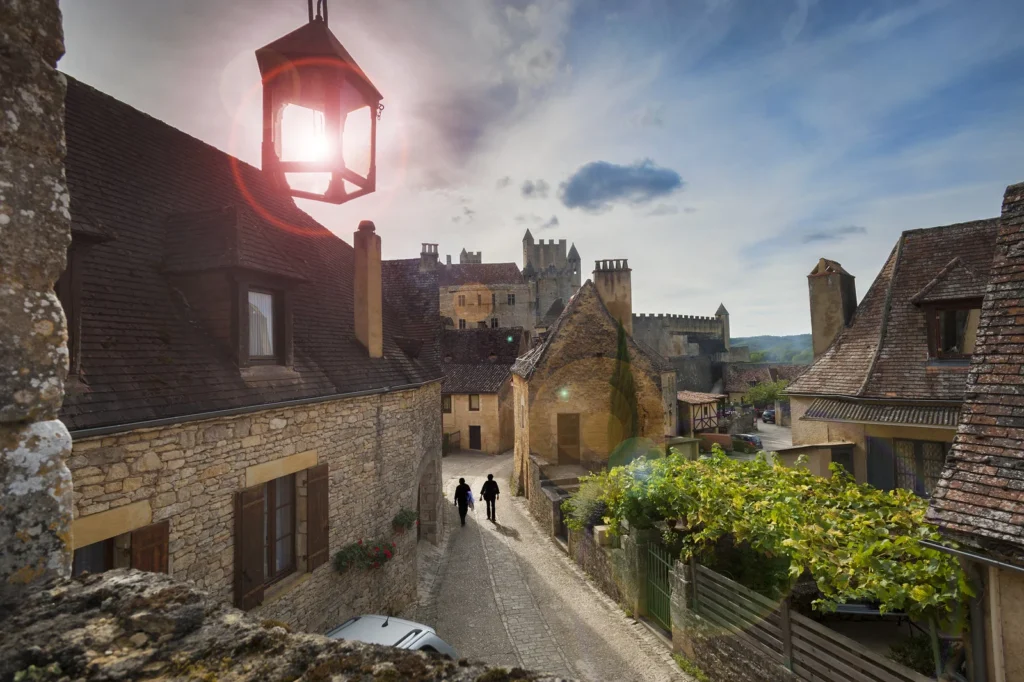
Dordogne and the Lot are best for family vacations when driving is kept to a minimum. Road speeds are slow, valley roads add time, and elevation changes compound fatigue. Families should plan this region around tight radii rather than point-to-point touring.
Route Logic and Key Stops
Single Base in the Dordogne Valley
Select a base near Sarlat-la-Canéda, positioned between Sarlat and La Roque-Gageac. This placement keeps most daily drives under twenty minutes and avoids repeated climbs out of the valley. Bases located higher in the hills increase driving time without improving access.
From this base, Domme, Beynac, and Castelnaud can be visited on separate days or paired into short half-day loops. These stops sit along the same river corridor and do not require accommodation changes.
Shift into the Lot
If adding the Lot, plan a single transfer rather than mixing regions daily. A base near Rocamadour allows access to Padirac and Saint-Cirq-Lapopie within controlled driving windows. Treat this move as a dedicated transfer day.
Driving Strategy
Once a base is established, avoid relocation. The car should be used no more than once per day. Many days can be spent without driving when river access or village walking replaces road travel.
Market mornings alter traffic flow significantly. Driving through market towns during early hours leads to parking delays and congestion. Families should check market schedules and plan outings for late morning or afternoon on those days.
This approach limits driving exposure and keeps daily routines stable, which is the condition under which Dordogne and the Lot function well as family vacation escapes.
Using Château de Lasfonds as a Route Anchor for Family Vacation Escapes
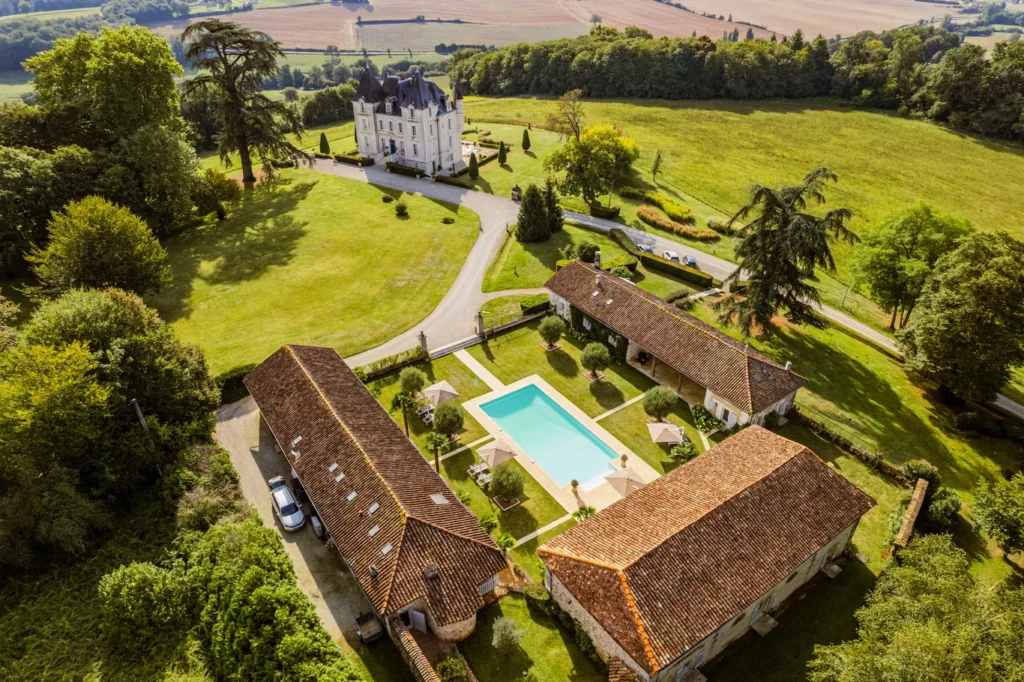
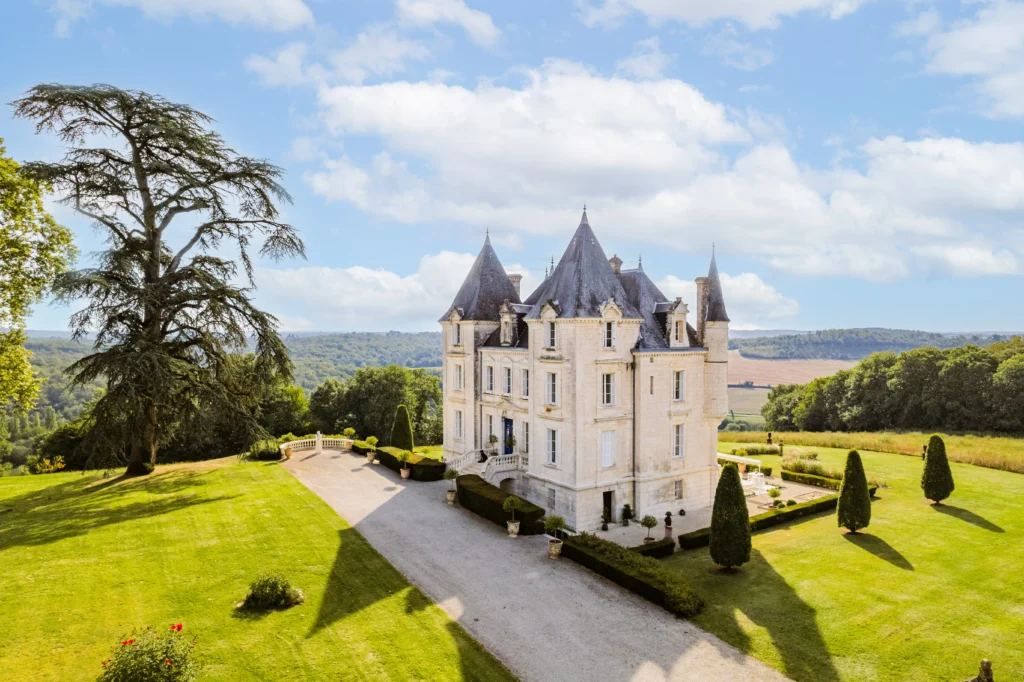
When families move between core Dordogne bases, the transition often introduces unnecessary driving and fragmented days. Placing a stabilizing stop between those segments helps reset rhythm without losing geographic continuity. Château de Lasfonds serves this role well because its location sits outside dense tourist corridors while remaining connected to the main Dordogne and Périgord routes.
Château de Lasfonds is located in La Rochebeaucourt-et-Argentine, on the border of the Charente and Dordogne, in the Nouvelle-Aquitaine region. From a road-trip perspective, Lasfonds works best as a two to three-night base placed between major Dordogne segments. It is roughly 35 minutes south of Angoulême, which makes arrival straightforward for families entering the region by train or car.
Practical Driving Radius From Château de Lasfonds
Families staying at Lasfonds can structure days around short, controlled drives:
• Brantôme is reachable in about 30 minutes, making it suitable for a half-day outing without compressing the schedule.
• Aubeterre-sur-Dronne sits within 35 minutes, offering a compact village visit that does not require extended driving.
• Bourdeilles can be reached in approximately 45 minutes, fitting well into a single-activity day paired with downtime back at the property.
• Sarlat-la-Canéda falls just under one hour, which makes it workable for a single planned outing rather than repeated day trips.
This radius allows families to avoid daily relocation while still accessing varied landscapes and towns.
How to Integrate Lasfonds Into a Dordogne Itinerary
Château de Lasfonds works best when scheduled between two denser Dordogne bases, such as Sarlat and the central Périgord area. Families should arrive on a transfer day, stay multiple nights, and then continue onward rather than treating the château as a brief stop.
The location supports slower pacing, predictable mornings, and reduced car use. When placed intentionally, Lasfonds functions as a stabilizing point within a longer family vacation escape, allowing recovery without disconnecting from the broader route.
Family Vacation Escapes in Normandy and Brittany: A First-Time Road Trip Loop

For family vacation escapes in France, Normandy and Brittany offer the ideal introductory road-trip loop that balances history, coastline, and manageable driving distances. Start your journey by flying or arriving in northern France, then descend toward the coast. This approach keeps driving windows short and gives families early flexibility.
Route Logic and Key Stops
Paris to Normandy
Drive from Paris to Normandy first, which is about 2.5 to 3 hours by car. Prioritize Mont-Saint-Michel and the D-Day beaches near Bayeux early in the itinerary. These anchor stops are significant experiences without requiring long detours.
Normandy to Brittany Coast
After Normandy, continue west toward northern Brittany. Saint-Malo is a logical next hub because its walled town and beaches serve as both a cultural base and a resting point for less strenuous days. From here, easy drives bring you to Dinard, Cancale, and quieter coastal sections along the Emerald Coast.
Driving Strategy
- Split the itinerary into two bases: one in Normandy and one in Brittany. This reduces daily packing stress and supports stable routines.
- Aim for 60-90 minutes of driving between stops: That rhythm preserves energy, especially for younger kids.
- Plan sightseeing before lunch: Sites like Mont-Saint-Michel and Bayeux are most comfortable earlier in the day, with lighter crowds and more flexible time windows.
Family Vacation Escapes in the Loire Valley
After your northern loop, head south into the heart of France’s most classic cultural and scenic region for family vacation escapes. The Loire Valley keeps routes tight while offering truly iconic experiences that fit well into a road trip structure.
Key Features and Stops
Central Base Advantage
Use a central town such as Amboise or Blois as your primary base. From here, you can efficiently loop out to grand châteaux and back without relocating, which is essential for family travel.
Châteaux with Kids in Mind
Château de Chambord and Château de Chenonceau are regional highlights. Parents should plan shorter indoor time and place greater emphasis on gardens, outdoor spaces, and river paths, which better suit children’s attention rhythms.
Efficient Driving Sequence
- Drive to Château de Chambord (from Blois/Amboise): Usually under 45 minutes.
- Return to base for lunch or quiet downtime.
- Visit Chenonceau by early afternoon (shorter round-trip drives).
- Reserve evenings back at base for calm routine maintenance.
This structured loop allows families to explore multiple castles within a manageable radius, reducing the need to change hotels and preserving their daily rhythm.
Family Vacation Escapes in Provence and the Côte d’Azur: Managing Summer Road Trip Flow

The south offers visually stunning family vacation escapes, but it requires careful sequencing and seasonal awareness to succeed as a road trip destination in France.
Provence
Central Provençal Base
Choose a base near Gordes or Gordes itself to access hilltop villages like Roussillon, Bonnieux, and L’Isle-sur-la-Sorgue within short drives. Centralized bases reduce cumulative driving time.
Itinerary Notes
Visit one village per day and pair the morning exploration with an afternoon in outdoor settings, such as local olive groves or small wineries that accommodate kids. Prepare for narrower rural roads in this region.
Côte d’Azur
Southward Expansion Strategy
Once Provence is complete, head to the French Riviera, stopping in Aix-en-Provence, Nice, Cannes, or Antibes. These cities work as hubs for coastal day trips, beaches, and more relaxed schedules.
Driving Notes
Traffic along the Riviera increases significantly in summer. Prioritize early departures and pre-book seaside parking to avoid late-day delays.
Family Vacation Escapes in Alsace and the Vosges
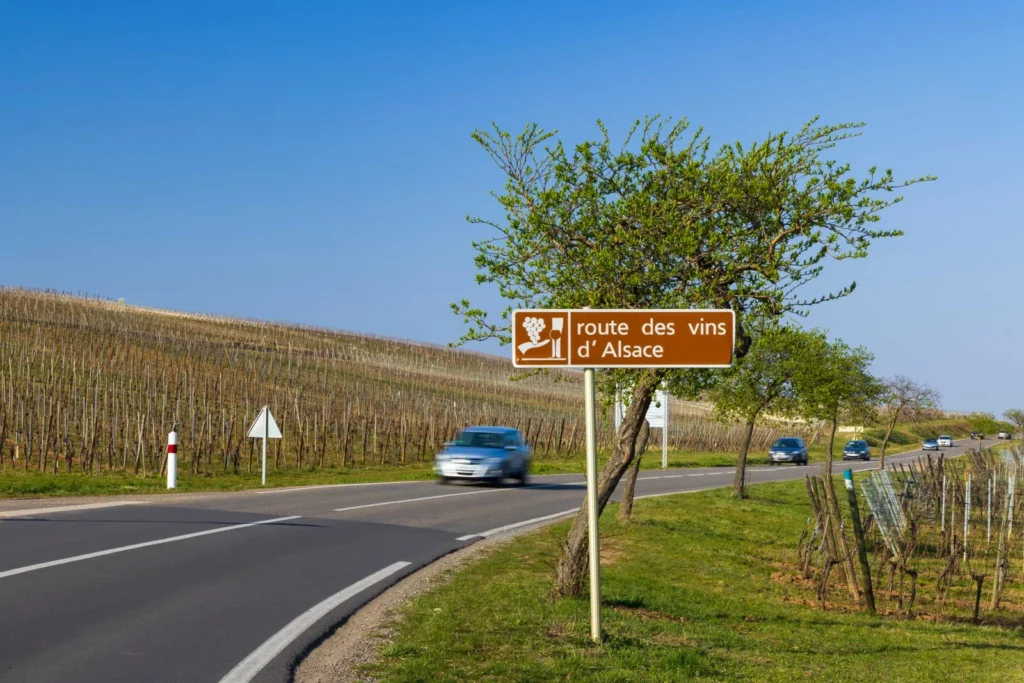
Alsace and the Vosges offer family vacation escapes that work best as a compact eastern loop, where short distances allow families to combine villages, countryside, and forest landscapes without long driving days. The region suits travelers who want visual variety while maintaining predictable routines.
Route Logic and Key Stops
Colmar as a Central Base
Use Colmar as a single base for exploring Alsace. From here, short drives reach Eguisheim, Kaysersberg, and Riquewihr, all within a tight radius. This approach avoids repeated hotel changes and limits time spent navigating narrow village streets.
Transition to the Vosges
After completing the Alsace villages, shift west into the Vosges Mountains. A second base near Gérardmer or Lac Blanc works well for accessing forest roads, lakes, and gentle hiking areas. Treat this move as a deliberate transition day rather than a sightseeing day.
Driving Strategy
Keep village visits in the morning, when streets are quieter, and parking is easier. Reserve afternoons in the Vosges for nature-focused outings that require minimal driving. Avoid planning mountain and village visits on the same day, as slower road speeds in the Vosges extend driving time more than expected.
This two-base structure keeps daily driving light while providing clear contrast between cultural stops and outdoor recovery days.
Family Vacation Escapes in the French Alps: How to Structure an Alpine Road Trip
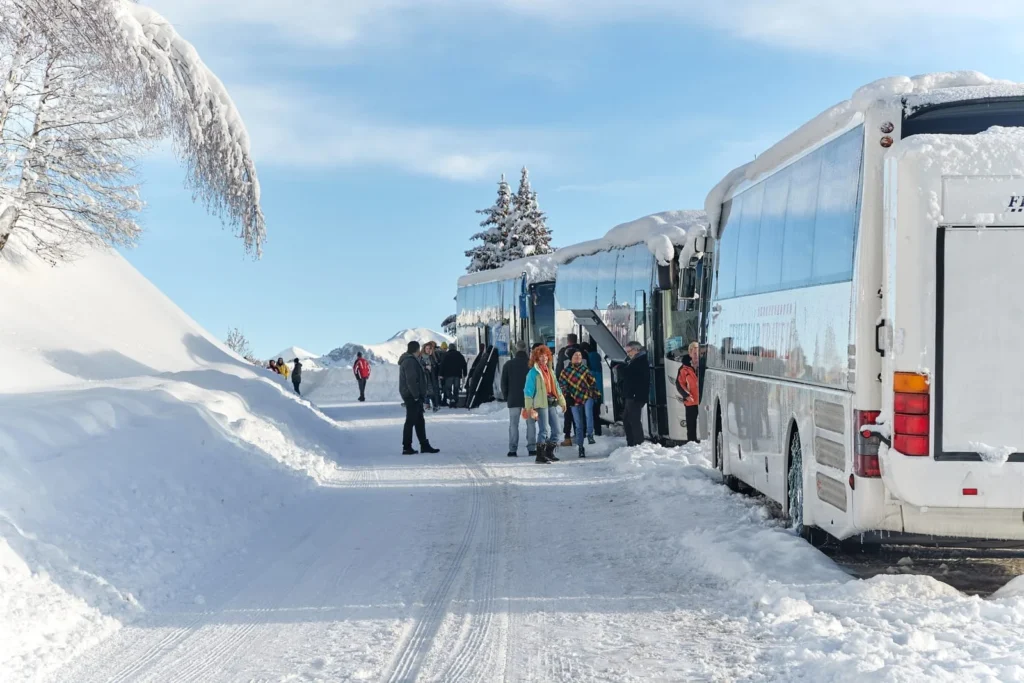
The French Alps offer dramatic family vacation escapes, but success depends on keeping the scope limited. Elevation and road conditions increase effort, which means families should commit to one valley rather than attempt cross-region touring.
Route Logic and Key Stops
Annecy as a Family-Friendly Alpine Base
Annecy is well-suited for families seeking alpine scenery and lake access. The town supports swimming, cycling, and short scenic drives without daily elevation gain. Surrounding routes remain manageable and allow flexible day planning.
Chamonix for Older Children
Families with older children may prefer Chamonix as a base, provided days rely on cable cars and lifts rather than uphill driving. This area offers strong visual impact but requires tighter control over daily schedules.
Driving Strategy
Limit driving to one main outing per day. Use lifts and gondolas to reduce physical strain and time in the car. Weather shifts quickly in the mountains, so days should be planned with flexibility rather than fixed sequences.
Transfer days in the Alps should remain dedicated travel days. Combining transfers with sightseeing often leads to late arrivals and disrupted evenings, which affects the following day more than families anticipate.
Where to Stay on Family Vacation Escapes Across France
Accommodation decisions fail when they are made for atmosphere instead of movement. Families lose time at the same points every day when the lodging sits in the wrong place, even if the property itself is high quality. The purpose of accommodation on a road trip is to shorten transitions, protect mornings, and simplify returns.
Location Rules That Prevent Daily Time Loss
Accommodation should be within 5 minutes of a main road, not in pedestrian zones or historic cores. Properties inside old towns introduce unloading delays, restricted driving hours, and unpredictable parking access. These costs repeat daily and compound fatigue.
A good test is the morning exit time. If leaving the property requires navigating narrow streets, reversing, or waiting for access windows, the location is wrong for a family road trip. Easy exit matters more than proximity to landmarks.
For rural regions, avoid hilltop or ridge locations unless they are the sole focus of the stay. Repeated climbs add time and reduce flexibility, especially in regions like Dordogne or Provence.
Distance Thresholds That Matter
The distance from the accommodation door to the first daily stop should not exceed thirty minutes of driving. Anything longer increases resistance, especially for children. Families who exceed this threshold compensate by rushing mornings or skipping rest, which destabilizes the day.
Daily return drives should be shorter than outbound drives. Long returns amplify fatigue late in the day and increase conflict. Bases that force equal-length drives in both directions reduce tolerance by the third or fourth day.
Length of Stay Rules That Preserve Routine
Accommodation changes should follow distance, not curiosity. If the next region is within two hours, changing bases often adds no value. Families should stay put and drive outward instead.
A minimum of four nights per base is required for the routine to stabilize. Fewer nights keep children in transition mode and prevent recovery. Longer stays allow mistakes to be absorbed without derailing the schedule.
Property Features That Solve Real Problems
Parking must be on-site or immediately adjacent. Street parking that depends on timing or availability creates daily uncertainty.
Ground floor access matters more than room size. Carrying bags, groceries, or sleeping children up stairs adds friction at the worst times of day.
Outdoor space should be usable without preparation. A garden or terrace that requires supervision or setup adds less value than open-access space where children can move immediately upon arrival.
Accommodation that passes through these filters supports the route rather than resisting it. Families who apply these rules consistently experience smoother days, fewer conflicts, and more sustainable family vacation escapes across long road trips.
Practical Family Road Trip Insights Backed by Traveller Experience
Planning a family vacation escape by car in France requires more realism about distances, road conditions, and timing than most people expect. Many routes look short on a map but take longer in practice, especially on secondary roads, which significantly affects daily pacing in your itinerary.
Real Travel Distance Expectations
When families calculate drive times for French road trips, they often assume motorway speeds will apply everywhere. In reality, rural stretches and secondary roads are slower than highways. For example, segments of 300–370 kilometres that look short on a map can take over six hours when not on high-speed toll roads.
This has direct implications for family vacation escapes:
- Do not plan daily drives based on straight map distance. Expect “slow road” conditions outside motorways and build buffers between bases and attractions.
- Reserve long drives for pure transfer days, rather than pairing them with sightseeing.
- Set realistic departure windows so the first activity of the day happens no later than late morning.
Efficient Drive Day Design
Experienced family road trippers in France recommend arriving at day destinations early. This is not just about crowds, but about park accessibility, parking availability, and energy rhythms. One practical tip repeatedly shared by travellers is to arrive before 11am at major stops so that parking is easier and crowds have not peaked.
This applies to everything from historic towns to caves, châteaux, and natural attractions:
- Morning visits reduce waiting and parking delays.
- Return to base before late afternoon traffic builds, especially in summer.
- Break longer days into half-day loops with a predictable midday return.
Seasonal and Rest Stop Considerations
France’s road infrastructure supports frequent rest areas that are often far better equipped than travellers expect. Many motorway rest stops include playgrounds and open space that can help reset children after extended driving.
This creates a practical pattern for road day planning:
- Schedule rest stops around physical movement, not meals. Parks, playgrounds, and open spaces do a better job of resetting children’s attention than cafe stops.
- Use motorway rest areas with playgrounds to break up long drives safely.
- In summer, avoid peak drive windows (late afternoon on coastal roads), which increases delays.
Accommodation and Grocery Timing
Another recurrent theme among family road trippers is that many rural French towns and shops close earlier than expected, especially outside large cities. This affects grocery runs and planning for spontaneous meals.
For family vacation escapes, this means:
- Plan grocery runs earlier in the day rather than relying on evening store hours.
- Check Sunday and holiday opening hours, as some stores close completely.
- Stock up breakfast items early, since morning options outside cities can be limited.
Seasonal Routing Adjustments That Change Outcomes for Family Vacation Escapes
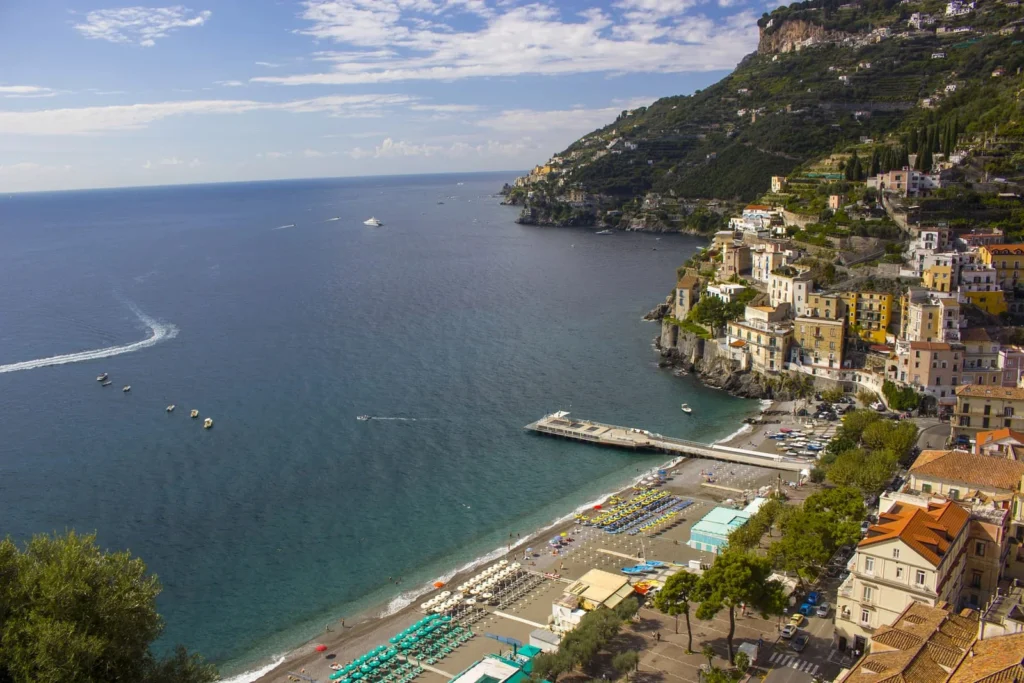
Seasonality in France affects road behavior, parking access, and recovery needs more than most families expect. Routes that work in one season often fail in another.
Summer Routing Adjustments
In summer, coastal and southern regions experience congestion and parking saturation in the late afternoon. Families should front-load driving and sightseeing into mornings and return to base by mid-afternoon.
Mountain and inland regions such as the Alps and Dordogne perform better than Provence or the Riviera during peak heat. When traveling south in summer, reduce driving expectations and increase base length. Avoid planning transfers on Saturdays in July and August, especially near the coast.
Shoulder Season Routing Advantages
Spring and early autumn provide the most forgiving conditions for family road trips. Roads move faster, parking remains accessible, and meal availability improves.
This is the ideal season for Loire Valley, Normandy, Alsace, and Dordogne itineraries that rely on short loops and village access. Transfers can occur later in the day without cascading delays.
Winter Routing Constraints
Winter favors southern regions and cities but limits rural road trips. Some alpine roads close, and daylight shortens quickly. Families traveling in winter should compress routes, limit base changes, and avoid regions that depend on outdoor access for recovery.
School Holiday Impact
French school holidays vary by zone, affecting regional traffic patterns. Families should check zone calendars when planning Normandy, Paris region, or coastal routes, since local travel increases even outside international peak periods.
Seasonal alignment determines whether family vacation escapes feel controlled or exhausting. Route design must change with the calendar, not just with geography.
Common Mistakes That Disrupt Family Vacation Escapes in France
Many family road trips in France fail for reasons not listed in itineraries. These mistakes are not obvious to international travelers and often surface only after the trip has started.
Assuming Lunch Is Flexible Everywhere
Outside major cities, restaurant kitchens close firmly in the early afternoon. Families who arrive late expect alternatives and lose time searching. This pushes driving into the afternoon and compresses the rest of the day. The mistake is planning attractions first and meals second.
Treating Sundays Like Regular Travel Days
In smaller towns and rural regions, grocery stores, bakeries, and services may close or operate on reduced hours on Sundays. Families who arrive without supplies discover limited options and are forced to improvise meals or extend driving to larger towns.
Trusting Map Distances Over Road Reality
Secondary roads dominate many regions, especially Dordogne, Provence, and the Lot. Short distances take longer than expected due to narrow lanes, elevation changes, and village speed limits. Families who plan solely by distance overload their days without realizing it.
Overusing Historic Town Centers as Bases
Staying inside old town cores feels appealing, but creates daily friction. Restricted driving hours, unloading limits, and complex parking repeat every morning and evening. This mistake quietly compounds fatigue rather than causing it to flare immediately.
Mixing Touring and Recovery Regions
Families often pair two demanding regions together, such as Provence and the Riviera in summer or the Alps and Alsace back to back. This removes recovery opportunities and forces continuous early starts, which reduces tolerance by mid-trip.
These mistakes do not look serious individually. Together, they turn well-planned routes into reactive travel.
When to Stop Planning Family Vacation Escapes and Keep Flexibility
Strong family road trips in France succeed when stops are planned at the right points. Overplanning creates rigidity that breaks under normal delays.
What Must Be Locked In Early
Accommodation bases should be confirmed first, since base placement determines daily driving behavior. Vehicle category and transmission choice should also be fixed early, especially during school holiday periods. Any stay tied to a specific location or limited inventory belongs in this category.
What Should Remain Flexible
Daily activities should remain loosely defined. Families should plan one primary activity per day without locking time slots. Weather, mood, and fatigue vary more than expected, especially across regions with different climates.
What Should Not Be Pre-Booked
Avoid pre-booking restaurants across multiple days. Fixed dining times conflict with driving realities and fatigue cycles. Avoid booking multiple attractions with timed entry on consecutive days, as one delay cascades into the next.
Do not pre-commit to scenic routes for transfer days. Conditions on the day should determine whether toll roads or secondary roads make sense.
The Planning Stop Rule
When each day has a clear start, a realistic drive window, and a simple return path to base, planning is complete. Any additional detail beyond this point increases fragility rather than control.
Families who stop planning at this stage retain structure without losing adaptability. That balance is what keeps family vacation escapes in France stable when conditions shift.
FAQs about Family Vacation Escapes
What is the best time of year for family road trips in France
The best time for family road trips in France is late May, June, and September. These months offer mild weather, lighter traffic, and open attractions, which keeps driving calm and helps children stay regulated throughout each travel day.
How many days are ideal for a family road trip across France
For family vacation escapes across France, ten to fourteen days works well. This range allows stable bases, limited transfers, and recovery days, so families experience variety without rushing or stretching driving tolerance beyond comfortable limits.
Is renting an automatic car better for family road trips in France
Yes, choosing an automatic transmission for family road trips in France is strongly recommended. Urban traffic, toll booths, and mountain roads increase fatigue, and automatic cars reduce mental load, making long travel days noticeably easier for parents.
Is France suitable for road trips with toddlers?
Traveling France by car with toddlers is manageable when routes stay compact. Short drives, predictable meal timing, and stable accommodation bases help younger children feel secure, which reduces meltdowns and keeps daily travel routines intact.
Which regions are best for first time family road trips in France
For first time family road trips in France, Normandy, Brittany, and the Loire Valley work best. Distances stay short, navigation remains simple, and attractions cluster closely, allowing families to learn road travel rhythms without constant adjustment.
Are toll roads worth using on family road trips in France
Toll roads often improve family vacation road trips in France by shortening stressful driving days. Paying tolls on transfer days saves time and energy, which usually outweighs the extra cost for families managing children and schedules.
Should families pre book attractions when road tripping in France
Most France family attractions do not require advance booking. Leaving entry flexible helps families adapt to weather, traffic, and energy levels, while timed tickets can create pressure when driving days run longer than expected.
How do families handle picky eaters on road trips in France
France is friendly for picky eaters on family road trips. Bakeries, markets, and casual cafés offer simple foods, and grocery access allows parents to manage familiar meals without relying entirely on restaurant menus.
Is driving in France safe for families
Driving in France feels safe for families because roads are well maintained and signage is clear. Observing speed limits, rest breaks, and local driving customs keeps family road trips across France smooth and predictable.
How can families avoid burnout during long road trips in France
Avoid burnout on family vacation escapes in France by limiting daily driving, planning recovery afternoons, and keeping one flexible day per region. These buffers protect energy and allow trips to absorb delays without emotional overload.