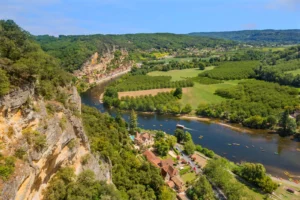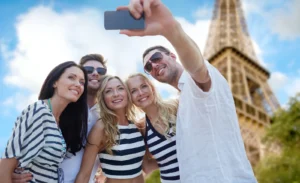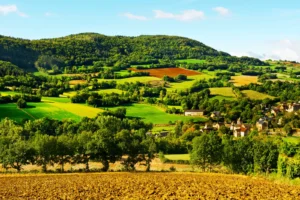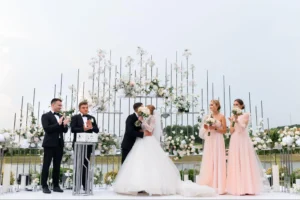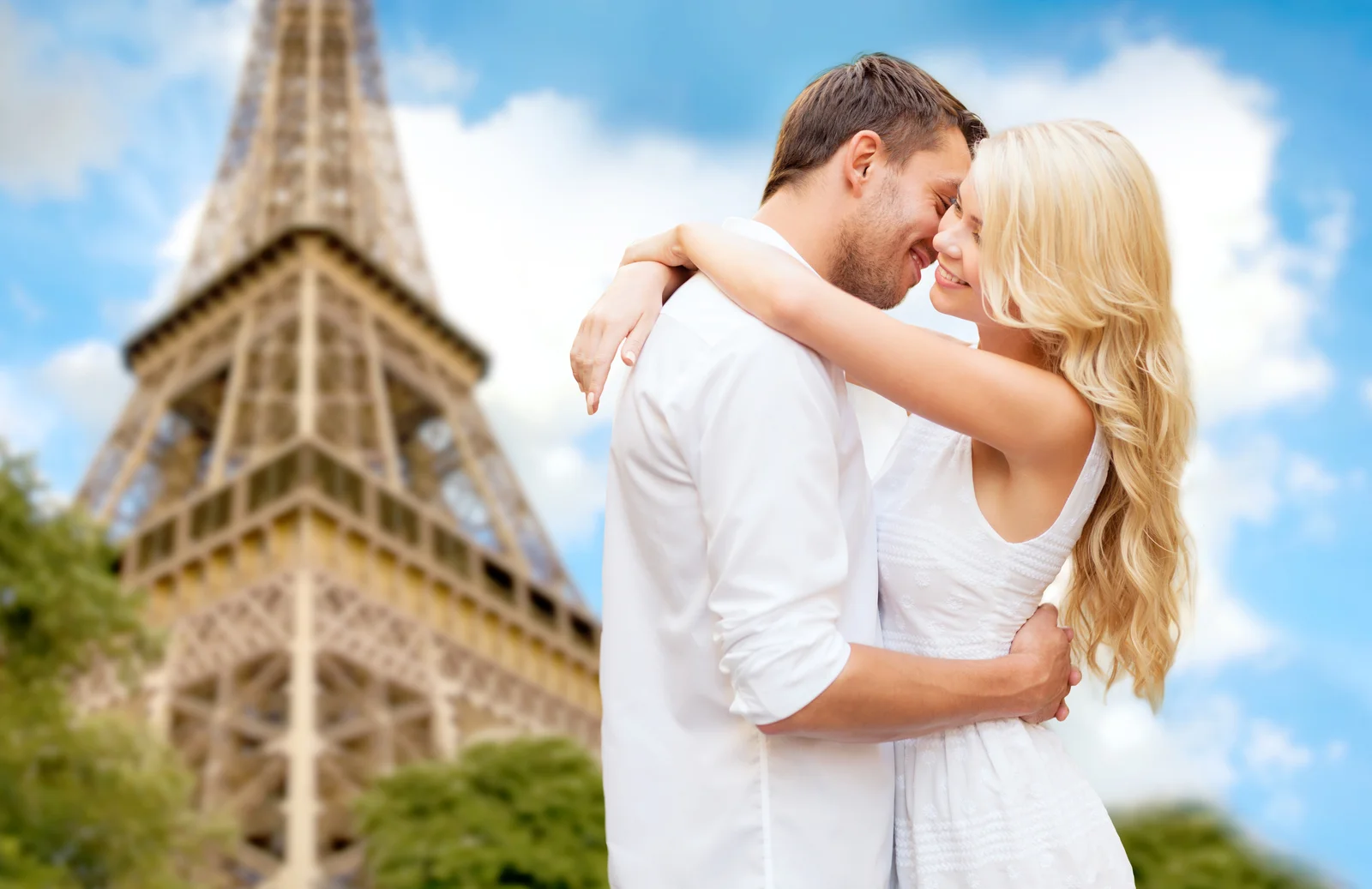
A honeymoon in France offers far more than beautiful scenery because it places couples inside a culture that treats romance as part of everyday life. Morning bakery visits, long market lunches, vineyard landscapes, and centuries-old towns create an atmosphere that feels immersive rather than performative. These experiences shape how couples connect with each other and with the place.
France also offers a remarkable variety within short travel times, making the journey feel rich without feeling rushed. Couples can move from iconic city streets to quiet countryside or Mediterranean light in a single itinerary, gaining distinct experiences that create a layered, memorable start to married life.
How Much Does a French Honeymoon Cost?
The cost of a French honeymoon depends less on “luxury vs budget” and more on season, region, and pace of travel. Couples who limit their locations and stay longer at each often spend less while enjoying a richer experience.
Typical 10-Day Cost Breakdown (per couple, excluding flights):
| Category | Mid-Range | High-End |
| Accommodation | €180–€300 per night | €450–€900+ per night |
| Dining | €60–€120 per day | €150–€300 per day |
| Transport (train + local travel) | €350–€600 total | €700+ with private transfers |
| Experiences | €250–€500 | €800+ private tours |
| Estimated Total | €3,500–€5,500 | €6,500–€10,000+ |
What changes the price most:
- July–August raises Riviera and Provence rates by 30–50%.
- Château or boutique stays cost more nightly but reduce the need for paid activities.
- Visiting three regions instead of two increases fatigue from transport and packing.
Smart planning insight: France rewards depth over movement. Staying longer in fewer places often delivers both better value and a more romantic rhythm.
Paris — The Classic Honeymoon in France
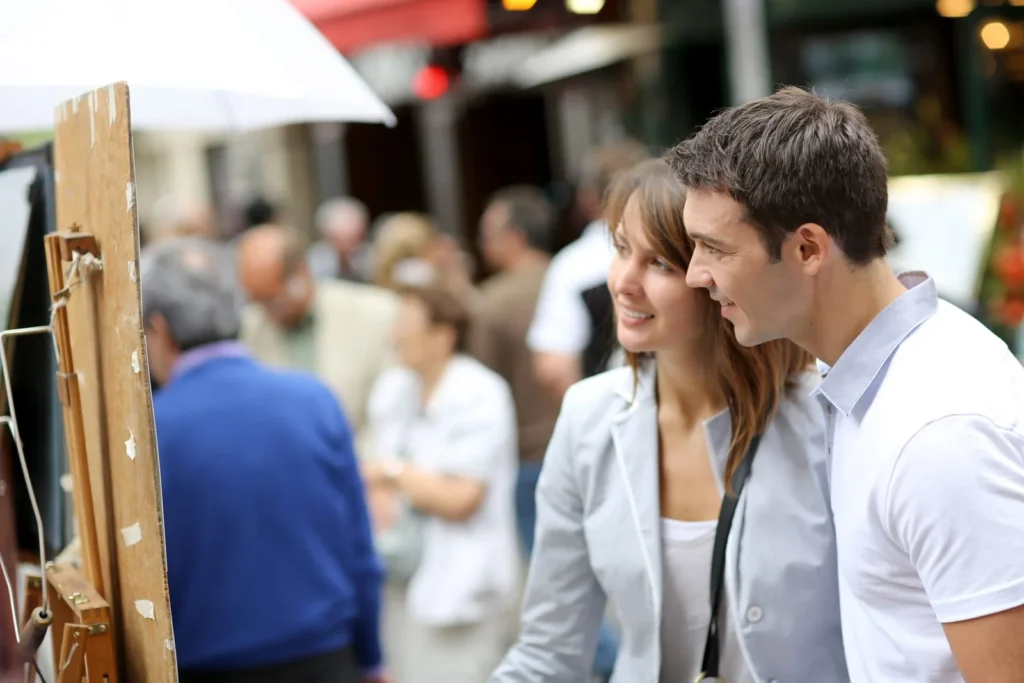
Paris remains central to any honeymoon in France because the city offers an emotional atmosphere alongside artistic and historical depth. Its scale encourages walking, which allows couples to experience neighborhoods gradually through cafés, gardens, galleries, and riverbanks that reveal themselves without rush.
Days in Paris unfold through sensory experiences tied to place. Fresh pastries from local boulangeries, quiet time in the Luxembourg Gardens, and unplanned discoveries along the Seine create moments that feel personal rather than scheduled. Even major landmarks feel intimate when approached with patience and time.
Choosing the right neighborhood shapes the stay. Saint-Germain-des-Prés offers literary history and elegant streets, while Le Marais blends architecture with small boutiques and hidden courtyards. These areas provide proximity to major sites while preserving a residential rhythm that suits honeymoon travel.
Evenings define the city’s romantic reputation. Warm light reflects across limestone façades, dinner stretches into conversation, and the river becomes a calm axis through the city. This cadence allows couples to experience Paris as a place to inhabit rather than simply visit.
Provence — Countryside Romance and Sensory Calm
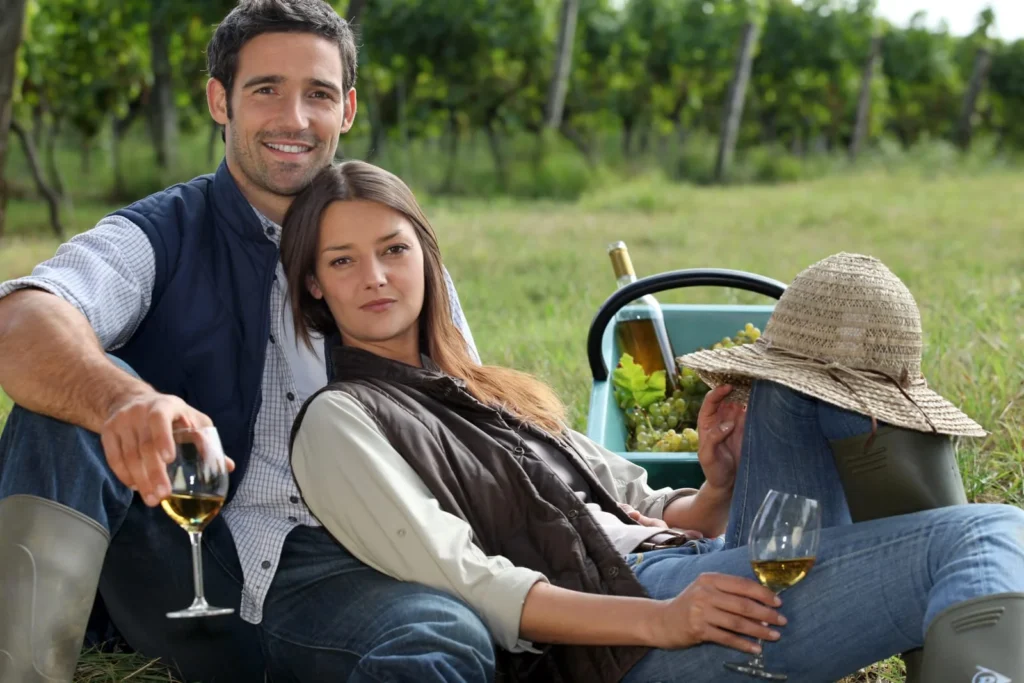
Provence offers a different rhythm that makes it essential to a French honeymoon, as the region centers on landscape, light, and daily rituals tied to agriculture and tradition. Life moves slowly here, which allows couples to settle into their surroundings and experience a deeper sense of place.
The setting encourages unstructured exploration. Drives between hilltop villages reveal stone houses, olive groves, and vineyards that define the identity of southern France. Local markets provide seasonal produce, cheeses, and wines, turning simple meals into memorable shared experiences shaped by regional flavor.
Towns such as Gordes, Bonnieux, and Saint Rémy preserve architectural character while welcoming travelers into working communities rather than staged destinations. Staying within or near these villages allows couples to experience mornings, evenings, and quiet hours that feel grounded and restorative.
Provence also invites couples to reconnect with time itself. Long lunches, shaded terraces, and expansive views create space to pause, reflect, and enjoy the early days of marriage without distraction.
French Riviera — A Sunlit South of Honeymoon in France
The French Riviera brings a luminous coastal dimension to a South of France honeymoon through its Mediterranean climate, dramatic geography, and long association with artists and travelers drawn to its light. The region blends natural beauty with refined leisure, creating an atmosphere that feels vibrant yet relaxed.
Coastal towns each express a distinct character. Nice combines historic streets with seaside promenades, while smaller places such as Èze rise above the water with sweeping views that feel secluded and cinematic. Saint Tropez offers maritime charm rooted in its fishing heritage despite its global reputation.
Experiences here center on the relationship between land and sea. Morning swims, coastal walks, and open-air dining allow couples to engage directly with the environment rather than observe it from a distance. The clarity of light and horizon creates a setting that feels expansive and celebratory.
Travel along the Riviera is also effortless, allowing couples to explore several towns without constant relocation. This ease supports a honeymoon pace that balances discovery with time to simply enjoy being together beside the Mediterranean.
Loire Valley — Château Landscapes and Quiet Elegance
The Loire Valley introduces a storybook atmosphere to a French honeymoon through its concentration of historic châteaux, cultivated gardens, and pastoral scenery shaped by centuries of royal patronage. The region feels composed and serene, which makes it ideal for couples seeking beauty without crowds.
Properties such as Château de Lasfonds allow couples to stay in heritage settings that reflect the region’s architectural grace while offering privacy and a residential scale. The surrounding landscapes remain gentle and human in proportion, with rivers, tree-lined paths, and open farmland creating continuity between history and daily life.
Activities here encourage immersion rather than spectacle. Cycling between villages, visiting family-run vineyards, and spending afternoons in formal gardens allow couples to engage with the region at a natural pace. This rhythm supports conversation, reflection, and shared discovery.
Evenings in the Loire Valley tend toward stillness, with quiet towns and dark skies replacing urban energy. That calm creates space for couples to experience a honeymoon grounded in heritage, landscape, and time together.
Bordeaux — A Refined Escape for Wine Focused Honeymoons
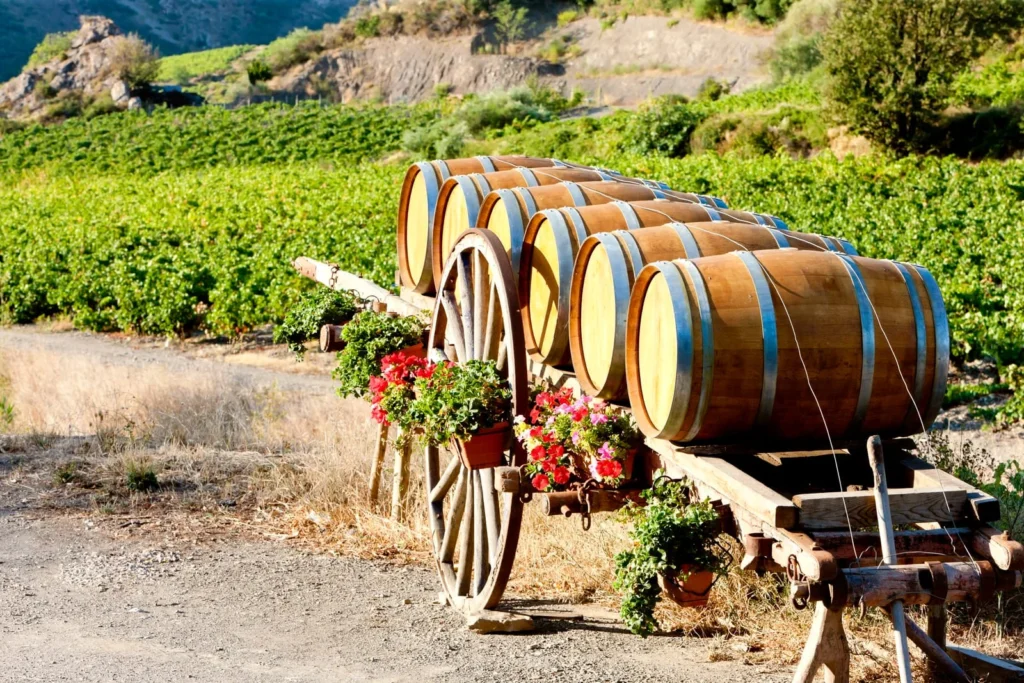
Bordeaux offers an atmosphere of sophistication that appeals to couples who value gastronomy, architecture, and vineyard culture as central elements of a honeymoon in France. The region balances urban elegance with rural tradition, creating an experience shaped by craftsmanship and a strong sense of place.
The historic center provides grand squares, riverfront walks, and carefully preserved buildings that reflect the city’s mercantile past. Just beyond the city, vineyards extend across gentle hills, where generations of producers maintain methods that define some of the world’s most respected wines.
Visits to appellations such as Saint Émilion introduce couples to landscapes where viticulture and village life coexist. Tastings become educational experiences guided by producers who explain terroir, seasonal change, and the patience required to shape each vintage.
Time in Bordeaux encourages couples to slow their schedule and focus on shared sensory experiences. Meals, tastings, and quiet evenings create a honeymoon defined by depth, conversation, and appreciation for tradition.
Annecy and the French Alps — A Scenic Mountain Alternative

Annecy and the surrounding Alps offer a refreshing contrast within a France honeymoon through alpine scenery, clear lakes, and a pace shaped by nature. The setting feels intimate and restorative, which appeals to couples who want tranquility alongside a dramatic landscape.
The town of Annecy sits beside a glacial lake known for its clarity, with canals and pastel buildings creating a setting that feels both picturesque and lived in. Walking paths, small bridges, and waterfront views invite unhurried exploration throughout the day.
Outdoor experiences define much of the stay. Couples can cycle along the lake, take gentle hikes into the foothills, or simply spend time near the water as the mountains shift in color with changing light. These moments encourage connection with the environment and with each other.
This region suits couples who want to balance cultural travel with natural beauty, adding variety to a honeymoon in France while maintaining the country’s romantic spirit.
How to Choose the Right France Honeymoon Destination
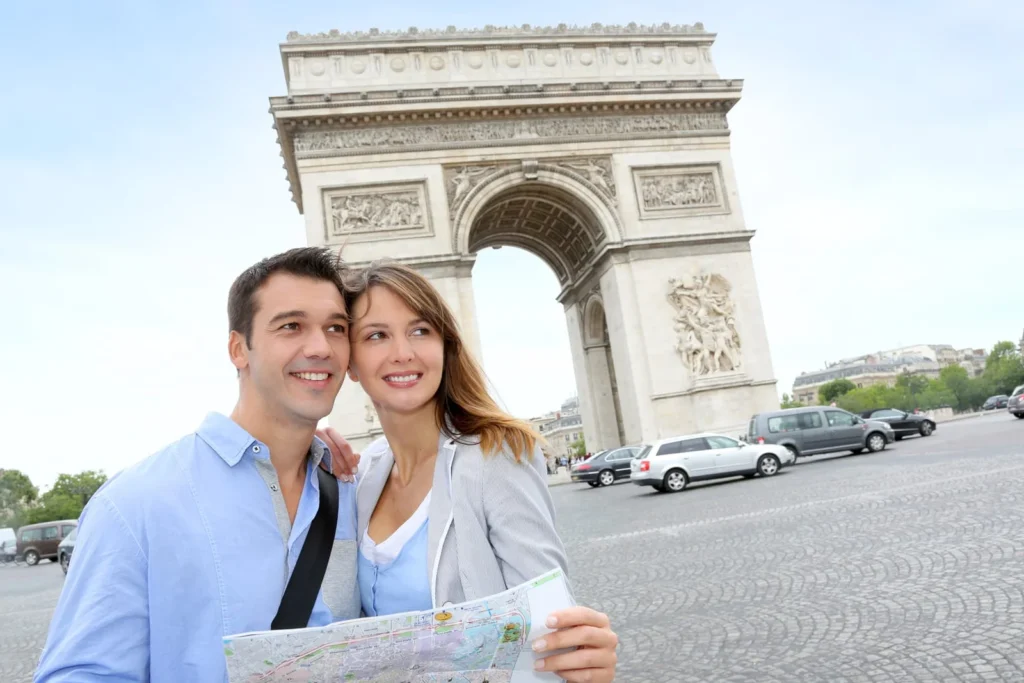
Selecting the right destinations for a France honeymoon depends on the experience you want to share rather than the number of places visited. Each region offers a distinct atmosphere, so thoughtful planning helps the journey feel cohesive and intentional rather than rushed.
Couples drawn to culture and iconic landmarks often begin in Paris, where museums, architecture, and café life create an engaging start. Those seeking stillness and landscape tend to prefer Provence or the Loire Valley, where rural settings encourage slower days and deeper connection.
If coastal light and leisure appeal more, the French Riviera offers warmth and visual drama, while Bordeaux offers refinement through wine, gastronomy, and historic surroundings. Annecy and the Alps introduce nature as a central element for couples who value fresh air and mountain scenery.
A balanced itinerary often combines two regions that complement each other in pace and character. This approach offers variety while preserving time to enjoy each setting fully, ultimately shaping a honeymoon that feels memorable rather than hurried.
Getting Around France as Newlyweds
Transportation in France is not something couples need to “figure out.” It is one of the country’s strengths and shapes how easily a honeymoon flows.
When to Use High-Speed Trains (TGV):
- Paris → Bordeaux: ~2 hours
- Paris → Avignon (Provence): ~2 hr 40 min
- Paris → Loire Valley (Tours): ~1 hour
- No airport stress, city-center arrival, comfortable seating.
When to Rent a Car:
- Provence villages (Gordes, Bonnieux, Roussillon)
- Loire Valley château routes
- Smaller wine appellations outside Bordeaux
- Alpine and lake regions
These areas are defined by landscape rather than cities. Driving becomes part of the experience, not just a means of transport.
What most couples do wrong: renting a car too early. Start with trains, then rent only when entering rural regions.
Best balance: Train for long distances → short car rental for countryside → return to rail.
Why France Is One of the Easiest European Honeymoons to Plan
France combines diversity and accessibility in a way few destinations match. Couples experience meaningful contrast without long travel days or complicated logistics.
What Makes It Exceptionally Manageable:
- A fast rail network linking major regions in hours, not days.
- Predictable hospitality standards even in small towns.
- Distinct experiences located close together — culture, wine, countryside, and coast rarely require flights.
- Walkable historic centers that reduce daily planning.
- A travel culture designed around meals, markets, and public life rather than attractions alone.
Result: The journey feels continuous rather than fragmented. Couples spend less time navigating and more time inhabiting each place.
Sample 10 Day France Honeymoon Itinerary
A well-planned French honeymoon benefits from a route that limits transit time while allowing each destination to be fully experienced. This ten-day structure creates a natural progression from cultural discovery to countryside calm, culminating in time beside the Mediterranean.
Days 1 to 3: Paris
Begin in Paris to settle into the journey and adjust to the country’s rhythm. Spend mornings exploring historic neighborhoods, visit major museums at a measured pace, and let evenings unfold with relaxed dining and walks along the Seine. This introduction provides both energy and romance without leaving you exhausted.
Days 4 to 6: Provence
Travel south to Provence for a shift in atmosphere. Base yourselves in a village setting and set aside time for market visits, vineyard landscapes, and scenic drives between hilltop towns. These days emphasize slower movement, regional cuisine, and time spent outdoors, creating a contrast with the city.
Days 7 to 10: French Riviera
Continue to the Mediterranean coast to conclude the honeymoon with light, sea air, and open views. Explore coastal towns, spend time near the water, and plan unstructured afternoons that make the experience feel celebratory rather than scheduled. Ending here provides a sense of release and reflection before returning home.
Best Time of Year for a Honeymoon in France
Timing plays an important role in shaping a France honeymoon because seasonal changes influence light, landscape, and travel rhythm across each region. Choosing the right period allows couples to align their experience with the atmosphere they want to create during this journey.
Spring brings mild temperatures, flowering gardens, and fewer visitors, making it ideal for comfortably exploring cities and the countryside. Markets begin to fill with seasonal produce, and outdoor dining returns without the intensity of peak summer travel.
Summer offers long days and vibrant coastal life, especially in the south, where the Mediterranean becomes central to daily activity. This season suits couples who enjoy energy, sunshine, and extended evenings, though planning ahead becomes essential due to higher demand.
Autumn marks the harvest season in wine regions such as Bordeaux and the Loire Valley, creating a rich sensory environment shaped by vineyards and changing colors. The pace feels calmer, and the landscape takes on warm tones that many couples find especially romantic.
Winter provides a quieter alternative for those drawn to cultural immersion, festive markets, and a more contemplative atmosphere. Cities feel less crowded, and mountain regions gain a serene beauty that offers a different perspective on a honeymoon in France.
What to Pack for a France Honeymoon
Packing for France is less about fashion and more about mobility and comfort across varied settings.
Essentials Couples Are Glad They Brought:
- One excellent pair of walking shoes (cities demand miles of walking).
- Light layers for temperature shifts between morning markets and evening terraces.
- A compact day bag for trains and village outings.
- Neutral, interchangeable clothing that works across multiple regions.
- A slightly dressier outfit for special dinners or wine estates.
What to Avoid Bringing:
- Large suitcases (difficult on trains and in historic buildings).
- Overly formal clothing is rarely worn.
- “Outfit per day” packing, which adds weight without value.
Practical tip: Many French accommodations are in historic buildings with stairs and limited storage. Smaller luggage makes every arrival and departure easier.
Tips for Planning a Perfect Honeymoon in France
Thoughtful planning ensures a France honeymoon feels effortless while still allowing space for spontaneity and discovery. A clear structure, combined with flexibility, helps couples enjoy each destination without feeling rushed or overwhelmed by logistics.
Start by limiting the number of regions so travel days remain manageable and each location receives its fair share of time. France rewards slower exploration, so choosing two or three complementary destinations often creates a more meaningful experience than attempting to see everything.
Accommodation plays a central role in shaping the trip’s atmosphere. Smaller hotels, countryside estates, or heritage properties create a sense of place that large chains rarely provide, allowing couples to feel connected to their surroundings.
Advance reservations for key experiences, such as vineyard visits or celebrated restaurants, prevent last-minute stress while still leaving room for unplanned moments. Balance scheduled activities with open time to maintain a natural rhythm.
Transportation within France remains efficient, but carefully selecting routes reduces fatigue. High-speed trains connect major cities comfortably, while a car is more valuable in rural regions, where scenic drives and village visits are part of the experience.
Begin Your Honeymoon at Château de Lasfonds
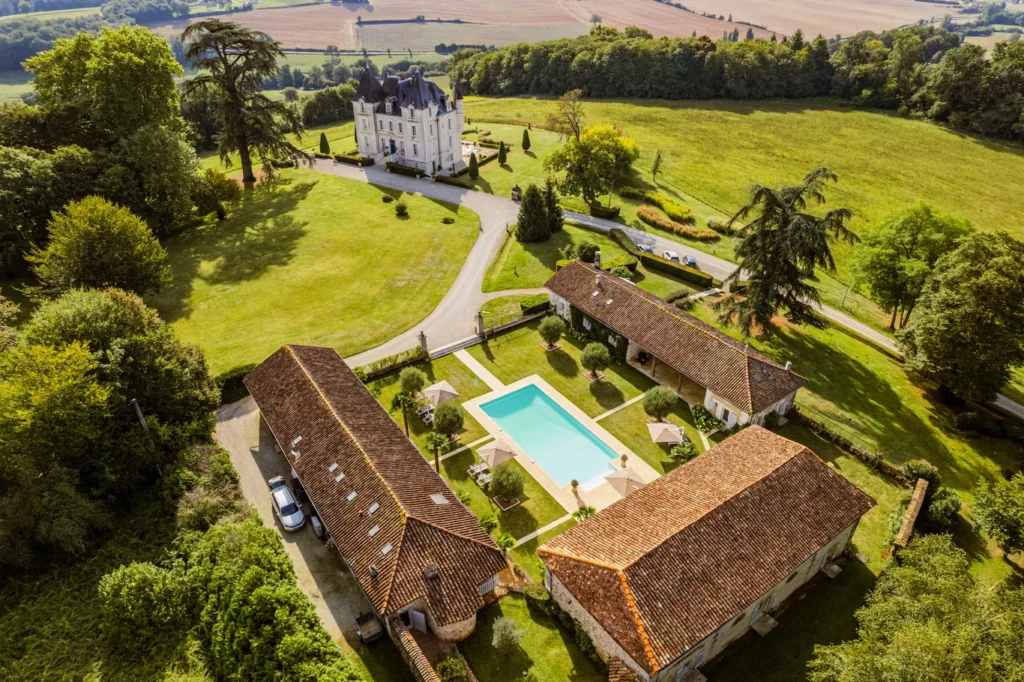
Château de Lasfonds offers a private estate setting for couples who want their French honeymoon to feel immersive and unhurried. Located in the Charente countryside near the Périgord region, the property provides quiet surroundings, open landscapes, and direct access to village life, markets, and regional wine areas.
The nineteenth-century château has been restored to preserve its architectural character while adding modern comfort. Guests stay in spacious rooms and independent guest houses that offer privacy, flexible schedules, and a residential experience rather than a standard hotel stay.
The grounds span several hectares and include gardens, walking areas, terraces, and a heated pool for relaxing between outings. The setting encourages slow mornings, outdoor meals, and evenings that feel calm and secluded.
The location remains accessible, with Angoulême’s high-speed rail connection to Paris within easy reach, which makes arrival simple while maintaining a sense of retreat once on the estate.
For couples seeking authenticity, space, and a setting rooted in French heritage, Château de Lasfonds becomes more than accommodation. It becomes the place where the honeymoon is lived, not just visited.
Book Now and Reserve your stay at Château de Lasfonds and begin planning a honeymoon shaped by privacy, landscape, and time together.
FAQs About a Honeymoon in France
How many days are ideal for a honeymoon in France?
Most couples find that 10 to 14 days is enough time to experience more than one region without feeling rushed. This duration strikes a balance among travel, exploration, and rest, making the journey feel immersive and memorable.
Is the South of France good for a honeymoon?
The South of France is well-suited to honeymoons because it combines natural beauty, a relaxed coastal lifestyle, and historic villages all in close proximity. The region encourages slower days, outdoor experiences, and shared moments shaped by landscape and climate.
Do we need to visit multiple regions during a honeymoon in France?
Visiting more than one region can enrich the experience, but depth matters more than distance. Many couples prefer focusing on two carefully chosen destinations so they can engage fully with each place rather than constantly moving.
Is France easy to travel through for newlyweds?
France offers excellent infrastructure that makes travel straightforward even for first-time visitors. Reliable rail networks, well-maintained roads, and clear regional connections allow couples to travel comfortably, ensuring a smooth, enjoyable journey.
What makes France different from other honeymoon destinations?
France integrates culture, food, history, and landscape into daily life rather than presenting romance as a staged attraction. This authenticity allows couples to experience meaningful, lived-in settings, creating a deeper emotional connection to the trip.
What is the best time of year for a honeymoon in France?
Spring and early autumn often provide the most comfortable conditions, with pleasant weather, fewer crowds, and landscapes at their most expressive. These seasons allow couples to explore cities, the countryside, and vineyards without the intensity of peak summer travel.
Should we stay in cities or the countryside during our honeymoon in France?
A combination of both usually creates the most rewarding experience. Cities offer culture and history, while the countryside introduces calm settings, regional traditions, and opportunities to slow the pace of travel.
Is a château stay worth including in a honeymoon in France?
Staying in a château can add a sense of place and continuity with French heritage. These properties often provide privacy, landscaped grounds, and architectural character that elevate the experience beyond a standard hotel stay.
How far in advance should we plan a honeymoon in France?
Planning several months ahead allows access to preferred accommodations and experiences, especially during popular travel seasons. Early preparation also helps create a smoother itinerary with less time spent managing logistics later.
Can a French honeymoon balance relaxation and exploration?
France naturally supports both, as the destinations are close together yet offer distinct atmospheres. Couples can explore cultural sites one day and enjoy unstructured time the next, which creates a journey that feels both engaging and restorative.