“Luxury holidays in Europe” is no longer shorthand for “five-star hotel + a driver”. The high end of the market is shifting toward crowd-avoidant, climate-aware, experience-dense travel—often in the shoulder seasons —with more private space and more inclusive pricing (transfers, guides, and itinerary design wrapped into one seamless bill).
Europe has long attracted travelers who value beauty, heritage, and deeply rooted culture, and luxury travel here centers on privileged access to history, craft, and place. The continent offers an unusual privilege: the ability to enter settings shaped by centuries of craftsmanship, family stewardship, and artistic tradition while enjoying contemporary comfort delivered with precision.
A single journey can include a restored aristocratic residence in Tuscany, a private gallery visit in Paris guided by an art historian, and a quiet morning overlooking Alpine landscapes where hospitality feels personal and attentive. Distances remain manageable, allowing itineraries to feel rich and comfortable each day. Local experts coordinate each movement with discretion, from reserved museum hours to tables held for trusted guests. Food, architecture, and landscape are experienced as living culture in their original context.
Families find meaningful ways to connect across generations, while couples discover settings that encourage presence and conversation. Luxury holidays in Europe become immersive experiences shaped by knowledge, relationships, and a sense of belonging that continues long after the journey ends.
Why Europe Is the Ultimate Destination for Luxury Travel
Europe is exceptionally well-suited to refined travel because its geography allows seamless movement between distinct cultural regions within a single journey. Travelers can experience meaningful variety without long recoveries between destinations, which preserves energy for engagement rather than transit.
Ownership patterns across many European properties also shape the quality of experience. Historic houses, vineyards, and small grand hotels often remain under the guidance of families or foundations that view hospitality as stewardship. Their decisions reflect continuity, regional pride, and long term relationships with artisans, growers, and historians.
Established local networks play a decisive role in elevating a visit. Concierges and specialist planners rely on trusted personal connections to arrange entry into working estates, conservation projects, and archives that rarely appear in public listings. Access emerges through reputation and familiarity rather than commercial scale.
Transport systems further reinforce this efficiency. Rail lines, private drivers, and regional airports integrate with precision, allowing travelers to maintain a calm rhythm throughout the itinerary. Each transition feels intentional and measured.
These structural advantages create journeys that run smoothly while remaining deeply connected to place, which explains why Europe consistently rewards travelers who seek substance alongside comfort.
Regional Breakdown with Itineraries, Seasons, Logistics, and Costs
Assumptions for the table: “Typical daily spend” is ground-only and includes luxury lodging + private transfers some days + curated experiences, but excludes international flights and high-end shopping. “Family-friendliness” is an operational rating: childcare availability, ease of logistics, and variety of age-appropriate activities.
| Region | Typical daily spend (couple) | Typical daily spend (family of 4) | Best months (value + experience) | Signature luxury experiences | Family-friendliness |
| Mediterranean | $1,500–$3,500 | $2,200–$4,800 | Late Apr–Jun; Sep–mid Oct (avoid peak crowds/heat) | Private villa + chef; yacht charters; coastal culture + gastronomy | High (if villa/resort-based) |
| Alpine | $1,400–$3,200 | $2,200–$4,500 | Jan–Mar for snow; Jun–Sep for lakes/hikes (shoulder: Mar/Apr) | Chalet living; luxury rail panoramas; medical wellness | High (winter programs strong) |
| Nordic | $1,300–$3,300 | $2,100–$4,600 | Sep–Mar for aurora; Jun–Aug for midnight sun | Aurora lodges; fjord cruising; contrast therapy/sauna culture | Medium–High (depends on weather tolerance) |
| UK & Ireland | $1,200–$3,200 | $2,000–$4,400 | May–Jun; Sep (shoulder for cities + countryside) | Private rail journeys; estates/castles; heritage access | High (short transfers, English-language ease) |
| Central & Eastern Europe | $1,100–$2,800 | $1,800–$4,000 | Apr–Jun; Sep–Oct | Private classical/music access; river cruising; spa/thermal culture | Medium–High (excellent value, variable infrastructure) |
Seasonality and Pricing Visualization
Europe’s macro-seasonality is a real planning constraint: nights concentrate heavily in July–August. The luxury response is (a) shoulder seasons, (b) “detour” destinations, and (c) privatized experiences that insulate you from the crowd curve.
A practical heatmap (relative crowding + price pressure):
Legend: Peak = highest crowding/prices; High = busy; Shoulder = strong value; Quiet = best for privacy/value (but may reduce services).
| Month | Mediterranean | Alpine | Nordic | UK & Ireland | Central & Eastern |
| Jan | Quiet | Peak (ski) | High (aurora) | Shoulder | Quiet |
| Feb | Quiet | Peak (ski) | High (aurora) | Shoulder | Quiet |
| Mar | Shoulder | High → Shoulder | High (aurora) | Shoulder | Shoulder |
| Apr | Shoulder | Shoulder | Shoulder | Shoulder | Shoulder |
| May | High | Shoulder | Shoulder | High | High |
| Jun | High | High (summer) | High (midnight sun) | High | High |
| Jul | Peak | High | High | Peak (school holidays) | Peak |
| Aug | Peak | High | High | Peak | Peak |
| Sep | High → Shoulder | High (hikes) | Shoulder (aurora begins) | High → Shoulder | High → Shoulder |
| Oct | Shoulder | Shoulder | High (aurora) | Shoulder | Shoulder |
| Nov | Quiet | Shoulder | High (aurora) | Quiet → Shoulder | Quiet |
| Dec | Quiet → High (holidays) | Peak (holidays) | High (aurora) | High (festive) | Quiet → High |
The shoulder-season push is not just a matter of preference—it’s increasingly climate- and crowd-driven in luxury demand signals.
Best Luxury Destinations in Europe for Couples
Certain European destinations foster an atmosphere that encourages couples to slow down and share experiences marked by beauty, privacy, and cultural depth. These places do not rely on spectacle. They offer environments where setting, service, and rhythm support genuine connection.
Lake Como, Italy
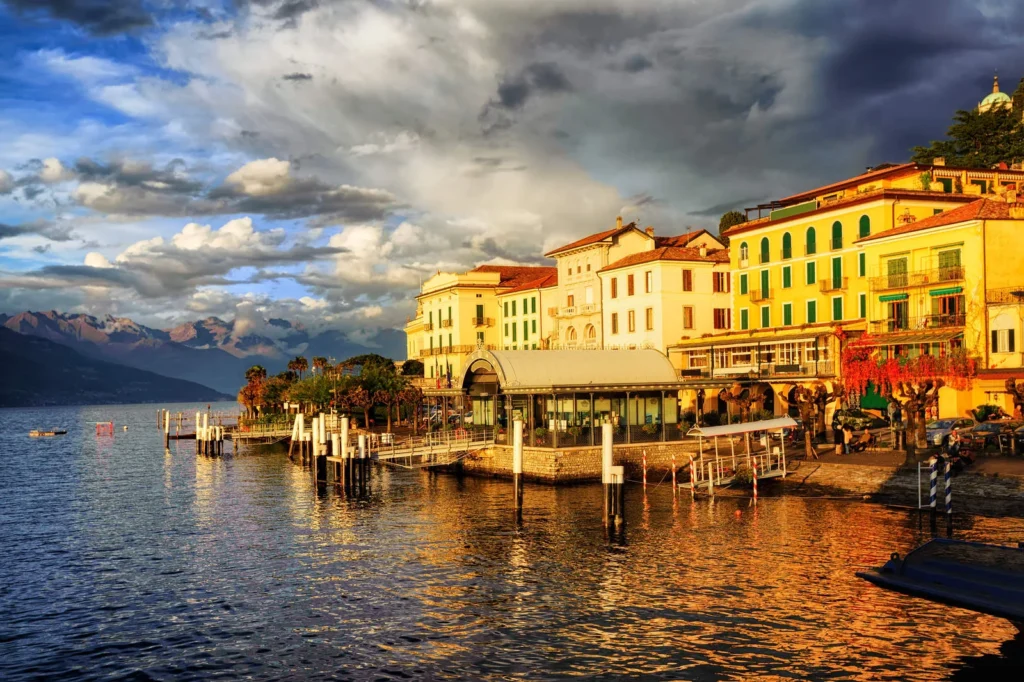
Lake Como works best for couples who value privacy anchored in historic residences rather than resort environments. Many stays take place in restored nineteenth-century villas where boat access replaces road arrivals. Days revolve around private lake transfers, visits to gardens such as Villa del Balbianello before opening hours, and meals prepared by chefs who source directly from small Lombard producers. The experience feels residential rather than touristic.
Santorini, Greece
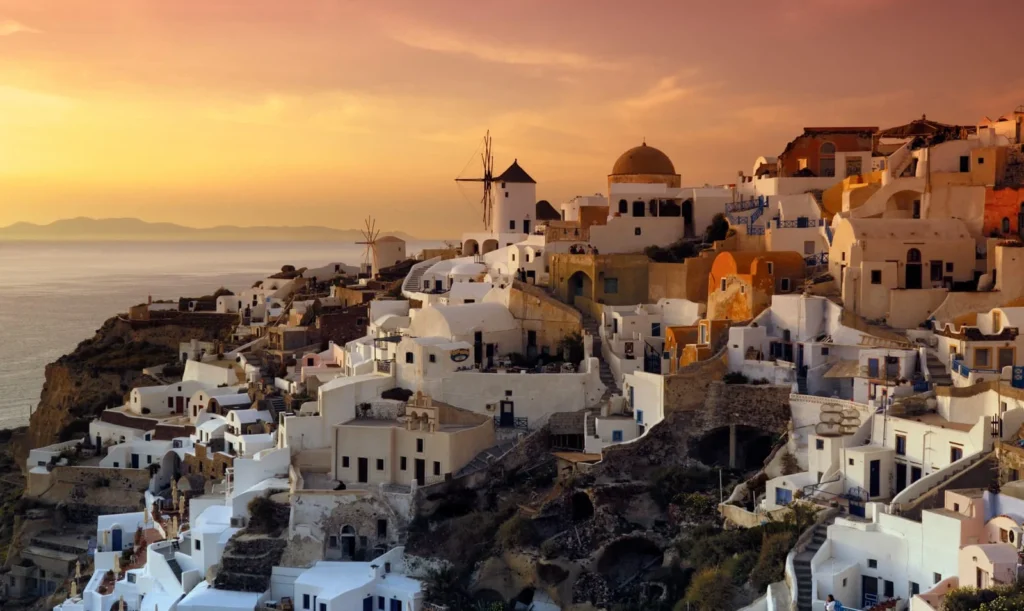
Santorini rewards careful planning beyond the crowded caldera edge. The most successful stays are in Imerovigli or Pyrgos, where architects have restored cave houses into secluded suites with uninterrupted views. Local captains schedule sailing routes that avoid peak-traffic patterns, and volcanic wineries host structured tastings that explain how indigenous grape varieties adapt to mineral soils and wind exposure.
Provence, France
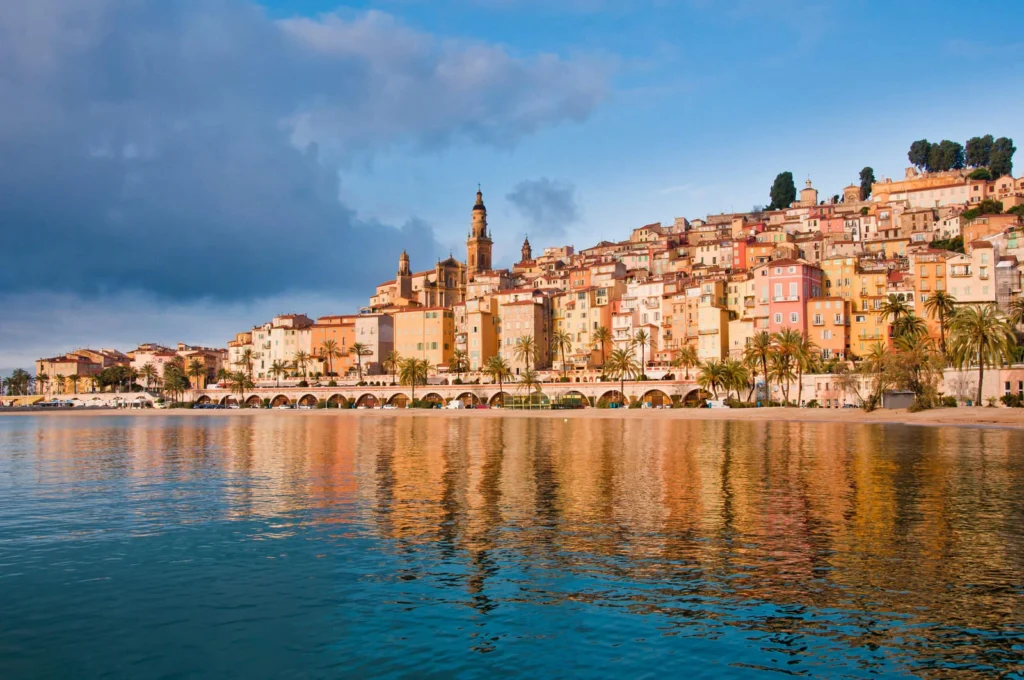
Provence suits couples who prefer living landscapes over curated attractions. The strongest properties operate as working estates that produce olive oil, wine, or lavender, allowing guests to participate in seasonal cycles.
In the Charente–Périgord borderlands, estates such as Château de Lasfonds offer a comparable connection to land and tradition, expressed through quieter landscapes, private-residence-style living, and low tourist density. This alternative suits travelers who value Provence’s spirit of place while seeking a more inward, residential form of luxury.
Mornings may include guided market visits in L’Isle-sur-la-Sorgue, followed by cooking sessions that interpret regional recipes rather than perform them for spectacle.
Vienna, Austria
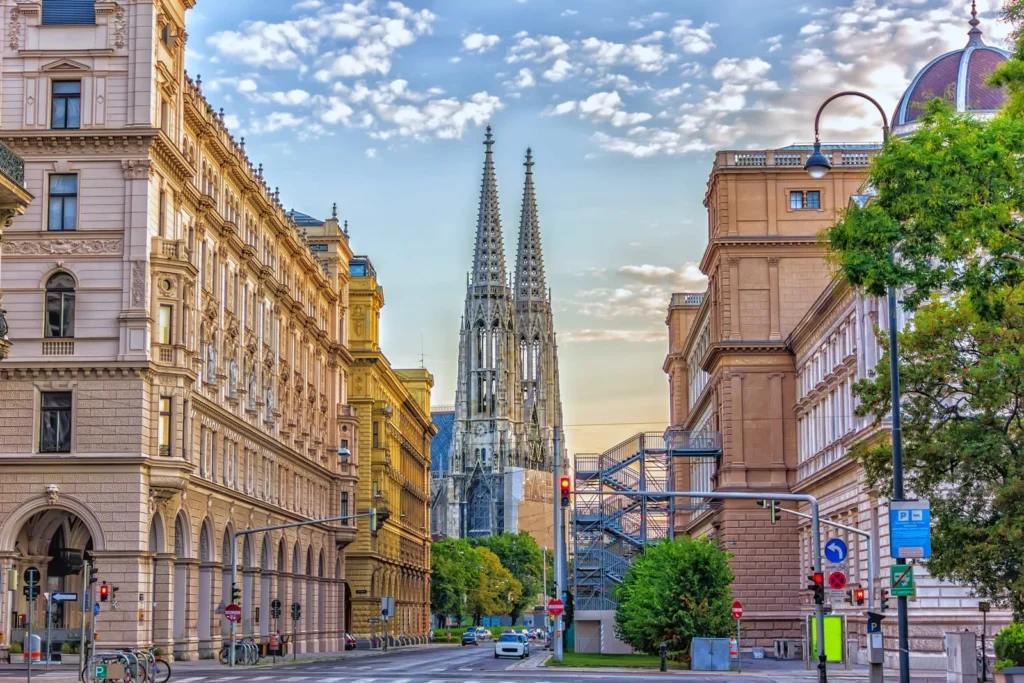
Vienna offers cultural immersion through disciplined access to music and scholarship. Private historians arrange architectural walks that trace Habsburg urban planning, while evening experiences center on reserved seating in smaller concert halls where acoustics were designed for chamber performance.
Hospitality emphasizes continuity, with grand hotels maintaining relationships with artisans who preserve interiors and culinary traditions.
These destinations deliver depth because they are structured around ownership, landscape, and expertise. Couples experience Europe through environments that were not created for visitors yet remain open to those who arrive with curiosity and time.
A Hidden Luxury Region of France: Charente–Périgord Borderlands
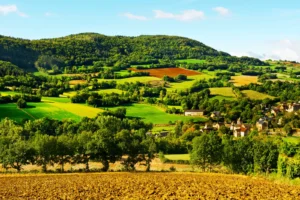
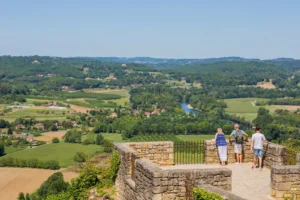
Southwestern France contains one of the country’s most understated luxury regions, situated between the Charente and Périgord. This landscape is defined by rolling countryside, Romanesque villages, ancient forests, and a food culture shaped by truffles, duck, walnuts, and seasonal agriculture.
Unlike Provence or the Riviera, this region has never been built for tourism spectacle. Its appeal lies in discretion, land ownership, and continuity. Estates remain privately held, villages retain local rhythm, and cultural sites are experienced without crowd pressure.
For families and multigenerational travelers seeking space, calm, and authenticity, the Charente–Périgord border represents a form of French luxury rooted in privacy, heritage, and time rather than display.
Luxury European Holidays Perfect for Families
Tuscany, Italy
Tuscany allows families to settle into restored farm estates that operate as self-contained environments rather than hotels. Large villas include agricultural land, which means children observe olive harvesting, bread baking, and vineyard work as part of daily life. Local educators and guides design activities that introduce art history through storytelling grounded in place in Siena and Florence.
Swiss Alpine Regions
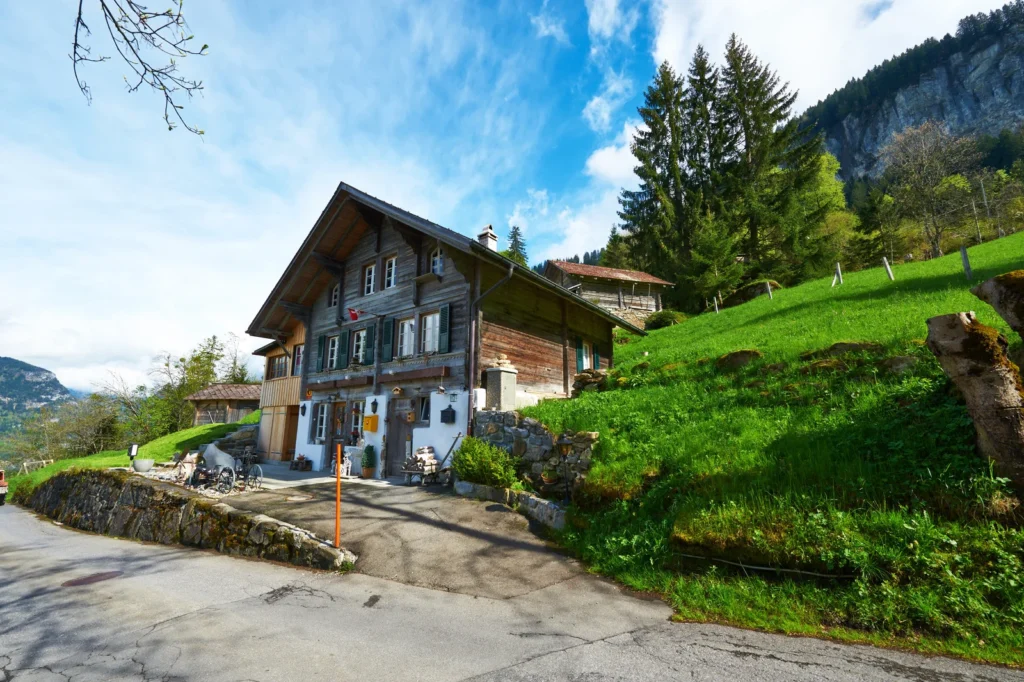
Swiss mountain cantons are exceptionally well-suited for multigenerational travel because their infrastructure supports comfort without reducing access to nature. Families stay in chalets managed by hosts who coordinate hiking routes, lake excursions, and rail journeys calibrated to different age groups. Precision logistics reduces fatigue, which keeps each day structured yet relaxed.
French Riviera, France
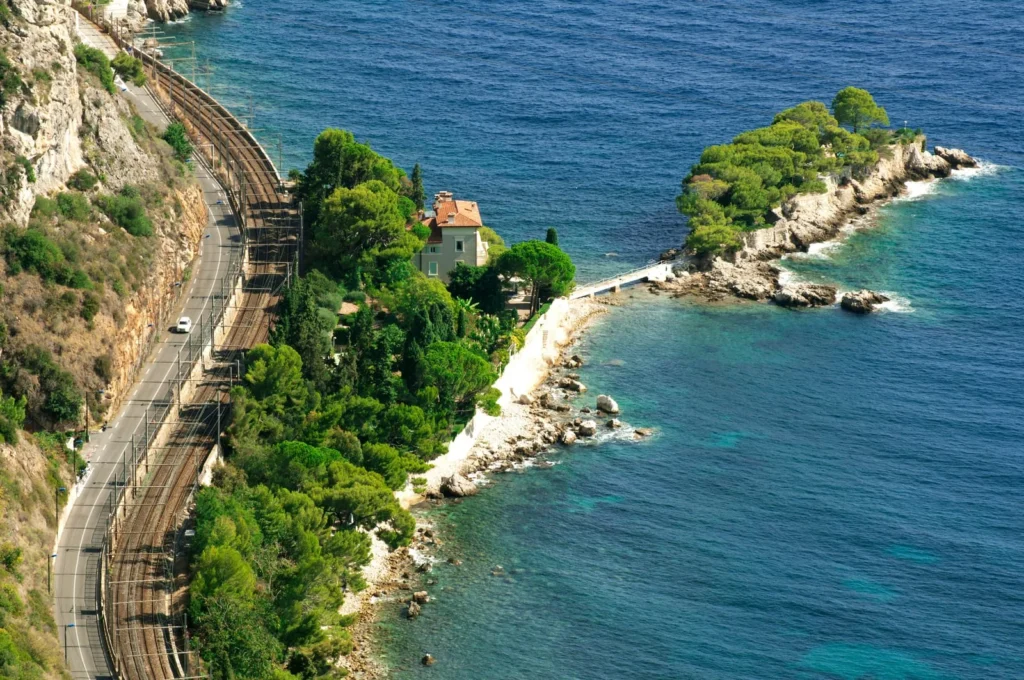
The Riviera offers more than coastal glamour when viewed from the residential neighborhoods above the shoreline. Private villas around Cap Ferrat or Mougins create a base for exploring markets, maritime museums, and sailing routes led by local skippers. Children engage with geography and cuisine in direct ways that feel educational without becoming formal instruction.
Salzburg and the Austrian Lakes
This region balances culture and outdoor movement through a landscape shaped by music heritage and accessible trails. Families combine visits to Salzburg’s historic center with boating on Wolfgangsee and guided nature walks that explain alpine ecology. The setting encourages shared routines that feel restorative rather than scheduled.
These destinations succeed for families because they provide space, rhythm, and educational context, allowing each generation to participate at its own pace while remaining connected to a shared environment.
A Private Estate Experience for Families Seeking Space and Connection
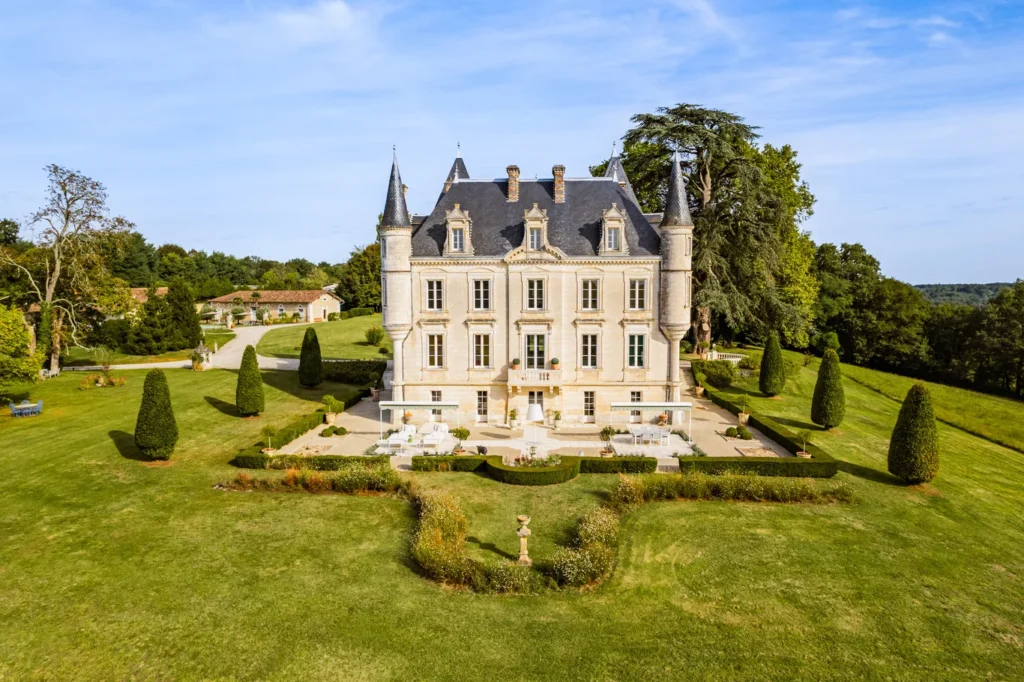
One of the most compelling ways to experience this understated form of French luxury is to stay within a privately held historic estate in the Charente–Périgord region, where land, heritage, and family stewardship define the experience. Château de Lasfonds in southwestern France offers exactly this kind of setting.
It sits in Combiers in southwestern France between Charente and Périgord. The estate covers about 7 hectares of parkland, including forest, lawns, and open countryside. Angoulême is about thirty minutes away with direct high-speed rail access to Paris. The residence was developed in the nineteenth century when the Lasfonds family transformed an earlier hamlet into a château.
Architecture reflects Neo-Gothic and Neo-Renaissance influences with preserved stained glass, staircases, and formal reception rooms. The property accommodates approximately eighteen to twenty guests across the main château and renovated outbuildings. Families can gather in shared salons while maintaining private sleeping quarters. This layout supports multigenerational travel and group stays.
Facilities at Chateau de Lasfonds
Guests have access to a heated outdoor pool, gardens, terraces, and indoor dining spaces. Recreational areas and open grounds allow children and adults to spend time on site without structured scheduling.
Stays operate on an exclusive use basis, so families set their own rhythm. Private chefs, guides, and local services can be arranged. Markets, villages, and nearby vineyards provide direct access to regional food traditions.
Regional Access
The château provides a base for exploring Romanesque churches, historic towns, and agricultural producers known for truffles, wine, and seasonal products. Activities include walking, cycling, and cultural visits within a short driving radius.
Château de Lasfonds offers a residential-style stay for families who value space, heritage, and shared experiences in the French countryside.
Book Now to reserve your private stay and begin planning your time at Château de Lasfonds.
Types of Luxury Experiences That Define European Travel
Private Cultural Access
True luxury in Europe often involves entry into places that continue to function beyond tourism. Scholars, conservators, and estate owners open archives, workshops, and restoration spaces to small groups by appointment. Guests may observe fresco conservation in progress or study manuscripts with specialists who explain context rather than deliver rehearsed commentary.
Culinary Immersion Rooted in Region
Food experiences gain depth when structured around supply chains rather than around restaurant reservations. Travelers visit fisheries at dawn, meet affineurs aging regional cheeses, and participate in harvest schedules that dictate menus. Meals reflect what the land provides that week, which creates an understanding of geography through taste.
Residential Style Hospitality
Many high-end stays operate as private houses with service teams rather than conventional hotels. Guests return each afternoon to familiar spaces, curated libraries, and kitchens that adjust to personal routines. This model encourages travelers to inhabit a destination rather than circulate through it.
Scenic Transportation as Experience
Movement across Europe can become part of the narrative when designed intentionally. Panoramic trains across Switzerland, chauffeured drives through Rioja vineyards, or small vessel transfers along the Dalmatian coast reveal landscapes gradually. Travel time turns into observation rather than transition.
Craft Encounters with Living Artisans
Europe retains networks of makers whose work supports architecture, music, and design traditions. Visits to violin workshops in Cremona or textile studios in Lyon introduce processes that sustain cultural identity. These meetings create appreciation for skills that continue across generations.
These experiences distinguish European travel by connecting visitors to functioning systems of culture, production, and knowledge rather than presenting staged attractions.
Planning Toolkit: Packing Lists, a 12-Month Booking Calendar, and Decision Flowcharts
Packing Lists
Couples (luxury + mobility + style)
Essentials: passport + backup ID, one “smart casual” outfit adaptable across restaurants, athletic layers for walking/hiking, compact rain shell, comfortable evening shoes, universal adapter, small day bag compatible with museums.
Luxury upgrades: noise-canceling headphones (rail/air), a small foldable tote for local purchases (aligned with the “intentional shopping” trend), and a lightweight garment steamer for multi-city trips.
Families (2 adults + kids)
Essentials: copies of passports, child meds + prescriptions, familiar snacks for transfer days, a lightweight stroller (if under ~4), swim gear (even for winter trips if hotel pools), and a dedicated “activity pouch” for flights/rail.
Luxury upgrades: a written childcare/meal routine sheet (for nanny/kids club handoff), and a compact first-aid kit designed for day trips. (Health preparation aligns with CDC pre-travel guidance.)
Twelve-Month Booking Timeline
This timeline assumes peak-season or limited-inventory components (top villas, yacht weeks, festive ski weeks, luxury rail suites). If you’re booking shoulder season and staying in hotels, compress by 2–4 months.
Emerging Trends in Luxury European Travel
Longer Stays in Fewer Places
Travelers increasingly choose extended residence in one region instead of rapid multi city circuits. This shift allows deeper familiarity with local routines, from weekly markets to seasonal agricultural work. Properties now design programs that support this slower rhythm through workshops, guided study, and repeated interaction with hosts.
Sustainability Rooted in Practice Rather Than Messaging
High end travel now evaluates how estates manage land, water, and production rather than relying on surface-level environmental claims. Vineyards transition to organic cultivation, historic houses invest in restoration using regional materials, and kitchens prioritize traceable sourcing. Guests participate in these systems through visits that explain methods and long-term stewardship.
Multigenerational Travel With Shared Purpose
Families travel together with an emphasis on learning rather than simple leisure. Itineraries include historians, naturalists, and artisans who adapt discussions to different age groups. This structure allows grandparents, parents, and children to engage with the same setting through perspectives suited to each generation.
Integration of Scholarship Into Leisure Travel
Cultural institutions increasingly collaborate with travel planners to create study-oriented encounters. Guests attend private lectures, archive viewings, and rehearsals connected to music or art seasons. Travel becomes an educational experience shaped by direct dialogue with experts.
These trends reflect a broader desire for travel that carries meaning, continuity, and responsible engagement with place.
Sample Luxury Itineraries for Inspiration
Cultural Immersion Across France and Italy Over Ten Days
The journey begins in Paris with prearranged entry to major museums during closed hours, guided by curators who focus on interpretation rather than overview. Travelers stay in a historic residence on the Right Bank, which allows walking access to galleries, bookshops, and longstanding cafés.
The itinerary then moves to Lake Como by rail, where private boat transfers connect small towns and villas inaccessible by road.
The final days unfold in Florence with scheduled visits to conservation laboratories, textile archives, and family-owned workshops that sustain Renaissance-era methods within modern production.
Alpine and Rural Continuity for Families Across Twelve Days
Arrival in Zurich transitions directly into Switzerland’s interior using panoramic rail designed to reveal the topography gradually. Families settle into a chalet managed by hosts who coordinate mountain guides, lake ecology walks, and regional food education tailored to different ages.
Travel continues into Tuscany, where a restored agricultural estate serves as a base for daily life. Guests participate in olive cultivation, learn regional cooking from resident chefs, and explore nearby towns accompanied by historians who connect architecture to political and economic history.
Mediterranean Route Linking Spain, France, and Southern Italy Over Fourteen Days
The program opens in Barcelona with architectural specialists who interpret urban planning and craftsmanship associated with Catalan modernism.
Movement along the Riviera follows coastal roads chosen for historical relevance rather than speed, with stays in residential enclaves above the shoreline to maintain privacy.
The journey concludes on the Amalfi Coast in a former monastery adapted for hospitality, where access to terraced agriculture, small maritime communities, and local archives reveals how geography shaped trade, cuisine, and settlement patterns.
Each itinerary emphasizes continuity of place, informed guidance, and residence-based travel so that movement across Europe feels intellectually and culturally connected rather than episodic.
FAQs about Luxury Holidays in Europe
How far in advance should you book luxury holidays in Europe to secure private estates and exclusive experiences?
Book luxury holidays in Europe at least six to nine months ahead to secure the most sought-after estates and guides. Early planning allows thoughtful itinerary design and access to properties that limit availability to preserve privacy.
What are the advantages of choosing shoulder season luxury travel in Europe instead of peak summer months?
Choosing shoulder-season luxury travel in Europe offers calmer environments, better availability of guides, and more flexible reservations. Travelers experience destinations at a natural pace while enjoying mild weather, active cultural calendars, and more attentive local service.
How do private guides enhance a custom European luxury itinerary compared to standard touring?
Private guides elevate a custom European luxury itinerary through interpretation shaped by academic knowledge and regional relationships. Their insight transforms visits into conversations with place, helping travelers understand context, traditions, and stories often missed during independent exploration.
What should families consider when selecting multigenerational luxury travel accommodations in Europe?
When selecting multigenerational luxury travel accommodations in Europe, families should prioritize space, accessibility, and shared living areas. Residences with gardens, flexible dining, and nearby cultural activities allow each generation to participate comfortably without feeling rushed or separated.
How can travelers balance cultural depth and relaxation during a bespoke European vacation?
A successful bespoke European vacation balances guided experiences with unstructured time for rest and discovery. Alternating expert-led visits with personal exploration prevents fatigue and allows travelers to absorb atmosphere, cuisine, and landscape in a more meaningful way.
What transportation options are best for a seamless high end Europe travel experience between regions?
For a seamless high end Europe travel experience, combine rail journeys, private drivers, and walkable locations to reduce logistical strain. Thoughtful transportation planning protects energy and ensures each arrival feels smooth, allowing travelers to remain focused on enjoyment.
How do culinary experiences shape authentic luxury cultural travel in Europe?
Cuisine plays a central role in luxury cultural travel in Europe because food reflects geography, history, and identity. Market visits, tastings, and seasonal menus connect travelers directly with producers, creating understanding through flavor rather than observation alone.
What role does sustainability play in planning responsible luxury travel in Europe today?
Sustainability now shapes responsible luxury travel in Europe through conservation, local sourcing, and restoration of historic properties. Travelers support regional economies while engaging with landscapes carefully managed for future generations, which adds purpose to comfort and enjoyment.
How can couples design a romantic luxury Europe itinerary that avoids crowded destinations?
Designing a romantic luxury European itinerary begins with choosing fewer destinations and prioritizing atmosphere over landmarks. Intimate hotels, scenic walks, and private experiences create space for connection, allowing couples to share moments that feel personal and unhurried.
What services are typically included in a fully curated luxury European holiday package?
A curated luxury European holiday package typically includes accommodation, transfers, expert guides, and prearranged experiences tailored to personal interests. This integrated approach simplifies logistics while maintaining flexibility, so travelers enjoy continuity without managing complex arrangements themselves.