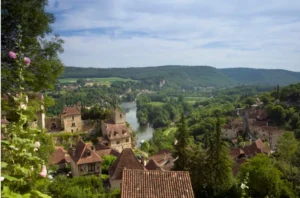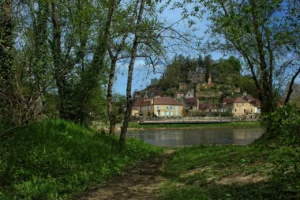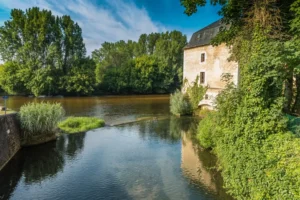
Most people plan a trip to France around destinations. Far fewer think carefully about the place where they will actually spend their mornings, evenings, and quiet hours. That choice often shapes the entire experience. The best unusual places to stay in France create a stronger connection to the landscape, local culture, food, and pace of life. A countryside estate feels different from a city hotel. A vineyard stay creates a different rhythm from a coastal apartment. A restored mill changes how you experience a region.
France offers thousands of accommodation options beyond standard hotels. Some sit inside centuries-old estates. Others operate on working farms. Some occupy former monasteries, mills, or vineyard properties.
Many guests leave these stays remembering the accommodation more vividly than the attractions themselves. France also maintains strong traditions of farm stays, rural guesthouses, château accommodation, and countryside rentals, making the country particularly rich in distinctive lodging experiences.
1. Private Château Estates With Full Grounds
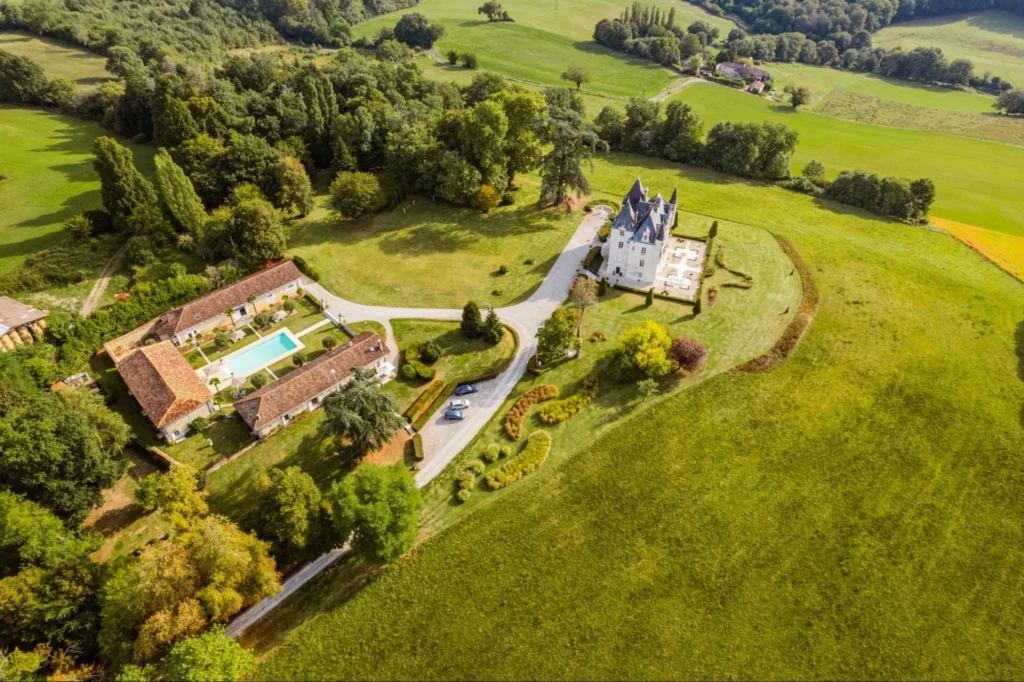
When travelers imagine France, they often picture stone towers, long tree-lined drives, and formal gardens. A private château delivers exactly that atmosphere.
A true château experience offers something many luxury hotels cannot provide. Space becomes part of the stay. Guests often gain access to forests, lakes, gardens, private dining rooms, and historic architecture. Some properties occupy buildings that date back several centuries. Others combine original structures with carefully updated interiors.
This type of accommodation works particularly well for families, creative retreats, milestone celebrations, and longer countryside stays.
Before booking, ask about:
- Heating during colder months
- Private versus shared grounds
- Pool access
- House staff availability
- Distance from grocery stores and restaurants
Many travelers searching for special places to stay in France discover that château stays deliver far more privacy than luxury hotels.
2. Vineyard Properties in Provence and Bordeaux
A vineyard stay changes the pace of travel.
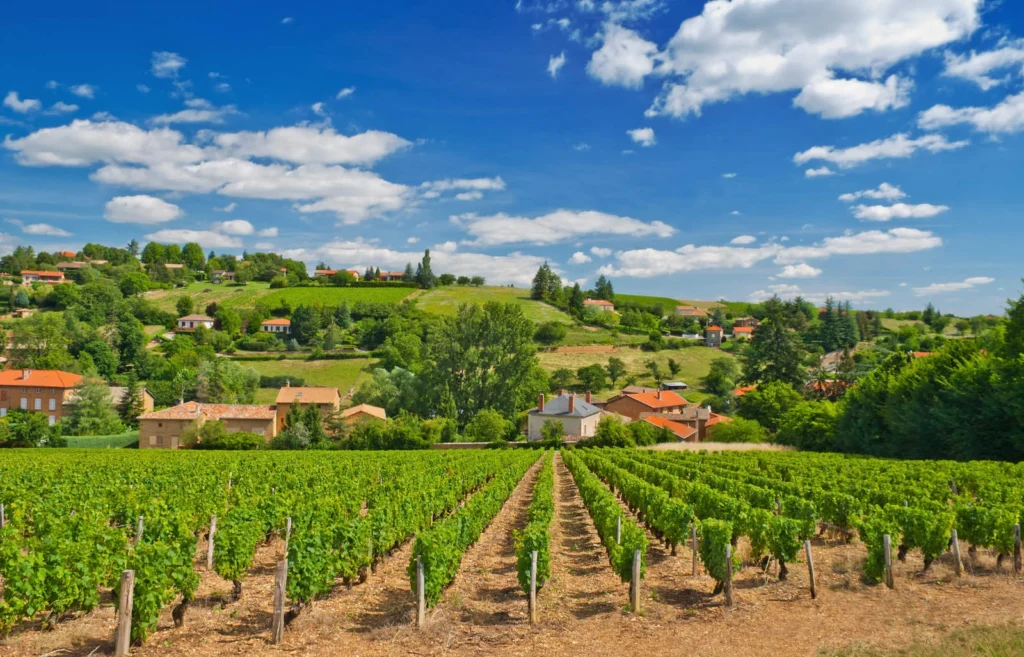
Instead of rushing through wine regions, guests wake up inside them. Morning walks often pass through working vines. Many estates offer tastings, cellar visits, and local dining experiences.
Some vineyard accommodations operate as boutique guesthouses. Others sit within larger estates with pools, gardens, and agricultural land. Provence and Bordeaux remain the strongest regions for this style of accommodation.
Guests should ask about the harvest season activity. During harvest periods, vineyards become much busier. Some travelers love that energy. Others prefer quieter months.
3. Farmhouse Gîtes in Rural Villages
Many visitors overlook one of France’s most authentic accommodation categories.
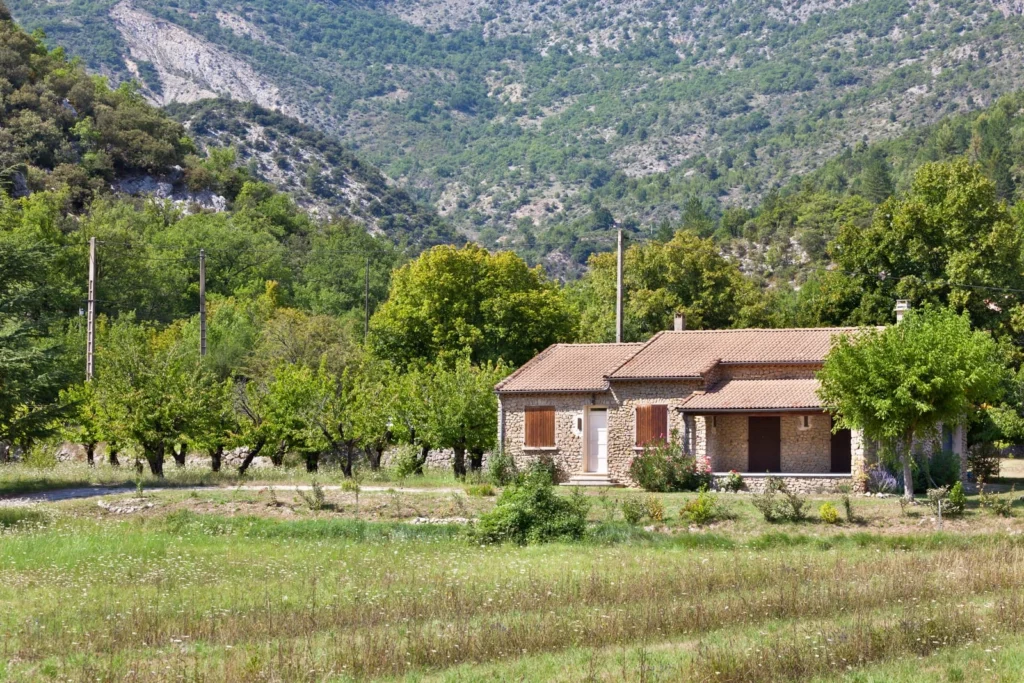
Traditional farmhouse gîtes often sit inside converted agricultural buildings. Owners frequently live nearby and provide local advice that guidebooks rarely include.
These properties work well for travelers who want:
- Local markets instead of tourist centers
- Village life
- Self-catering flexibility
- Lower accommodation costs
- Longer stays
Farm stays remain deeply rooted in French rural tourism. Many properties still operate active farms while welcoming guests.
For travelers seeking unique places to stay in France, farmhouse gîtes often provide stronger cultural immersion than larger resorts.
4. Restored Water Mills
Converted mills create a setting that feels distinctly French.
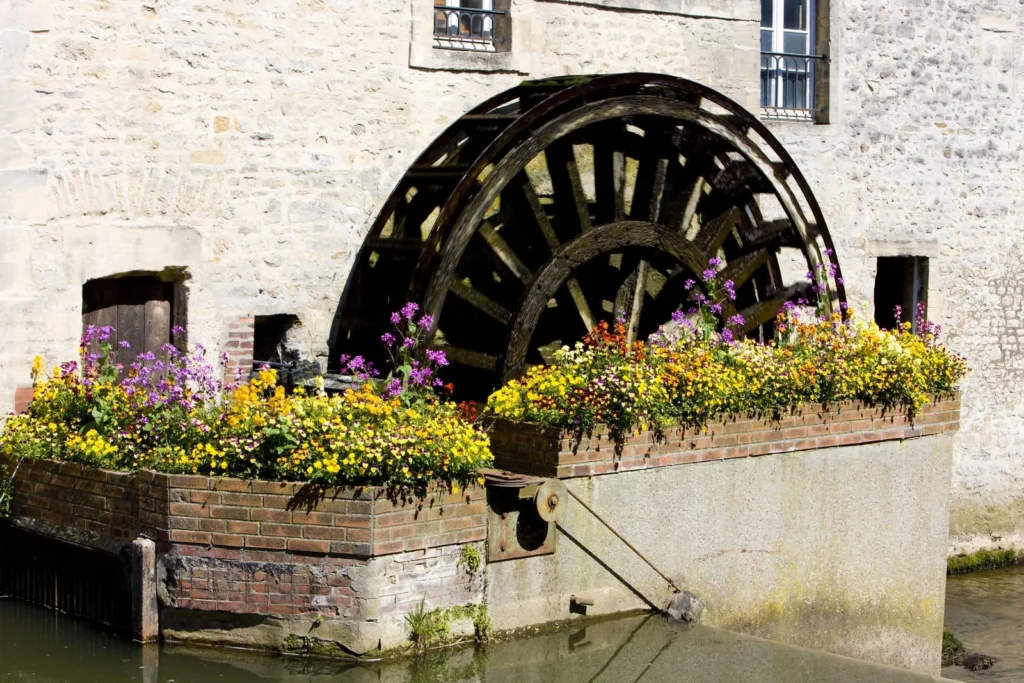
Many are located along riversides, with stone bridges, gardens, and flowing water nearby. Some retain original mill machinery as architectural features.
These properties often appear in regions such as Dordogne, Nouvelle Aquitaine, and parts of Normandy.
The atmosphere suits travelers who value quiet surroundings. Water naturally softens the environment and creates a stronger sense of separation from busy tourist areas.
Ask owners about:
- River access
- Seasonal water levels
- Mosquito activity
- Noise from nearby roads
Small details like these can significantly affect the experience.
5. Historic Manor Houses
Not every heritage property operates as a château.
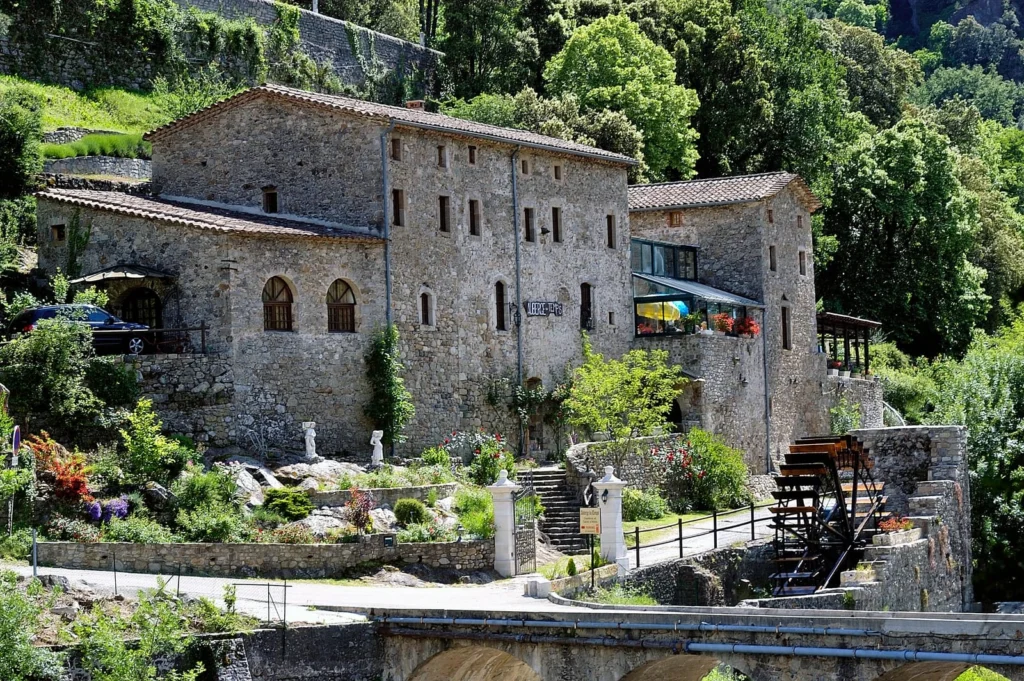
Across France, many former manor houses now function as guest accommodations. These buildings often feel more intimate than large estates while preserving architectural character.
Guests frequently find:
- Original fireplaces
- Stone staircases
- Antique furniture
- Formal gardens
- Family-owned hospitality
Many travelers searching for romantic places to stay in France prefer manor houses because they feel more personal than grand hotels.
The strongest options usually maintain historic charm without turning the property into a museum.
6. Treehouses in Forest Regions
Treehouse accommodation has evolved dramatically during the last decade.
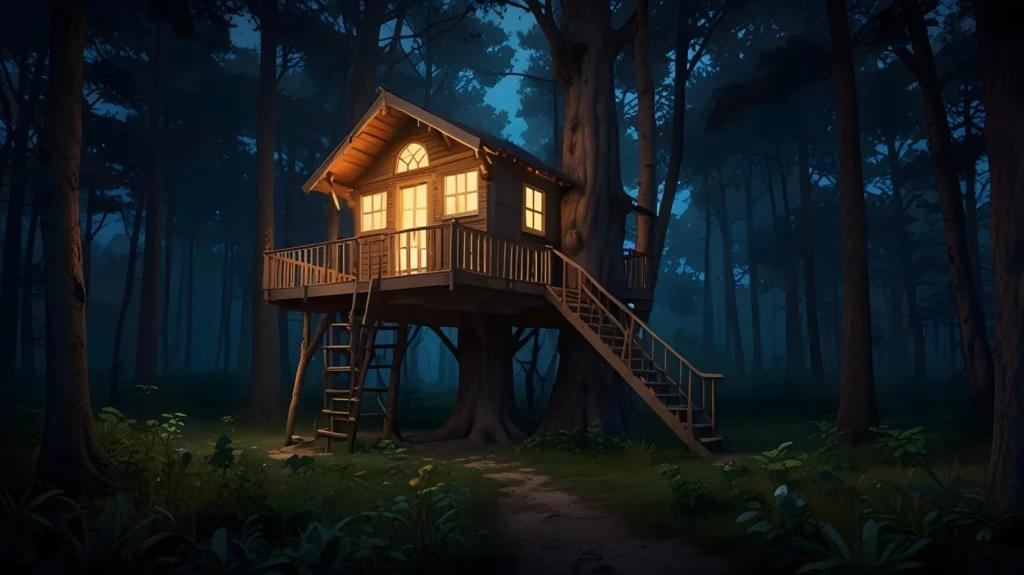
Modern French treehouses often include private terraces, heating, bathrooms, and high quality interiors. Some sit surprisingly high above the forest floor.
Several operators place treehouses within protected woodland areas, creating a stronger connection with nature than standard countryside accommodation.
Guests should check:
- Access routes
- Bathroom location
- Heating systems
- Age restrictions
- Seasonal closures
A treehouse can easily become one of the most memorable cool places to stay in France when comfort standards remain high.
7. Converted Monasteries and Priories
France contains thousands of religious buildings with centuries of history.
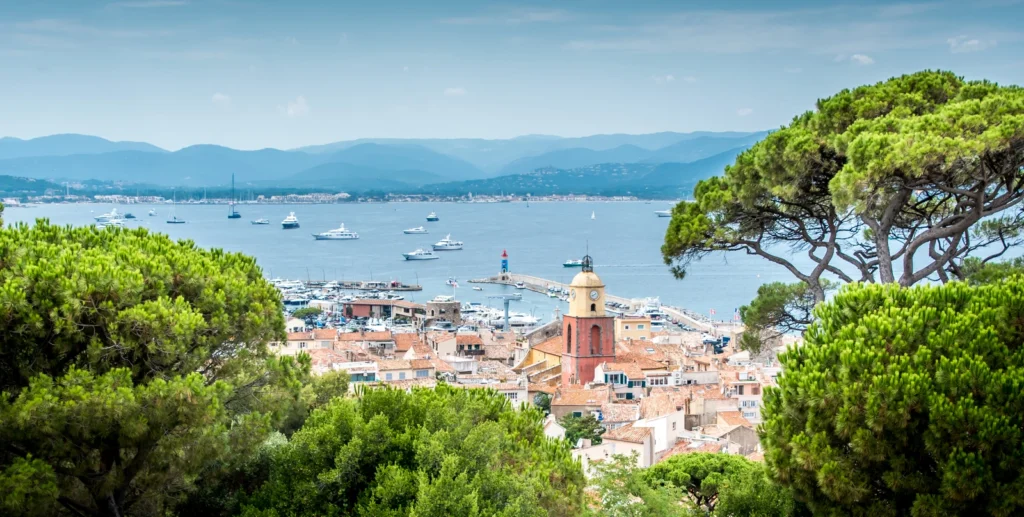
Some former monasteries now welcome guests through carefully restored accommodation projects. The atmosphere differs noticeably from standard hospitality settings.
These properties often feature:
- Large stone courtyards
- Thick walls
- Gardens
- Historic chapels
- Quiet surroundings
Many travelers appreciate the calm environment. The architecture encourages slower travel and longer evenings.
8. Houseboats on Rivers and Canals
France’s canal network creates accommodation opportunities that many visitors never consider.
Houseboats appear in locations such as Nantes, Burgundy, and the Canal du Midi regions. Some remain permanently moored. Others allow limited navigation.
Guests gain a different perspective on local life. Markets, riverside cafés, and village centers often sit within walking distance.
Important questions include:
- Boat movement
- Parking availability
- Air conditioning
- Water tank capacity
- Access stairs
These practical details matter more on boats than in traditional properties.
9. Mountain Chalets in Lesser-Known Alpine Areas
Many travelers associate French mountain stays with ski resorts.
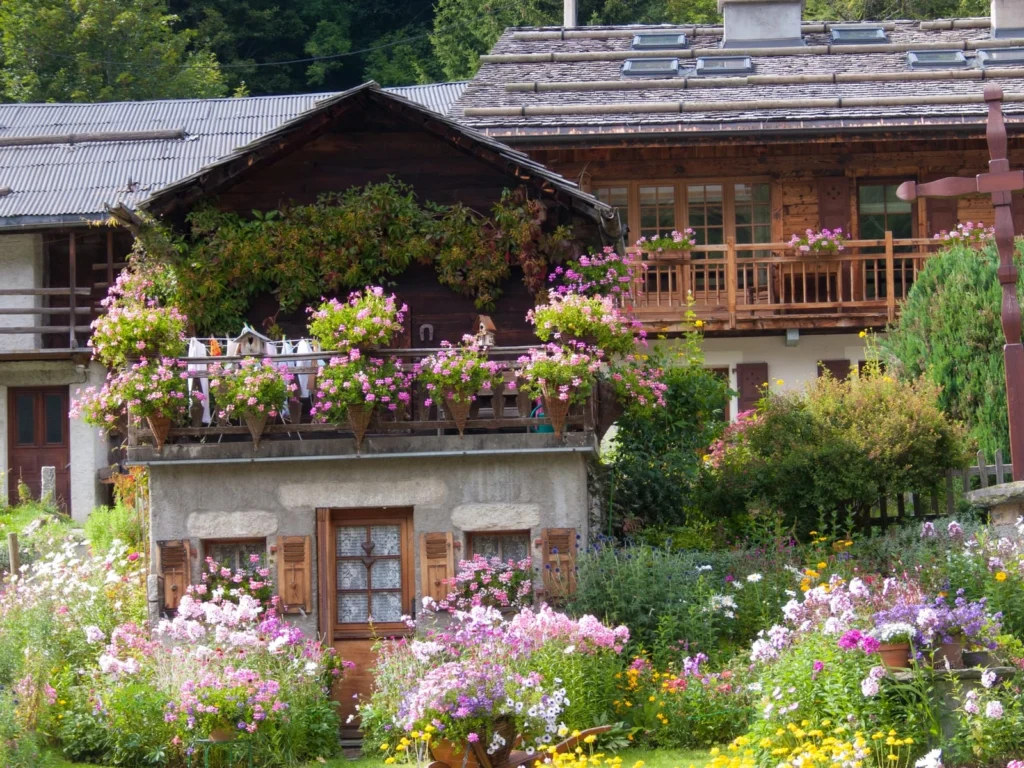
Smaller alpine villages often provide a richer experience. Traditional chalets deliver privacy, scenery, and direct access to hiking routes without resort crowds.
Several regions maintain a strong year-round appeal.
Summer visitors benefit from:
- Cooler temperatures
- Local markets
- Walking trails
- Mountain lakes
- Reduced accommodation costs
This category deserves more attention among travelers researching special places to stay in France.
10. Coastal Guesthouses Near Fishing Villages
France’s coastline extends far beyond famous Riviera destinations.
Smaller fishing communities often contain distinctive guesthouses that reflect local maritime culture. Interiors frequently incorporate regional materials, fishing heritage, and coastal architecture.
These stays work particularly well for travelers who want:
- Seafood restaurants
- Walkable village centers
- Slower evenings
- Less commercial tourism
Many guests find these properties more memorable than large beach resorts.
11. Bubble Domes and Nature Lodges
Bubble accommodation continues growing across France.
The appeal comes from direct views of the landscape and night sky. Many operators position domes in remote countryside settings away from urban light pollution.
Comfort standards vary significantly.
Review:
- Bathroom privacy
- Climate control
- Seasonal operation
- Weather exposure
- Nearby facilities
The strongest properties combine novelty with genuine comfort.
12. Large Countryside Estates for Group Travel
Group accommodation often becomes frustrating when travelers book multiple hotel rooms.
A countryside estate creates a completely different dynamic.
Many French estates include:
- Multiple bedrooms
- Private pools
- Outdoor dining spaces
- Event facilities
- Large gardens
These properties work well for reunions, birthdays, weddings, and multigenerational travel. France contains a particularly strong inventory of heritage estates designed for larger groups.
Travelers looking for romantic places to stay in France sometimes overlook these estates, yet couples traveling with friends often enjoy them more than isolated hotel suites.
The Amenities Checklist Most Travelers Forget
Accommodation photos rarely reveal the details that affect comfort.
Always ask for an amenities checklist before confirming a reservation.
Important questions include:
- Air conditioning availability
- Heating quality
- Pool season dates
- WiFi reliability
- Grocery store distance
- Parking access
- Laundry facilities
- Kitchen equipment
- Accessibility features
- Check in flexibility
Many countryside properties sit far from services. A beautiful setting cannot compensate for poor planning.
How to Choose the Right Unusual Stay
- The best accommodation depends on how you want to experience France.
- Travelers focused on food often enjoy vineyard properties and farm stays.
- History lovers usually gravitate toward historic stays and château accommodation.
- Couples frequently choose manor houses, vineyard estates, and private countryside retreats.
- Families often prefer larger estate stays or farmhouse gîtes with outdoor space.
The strongest bookings occur when travelers match the accommodation to the trip’s purpose rather than choosing purely based on photographs.
A memorable French trip rarely comes from the most expensive room. It usually comes from staying somewhere that reflects the region’s character.
Stay at Château de Lasfonds
Château de Lasfonds is a practical choice for travelers who want a private countryside base instead of separate hotel rooms. The property suits families, couples traveling together, small celebrations, and relaxed group stays in South West France.
Guests can use the château as a place to settle in, share meals, and explore the Dordogne and Charente area at a slower pace. The setting works best for travelers who value space, privacy, outdoor areas, and easy access to local experiences.
Before booking, check the guest capacity, bedroom layout, pool season, kitchen access, transport plans, and available services. These details help you choose the right stay for your group and avoid last-minute planning issues.
Visit Château de Lasfonds to review the rooms, availability, and booking conditions before adding it to your itinerary in France.
FAQs
What is the best region in France for unusual places to stay without long transfers?
The Loire Valley works well for shorter transfers because it combines château stays, villages, vineyards, and rail access from Paris. Provence and Dordogne offer a stronger sense of countryside character, but usually require more driving.
Are unusual places to stay in France suitable for a first trip?
Yes, unusual places to stay in France can suit first-time visitors if the location remains practical. Choose properties near villages, restaurants, and transport links before moving into remote countryside stays.
How early should you book unique places to stay in France for the summer?
Book unique places to stay in France six to nine months ahead for July and August. Small château stays, treehouses, and vineyard properties often have limited rooms, so availability disappears faster than hotels.
Are château stays or farmhouse gîtes better for families?
Farmhouse gîtes usually work better for families needing kitchens, laundry, and relaxed routines. Château suits larger groups, celebrations, and guests who want more formal shared spaces and a historic atmosphere.
What should couples check before booking romantic places to stay in France?
Couples should check privacy, dinner options, bathroom layout, heating, parking, and nearby restaurants. A beautiful room can feel less romantic if meals, noise, or transport create daily planning stress.
Can you find cool places to stay in France near train stations?
Yes, cool places to stay in France are available near train-connected towns, though the most secluded stays often require a car. Look near Amboise, Avignon, Beaune, Sarlat, Colmar, and Saint-Malo.
Do special places to stay in France usually include breakfast?
Breakfast depends on the accommodation type. Chambres d’hôtes usually include it, while self catering gîtes usually do not. Always check meal terms before booking, especially in rural areas with limited restaurants.
Are historic stays in France good for winter travel?
Historic stays can work well in winter if heating is strong and shared rooms stay comfortable. Ask about insulation, fireplaces, heating costs, restaurant closures, and road access before booking older countryside properties.
What hidden costs should travelers check before booking estate stays in France?
Check cleaning fees, tourist tax, heating charges, security deposits, pool heating, linen costs, extra guest fees, and late arrival charges. These costs can change the final value of the estate.
Are unusual stays in France becoming more popular with slow travelers?
Yes, unusual stays are becoming more relevant as travelers seek slower trips, private space, regional food, and stronger local character. This trend supports farm stays, château rentals, vineyard homes, and nature lodges.