France’s château stay market has become more nuanced as travelers look beyond standard hotels and anonymous rentals. A chateau bed-and-breakfast in France appeals to guests who want heritage, breakfast, local hospitality, and a sense of place. Yet it comes with practical boundaries that matter before booking.
A château B&B usually refers to a hosted room within a larger historic property. You gain character, local guidance, breakfast, and selected shared spaces. You do not usually gain full control of the house, grounds, kitchen, schedule, or guest flow. That difference shapes the entire stay.
This guide explains what to expect from a chateau bed-and-breakfast in France, how it differs from an exclusive-use château rental, and which format best suits couples, families, retreats, and private celebrations.
What a Chateau Bed and Breakfast in France Actually Means
A chateau bed and breakfast in France usually follows the spirit of a French chambre d’hôtes. Guests book individual bedrooms, receive breakfast, and stay in a hosted property. The château setting adds architecture, atmosphere, grounds, and a stronger sense of heritage than a typical French bed and breakfast.
This format works best when you want a refined base rather than a private estate. You arrive as a guest at someone’s property, so the experience depends heavily on the host’s style, house rules, layout, and level of service.
The Hosted Stay Is the Main Difference
A hosted stay defines the château B&B model. The owner, manager, or house team usually handles arrival, breakfast, local suggestions, and guest questions. That personal presence can add warmth and context, especially in rural France, where local knowledge matters.
At the same time, hosted does not mean hotel-style service. Many properties have set arrival times, quiet hours, breakfast windows, and limited staffing. Guests should read the practical details before booking.
The Château Setting Adds Character
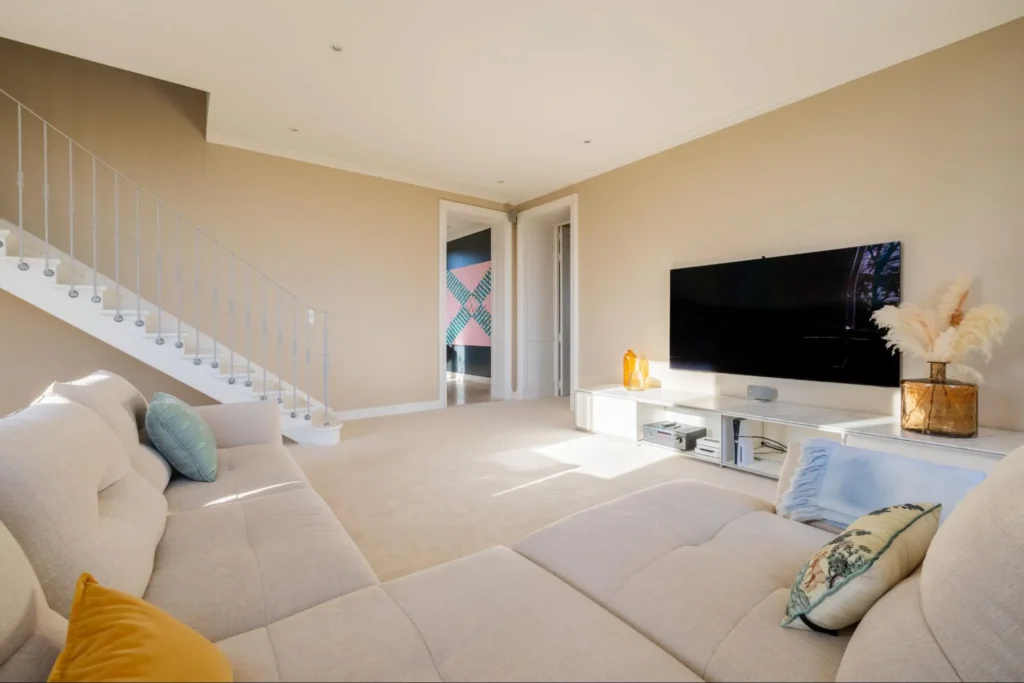
A château may offer high ceilings, period rooms, old staircases, garden views, and a sense of history. Yet the word château does not automatically mean five-star hotel operations.
Some properties feel polished and service-led. Others feel intimate, family-run, and slower paced. This is why a bed-and-breakfast in a château in France needs careful comparison. The building may be grand, but the booking model still centers on room-based accommodation.
What Guests Can Expect During a Château B&B Stay

A château B&B usually feels calm, personal, and more curated than a standard guesthouse. You can expect breakfast, a bedroom, linens, host contact, and access to selected common areas. The exact experience depends on the property, so small details can make a real difference in booking value.
For travelers comparing chateau bed-and-breakfast options in France, the best listings explain room access, bathroom setup, breakfast style, parking, arrival process, and use of gardens or lounges.
Rooms, Bathrooms, and Daily Comfort
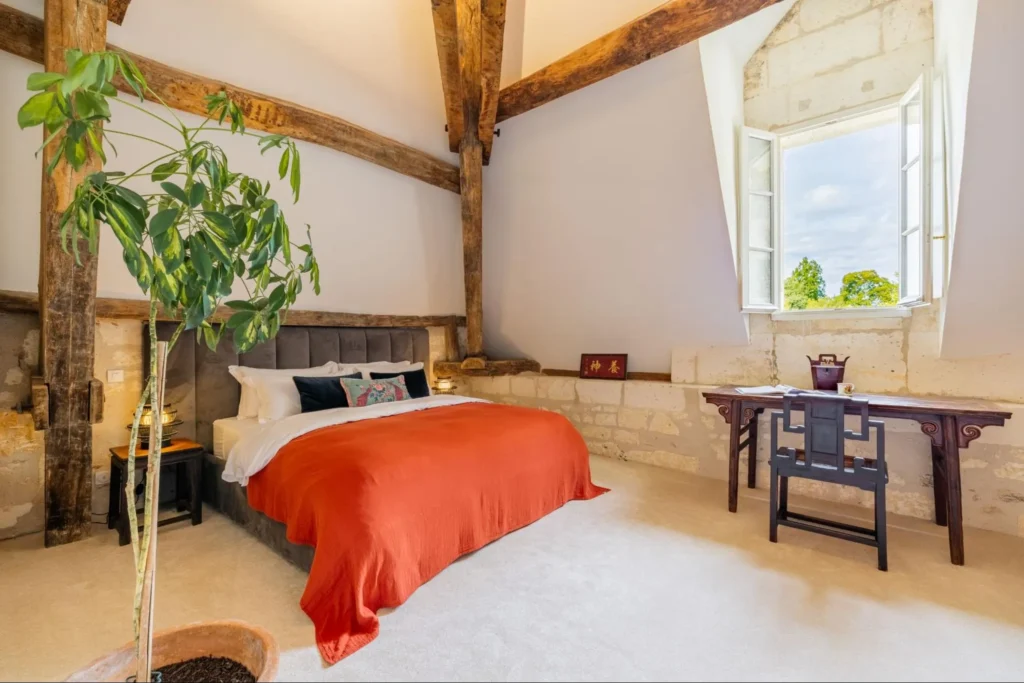
Most château B&Bs sell rooms individually. Some rooms include private bathrooms, while older properties can have layouts shaped by historic architecture. Stairs, uneven floors, thick walls, and limited access to lifts can affect comfort.
Guests should check bed size, air conditioning, heating, WiFi quality, bathroom privacy, and sound transfer between rooms. A beautiful château can still feel inconvenient if practical details do not match the trip.
Breakfast Service Sets the Rhythm
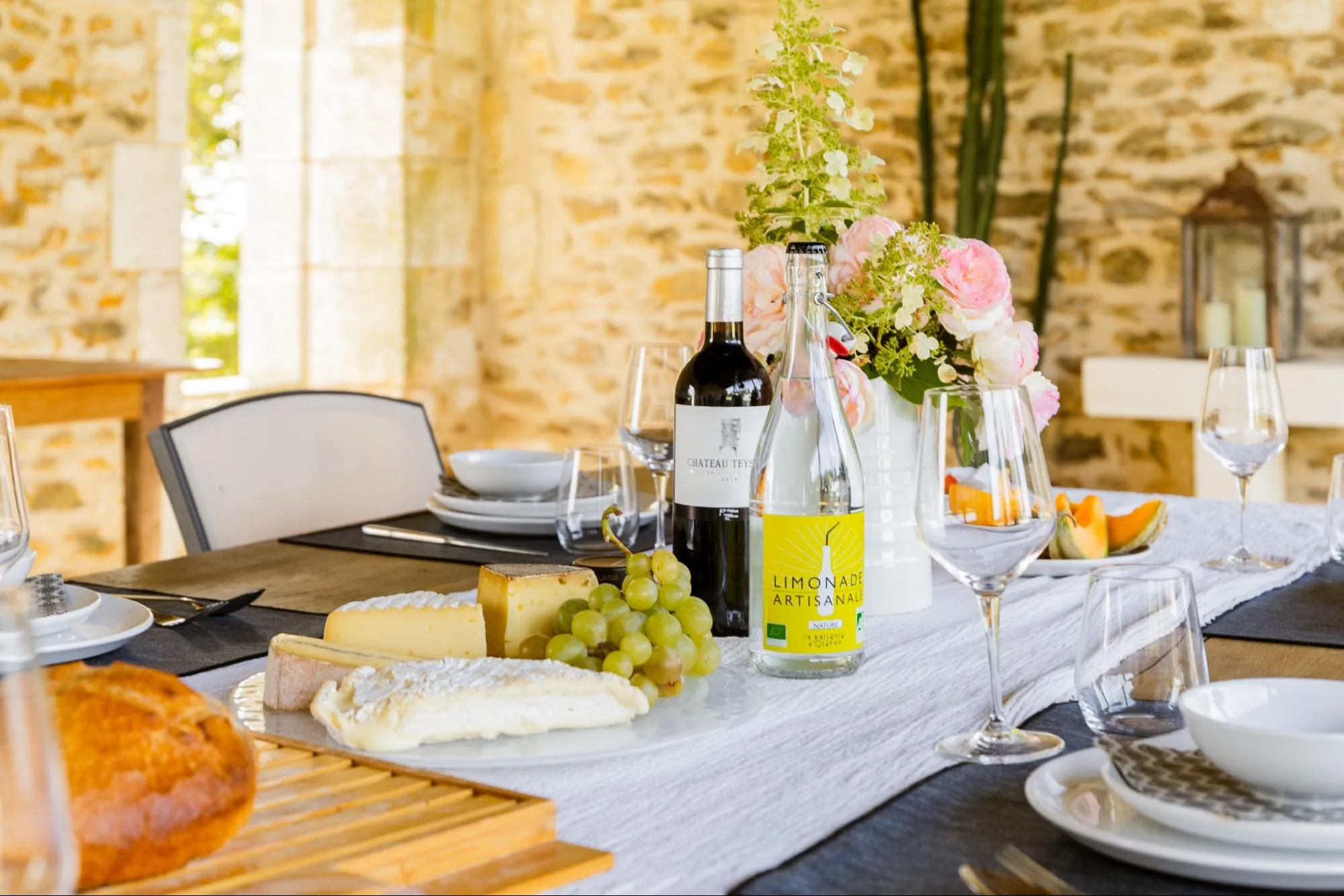
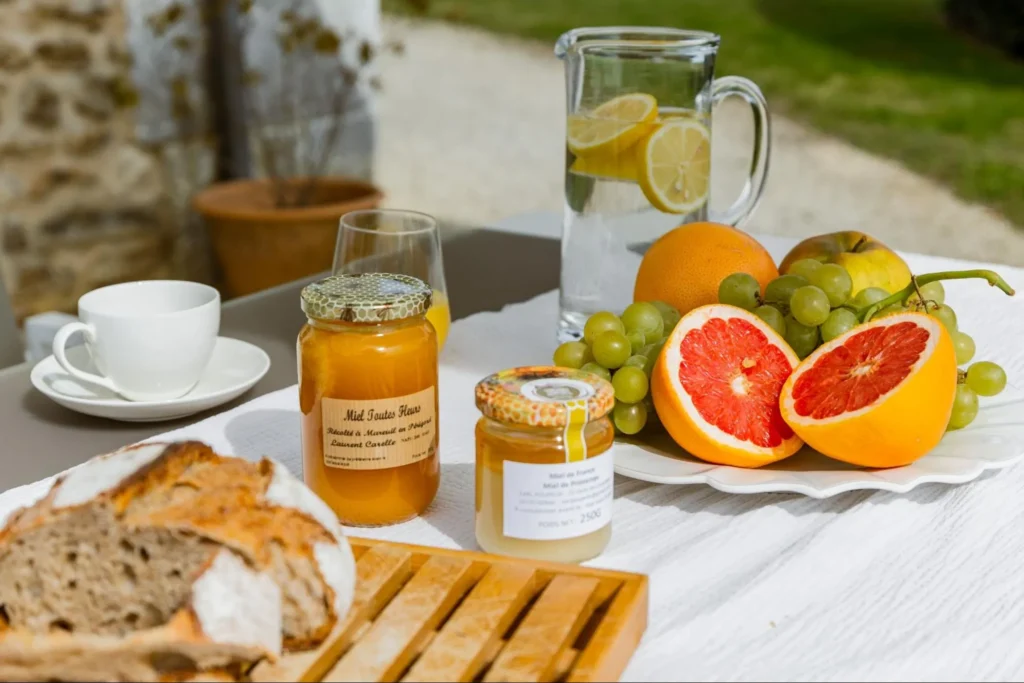
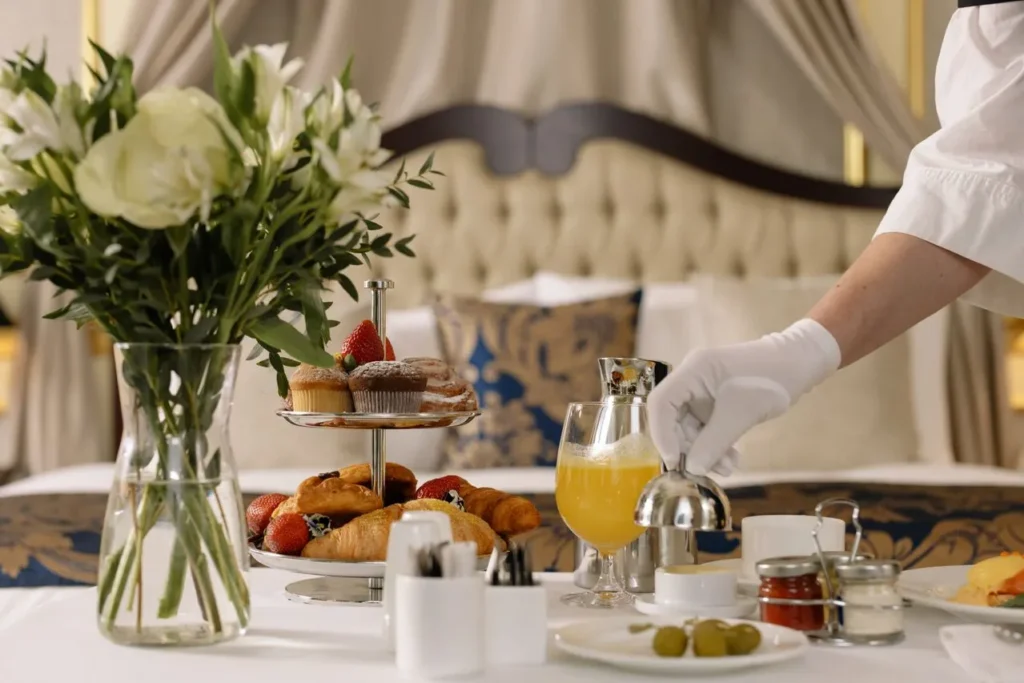
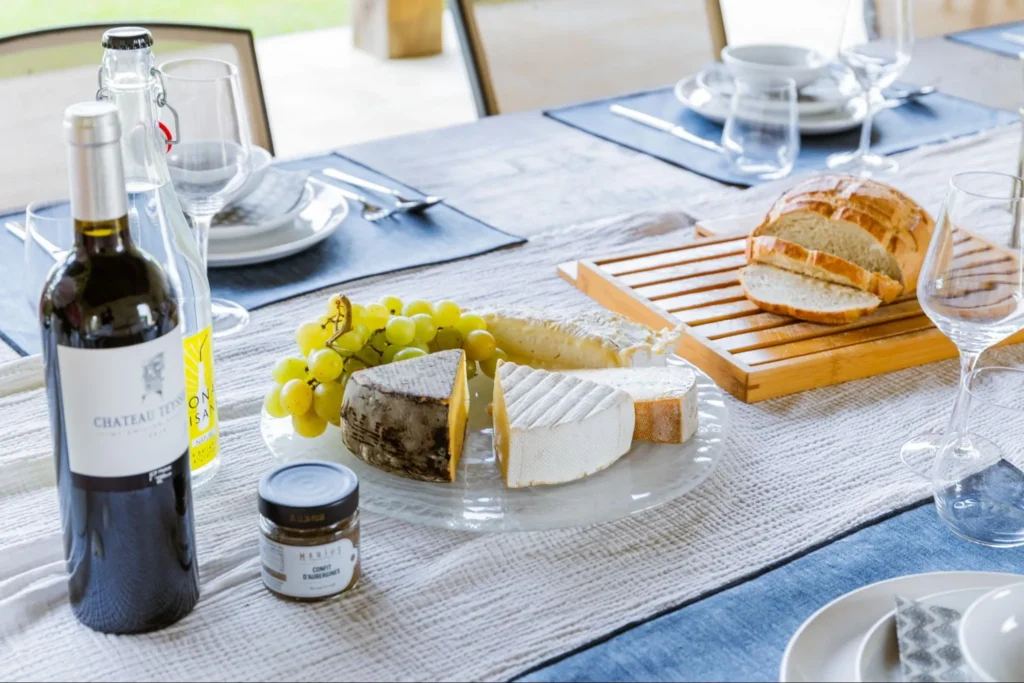
Breakfast service is central to the B&B model. It may include pastries, bread, fruit, yogurt, eggs, cheese, preserves, coffee, or local products. Some hosts serve breakfast at one shared table. Others offer separate tables or terrace seating.
This detail matters more than many guests expect. Shared breakfast can feel charming and social. Private seating can feel calmer for couples or business travelers. Guests with dietary needs should ask before arrival.
Shared Spaces Need Clear Boundaries
Shared spaces often include lounges, dining rooms, terraces, gardens, libraries, or pool areas. Yet access can vary. Some rooms in the château may remain private. Some gardens may have defined guest zones. Some kitchens may stay closed to guests.
This is where many booking misunderstandings begin. A French bed and breakfast may show wide property photography, but the booking may include only specific areas. Ask what you can use, when you can use it, and who else may share it.
Privacy Trade-Offs in a Château Bed and Breakfast
The main privacy trade-offs stem from shared access, the host’s presence, and other guests on-site. A chateau bed and breakfast in France can still feel peaceful, but it rarely offers the same privacy as an exclusive-use château.
That trade-off can feel positive for travelers who enjoy conversation, local advice, and a lighter planning burden. It can feel limiting for guests who want private meals, late nights, family-only spaces, or a fully controlled schedule.
Other Guests Shape the Atmosphere
In a château B&B, other guests may share breakfast, terraces, gardens, pool areas, and parking. Most stays remain calm, but the mood can shift based on who else has booked.
This is part of the experience. A romantic weekend feels different if another group occupies nearby rooms, so guests should decide if shared hospitality suits the purpose of the trip.
Host Presence Can Help or Limit
Many guests value a host who can suggest restaurants, explain market days, recommend wine routes, and solve practical issues. This can make a rural stay much easier, especially for first-time visitors.
Yet some travelers prefer full independence. If you want to cook, host friends, move furniture, use music outside, or run a private event, a hosted stay may feel too structured.
How Château B&B Differs From Exclusive-Use Château Rental
Exclusive-use château rental gives one group private access to the property for a defined stay. A chateau bed-and-breakfast booking in France gives one party a room or suite in a hosted property. The difference affects privacy, cost, planning, catering, and guest experience.
Exclusive-use suits groups that need private space, shared meals, flexible timing, and a stronger sense of ownership during the stay.
Exclusive-Use Gives Privacy and Control
With exclusive use, your group has the property to itself. That usually means private use of bedrooms, lounges, dining areas, gardens, and leisure spaces included in the rental. It also means fewer social compromises.
This format suits milestone birthdays, intimate weddings, executive retreats, family reunions, and longer countryside holidays. The group can set the tone and shape the schedule around its own priorities.
B&B Gives Lower Commitment
A château B&B usually requires less planning. You book a room, arrive at a set time, enjoy breakfast, and explore the area. The host handles the basics, so the stay can feel easy.
This can be ideal for a couple passing through a region or travelers testing château accommodation before booking a larger private stay. It also suits guests who value local conversation and personal recommendations.
Cost Structures Feel Different
A bed and breakfast in France is usually priced by room and night. Exclusive use usually prices the property for a group, often with minimum-stay requirements and separate charges for catering, cleaning, events, or other services.
A B&B may look more affordable for two people. Exclusive use can offer better value for a full group because the cost is spread among guests. The right choice depends on group size, length of stay, and required privacy.
Who Should Choose Each Format?
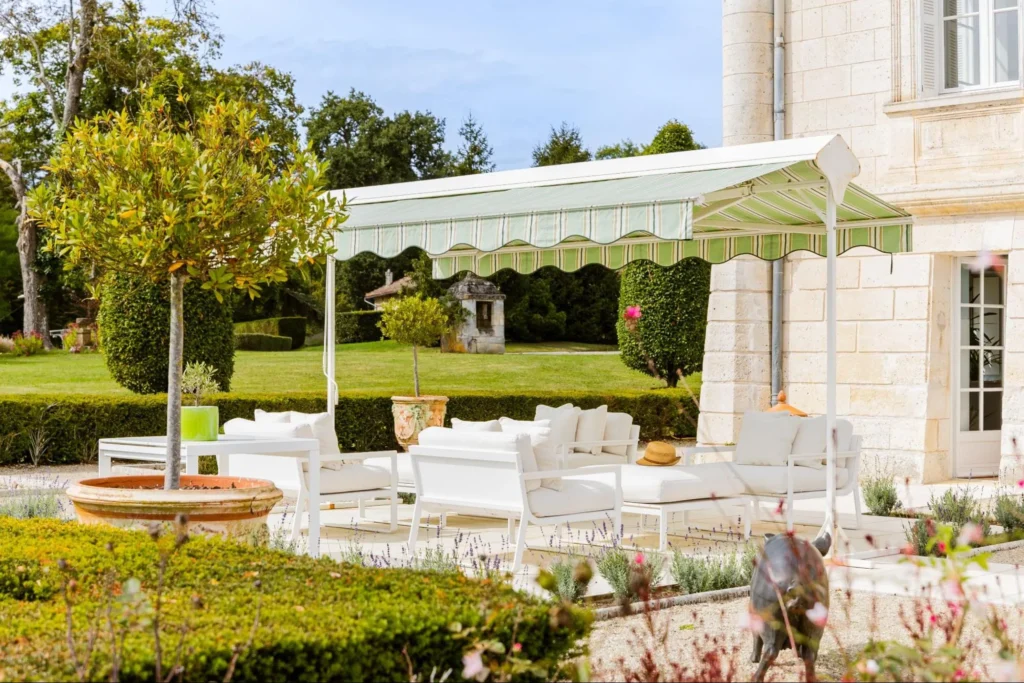
A château B&B works best for travelers who want atmosphere without having to manage a full estate. It suits couples, heritage lovers, road trip travelers, solo guests, and small groups who do not need private use of every room.
It also suits travelers who enjoy light social contact. If breakfast conversation, host guidance, and shared lounges feel appealing, a château bed and breakfast in France can offer a memorable way to experience château life.
Exclusive-use works best when the château becomes the destination. It suits travelers who want privacy, control over their schedules, private meals, and shared spaces reserved for one group. It also supports more complex stays with children, vendors, or chefs, as well as event plans.
This distinction matters for weddings, retreats, and reunions. The issue is rarely just room count. The real question is control over shared spaces, meal timing, noise, décor, suppliers, and guest privacy.
How to Choose Before Booking
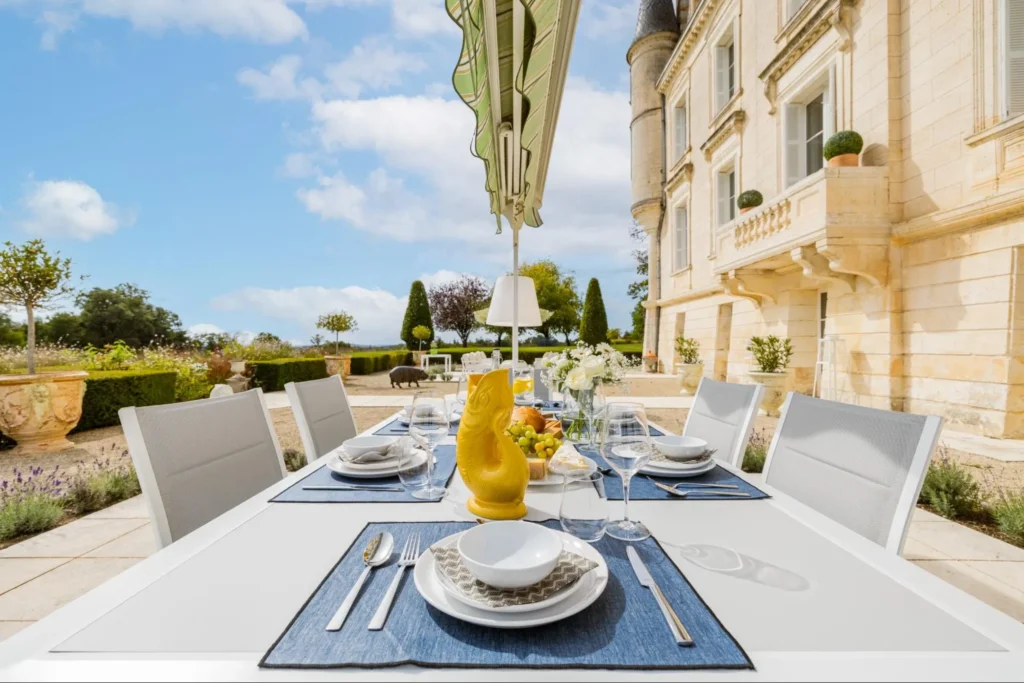
Choose a château B&B if you want heritage, breakfast, host insight, and a low-commitment stay. Choose exclusive-use if you want privacy, control, group flow, and a property that functions as your own base.
Ask whether breakfast is included, which spaces are shared, who lives on-site, and how many other guests may be present. Also ask about parking, bathrooms, air conditioning, heating, stairs, arrival times, and dinner options.
For exclusive-use, ask what the rental includes, how many guests can stay, which services cost extra, and what rules apply to events. These details protect the guest experience before money changes hands.
Final Takeaway
A château bed and breakfast in France offers an accessible way to experience French château living. It gives travelers character, breakfast, host knowledge, and a softer entry into rural hospitality. In return, guests accept shared spaces, house rules, and privacy trade-offs.
Exclusive-use offers a different promise. It gives one group the full stage, which suits private celebrations, retreats, and longer stays with a clear group rhythm. The best choice depends less on the luxury level and more on how you want the property to function.
Château de Lasfonds
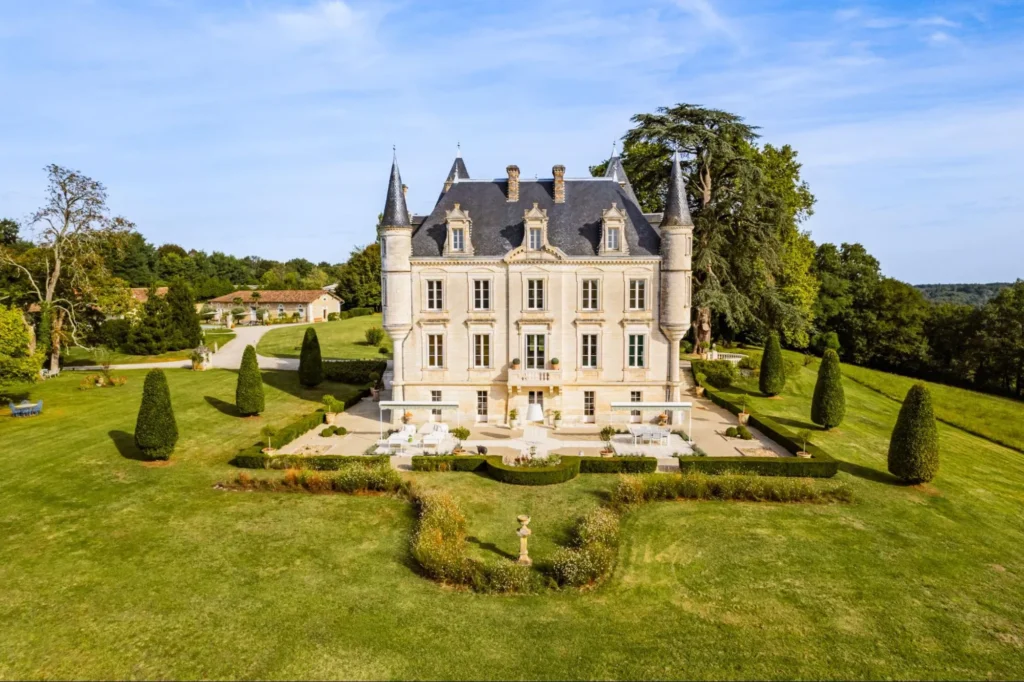
If your trip calls for privacy, space, and a château that feels yours fully, Château de Lasfonds offers an exclusive-use alternative to a château bed-and-breakfast in France. Set in the Dordogne countryside, the property suits guests who want a private base for family holidays, intimate gatherings, and longer escapes.
Instead of booking one room within a hosted stay, you can plan around the full château setting and enjoy the rhythm of a private estate.
Book a consultation to discuss your dates, group size, and the kind of château stay you want to create.
FAQs
Is a château B&B the same as a hotel in France?
No, a château B&B usually feels more personal than a hotel. A chateau bed and breakfast in France often has fewer rooms, a host contact, breakfast service, and shared spaces inside a historic home.
What is usually included in a French bed and breakfast stay?
A French bed and breakfast stay usually includes the room, breakfast, linens, and basic guest support. Some properties add pool access, gardens, parking, or local guidance, but each château sets its own guest access rules.
Do château B&Bs in France serve dinner?
Some château B&Bs offer dinner by reservation, often called table d’hôtes. It is not automatic, so guests should ask early. Rural locations may have limited nearby restaurants during quiet seasons.
Can you book every room in a bed and breakfast in France for a private group?
Sometimes, but booking all rooms does not always give full private use. A bed and breakfast in France may still keep owner areas, kitchens, service rooms, or gardens off-limits to guests.
Are château B&Bs suitable for children?
Some château B&Bs welcome children, while others suit adults or older guests better. Ask about stairs, pool safety, room layout, extra beds, meal times, and quiet rules before confirming a family stay.
Do you need a car for a château B&B in rural France?
Usually, yes. Many château B&Bs sit outside village centers, train stations, or regular taxi routes. A car gives easier access to restaurants, markets, vineyards, historic sites, and regional day trips.
How far ahead should you book a chateau bed and breakfast in France?
Book early for summer, holidays, and popular regions. A chateau bed and breakfast in France may have only a few rooms, so the best bedrooms and weekend dates can disappear quickly.
Are private bathrooms guaranteed in French château B&Bs?
Private bathrooms are common, but guests should never assume. Historic buildings can have unusual layouts. Check each room description for ensuite facilities, shared bathroom access, separate toilets, and distance from the bedroom.
Can you host a wedding at a château B&B?
A château B&B rarely suits a full wedding unless the property offers event permissions and private hire. For ceremonies, receptions, vendors, and guest privacy, exclusive-use château rental usually works better.
What should you ask before booking a château stay?
Ask about room access, breakfast times, shared spaces, bathroom setup, parking, air conditioning, heating, stairs, dinner options, and cancellation terms. These answers reveal the true comfort level beyond the property photos.