France has no shortage of châteaux, yet the strongest medieval visits demand more than a beautiful silhouette. The best medieval castles in France help travelers read power, defense, geography, and memory through stone. That matters now because heritage travel has shifted toward deeper stays, slower routes, and places with a real sense of origin.
For guests planning time in the Dordogne, Loire, Occitanie, Brittany, or Normandy, French medieval castles offer more than scenery. Their ramparts, keeps, drawbridges, and lookouts reveal how families defended land, watched rivers, controlled roads, and projected authority.
Therefore, the most rewarding visit starts before the ticket desk. You look at the hill, the approach, the walls, the village below, and the story held inside.
Regional Differences Make Castle Travel More Interesting
Château de Beynac castle Dordogne Périgord France
A castle route becomes much richer when travelers understand how different regions shaped different kinds of fortresses.
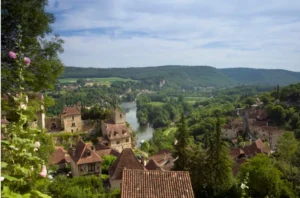
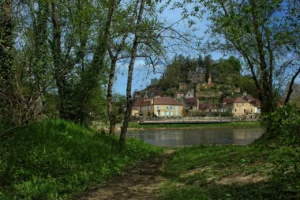
In the Dordogne, castles often rise above river valleys, villages, and wooded hills. The experience feels cinematic, but the geography also explains the region’s long history of watching, defending, and controlling movement.
In Normandy, castles often connect to the struggle between French and Anglo-Norman power. Château Gaillard is a strong example. Normandy Tourism explains that Richard the Lionheart had it built between 1196 and 1198 above the Seine valley at Les Andelys, where routes toward Rouen could be controlled.
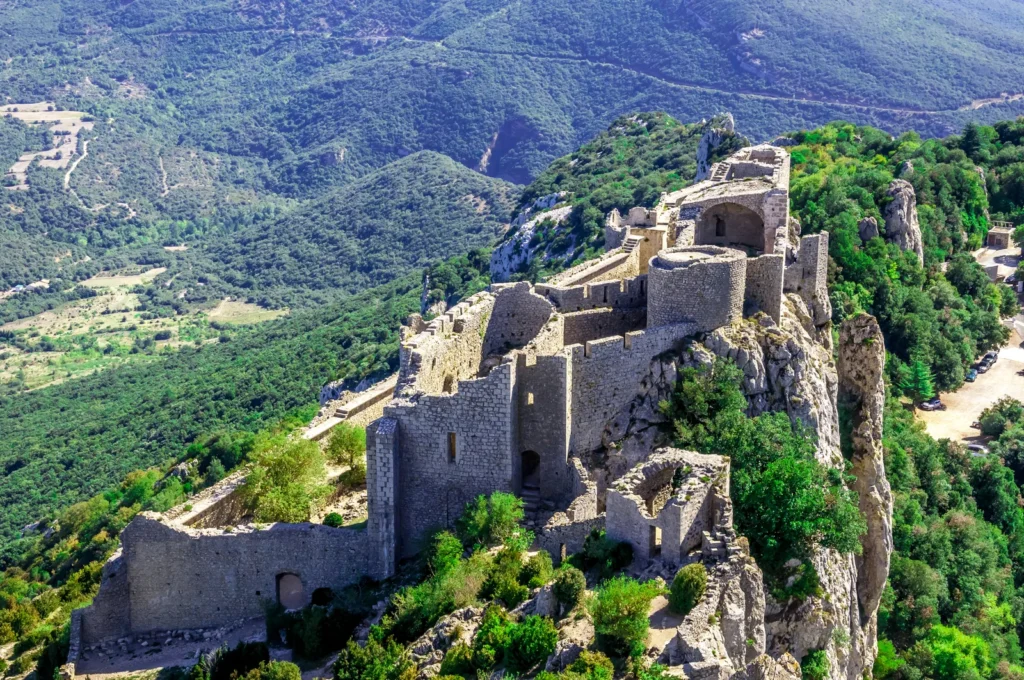
In Occitanie, castle visits often bring travelers into Cathar country, mountain landscapes, and fortified sites between the Pyrenees and the Mediterranean. Visit Occitanie describes the region as having almost 300 castles to visit, making it one of the strongest areas in France for travelers seeking dramatic ruins, high ridgelines, and frontier history.
In Brittany, castles often speak to border defense, ducal identity, and trade routes. Fougères is especially useful for understanding this, with its 13 towers and preserved defensive layout helping visitors see how military architecture developed over several centuries.
Start With The Architecture: What The Walls Are Telling You
trophy gallery in castle Chateau de Chambord
Architecture gives the clearest first reading of French medieval castles. Before you focus on interiors, study the outer defenses. Medieval builders placed each wall, tower, gate, and stair with a purpose. Once you notice that logic, the castle becomes easier to understand.
Keeps Show The Center Of Power
The keep, often called the donjon in French, usually marks the castle’s strongest and most symbolic point. It served as a last refuge, a residence, a storehouse, and a statement of authority. In many medieval French castles, the keep also gives the best sense of hierarchy.
A tall keep tells visitors that the lord wanted to maintain visibility over the surrounding land. Thick walls signal defensive pressure.
Small windows often point to security needs rather than comfort. When you walk through the keep, notice the route upward. Stairs, thresholds, and room size often reveal who controlled access.
Ramparts Turn A Castle Into A System
Ramparts matter because they connect defense with movement. From the ground, they look like impressive walls. From the top, they become patrol routes, firing positions, and lookout platforms. This is why the ramparts at major old castles in France often shape the whole visit.
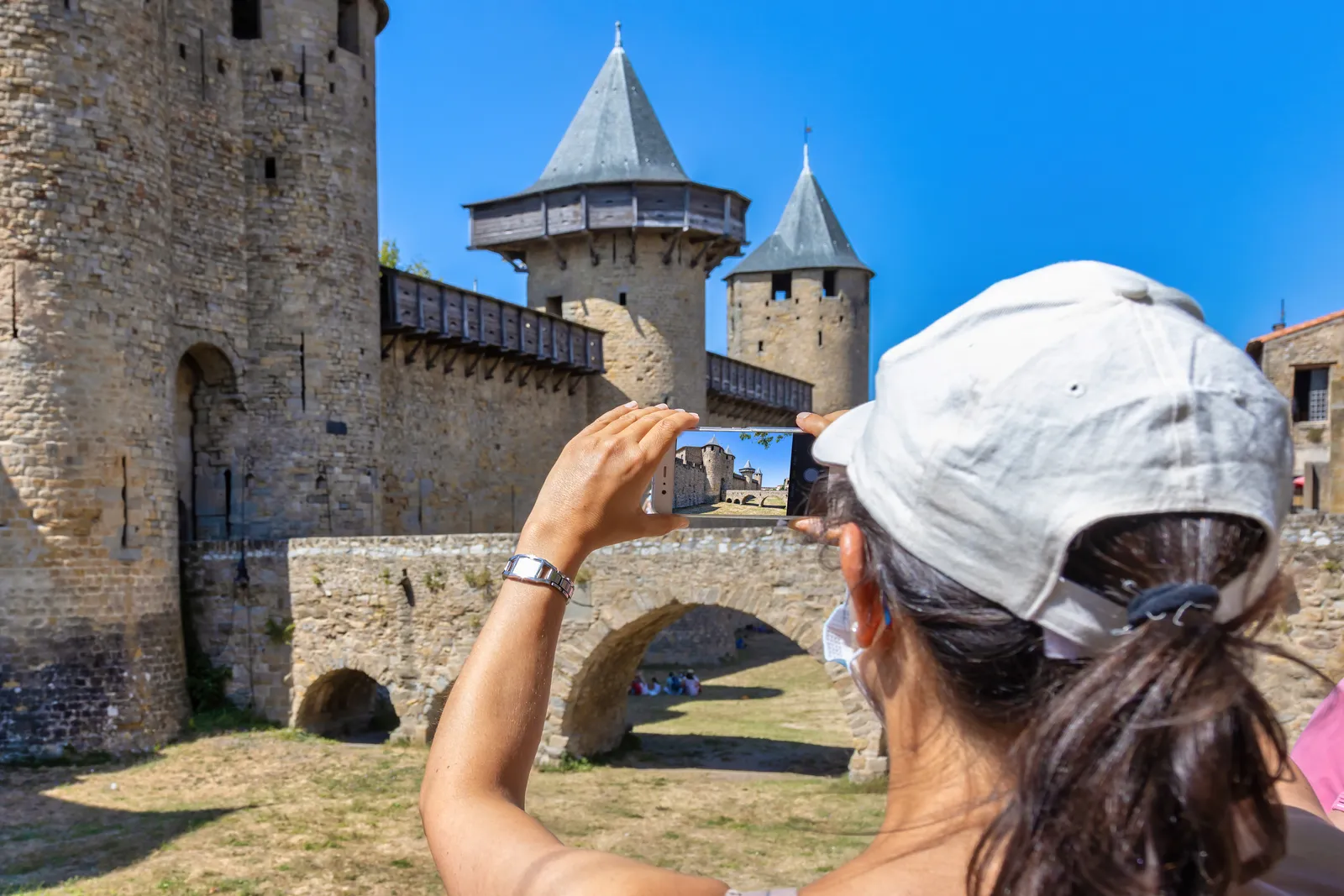
Look for wall walks, towers, arrow slits, and changes in masonry. These details show how castles adapted across centuries. At sites like Carcassonne, the defensive system feels almost urban because walls, streets, towers, and castle structures work together. In smaller fortresses, ramparts can feel more intimate, yet they still reveal the same military intelligence.
Gates And Drawbridges Explain Vulnerability
A castle’s entrance was often its weakest point, so builders made it psychologically and physically difficult. Drawbridges, ditches, angled entries, portcullis grooves, and narrow passages all slowed movement. Therefore, the gate deserves close attention.
When visiting medieval French castles, pause before entering. Ask how an attacker would approach. Then notice how exposed that approach feels. A beautiful entry can still carry a defensive message. The most effective castles often turn arrival into a controlled experience.
Read The Landscape Before You Read The Rooms
The setting of French medieval castles is never decorative. Castles sat above rivers, roads, valleys, borders, and market routes because visibility created influence. The best views were rarely chosen for pleasure alone. They helped owners watch movement, manage risk, and display control.
Cliffside Castles Were Built For Command
Dordogne castles show this clearly. The region is famously linked with castle country, 44 castles in Dordogne-Périgord are listed in the Historic Monuments inventory and are open to the public.
Sites such as Beynac and Castelnaud rise above river bends and valley routes. Beynac, for example, stands about 150 meters above the Dordogne, watching over the valley from a cliffside position that has shaped its identity for centuries.
This is where medieval French castles become especially rewarding for travelers. A high terrace can explain local politics faster than a guidebook paragraph. You can see the river, the village, the fields, and the opposing hill. Suddenly, the castle becomes part of a network rather than a single monument.
Lookouts Help You Understand Strategy
Lookouts are among the most useful features for interpreting a castle. They show what mattered to its builders. A lookout facing a river suggests trade and movement. One facing a pass suggests invasion risk. One castle facing another suggests rivalry.
For photography, lookouts also offer the strongest sense of scale. Early morning works well for softer village views and quieter paths. Late afternoon often brings warmer stone and deeper shadows across ramparts. Good photo timing respects both light and crowd flow, especially at popular sites.
Look For Story, Not Only Stone
Peyrepertuse mount with cathar castle in france
The strongest medieval castles in France combine architecture with a clear story. Without narrative, walls can blur together. With context, a hall, chapel, tower, or courtyard starts to feel specific.
Siege History Adds Tension To The Visit
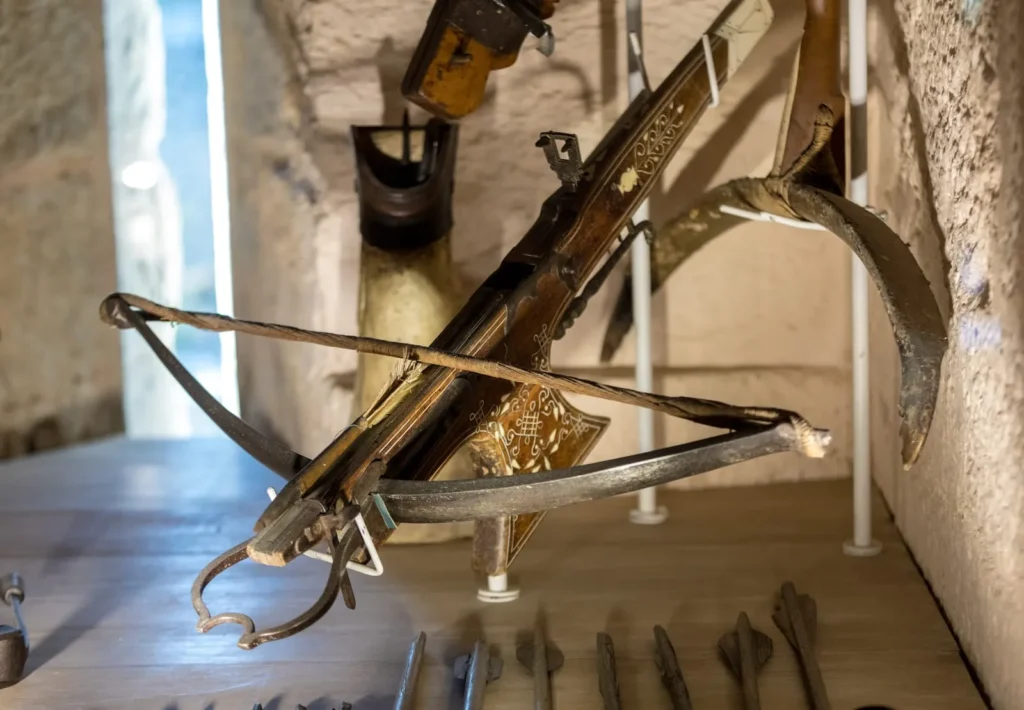
Antique crossbows displayed in the rooms of Castelnaud castle
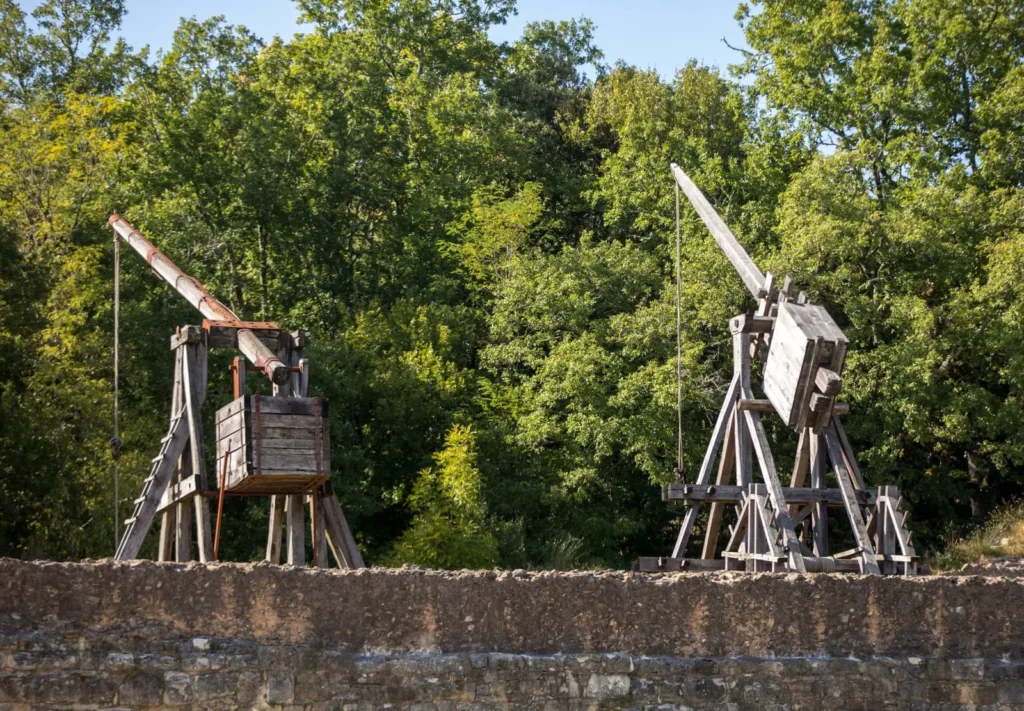
Siege history helps travelers understand why fortresses evolved. Castles had to respond to changing weapons, stronger armies, political conflict, and shifting alliances. Therefore, a site with visible siege traces or strong interpretation often gives a richer visit.
Castelnaud is a strong example because its museum focuses on medieval warfare, weapons, armor, and siege machines. The collection includes more than 250 weapons and pieces of old armor, giving visitors a concrete way to connect tools with tactics.
Interiors Reveal Culture And Status
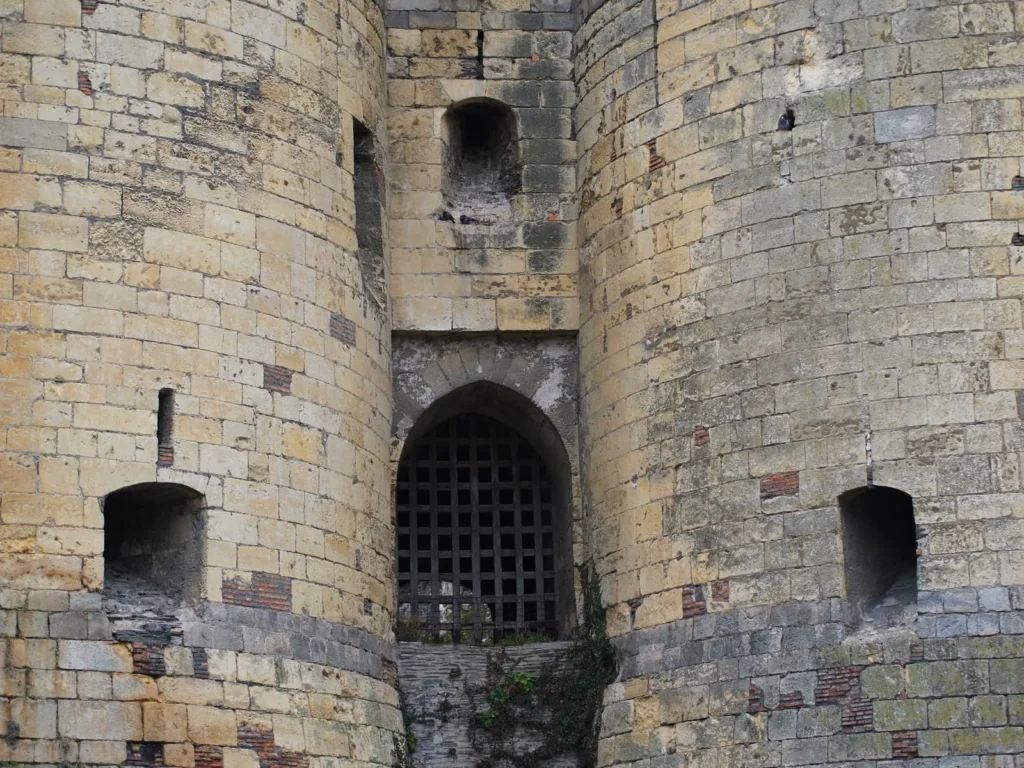
Wood portcullises of a castle side entrance.
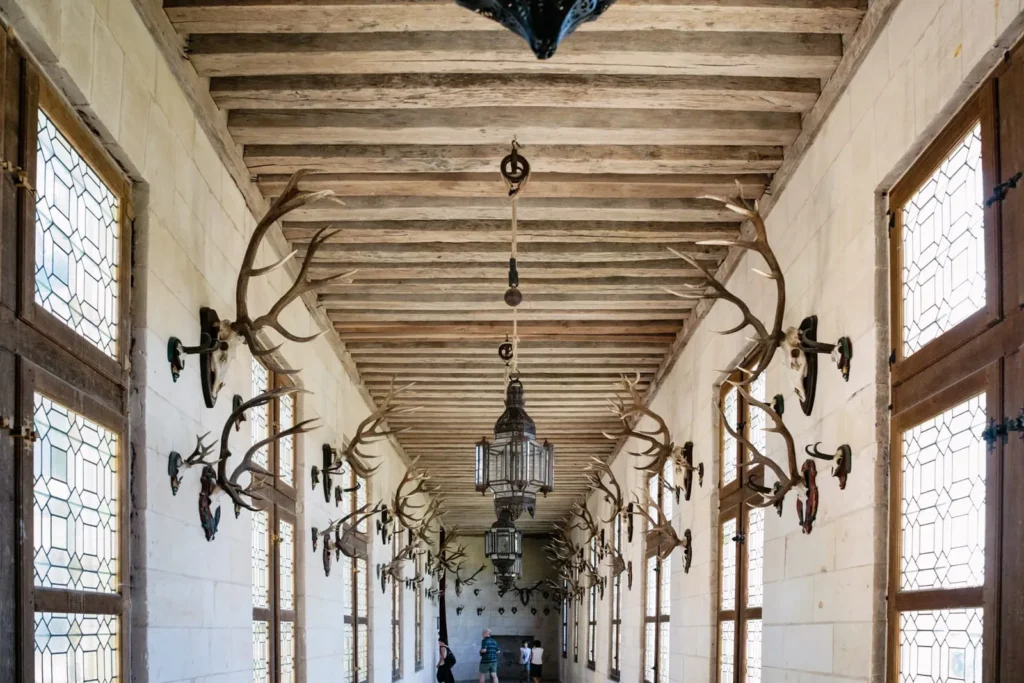
Not every medieval castle visit should focus only on battle. Great halls, chapels, tapestries, kitchens, and private chambers reveal social life, belief, hospitality, and rank. Château d’Angers adds another layer through the Apocalypse Tapestry, which turns the fortress visit into a focus on medieval imagination, politics, art, and patronage.
This matters because old castles in France can easily be reduced to stone walls. Interiors remind visitors that these buildings also hosted ceremonies, negotiations, marriages, meals, prayers, and displays of wealth. The best visits connect defense with daily life.
How Restored, Ruined, And Abandoned Sites Feel Different
France offers polished monuments, family-run castles, preserved fortresses, atmospheric ruins, and sites that remain closed or fragile. Each category gives a different experience. Therefore, travelers should choose based on mood, access, and the depth of interpretation they want.
Restored Castles Give Structure And Clarity
Restored French medieval castles usually offer marked routes, interpretation panels, exhibitions, shops, and safer access. They work well for families, first-time visitors, and guests with limited time. A restored route can make complex architecture easier to understand.
The trade-off is atmosphere. Some restored sites feel more managed, especially during peak season. To keep the visit meaningful, go early, book in advance when required, and choose one castle per half-day rather than rushing through several.
Ruins Offer Atmosphere And Imagination
Ruined castles can feel more poetic because they leave space for imagination. Broken towers, open courtyards, missing roofs, and weathered walls reveal time in a way polished rooms cannot. Many travelers searching for abandoned castles in France are really looking for this atmosphere.
Yet true abandonment can bring legal and safety problems. Some ruins stand on private land. Others have unstable masonry, restricted access, or conservation limits. The better choice is an accessible ruin or officially managed site that still carries a raw sense of age.
Late Medieval Fortresses Show A Changing World
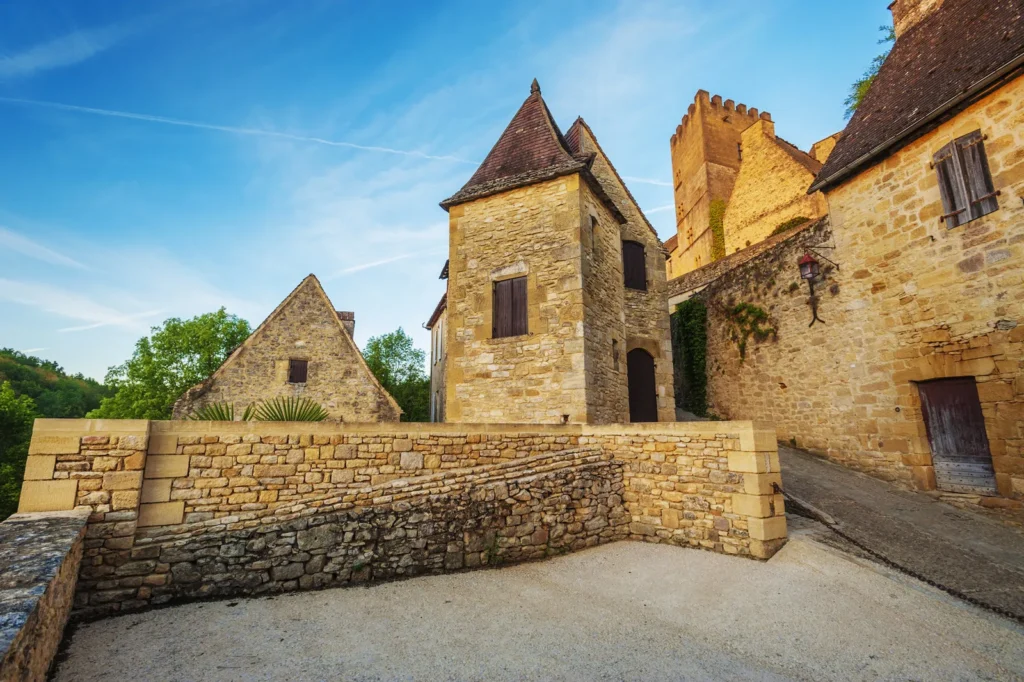
Bonaguil Castle in Lot et Garonne, France
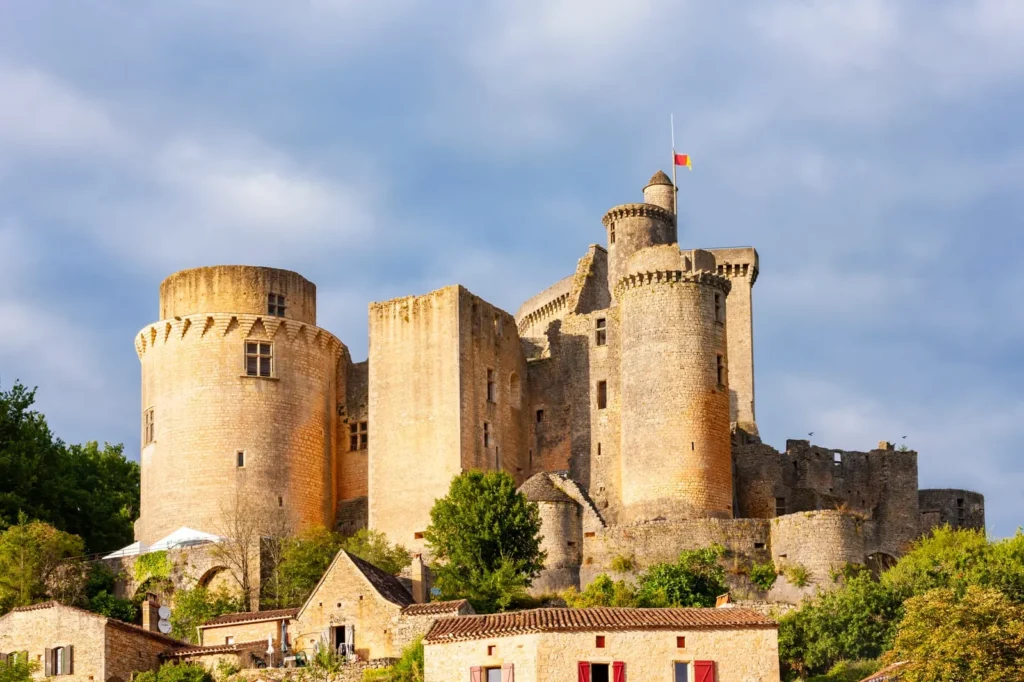
Some castles sit at the edge of the medieval period and show how warfare changed. Bonaguil, for example, was built on a 13th-century base but was extensively developed in the late 15th and early 16th centuries, with architecture designed to withstand artillery fire.
For travelers comparing medieval France castles, this distinction matters. A 12th-century cliff fortress, a walled city, and a late fortified castle tell different stories. One may speak of feudal control, another of urban defense, and another of changing weapons.
Plan Your Castle Route Around Rhythm, Not Quantity
A strong castle route depends on pacing. Many visitors try to cover too many sites, then lose the details that make each one special. Instead, pair one major castle with a village walk, river view, market visit, or long lunch. The story becomes easier to absorb.
Match The Castle To The Day
Choose a large fortified city when you want a full heritage day. Choose a cliffside castle when views and village atmosphere matter. Choose a warfare museum when children or military history fans need a clear interpretation. Choose ruins when mood and photography matter most.
This approach also helps with crowd management. Famous old castles in France draw heavy traffic during school holidays, long weekends, and high summer. Smaller nearby castles can offer a calmer experience, especially for guests staying in the countryside.
Think About Light, Access, And Comfort
Photo timing matters because the stone changes dramatically across the day. Morning light often suits east-facing walls and quiet village streets. Late afternoon suits golden ramparts, valley views, and textured masonry. Midday can still work for interiors, museums, and shaded courtyards.
Access also matters. Medieval sites often include steep lanes, uneven steps, narrow stairs, and exposed terraces. Comfortable shoes, water, and realistic pacing make the experience better. For private groups, ask about guided visits, parking, opening hours, and seasonal events before planning the route.
Chateau de Lasfonds
Planning a castle-focused stay in southwest France?
Chateau de Lasfonds offers a peaceful base for exploring Dordogne heritage, village life, river valleys, and nearby medieval landmarks at a slower pace.
Stay for the views, the atmosphere, and the sense of place that make this part of France so memorable. For private stays, family gatherings, and meaningful celebrations, send an inquiry to discuss dates, group needs, and the kind of experience you want to create.
FAQs
What is the best region to see medieval castles in France?
The Dordogne is one of the best regions for medieval castles in France because cliffside fortresses, river views, villages, and a history of warfare sit close together. Occitanie, Brittany, Normandy, and the Loire also offer strong medieval sites.
Are French medieval castles good for family trips?
Yes, many French medieval castles work well for families when routes include ramparts, towers, exhibits, and open courtyards. Children usually engage more when the site clearly explains armor, siege machines, lookouts, and daily castle life.
Can you visit abandoned castles in France legally?
Some abandoned castles in France cannot be legally visited because they sit on private land or contain unsafe structures. Choose officially open ruins, managed heritage sites, or guided access routes to enjoy the atmosphere without risk.
What should I wear when visiting old castles in France?
Wear supportive shoes, layered clothing, and sun protection when visiting old castles in France. Many routes include steep village lanes, uneven stone steps, exposed ramparts, and shaded interiors with cooler temperatures.
Are guided tours worth it at medieval castles?
Guided tours are worth it when a castle has a complex siege history, altered architecture, or limited signage. A good guide explains why walls, gates, keeps, and lookouts mattered within the site’s local power structure.
What time of day is best for castle photography in France?
Early morning gives quieter paths and softer village views, while late afternoon brings warmer stone and stronger shadows. For ramparts and lookouts, check the castle’s orientation before choosing your photo timing.
Do medieval French castles stay open all year?
Some medieval French castles stay open year-round, while others reduce hours or close sections outside peak season. Always check the official site before planning, especially for winter visits, restoration works, or guided tour schedules.
Are castle ruins better than restored castles?
Castle ruins feel more atmospheric, while restored castles usually offer clearer interpretation, safer routes, and richer interiors. The better choice depends on your travel style, mobility needs, interest in history, and photography goals.
Can I plan a castle route without renting a car?
Yes, some castles are reachable by train, bus, taxi, or guided tour. Rural sites can be harder without a car, so base yourself near a cluster of castles if you want a smoother itinerary.
Why do many medieval French castles sit above rivers?
Many medieval French castles sit atop rivers because waterways carried trade, armies, news, and political influence. A high position helped defenders watch movement, control access, and signal authority across the valley.