France is still one of the world’s most desired travel destinations, but safety questions feel more urgent now. Strikes, crowded airports, terrorist alert levels, viral pickpocket videos, and big city protests all shape how travelers plan. So, is France safe for a thoughtful trip in 2026? The practical answer is yes for most visitors, with smart planning and realistic expectations.
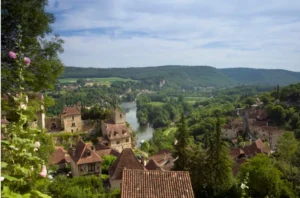
A week built around central Paris, major stations, late nights, and packed tourist attractions carries a different risk profile from a stay in the Dordogne, Loire Valley, Provence, Burgundy, or rural Normandy.
This is where the question becomes more strategic. Safety is not only about crime levels. It is about how much exposure your trip creates. Crowds, rushed transfers, unfamiliar ticket systems, and late urban movement increase friction. Private countryside stays reduce many of those pressure points.
For people searching is France safe to travel to, the better question is: what kind of France are you choosing?
The Main Safety Risks Travelers Should Understand
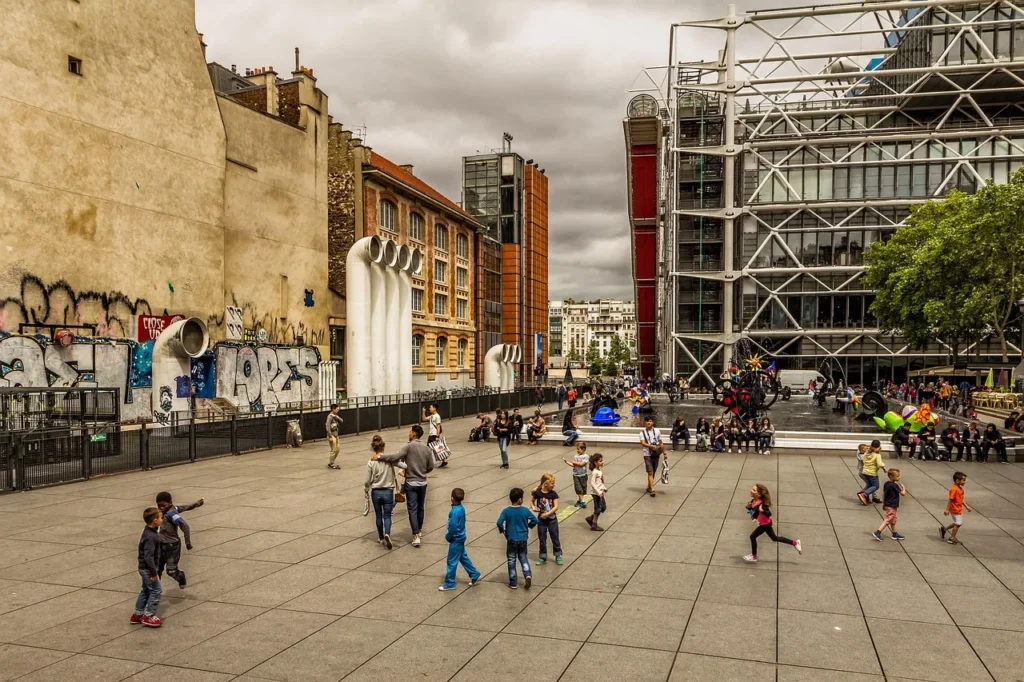
Pickpockets and Petty Theft in Busy Areas
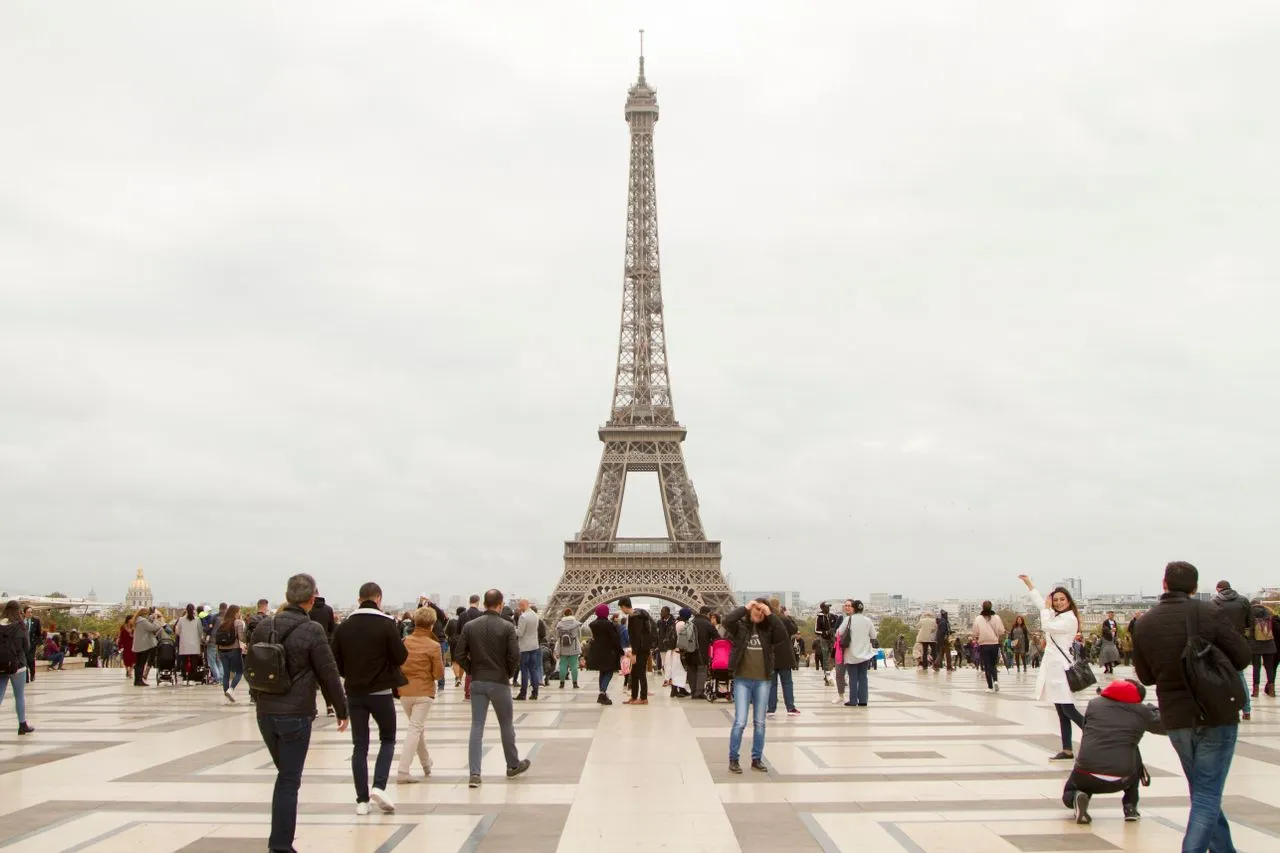
Pickpockets are most active where travelers are distracted. Think airport arrivals, metro platforms, ticket machines, outdoor cafés, museum queues, and famous landmarks. Paris gets the most attention, but busy transport hubs in other cities also deserve care.
Use a zipped crossbody bag, keep phones away from the edges of tables, and avoid storing passports in outer pockets. For luxury travelers, the biggest risk is often not personal danger. It is losing a passport, phone, cards, or laptop at the exact point when the trip needs to run smoothly.
Common Scams Around Tourist Zones
Common scams include fake charity petitions, friendship bracelets, distraction groups, unofficial taxi offers, fake ticket sellers, and strangers offering “free” drinks or private club invitations. Smartraveller warns about ATM and credit card skimming, accommodation scams, and tourist-area scams targeting foreigners.
A simple rule works well. Buy tickets through official channels, use licensed taxis or trusted ride apps, and walk away from unsolicited help at ticket machines. If a stranger creates urgency, your safest answer is a calm “non, merci.”
Transport Safety in Cities and Between Regions
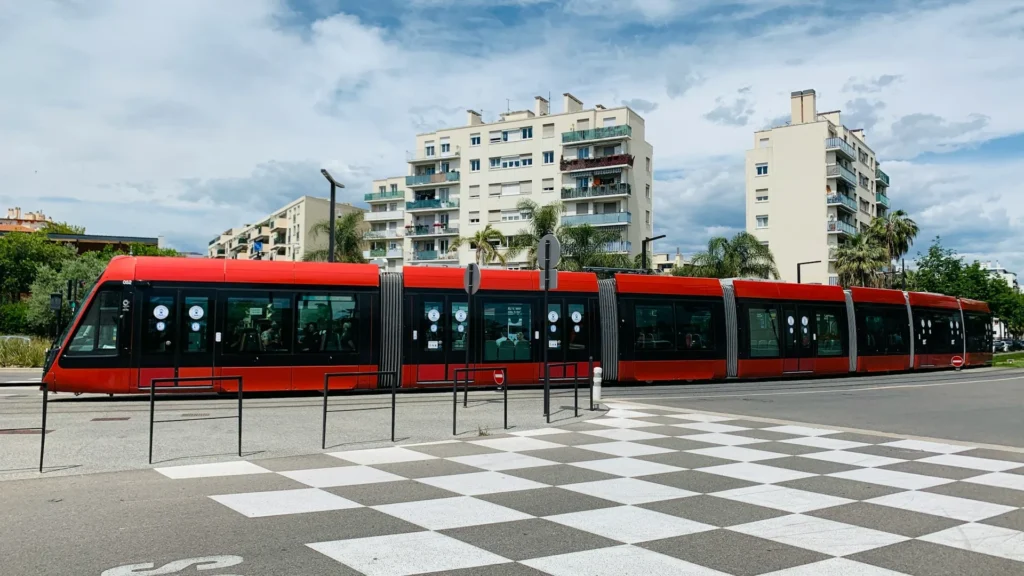
Transport safety in France is mostly about awareness, not fear. Trains, metros, trams, and airports are widely used by locals and visitors. The key risk is petty theft in crowded settings, especially during boarding, ticket purchases, and transfers on airport trains.
Groups of thieves operate on public transport, including busy metro lines serving tourist attractions and trains to and from airports. It also names Charles de Gaulle Airport, hotel lobbies, restaurants, cafés, beaches, and major Paris landmarks as common theft locations.
For better transport safety, keep luggage close on platforms, avoid leaving bags near train doors, and stay alert during boarding. Thieves often act during movement because people are distracted. On metro systems, carry bags in front of you and avoid leaving pockets open.
People searching for travel to safe France often want one simple rule. Use official transport services and keep your valuables hard to access. That single habit prevents many common issues.
Transport strikes and demonstrations can disrupt schedules. If your trip includes a wedding, a business meeting, an airport transfer, or a timed train connection, allow buffer time. Rural stays, with a private car or an arranged transfer, can feel calmer because they reduce dependence on crowded transport corridors.
Driving in France, Rural Roads, and Night Driving
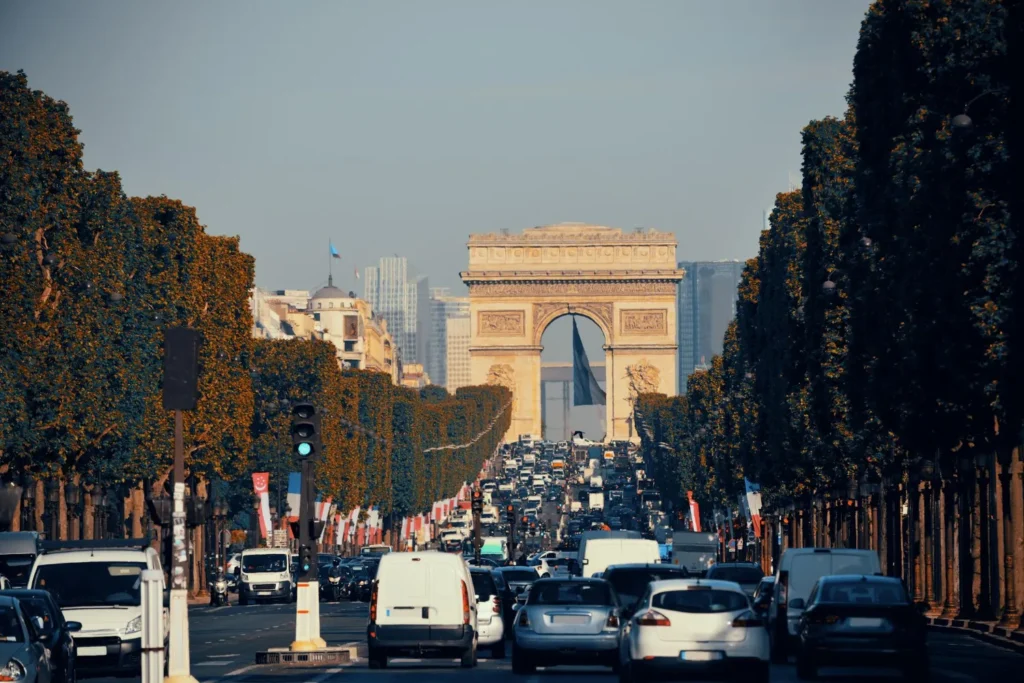
Driving opens up the best of rural France, especially Dordogne, Charente, Périgord, Bordeaux, Cognac, and the Atlantic coast. Still, night driving needs care. Rural roads can be narrow and dark, with limited lighting, wildlife, tractors, cyclists, and unfamiliar signage.
It is advised that drivers in France plan long journeys carefully, account for unfamiliar roads, weather, and fatigue, take regular breaks, lock doors in slow traffic, and secure vehicles when unattended. It also notes on-the-spot fines for driving offenses and strict drink driving laws.
The best strategy is simple. Arrive before dark on your first day, rent a car with navigation, avoid long drives after overnight flights, and use secure parking when possible. For countryside estates, ask the host about arrival routes, local taxi contacts, and the best roads after sunset.
Is France Safe for American Tourists?
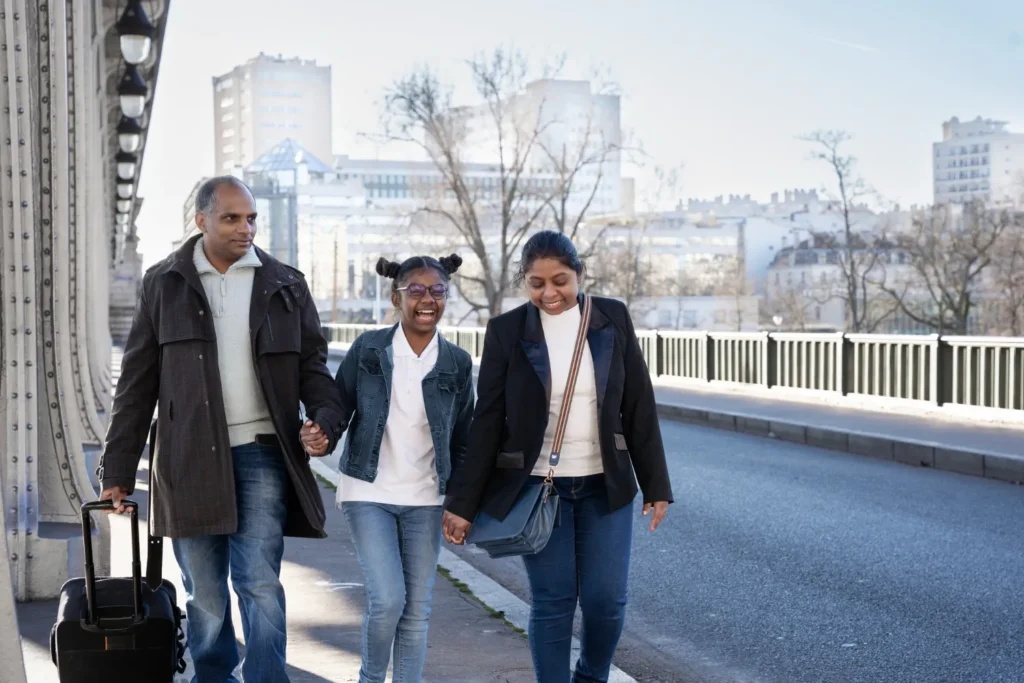
Yes, is France safe for American tourists is a common question, and the practical answer is yes with normal urban caution. American travelers do not usually face special safety risks in France, but they can stand out because of language differences, visible luggage, and unfamiliarity with local systems.
The main risks are the same as for other visitors: pickpocketing, phone theft, tourist scams, late-night overconfidence, and rushed transport decisions. Americans should also keep digital and paper copies of their passports, know the nearest U.S. consular contact, and sign up for official travel alerts for extra reassurance.
Cultural awareness helps, too. Lower your voice in restaurants and trains. Use basic French greetings. Confirm taxi or transfer prices before departure. These small habits make travel smoother and reduce avoidable friction.
Is France Safe for Black Travelers?
Yes, France is safe for Black travelers in a practical sense, but the experience can vary by location, context, and individual identity. Major cities are diverse and used to visitors from around the world. Rural areas can feel quieter and less anonymous, which some travelers enjoy, and others may notice more.
France has laws against racist abuse and discrimination. If a serious incident occurs, travelers can report it to the police or contact their embassy. Most visits are trouble-free, but it is fair to say that bias can exist, as it can across Europe.
For Black travelers, the best safety planning is the same core planning with one extra layer: choose well-reviewed accommodation, use official transport, keep emergency contacts ready, and trust your instincts if a place feels uncomfortable.
Is France Safe for Solo Female Travelers and Solo Trips?
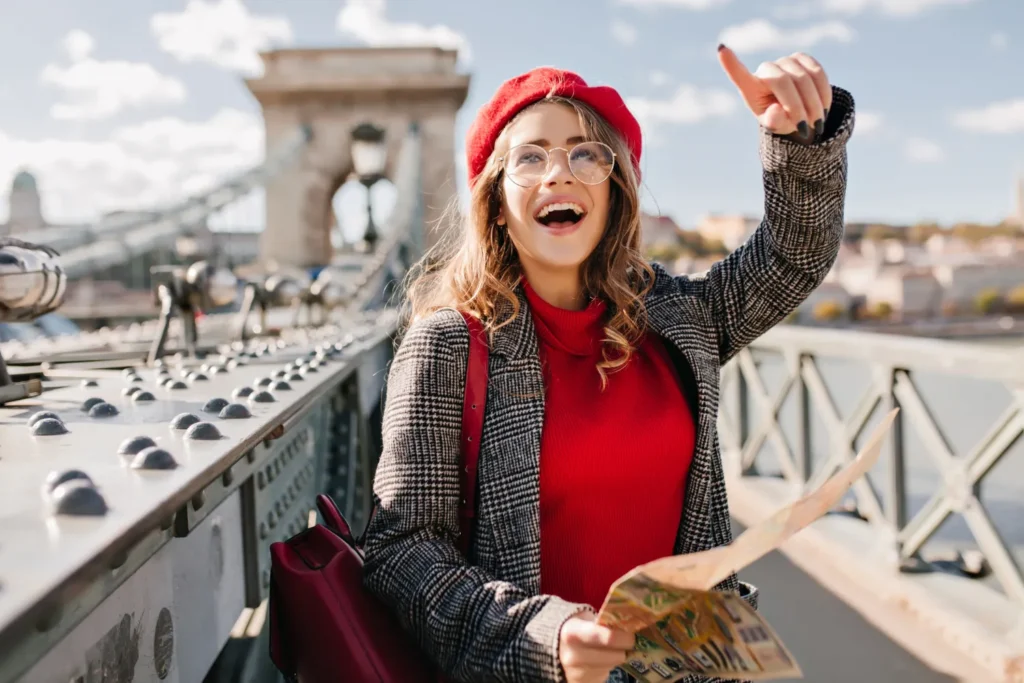
Many women travel safely through France every year, including solo trips. The answer to is France safe for solo female travelers is generally yes, with sharper judgment around nights, nightlife, transport connections, and isolated walking routes.
Solo travelers should book accommodation in well-reviewed areas, share arrival details with a trusted person, avoid poorly lit shortcuts, and plan for late-evening returns. In cities, taxis or ride apps can be worth the cost after dinner. In the countryside, ask your host about local road conditions, restaurant closing times, and safe parking.
Emergency Numbers, Insurance, and Planning Basics
Emergency numbers matter because they reduce panic. In France, call 112 for the European emergency number. You can also call 15 for medical emergencies, 17 for the police, 18 for fire services, and 114 for deaf or hard-of-hearing emergency assistance.
Travel insurance should match the real trip. A simple city break, a countryside driving holiday, a wedding trip, and a cycling route may need different levels of cover. Good insurance should cover medical care, cancellations, lost belongings, travel disruption, and planned activities.
Save emergency numbers. Keep copies of documents. Store backup cards separately. Know your accommodation address. Keep embassy details accessible. These steps are simple, but they change how quickly you recover from a problem.
Why Countryside Stays Often Feel Calmer

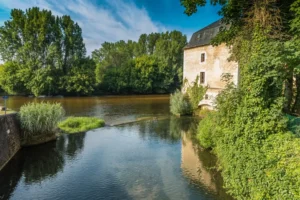
The French countryside changes the safety experience by altering the trip’s pace. You deal with fewer crowds, less public transport stress, less street pressure, and less exposure to common urban scams. Space matters. So does privacy.
A countryside stay can also be more predictable. You park once, unpack properly, learn the local village roads, and build a rhythm around markets, walks, meals, and day trips. For families, this reduces the need for constant supervision in crowded places. For couples, it creates a more relaxed setting. For business leaders, it offers a private base for rest, reflection, or small group retreats.
The countryside is not risk-free. You still need insurance, road awareness, emergency contacts, and common sense. Yet the feeling is often calmer because the environment asks less from you every hour.
Strategic Safety Takeaway for High Value Travelers
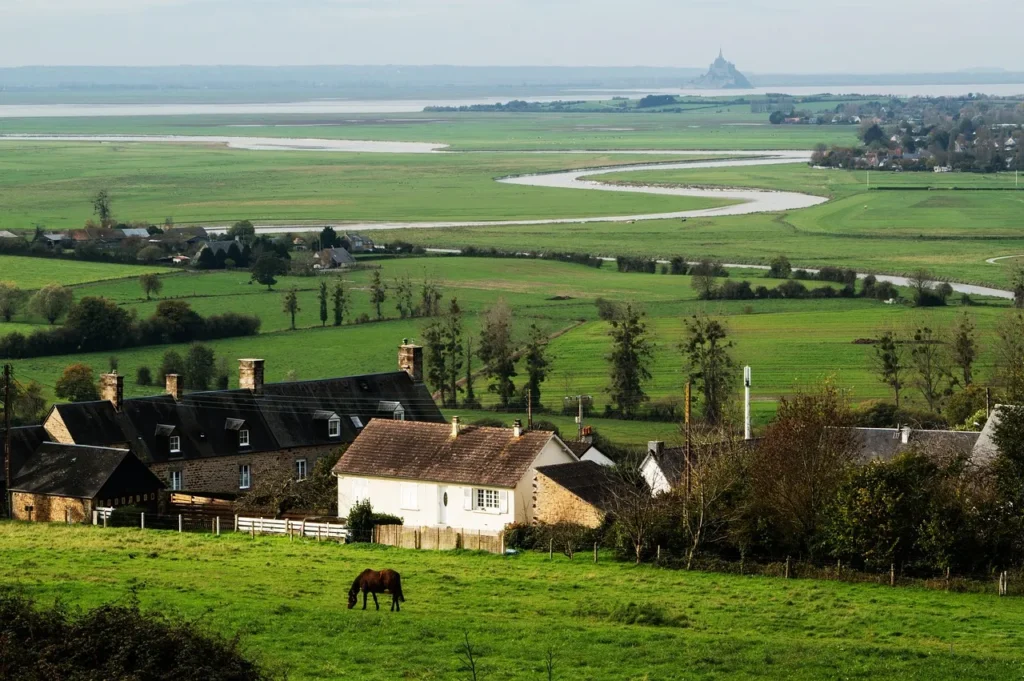
A high-value itinerary should reduce crowded transfers, avoid late-night uncertainty, and place guests in accommodation that offers local knowledge. It should also balance access with calm. You can still visit markets, vineyards, castles, restaurants, and historic towns, but your base should feel steady.
That is why the French countryside appeals to travelers seeking France without the constant urban intensity. The safest feeling trips often come from fewer moving parts, better hosts, a stronger local context, and a place that lets you slow down.
Plan a Calmer French Stay at Chateau de Lasfonds
If you are asking is France safe because you want a relaxed, private, and well-planned trip, Chateau de Lasfonds offers a calmer way to experience the French countryside. Set in a peaceful rural setting, it gives guests space, privacy, and easy access to local villages, markets, and regional day trips.
Book now to enjoy France at a slower pace, with fewer crowds and a countryside base that helps your trip feel more personal, grounded, and restful.
FAQs
1. Is France safe for first-time visitors?
Yes, France is safe for most first-time visitors who plan sensibly. Start with well-reviewed accommodation, use official taxis or trains, keep valuables secure, and avoid crowded areas during protests or major transport disruptions.
2. What should I do if my passport is stolen in France?
Report the theft to the local police and ask for a written report. Then contact your embassy or consulate for guidance on replacing the document. Keep digital passport copies stored securely before you travel.
3. Is Paris more dangerous than the French countryside?
Paris faces a higher risk of petty theft due to its larger crowds, major transport hubs, and famous attractions. The countryside often feels calmer, but rural travelers still need road awareness, insurance, and emergency contacts.
4. Is France safe at night?
France is usually safe at night in busy, well-lit areas, but travelers should avoid isolated streets, empty stations, and risky shortcuts. Use official taxis or ride apps after late dinners or events.
5. Are trains in France safe for tourists?
French trains are generally safe and widely used by tourists. The main concern is theft at stations, platforms, and boarding points. Keep luggage close, avoid leaving bags open, and stay alert during stops.
6. Is tap water safe to drink in France?
Yes, tap water is safe to drink in most parts of France unless a local notice says otherwise. Restaurants commonly provide water on request. Carry a refillable bottle during summer travel and countryside day trips.
7. Is France safe for families with children?
Yes, France is safe for families when the itinerary is realistic. Choose walkable bases, avoid rushed station transfers, book child-friendly accommodation, and plan quieter days between major sightseeing stops to reduce stress.
8. What are the safest places to stay in France?
The safest feeling places are often well-reviewed neighborhoods, smaller towns, countryside properties, and hosted stays with strong local knowledge. Prioritize secure parking, clear arrival instructions, responsive hosts, and easy access to services.
9. Do tourists need travel insurance for France?
Yes, tourists should buy travel insurance for France because emergencies, cancellations, theft, and delays can be expensive. Match cover to your itinerary, especially if you drive, cycle, attend events, or stay in rural areas.
10. Can tourists call 112 in France?
Yes, tourists can call 112 anywhere in France for emergency help. You can also call 15 for medical emergencies, 17 for police, and 18 for fire services. Save these numbers before arrival.