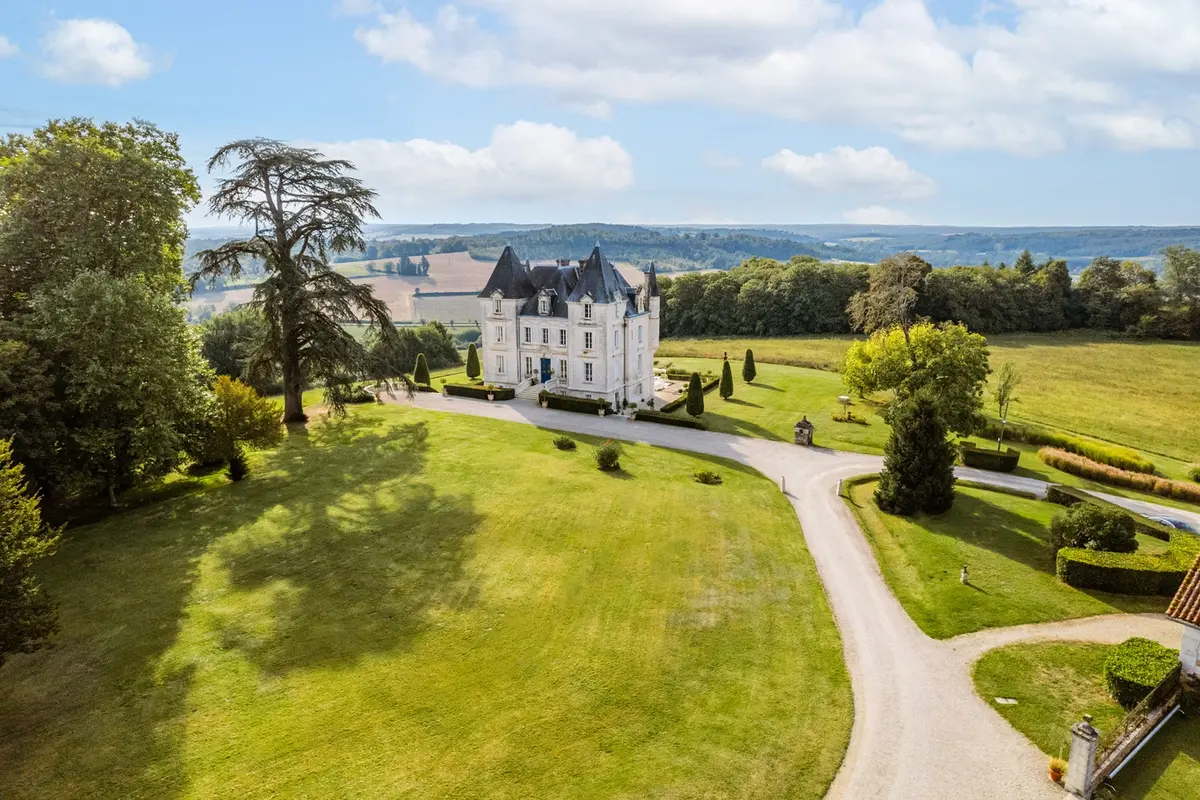
A stay in a French castle can feel far more memorable than a standard hotel or holiday home. You get history, atmosphere, and a stronger sense of place from the moment you arrive. At the same time, castles for rent in France vary far more than many travelers expect.
Some offer polished luxury with full service, while others lean into heritage charm with fewer modern comforts. Live listings today show significant differences in guest capacity, event permissions, amenities, and extra fees, which is why careful screening is essential before you book.
This guide helps you ask the right questions before choosing a castle to rent in France. A beautiful exterior can create instant excitement, yet the real booking decision should come down to fit. The right questions can help you avoid hidden costs, awkward layouts, remote locations, and rules that do not suit your trip.
If you want charm without unwelcome surprises, a little scrutiny at the start can save you a great deal of frustration later.
1. What Kind of Castle Experience Are You Actually Looking For?
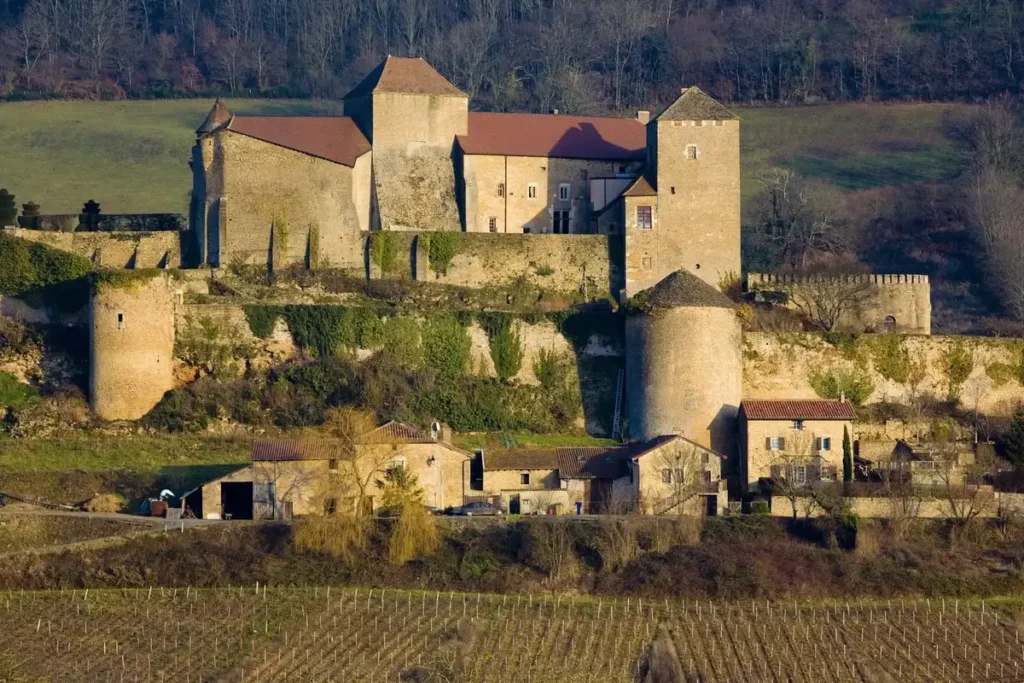
Before you compare properties, decide what you want from your stay. That step helps you filter castles for rent in France far more quickly. It also reduces the risk of booking a place that looks beautiful online but feels wrong in real life.
Start with the Purpose of the Trip
A romantic stay needs privacy, atmosphere, and a setting that feels intimate. A family holiday needs practical comfort, outdoor space, and a layout that works for daily routines. A group celebration needs enough bedrooms, enough bathrooms, and common areas where people can gather comfortably. A wedding or event stay needs much more than good looks. It needs clear permissions, event capacity, and support on-site.
Define What Kind of Castle You Want
The word castle covers many different rental styles in France. Some properties are fully restored and feel close to a luxury villa with historic character. Some keep a more rustic feel and offer fewer modern upgrades. Some listings give you the whole estate. Others give you a private wing or a section inside a larger property.
That difference matters because guest expectations often go wrong at this point. A traveler may expect full privacy, hotel style comfort, and updated bathrooms, then arrive at a property that is more historic and less polished.
Choose Comfort Level Early
Some guests want heritage charm first. They are happy with old staircases, antique interiors, and a more traditional feel. Some want comfort first. They care more about heating, air conditioning, modern bathrooms, and easy daily living. You need to know which matters more to your group before you book.
Check Privacy Carefully
Do not assume every château rental gives you full seclusion. Some properties sit within larger estates. Some operate partly as event venues. Some can be rented in sections. Read the listing closely and ask direct questions about private access, shared grounds, and on site staff presence.
Match the Property to the Trip
The best booking choice comes from fit. A romantic break needs a different property from a multigenerational family holiday. A peaceful rural retreat needs a different setup from a celebratory weekend with friends. Once you define the experience clearly, the rest of the search becomes much easier.
2. Where in France Should You Rent a Castle?
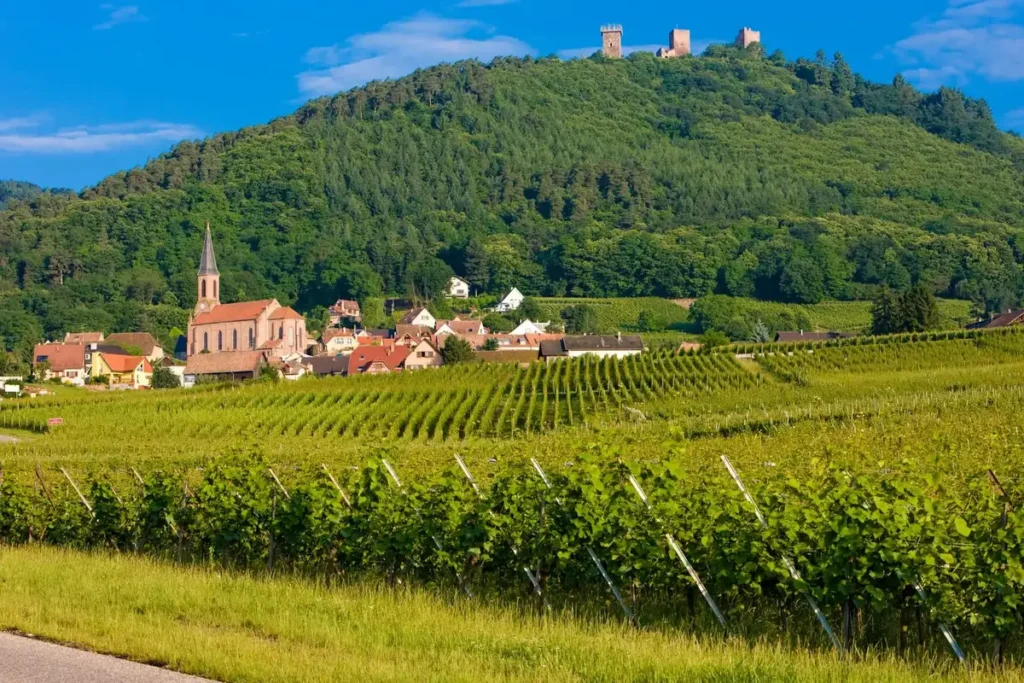
Location shapes the entire stay when you explore castles for rent in France. France has hundreds of historic estates across very different regions. Landscape, travel time, local culture, and nearby attractions can change the experience more than the castle itself.
Choose a Region that Matches Your Travel Goals
Different regions offer very different settings.
The Loire Valley attracts travelers seeking classic châteaux, historic towns, and easy access to famous castles. Many grand estates are within a short driving distance of each other, making sightseeing easy.
Provence offers sunshine, vineyards, and a relaxed countryside atmosphere. Château rentals here often appeal to guests who want outdoor dining, lavender landscapes, and access to local markets.
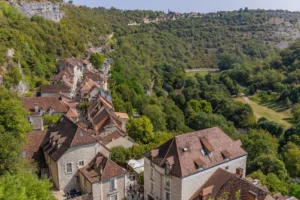
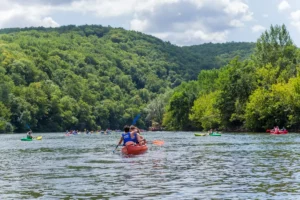
Dordogne suits travelers who enjoy medieval villages, dramatic valleys, and a quieter pace. Many castles here sit close to historic towns and river landscapes.
Burgundy attracts visitors who care about wine culture and gastronomy. Château stays in this region often pair well with vineyard visits and regional cuisine.
Normandy and Brittany appeal to travelers who prefer coastal scenery and strong historical heritage. Guests here can combine countryside château stays with visits to historic sites and coastal towns.
Look Beyond the Headline Location
A listing may highlight a famous region, yet the real location details matter more.
Check the distance from major airports and train stations. A property that looks close on a map may still require a long rural drive. Travelers arriving from Paris often rely on train connections followed by car rental.
Look at nearby villages, restaurants, and grocery stores. A charming estate can feel isolated if basic services sit far away.
Road conditions also matter. Rural routes can be narrow or winding, which may affect arrival plans after a long flight.
Think Carefully about Remote Properties
Many château rentals sit deep in the countryside. That setting offers peace, privacy, and beautiful views. At the same time, it can create practical limits.
Transport options may be limited. Local services may close early in smaller villages. Day trips may require longer driving times.
Some travelers love this level of seclusion. Others prefer a property closer to towns and restaurants. Knowing your travel style before booking helps you avoid frustration later.
A beautiful castle location can transform a holiday. The right region should support the experiences you want during the stay, not just the photographs in the listing.
3. What Amenities and Comfort Levels Are Included?
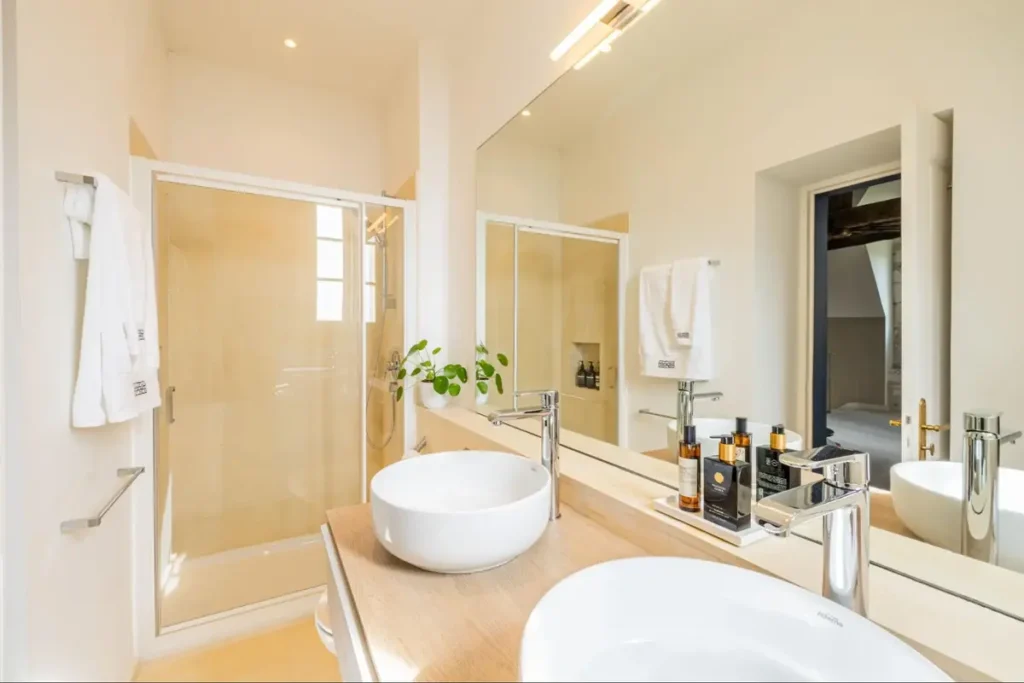
Amenities can shape the stay as much as the setting. Many travelers focus on photos first, yet château rentals in France can vary widely in comfort, layout, and service. Current listings range from fully restored estates with pools, gyms, en-suite bedrooms, and concierge-style extras to more traditional properties with a simpler setup.
Confirm the Essentials First
Start with the basics before you look at lifestyle features. Check the number of bedrooms and bathrooms, then confirm how those rooms are arranged. A castle may sleep a large group, but that does not always mean every room has the same standard of comfort or privacy.
Also ask about heating, air conditioning, kitchen equipment, laundry access, parking, and Wi Fi quality. Current listings often highlight these points because they affect day-to-day comfort more than decorative features do.
Real comfort depends on how the property works during your actual stay. If the Wi Fi is weak, the bathrooms are limited, or the kitchen is not suited to your group, the charm fades quickly. Ask direct questions early, and treat amenities as part of the booking decision, not as a bonus.
Ask Which Features Improve the Experience
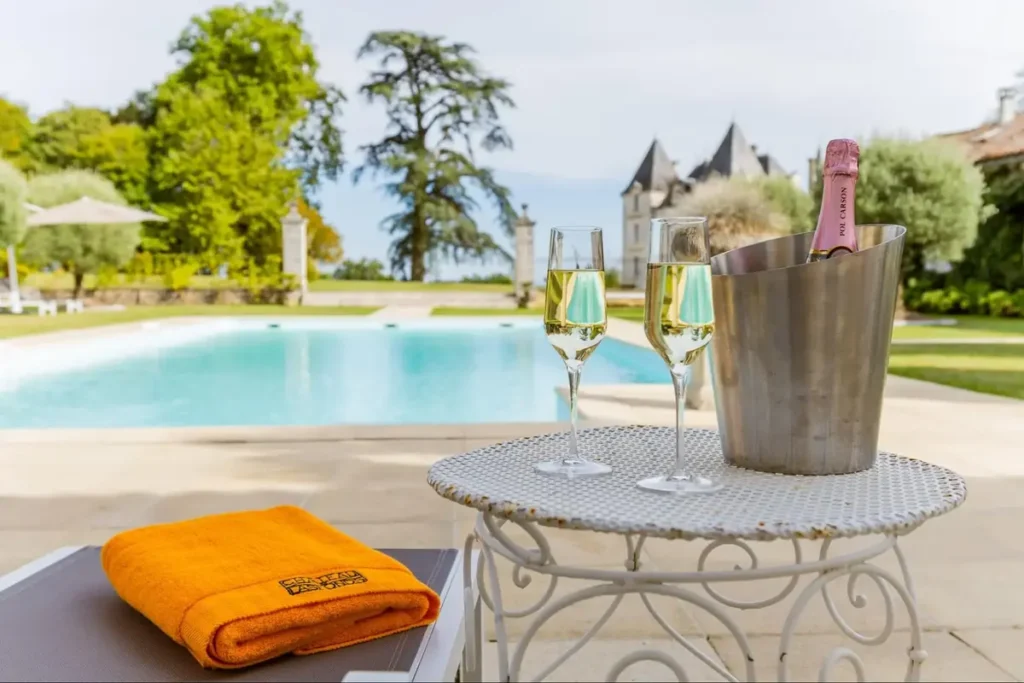
Once the essentials look right, check the features that can elevate the stay. Many château rentals advertise pools, jacuzzis, private gardens, games rooms, gyms, lakes, tennis courts, or golf access. Some also offer housekeeping, chef services, event support, or curated extras.
These details can change the feel of the trip from simple accommodation to a full experience, so it is worth checking exactly what is included in the base rate and what costs more.
Pay Attention to Historic Property Limits
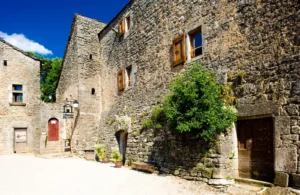
Older buildings often come with trade-offs. A château may have grand staircases, period interiors, and thick stone walls, yet those same features can affect accessibility, temperature control, and ease of movement.
Some historic rentals mention original features paired with modern comforts, which is useful language to read closely because it often signals that the property blends charm with a few practical compromises.
4. What Is the Total Cost of Booking?
The nightly rate rarely tells the full story. When you compare castles for rent in France, the real cost often includes deposits, visitor taxes, cleaning charges, and optional services. Current château listings in France show that these extra amounts can vary a lot from one property to another, so it is smart to ask for the full breakdown before you commit.
Look Beyond the Nightly Price
Start by listing all mandatory charges in a single written quote. Cleaning fees, security deposits, and tourist taxes are common. Some listings include visitor tax in the published rate. Others ask guests to pay it locally, often per adult per night. On French short stay rentals, the tourist tax applies when the commune charges it, and the amount must be collected from the guest.
Security deposits also vary widely. One château listing shows a €500 deposit for a holiday rental and a €800 deposit for a wedding. Another lists a €2,500 deposit paid directly to the owner before arrival. These examples show why guests should never assume deposits are set at a standard amount.
Check the Booking Terms Carefully
After that, review the payment structure. Many château rentals require a staged payment schedule rather than a single payment. Also, check the minimum stay, accepted currency, and cancellation policy. If you are paying in euros from another country, exchange rate shifts can affect the final amount on your card, so the true cost may rise even when the quoted rate stays the same.
Ask Which Services Cost Extra
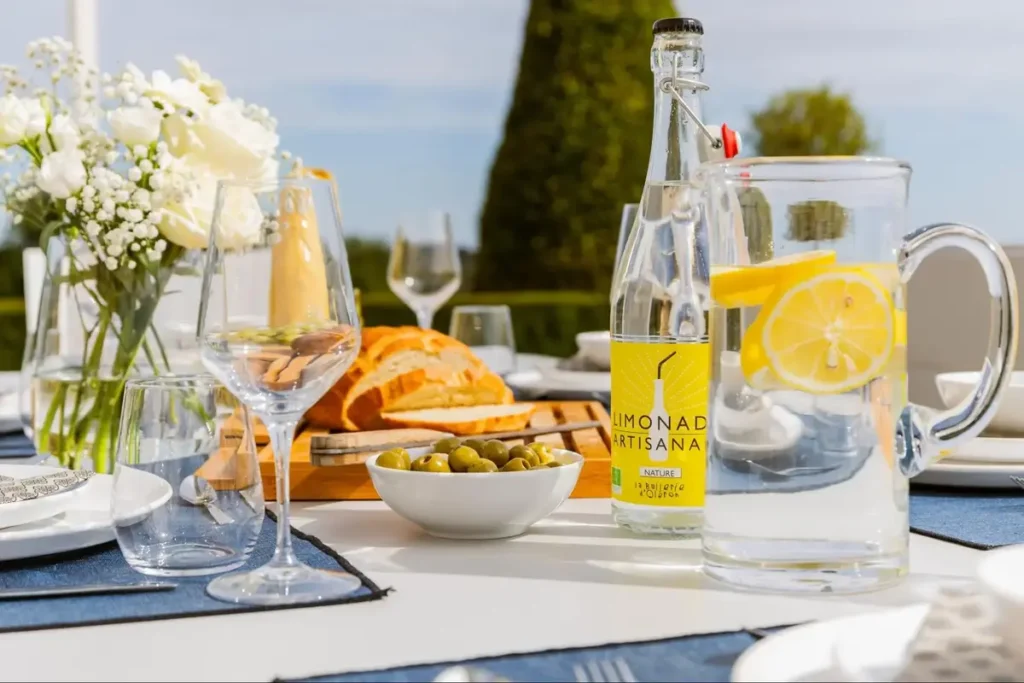
Optional services can quickly change the budget. Breakfast, airport transfers, chef services, childcare, event staffing, and extra beds are often priced separately. Some château listings include an extras section because those services are not included in the base rental price. That makes it important to ask what is included, what is optional, and what must be booked in advance.
Confirm Event Related Costs Early
If the stay involves a wedding, celebration, or professional gathering, ask about surcharges at the start. Event use often triggers different deposits, extra staffing, stricter rules, or separate permissions. A property that seems affordable for a family holiday can become much more expensive once event pricing applies.
Ask for One Final Total Before Paying
The safest approach is simple. Ask the host or property manager for the total amount due, including all compulsory fees and any optional services you plan to use. That single step can prevent budget surprises and make it much easier to compare properties fairly.
5. Is the Castle Suitable for Your Group?
Group fit matters as much as style. A château can look impressive in photos and still be a poor choice for the people traveling with you. Current listings in France vary widely in sleeping capacity, bathroom layout, child-friendly features, pet policies, and room privacy, so this is one of the most important questions to ask before booking.
Check Guest Capacity with Care
Start with the real number of guests, then compare that to the actual bed setup. Some château rentals sleep large groups across many bedrooms, while others reach the stated capacity through sofa beds, extra mattresses, or children’s cots.
Review the Bedroom and Bathroom Layout
The layout matters just as much as the total number of rooms. A large group may need ensuite bathrooms, better privacy between rooms, and easy access at night for children or older guests. Current listings often spell this out because the difference is significant.
Think about how your group will use shared space
Some properties suit social groups better than others. A family reunion or birthday trip usually needs generous dining space, a comfortable lounge, outdoor seating, and enough room for people to spend time together without crowding each other. Current listings often highlight this clearly.
Check for Children, Pets, and Older Guests
Family suitability is never automatic. Some château rentals describe themselves as family-friendly, while others focus more on weddings, adult group stays, or luxury retreats.
Pet rules also vary: some French rental listings on Abritel allow pets, while others impose stricter limits. For older guests, stairs can be a major issue. One Airbnb château states plainly that the property has three floors with many stairs, which is exactly the kind of detail travelers need before booking.
Match the Property to Your Group’s Real Needs
A multi-generational holiday requires a different setup than a friends’ weekend or a quiet, couple-led family trip. If your group includes young children, elderly relatives, remote workers, or people who need more privacy, ask direct questions about accessibility, workspaces, noise, bathroom access, and ground-floor rooms. The right château is the one that supports your group comfortably from arrival to departure, not simply the one with the most dramatic photos.
6. What Are the House Rules and Restrictions?
House rules can change the stay more than many guests expect. Some château rentals welcome family gatherings and pets. Others ban events, limit visitor access, or impose strict arrival windows. Current listings in France show that these rules vary widely, so you need to read them carefully before booking.
Ask About Use Restrictions Before You Pay
Start with the most important question. Can you use the property the way your group intends to use it? Some château listings clearly state that weddings, parties, and special events are not allowed. Others welcome family gatherings or event stays, but only under specific terms. This matters because a property that suits a quiet holiday may not permit a celebration at all.
Also ask about visitor limits, smoking rules, and pet restrictions. A simple point, such as bringing a dog or inviting local friends to dinner, can conflict with the booking terms if you do not confirm it in advance.
Check Photography, Weddings, and Commercial Use
If you plan to host a wedding, a styled shoot, or any professional activity, ask direct questions. Some properties require prior approval, additional insurance, approved vendors, or additional staffing. Some do not allow commercial photography or formal events at all. A listing that looks ideal in photos may still come with restrictions that affect your plans.
Confirm Check-in and Check-out Details
Arrival rules matter more at rural estates than they do at standard hotels. Current listings show specific check in windows such as 4:00 PM to 11:00 PM, 5:00 PM to 8:00 PM, or 3:00 PM to 8:00 PM, with checkout often required before 10:00 AM. If your flight lands late or your drive takes longer than expected, a narrow arrival window can turn into a real problem.
You should also ask how key handoff works, who will meet you, and what happens if you arrive late. Some hosts charge extra cleaning or other costs against the security deposit if the property is left untidy or checkout instructions are ignored. That is why house rules should never be treated as small print.
Get the Rules in Writing
The safest approach is to confirm every important restriction in writing before you send payment. Ask for written confirmation on events, visitors, pets, check-in timing, photography, and checkout duties. That gives you a clear record and reduces the chance of disputes later.
7. What Season Are You Booking For, and How Will That Affect the Stay?
Season changes the experience more than many travelers expect. The same château can feel garden focused in spring, busy in summer, quieter in autumn, or more indoor centered in winter. So the best booking month depends on the kind of trip you want, not only on the property itself.
Match the season to your trip
Spring suits travelers who want mild weather, gardens, and easier sightseeing. Loire Valley travel guidance points to April through June as a strong period for visiting château regions.
Summer works best for outdoor dining, pool time, and celebrations. It also brings higher demand in many regions. In Provence, lavender season usually runs from mid June into early August, which shapes both scenery and visitor interest.
Autumn suits travelers who want cooler weather, fewer crowds, and wine focused trips. Burgundy tourism sources highlight autumn for vineyard activity and harvest season atmosphere.
Winter can feel quieter and more atmospheric, but it shifts the stay indoors. Loire Valley conditions are much colder in winter than in summer, which affects gardens, terraces, and day trips.
Ask How the Property Works in that Season
Ask if the pool is open during your dates and if it is heated. Some château listings advertise pools, but availability can still depend on the season.
Also confirm heating for bedrooms, bathrooms, and common rooms. Historic properties can feel very different in colder months, especially in large stone buildings.
If your trip depends on outdoor dining, gardens, or terraces, ask if those spaces are fully usable during your stay. A château that feels ideal in July may feel very different in January.
Think Beyond the Château
Season affects the wider trip too. Summer usually brings more visitors. Spring and autumn often feel calmer. Burgundy becomes more appealing during harvest season, while Provence draws peak interest during lavender bloom.
Before you book, check that your travel month fits both the property and the experience you want.
Why Château de Lasfonds Fits This Booking Approach
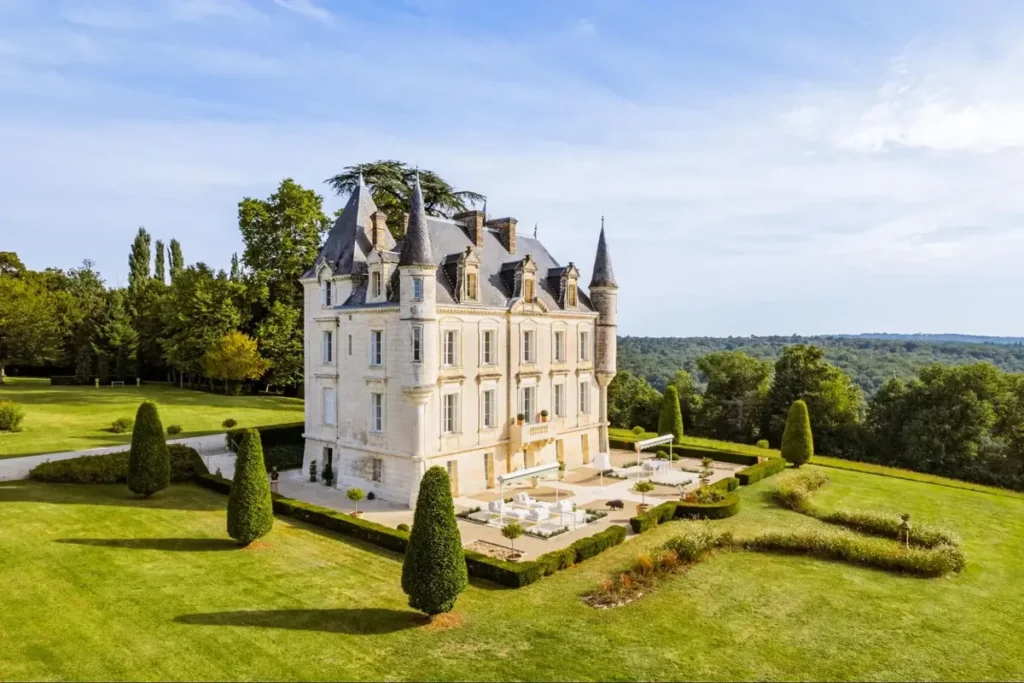
The best castles for rent in France work because the stay feels clear before arrival. That means the property matches the trip, the layout suits the group, the comforts are easy to understand, and the booking terms support realistic expectations. Château de Lasfonds fits that approach well because it combines historic character, private use, and a practical level of comfort for group stays on the border of the Charente and Dordogne.
Private Use with Space that Feels Easy to Understand
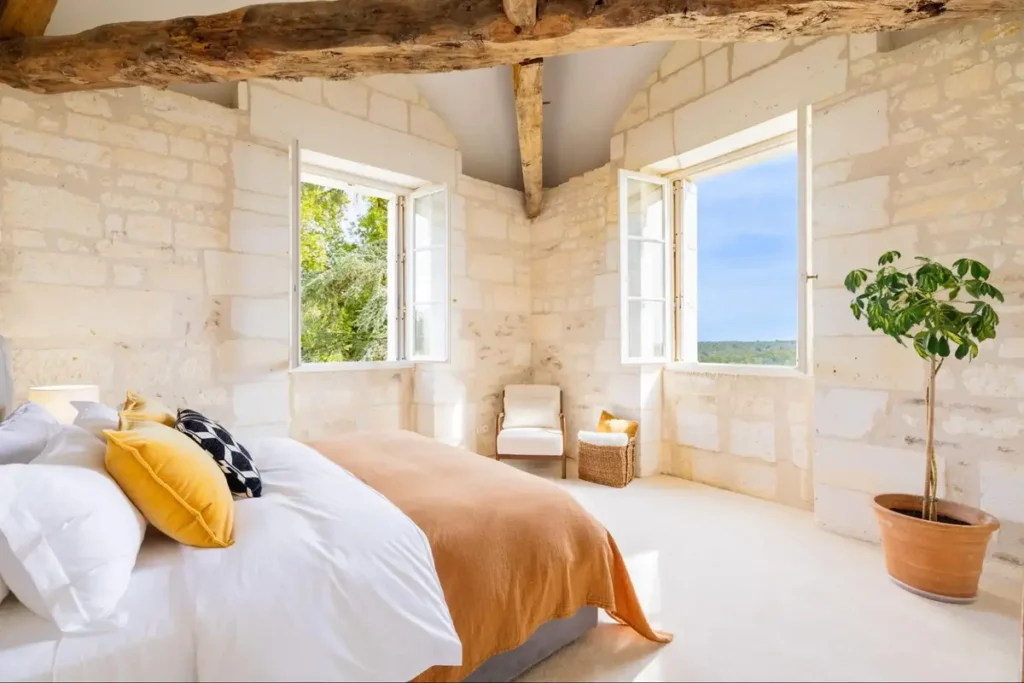
Château de Lasfonds is presented as a private estate for group stays. The main château has four bedrooms with king-size beds, and the outbuildings add extra accommodation for larger groups. That makes it easier for guests to understand how the estate operates before booking, which is one of the most important factors in choosing a château stay.
Comfort that Supports Longer Stays
The property combines heritage surroundings with features that matter in real use. The estate includes high-speed internet, a heated pool available from May to September upon request, linen and towels included in the booking, and outdoor areas designed for time together. There is also a game room, gym, and outdoor kitchen, which add practical value for families and groups who spend most of their time on site.
Useful Clarity Around the Booking
One reason this kind of property stands out is clarity. Château de Lasfonds states a refundable security deposit, a weekly booking rhythm, and includes essentials such as electricity, water, linen, towels, tourist tax, and VAT. For guests planning carefully, that kind of detail helps set expectations early.
A Good Example of What to Look For
If you use the seven questions from this guide while reviewing Château de Lasfonds, the booking decision becomes much easier. The strongest château stays come from that kind of fit, where the setting, layout, comfort, and practical details all support the trip you want to have.
For guests seeking a balance of character, comfort, and clarity, Château de Lasfonds is a strong example of a well-planned château stay from the start. To begin planning your stay, contact Château de Lasfonds with your preferred dates.
FAQs
1. How far in advance should you book a castle in France?
For peak summer dates, weddings, and large-group stays, booking six to twelve months in advance is often the safest approach. Smaller off-season stays can offer more flexibility, but the best located château rentals usually get reserved early.
2. Do French castle rentals usually require travel insurance?
Many travelers benefit from travel insurance when booking a château stay, especially for high-value group reservations. Good cover can help with trip cancellation, medical issues, transport disruption, and loss linked to prepaid accommodation costs.
3. Are meals included when you rent a castle in France?
Many castle rentals in France are accommodation only. Some include breakfast, while others can arrange private chefs, catering, or grocery delivery on request. Always check the meal setup before arrival so your first day runs smoothly.
4. Can you arrange local experiences through a French château rental?
Some château stays can help arrange wine tastings, private tours, cooking sessions, horseback riding, or in house dining. This depends on the property and region, so ask early if local experiences are important to your trip.
5. Do you need to speak French to rent a castle in France?
Not always. Many château owners and managers who host international guests communicate comfortably in English. Still, it helps to confirm this before booking, especially if your stay involves arrival coordination, catering requests, or local service arrangements.
6. Are French castle rentals a good option for longer stays?
They can work very well for longer stays, particularly for families, creative retreats, or groups who want privacy and space. The key factors are kitchen practicality, laundry access, reliable internet, and nearby services for daily needs.
7. What documents do guests usually need when checking into a castle rental in France?
Guests often need a booking confirmation, a valid passport or government issued ID, and payment records for any deposit or balance already sent. Some hosts may also request guest names in advance for arrival and registration purposes.
8. Can grocery delivery be arranged to a castle in rural France?
In some areas, yes, though it depends on the property and local services. Rural château stays may offer pre arrival shopping, stocked fridges, or concierge help, but remote locations can limit delivery speed and supplier choice.
9. Are château rentals in France suitable for work retreats or remote working?
Some are, especially properties with strong internet, multiple quiet rooms, and flexible shared space. Still, a historic estate should never be assumed to function like a modern work venue, so internet speed and workspace setup need direct confirmation.
10. Is there a best length of stay for renting a castle in France?
A stay of three to seven nights often works best because it gives you time to enjoy the property and explore the area without rushing. Very short stays can feel more logistical, especially at larger rural estates.