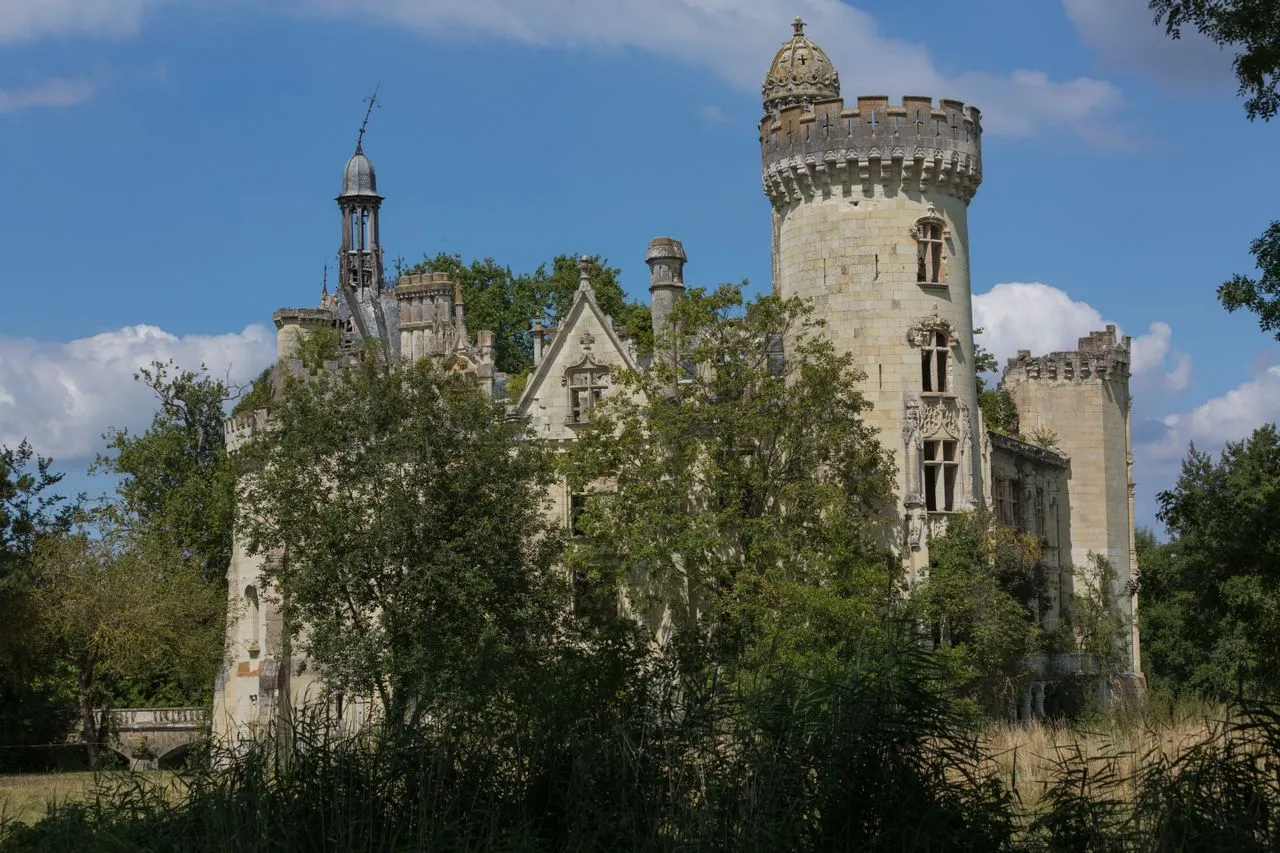
Many French châteaux stand abandoned because the buildings outlived the households, incomes, and purposes that once sustained them. War damage, inheritance complications, disputed ownership, long vacancies, and recurring maintenance costs can all contribute. Once water enters an unused building, deterioration can move quickly.
An abandoned French chateau may look intriguing, yet apparent vacancy does not make it safe, ownerless, or open to visitors. Responsible appreciation starts with authorized access and respect for the structure.
What Does “Abandoned” Mean for a French Château?
The word covers several conditions. A property may be empty but maintained, closed during restoration, partly ruined, or neglected. A château may also contain a preserved wing beside unsafe sections. Photographs rarely reveal its legal or structural condition.
France does not publish a reliable total for abandoned châteaux. Claims that the country has a specific number should therefore be treated cautiously. The closest useful official measure covers protected historic buildings of every kind, rather than châteaux alone.
A 2025 French Ministry of Culture assessment examined 36,512 protected buildings and rated nearly 23 percent as being in poor condition or at risk. That figure includes religious, domestic, military, and other architecture, and it does not mean all those buildings are abandoned.
| Condition | What it usually means | Appropriate visitor response |
| Vacant but maintained | Unoccupied, secured, and still under care | View only from a public place unless access is authorized |
| Under restoration | Active conservation work may limit entry | Use official tours, open days, or designated routes |
| Stabilized ruin | Historic remains have been made safe in defined areas | Follow signs and remain within the public route |
| Neglected or at risk | Maintenance has failed, and parts may be unstable | Do not enter without explicit permission and professional supervision |
Why Are So Many French Châteaux Abandoned?
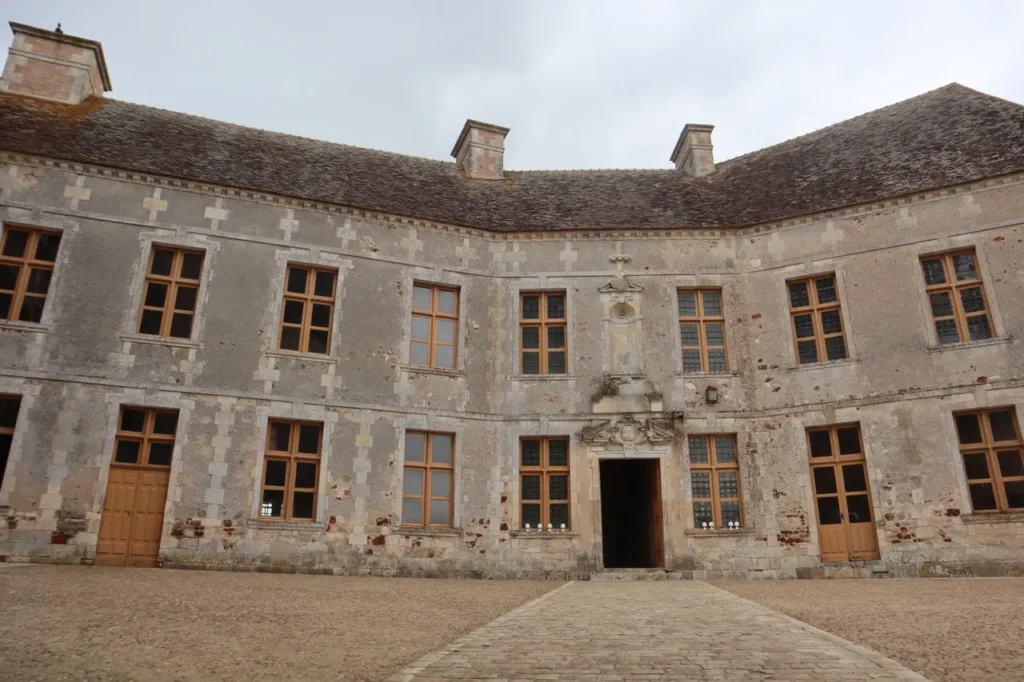
No single explanation applies to every abandoned chateau in France. Each building has its own ownership history, local economy, and pattern of damage. Several pressures commonly overlap.
Their Original Purpose Disappeared
Some châteaux served as defensive sites. Others were country residences linked to land, household staff, or local administration. A building designed around an earlier social and economic system can become difficult to use when that system disappears. Large reception rooms, service areas, towers, and outbuildings may have limited value as a modern home.
Ownership Became Complicated
A property can pass to several heirs, enter a long succession process, or belong to an owner without the resources required for it. Agreement on a sale, restoration, or new use may take years, allowing minor defects to grow.
The Ministry of Culture reports recurring difficulty contacting some owners and notes that private owners and municipalities may remain unable to begin restoration despite cofunding. Its latest assessment identifies 1,789 protected monuments at risk, including nearly 1,000 in private ownership and more than 600 owned by municipalities.
Maintenance Never Really Stops
A château can survive for centuries and still deteriorate after neglected maintenance. Loose roof tiles, damaged flashing, blocked gutters, and broken windows allow moisture to reach timber, plaster, and masonry. An empty building remains vulnerable to damp and frost.
Restoration funding and tax provisions may help eligible protected properties. Protection also brings oversight intended to preserve the features that give a building its cultural importance.
The Ministry of Culture’s guidance explains that listed and classified monuments can qualify for support, while repair and alteration must respect their historic interest.
Conflict, Fire, and Changing Uses Left Lasting Damage
Some abandoned castles in France became ruins after sieges, dismantling, fire, military occupation, or pillage. Others lost their function and were stripped for materials.
One Ministry of Culture record describes a château occupied and pillaged during the First World War before it was abandoned, while other sites fell out of use centuries earlier. Each ruin needs a site-specific history rather than a generalized story of aristocratic decline.
A Viable New Use Never Emerged
Restoration needs a purpose as well as capital. A home, museum, cultural venue, hotel, or exclusive-use rental has different safety, planning, and operating requirements. A remote property may struggle to generate enough income for continuous care.
Examples of Abandoned French Châteaux and Their Current Status
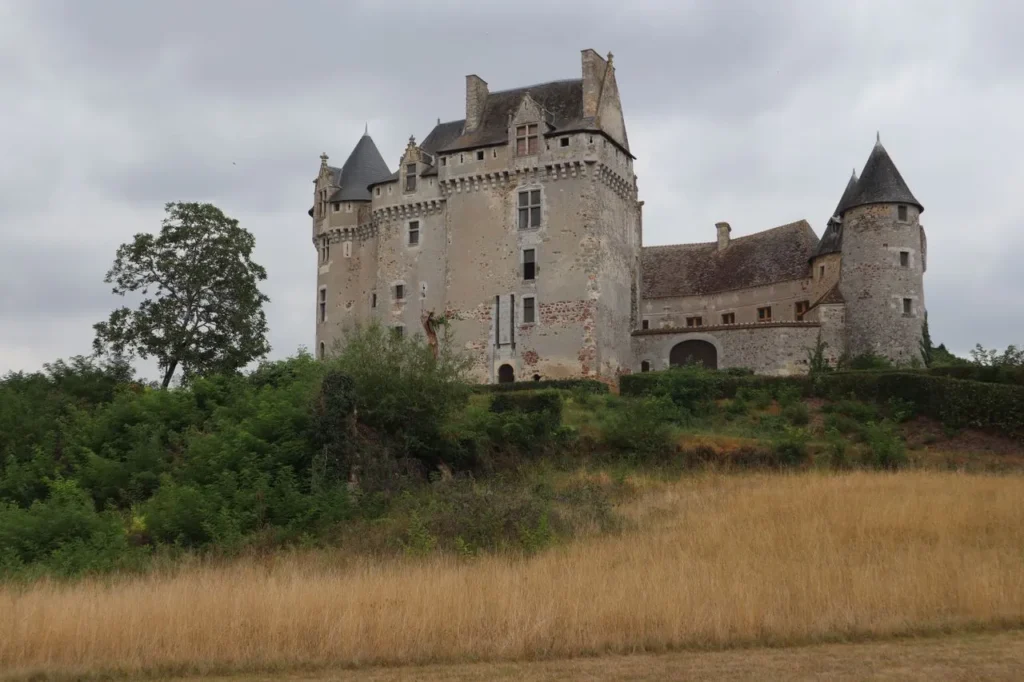
The term “abandoned château” can describe a roofless ruin, a private structure awaiting restoration, or a property that has already entered a conservation program.
| Château | Current status |
| Château de la Mothe-Chandeniers | Abandoned after a 1932 fire, then rescued through crowdfunding in 2017. Restoration continues, and authorized visits are available. |
| Château de La Ferté-Vidame | A monumental ruin surrounded by a public park. Visitors can view the exterior during official opening hours. |
| Château de Lagarde | Abandoned and plundered after the First Empire. It remains privately owned and is closed to visitors. |
| Château de Lauzières | Abandoned for more than a century and now undergoing conservation. Access is limited to appointments and selected heritage events. |
Access conditions can change. Check official guidance and never enter closed or privately owned ruins without permission.
Ruins Versus Restored Châteaux: Two Different Experiences
Ruins preserve evidence of change. Exposed masonry may reveal former rooflines and several construction phases. Their value lies in careful interpretation, not unrestricted access.
A restored château lets visitors understand how rooms relate to one another and how an old building supports contemporary life. Sensitive work may retain historic proportions, materials, and details while introducing bathrooms, heating, fire precautions, and reliable connectivity.
Neither experience is more authentic. The key question is what has been conserved, how the story is explained, and how visitor access protects both people and the building.
Is It Legal or Safe to Enter an Abandoned French Castle?
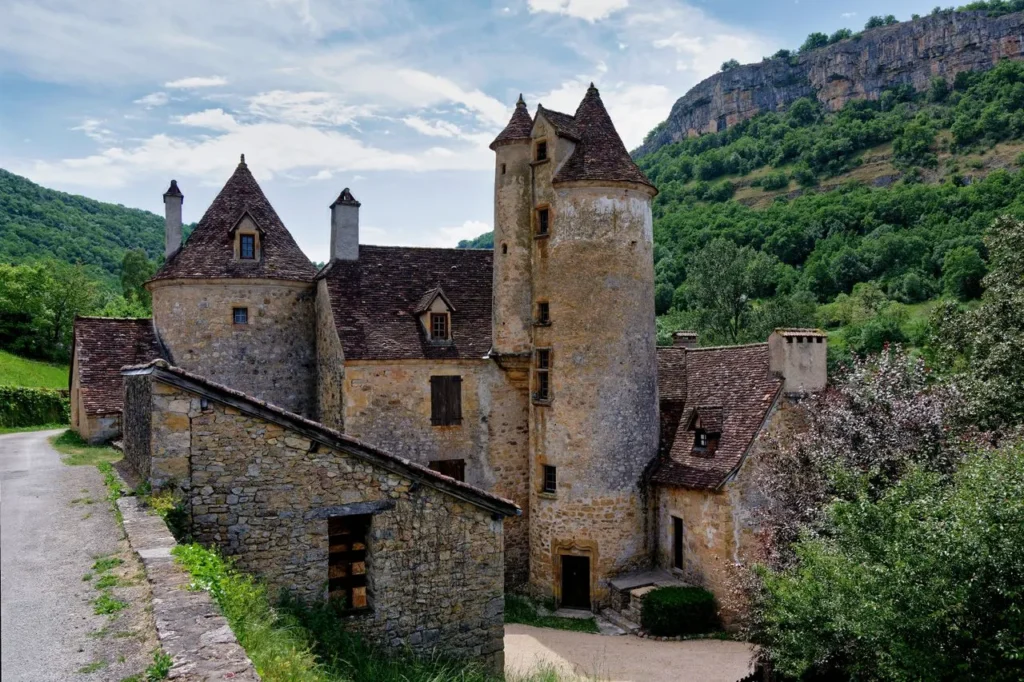
Never assume that an open gate, broken window, or overgrown drive grants access. A neglected building may still have an identifiable private owner. French criminal law also protects another person’s dwelling from certain forms of unauthorized entry. Its definition can include furnished residential premises even when nobody currently lives there.
The precise legal position depends on the property and circumstances, so visual signs of disuse are not permission. Article 226-4 of the French Penal Code provides the relevant wording for dwellings.
Physical danger is just as important. Rotten floors, unsupported stairs, falling stone, concealed wells, damaged glass, unstable ceilings, and unreliable mobile coverage can turn casual exploration into an emergency. Historic interiors and remaining objects are also vulnerable to touching, movement, graffiti, and location-sharing.
Use this quick decision framework before approaching any site:
| Question | Responsible green light | Clear reason to stop |
| Is access authorized? | Current owner, municipality, or official operator confirms it | Permission comes from a social post or another explorer |
| Is the route managed? | A marked route, guide, barriers, and current visitor information exist | The entrance is broken, hidden, or fenced |
| Is the building safe for visitors? | The operator identifies accessible areas | No current safety information is available |
| Will your visit support conservation? | Ticket income, a guided tour, or a recognized project contributes | Entry depends on bypassing security or concealing your presence |
| Should you publish the location? | The site promotes public visits | Publicity could invite trespass, theft, or vandalism |
How to Appreciate French Château Heritage Responsibly
Start with the French Ministry of Culture’s POP database, which publishes official heritage records. Then check the municipal or regional tourism office for current opening arrangements.
Restoration projects supported by the Fondation du patrimoine may offer guided visits or controlled access while work continues. The annual European Heritage Days program is another legitimate route into properties rarely accessible at other times.
Photography also deserves care. Stay behind barriers, avoid moving objects, do not use drones without the required permissions, and leave fragile locations untagged when public access is not established. Spend with organizations that maintain the place through admission, tours, donations, or approved events.
What Restoration Actually Involves
Restoration usually begins with surveys, documentation, emergency stabilization, and protection from water. Structural repairs and conservation of significant features come before decorative work. Modern services must then fit the building without erasing the evidence that makes it historically valuable.
The process can last for years and may never produce a fully polished interior. Progress matters. The Ministry of Culture recorded improved condition assessments for more than 2,000 protected monuments between its two latest reviews, while nearly 2,000 deteriorated. Its central recommendation is straightforward: regular maintenance remains essential to long-term conservation.
From Abandoned-Château Curiosity to a Restored Stay
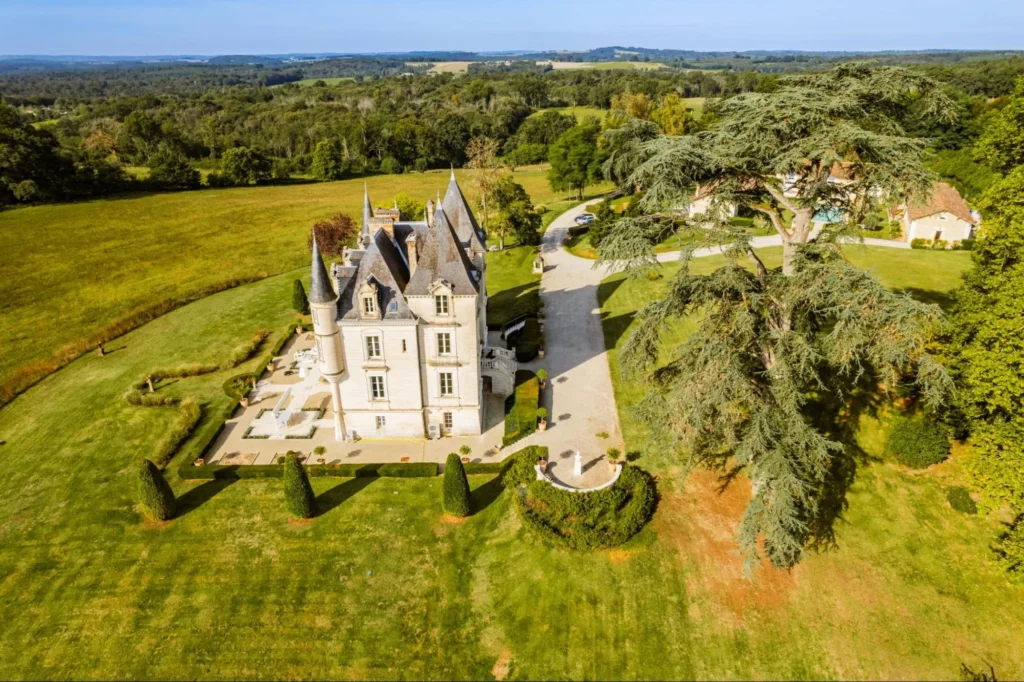
Travelers drawn to old buildings do not need to enter a ruin to feel close to French heritage. A stay in a restored château provides time to notice proportions, materials, room sequences, and the relationship between a residence and its grounds.
Château de Lasfonds is a renovated 19th-century property in South West France rather than an abandoned site. Its 6.5-hectare estate includes the main château and three former farm outbuildings.
The property is rented to one group at a time for a minimum of seven nights and currently accommodates up to 18 guests. Kitchens, workspaces, a games room, a gym, gardens, and high-speed Wi-Fi suit families, friends, and retreat groups.
Check available dates, explore the rooms, or send an inquiry to discuss your group and room requirements. External chefs and planning support can be recommended separately on request.
Respect Keeps Heritage Visible
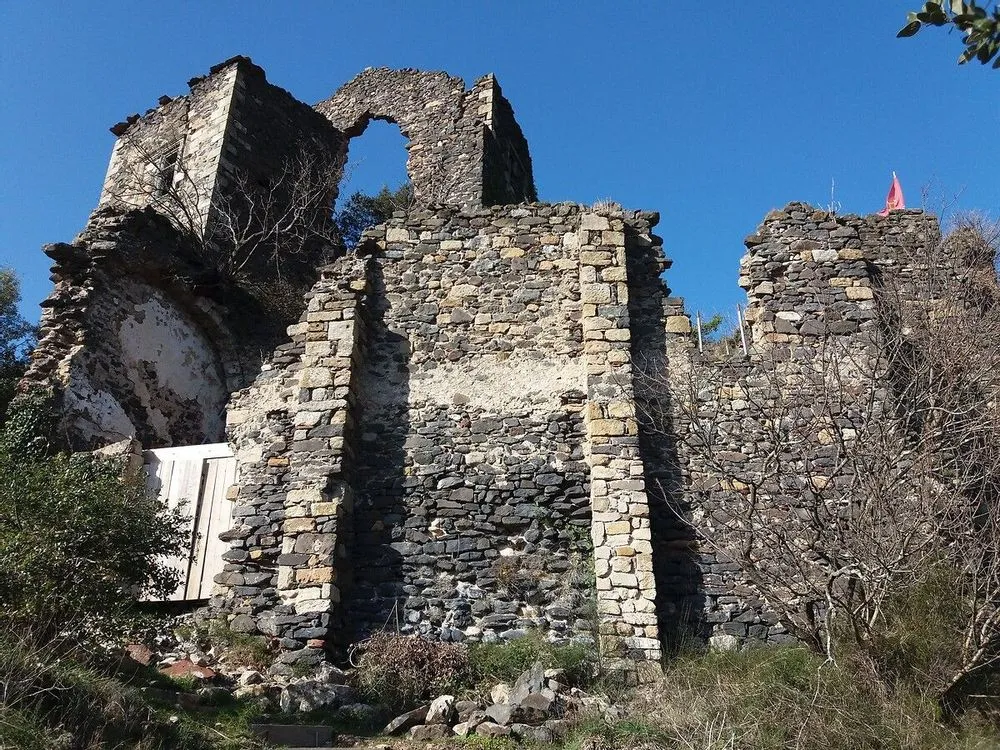
An abandoned French castle can reveal loss, adaptation, and the true demands of caring for an old building. Curiosity becomes valuable when it leads to research, authorized visits, support for conservation, and thoughtful stays in properties that have found a sustainable use. The most responsible encounter leaves the site, its story, and its future intact.
Frequently Asked Questions
Why are there abandoned châteaux in France?
Common causes include lost estate income, succession complications, expensive maintenance, war damage, long vacancies, and the absence of a practical new use. The balance differs for every château, so individual property records matter.
How many abandoned châteaux are there in France?
No authoritative national count isolates abandoned châteaux. Official statistics cover protected historic buildings across many categories. Avoid repeating precise totals unless the source defines “abandoned” and explains its method.
Is an abandoned French chateau the same as a castle?
Not always. “Château” can describe a fortified building, a grand country residence, or an estate property. English-language pages use “castle” more broadly, which can blur architectural and historical differences.
Can you enter an abandoned chateau in France?
Only enter when the owner or authorized operator has granted access and confirmed the visitor route. Apparent vacancy, a damaged gate, or directions posted by an urban explorer do not establish permission.
Are abandoned châteaux safe to explore?
Unmanaged buildings may contain unstable floors, falling masonry, unsafe stairs, hidden shafts, sharp debris, and poor phone reception. Choose an official guided visit or a stabilized ruin with marked public access.
How can I find abandoned châteaux that permit visitors?
Search the Ministry of Culture’s POP database, official tourism offices, municipal websites, Fondation du patrimoine projects, and the European Heritage Days program. Confirm access on the site’s official page before traveling.
What is the difference between preservation and restoration?
Preservation seeks to protect surviving historic fabric and slow further loss. Restoration may repair or return selected features to an earlier documented state. A project can combine both approaches.
Why does water cause so much damage to an empty château?
Roof and drainage failures let moisture reach timber, plaster, metal, and masonry. Decay can spread beyond the original leak, while frost and repeated wetting may weaken already vulnerable materials.
Can tourists support château restoration?
Yes. Purchase authorized tours, attend approved events, donate through recognized organizations, and respect restricted areas. Spending at responsibly operated heritage properties can also support continued maintenance and skilled work.
Is Château de Lasfonds an abandoned or ruined château?
No. Château de Lasfonds is a renovated 19th-century property offered as an exclusive-use group rental. It should be considered a restored château stay, rather than an urbex site or publicly accessible ruin.