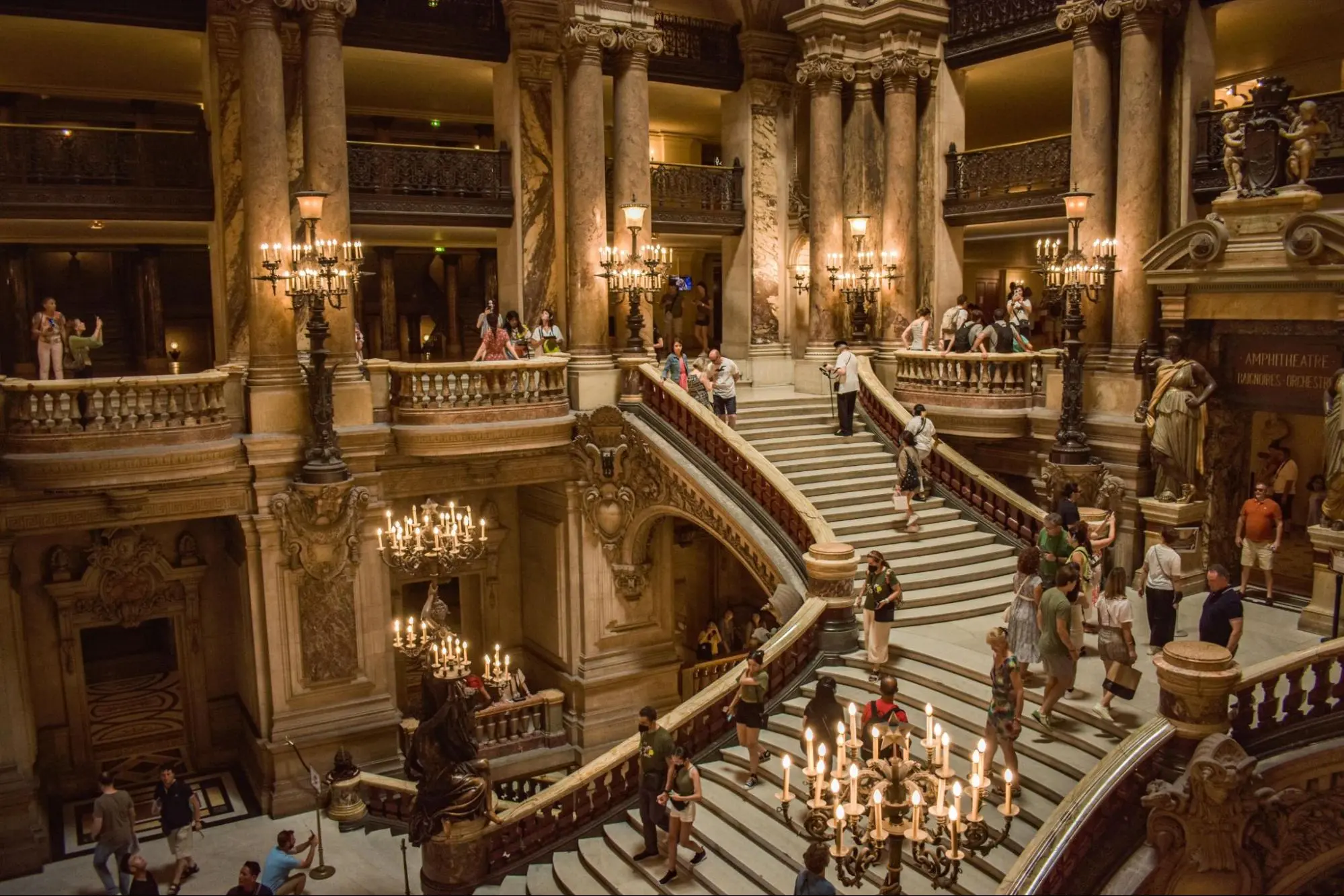
A good Luxury Travel Agency in France should help you design a trip that feels calm, personal, and well-paced from the first arrival to the final transfer. The real value is not only access to beautiful hotels or private guides. It is the agency’s ability to remove friction before it reaches you.
France rewards thoughtful planning. A rushed route can make even the finest hotel feel like a stopover. A well-designed itinerary lets you enjoy Paris, wine regions, countryside estates, village markets, private meals, and cultural visits with enough space between them. That space often decides how luxurious the trip feels.
Before you book, ask sharper questions. The right questions reveal how the agency thinks, how carefully it builds each day, and how much support you will receive once the trip begins.
What Should a Luxury Travel Agency Ask Before Planning Your France Trip?
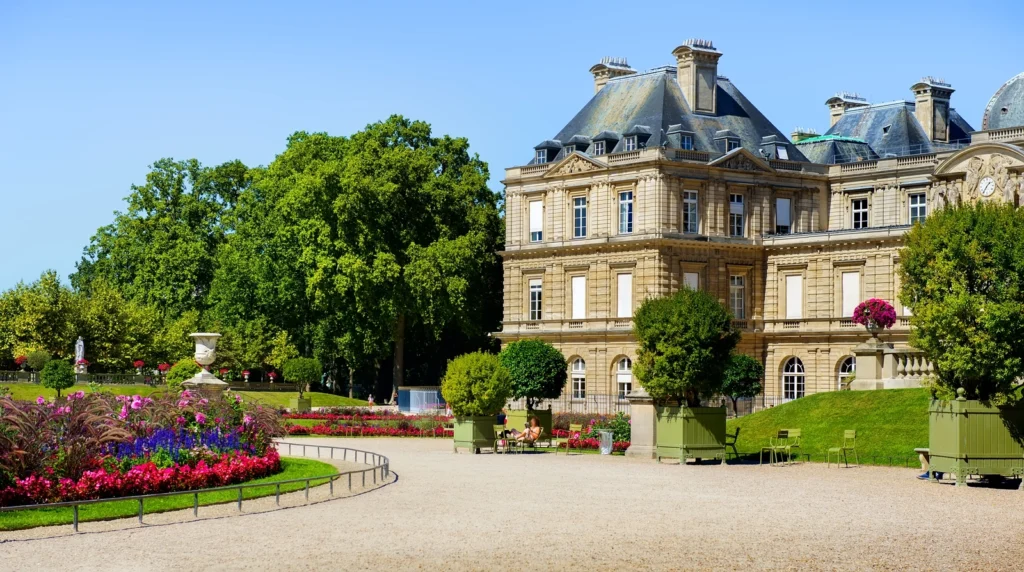
A strong Luxury Travel Agency France should ask how you want each day to feel before it asks which cities you want to visit. Paris, Provence, Bordeaux, Burgundy, Normandy, the Loire Valley, and the Dordogne all offer luxury, but each place creates a different travel rhythm.
The agency should ask about your preferred start time, walking comfort, dining style, luggage needs, room expectations, privacy level, and tolerance for long transfers. These details may sound small, but they shape the daily experience more than any glossy itinerary line.
You should also explain what makes a trip feel tiring. Some travelers dislike early starts. Others dislike formal dinners every night. Some want long cultural visits, while others prefer one focused experience before lunch. A good planner should listen for those patterns and build around them.
Ask this question early:
“How do you learn my travel style before you propose the route?”
If the answer stays vague, the itinerary may follow a standard template rather than your real preferences.
How do You Protect the Pace of the Trip?
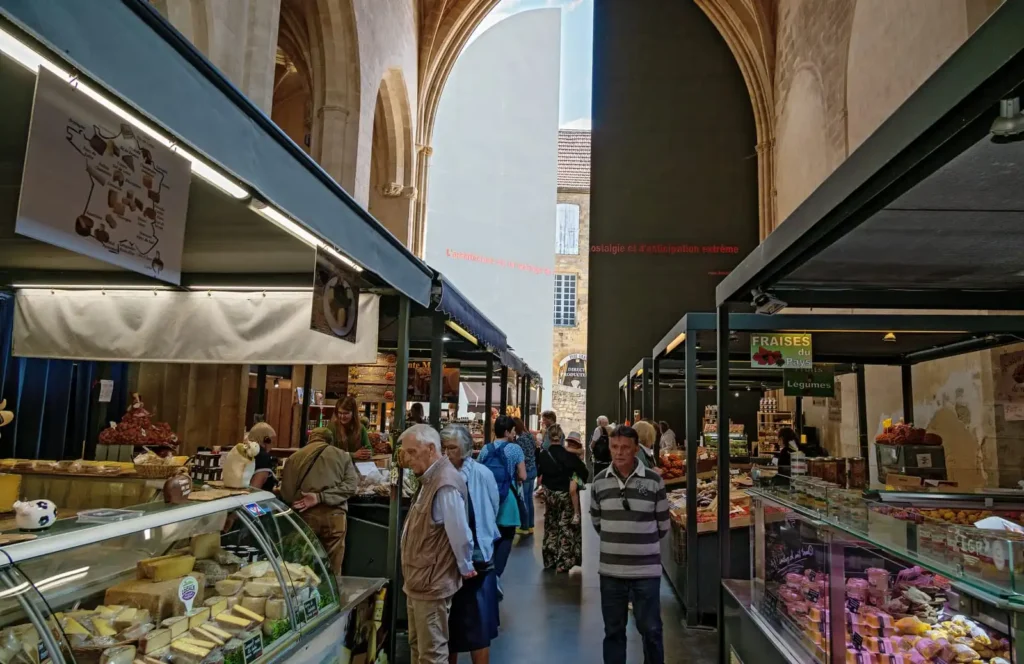
Pace is one of the biggest differences between a beautiful trip on paper and one in real life. Many French luxury vacation packages include famous regions, private tours, fine dining, and countryside stops. Yet too many inclusions can turn the trip into work.
Ask how many meaningful experiences the agency places in one day. In France, one strong visit, one excellent meal, and one slower local moment often feel better than three premium activities. This rhythm gives the day depth without draining your energy.
You should also ask where rest days appear. A rest day does not mean wasted time. It gives you a chance to enjoy the property, swim, read, walk into the village, visit a market, or accept a chef’s dinner without another transfer.
Ask for a sample day with real timing. It should show pickup time, drive time, visit duration, lunch time, afternoon return time, dinner distance, and free time. This one request quickly exposes weak planning.
What does Door to Door Ease Include?

The phrase door-to-door ease should cover every handoff, not only private transport. It should include airport arrival assistance, luggage assistance, train station support, hotel check-in timing, villa access, rural transfers, guide meetings, and restaurant returns.
- Ask who meets you after a long flight.
- Ask how luggage moves during train travel.
- Ask what happens if your room is not ready.
- Ask how the agency handles a late arrival at a private property.
These moments decide if the first day feels polished or stressful.
In rural France, door-to-door ease matters even more. Some villages, vineyards, gardens, and estates sit far from easy public transport. A destination may look close on a map, but narrow roads, parking limits, market days, and summer traffic can change the day.
A serious agency should explain the whole movement plan. You should know when a driver stays with you, when a local transfer takes over, and when walking becomes part of the experience.
How are Private Stays Chosen?
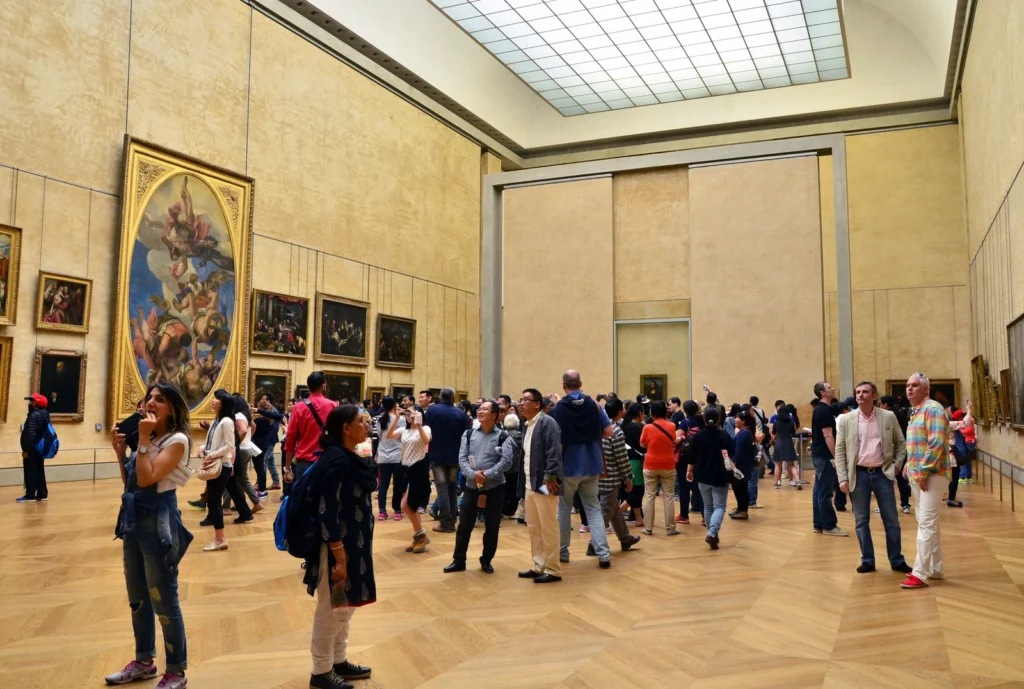
Private stays can make France feel deeply personal, but they need careful selection. A chateau, villa, farmhouse, or estate may look stunning online and still pose problems due to distance, stairs, inadequate cooling, poor staffing, or limited dining access.
Ask who inspected the property or who manages it locally. Photos can hide road noise, awkward bathrooms, steep access to the village, small kitchens, and weak bedroom layouts. The agency should know the property beyond the image gallery.
You should also ask how the property supports your daily rhythm. If you enjoy market mornings, the stay should sit close to a real local market. If you want quiet evenings, the property needs chef access, nearby dining, or a calm route back after dinner.
For families or groups, ask about bedroom equality. Some estates have one beautiful primary suite and several less comfortable rooms. That detail can quickly affect group comfort, so it belongs in the planning conversation.
How Far Will You Drive Each Day?

The driving radius is one of the most practical questions in luxury travel. A route may look reasonable on a map, but daily travel in rural France includes village roads, parking, lunches, guide timing, heat, and fatigue.
Ask for the longest drive of the trip. Then ask for the average daily drive. A good agency should answer clearly. If most days require long transfers, you need to know that before you approve the itinerary.
The best countryside routes usually stay within a sensible driving radius. This lets you enjoy the destination rather than spending each day traveling between locations. It also leaves room for spontaneous stops, slower lunches, and time at the property.
For Provence, this question is critical. Many travelers want the Luberon, Aix, Avignon, Arles, vineyards, hill villages, and the Riviera in one trip. That can work only when the route has strong geographic discipline.
How does Concierge Planning Work After Arrival?
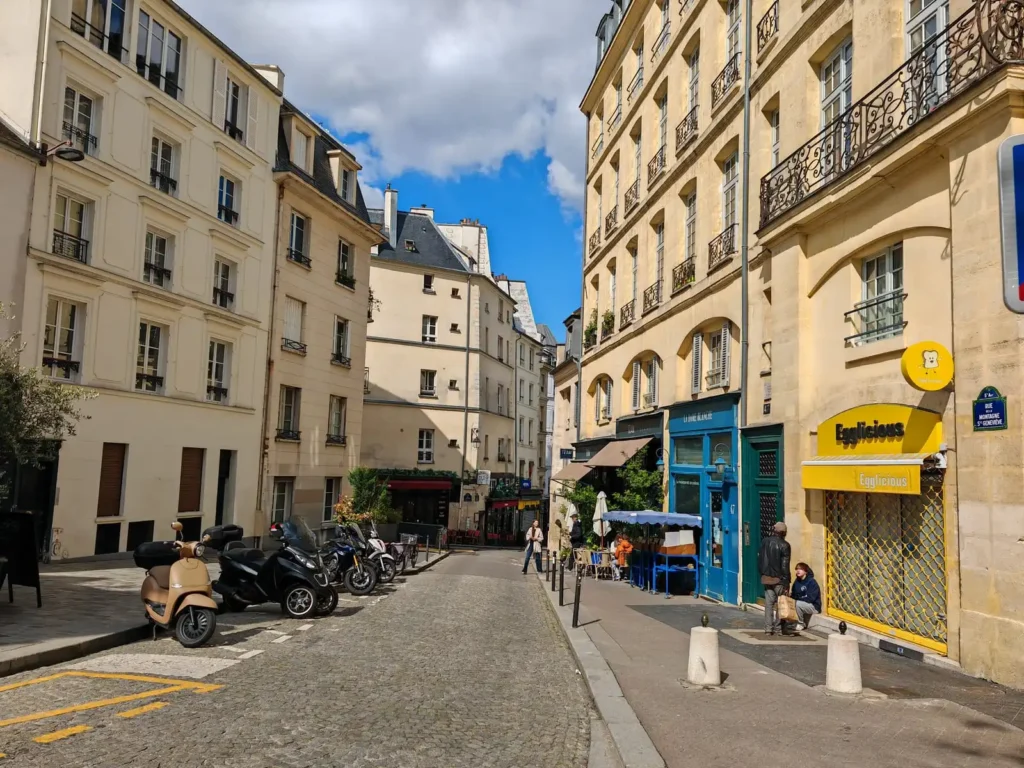
Good concierge planning does not stop when the itinerary is confirmed. It continues through restaurant changes, train delays, weather shifts, museum timing, driver communication, and last-minute comfort needs.
Ask who supports you during the trip. You should know if you receive a local contact, a remote planner, a hotel concierge, or a dedicated travel support team. You should also know how quickly that person responds.
Food planning deserves special attention. France has formal tasting menus, bistros, vineyard lunches, terrace dining, chef-cooked meals, and simple village restaurants. The right mix matters. Too many heavy dinners can feel exhausting, while too many casual meals may feel underplanned.
Strong concierge planning also respects local rhythm. Many restaurants close on certain days. Markets happen on specific mornings. Some villages feel lively before lunch and quiet by evening. A thoughtful plan uses these rhythms instead of fighting them.
What Should You Ask about Hotels and Palace-Level Stays?
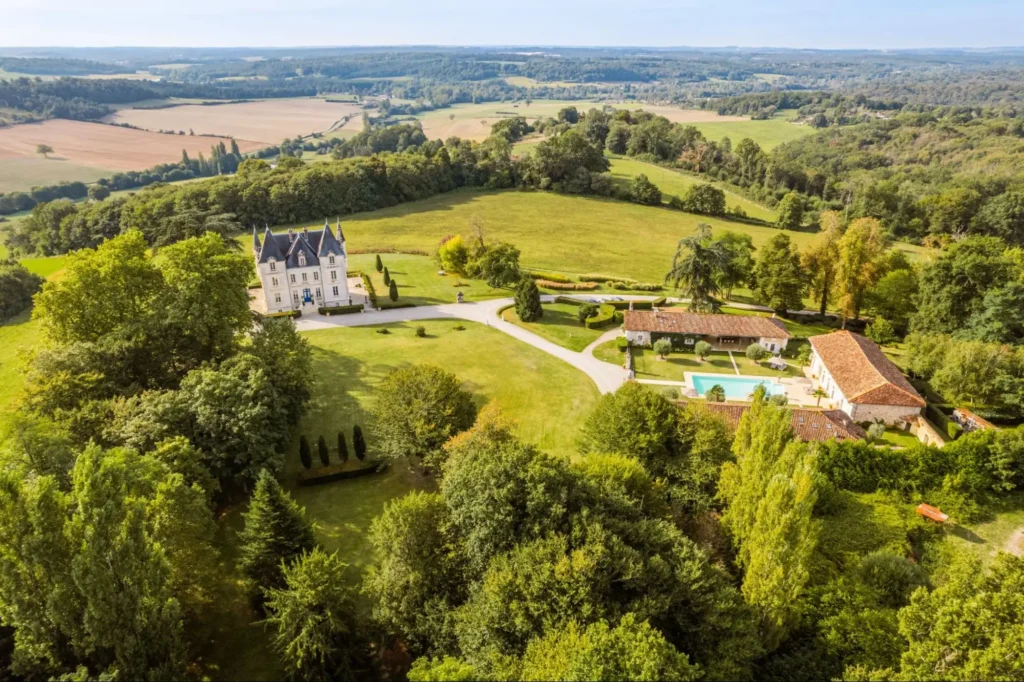
Luxury hotels in France vary widely. A five-star address can offer polished service, but France also has the Palace distinction for exceptional five-star hotels with outstanding characteristics. This matters when clients expect the highest hotel standard.
Ask why the agency recommends each hotel. The answer should go beyond reputation. A hotel may be famous, but it may not suit your preferred room style, neighborhood, service tone, spa needs, or walking plans.
In Paris, location matters as much as status. Some travelers want gallery access and quiet streets. Others want a grand hotel atmosphere, proximity to shopping, or easy access to museums. The best hotel is the one that supports your daily plan.
Outside Paris, hotel choice becomes more strategic. A countryside hotel may offer charm and privacy, but it may limit dinner options. A town hotel may give better access to restaurants and markets, but less calm. The agency should explain that trade-off clearly without forcing a single answer.
How Flexible are France Luxury Vacation Packages?
Many French luxury vacation packages can provide a helpful starting structure. Yet the package should not trap you inside someone else’s ideal trip. Luxury planning should adapt around pace, privacy, route logic, and personal priorities.
Ask what can change before you book.
- Can you add a countryside base?
- Can you reduce hotel changes?
- Can you replace a famous stop with a quieter region?
- Can you swap formal dining for chef dinners or market-led meals?
You should also ask what the price includes. Some packages include transfers, guides, hotels, selected meals, and support. Others show a base price that increases when you add private drivers, higher room categories, special access, or villa services.
Ask for the exclusions in plain language. This helps prevent surprise costs later. It also tells you whether the agency has priced the actual trip or only the attractive version.
How should the combinations of Spain, Portugal, and France be Planned?
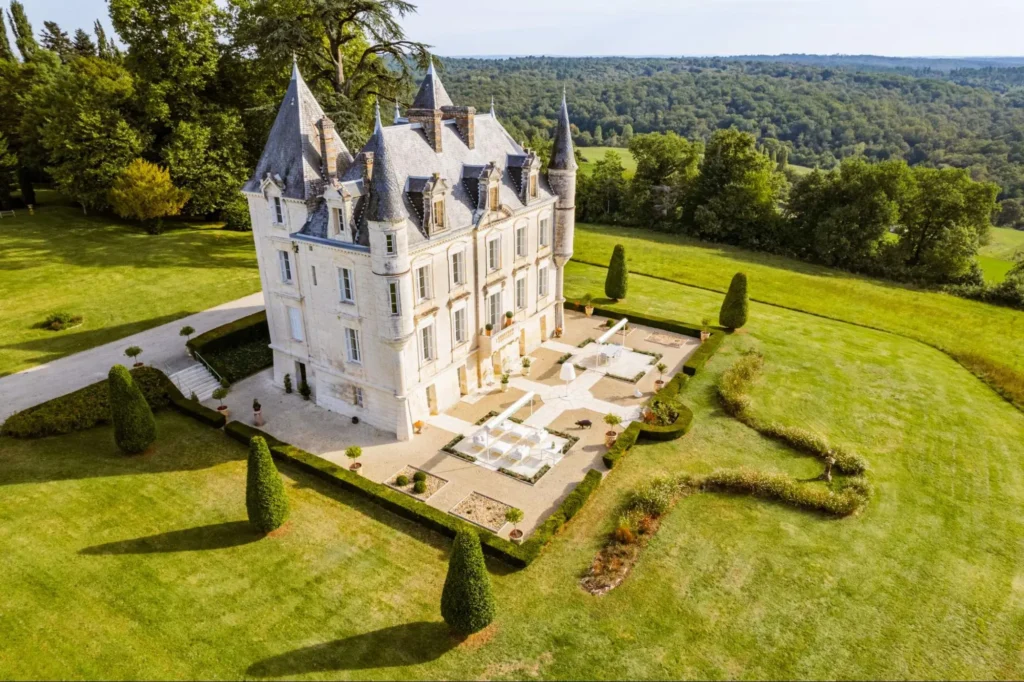
Searches for custom luxury tours in Spain and France often come from travelers who want cultural variety without having to handle the logistics themselves. The key issue is route logic. Barcelona to Provence, San Sebastian to Bordeaux, and Madrid to Paris can work when the travel days are planned carefully.
For custom luxury tours in Spain, Portugal, and France, the route needs even more discipline. Three countries can feel exciting during planning, yet they can feel fragmented during travel if the trip moves too fast.
Ask which country anchors the trip. France may anchor the journey through food, wine, countryside stays, and art. Spain may add architectural influences, a late-night dining culture, and strong city energy. Portugal may add coast, design hotels, and quieter urban stays.
A luxury agency should not treat these countries as a checklist. It should shape the sequence around flight access, train comfort, luggage flow, hotel nights, and the emotional pace of the journey.
What Makes the Best Luxury Tours in France Feel Personal?
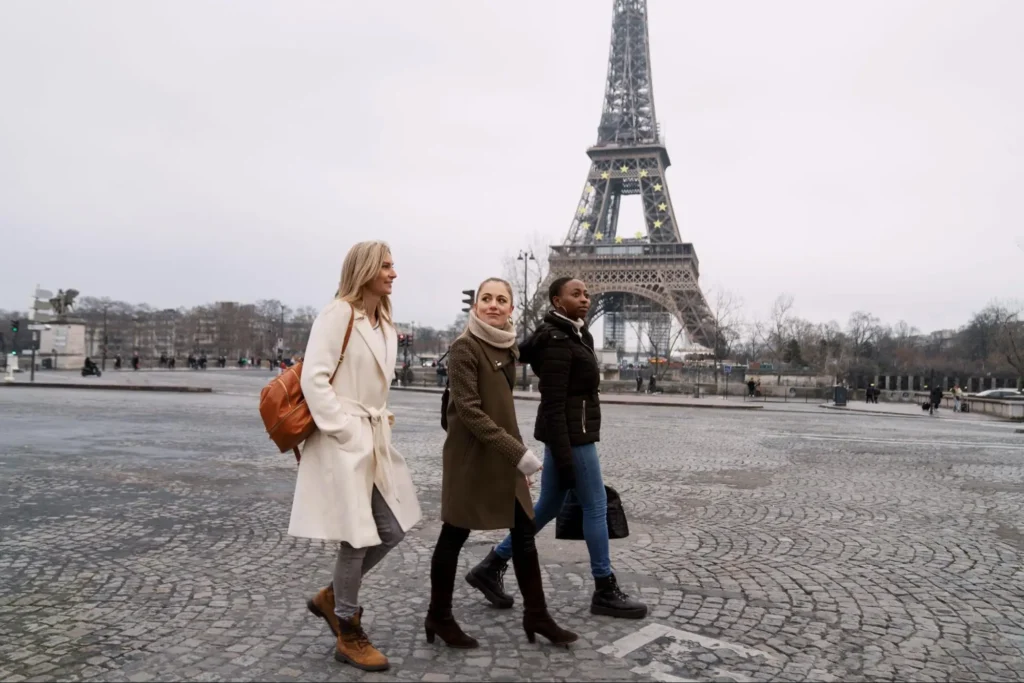
Search intent around France’s best luxury tours often focuses on private guides, access, and premium experiences. Yet the best tour is not always the rarest option. It is the experience that fits your curiosity, stamina, and preferred level of detail.
Ask how the agency matches guides. A strong museum expert may not be a good fit for a relaxed food walk. A wine specialist may not suit a family with teenagers. A village guide may need warmth, local knowledge, and flexible timing more than academic depth.
Ask how access is confirmed. Some experiences depend on the season, day of the week, private owner availability, guide relationships, and group size. A trustworthy planner should tell you what is confirmed, what is requested, and what has a backup.
Private tours should also connect to the rest of the day. A morning museum visit should not lead to a rushed lunch and a long transfer unless you asked for an intense day. The best planning keeps the experience and the recovery time together.
How do Market Mornings Improve the Trip?
Market mornings give France trips texture. They bring food, flowers, produce, antiques, cheese, linens, baskets, and village life into the itinerary without turning the day into a formal tour.
Ask which markets fit your route and travel dates. Not every market happens daily, and not every market suits every client. Some feel lively and local. Others feel crowded and souvenir-heavy. A good agency should know the difference.
A market morning can also support private dining. Your chef can shop locally, then prepare lunch or dinner at the property. This connects the day naturally, and it gives the meal a stronger sense of place.
For countryside travel, market timing can shape the whole day. You might visit the market early, return for lunch, rest in the afternoon, then enjoy a simple evening nearby. This rhythm often feels more luxurious than another scheduled excursion.
Why should Quiet Evenings be Planned in Advance?
Quiet evenings are often the part of the itinerary that travelers remember most. After days of walking, tasting, touring, and transferring, many people want comfort, privacy, and ease more than another grand booking.
Ask how far dinner is from your stay. In rural France, a beautiful restaurant can feel inconvenient if it requires a long drive after dark. This matters even more after wine tastings or formal meals.
A strong agency should offer alternatives. These may include a private chef, a stocked kitchen, a short village walk, a terrace dinner, or a relaxed hotel restaurant. The goal is not to make every night impressive. The goal is to make every night feel right.
You should also ask how many late nights there will be during the trip. A luxury itinerary needs recovery time. Without it, even exceptional experiences start to blur together.
What Red Flags Should You Notice Before Booking?
A weak agency often talks in broad promises. It may mention exclusive access, hidden gems, luxury hotels, and seamless service without explaining how those things work in daily life.
One red flag is a route with too many hotel changes. Packing, checkout, transfer timing, and check-in delays can quickly reduce comfort. A better plan usually uses fewer bases and stronger day trips.
Another red flag is unclear pricing. If the proposal does not separate hotels, transfers, guides, meals, villa staffing, service fees, and exclusions, you may not understand the true cost.
You should also watch for generic descriptions. Words like charming, authentic, exclusive, and unforgettable mean little without specifics. Ask what you will do, who will guide you, how long it takes, and why it fits your style.
What Final Questions Should You Ask Before You Approve the Itinerary?
Before you choose a Luxury Travel Agency in France, ask for the itinerary in practical detail. Each day should show timing, movement, meal logic, guide time, free time, and evening distance.
Ask what the agency removed from the trip. This question is powerful because it reveals judgment. A thoughtful planner should know what they left out and why. That answer shows they protected the quality of the trip rather than filling every day.
Ask how changes work after booking. You should know what can still shift, what depends on availability, and what may involve added cost. This clarity matters when you plan private stays, special access, and high-demand restaurants.
Most of all, ask if the trip gives you room to enjoy France. Luxury is not only about what gets added. It is about what gets handled quietly, what gets timed well, and what never becomes your problem.
Stay at Château de Lasfonds
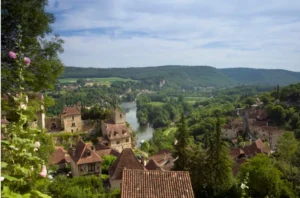
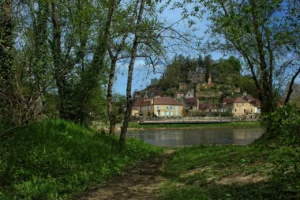
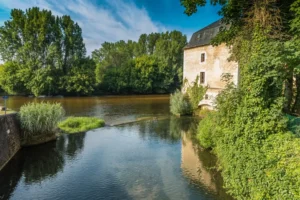
If your ideal French trip needs privacy, space, and a slower countryside rhythm, Château de Lasfonds gives you a refined base for the whole experience. Set in the Dordogne countryside, the estate suits families, friends, and small groups who want private time together without giving up comfort or thoughtful planning.
Here, your days can move at the right pace. Start with quiet breakfasts, spend your mornings exploring nearby villages or local markets, then return for pool time, garden views, and relaxed evenings on the estate. The setting works well for travelers who want more than a hotel room. It gives you space to settle in, reconnect, and enjoy France without constant packing, transfers, and schedule pressure.
For a more complete stay, plan your time at Château de Lasfonds around private dining, local experiences, wine tastings, countryside drives, and intentional rest days. This is where a luxury French itinerary becomes easier to enjoy because the property gives every day a calm center.
Ready to plan your private château stay in France? Contact Château de Lasfonds to check availability and start building a countryside trip that feels personal, spacious, and beautifully paced.
FAQs Luxury Travel Agency France
How far in advance should you contact a Luxury Travel Agency in France?
Contact a Luxury Travel Agency in France six to twelve months ahead for peak dates. Earlier planning gives better access to private villas, Palace-level hotels, guides, chauffeurs, and seasonal countryside experiences.
Are France’s luxury vacation packages better than booking everything separately?
French luxury vacation packages work best when they include flexible planning, clear inclusions, and real support during travel. Separate bookings may save money, but they often create gaps across transfers, guides, meals, and timing.
What is usually not included in French luxury vacation packages?
Most French luxury vacation packages may exclude city taxes, gratuities, travel insurance, private meals, premium room upgrades, late checkout, extra driver hours, and special access fees. Always request a written inclusion list.
How do custom luxury tours span France and Spain, usually connecting between countries?
Custom luxury tours in Spain and France often connect through Paris, Barcelona, Bordeaux, San Sebastian, or Provence. The best route depends on flight access, train comfort, luggage volume, hotel nights, and preferred travel pace.
When do custom luxury tours in Spain, Portugal, and France become too rushed?
Custom luxury tours in Spain, Portugal, and France can feel rushed when each country is allotted only two or three nights. Most travelers need fewer bases, better flight planning, and longer stays to fully enjoy each destination.
What is the difference between a private guide and a local host in France?
A private guide usually provides deeper historical, artistic, culinary, or regional expertise. A local host often focuses on lifestyle access, introductions, shopping support, neighborhood context, and softer cultural guidance during the day.
Can a luxury French itinerary include children or older family members?
Yes, a luxury France itinerary can suit mixed ages when planning accounts for walking distance, stairs, meal timing, room layouts, medical needs, and afternoon breaks. Ask for family-friendly pacing before booking.
What documents should you review before paying a luxury travel deposit?
Review the proposal, inclusions, payment schedule, cancellation terms, supplier conditions, insurance guidance, and change policy before paying. Clear paperwork protects you if hotels, private stays, guides, or transfers change later.
How do you compare France’s best luxury tours without relying on price alone?
Compare France’s best luxury tours by guide quality, route logic, access confirmation, group privacy, transport comfort, cancellation terms, and support during travel. Price matters less when the day feels poorly matched.
Does concierge planning help with last-minute changes in France?
Yes, concierge planning helps when restaurants close, the weather changes, trains are delayed, or guests need a slower day. Strong support gives the trip flexibility without forcing you to solve every detail yourself.