Planning two weeks in France works best when the route is built around depth instead of distance. France can tempt travelers into a checklist: Paris, Normandy, Loire, Provence, Riviera, Alps, Bordeaux, Dordogne. That looks efficient on paper, but then it becomes hotel changes, station transfers, parking stress, and meals taken too close to closing time.
A stronger 14-day itinerary in France uses fewer bases, better rail links, and one countryside stay with enough space to settle in. This plan pairs Paris, the Loire Valley, and Southwest France because it offers travelers three distinct facets of the country: city culture, castle regions, and market-led countryside.
Official French tourism describes the Loire Valley through its châteaux and Renaissance heritage, while the Dordogne-Périgord is defined by caves, castles, medieval villages, and river valleys.
Why This Two-Week in France Plan Works Better Than A Fast National Loop
The best route for 2 weeks in France should conserve energy. Two weeks feels long at the planning stage, but it disappears quickly once arrival fatigue, train days, car pickup, laundry, market mornings, and restaurant booking windows set in.
This plan uses a simple base count: three main bases plus arrival and departure logic.
- Paris gives the cultural start.
- The Loire Valley adds the château layer without pushing travelers into long rural drives too early.
- Dordogne then becomes the slow base, with village circuits, gardens, river views, markets, and castles within a practical driving radius.
This approach is also commercially smart for families, couples, senior travelers, and small private groups. It reduces wasted movement while still feeling rich. It also works for travelers looking for the best 2-week France itinerary because it balances icon value with time on the ground.
Suggested Base Count for a 2-Week in France Itinerary
A smart 2-week itinerary in France needs enough variety to feel complete, but not so many stops that the trip turns into admin. Use this base count:
Paris: 3 Nights
Start in Paris for museums, food, architecture, shopping, and an easy arrival structure. Keep the first day light. A Seine walk, a good bistro, and one booked museum will beat an overloaded arrival day.
Loire Valley: 3 Nights
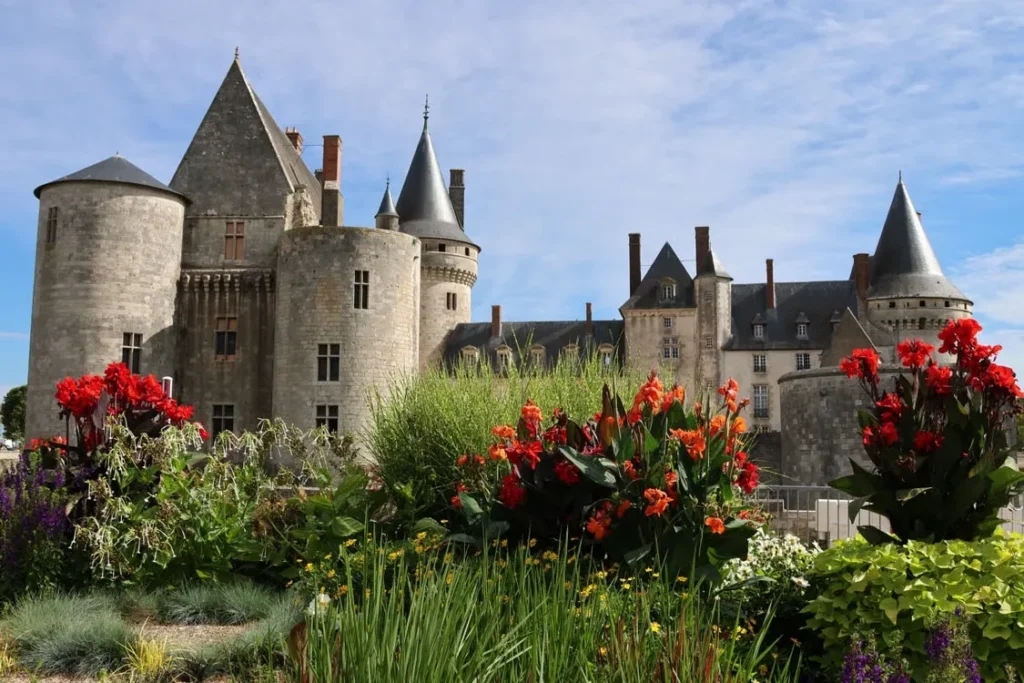
Choose Tours, Amboise, or a nearby countryside stay. The Loire functions as a castle region because famous châteaux are close enough to be grouped into selective day circuits. The Loire is a region shaped by Renaissance heritage, gardens, river towns, and châteaux such as Chambord, as well as nearby estates.
Dordogne or Southwest France: 6 5ights
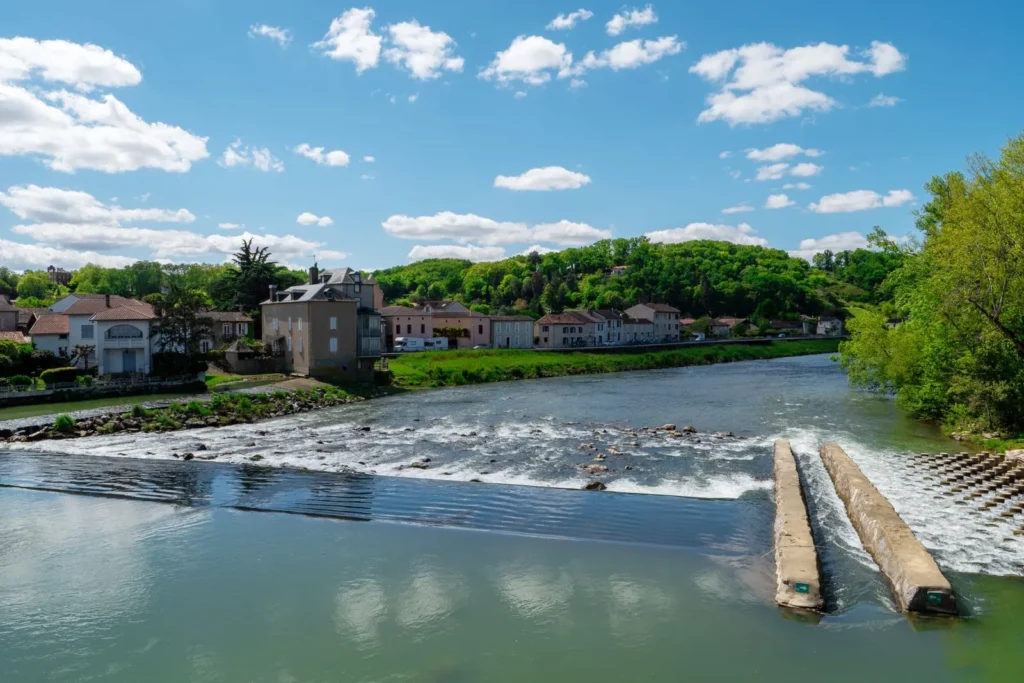
Alt text: Adour river. New Aquitaine. Les Landes, France
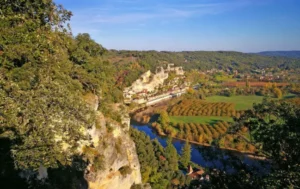
This is the slow base. Dordogne gives the trip texture: Sarlat, Beynac, La Roque-Gageac, Domme, Les Eyzies, riverside lunches, caves, and market circuits. La Roque-Gageac and Beynac are nearby villages to visit, which support the case for staying longer at one Dordogne base.
Final Paris or Bordeaux Night: 1 night
Use the last night for departure protection. If flying from Paris, return the day before. If flying from Bordeaux, end in Bordeaux after Dordogne.
A Practical 14-day Itinerary in France with Castles And Countryside
This 14-day itinerary in France keeps travel days to a minimum and gives each base a job.
Days 1 To 3: Paris With A Soft Landing
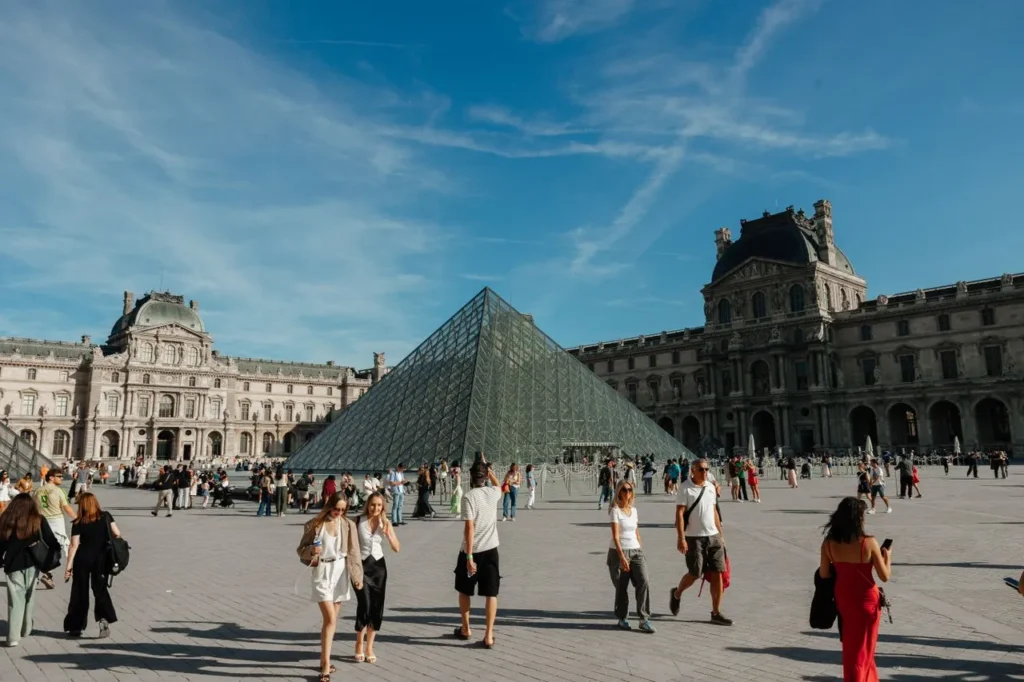
Spend day one close to the hotel. Day two can carry the Louver or Musée d’Orsay, paired with a Left Bank walk or a food-focused neighborhood. Day three should be lighter: covered passages, Saint Germain, the Marais, or a booked dinner.
The goal is not to “finish” Paris. The goal is to start the trip with cultural weight and enough rest for the countryside days ahead.
Days 4 To 6: Loire Valley For Châteaux And Gardens
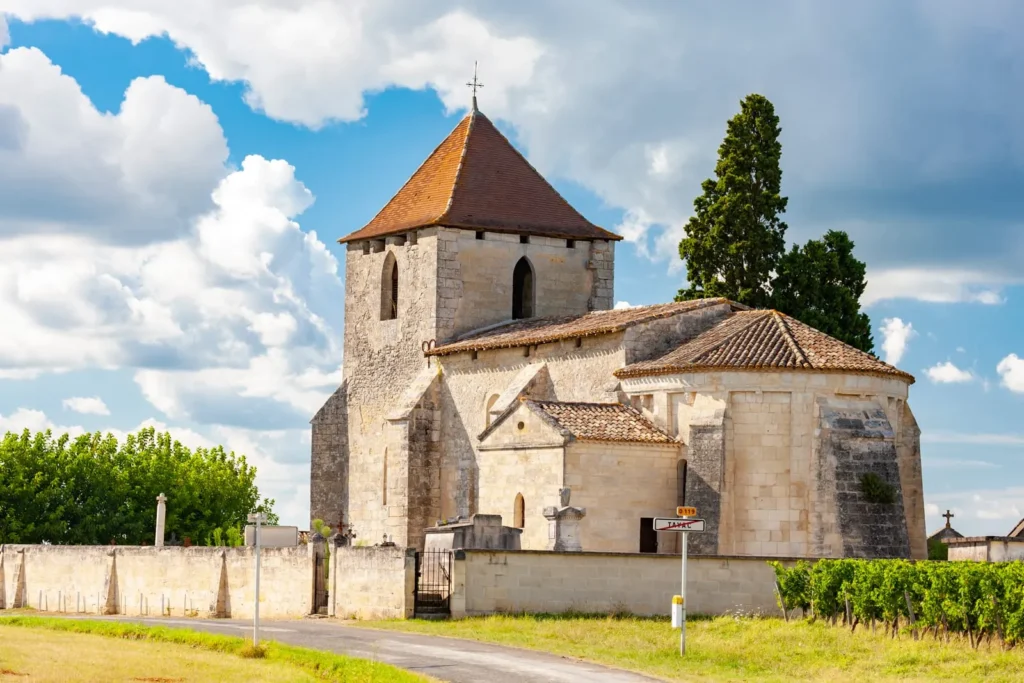
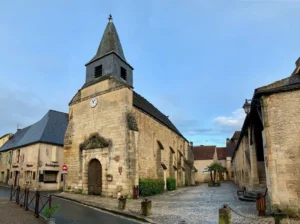
Alt text: Saint Pierre Church in Saint Laurent des Combes, France
Take the train from Paris toward Tours or Saint-Pierre-des-Corps. From there, base in Tours, Amboise, or the countryside. Choose two major châteaux and one smaller site rather than cramming four visits into one day.
A strong Loire circuit might include Chambord for its scale, Chenonceau for its river architecture, and Villandry for its gardens. France.fr also features Loire château routes by train, making the region useful for travelers who want access to castles without committing to a full driving trip from day one.
Day 7: Rail South Toward Bordeaux Or Dordogne
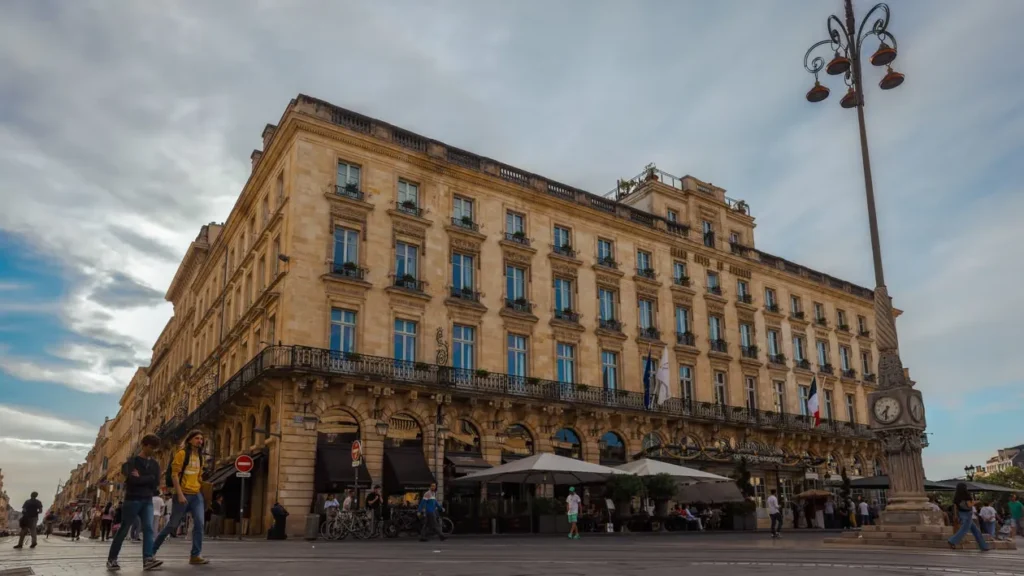
This is the transfer day. Paris to Bordeaux high-speed services with the fastest journeys just over two hours, while Tours to Bordeaux services can run from just under two hours on the fastest routes. These rail links make the southwest move realistic inside a 14-day France itinerary.
For Dordogne, travelers can continue by rail to Sarlat via Bordeaux, or pick up a car near Bordeaux or Bergerac. Paris to Sarlat routes with the fastest journey under five hours and one connection on some services, though schedules vary by date.
Days 8 To 12: Dordogne As The Slow Base
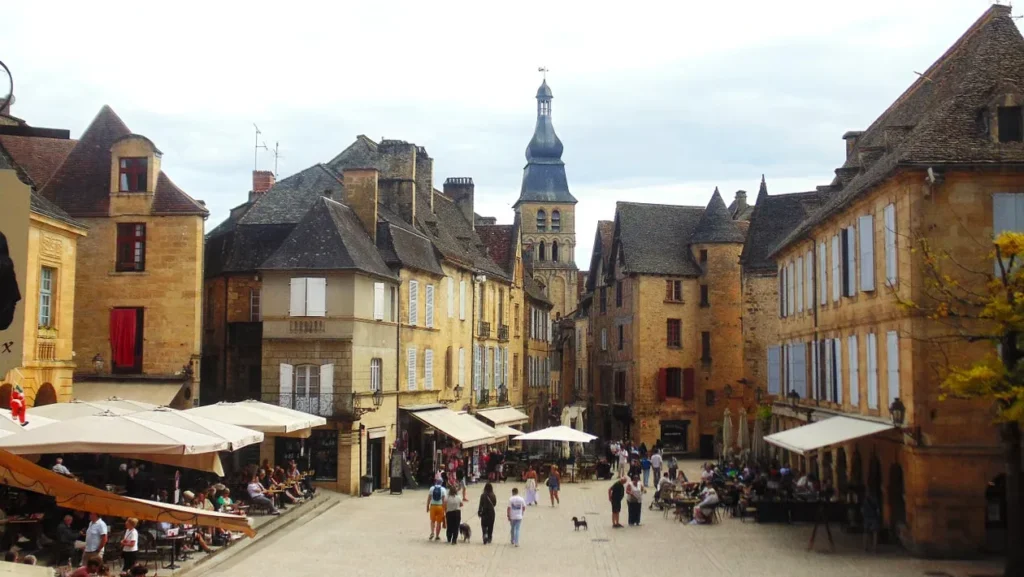
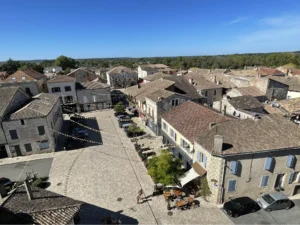
This is where the trip stops performing and starts breathing. Pick one base and build outward. Sarlat works for restaurants and markets. A countryside château or private estate is better suited to groups who want meals, pool time, and quieter evenings.
Plan market circuits in the morning and castle or village visits later. The Sarlat tourism office lists the traditional outdoor market on Wednesday morning and all day Saturday, with an organic market option too.
A five day Dordogne rhythm could look like this:
- Day 8: arrive and settle in.
- Day 9: Sarlat market, then Beynac.
- Day 10: La Roque-Gageac, Domme, and a river lunch.
- Day 11: Les Eyzies or Lascaux area for prehistory.
- Day 12: garden visit, château visit, or pool day.
Keep the driving radius tight. Most travelers enjoy Dordogne more when they avoid two-hour drives and cluster villages along the same river corridor.
Day 13: Bordeaux Or Paris Buffer
Use this day as a buffer. If the flight leaves from Bordeaux, return the car and sleep in the city. If the flight leaves from Paris, travel back by train and stay near the departure station or the airport.
Day 14: Departure
Book the final morning with a margin. French trips feel better when the last day is calm, not a race from a rural lane to an international terminal.
Driving Radius, Toll Roads, And Car Hire Strategy
Do not hire a car for central Paris. Pick it up after the city or after the Loire rail leg. In Dordogne, a car makes the trip easier because villages, castles, viewpoints, and markets are spread along smaller roads with limited public transport.
For toll planning, Sanef provides 2026 toll rate tools and journey price calculators for its motorway network, while ASFA offers motorway maps and traffic planning resources for France.
The best driving radius for a slow base is usually 60-75 minutes each way. That gives room for a market, a village, lunch, and a return before dinner. Longer drives should have a clear reason.
When Does This Two-Week Itinerary in France Work Best
Spring and early autumn suit this route well because markets are active, gardens are in bloom, and countryside roads feel less congested. Summer works for families, but build in pool time and book popular restaurants earlier.
For groups, the Dordogne base is the trip anchor. A château stay gives travelers one place to gather between day trips, rather than splitting across separate hotel rooms. This matters for reunions, milestone birthdays, small weddings, and private retreats.
Stay Longer At Chateau de Lasfonds
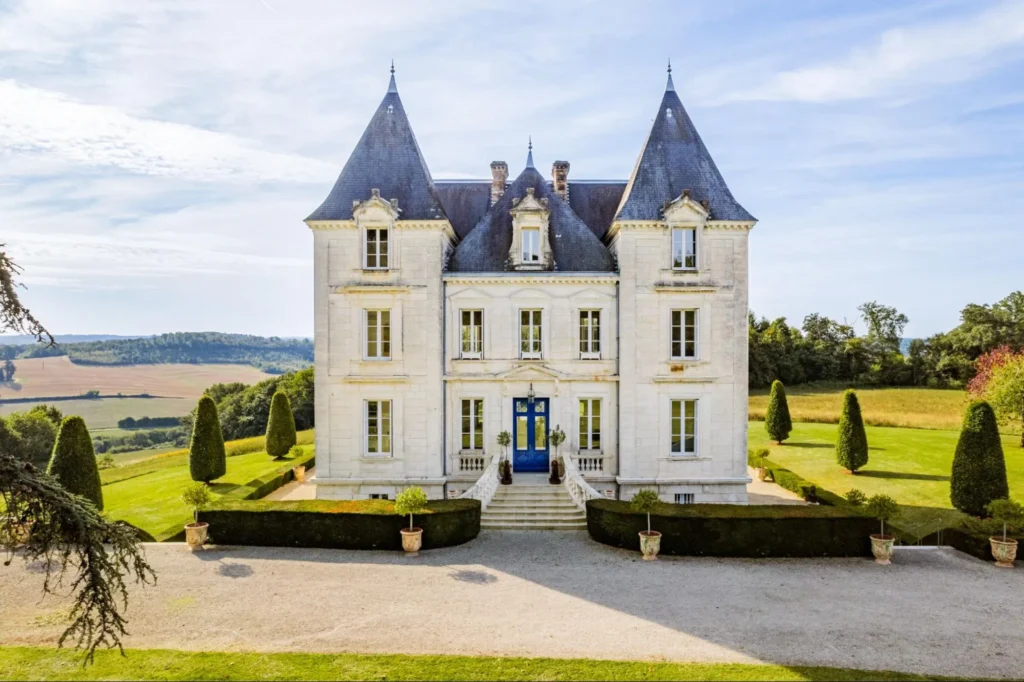
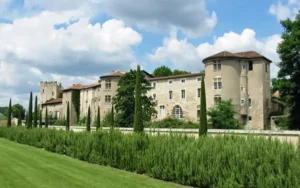
For travelers planning two weeks in France with a slower Dordogne base, Chateau de Lasfonds offers a private countryside setting for small to medium groups. Its official site describes the château as suitable for groups of up to 18 guests, which makes it a strong fit for families, retreats, and special celebrations.
Use Château de Lasfonds as the calm center of the trip, then build Dordogne market circuits, village days, château visits, and long dinners around it. Book a consultation to tailor your perfect itinerary.
FAQs
Are two weeks in France enough for Paris, castles, and countryside?
Yes, two weeks is enough if the route uses three bases and avoids constant hotel changes. Paris, the Loire Valley, and Dordogne give a balanced mix of culture, châteaux, markets, villages, and slow countryside time.
What is the best airport plan for 2 weeks in France?
The easiest plan is to fly into Paris and out of Bordeaux or Paris. Open-jaw flights reduce backtracking, but Paris round-trips can still work if you add a final buffer night.
Can I do a 14-day itinerary in France without renting a car?
Yes, but the countryside portion becomes more limited. Trains work well for Paris, Loire, and Bordeaux. For Dordogne villages, a short car rental gives far better access to markets, castles, and river viewpoints.
How many nights should I spend in Dordogne on a 2-week France itinerary?
Five to six nights is ideal for Dordogne. That gives enough time for Sarlat, Beynac, La Roque-Gageac, Domme, gardens, caves, markets, and one quiet day at your accommodation.
Is the Loire Valley or Dordogne better for castles?
The Loire Valley is better for grand Renaissance châteaux and formal gardens. Dordogne is better for medieval castles, river villages, and a more atmospheric countryside rhythm. The strongest route includes both regions.
What should families prioritize in a 2-week itinerary in France?
Families should prioritize fewer bases, laundry access, pool time, easy dinners, and short drive days. Dordogne works well because villages, markets, canoe routes, gardens, and castles can be planned at a calmer pace.
Is a 2-week France itinerary by train good for first-time visitors?
Yes, train travel works well for first-time visitors if the route stays on major rail lines. Add a car only for the rural section, then return it before the final city night.
How far ahead should I book château stays in France?
Book château stays several months ahead for summer, school holidays, weddings, and large family trips. Smaller private properties have limited availability, so early planning offers better date options and room configurations.
What is the best place for market circuits in Southwest France?
The best pace is one market in the morning, lunch nearby, then one village or château in the afternoon. This keeps the day local and lets travelers enjoy Dordogne without turning every outing into a road trip.
Can this route work as a romantic 14-day itinerary in France?
Yes, this route works beautifully for couples. Paris adds restaurants and museums, the Loire gives château stays and gardens; and Dordogne brings slow mornings, river villages, countryside dinners, and private accommodation options.