Staying in an Old Chateau is no longer a niche fantasy for travelers chasing a dramatic façade. It has become a deliberate choice for guests who want privacy, architecture, and a stronger sense of place than a standard hotel can offer.
That appeal comes with practical realities. Historic properties can be grand, quiet, romantic, and comfortable, but they also have stairs, thick walls, period layouts, room proportions, rural access, and seasonal comfort questions.
In France, protected historic buildings are treated as cultural assets, and official guidance states that works must preserve the cultural interest that justified their protection in the first place.
Why an Old Chateau Stay Feels Different From a Regular Hotel
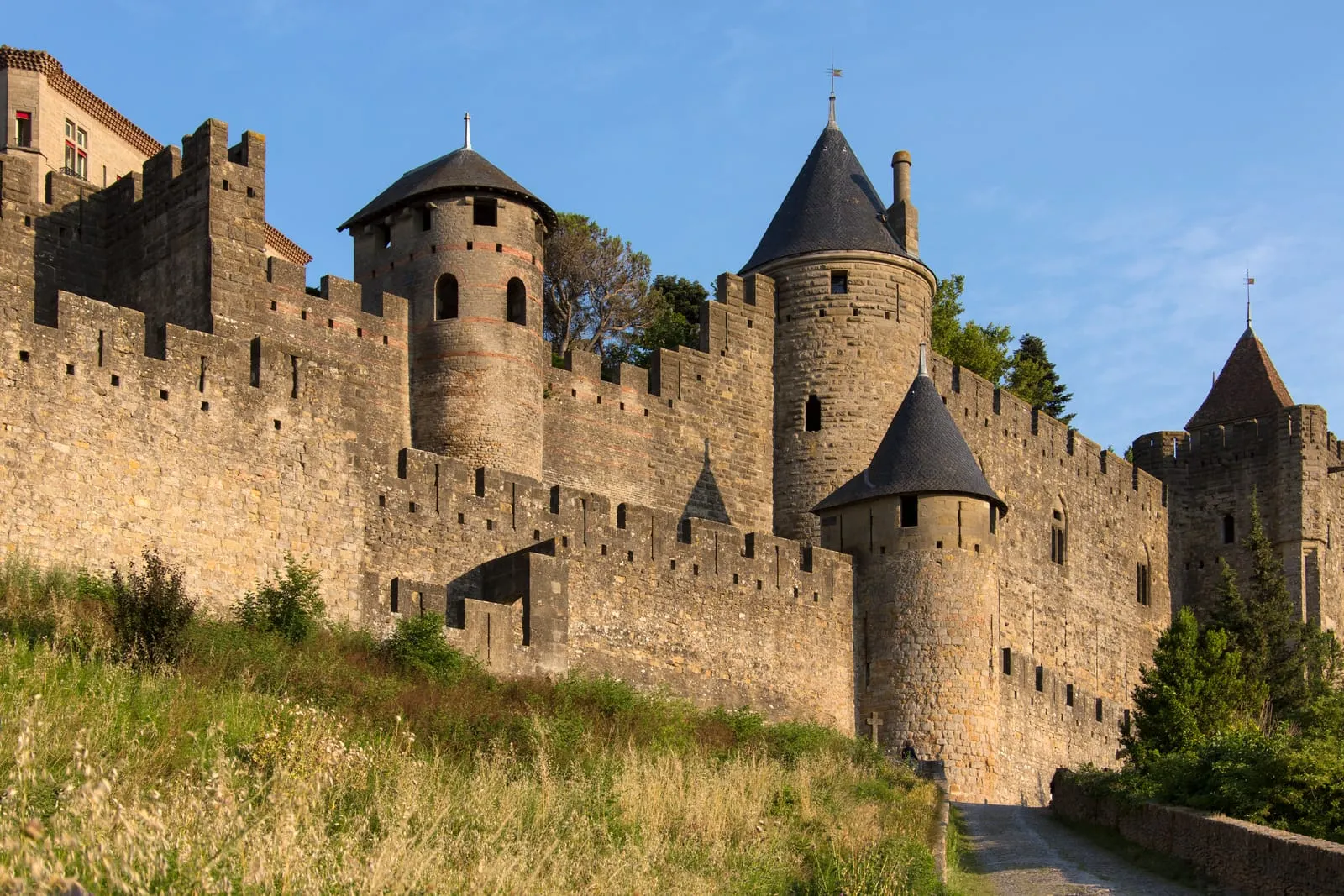
The first difference is spatial. A château was usually built as a residence, estate seat, or country property, rather than a standardized hotel floor plan. Rooms may vary in size. Bathrooms may sit in adapted spaces. Staircases can be part of the architecture, and common rooms can feel more like private salons than public lobbies.
For couples and families planning private retreats, the experience feels intentional. You are buying atmosphere, grounds, dining flexibility, privacy, and the emotional pull of a place that has lived through several eras.
A well-run historic property balances preservation with comfort. The better question is how it adapts heating, cooling, bathrooms, lighting, WiFi, safety, and guest services without losing architectural character.
Historic Charm Versus the Abandoned Chateau Fantasy
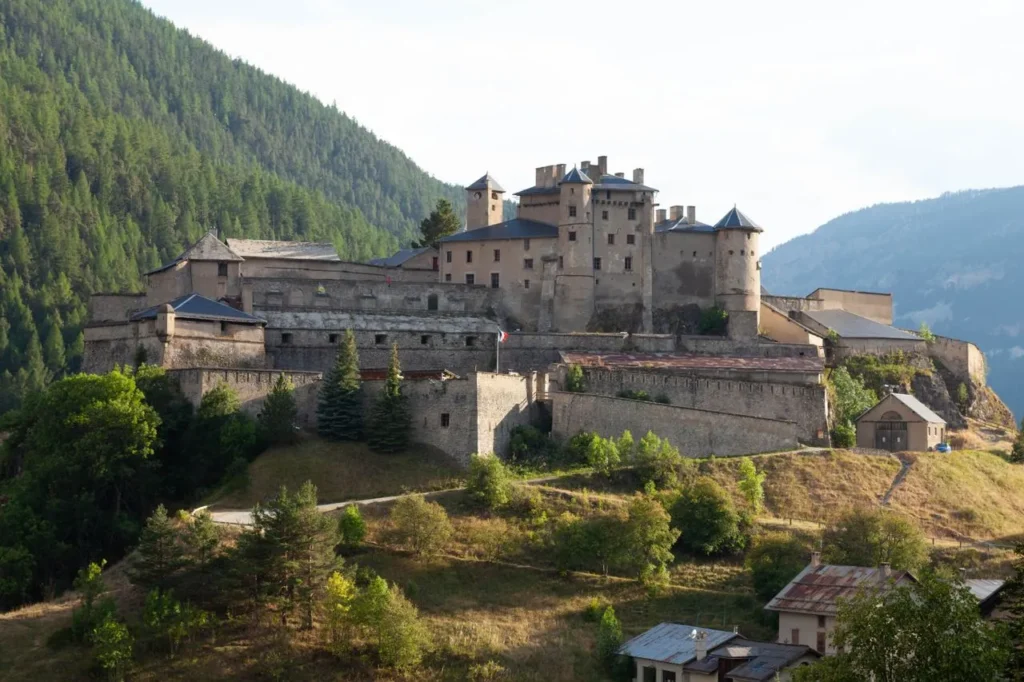
Abandoned chateau shows how strong the romance of faded French estates has become. Photos of peeling paint, empty ballrooms, and overgrown gates can be beautiful, but that mood is very different from a guest-ready château stay.
A bookable historic property should feel safe and atmospheric. You can enjoy stone walls, antique proportions, old trees, and rural silence while still expecting good maintenance. Before booking, look for evidence of active restoration, clean rooms, reliable bathrooms, current guest reviews, visible contact details, and a clear description of included services.
This matters for premium travelers because charm loses value when basic operations are vague. A photogenic château can still create friction if arrival instructions, heating, parking, or bedroom allocation are unclear.
Stairs, Layouts, and Mobility in old castles in france
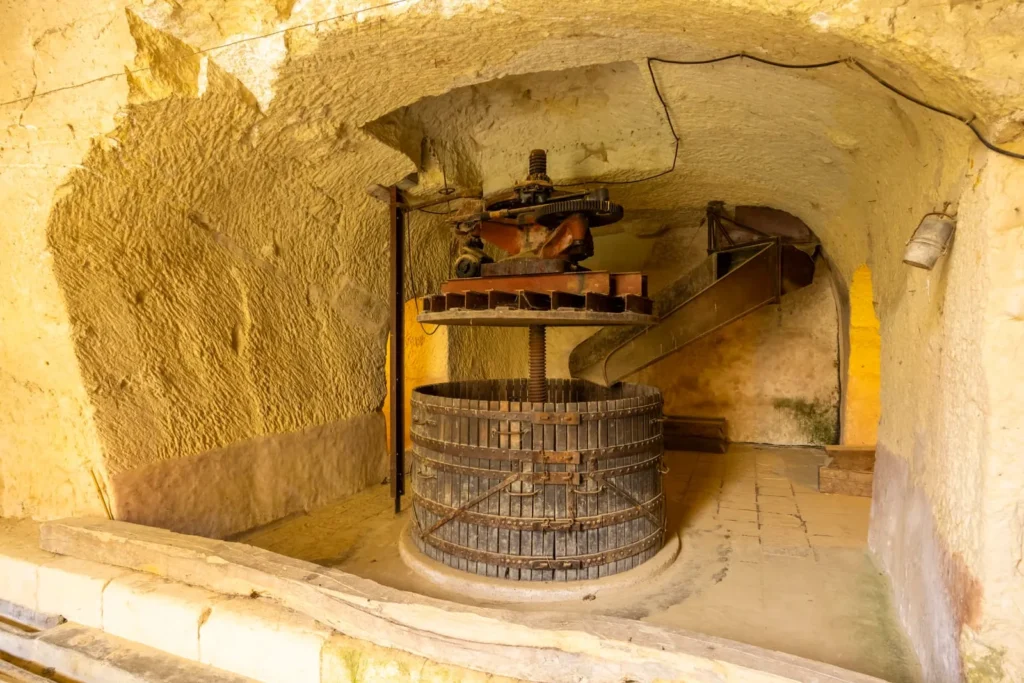
Many old castles in France were built long before lifts, step-free entries, and modern accessibility standards. Stairs can be steep, curved, narrow, or split across half levels. Bedrooms may sit on upper floors. Bathrooms may be en suite in some rooms and nearby in others.
This does not make a château unsuitable. It means guests should read the room plan carefully. Ask which bedrooms have the easiest access, how many stairs lead to each room, and if any bathrooms require crossing a corridor. Families with small children should ask about stair gates. Older guests should ask about handrails and the distance from parking to the entrance.
Put lighter sleepers away from the main gathering rooms. Give the easiest-access rooms to guests who need fewer stairs. Keep late-night social areas separate from quiet bedrooms where possible.
Heating, Cooling, and Seasonal Comfort in an Old Chateau
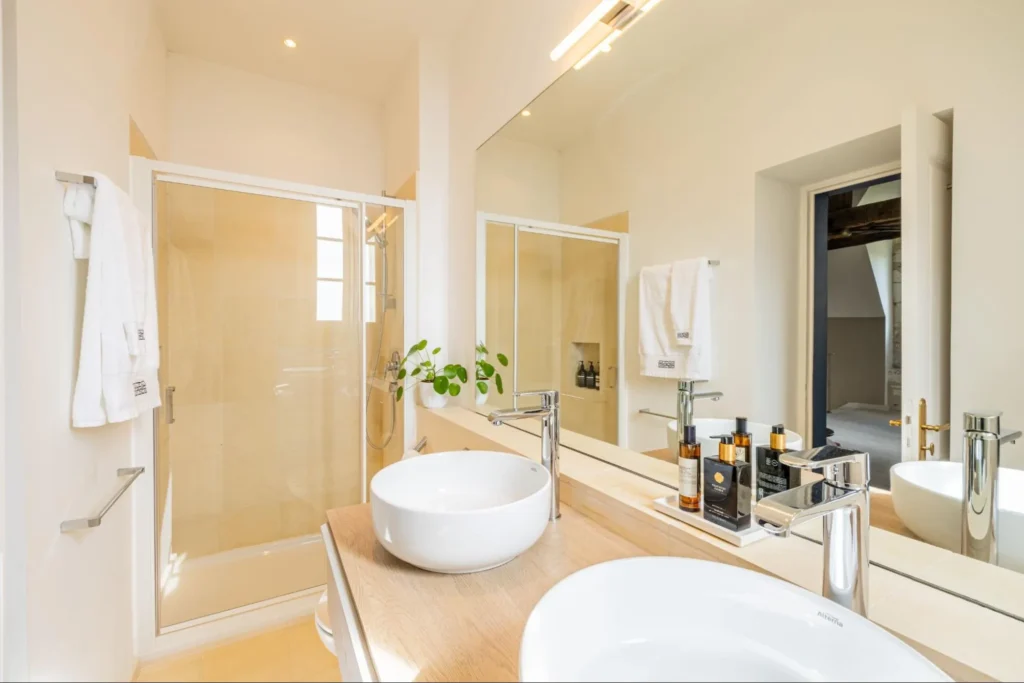
Seasonal comfort is one of the biggest differences between a modern hotel and an Old Chateau. Thick stone walls can help interiors stay cooler during parts of summer, but heatwaves, high ceilings, and large rooms still require a clear cooling plan. In winter, the question is practical: how strong is the heating system, and which rooms does it cover?
Ask direct questions before booking. Is there central heating, underfloor heating, room-by-room heating, fireplaces, portable fans, or air conditioning? Which rooms have cooling?
Château de Lasfonds’ main season runs from April to October, with pool access starting in May, air conditioning for hotter summer days, full-floor heating, and a fireplace for winter comfort. It also notes that some restaurants in the area may open fewer days from December to March.
Sound, Privacy, and the Reality of Historic Walls
Historic buildings handle sound in uneven ways. Thick exterior walls can block outside noise, while wooden floors, old doors, and tall stairwells may carry sound inside. A château can feel peaceful across the estate but lively within the main house after dinner.
This is worth planning around. If your group includes children, remote workers, light sleepers, or guests who want quiet mornings, ask about bedroom locations in relation to kitchens, salons, terraces, and game rooms. For retreats, choose spaces with separate work zones and social rooms.
Sound is part of the living texture of a historic property. The best stay comes from an honest match between the building and the experience you want.
Parking, Arrival, and Rural Access
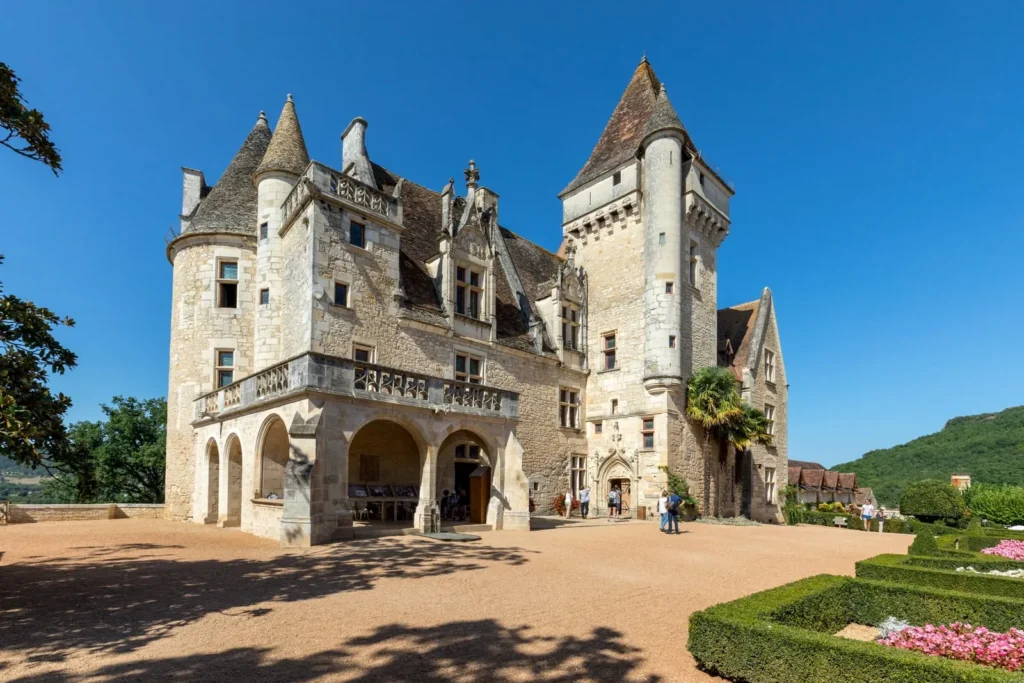
A château stay works best with a realistic arrival plan. Rural estates may sit outside village centers, and public transport can get you close without solving the final stretch. Ask about driveway access, parking surface, EV charging, taxis, local car hire, and late arrival instructions.
This is vital for international groups. A smooth arrival sets the tone for the full stay. Guests flying in from different countries need clear routing from train stations and airports. Drivers need gate codes, parking notes, luggage drop-off guidance, and after-hours contact details.
Château de Lasfonds describes its setting as a Dordogne countryside property with no immediate neighbors, 6.5 hectares of estate space, and car rentals recommended for local travel. It also notes access by TGV from Paris, as well as nearby airports.
Classification, Labels, and What They Really Tell You
France’s accommodation system can be confusing because historic stays fit different categories. A château without a hotel star rating may still operate as a serious private rental, guesthouse, event venue, or hybrid estate model.
The important point is transparency. Look for clear capacity, included services, cleaning standards, deposit terms, cancellation rules, guest support, and local contacts. The right historic property should reduce planning risk and protect the quality of the gathering.
How to Choose the Right Old Chateau for Your Stay
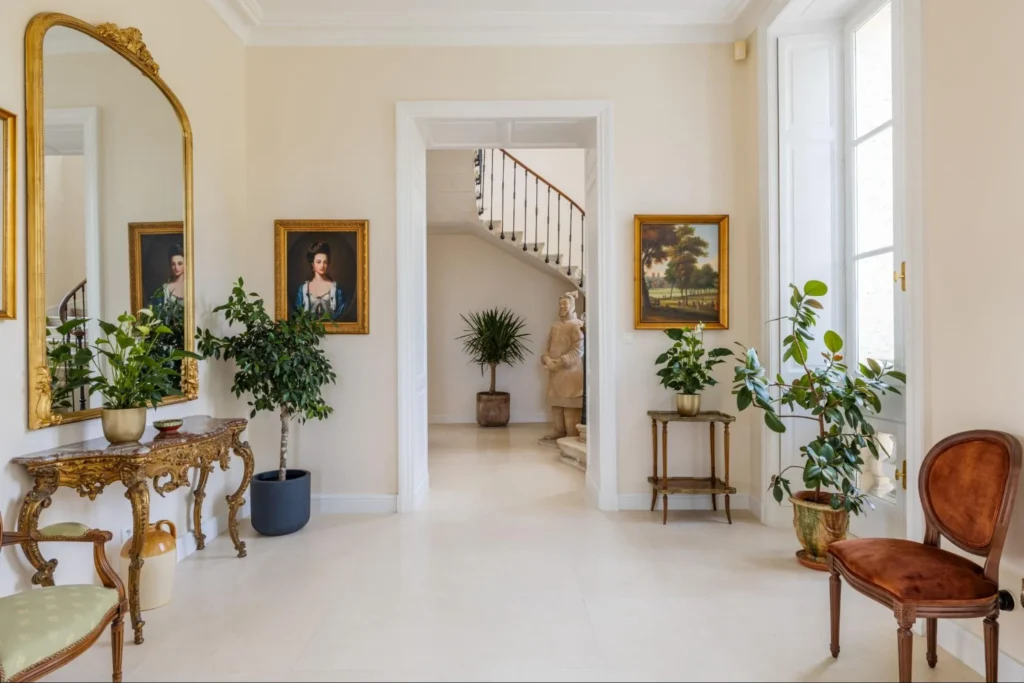
The best château stay begins with honest matching. A romantic weekend, a family celebration, a brand retreat, and a board-level strategy offsite all need different operating details.
For a leisure stay, focus on bedrooms, bathrooms, season, pool access, restaurants, and market towns. For a work retreat, ask about WiFi, breakout areas, quiet rooms, catering, privacy, airport access, and backup contacts. For families, confirm stairs, grounds safety, kitchen access, cots, and pool rules.
A well-restored Old Chateau should give guests both emotion and confidence. The architecture draws people in. The operational detail keeps the stay relaxed.
Stay at Château de Lasfonds
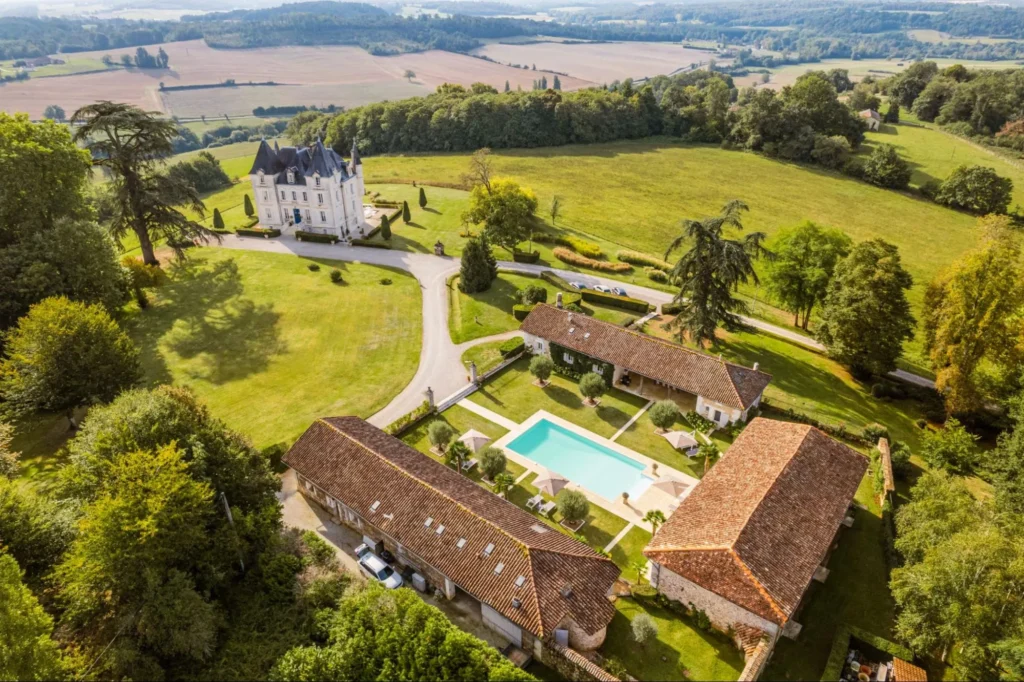
For travelers who want the character of an Old Chateau with modern comfort, privacy, and countryside calm, Château de Lasfonds offers a refined base in South West France. The estate combines historic architecture, gardens, green space, modern amenities, and concierge support for stays that feel personal rather than packaged.
Book Château de Lasfonds for a private French escape shaped around your group, your pace, and your idea of comfort.
FAQs
What is the difference between an Old Chateau and a château hotel?
An Old Chateau can be a private rental, a guesthouse, an event estate, or a hotel. A château hotel usually follows a more service-led model, while private estates may offer exclusive use and self-catering.
Can you host a wedding or private event in an Old Chateau?
Yes, some Old Chateau properties allow weddings and private events, but permission is never automatic. Ask about guest capacity, noise rules, catering access, insurance, furniture, parking, and event cleanup before signing the contract.
Is an Old Chateau better for couples or larger groups?
An Old Chateau can suit both, but larger groups usually get more value from shared salons, grounds, kitchens, and private dining spaces. Couples may prefer smaller château guesthouses with stronger service and less unused space.
Are pets usually allowed in old castles in France?
Pets are sometimes allowed in old castles in France, but rules vary by owner and estate layout. Ask about bedrooms, gardens, pools, cleaning fees, nearby livestock, and local walking routes before bringing an animal.
Is an Old Chateau comfortable enough for a full week’s stay?
Yes, an Old Chateau can be comfortable for a week if the property has reliable heating, cooling, bathrooms, laundry access, and clear guest support. Ask about daily routines, nearby food options, and room allocation before confirming.
Are old castles in France suitable for children?
Many old castles in France work well for children when the grounds, stairs, pool areas, and bedrooms are managed carefully. Ask about stair gates, cots, high chairs, child supervision needs, and outdoor safety before booking.
Can an Old Chateau work for a business retreat?
Yes, an Old Chateau can work well for a business retreat if it has strong WiFi, quiet breakout rooms, catering options, privacy, and easy arrival logistics. Check bedroom count against the group structure early.
Why do people search for abandoned French chateau stays?
People search for abandoned French chateau stays because they want atmosphere, history, and cinematic interiors. A guest-ready château should offer that emotional pull with safe access, functioning bathrooms, heating, and responsive hosting.
Is parking usually easy at a château in the countryside?
Parking is usually easier than in a city hotel, but details still matter. Ask about driveway width, gravel surfaces, lighting, luggage drop-off, EV charging, and the number of cars allowed on the estate.
Do château stays usually include breakfast?
Some château stays include breakfast, while private rentals may offer self-catering or optional chef services. Confirm the model before booking, since guesthouse, hotel, and exclusive rental formats can include different service levels.
Is an Old Chateau cold in winter?
An Old Chateau can be warm in winter with upgraded heating, sealed guest areas, fireplaces, and clear room controls. Ask which spaces are heated, how bedrooms are managed, and how costs are handled.
How far ahead should I book an Old Chateau stay?
Book an Old Chateau several months ahead for summer, school holidays, weddings, and group retreats. Larger estates have fewer comparable alternatives, so early planning gives you better dates, room allocation, and service options.