A stay in a French château changes how you experience the countryside. It places you inside history, surrounded by vineyards, stone villages, and landscapes shaped over centuries. Regions like the Dordogne and Loire Valley are known for their castles, cultural depth, and slow rural rhythm that invites you to settle in rather than rush through.
This guide is designed as a one-week countryside itinerary, built around the pace of château living. You will not move quickly from place to place. Instead, you will experience mornings that stretch, afternoons that unfold gently, and evenings shaped by local food, quiet surroundings, and a strong sense of place.
Why Stay in a Château in the French Countryside
Staying in a château reshapes how you experience France, placing you inside its cultural and rural fabric rather than on the surface. You wake up surrounded by land, history, and quiet, with time structured by light, meals, and local rhythms. The experience feels grounded and immersive, not rushed or transactional.
A château stay connects you directly to centuries of history. Many of these estates date back hundreds of years, with architecture, interiors, and gardens that reflect different eras of French life. You do not observe history from a distance. You live within it, from the dining rooms to the courtyards.
At the same time, the countryside setting changes your pace. Rural France moves slowly, with mornings shaped by fresh air and evenings centered around food and conversation. This slower rhythm allows you to absorb the environment rather than move quickly through it.
There is also a strong sense of privacy and space. Unlike large hotels, many châteaux host a limited number of guests, often within expansive grounds that create a quiet and personal atmosphere.
Finally, a château acts as a base for deeper exploration. It naturally leads you toward vineyards, local markets, small villages, and regional traditions that define each part of France.
This combination of place, pace, and cultural depth is what makes a château stay feel distinct from any other type of travel experience.
A One-Week Countryside Itinerary Inside a Château
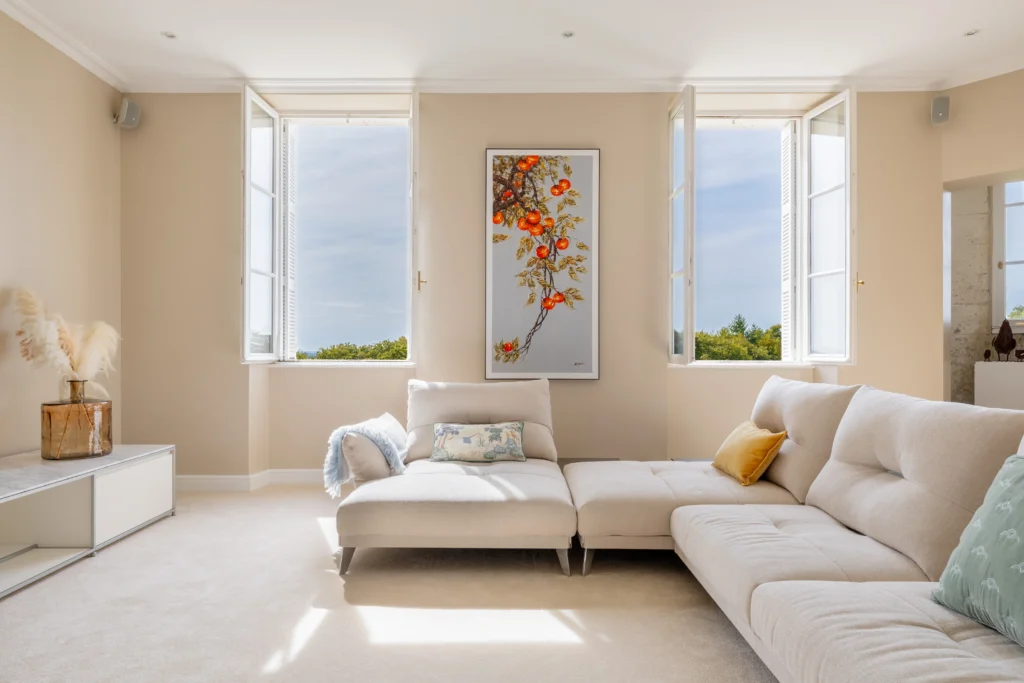
A château-based itinerary works when each day connects to a specific layer of the region, including geography, food systems, villages, and historical context. The Dordogne region supports this structure well because distances remain manageable and cultural density stays high across a small radius.
Day 1 Arrival and Orientation
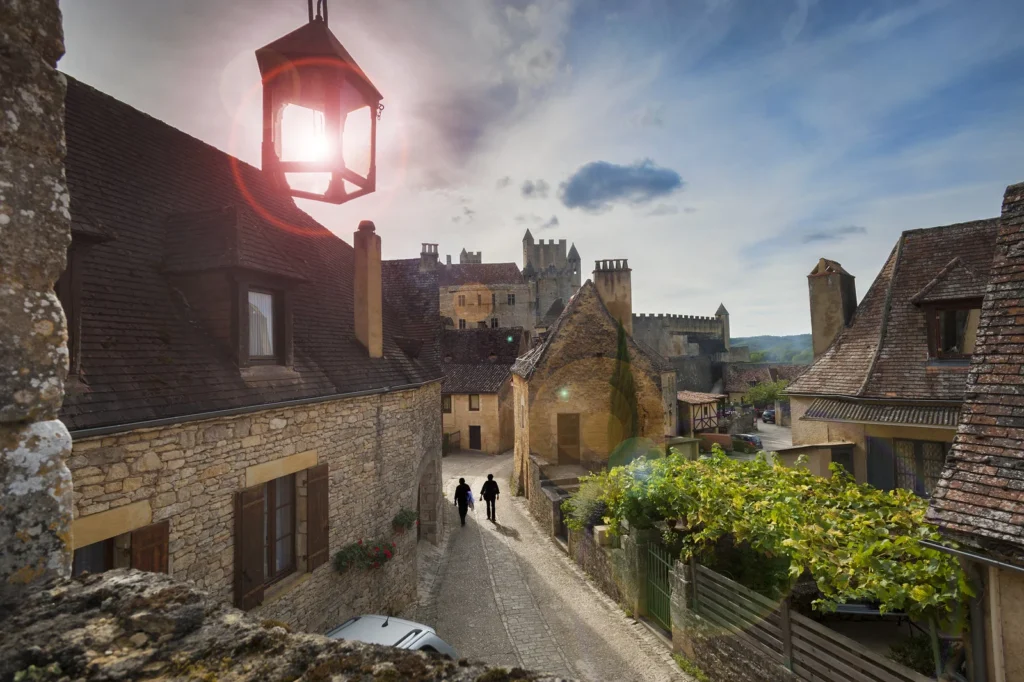
Your first day should focus on access, positioning, and understanding your base. Most countryside estates require a car, since train connections usually stop at towns such as Sarlat or Bergerac. The final stretch often involves narrow rural roads, so allow extra time and avoid late-evening arrivals.
Once you reach the château, take time to understand how the property operates. Walk the grounds, identify outdoor areas, and note where you will spend mornings and evenings. Many estates in this region sit within large private landscapes, which creates a strong sense of separation from nearby towns.
Keep your evening structured but light. Either arrange a meal at the property or visit a nearby village with reliable dining options. The objective is to adjust your pace from travel mode to countryside rhythm.
Day 2 Village Structure and Local Movement
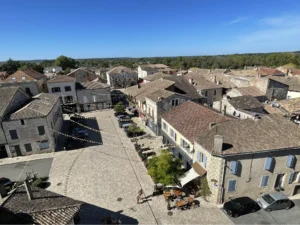
The second day should focus on understanding how villages in the Dordogne function. Start in Sarlat-la-Canéda, the main cultural and commercial center. Its medieval layout, preserved stone buildings, and regular markets make it the most practical entry point into the region’s daily life.
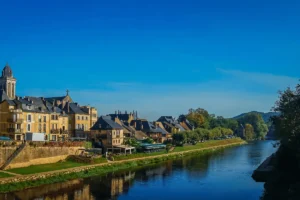
Move next to La Roque Gageac, located along the Dordogne River. The village sits directly between the cliff face and the water, which reflects how settlements adapted to limited space and natural protection.
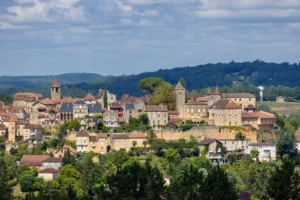
End your route in Domme, a fortified hilltop village built for strategic control of the valley. Its elevation provides a clear view of the surrounding landscape, helping you understand the region’s geographic layout.
Limit the day to two or three locations. These villages require walking through steep streets and layered layouts, so overplanning diminishes the experience.
Day 3 Estate Living and Time Structuring
This day should remain centered on the château itself. The goal is to shift from movement to stillness and use the estate as a functional living space.
Start the morning outdoors, since most properties are designed to connect interior and exterior spaces. Follow this with a long meal, ideally using local ingredients sourced from nearby markets or shops. Dordogne cuisine relies heavily on regional products such as duck, walnuts, and truffles, which define the local food identity.
Use the afternoon without a fixed plan. Walking, reading, or simply staying within the estate allows you to experience the château as part of daily life rather than accommodation.
This day creates balance within the itinerary and prevents fatigue from continuous movement.
Day 4 Food Systems and Market Strategy
Food in this region follows a structured supply system based on local production and weekly markets. Plan your day around one primary market rather than multiple stops.
Return to Sarlat if your timing aligns with its main market days, since it offers one of the highest concentrations of regional producers. You will find products such as foie gras, cheeses, and seasonal produce sourced directly from nearby farms.
You can also explore smaller markets in surrounding villages, where the scale is smaller, but the interaction with producers is more direct.
Plan meals in advance. Either cook at the château or, if available, coordinate a private dining setup. This approach integrates food into your day rather than treating it as a separate activity.
Day 5 Landscape and Outdoor Access
The Dordogne landscape is defined by rivers, cliffs, forests, and agricultural land. Use this day to engage with one element of that environment in a focused way.
The Dordogne River offers canoe routes that pass through key sections of the valley, including areas near La Roque Gageac and Beynac. The river itself is recognized for its ecological quality and supports a wide range of outdoor activities.
Alternatively, choose walking or cycling routes that move through farmland and wooded areas. Many trails follow historical paths that connect villages and estates.
Avoid combining multiple outdoor activities. One sustained experience provides a clearer understanding of the landscape.
Day 6 Historical Context and Site Exploration
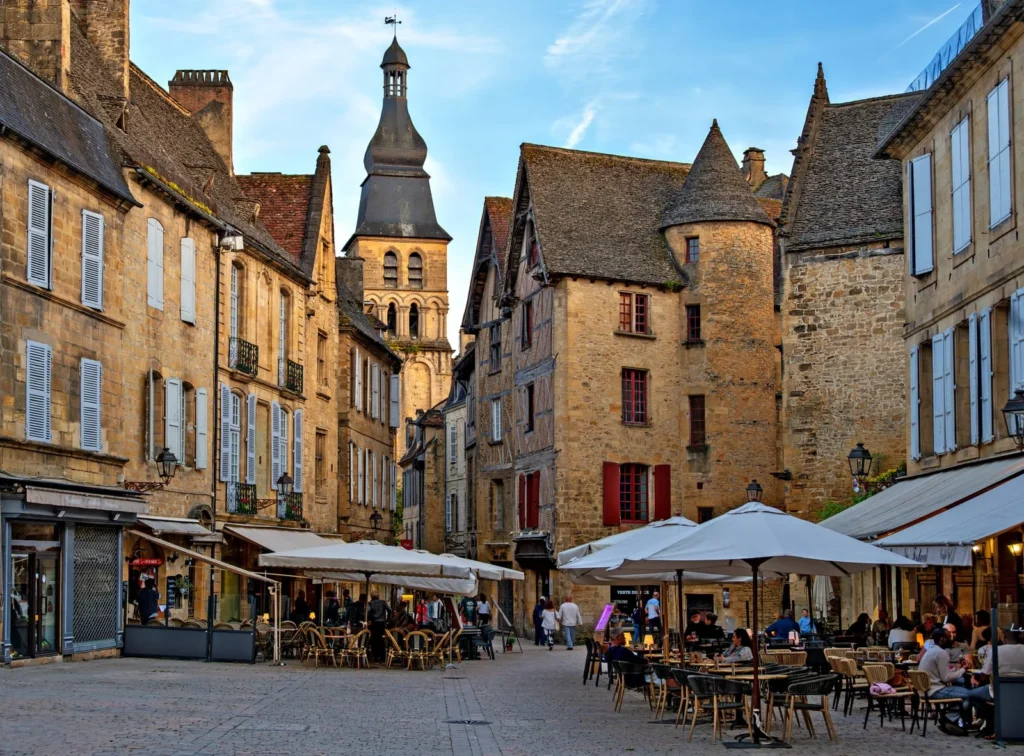
This day should focus on understanding the region’s historical structure. The Dordogne is home to a high concentration of castles, fortified villages, and medieval infrastructure that reflect centuries of conflict and settlement.
Visit Beynac and Cazenac, where medieval fortresses overlook the river. Its position illustrates how defensive architecture controlled movement through the valley.
Then continue to Castelnaud-la-Chapelle, where the castle now houses exhibits on medieval warfare and strategy. These sites often face each other across the river, reflecting historical rivalries during the Hundred Years’ War.
If time allows, include a secondary site such as a smaller village or historic structure, but avoid overloading the day. Depth provides more value than coverage.
Day 7 Reflection and Departure
The final day should remain simple and structured around departure timing. Confirm your route and allow buffer time, since rural travel conditions can extend journey duration.
Spend your remaining time within the château grounds. Revisit the spaces that defined your stay, such as outdoor areas or quiet interiors.
A château stay works when each day builds logically from orientation to immersion, then to exploration and reflection. This structure allows the countryside to unfold with clarity and continuity, rather than feeling fragmented.
Château Stay in France vs Hotel Stay in France: Key Differences Explained
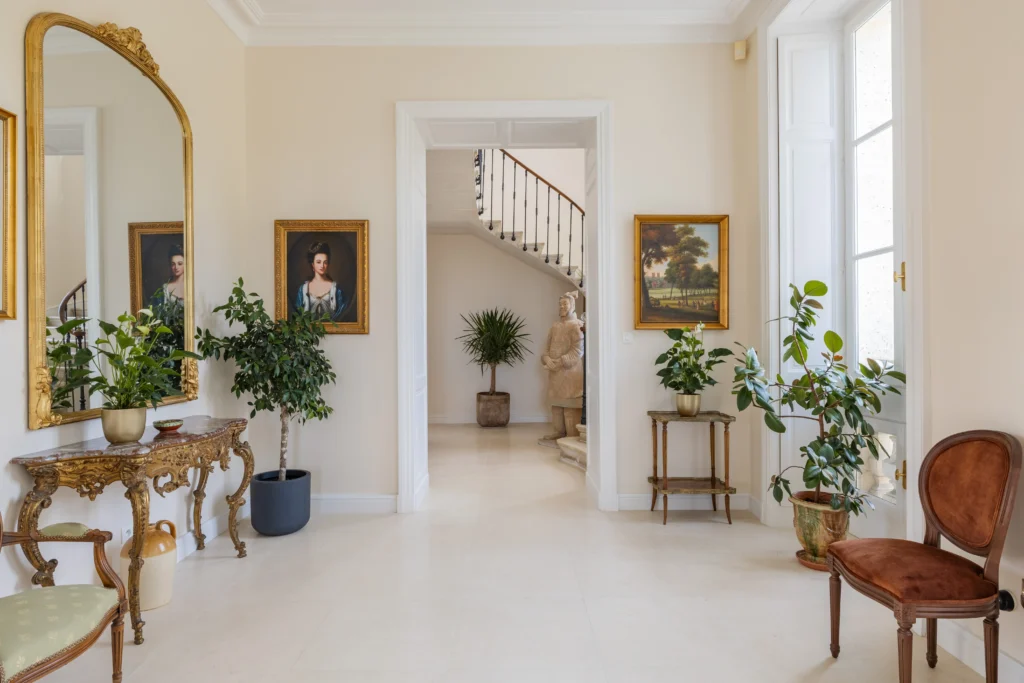
A château stay in France differs from a hotel stay in how space, daily structure, and local integration shape the experience. Hotels operate on efficiency and standardized service. Châteaux operate within rural environments where time, space, and local systems define how your stay unfolds.
Space and Layout in Château Stays vs Hotels
Château properties operate on a much larger physical scale than hotels. Instead of a single room with shared facilities, you access multiple indoor areas, private grounds, and outdoor spaces that extend across gardens or countryside land.
This affects how you use your time. You move across different parts of the property throughout the day, from terraces to gardens to interior rooms. In contrast, hotel layouts are compact and designed around centralized services.
In regions like Dordogne, estates often sit within open landscapes shaped by valleys, rivers, and agricultural land, which creates a sense of separation from surrounding settlements
Privacy and Guest Experience in Château Accommodation
Hotels are structured around high guest turnover, shared amenities, and fixed service schedules. This creates a consistent but controlled experience.
Château stays operate with fewer guests or private bookings, which gives you more control over your environment. You decide meal timing, daily structure, and how shared spaces are used.
This level of privacy changes how you experience the location. You are not navigating crowds or fixed schedules. You are working at your own pace and in your own routine.
Château Experience vs Hotel Standardization
Hotels rely on uniformity. Rooms follow similar layouts, services follow predefined formats, and experiences are designed to be predictable across locations.
Châteaux vary significantly from one property to another. Many estates reflect centuries of architectural evolution, with features tied to specific historical periods such as medieval fortifications or later residential adaptations.
In regions like Dordogne, castles and estates evolved from defensive structures into residential properties, which explains the variation in layout and design across different châteaux.
This means your stay is shaped by the property itself rather than a standardized service model.
Daily Pace in Château Stays vs Hotels
Hotels are usually located in urban or semi-urban areas, which encourage movement, scheduled activities, and outdoor dining.
Châteaux are located in rural regions where daily life moves at a slower pace. Villages, markets, and local services operate on fixed hours, and travel between locations requires planning.
This changes how you organize your day. Instead of moving between multiple activities, you build your day around fewer, more intentional experiences.
The Dordogne region, for example, is known for its slow travel environment, where medieval villages, food markets, and natural landscapes encourage extended stays rather than fast itineraries.
Location Integration: Château vs Hotel Travel Style
A hotel typically acts as a base. You leave in the morning, explore, and return at night.
A château becomes part of the destination itself. You spend a significant portion of your time within the estate, and your experience develops through repeated interaction with the same environment.
This creates continuity. The property becomes familiar over time, and your experience builds through repetition rather than constant movement.
In regions with dense historical and village networks, such as Dordogne, this approach allows you to understand how locations connect rather than viewing them as isolated stops
Group Travel Experience: Château vs Hotel
Hotels separate groups into individual rooms and limit shared interaction to common areas. This creates a fragmented experience across the day.
Châteaux support shared living with flexible space. Groups can gather in common areas, spread out across the property, and reconnect naturally.
This structure works well for families or small groups because it balances privacy with shared experience.
Why a Château Stay Feels Different
A hotel stay focuses on service delivery and efficiency. A château stay is shaped by environment, geography, and how you use space over time.
This difference affects every part of your trip, from how you plan your days to how you experience the region.
A château does not function as accommodation alone. It becomes the framework through which the countryside is experienced.
How to Plan and Book a Château Stay in France
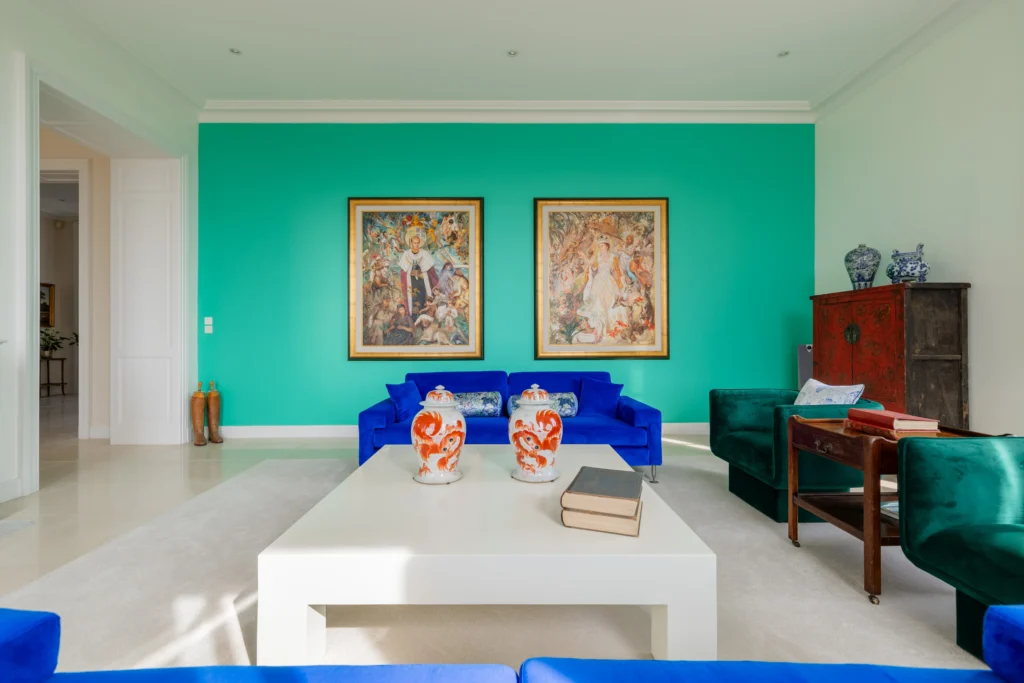
Planning a château stay requires a different approach from booking a hotel, as availability, pricing, and logistics follow different structures. You need to plan earlier, validate details carefully, and align your choice with how you intend to spend your time.
When to Book a Château in France
Timing plays a critical role in château availability. Most high-quality properties are booked several months in advance, with peak demand between June and September. In many cases, the best options are secured 6 to 12 months before travel dates.
If you delay booking, your options narrow quickly to either higher-priced estates or properties with weaker location or layout. This matters more for châteaux than hotels because inventory is limited and each property is unique.
For lower pricing and better availability, consider shoulder seasons such as May or September, when the weather remains favorable, but demand drops slightly.
Château Rental Prices in France: What to Expect
Château pricing varies based on size, location, and included services. Smaller properties in rural regions can start around 150 to 250 euros per night, while larger estates with staff, pools, or event capacity can range from 500 to over 2000 euros per night.
Cost structures differ from hotels. Many châteaux are priced for full property rental rather than per-room rates, making them more cost-effective for groups.
You should also account for additional costs such as cleaning fees, security deposits, heating in colder months, and optional services like private chefs or housekeeping.
Choosing the Right Château Location in France
Location defines your daily experience more than the property itself. Some châteaux are located near villages within walking distance, while others sit in remote countryside areas that require driving for every activity.
Remote estates offer privacy and space, but they require more careful planning for food, transport, and daily movement. More central locations provide easier access to markets, restaurants, and cultural sites.
France offers a wide range of regions, each with its own landscape and travel style, so selecting the right region should come before choosing the property.
What to Check Before Booking a Château
Photos alone do not give you a complete understanding of a château. You need to confirm operational details before booking.
Request a detailed layout or floor plan to understand the room distribution and shared spaces. This is important for group stays where sleeping arrangements and privacy matter.
Check heating and cooling systems. Many historic properties have limitations in temperature control, which can affect comfort depending on the season.
Confirm available services such as cleaning, meals, or activity arrangements. Some châteaux operate as fully serviced properties, while others are self-managed.
Best Booking Platforms for Château Rentals
Not all platforms offer the same level of quality control. Specialized château rental platforms often provide verified listings, accurate descriptions, and better support during booking.
General vacation rental platforms can also work, but listing quality may vary. In these cases, reviews become critical. Look for consistency across recent guest feedback and verify key details directly with the host.
Final Planning Insight
A château stay works best when planning focuses on alignment rather than just selection. You need to align location, property type, group size, and daily structure.
When these elements are clear before booking, the experience becomes easier to manage and more consistent from arrival to departure.
Stay at Château de Lasfonds in the Dordogne Countryside
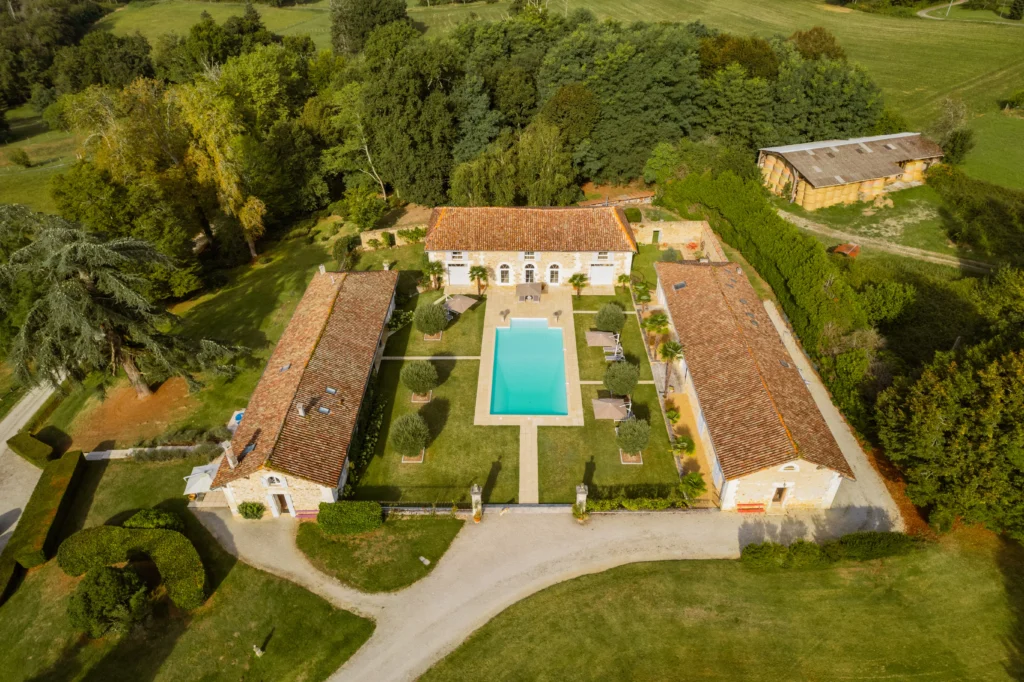
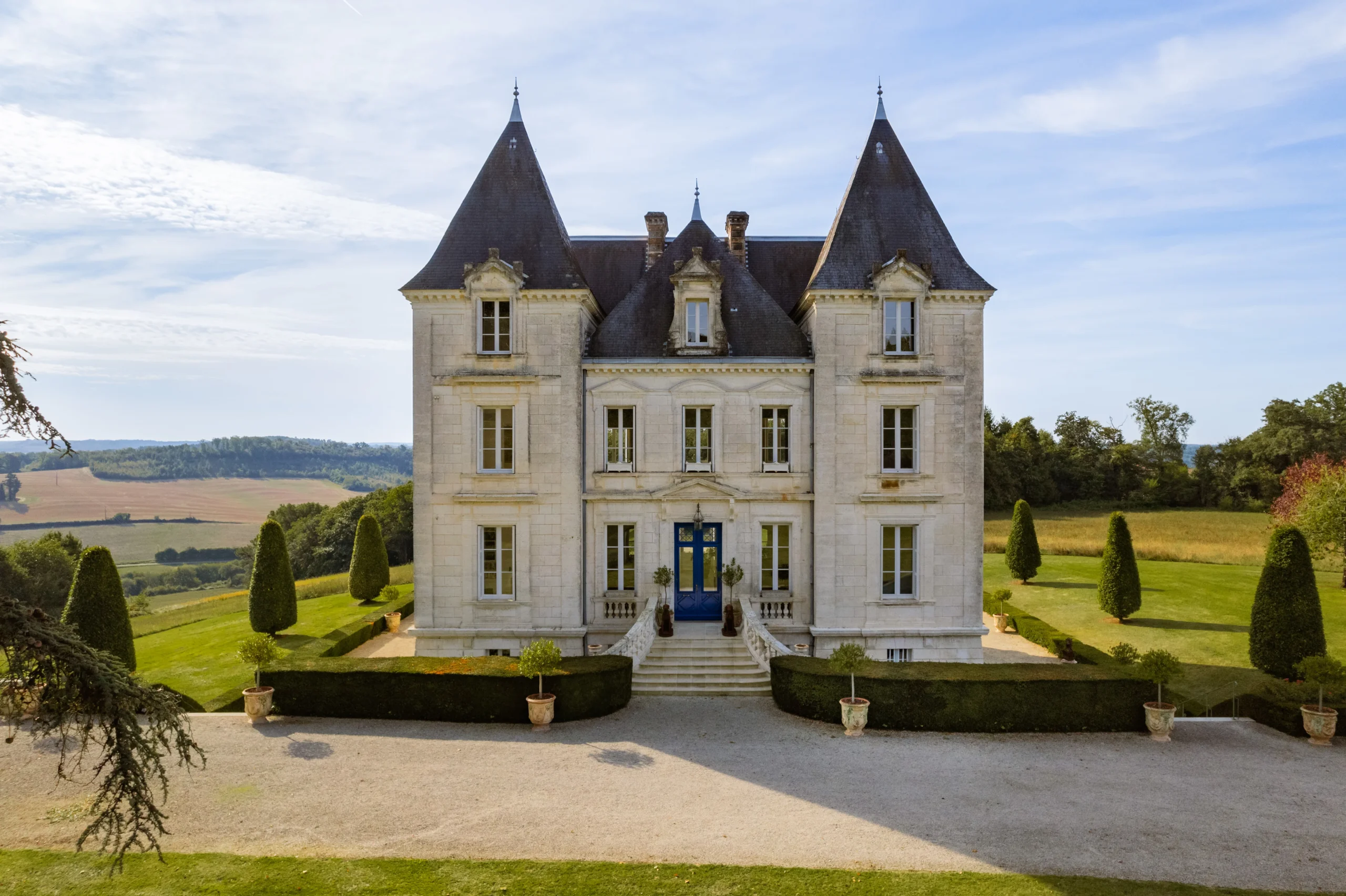
Château de Lasfonds works as a base because it removes daily friction. You stay in one place and build your entire week from it instead of planning around transport, check-ins, and shifting locations.
The estate is located between Charente and Dordogne, within driving distance of villages, markets, and wine regions. At the same time, it sits in a private rural setting with no immediate neighbors, which gives you control over pace and space.
The property is designed for full estate use. You are not booking a room. You are using a four-story château with additional guest houses spread across about 6.5 hectares.
Key practical details:
- Capacity for around 18 to 20 guests across the château and outbuildings
- Weekly rental structure, typically Saturday to Saturday
- Heated pool, outdoor dining areas, gym, and games spaces
- Option for private chef and concierge support
This setup allows you to structure your stay without relying on external logistics. You can plan full days at the property or combine short trips with time on the estate.
The main advantage is consistency. Your environment does not change, so your days connect naturally. From the estate, you can structure your week around nearby villages, regional markets, and day trips, while maintaining a consistent base throughout your stay.
Book your stay at Château de Lasfonds.
FAQs about Chateau in France to Stay
1. What should you pack for a château stay in the French countryside?
Pack for both comfort and practicality. Include smart-casual outfits for dinners, comfortable walking shoes for villages, light layers for changing weather, and essentials like insect repellent and swimwear for outdoor spaces.
2. Is staying in a château in France suitable for couples or only for groups?
Château stays work for both couples and groups. While large estates suit families or friends, many properties offer private suites or partial rentals ideal for couples seeking a quiet countryside escape.
3. Do château stays in France include meals or catering services?
Some châteaux offer breakfast, private chefs, or catering options, while others are self-catered. Always check in advance, as services vary widely depending on the property and rental structure.
4. Is it necessary to speak French when staying in a countryside château?
No, but basic French phrases help. Many hosts speak English, especially in popular regions like the Dordogne or the Loire Valley, though in smaller villages, English may be limited.
5. Are château stays in France family-friendly for children?
Yes, many châteaux are ideal for families. Large outdoor spaces, private pools, and flexible living areas make them suitable, but parents should check the safety features, given the historic architecture.
6. How accessible are château stays for travelers without a car?
Most countryside châteaux are difficult to access without a car. Public transport often stops in nearby towns, so renting a car is strongly recommended for flexibility and convenience.
7. What is the best region in France for a first château stay?
The Dordogne and the Loire Valley are ideal for first-time château stays. They offer a high density of castles and scenic villages, with manageable travel distances, making planning easier.
8. How far in advance should you plan activities during a château stay?
Plan key activities, such as restaurant reservations, markets, or canoe trips, in advance, especially during peak season. However, leave some time for unstructured exploration of the château itself.
9. Are château stays in France available year-round?
Yes, but availability and comfort vary by season. Summer offers the best weather, while winter stays may be limited due to heating constraints in historic properties.
10. What are the hidden costs to consider when booking a château?
Additional costs may include cleaning fees, security deposits, heating charges, and optional services like chefs or concierge support. Always review the full pricing breakdown before booking.