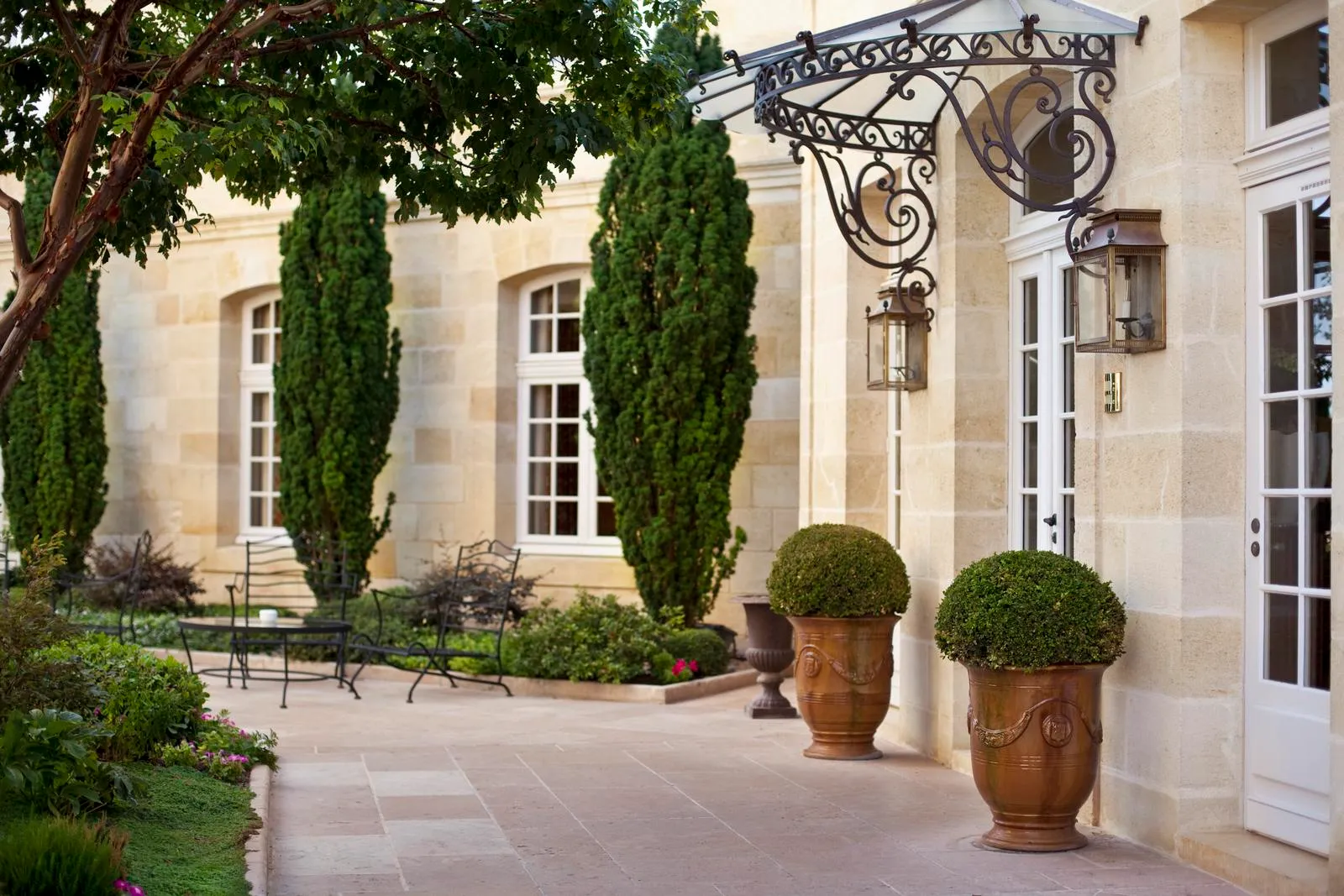
Interest in French chateau-style homes has grown well beyond France. Luxury homeowners, architects, and designers continue to embrace this architectural style because it blends timeless elegance with practical modern living. A well-designed château-inspired residence carries a sense of permanence that few other architectural styles can match.
Many people associate a chateau with grand estates in the Loire Valley. Modern interpretations borrow the same architectural language while adapting layouts, interiors, and amenities for contemporary lifestyles. The result is a home that feels sophisticated without losing its historic character.
This guide explores the defining elements of French château-style homes, explains why they remain desirable, and highlights the architectural details that capture the authentic château atmosphere.
What Defines French Chateau Style Homes?
A true French chateau-style home design draws inspiration from French Renaissance architecture, which flourished between the fifteenth and seventeenth centuries. Historic châteaux evolved from fortified medieval castles into elegant country residences for nobility, with greater emphasis on comfort, proportion, and craftsmanship.
Unlike many luxury homes built around trends, a French chateau-style house follows architectural principles that have remained admired for centuries. Every exterior element works together to create visual balance, while every interior space reflects thoughtful planning.
Common characteristics include:
- Strong symmetry
- Natural stone façades
- Steep slate or mansard roofs
- Decorative dormer windows
- Elegant turrets
- Large formal entrances
- Carefully planned proportions
These features give a chateau-style house its unmistakable identity.
The Exterior Features That Capture the Château Feeling
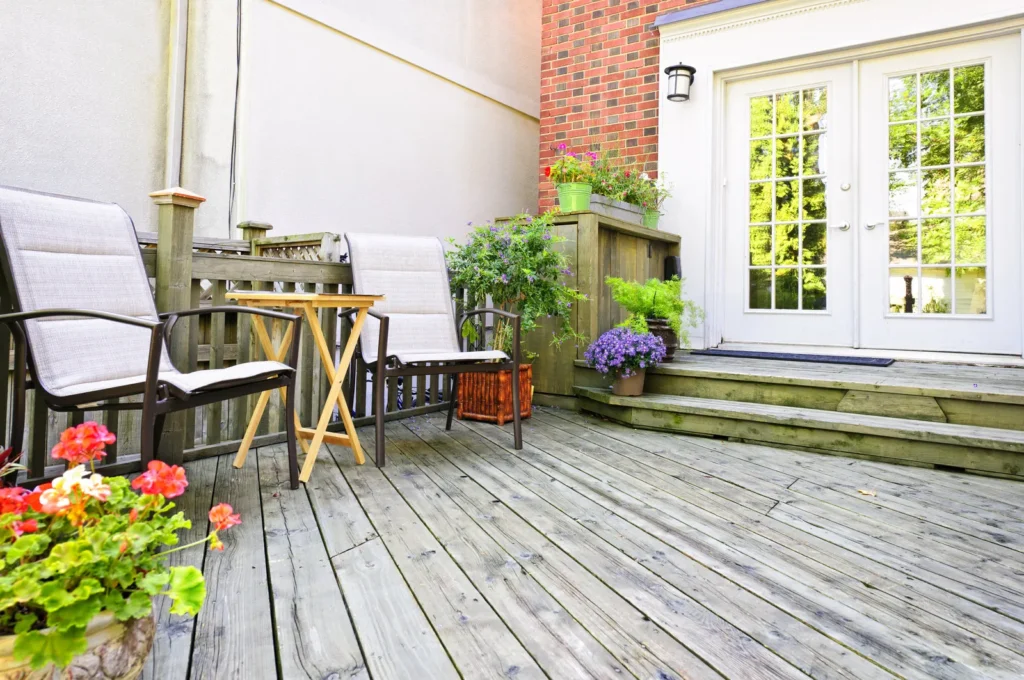
The exterior often creates the strongest first impression of French chateau homes. Rather than relying on excessive ornamentation, the architecture focuses on proportion, craftsmanship, and durable materials.
Stone Façades That Stand the Test of Time
Natural limestone remains one of the most recognizable materials found in historic French châteaux. Modern luxury residences often recreate this appearance with limestone, natural stone, or premium masonry.
Beautiful stone façades provide texture, depth, and a timeless appearance that ages gracefully over decades.
Perfect Symmetry
One defining characteristic of a traditional chateau-style home’s design is architectural symmetry.
Windows align across multiple floors. Entrances sit precisely on the central axis. Rooflines, chimneys, and landscaping all contribute to visual balance.
This careful composition creates an immediate feeling of order and elegance. Classical French architecture has relied on these proportional principles for centuries.
Turrets and Distinctive Rooflines
Not every chateau house includes dramatic towers, though elegant turrets remain one of the style’s most recognizable details.
Combined with steep roofs, decorative dormers, and ornate chimneys, these vertical elements give the home its distinctive silhouette.
Interior Design That Reflects French Grandeur
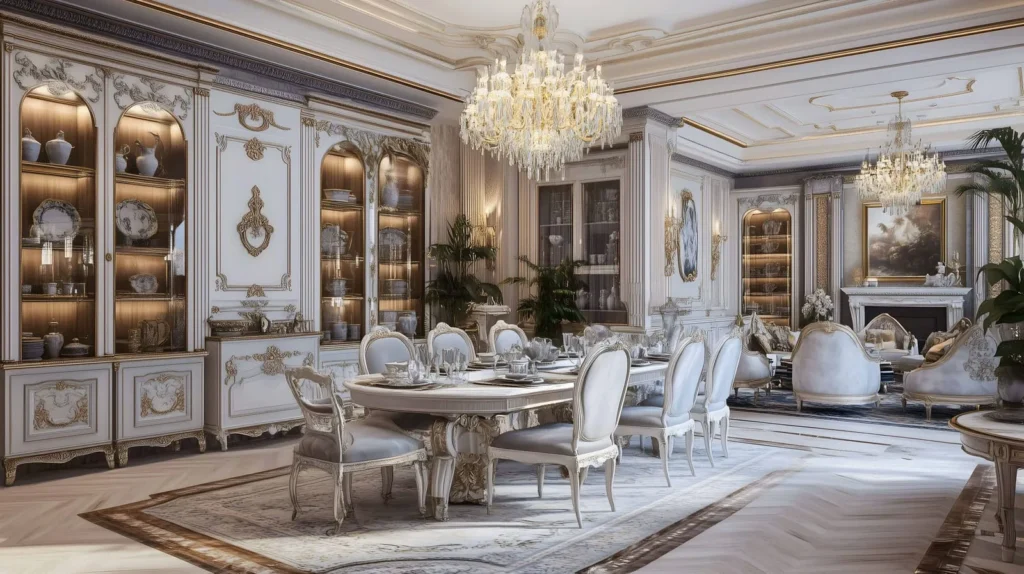
The beauty of a French chateau-style house extends well beyond the exterior.
Historic châteaux were designed to impress guests while supporting daily life. Modern interpretations preserve that balance through spacious layouts and refined craftsmanship.
Grand Staircases as Architectural Centerpieces
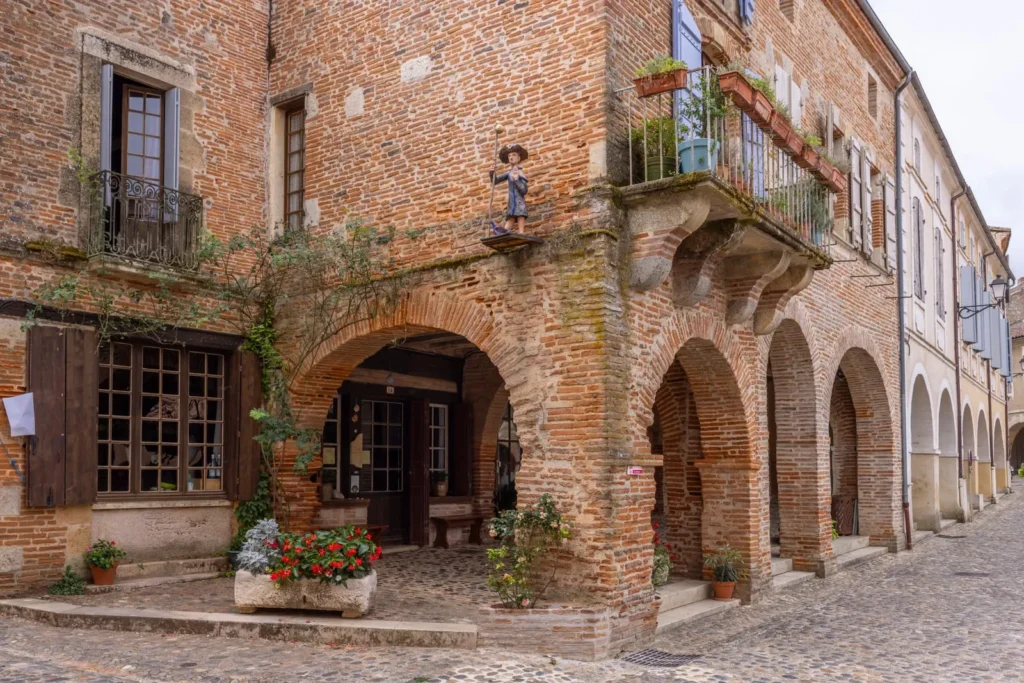
Many luxury French chateau homes feature dramatic grand staircases positioned near the main entrance.
Rather than serving only as circulation, these staircases become sculptural focal points that establish the home’s sense of arrival.
Historic examples such as Chambord helped popularize monumental staircases that remain influential today.
Elegant Living Spaces
Interior spaces often include:
- High ceilings
- Decorative moldings
- Natural stone fireplaces
- Hardwood flooring
- Arched openings
- Large windows that maximize natural light
These elements combine to produce rooms that feel open, refined, and welcoming.
The Role of French Chateau Decor
Architectural beauty is even more pronounced when paired with thoughtful French chateau decor. Rather than filling rooms with elaborate ornamentation, successful interiors balance luxury with restraint.
Popular design elements include:
- Antique furniture
- Crystal chandeliers
- Carved wood details
- Rich linen fabrics
- Marble surfaces
- Classic artwork
- Neutral color palettes with soft accents
This approach allows the architecture to remain the focal point while every decorative choice complements the home’s character.
Formal Gardens Complete the Estate Experience
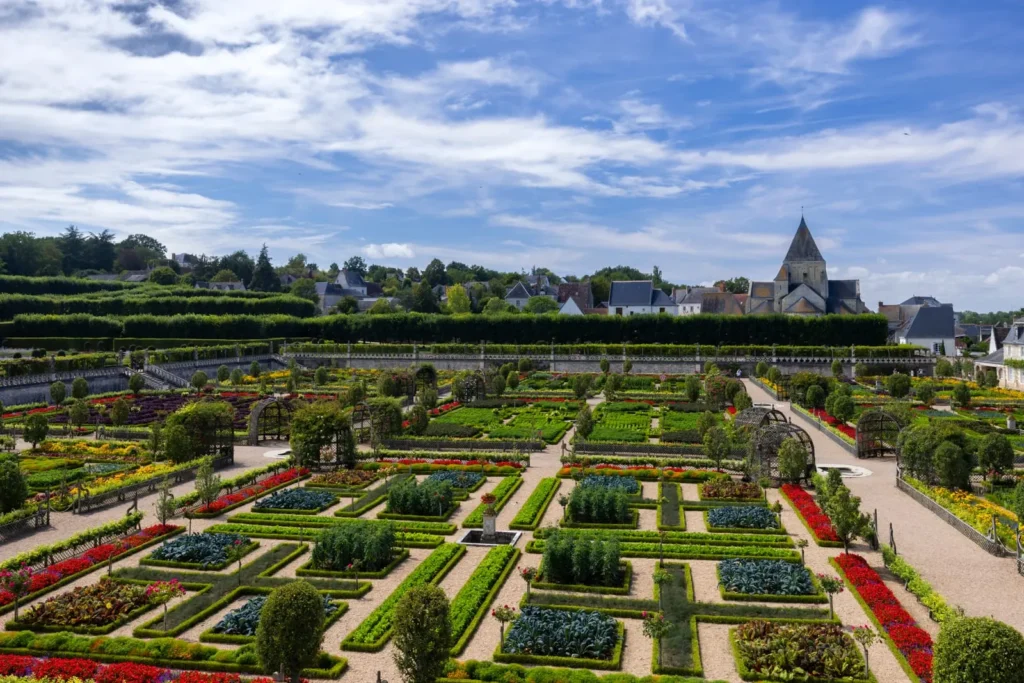
The landscape plays a central role in authentic French chateau-style homes.
Historic estates treated gardens as an extension of the architecture itself. Rather than appearing natural or informal, outdoor spaces followed geometric layouts based on perspective and symmetry.
Traditional formal gardens often include:
- Tree-lined avenues
- Sculpted hedges
- Reflecting pools
- Stone pathways
- Decorative fountains
- Carefully framed views
The famous gardens developed by André Le Nôtre established many of these principles, which continue to influence luxury estate design today.
Why French Chateau Style Homes Continue to Appeal Today
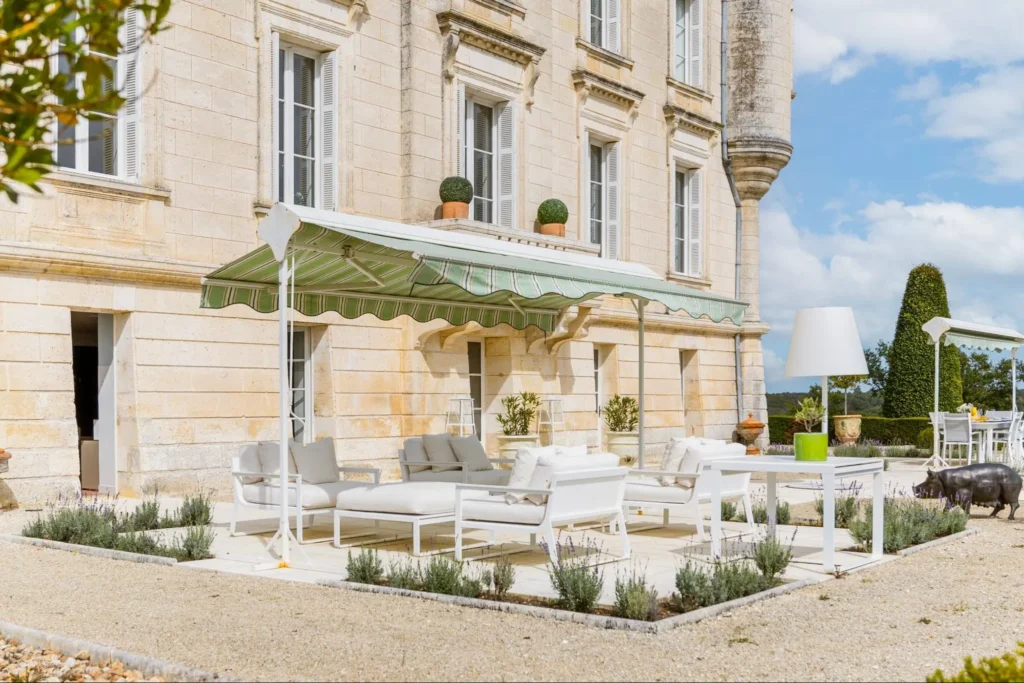
Luxury buyers increasingly value homes with lasting architectural significance.
Many contemporary designs prioritize simplicity, while French chateau-style homes celebrate craftsmanship, permanence, and rich historical influence.
This style offers several long-term advantages.
Timeless Visual Appeal
Architectural styles based on classical proportions rarely feel dated. A thoughtfully designed chateau-style house retains its elegance across generations.
Premium Materials
Natural stone, hardwood, slate roofing, and custom detailing often provide exceptional longevity when maintained properly.
Strong Emotional Presence
A well-designed chateau house creates a memorable experience from the first approach through every interior space. That emotional connection often distinguishes exceptional luxury homes from ordinary large residences.
Modern Interpretations of the French Château
Today’s architects frequently reinterpret historic forms for contemporary lifestyles.
A modern French chateau-style house may include:
- Open plan kitchens
- Energy-efficient construction
- Smart home technology
- Larger family living spaces
- Wellness amenities
- Indoor and outdoor entertaining areas
These updates preserve traditional architectural character while supporting modern expectations.
The most successful projects respect the original design principles instead of copying historic buildings exactly.
Choosing Authentic Design Over Imitation
Many homes borrow isolated French elements without capturing the complete architectural language.
Authentic French chateau homes prioritize proportion over decoration.
Balanced façades, carefully scaled windows, elegant rooflines, quality materials, and cohesive landscaping all contribute to the final result.
When these elements work together, the home reflects the enduring spirit of the French château tradition rather than a collection of decorative features.
Experience Authentic French Chateau Style Homes at Château de Lasfonds
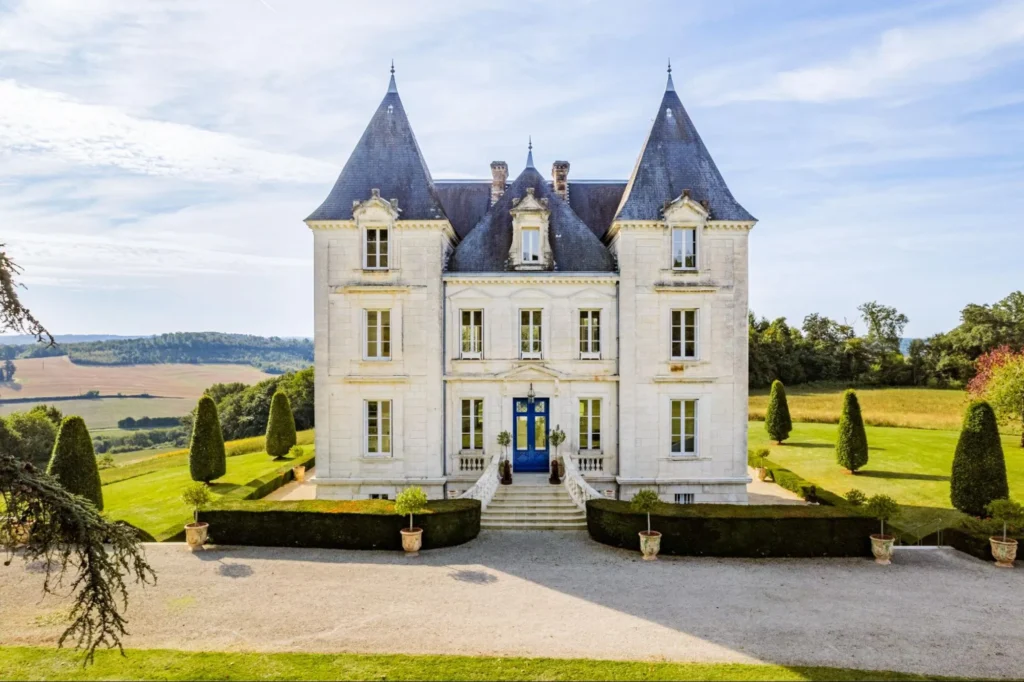
Reading about French Chateau Style Homes is one thing. Experiencing one is something entirely different.
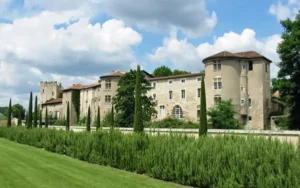
Château de Lasfonds invites guests to stay in a beautifully restored nineteenth-century French château in the Dordogne countryside. Set across a private 6.5-hectare estate, it blends Neo-Gothic and Neo-Renaissance architecture with modern comforts, offering an authentic glimpse into historic French estate living.
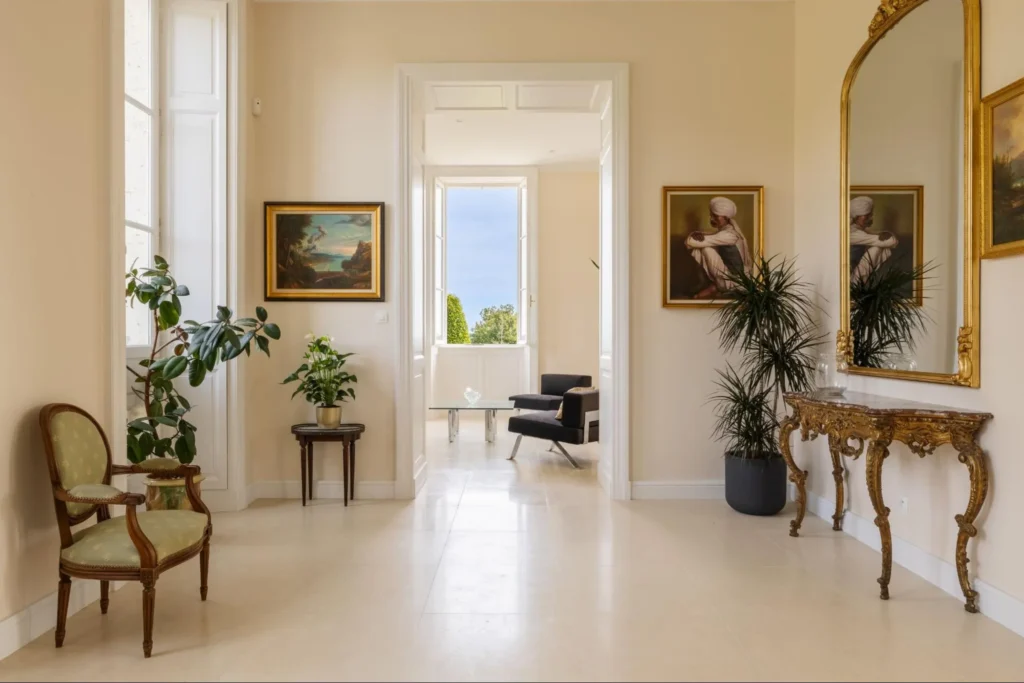
Guests can enjoy elegant interiors, peaceful gardens, panoramic countryside views, and easy access to the region’s villages, markets, and cultural landmarks. It is an ideal destination for family gatherings, private retreats, intimate celebrations, or anyone looking to experience the timeless character of a true French château.
Explore Château de Lasfonds and discover what authentic French Château-style homes feel like beyond the pages of history. Book a consultation today to start your journey toward owning your dream chateau.
FAQs about French Chateau Style Homes
1. Are French château-style homes suitable for smaller properties?
Yes, French château-style homes can be adapted to smaller estates. Architects often scale signature features such as symmetrical façades, steep roofs, and refined detailing while preserving the elegant proportions that define authentic château-inspired architecture.
2. What is the difference between a French château and a French Provincial home?
A French château is typically grander in scale and inspired by noble estates. French Provincial homes borrow rural French influences, using simpler forms that make them more practical while retaining classic symmetry, steep roofs, and timeless architectural character.
3. Which roofing materials work best for a French château-style house?
Natural slate remains the preferred roofing material for a French château-style house. It delivers long-term durability, develops an attractive patina with age, and complements dormers, chimneys, and steep rooflines that define the architectural style.
4. Can a modern French château-style home be energy efficient?
Yes, modern French château-style homes can achieve excellent energy efficiency. High-performance insulation, efficient glazing, geothermal heating, and discreet renewable technologies allow homeowners to improve performance without compromising traditional architectural character.
5. How much land do French château-style homes typically require?
There is no minimum land requirement for French château-style homes. Larger sites better accommodate formal gardens, long driveways, and balanced views, while thoughtful planning can recreate the château atmosphere on more modest properties.
6. Why do French château-style homes hold their value so well?
French château-style homes tend to retain value because their architecture is timeless rather than trend-driven. Premium materials, enduring craftsmanship, and lasting buyer appeal help distinguish them from luxury homes designed around short-lived fashions.
7. What architectural mistakes make a château-inspired home look inauthentic?
The biggest mistake is focusing on decorative details instead of overall proportion. Oversized turrets, mismatched windows, inconsistent rooflines, and low-quality materials can undermine the balanced composition that gives authentic French château architecture its elegance.
8. Are French château-style homes a good choice for multigenerational living?
Yes, French château-style homes naturally suit multigenerational living. Spacious floor plans, multiple bedroom wings, guest accommodations, and generous entertaining areas allow families to enjoy privacy while comfortably sharing common gathering spaces.
9. How has the château-inspired architecture evolved in luxury home design?
Modern château-inspired architecture blends classical French design with contemporary living. Today’s homes incorporate flexible family spaces, sustainable construction, wellness features, and integrated technology while preserving traditional proportions and architectural authenticity.
10. Can staying in a historic French château help inspire a future home design?
Yes, staying in a historic French château provides insights that photographs rarely capture. Experiencing room proportions, natural light, craftsmanship, circulation, and the relationship between architecture and gardens helps homeowners make more authentic design decisions.