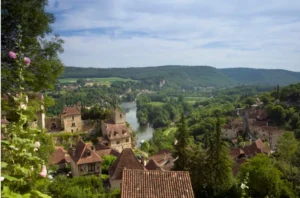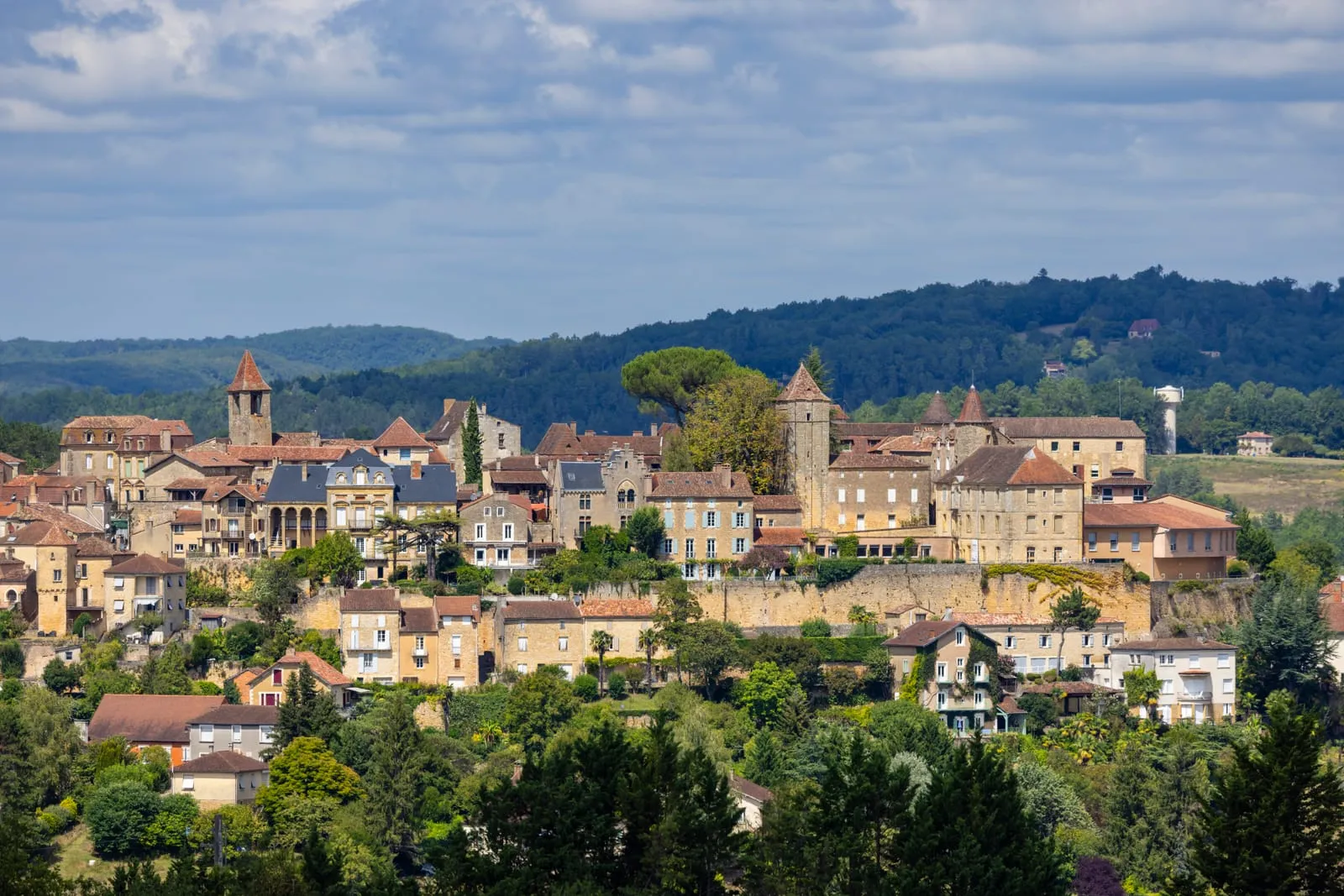
Belvès, France, is a compact medieval village in Périgord Noir known for its fortified castrum, Saturday market, hilltop views and unusual cave dwellings beneath Place d’Armes. It works well as a half-day stop, although a full day gives you time for the underground tour, lunch and a slower walk through the old town.
The main draw is Les Troglos de Belvès, a group of eight underground dwellings reached beneath the historic market square. Belvès is also officially included among Les Plus Beaux Villages de France, making it a natural addition to a heritage-focused Dordogne trip.
Why Visit Belvès in Dordogne?
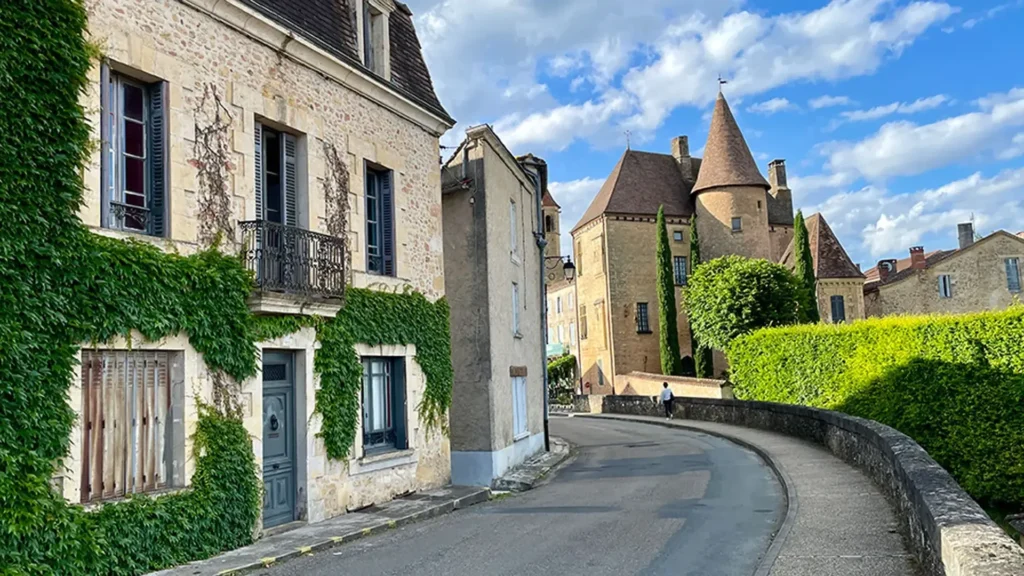
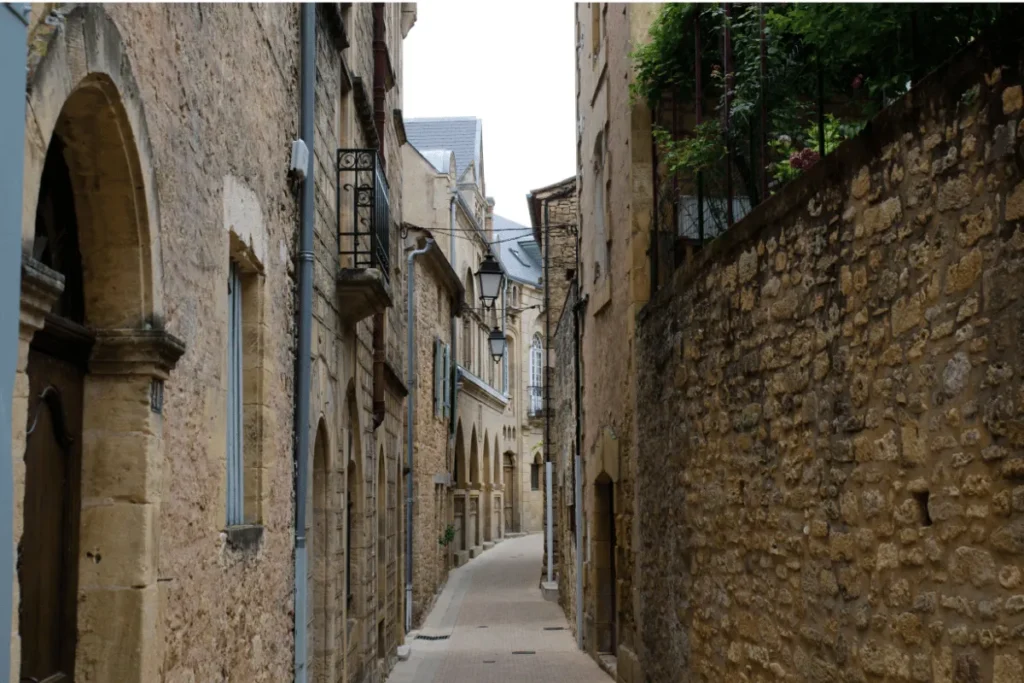
Belvès sits on a rocky outcrop above the Nauze Valley in the Périgord Noir. Its medieval core retains fortified streets, towers, old houses and traces of the defensive castrum that shaped the settlement.
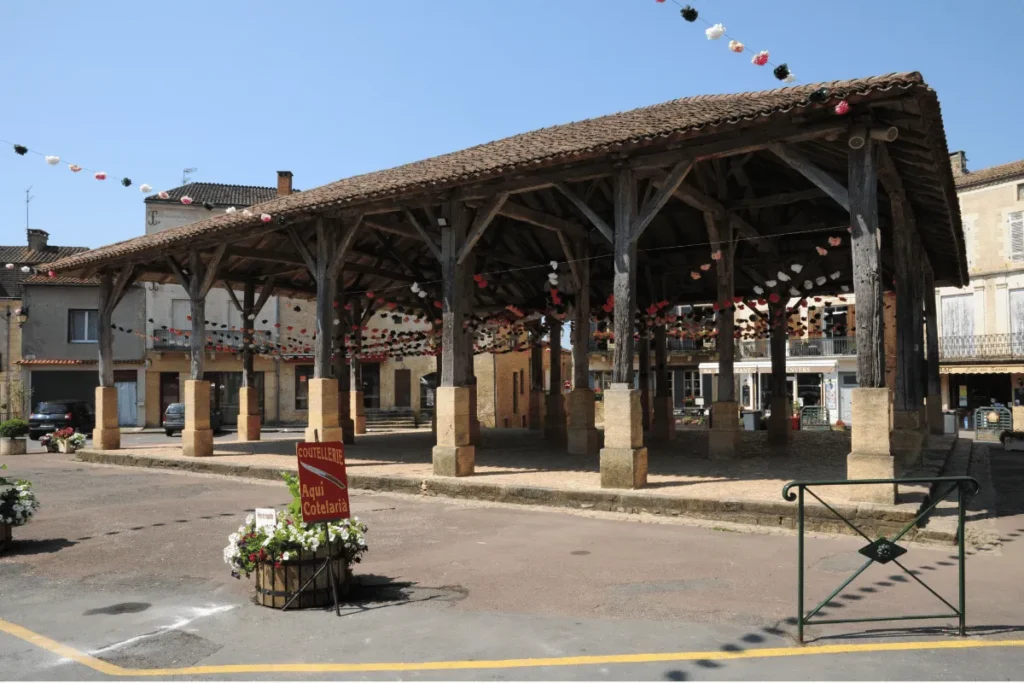
Place d’Armes makes a practical starting point. Its 15th-century covered market hall rests on 23 pillars, including one that once served as a pillory. The square still serves its historic market function.
Belvès also rewards travelers who like history on a manageable scale. You can understand the basic layout without spending an entire day moving between distant sights, yet there is enough detail to keep architecture and history enthusiasts occupied for several hours.
What to Do in Belvès, France
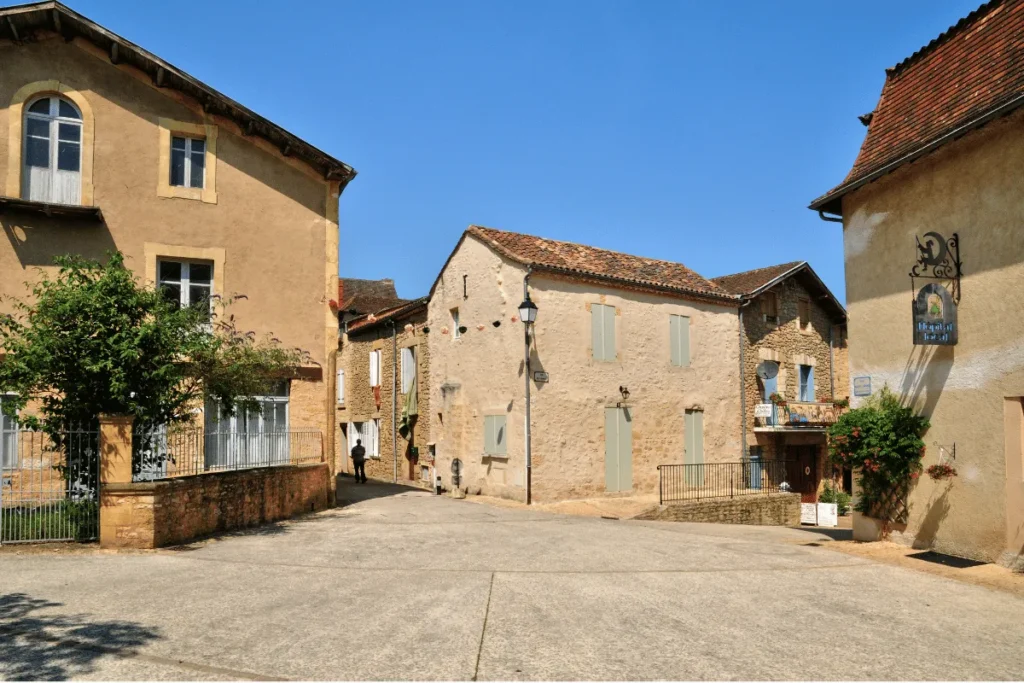
Visit the Cave Dwellings of Belvès
The cave dwellings are the attraction that most clearly distinguishes Belvès from other medieval Dordogne villages.
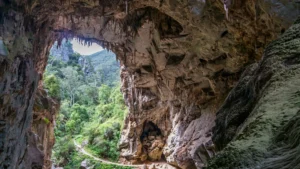
The official site describes eight underground habitats beneath the market square, reached around six meters below ground. They help explain the daily lives of poorer residents who occupied these spaces from the Middle Ages into the 18th century.
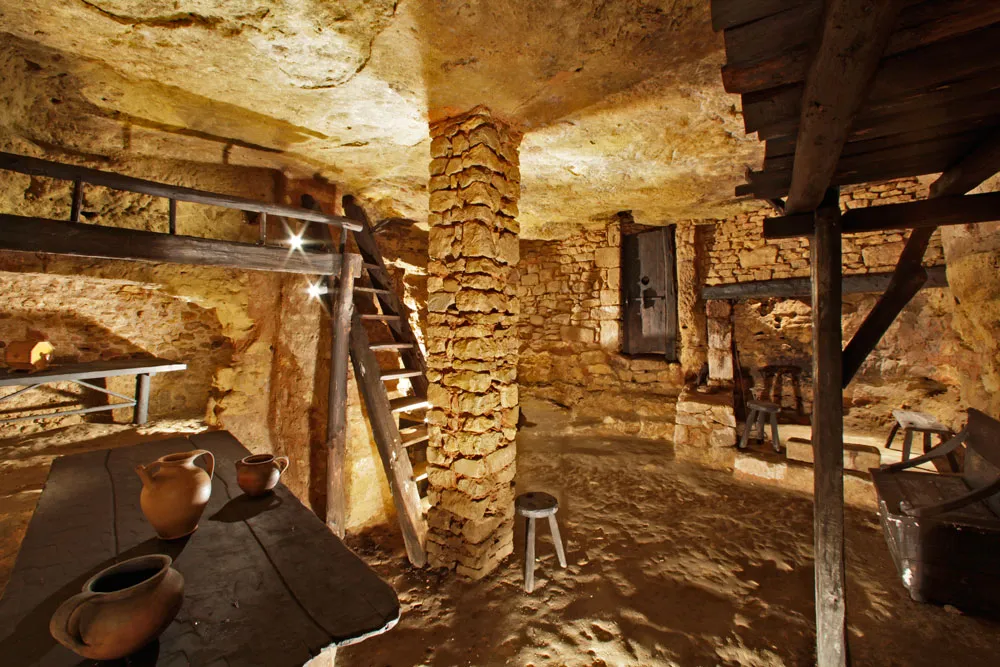
Reservations are strongly recommended. Tours have a maximum of 18 visitors, and the underground site is not accessible to wheelchair users or strollers. Baby carriers are permitted. The underground temperature stays between roughly 14°C and 17°C, so bring a light layer even on a warm summer day.
Tour schedules change considerably through the year. Check the official Troglos page shortly before traveling rather than relying on an old timetable.
Walk Through the Medieval Castrum
The castrum gives Belvès its sense of structure. Narrow streets, surviving fortified elements and elevated viewpoints show how the town developed around defense and local administration.
The official Belvès heritage site offers self-guided exploration year-round, with maps available through the tourist office. Guided Castrum visits were scheduled on selected Thursdays from July 9 to August 27 in 2026. The guided route takes around 50 minutes.
This also gives mixed-generation groups a useful alternative to the cave visit. The official site says the Castrum route can accommodate a stroller, while the Troglos cannot. One part of the group can explore above ground while others take the underground tour.
See Château de Belvès
The château contains important wall paintings discovered in 2010, including representations of the Nine Worthies. Its website states that guided visits are by appointment, with a minimum of four and a maximum of 18 people. The site is privately inhabited for part of the year, so book this attraction before you arrive rather than assuming it will be open.
Visit on Saturday for the Market
Saturday morning gives the village a different rhythm. The market continues on Place d’Armes, beneath and around the historic hall.
For autumn 2026, Les Plus Beaux Villages de France lists recurring Saturday market dates through December, with market hours given as 8:30 a.m. to 12:30 p.m.
A Saturday visit therefore works well for travelers who want to combine food shopping, café time and the historic sights in one outing.
A Practical Slow-Travel Day in Belvès
A relaxed schedule works better here than trying to turn every historic building into a separate stop.
| Time | Plan | Why it works |
| 9:00 a.m. | Browse Place d’Armes and the market on Saturday | The village is active, but you still have most of the day ahead |
| 10:00 a.m. | Walk through the castrum | You get the village layout before heading underground |
| Late morning | Take a reserved Troglos tour | The guided visit adds context that you cannot get from the streets alone |
| 12:30 p.m. | Lunch in the village | Leave enough time rather than scheduling another timed attraction immediately |
| 2:00 p.m. | Château de Belvès if pre-arranged, or continue the old-town walk | This keeps the afternoon flexible |
| Mid-afternoon | Coffee, viewpoints, then onward travel | A slower finish suits the scale of the village |
Families using strollers or groups that include guests with limited mobility should plan the underground portion separately. The Troglos access restrictions matter more than the total length of the tour.
Belvès Restaurants, Weather and Map
Restaurant schedules in rural France can change with the season, so check current opening days before building a timed itinerary around lunch.
Official regional tourism listings for 2026 include Brasserie Le Troglo on Place d’Armes and Le Parfum des Mets elsewhere in the village. Their published opening patterns differ, so confirm your preferred restaurant directly before your visit.
For Belvès weather, use the current Météo-France forecast close to departure rather than relying on a general monthly climate table.
Travelers looking for a Belvès, France map can use the map on the Les Plus Beaux Villages de France page. The tourist office also supplies information for the Castrum walk.
Getting to Belvès
Belvès has its own SNCF stop. Les Plus Beaux Villages de France estimates the station at about a 15-minute walk from the village, and SNCF TER currently lists both train and replacement coach services depending on the timetable.
Rail service is limited enough that travelers should check SNCF Connect for their exact date instead of assuming frequent departures. A car remains useful for a wider Dordogne itinerary, since many villages and rural attractions sit outside direct rail routes.
When Is the Best Time to Visit?
Spring and early fall suit travelers who want comfortable walking conditions and a quieter feel. Summer brings the broadest schedule of heritage visits and events, but it also requires more attention to reservations.
Saturday is the obvious choice for visitors who prioritize the market. Another day may suit travelers who mainly want the streets, cave dwellings and architecture without building the visit around market hours.
Winter requires more advance checking. The Troglos site’s 2026 schedule, for example, listed a January closure and a reopening from February 10.
Is Belvès Worth Visiting?
Yes, if your Dordogne plans favor medieval architecture, small-scale historic sites, and villages you can explore without a rushed checklist.
The cave dwellings give Belvès a feature that goes beyond another attractive old-town walk, while the castrum, market hall and Château de Belvès add enough substance for travelers who want context rather than photographs alone.
A half day covers the essentials. A full day suits anyone adding the market, a long lunch, a scheduled château visit or a slower pace with children and older relatives.
Plan Your Private Château Stay at Château de Lasfonds
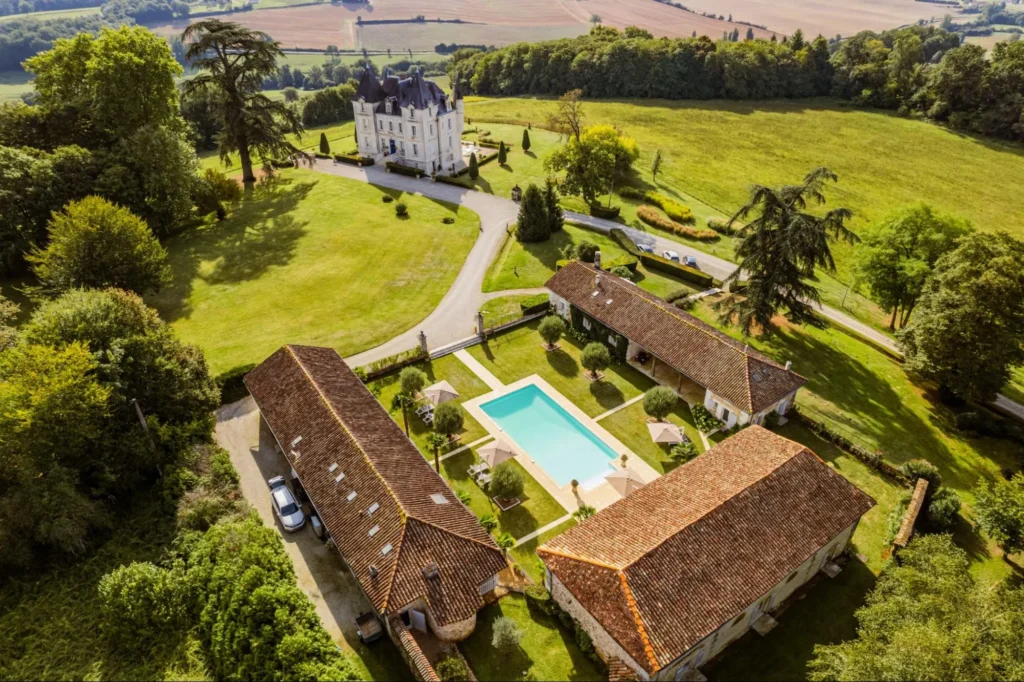
Travelers combining Dordogne heritage stops with a longer stay in southwest France may want more shared space between sightseeing days. Château de Lasfonds sits on a 6.5-hectare estate with the main château and three restored outbuildings, plus kitchens, workspaces, high-speed Wi-Fi, a games room, a gym, and a heated pool.
Explore the current room arrangements, check available dates, or send an inquiry with your group size and preferred stay dates. The château can also connect guests with external planning providers when requested.
Book now to check current availability and choose dates for your stay.
Frequently Asked Questions About Belvès, France
1. What is Belvès known for?
Belvès is known for its medieval castrum, seven-bell-tower identity, covered market hall and underground troglodyte dwellings beneath Place d’Armes.
2. How long do you need in Belvès?
Allow around half a day for the central streets and Troglos. A full day works better if you want lunch, the Saturday market or a pre-arranged visit to Château de Belvès.
3. Are the cave dwellings of Belvès worth visiting?
They add historical context that you cannot get from the streets alone. The eight underground habitats show how poorer residents lived beneath the town for centuries.
4. Do you need to reserve the Troglos de Belvès?
The official site strongly recommends reservations. Tour groups are limited to 18 visitors.
5. Are the Belvès caves suitable for strollers or wheelchairs?
No. The official visitor information says the underground site is not accessible to wheelchairs or strollers. Baby carriers are permitted.
6. What day is the Belvès market?
The traditional market takes place on Saturday mornings in Place d’Armes.
7. Can you reach Belvès by train?
Yes. Belvès has an SNCF station, roughly a 15-minute walk from the village according to Les Plus Beaux Villages de France. Check the current TER timetable because services can include both trains and coaches.
8. What is Château de Belvès?
Château de Belvès is a historic building in the village, also called the Hôtel de Commarque. It contains important wall paintings and can be visited by appointment.
9. Where should I check the weather for Belvès?
Use Météo-France for the current Pays de Belvès forecast close to your travel date.
10. Is Belvès good for families?
Yes, with some advance planning. The old town and Castrum route can work well for families, while the underground Troglos require a baby carrier instead of a stroller and aren’t wheelchair accessible.