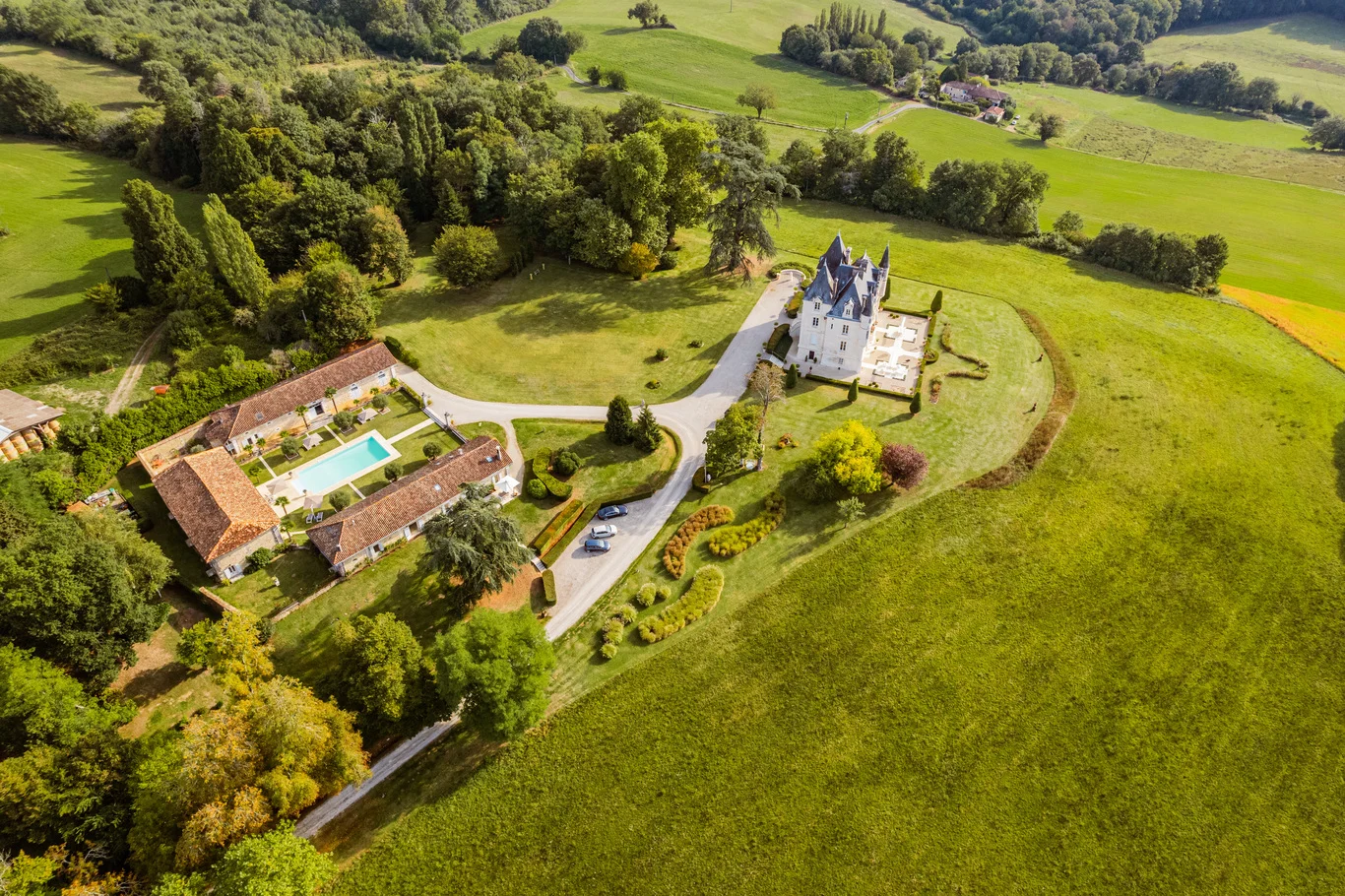
The Chateaux of the Loire Valley have seduced travelers for centuries. Nestled along a 270‑kilometer ribbon of the Loire River, this region in central France blends history, architecture, and a gentle pace of life. Vineyards, forests, and storybook towns surround dozens of royal estates built from the Middle Ages through the Renaissance. Planning a longer itinerary here is less about ticking off a list and more about savoring artistry, gardens, and wine at a human scale.
With its UNESCO‑listed landscapes and a relaxed rhythm, the Chateaux of the Loire Valley offer a restorative alternative to France’s headline cities.
How to Plan Your Loire Valley Adventure
Quality over Quantity
The Loire’s castles are scattered across a wide area, so an ambitious approach that crams multiple sites into a single day rarely feels rewarding. Guides who know the region recommend focusing on one or two estates per day and pairing them with vineyards, gardens or market visits for balance.
A three‑day trip allows you to sample a few highlights; five to seven days provide space for deeper exploration and two bases. Driving loops that follow the river let you sample smaller towns and rural wineries at your own pace.
Choosing Your Base Town
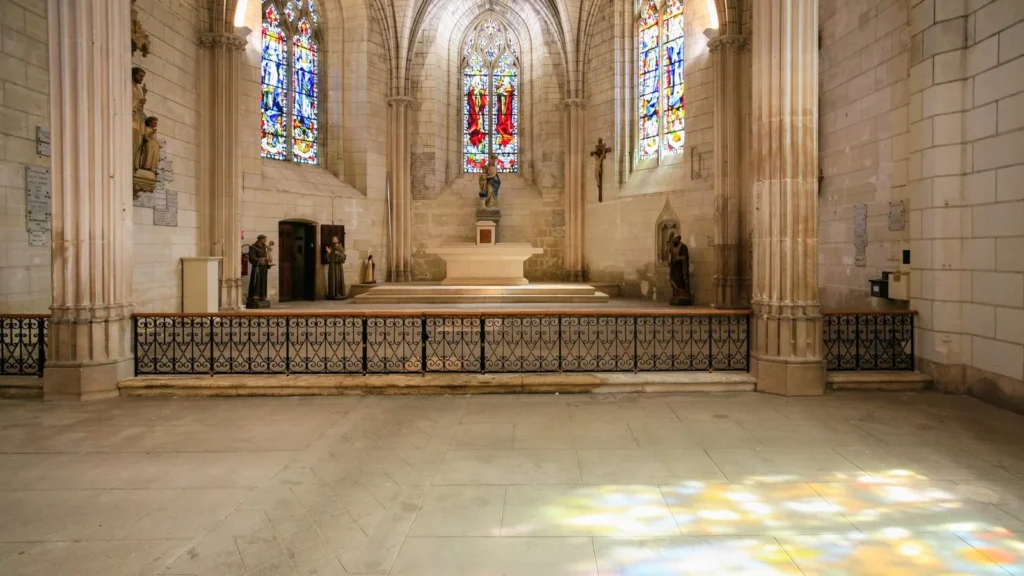
interior of the church Saint-Florentin
Tours is the largest city in the region and a lively hub. With excellent rail connections, many restaurants, and a medieval center, it works well for first‑time visitors who want to experience castles and nightlife without changing accommodation.
Amboise feels more intimate; its château overlooks the river, and the walkable center exudes Renaissance charm.
Blois suits travelers focused on nearby castles like Chambord and Cheverny, while Saumur offers quiet troglodyte culture, sparkling wine, and a slower pace.
For longer trips, combining two bases—perhaps Tours and Saumur—allows you to experience different sections of the valley without packing and unpacking every night.
Booking Tickets and Time Slots
tourists near the entrance to the castle, Chateau de Blois, on the square Place du Chateau
Some estates now require timed entry, particularly during the summer. Booking skip‑the‑line passes ensures you spend more time exploring the castles and gardens and less time in the queue. A regional pass purchased through the Tours Val de Loire tourism office bundles admission to multiple castles and trims costs.
Highlights of the Chateaux
The Loire Valley chateaux represent more than lavish residences; they chart the evolution of French architecture and politics over five centuries. The following estates illustrate this diversity.
Château de Chambord
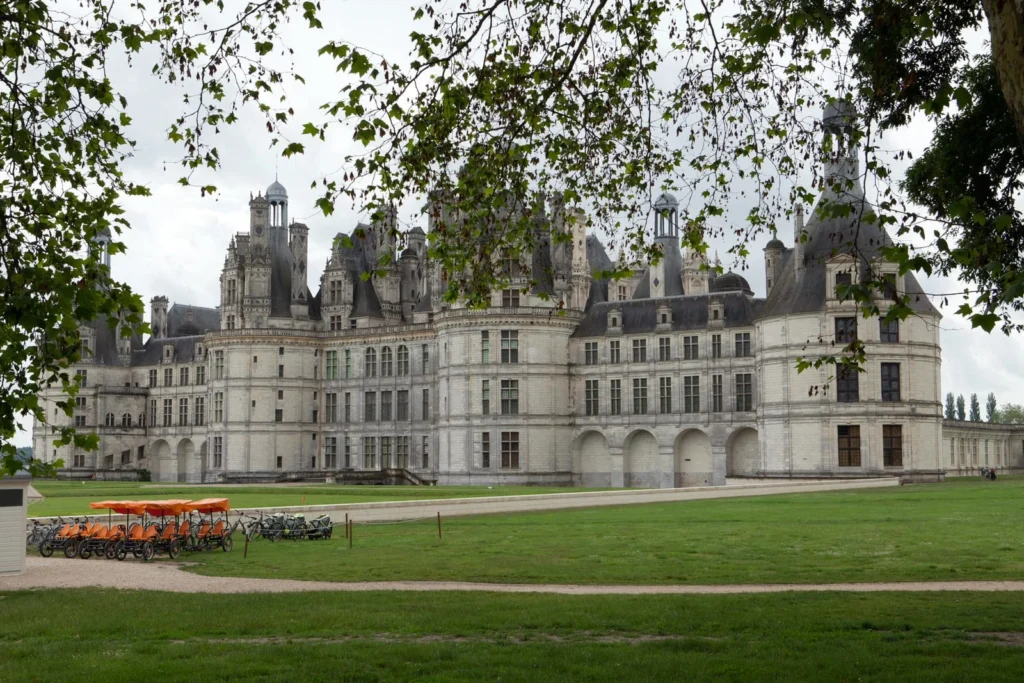
Commissioned by King Francis I in 1519, Chambord is the largest and best-known castle in the Loire Valley. It was built to project royal power, and its design combines medieval defensive forms with Renaissance ideas. Its famous double spiral staircase, linked to Leonardo da Vinci, lets two people climb separately without crossing paths.
The château stands inside a 32-kilometer wall and a vast forested estate. Louis XIV later added stables and waterworks. During World War II, Chambord protected thousands of artworks, including the Mona Lisa and Liberty Leading the People.
Today, visitors come for the terraces, formal gardens, and interiors, which reveal centuries of royal and cultural history, including 18th-century kitchens and the wider estate.
Practical tip: book a self-guided visit with the Histopad for clearer historical context. Chambord is large, so give it at least half a day. Bikes can also help you cover more of the ground.
Château de Chenonceau
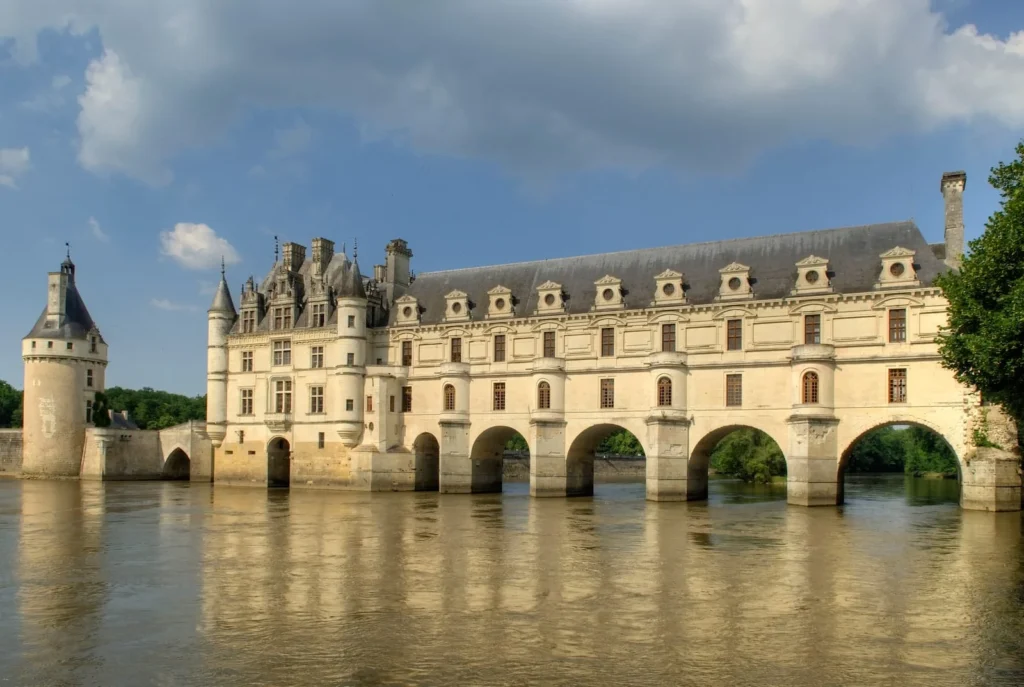
Known as the “Ladies’ Castle,” Chenonceau reflects the influence of the women who shaped its history. The current château, built between 1513 and 1517 by Thomas Bohier and Catherine Briçonnet, spans the Cher River. Francis I later claimed it for the crown, and Henry II gave it to Diane de Poitiers.
After Henry’s death, Catherine de Medici took control of Chenonceau and used it for politics and court events. Later, Louise Dupin turned it into a salon for Enlightenment thinkers, including Jean Jacques Rousseau. During World War II, the long gallery helped people cross into the free zone.
Today, Chenonceau stands out for its river gallery, Renaissance façade, and formal gardens linked to Diane and Catherine. Inside, visitors see tapestries and paintings by Rubens, Tintoretto, and Van Dyck. In high season, timed entry often applies, so booking early helps.
Château d’Amboise
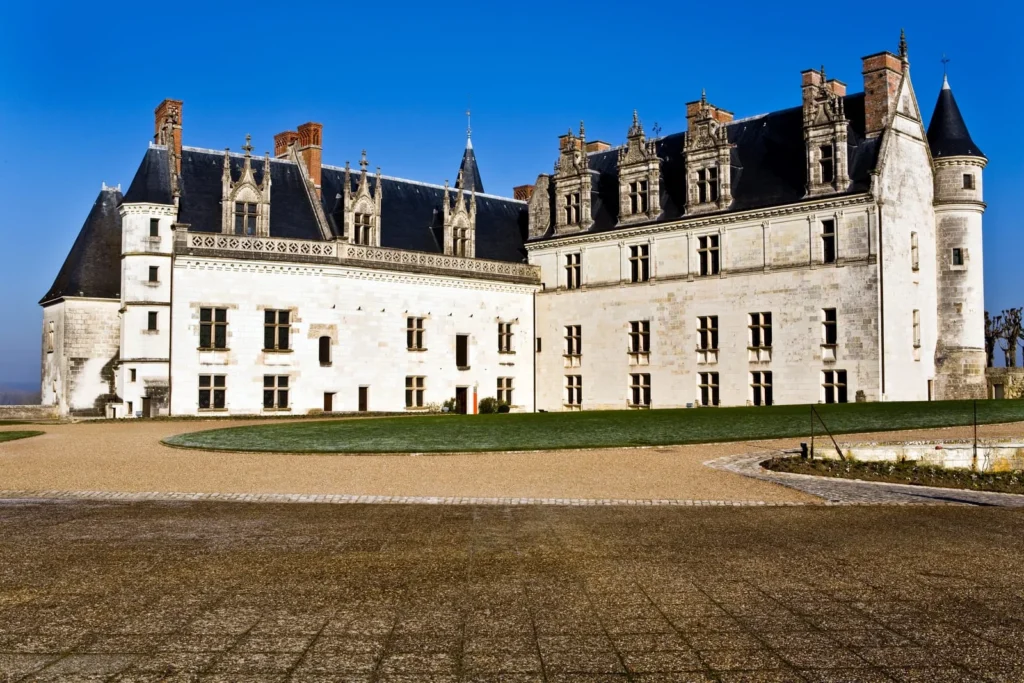
Perched on a promontory above the Loire, the Royal Château of Amboise was a favorite residence of France’s Renaissance kings. Its terraces offer a 360‑degree panorama over UNESCO‑listed landscapes, and the chapel contains Leonardo da Vinci’s tomb.
A living castle with gardens that attract more than ninety species of birds, Amboise provides interactive Histopad tours and guided visits.
Recent research has recreated the château in all its historical forms; the 3D model of the guard room shows that 75% of the structure built under Charles VIII at the end of the 15th century still survives.
Château de Blois
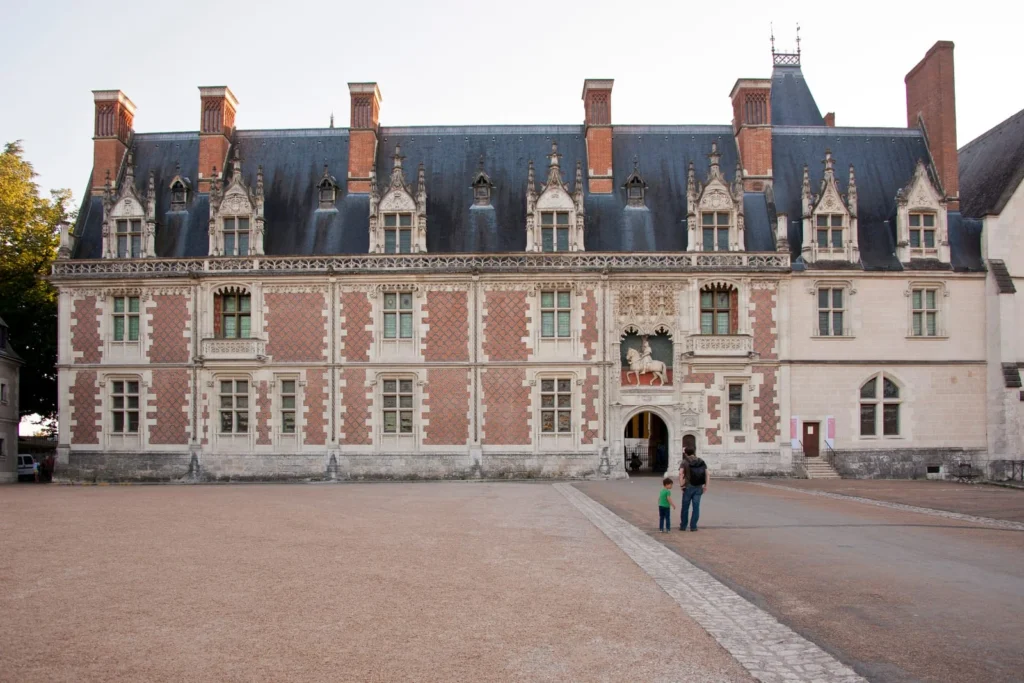
Blois shows the development of French architecture more clearly than almost any other Loire estate. Its four wings span the 13th to 17th centuries and bring together a medieval fortress, Louis XII’s Gothic wing, Francis I’s Renaissance wing, and Gaston d’Orléans’ classical wing.
The Estates General Room, begun in the early 13th century, ranks among France’s oldest and largest non-military Gothic halls. Francis I’s wing is known for its monumental spiral staircase, which later influenced Chambord.
Blois is also associated with major political history, including the 1588 assassination of the Duke of Guise. Today, the château houses the Museum of Fine Arts, featuring tapestries, paintings, and sculptures that enrich the visit.
Château de Villandry
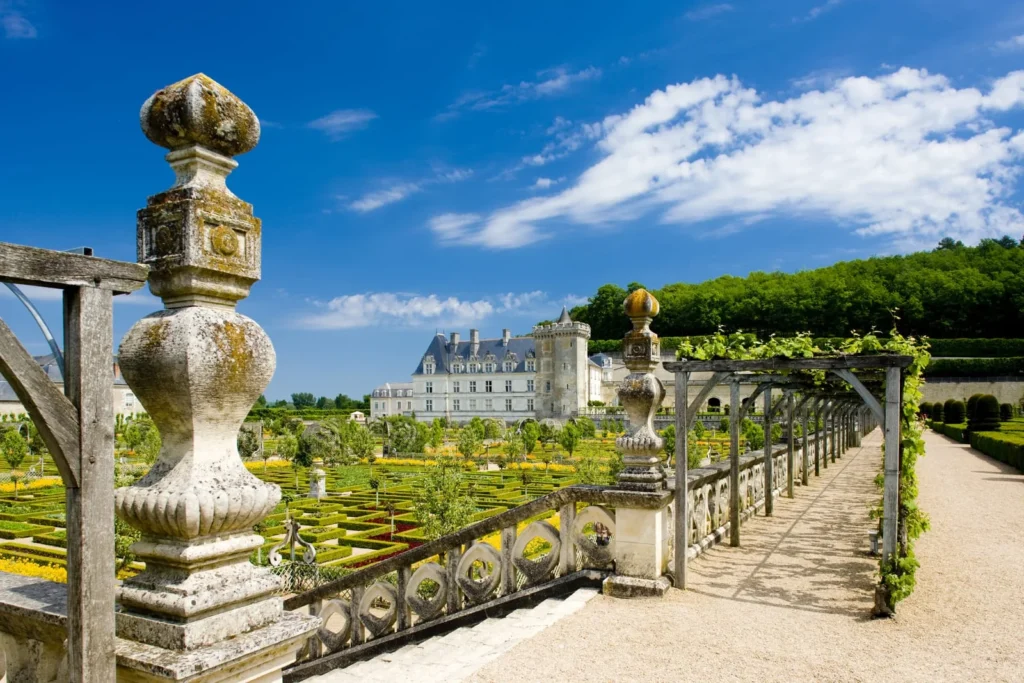
Villandry is best known for its gardens. In 1532, Jean Breton, finance minister to Francis I, bought a medieval fortress and turned it into a Renaissance château. Its symmetrical wings and decorative pilasters reflect the architectural style of that period.
The gardens changed over time, from formal French layouts in the 18th century to a landscaped park in the 19th century, before Joachim Carvallo revived them in the early 20th century. Today, visitors come for the ornamental kitchen garden, love garden, water garden, and sun garden.
Seasonal events bring extra interest in summer and autumn, and the gardens remain open year-round, which makes Villandry a strong choice outside peak season.
Château d’Azay‑le‑Rideau
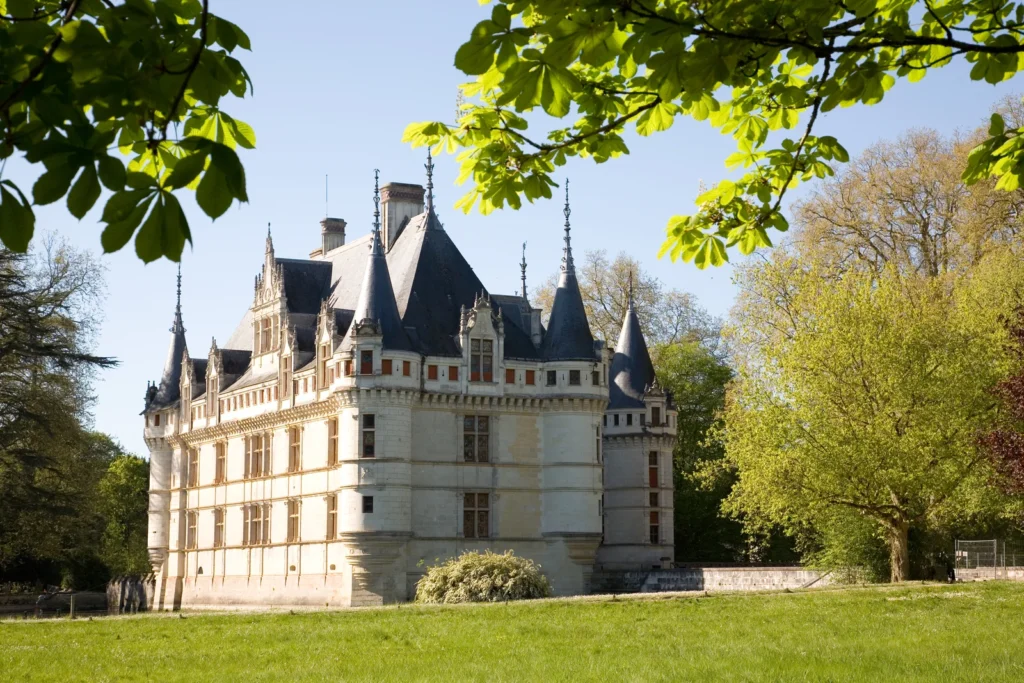
Built on an island in the Indre River, Azay-le-Rideau brings together French building traditions and Italian Renaissance details. Gilles Berthelot, a financier to Francis I, commissioned the château in the early 16th century. Its south façade is known for its reflection in the water, though the current water mirrors date from the modern period.
The design includes large windows, high dormers, and machicolations that recall medieval fortresses, though they served a symbolic role. The château took on its present form in the 19th century under the Marquis de Biencourt. Today, visitors come for its Renaissance architecture, landscaped park, and restored interiors.
Château de Cheverny
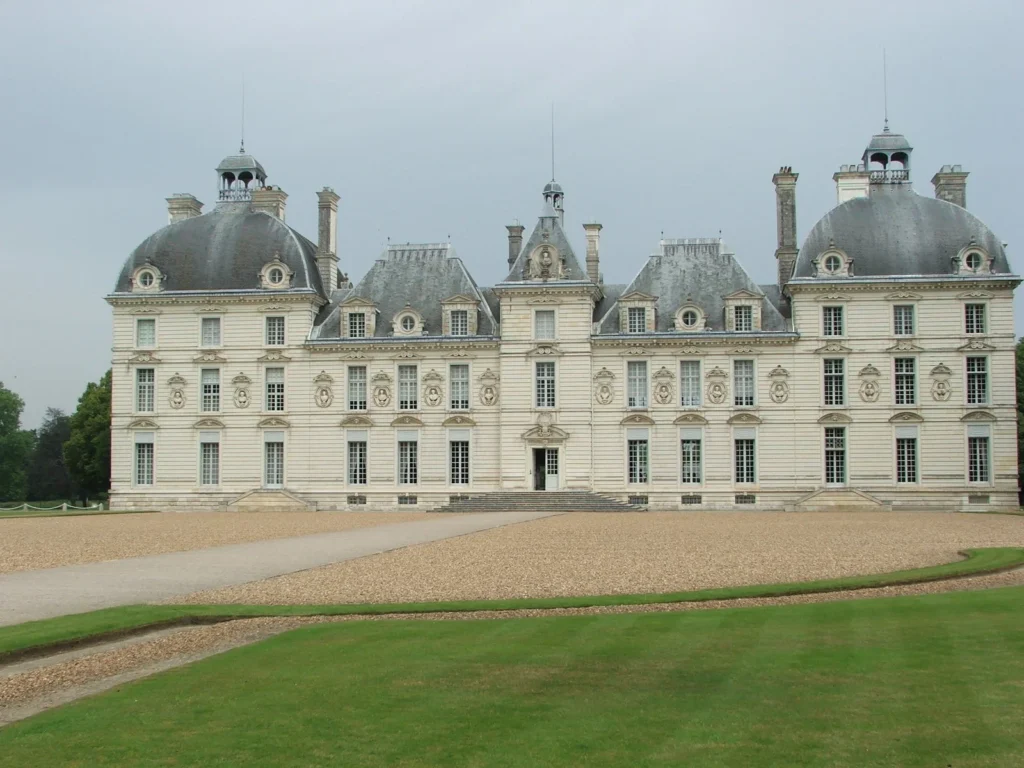
Cheverny stands out for continuity and comfort. The Hurault de Vibraye family has owned the estate for more than six centuries, and the château is still inhabited today. In 1922, Philippe de Vibraye opened it to the public, making Cheverny the first private château in France to do so.
Its Grand Siècle design was created for year-round living, and the furnished rooms reflect that domestic character. The estate also includes six themed gardens, including the spring garden, the apprentice’s garden, and a one-hectare orchard.
Beyond the formal grounds, visitors can explore more than 100 hectares of forest by electric boat or buggy. Cheverny also appeals to Tintin fans, since Hergé used it as the model for Captain Haddock’s castle, a link explored in the permanent Moulinsart exhibition.
Other Notable Castles and Experiences
While the big names draw crowds, smaller sites add depth to an itinerary.
- Clos Lucé in Amboise served as Leonardo da Vinci’s final residence, and its exhibits reveal the inventor’s machines and models.
- Château de Saumur overlooks the confluence of the Loire and Thouet Rivers and houses collections of equestrian and decorative arts.
- Chinon is home to a fortress associated with Joan of Arc.
- Angers features a massive 13th‑century fortress and the Apocalypse Tapestry.
- Gardens at Chaumont‑sur‑Loire host the International Garden Festival, while Ussé inspired the Sleeping Beauty story.
Extend your France itinerary with a stay at Château de Lasfonds
If you plan to continue your trip after the Loire Valley, Château de Lasfonds offers a quieter countryside stay in Nouvelle-Aquitaine, on the border between Charente and Dordogne. The estate presents itself as a private 19th-century château designed for small gatherings, with accommodation for up to 20 guests, modern comforts, and exclusive use of the property.
Its story goes back to land inherited in 1844 by Jacques Luce Lucien Janet de Lasfonds, who began transforming the hamlet into a château in 1856. The property describes itself today as a restored estate with historic character, generous social spaces, and grounds that support a slower style of travel. It also rents as a whole private property rather than as individual rooms, which suits families and groups seeking privacy.
For travelers planning a longer itinerary in France, Château de Lasfonds works well as a second chapter after the Loire. The Loire gives you royal history and major monuments. Lasfonds shifts the mood toward rest, space, and rural living in the Dordogne.
Book now to turn your Loire Valley trip into a broader château escape and enjoy a more private side of the French countryside.
Building Your Loire Valley Itinerary
Suggested 5‑Day Driving Loop
For a leisurely introduction to the chateaus in the Loire Valley, consider a five‑day loop beginning in Orléans.
- Day 1 heads to Chambord
- Day 2 visits Blois
- Day 3 explores Amboise
- Day 4 dedicates time to Chenonceau
- Day 5 takes in Villandry before ending in Chinon
The total driving distance is around 240 kilometers with about four hours of driving. This route balances castle visits with wine tasting and village strolls, allowing for long lunches and evening markets. It also keeps driving to manageable segments so you can enjoy the scenery rather than rush along highways.
Integrating Wine and Troglodyte Culture
The Loire Valley is as much about wine as it is about castles. Chenin Blanc from Vouvray and Montlouis‑sur‑Loire, Cabernet Franc from Chinon and Saumur, and sparkling Crémant de Loire offer tasting opportunities between castles.
Many wineries are in troglodyte caves carved into tuffeau limestone; tasting in these cool, atmospheric cellars feels distinct from modern tasting rooms. Guided tours based in Tours or Amboise often combine castle visits with cave tastings and a vineyard lunch.
Seasons and Timing
Late spring and early autumn provide the best balance of pleasant weather, vineyard activity, and lighter crowds.
Summer sees the largest visitor numbers and the highest temperatures, so secure timed tickets and arrive early or late in the day to avoid midday queues.
Winter is quiet; some estates close sections for restoration, but events like sound‑and‑light shows and Christmas decorations at Chambord make the season atmospheric.
Real‑life Insights for Longer Stays
- Pace yourself. Castles may appear close on a map, but travel times can stretch due to winding roads. Resist scheduling more than two major sites per day.
- Blend culture with leisure. Pair an estate in the morning with wine tasting, a garden visit or a bike ride along the Loire à Vélo in the afternoon.
- Use public transport wisely. Train connections make towns like Tours and Amboise accessible for day trips, but a car provides greater flexibility for rural wineries.
- Explore local markets. Towns such as Blois and Amboise host weekly markets where you can pick up goat cheese, fruit, and bread for picnics.
- Plan for lunch breaks. Many castle cafés close mid‑afternoon, so carry snacks or plan to eat in nearby villages.
FAQs Chateaux of the Loire Valley
1. What are the best Loire Valley châteaux for families with children?
Chateau de Lasfond often works best for families because it combines open grounds, visual appeal, and a lighter pace. Children usually respond well to gardens, mazes, boat areas, and rooms that feel easier to imagine.
2. Can you visit the Loire Valley châteaux on Mondays or public holidays?
Many Loire Valley châteaux stay open on Mondays and public holidays during the main season, but schedules change by month and by estate. Checking official opening calendars before finalizing your day prevents wasted driving and closed gates.
3. Are Loire Valley châteaux worth visiting in winter?
Yes, Loire Valley châteaux can still be worth visiting in winter if you want quieter rooms, lower crowd pressure, and a slower atmosphere. The tradeoff is shorter hours, fewer garden highlights, and occasional partial closures.
4. Which Loire Valley château is best for photography?
Chenonceau is usually the strongest choice for photography because the river setting adds reflection, depth, and symmetry. Chambord suits grand exterior shots, while Azay le Rideau works well for softer compositions with water and trees.
5. Do Loire Valley châteaux have restaurants or cafés on site?
Many major Loire Valley châteaux have cafés, tearooms, or light lunch options, but smaller estates may offer very little beyond a kiosk. A smart plan is to check food options in advance and keep a nearby backup lunch stop.
6. Is one Loire Valley château pass enough for a full trip?
No, a château pass can save money, but it does not automatically fit every itinerary. It works best if your planned estates match the pass exactly and your travel days are fixed from the start.
7. Can you combine the Loire Valley châteaux with wine tastings on the same day?
Yes, but the day works better when you limit yourself to one major château and one tasting area. Trying to add several estates and multiple wineries usually creates a rushed schedule and a weaker overall experience.
8. What should you wear to visit the Loire Valley châteaux?
Wear comfortable, grippy shoes because many château visits involve stone steps, gravel courtyards, and large grounds. In spring and autumn, light layers help, since interior temperatures, gardens, and river breezes can shift through the day.
9. Are Loire Valley châteaux good for travelers who do not care much about royal history?
Yes, because the appeal goes beyond royal history. Travelers who care more about gardens, river views, interior design, food, or photography often enjoy the Loire more once they treat each château visit as a place-based experience.
10. How far in advance should you book Loire Valley château tickets?
For famous Loire Valley châteaux, booking several days ahead is usually enough outside peak season. In summer, on weekends, and during school holidays, booking earlier gives you better entry times and reduces the risk of limited availability.