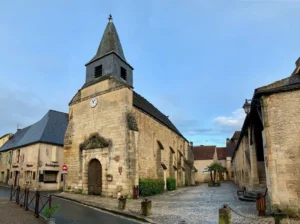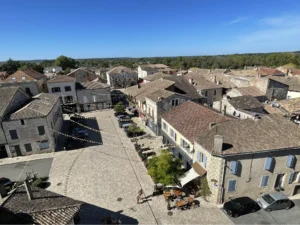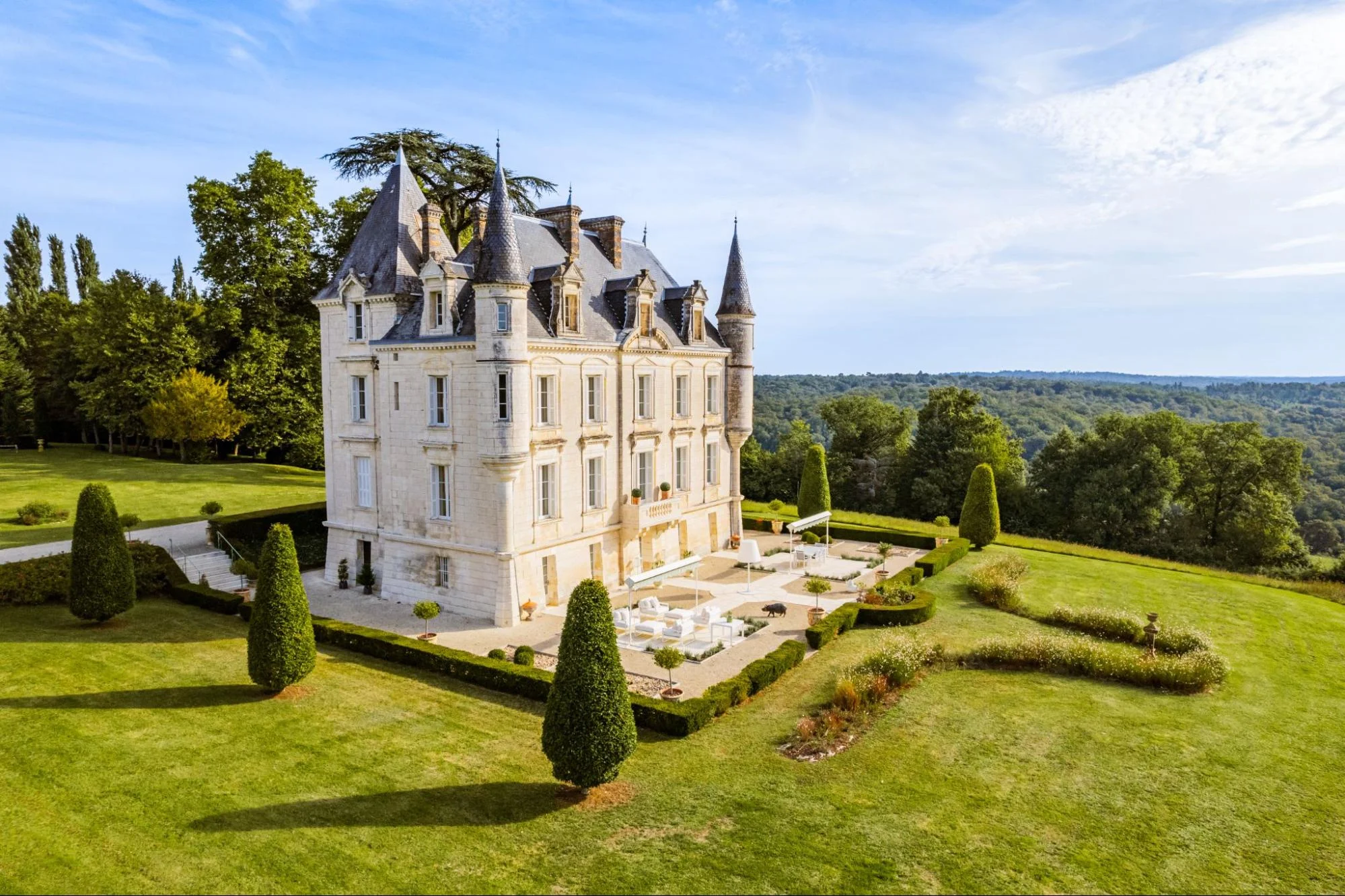
France attracts travelers with its vivid heritage. Grand palaces, fortresses on hilltops, and stately country homes testify to centuries of conflict, culture, and ambition. Many people ask How Many Castles in France? The answer depends on how one defines a castle or château. Some counts consider only fortified medieval strongholds; others include Renaissance pleasure palaces, manor houses, and picturesque ruins.
France’s Ministry of Culture registers roughly 11,000 monuments in the castle category, yet informal estimates put the number at 45,000 or more. To understand the scale of this heritage, one must unpack definitions, ownership, and regional variations.
What Counts as a Château?
The French word château has evolved over the centuries. The term originates from the Latin castellum and originally denoted a fortified noble residence. During the Middle Ages, these places served defensive purposes, with thick walls, moats, and towers. Over time, the military role faded, and wealthy families built refined country homes that expressed prestige rather than power.
Today, the word château refers to a grand residence in the countryside, regardless of defensive features. It can describe anything from a medieval fortress to a Renaissance manor house or vineyard estate. Urban mansions are called hôtels particuliers, and royal palaces like Versailles are distinguished as palais.
Not all châteaux are castles in the strict English sense. Many never had battlements or arrow slits. Travelers who picture towering fortifications may be surprised to find elegant mansions with ornamental gardens, mullioned windows, and symmetrical façades.
French vernacular uses the term château to refer to any grand country residence built by the nobility. This broad definition partly explains why estimates for how many castles are in France vary widely.
Counting France’s Castles
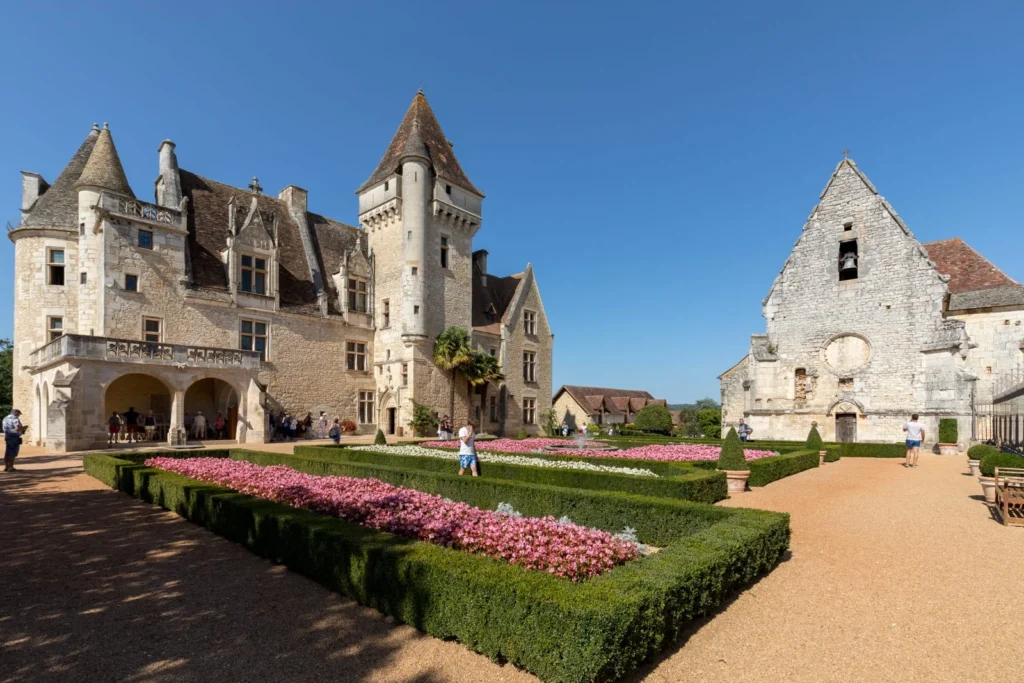
When discussing how many châteaux are in France, scholars and tourism boards offer different figures. The French Ministry of Culture maintains a register of historic monuments that lists about 11,000 castles and manors. These are properties that owners have nominated for heritage protection, including both private and state‑owned sites.
Many castles, particularly those in ruins or private hands, are absent from this register. A recent insight from a castle‑focused organization notes that if one counts every castle, manor house, and fortified residence, the estimate ranges from 40,000 to 45,000. This figure is widely quoted on heritage websites and corresponds to roughly one castle for each of France’s 36,000 communes.
This includes about 13,000 medieval fortresses, around 400 Renaissance structures, and roughly 11,000 properties registered as historic monuments.
Why are the numbers so fluid? The discrepancy arises from definitions. If one includes only fortified medieval castles with surviving walls, the total is smaller. If one embraces every manor house, château, or palace built for noble families, the number climbs dramatically. Additionally, many private owners never register their estates; others count only those open to visitors.
Thus, the number of chateaux in France has no single answer. A reasonable median figure is around 45 thousand, recognizing that some 11 thousand of those are officially listed monuments.
Private Ownership and Preservation
France’s castles are not all government-run museums. Heritage agencies note that roughly 80 percent of French castles are in private hands. Another survey found that of the 6,450 châteaux and manor houses listed by heritage authorities, only about 900 are state-owned; the rest are privately owned.
This means that most of these historic structures depend on private investment and sometimes tourism revenue for maintenance. Some families occupy their ancestral homes and open them for guided tours, guest rooms, or events to finance repairs.
Private ownership explains why many castles remain hidden behind closed gates. Owners may be reluctant to register their properties for heritage protection because doing so imposes preservation obligations.
Without registration, these sites do not appear in official counts. The high cost of upkeep influences the real estate market: the price of a French castle can reach several million euros, yet restoration costs often far exceed the purchase price. Consequently, a number of castles languish as ruins, awaiting new custodians.
Ruins and Restored Treasures
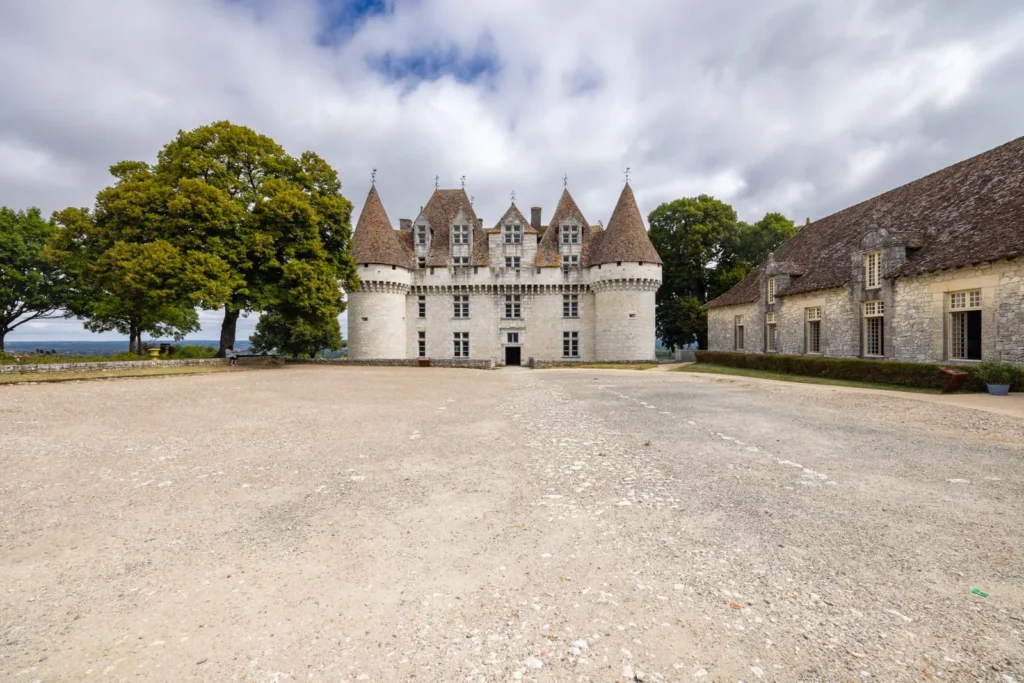
The thousands of castles scattered across France exist in varied states of preservation. Heritage researchers estimate that about 13 thousand medieval fortresses survive. Many of these remain as atmospheric ruins, with crumbling walls and collapsed towers evoking centuries of warfare and weather.
At the other extreme are Renaissance châteaux—around 400 structures built between the fifteenth and seventeenth centuries—that showcase graceful architecture and landscaped gardens.
The difference between ruin and residence shapes visitors’ experiences. The fortified castle of Carcassonne, extensively restored in the nineteenth century, offers ramparts and towers that transport guests to the Middle Ages. Contrast this with the romantic ruins of Château de Crussol in the Ardèche, where ivy‑clad walls overlook the Rhône valley.
Many castles have been converted into hotels or guesthouses. Staying overnight in a restored château allows travelers to savor antique furniture, stone fireplaces, and views over vineyards. On the other hand, exploring a ruin requires sturdy footwear and imagination. Both experiences illustrate the spectrum of French castle preservation.
Regions With High Castle Density
Castles dot every corner of France, but certain regions boast exceptional concentrations. The Loire Valley is world‑famous for its magnificent Renaissance châteaux. The valley contains more than 80 castles, and 42 of them form part of the UNESCO World Heritage site that honors the region’s cultural landscape.
Iconic sites such as Chambord, Chenonceau, Amboise, and Villandry attract millions of visitors each year. The Loire Valley’s mild climate and fertile soil once supported royal hunting lodges and pleasure palaces; today they provide a scenic backdrop for cycling and river cruises.
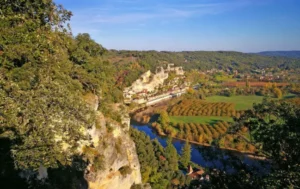
Southwest of the Loire lies the Dordogne, nicknamed the “Land of a thousand and one castles.” The official tourism board describes the valley as a paradise for history lovers and invites visitors to explore numerous fortresses and châteaux. This concentration reflects the region’s strategic importance during the Hundred Years’ War.
The French and English crowns granted lords the right to build fortifications, leading to hundreds of castles on both sides of the river. Perched on cliffs or nestled beside rivers, Dordogne castles range from intact museums to romantic ruins.
Other areas also teem with historic residences. In Alsace, the Vosges Mountains shelter dozens of hilltop fortresses; Île‑de‑France hosts royal palaces such as Versailles and Fontainebleau; and Occitanie preserves Cathar strongholds such as Peyrepertuse. Almost every department boasts at least a few châteaux. The broad distribution underscores why there is nearly one castle per commune.
Planning Tips for Visiting French Castles
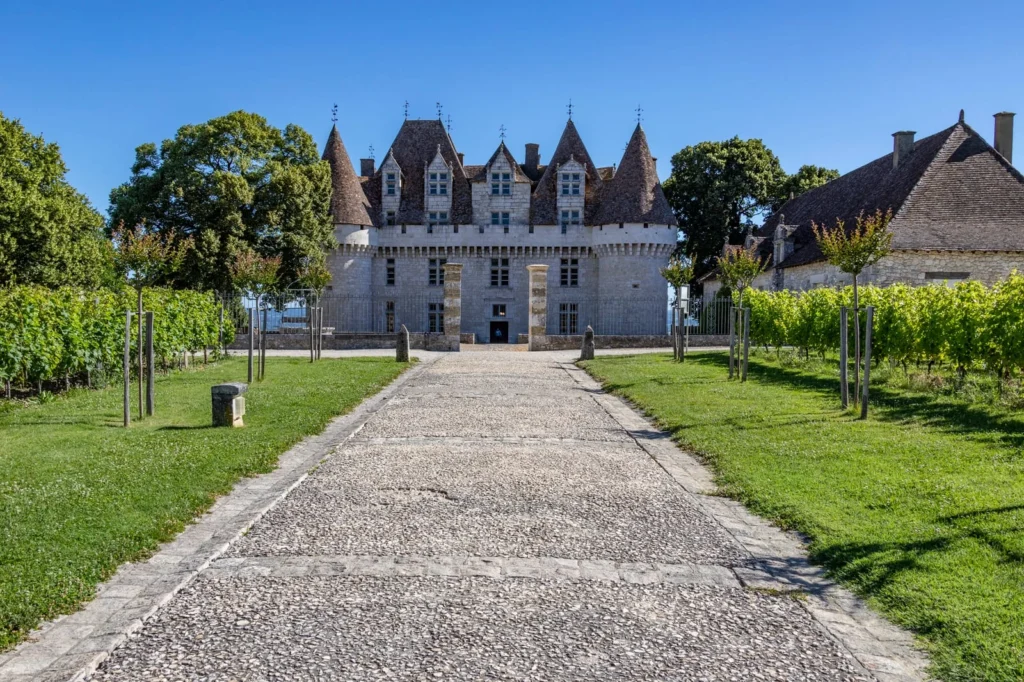
Plan ahead before visiting French castles. Popular châteaux often require advance booking, and some require deposits or accept only limited payment methods. Some also have specific rules for children or amenities, so checking the official website before arrival helps avoid problems. At major sites such as Chambord or Versailles, arrive early and allow enough time for both the castle and the grounds.
Opening hours and ticket prices change by season. Some castles run evening visits in peak months, while others reduce access or close in winter. Wear comfortable shoes because many sites have uneven stone floors, stairs, and large outdoor areas. For rural castles, public transport can be limited, so a rental car or guided tour is often the easiest option.
Useful planning points:
- Check for combination tickets or regional heritage passes if you want to visit several sites
- Book transport in advance for remote castles
- Include lesser-known châteaux for lower fees, smaller crowds, and more direct access to local history
Exploring by region also improves the experience. In the Dordogne, many castles reflect medieval conflict and family ownership. In Burgundy, some châteaux offer vineyard tours and tastings. This helps you see how castle architecture changes across France.
Stay in a Restored French Château at Château de Lasfonds
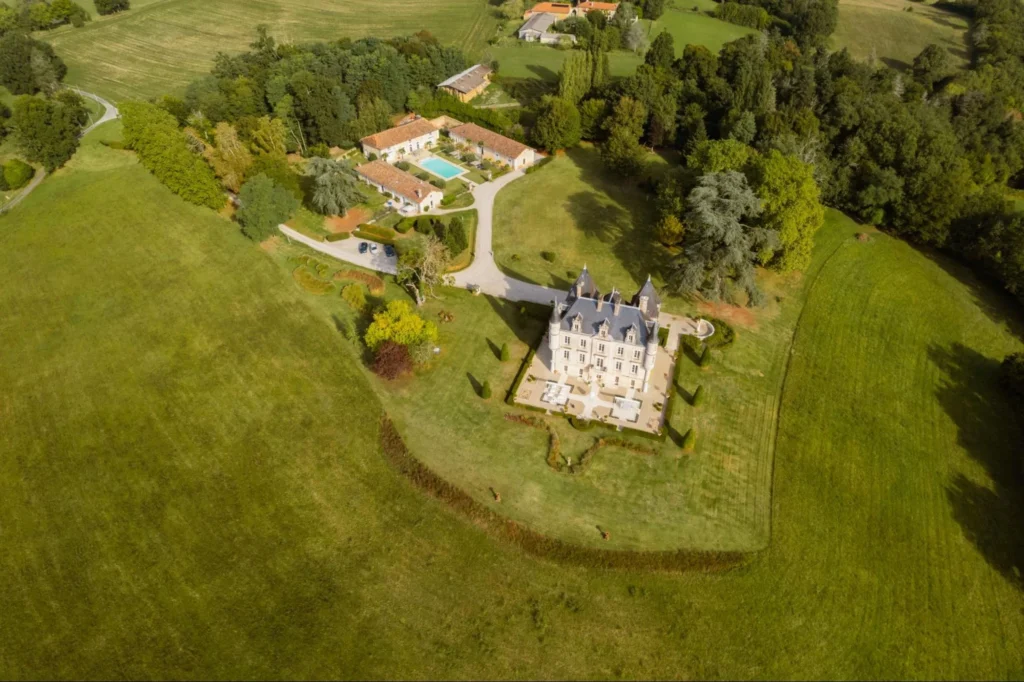
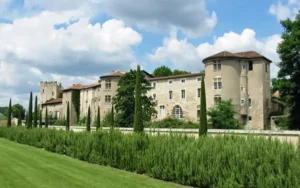
If this guide has made you want to experience a real château stay, Château de Lasfonds offers a private estate experience in the Dordogne countryside. The property is designed for exclusive group stays and sits on a 6.5-hectare estate with no immediate neighbors, which makes it a strong fit for readers who want privacy, space, and a more personal connection to French château life.
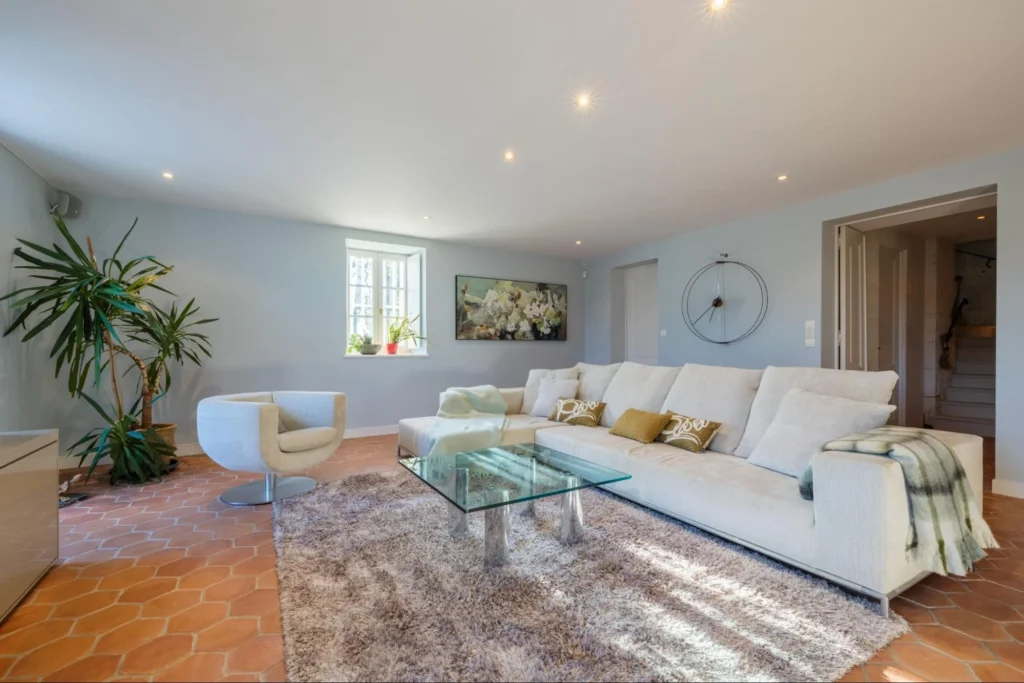
The stay is built around comfort as much as it is around heritage. Château de Lasfonds welcomes groups of up to 20 guests, and the estate includes the château, gardens, outbuildings, concierge support, and a heated pool available on request during the warmer season. It is also practical for longer stays, since access to Paris is available via a 2.5-hour TGV ride to Angoulême, followed by a 35-minute drive.
Ready to move from reading about French châteaux to staying in one? Explore Château de Lasfonds and plan a private countryside stay that brings the château experience into real life.
FAQs
1. Are French castles open all year?
Some are, but many are not. Large landmark châteaux often open most of the year, while smaller private sites may close in winter, limit weekdays, or open only for guided visits and seasonal events.
2. Can you stay overnight in a French château?
Yes, many French châteaux welcome overnight guests. Some operate as boutique hotels, while others rent the full estate for private stays, family gatherings, retreats, or weddings, usually with stricter booking terms than standard hotels.
3. Do castle tickets usually include the gardens?
Often, yes, though the rules vary by property. Some tickets cover the château and gardens together, while others charge separately for landscaped grounds, seasonal exhibitions, maze areas, wine cellars, or special evening access.
4. Are French castles suitable for children?
Many are suitable for children, but not all are equally easy. Large estates may have open grounds and family trails, while smaller historic properties may restrict strollers, touching displays, or access to upper floors.
5. Can you visit castles in France without a car?
Yes, but your options depend on the region. Major sites near Paris or the Loire are easier by train and taxi, while rural castles in Dordogne, Burgundy, or Occitanie usually require a car or arranged transport.
6. How much time should you allow for one château visit?
Plan for at least two to three hours at a major château. Smaller properties may take less time, though gardens, cafés, guided tours, and stops in nearby villages can easily turn one visit into half a day.
7. Are guided tours worth booking at smaller castles?
Yes, guided tours are often the best part of smaller castles. They usually add family stories, restoration details, locked rooms, and local context that you would miss on a self guided walk through the property.
8. What should you wear for a château visit in France?
Wear comfortable shoes and light layers. Many château visits involve gravel paths, worn staircases, cool stone rooms, and open grounds, so practical clothing works better than formal outfits, even at prestigious historic sites.
9. Do French castles offer English-language information?
Many major castles do, especially famous sites with international visitors. Smaller châteaux may offer only French panels or limited translations, so an audio guide, printed leaflet, or guide app can make the visit clearer.
10. Are French castles accessible to visitors with limited mobility?
Access varies widely, and many historic castles remain difficult for visitors with limited mobility. Expect steps, narrow passages, gravel courtyards, and uneven floors. Check accessibility pages in advance, since newer visitor routes are usually limited to major sites.